
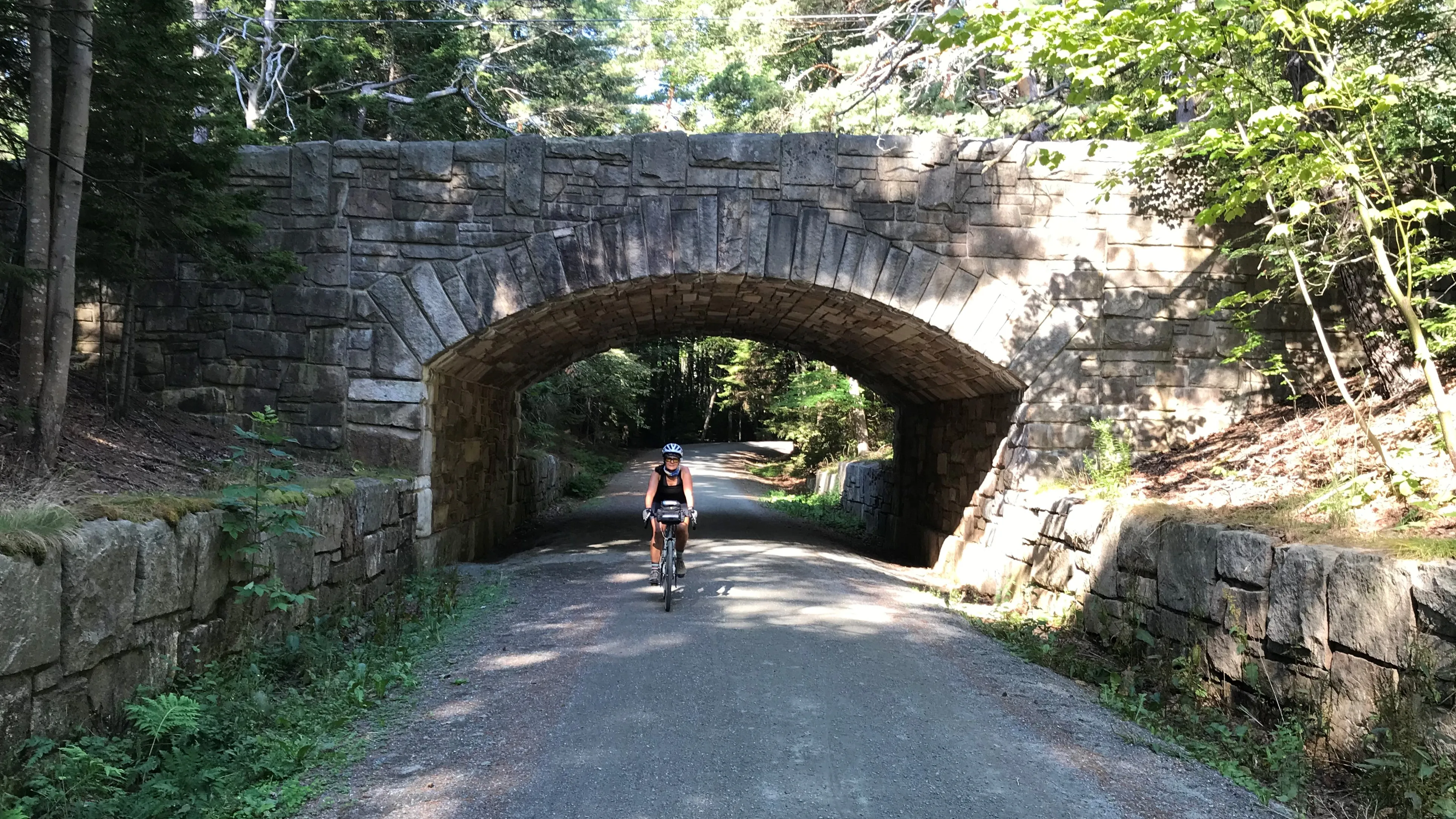
After spending countless hours exploring both the historic carriage roads and challenging Cadillac Mountain summit, I've discovered that choosing between these two incredible Acadia vs. Cadillac Mountain biking experiences depends entirely on your skill level, time constraints, and adventure goals. This comprehensive guide shares my firsthand insights to help you make the perfect choice for your Maine adventure. Wilderness Paths brings you expert outdoor guidance from real trail experience.
Understanding Your Biking Options in Acadia National Park
When I first arrived at Acadia National Park, I faced the same dilemma many cyclists encounter: should I tackle the legendary Cadillac Mountain summit or explore the famous carriage roads? After experiencing both multiple times across different seasons, I can confidently say that the Acadia vs. Cadillac Mountain biking experience offers two completely different adventures, each with its own rewards and challenges.
Acadia National Park provides 45 miles of pristine carriage roads designed by John D. Rockefeller Jr. between 1913 and 1940, alongside the challenging 3.5-mile Cadillac Mountain Summit Road that climbs 1,449 feet to the highest point on the East Coast. The carriage roads feature crushed stone surfaces perfect for leisurely rides, while Cadillac Mountain demands serious climbing legs and rewards you with breathtaking panoramic views.

The key difference lies in accessibility and difficulty level. Acadia National Park carriage roads biking guide shows that these historic paths welcome families, casual riders, and anyone seeking a peaceful cycling experience through pristine Maine wilderness. Meanwhile, Cadillac Mountain challenges experienced cyclists with steep grades averaging 4.8%, requiring proper fitness and equipment preparation.
During my park ranger conversations, I learned that most visitors underestimate the physical demands of Cadillac Mountain while overestimating the difficulty of carriage roads. The Acadia vs. Cadillac Mountain biking experience truly depends on your fitness level, available time, and desired scenery. Carriage roads offer intimate forest experiences with occasional lake views, while Cadillac Mountain provides sweeping coastal vistas that justify every pedal stroke of the challenging climb.
Cadillac Mountain Road: The Ultimate Climb Challenge
My first attempt at Cadillac Mountain Road left me humbled and inspired. This 3.5-mile paved ascent gains 1,449 feet at an average gradient of 4.8%, making it arguably Maine's most challenging bike climb. The summit road winds through granite landscapes, offering increasingly spectacular views as you ascend toward the 1,530-foot peak.
Starting from the Park Loop Road junction, the initial mile provides a gentle warm-up before the real climbing begins. I've learned that timing is crucial for the Acadia vs. Cadillac Mountain biking experience – early morning rides before 9 AM offer the best traffic conditions and cooler temperatures. The road surface remains excellent throughout, but the narrow shoulders require constant vigilance around vehicles.
The physical demands cannot be understated. During my most challenging ascent in July heat, I consumed three water bottles and took four rest stops at scenic pullouts. The steepest sections hover around 8-10% grade, testing even experienced cyclists' endurance. However, reaching the summit delivers an unmatched sense of accomplishment alongside 360-degree views spanning the Atlantic Ocean, Frenchman Bay, and Mount Desert Island's rugged coastline.
Weather conditions dramatically impact the Cadillac Mountain experience. I've cycled the summit road in fog so thick that visibility dropped to 50 feet, creating an entirely different but equally memorable adventure. The best time of year to bike Acadia National Park for Cadillac Mountain attempts falls between late May and early October, when snow and ice don't pose additional hazards to the already challenging climb.
Acadia's Carriage Roads: Historic Trails for Every Skill Level
The carriage roads represent Acadia's crown jewel for recreational cycling, offering 45 miles of meticulously maintained crushed stone paths that wind through the park's most scenic areas. These car-free routes were John D. Rockefeller Jr.'s gift to future generations, designed with gentle grades and stunning stone bridges that create an almost magical cycling environment.
My favorite carriage road experience involves the Eagle Lake Loop, a 6.1-mile circuit that showcases everything wonderful about the Acadia vs. Cadillac Mountain biking experience. The crushed stone surface provides excellent traction while remaining comfortable for extended rides, and the route passes through diverse ecosystems including dense forests, open meadows, and pristine lakeshores.

The beauty of carriage roads lies in their accessibility. I've encountered families with young children, elderly couples on e-bikes, and serious mountain bikers all sharing these paths harmoniously. The rules for biking in Acadia carriage roads emphasize courtesy and shared use – cyclists yield to pedestrians and everyone yields to horses, creating a peaceful coexistence rarely found in other outdoor recreation areas.
Navigation remains straightforward thanks to numbered stone posts at intersections, though I recommend carrying a carriage road map for longer adventures. Popular routes include the Jordan Pond Path (offering spectacular mountain reflections), the Great Head Loop (combining carriage roads with ocean views), and the Witch Hole Pond Loop (perfect for families with younger cyclists). Each route provides different perspectives on Acadia's diverse landscapes while maintaining the gentle grades that make carriage roads accessible to virtually every fitness level.
My Personal Experience: Comparing Both Routes
After completing both experiences dozens of times across four seasons, I can provide honest insights into what makes each special. The Acadia vs. Cadillac Mountain biking experience presented me with two completely different challenges, rewards, and memories that shaped my understanding of Maine's outdoor recreation opportunities.
My most memorable Cadillac Mountain ride occurred during a September sunrise attempt. Starting at 5:30 AM in complete darkness, I climbed through layers of mist while watching the eastern horizon gradually lighten. Reaching the summit just as the first rays painted the Atlantic golden remains one of my most treasured outdoor experiences. The physical challenge pushed my limits, but the reward exceeded every expectation.
User Experience Summary
Reddit User (u/MaineCyclist): "Cadillac Mountain kicked my butt but the views were incredible. Carriage roads are perfect for my family rides."
Amazon Review (CamelBak M.U.L.E.): "Essential for Acadia rides - perfect size for both carriage roads and mountain climbs."
Tripadvisor Review: "Carriage roads exceeded expectations - well-maintained and absolutely beautiful throughout."
Conversely, my favorite carriage road adventure involved a late afternoon ride around Jordan Pond with my visiting family. The gentle terrain allowed conversation throughout the journey, while frequent stops at scenic overlooks created perfect photo opportunities. We spotted wildlife including deer, various bird species, and even caught glimpses of seals in nearby coves – experiences impossible during the intense focus required for Cadillac Mountain climbs.
The practical differences became clear through repeated visits. Cadillac Mountain demands serious preparation, fitness, and weather awareness, while carriage roads welcome spontaneous adventures with minimal gear requirements. However, both options provide authentic Acadia vs. Cadillac Mountain biking experiences that showcase different aspects of Maine's natural beauty. I now recommend Cadillac Mountain for adventure seekers and serious cyclists, while suggesting carriage roads for families, casual riders, and anyone seeking peaceful nature immersion.
Essential Gear and Preparation Tips
Proper equipment makes the difference between memorable adventures and challenging ordeals. My gear recommendations come from extensive field testing across both carriage roads and Cadillac Mountain climbs, ensuring you're prepared for whatever the Acadia vs. Cadillac Mountain biking experience presents.
For Cadillac Mountain attempts, I consider a quality helmet absolutely essential. The Smith Engage MIPS Helmet provides excellent protection and ventilation during challenging climbs. The MIPS technology offers additional safety features crucial for steep descents, while the lightweight design reduces neck fatigue during extended efforts.
Hydration becomes critical during summer climbing attempts. My CamelBak M.U.L.E. Pro 14 Hydration Pack carries sufficient water for both Cadillac Mountain climbs and extended carriage road adventures. The 3-liter reservoir plus additional storage for snacks, tools, and weather protection makes this pack invaluable for serious Acadia cycling.

Early morning Cadillac Mountain sunrise rides require proper lighting. The NiteRider Swift 500 Front Bike Light provides 500 lumens of illumination essential for pre-dawn climbs. Paired with a reliable rear light, this setup ensures visibility during low-light conditions common during early morning and late evening rides.
Weather protection becomes crucial given Maine's variable conditions. I always pack the Patagonia Houdini Jacket for unexpected weather changes. This ultralight windbreaker fits easily in any pack while providing essential protection against coastal winds and sudden temperature drops common at higher elevations.
For carriage road adventures, comfort takes priority over performance gear. A standard bike helmet suffices, though I still recommend the Specialized Align II Helmet for its affordability and comfort during extended rides. The what to pack for biking in Acadia ultimately depends on your chosen route, but proper preparation enhances every aspect of the experience.
Best Times to Visit and Seasonal Considerations
Seasonal timing dramatically impacts the Acadia vs. Cadillac Mountain biking experience, with each season offering unique advantages and challenges. My four years of year-round cycling in Acadia revealed distinct characteristics that help determine optimal visit timing for different goals and preferences.
Summer (June-August) provides the most predictable weather but brings challenging crowds and peak traffic. Cadillac Mountain attempts require early morning starts before 7 AM to avoid vehicle congestion, while carriage roads become busy with families and tour groups after 10 AM. However, summer offers extended daylight hours perfect for ambitious riding itineraries and the warmest temperatures for comfortable outdoor adventures.
Fall (September-November) represents my personal favorite season for the Acadia vs. Cadillac Mountain biking experience. Spectacular foliage transforms both mountain climbs and carriage road rides into visual masterpieces, while cooler temperatures make challenging climbs more comfortable. I've witnessed peak foliage from Cadillac Mountain summit that rivaled any postcard – an experience worth planning entire trips around.
Seasonal Pros and Cons
Spring: Fewer crowds, mild temperatures, but mud season closures possible
Summer: Best weather, all routes open, but heavy traffic and crowds
Fall: Spectacular foliage, perfect temperatures, moderate crowds
Winter: Acadia National Park in winter offers unique beauty but requires specialized equipment
Spring (April-May) brings variable conditions with potential carriage road closures during mud season. However, I've enjoyed some of my most peaceful rides during late spring when wildflowers bloom along carriage roads and migrating birds fill the forests with activity. The best time of year to bike Acadia National Park for solitude seekers definitely includes late spring when visitor numbers remain manageable.
Winter cycling requires specialized equipment and experience, but brave souls who attempt Acadia National Park in winter discover a transformed landscape of stunning beauty. Some carriage roads remain accessible for fat biking, though Cadillac Mountain Road typically closes due to snow and ice conditions. I recommend consulting current conditions through the National Park Service before attempting winter cycling adventures.
Frequently Asked Questions
What's the main difference between Acadia carriage roads and Cadillac Mountain biking?
The fundamental difference lies in difficulty and scenery. Carriage roads offer 45 miles of gentle, crushed stone paths perfect for families and casual riders, featuring forest views and historic stone bridges. Cadillac Mountain presents a challenging 3.5-mile paved climb gaining 1,449 feet, rewarding serious cyclists with panoramic coastal views from Maine's highest peak. Carriage roads welcome all skill levels, while Cadillac Mountain demands proper fitness and cycling experience for safe completion.
Do I need special permits for biking in Acadia National Park?
Yes, you need a valid Acadia National Park entrance pass for both carriage roads and Cadillac Mountain biking. Additionally, Cadillac Mountain Summit Road requires vehicle reservations during peak season (May-October), though cyclists can access the road without separate reservations. Electric bike rentals Acadia National Park options are available, but only Class 1 e-bikes are permitted on carriage roads. Standard park entrance fees apply regardless of your chosen biking experience within the park boundaries.
What type of bike works best for each experience?
Carriage roads accommodate virtually any bike type, though mountain bikes or hybrids with wider tires provide optimal comfort on crushed stone surfaces. Road bikes work but may feel less stable on loose gravel sections. For Cadillac Mountain climbs, road bikes or lightweight mountain bikes with proper gearing prove essential – the steep grades require low gears typically found on quality cycling equipment. Best bike rental shops in Bar Harbor offer appropriate options for both experiences, with expert staff helping match bikes to your planned routes.
How long does each biking experience typically take?
Carriage road rides vary from 1-6 hours depending on chosen routes and stops. Popular loops like Eagle Lake take 1-2 hours at casual pace, while comprehensive carriage road tours can fill entire days. Cadillac Mountain climbs typically require 2-4 hours total, including 45-90 minutes ascending, summit time for photos and rest, plus 30-45 minutes descending. Weather conditions, fitness levels, and traffic significantly impact timing. Early morning starts provide optimal conditions for both experiences, especially during peak visitation periods.
What safety considerations should I keep in mind?
Both experiences require proper helmet use and weather preparation. Cadillac Mountain demands additional caution due to steep grades, narrow roads, and vehicle traffic – early morning rides before 9 AM offer safer conditions. Carriage roads require courtesy toward pedestrians and horses, with cyclists yielding right-of-way to other users. Always carry sufficient water, especially for Cadillac Mountain attempts, and inform someone of your planned route and return time. Where to park for biking in Acadia varies by chosen experience, with specific parking areas serving different access points throughout the park system.
Ready to Plan Your Adventure?
Check out our comprehensive planning resources:
Conclusion
The Acadia vs. Cadillac Mountain biking experience ultimately offers two distinct adventures that showcase different aspects of Maine's natural beauty. After extensive exploration of both options, I can confidently recommend carriage roads for families, casual cyclists, and anyone seeking peaceful nature immersion, while suggesting Cadillac Mountain for adventure-seekers ready to tackle one of New England's most challenging and rewarding climbs.
My personal journey through Acadia's cycling opportunities revealed that the best choice depends entirely on your fitness level, available time, and adventure goals. The historic carriage roads provide accessible beauty and gentle exercise perfect for creating lasting family memories, while Cadillac Mountain delivers an intense physical challenge rewarded with unmatched panoramic views that justify every difficult pedal stroke.
For optimal experiences, I recommend visiting during shoulder seasons (late spring or early fall) when crowds thin out and weather conditions remain favorable. Proper preparation enhances both adventures – from quality helmets and hydration systems for Cadillac attempts to comfortable bikes and weather protection for extended carriage road explorations. The Family bike rental options near Acadia and Top trails for biking in Acadia National Park ensure everyone finds their perfect adventure.
Whether you choose the gentle curves of Rockefeller's carriage roads or the challenging ascent to Maine's highest peak, both options provide authentic connections with Acadia's extraordinary landscapes. The Acadia vs. Cadillac Mountain biking experience represents more than simple recreation – it offers genuine opportunities to engage with one of America's most treasured national parks through the simple joy of pedaling through pristine wilderness.
Start planning your adventure today by exploring our comprehensive resources on Bike rental prices near Acadia National Park and detailed route guidance. Your perfect Maine cycling adventure awaits, whether it leads through peaceful forests or up to breathtaking summit views that span the Atlantic horizon.
This guide represents personal experiences and research conducted over multiple seasons in Acadia National Park. Always check current conditions, weather forecasts, and park regulations before beginning any cycling adventure. Visit the official National Park Service website for the most up-to-date information and safety guidelines.