
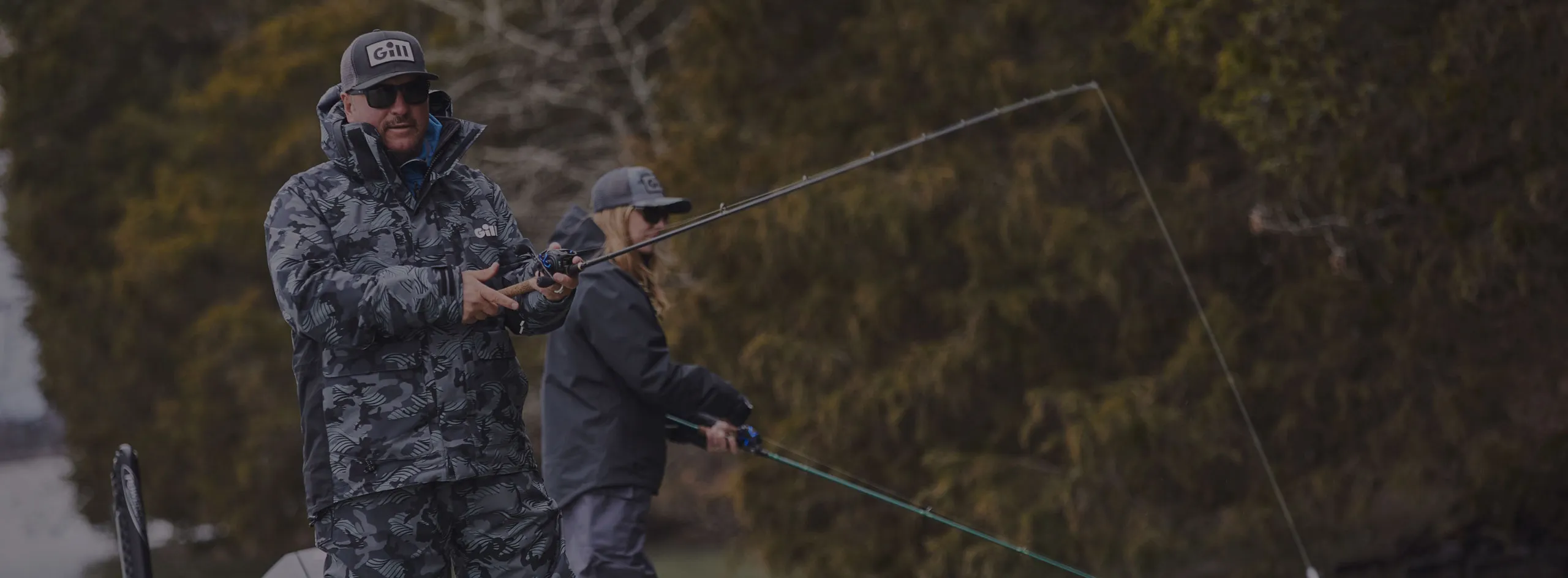
After countless hours battling the elements on rivers, lakes, and oceans, I've learned that quality fishing rain gear isn't a luxury—it's an absolute necessity. Join me as I share my hard-won insights and practical tips on how to choose the ultimate waterproof fishing jackets, pants, and suits to keep you dry, warm, and focused on the catch, no matter what the weather throws your way.
Why Top-Tier Fishing Rain Gear is Non-Negotiable
I've always believed that fishing is about connecting with nature, embracing the elements, and finding peace on the water. But there's a fine line between embracing the elements and being utterly miserable. I've been there, shivering uncontrollably on a boat, soaked to the bone because I cheaped out on my rain gear. Let me tell you, that's not a memory you cherish. It's a lesson learned the hard way.
Investing in the best fishing rain gear isn't just about comfort; it's about safety, endurance, and ultimately, your success on the water. When you're cold and wet, your dexterity plummets, your focus shifts from the bite to your discomfort, and you're at risk of hypothermia. I've seen trips cut short because someone wasn't properly equipped. A truly great waterproof fishing jacket and matching pants become an extension of your fishing arsenal, allowing you to stay out longer, fish harder, and enjoy the experience, even when the weather turns sour.
Think about it: you spend hours planning, preparing, traveling to that perfect spot. You wouldn't use a flimsy rod or dull hooks, so why compromise on the gear that protects you from the very environment you're immersing yourself in? This isn't just a raincoat; it's a shield against the unpredictable moods of Mother Nature. From a sudden squall on the lake to persistent drizzle on the coast, having reliable fishing waterproof clothing makes all the difference.
Diving Deep into Waterproofing Technologies
When I first started fishing, I thought "waterproof" meant "waterproof." Simple, right? Oh, how naive I was! Over the years, I've come to understand that not all waterproofing is created equal. There's a vast spectrum, and knowing the differences is crucial for selecting the best fishing rain gear.
Gore-Tex: The Gold Standard (For a Reason)
I remember my first Gore-Tex jacket. It was a game-changer. For me, Gore-Tex is the benchmark for high-performance rain gear. This revolutionary membrane features billions of microscopic pores that are too small for liquid water droplets to pass through, but large enough for water vapor (sweat) to escape. This is the magic formula: waterproof and breathable. Brands like Simms extensively use Gore-Tex in their top-tier fishing rain jackets because it simply works. It’s an investment, but one that has paid dividends in countless downpours.
- Gore-Tex Pro: The most rugged and durable version, ideal for extreme conditions and professional use. It's what I recommend for serious offshore or consistent bad-weather fishing.
- Gore-Tex Active: Lighter and more breathable, perfect for high-exertion activities where moisture management is key. Think fly fishing that involves a lot of hiking.
- Gore-Tex Paclite: Designed for minimal weight and packability, excellent as an emergency shell or for travel.
Proprietary Membranes: Innovation Beyond Gore-Tex
Many brands have developed their own waterproof/breathable membranes, often to offer similar performance at a more accessible price point or with specific features. Simms has their Toray fabrics, Gill uses their XPLORE+ technology, and Patagonia employs their H2No Performance Standard. I've had good experiences with several of these. They might not always match Gore-Tex's sheer breathability in all conditions, but they often come very close and can be incredibly durable. It’s always worth looking into the brand's specific claims and user reviews for these technologies.
DWR Coatings: The First Line of Defense
Every piece of quality rain gear, regardless of its membrane, will have a Durable Water Repellent (DWR) coating on the outer fabric. This is what causes water to bead up and roll off the surface, preventing the fabric from "wetting out." I've learned that a DWR coating isn't permanent; it wears off over time. When water starts soaking into the outer layer of your jacket, it hinders the membrane's breathability, making you feel clammy even if the membrane itself isn't leaking. Regular cleaning and re-application of a DWR treatment are vital for maintaining performance, which I'll delve into later.
PU and PVC Coatings: The Classic Foul-Weather Gear
For sheer, uncompromising waterproofness, especially in commercial fishing or brutal marine environments, polyurethane (PU) or polyvinyl chloride (PVC) coatings are king. Brands like Grundens are famous for this. These materials are completely impermeable, offering 100% protection against water ingress. The trade-off? Breathability is virtually non-existent. You'll stay dry from the outside, but you might get damp from sweat on the inside. For offshore anglers dealing with constant spray and heavy rain where breathability is secondary to protection, these are often the go-to. I've worn them on commercial boats; they're bombproof but can feel like a sauna.
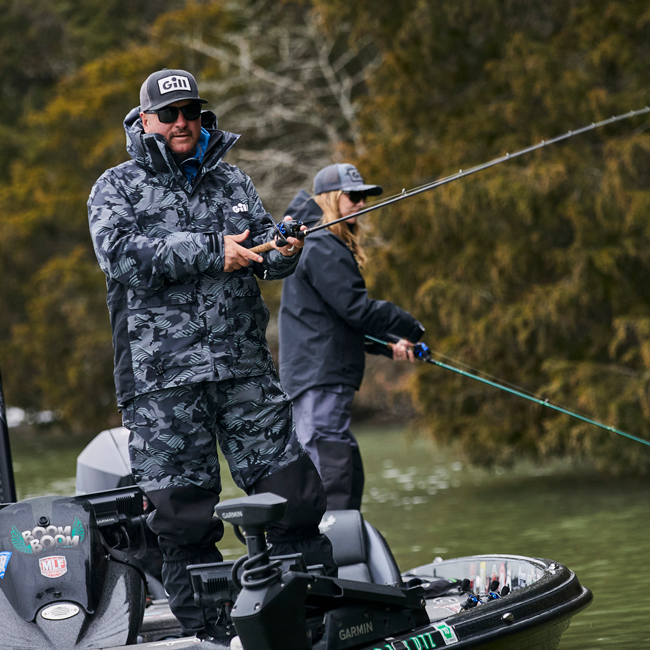
Essential Features I Look For in Fishing Rain Gear
Beyond the core waterproofing technology, the devil is truly in the details when it comes to the best fishing rain gear. After years of trial and error, I've developed a checklist of features that elevate a good piece of gear to a great one. These are the elements that enhance comfort, functionality, and overall angling experience.
1. Seam Sealing: The Unsung Hero
A fabric can be 100% waterproof, but if the seams aren't properly sealed, water will find its way in. All high-quality rain gear, especially those designed for fishing, should have fully taped or welded seams. This means that every stitch hole is covered with a waterproof tape or fused shut. I've had otherwise decent rain jackets fail simply because of poor seam sealing around the shoulders or hood. Always look for this detail.
2. Zippers: More Than Just a Fastener
Zippers are often weak points. I exclusively look for YKK AquaGuard or similar water-resistant zippers on main openings and critical pockets. These zippers have a polyurethane lamination that makes them highly water-repellent. They aren't always 100% submersible, but they do a fantastic job of keeping spray and rain out. Storm flaps that cover traditional zippers are also a good sign, providing an extra layer of protection.
3. Cuffs: Keeping Water Out of Your Sleeves
This is critical, especially for fly fishing or any activity where your hands are frequently in or near water. I prefer adjustable cuffs, usually with a Velcro tab, that can be cinched down tightly over gloves or wrists. Some of the best waterproof fishing jackets feature internal watertight cuffs, sometimes made of neoprene or a stretchy fabric, which create a seal against your skin. This simple feature prevents water from running down your arm when you reach up or cast.
4. Hood Design: Your Head's Best Friend
A poorly designed hood is practically useless. I look for hoods that are:
- Adjustable: With drawcords around the face and on the back of the head, allowing for a snug, custom fit that moves with you and doesn't impede vision.
- Stiff Brim: A rigid or wire-reinforced brim helps keep rain out of your eyes and off your face, crucial when you're trying to tie a knot or spot a fish.
- Helmet Compatible (Optional): If you wear a helmet for kayak fishing or other activities, ensure the hood can fit over it.
A good hood will protect you without feeling like a sail in the wind or blocking your peripheral vision.
5. Pockets: Strategic Storage
I need pockets that are accessible and, most importantly, truly waterproof. For a fishing rain jacket, I look for:
- Hand Warmer Pockets: Lined with fleece, these are a godsend on cold, wet days.
- Chest Pockets: For essentials like a phone, fishing license, or small tackle, these need water-resistant zippers and often an internal waterproof liner.
- Internal Pockets: Great for items you absolutely cannot get wet, though accessing them might require unzipping your jacket.
Placement is key; they should be high enough to be usable even when wearing a wading belt or life vest.
6. Fit and Mobility: Cast Without Restriction
Fishing involves a lot of movement—casting, reaching, bending. Your rain gear shouldn't hinder this. I look for articulated sleeves and a generous cut that allows for layering underneath without feeling bulky or restrictive. Some brands design jackets with specific fishing motions in mind, which is a huge plus. The hem length is also important; wading jackets are shorter to stay out of the water, while offshore jackets are longer for maximum coverage.
7. Breathability: Preventing the "Boil in the Bag" Effect
This goes hand-in-hand with waterproofing. As I mentioned with Gore-Tex, a truly good rain jacket will allow sweat vapor to escape, preventing that clammy, uncomfortable feeling. While no fabric can make you perfectly dry if you're working hard in humid conditions, good breathability makes a world of difference. This is where proprietary membranes and Gore-Tex truly shine, making them the superior choice for active fishing.
To learn more about maximizing your comfort in the elements, check out my thoughts on choosing a breathable waterproof jacket.
8. Durability: Built to Last
Fishing rain gear takes a beating. Hooks, boat surfaces, rocks, brush—it all conspires to tear your gear. I look for fabrics with a higher denier (D) rating, especially in high-wear areas like shoulders, elbows, and seat. Reinforcements in these areas are a major plus. Durability often correlates with weight, so it's a balance depending on whether you need a lightweight, packable shell or a heavy-duty workhorse.
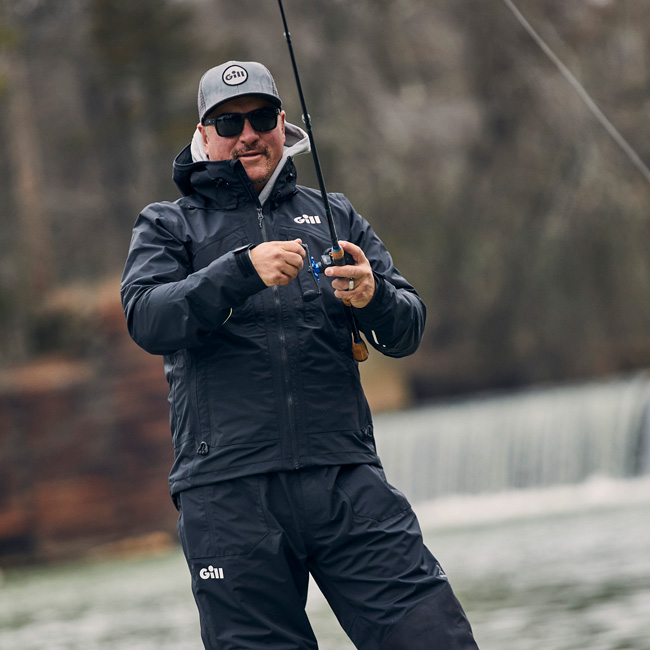
Understanding Different Types of Fishing Rain Gear
Just like there are different types of fishing, there are different types of best fishing rain gear designed to excel in specific environments. My personal gear locker has evolved to include a few different setups, each tailored for a particular angling scenario.
1. Fishing Rain Jackets: The Upper Body Shield
- Wading Jackets: These are my go-to for fly fishing or any situation where I'm standing in water. They are typically shorter, ending above the waist, to prevent the jacket hem from getting submerged. They often feature large, easy-access chest pockets for fly boxes and tools, and angler-specific details like tool attachment points and D-rings. Simms' wading jackets are legendary for a reason. They keep me dry while allowing full range of motion for casting.
- Offshore/Coastal Jackets: These are generally longer for maximum coverage and protection against heavy spray and wind. They often have robust, high collars, heavy-duty zippers, and a more relaxed fit for layering. Brands like Grundens and Gill excel here, offering truly bombproof protection for harsh marine environments. They might be less breathable but prioritize keeping you dry in extreme conditions.
- Lightweight Shells: For fair-weather fishing with a chance of showers, or for situations where packability is paramount (like backpacking to a remote lake), a lightweight, packable rain jacket is invaluable. These are usually less durable but offer decent protection and can be easily stowed in a backpack. They are often less expensive and serve as excellent emergency gear. For a deeper dive into lightweight options, see my article on lightweight packable rain jackets.
2. Fishing Rain Pants & Bibs: Don't Forget Your Legs!
I can't stress this enough: your upper body can be bone dry, but if your legs are soaked, you're still going to be miserable and cold. Don't neglect your lower half! This is where many anglers make a mistake. The best fishing rain gear always includes appropriate leg protection.
- Rain Pants: Simple, waterproof pants that can be pulled over your regular fishing attire. Look for full-length side zippers for easy on/off over boots and adjustable cuffs to seal out water. Breathability is also important here.
- Rain Bibs: For serious protection, especially offshore or in heavy rain, bibs are superior. They offer coverage up to your chest, preventing water from getting in where your jacket and pants meet. They often have reinforced knees and seats, and built-in suspenders for comfort and a secure fit. These are my preferred choice for truly foul weather, paired with a good fishing waterproof jacket.
- Wading Pants: While not strictly rain pants, many fishing waders are waterproof and can serve a similar purpose when wading. However, dedicated rain pants/bibs are better for general boat or shore fishing where full immersion isn't the primary concern.
If you're looking for robust protection for your lower body, consider exploring my insights on the best waterproof pants.
3. Full Rain Suits: The Ultimate Fortress
Sometimes, a jacket and pants just aren't enough. For relentless rain, heavy seas, or long days in exposed conditions, a full rain suit (matching jacket and bibs, often from the same brand and material) offers the most comprehensive protection. The integrated design ensures maximum overlap and minimal points of entry for water. This is what I often see commercial fishermen and serious offshore anglers wearing.
4. Accessory Gear: Don't Overlook the Small Stuff
- Waterproof Gloves: Cold, wet hands are useless. Good waterproof gloves, often neoprene or Gore-Tex, are crucial for dexterity and warmth.
- Waterproof Hats: A baseball cap under a good jacket hood helps keep the brim stiff, but a fully waterproof hat (like a sou'wester for extreme conditions) can add an extra layer of protection.
- Waterproof Bags/Packs: While not clothing, having dry bags for your electronics, spare layers, and lunch is just as important.
My Experience: Learning the Hard Way (and the Smart Way)
I've got a mental highlight reel of fishing trips, and a good chunk of them involve rain. My journey to finding the best fishing rain gear has been a winding one, full of soggy lessons and eventual triumphs.
I remember one particular steelhead trip to the Pacific Northwest. It was late fall, and the forecast called for "scattered showers." What we got was three days of relentless, cold rain. I had a budget rain jacket and some basic waterproof pants. By the end of day one, I was damp. By day two, I was soaked to the bone, shivering constantly, and my hands were so numb I could barely tie a knot. My cheap gear had "wet out," meaning the DWR failed, and the poor breathability meant internal condensation. I spent more time trying to get warm in the truck than actually fishing. That trip solidified my belief that compromise on rain gear is a compromise on the entire experience.
After that, I vowed never again. My next significant purchase was a high-end Gore-Tex wading jacket and a pair of matching bibs. The price tag stung, but the very next season, I was back in the same conditions. This time, I was comfortable. I was able to focus on the swing, feel the subtle takes, and enjoy the stunning, albeit wet, scenery. The water beaded off, the internal moisture escaped, and I stayed warm and dry for 10+ hour days. That investment paid for itself tenfold in comfort, enjoyment, and extending my time on the water.
Another lesson learned involves layering. I used to think a thick, waterproof jacket was all I needed. A ranger I met once told me, "Your rain gear is just the shell, son. Your layers underneath are your engine." This stuck with me. Now, for cold, wet conditions, I always layer a moisture-wicking base layer, followed by a mid-layer like fleece or a synthetic puffy jacket, and then my best fishing rain gear on top. This creates an insulating air trap and allows me to adjust my warmth without sacrificing waterproof protection. It’s a simple concept, but it's fundamentally changed how I approach fishing in adverse weather.
I've also learned the importance of immediate care. Leaving wet gear crumpled in a bag is a recipe for mildew and compromised waterproofing. As soon as I'm off the water, especially after a saltwater trip, my rain gear gets rinsed with fresh water and hung to air dry thoroughly. This simple routine has extended the life of my gear significantly, keeping it performing at its peak.
My go-to setup now, for most conditions, is a highly breathable, three-layer Gore-Tex jacket paired with bibs of similar quality. For those extremely wet, cold days, I add a lightweight but warm synthetic insulated jacket underneath. This combination has proven itself time and again, whether I'm chasing salmon in torrential downpours or braving a squall on a bass boat. It allows me to remain confident, comfortable, and focused on the real reason I'm out there: the fish.
Choosing the Right Gear for Your Fishing Style & Conditions
Selecting the best fishing rain gear isn't a one-size-fits-all proposition. Your choice should be highly dependent on the type of fishing you do, the specific conditions you anticipate, and even the local environment. Here’s how I break it down when advising fellow anglers:
Fly Fishing (Wading Focus)
For fly fishing, especially when wading rivers or streams, mobility and access are paramount. I always recommend a quality wading jacket. As discussed, its shorter length prevents it from getting soaked while you're in the water. Look for:
- High-quality waterproof/breathable membrane: Gore-Tex or similar for active casting.
- Ample, easily accessible pockets: For fly boxes, tippet, and tools, ideally with water-resistant zippers.
- Watertight cuffs: Crucial to prevent water from running down your arms when you reach into the water or cast.
- Tool attachment points: D-rings or retractors for zingers, nippers, etc.
Paired with breathable waders and good wading boots, this setup keeps you agile and dry. I've found that having a jacket with a hood that adjusts well and doesn't interfere with casting is also key.
Offshore/Deep Sea Fishing
This is where the elements can truly become brutal. Salt spray, heavy waves, driving rain, and strong winds are common. Here, absolute waterproofness and durability often take precedence over extreme breathability, although a good balance is ideal.
- Heavy-duty full suits: Matching jackets and bibs are almost a necessity.
- Rugged, thick materials: Often PU or PVC coated for maximum protection against abrasion and water intrusion. Brands like Grundens are popular for their foul-weather gear.
- High collars and substantial hoods: To protect your neck and face from spray and wind.
- Reinforced knees and seat on bibs: For kneeling and sitting on rough boat surfaces.
You'll want gear that can withstand constant abuse and keep you dry in truly nasty weather. Comfort is important, but survival and staying dry are the top priorities.
Inshore/Shore Fishing
This category demands versatility. You might be fishing from a boat, kayak, or standing on a beach or jetty. The weather can change quickly.
- Versatile jacket and pants/bibs: A good quality, breathable rain jacket (longer than a wading jacket but not as heavy as an offshore jacket) paired with comfortable rain pants or lighter bibs is usually ideal.
- Packability: If you're hiking to a spot or kayaking, gear that can pack down relatively small is a huge plus.
- Good pocket placement: Pockets that remain accessible whether you're standing, sitting in a kayak, or wearing a PFD.
I often opt for a slightly more robust version of my lightweight shell or a moderately priced Gore-Tex jacket for these conditions, ensuring I'm covered for a range of possibilities.
Cold vs. Warm Weather Fishing (Layering is Key!)
This is where understanding layering becomes critical, regardless of your best fishing rain gear. The rain gear itself is just the outer shell.
- Cold Weather: Your rain gear needs to be large enough to accommodate insulating layers underneath. I typically wear a moisture-wicking base layer (synthetic or merino wool), followed by a fleece or synthetic puffy jacket as a mid-layer, then my waterproof outer shell. This combination allows me to trap warm air and regulate my temperature effectively.
- Warm Weather: In warmer climates, breathability becomes even more important. You'll still need that waterproof outer layer, but you'll likely wear it over just a light base layer. Look for jackets with pit zips or other ventilation features to prevent overheating. Even in warm rain, staying dry is crucial to prevent chafing and discomfort.
Remember, the waterproof shell's job is to keep water out, not necessarily to keep you warm. That's what your layers are for. Read more about selecting the best rain jacket for men and the best waterproof jacket for women to understand how these principles apply to specific needs.
Seasonal/Local Insights
The Pacific Northwest angler will have very different needs from someone fishing in Florida.
- Pacific Northwest / Great Lakes: Frequent, persistent rain, often cold. Prioritize heavy-duty, breathable Gore-Tex or similar multi-layer systems. Warm layers underneath are non-negotiable.
- Florida / Gulf Coast: Pop-up thunderstorms, high humidity, warm rain. Breathability is paramount. Lighter-weight, highly breathable shells are preferred, often with excellent ventilation.
- Mountain Streams / Remote Lakes: Variable weather, often requires hiking. Packability and lightweight design are key, alongside reliable waterproofing. A good waterproof hiking jacket could double as your fishing rain gear here.
Ranger Advice: General Safety and Preparedness
I've had conversations with park rangers and experienced guides who've imparted invaluable advice. The consensus is always: "Be prepared for the worst, hope for the best." They emphasize not just having rain gear, but having good rain gear. A common piece of advice is to always carry an emergency dry bag with spare clothes, a first-aid kit, and enough food/water, even for day trips. Hypothermia can set in quickly when wet and cold. They also stress checking weather forecasts meticulously and knowing when to call it a day. No fish is worth risking your life for. Their advice often includes:
- Always bring a fire starter if fishing remotely, even if not planning a fire.
- Inform someone of your plans and estimated return time.
- Know the signs of hypothermia and how to react.
These aren't directly about rain gear, but they underscore the larger importance of safety and preparedness, which quality rain gear plays a crucial role in.
Top Brands and What They Offer
Over the years, certain brands have consistently impressed me with their commitment to quality and innovation in the fishing rain gear space. While I won't be recommending specific Amazon products here, understanding the general strengths of these brands can guide your purchasing decisions.
Simms Fishing
For many serious anglers, Simms is the gold standard. They've built their reputation on high-performance Gore-Tex fishing rain gear, particularly their wading jackets and bibs. I find their designs incredibly angler-centric, with features like watertight cuffs, articulated fits for casting, and strategically placed pockets. Their G4 Pro and ProDry lines are top-tier and often represent the best waterproof fishing jacket money can buy. The investment is significant, but the durability and performance are usually unmatched.
Grundens
If you ask a commercial fisherman what they wear, chances are they'll say Grundens. This brand is synonymous with heavy-duty foul-weather gear. While some of their gear is less breathable (often PU or PVC coated), it is incredibly rugged, completely waterproof, and designed to withstand the harshest marine environments. They also offer more breathable options now, but their heritage is in tough-as-nails protection. For extreme offshore conditions, Grundens is a go-to for maximum protection.
Gill Fishing
Gill offers a fantastic balance of performance, features, and value, especially for offshore and coastal anglers. Their OS series rain gear is renowned for its durability, waterproofness, and breathability, utilizing their XPLORE+ technologies. I've found Gill gear to be very comfortable and well-designed, with features like high collars, large hoods, and excellent pocketing. They often strike a sweet spot between Simms' top-end performance and more budget-friendly options.
Frogg Toggs
Frogg Toggs are often recommended as a budget-friendly option. Their lightweight, breathable, and surprisingly effective gear can be a great entry point for anglers who don't want to break the bank. While not as durable or feature-rich as premium brands, they offer good initial waterproofing. They are particularly popular for casual fishing or as an emergency set to keep in the boat or truck. Just manage expectations regarding long-term durability and extreme conditions.
Patagonia
Patagonia is known for its high-quality outdoor gear and strong commitment to environmental responsibility. Their fishing-specific rain gear, often featuring their H2No Performance Standard, offers excellent waterproofness and breathability with a focus on sustainable materials. They might have a more minimalist aesthetic compared to some pure fishing brands, but their gear performs exceptionally well and comes with their legendary Ironclad Guarantee.
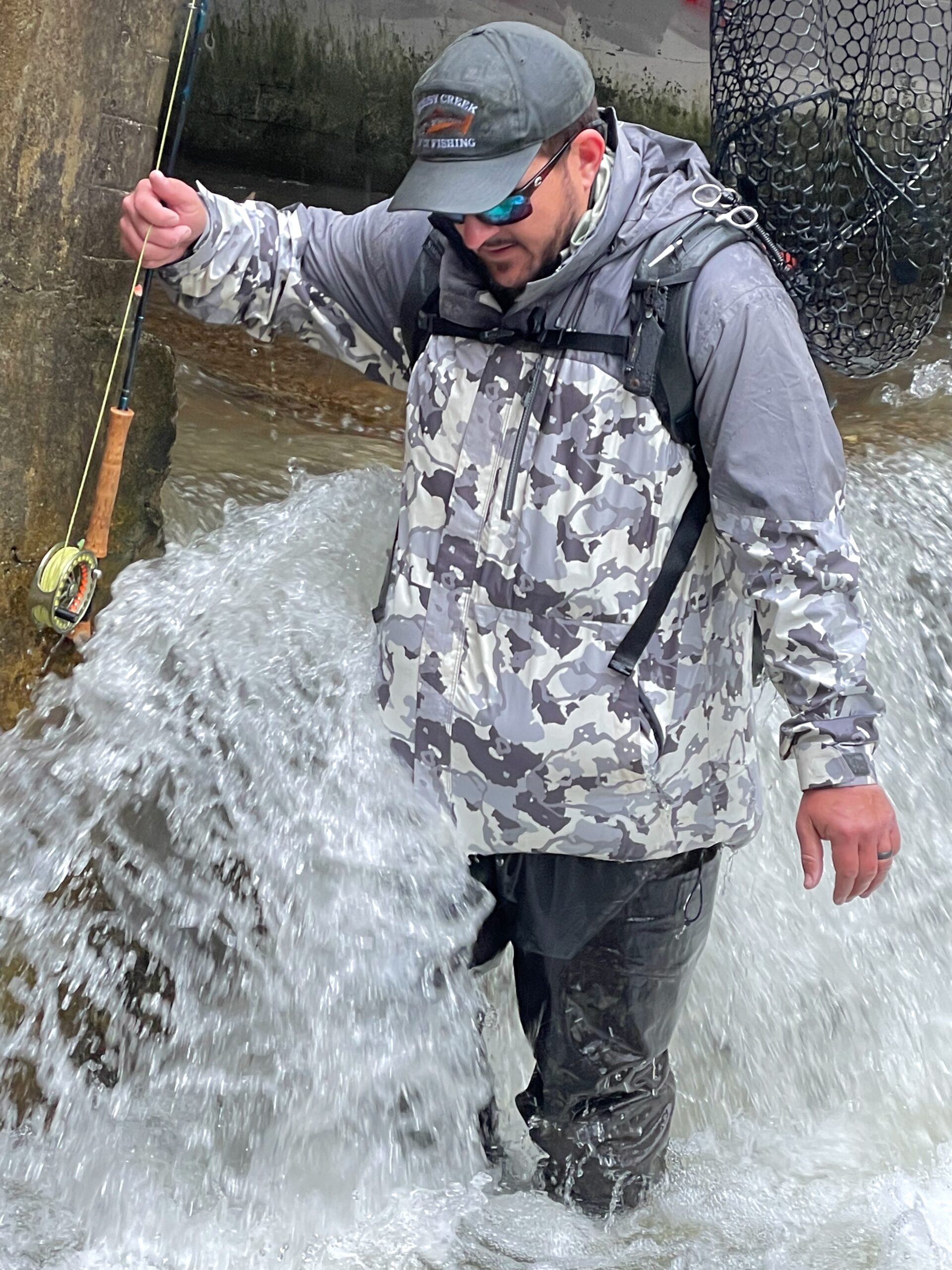
Maintenance and Care for Longevity
Even the best fishing rain gear won't perform optimally or last long if you neglect its care. I've learned this lesson through ruined jackets and compromised waterproofness. Proper maintenance is relatively simple, but absolutely crucial for extending the life and effectiveness of your investment.
1. Cleaning is Key
Dirt, grime, salt, and fish slime can clog the pores of breathable membranes and degrade DWR coatings.
- Rinse Immediately: After every trip, especially saltwater, give your gear a thorough rinse with fresh water. This removes salt crystals that can abrade the fabric and clog the membrane.
- Wash Properly: I wash my technical rain gear a few times a season, or when it looks visibly dirty. Always follow the manufacturer's instructions, but generally:
- Close all zippers and Velcro fasteners.
- Use a technical wash designed for waterproof/breathable fabrics (like Nikwax Tech Wash or Granger's Performance Wash). Avoid harsh detergents, fabric softeners, or bleach, as these can damage the DWR and membrane.
- Wash in cold or lukewarm water on a gentle cycle.
- Double rinse to ensure all soap residue is gone.
A clean fabric allows the DWR to function properly and the membrane to breathe.
2. Reactivating or Re-Applying DWR
That DWR coating on the outside of your jacket is your first line of defense. When water stops beading up and starts soaking into the outer fabric, it's time to reactivate or re-apply.
- Heat Reactivation: Often, simply washing and then tumble drying your gear on a low heat setting (if recommended by the manufacturer) can reactivate the existing DWR. The heat helps the DWR polymers stand up again.
- DWR Re-application: If heat reactivation doesn't work, you'll need to re-apply a DWR treatment. These come in spray-on or wash-in forms. I prefer spray-on for jackets, focusing on high-wear areas like shoulders and elbows. Apply evenly to a clean, damp garment and then follow drying instructions, which often involve a low-heat tumble dry to bond the DWR.
This step is vital for ensuring your fishing rain gear continues to perform its best.
3. Proper Storage
How you store your gear matters.
- Air Dry Thoroughly: NEVER store wet or damp rain gear. This is how mildew and permanent smells develop, and it can degrade the fabric and coatings. Hang it in a well-ventilated area until completely dry.
- Hang, Don't Crumple: Store your jacket and pants/bibs by hanging them in a closet. Avoid crumpling them into a ball, as this can create permanent creases and accelerate wear on the membrane.
- Avoid Extreme Temperatures: Don't store your gear in direct sunlight or in extremely hot environments (like a car trunk in summer), as this can damage the DWR and fabric.
4. Repairing Minor Damage
Even the toughest fishing waterproof clothing can get a snag or a small tear. Don't throw it out!
- Fabric Patches: For small holes or tears, I use specialized fabric repair patches (like Tenacious Tape by Gear Aid). Clean the area, cut the patch with rounded corners, and apply firmly. These are surprisingly effective for extending the life of your gear.
- Professional Repairs: For larger tears or seam issues, consider sending it to the manufacturer or a professional repair service that specializes in technical outdoor gear. Many high-end brands offer repair services.
Taking these simple steps will ensure your best fishing rain gear remains a reliable partner for many seasons to come.
Common Mistakes Anglers Make with Rain Gear
I've made almost all of these mistakes myself, and I've seen countless others do the same. Learning from these errors is a crucial part of becoming a well-prepared angler. Avoiding these pitfalls will save you discomfort, money, and potentially a ruined fishing trip.
1. Not Investing in Quality from the Start
This is probably the biggest mistake. I've bought cheap "waterproof" jackets only to find them leaking after an hour. While Frogg Toggs offer decent value, truly consistent performance comes with a higher price tag. Trying to save a few bucks on your best fishing rain gear often means buying twice. My experience tells me that it’s better to save up for a quality piece than to constantly replace inferior gear.
2. Ignoring the Pants/Bibs
As I mentioned earlier, many anglers focus solely on the jacket, forgetting about their lower half. A dry upper body with soaked legs is still a recipe for misery and potential hypothermia. Always invest in a matching pair of quality rain pants or, even better, bibs. This ensures comprehensive protection, especially when sitting or kneeling in a boat.
3. Forgetting Head and Hand Protection
Your head and hands lose heat quickly. A good hood is essential, but adding a waterproof hat underneath for extra warmth and brim stiffness can be a game-changer. Waterproof gloves are non-negotiable in cold, wet conditions. Trying to handle tackle or tie knots with numb, wet fingers is frustrating and inefficient.
4. Neglecting Layering
Rain gear is an outer shell, not a standalone insulator (unless specifically insulated). Wearing cotton underneath is a massive mistake; cotton absorbs moisture and loses its insulating properties when wet, making you feel colder. Always opt for moisture-wicking base layers and insulating mid-layers made of fleece or synthetics. This system traps warmth and manages sweat effectively.
5. Not Maintaining the Gear
Assuming your fishing waterproof clothing will remain perpetually waterproof without care is a myth. As discussed, DWR needs reactivation or re-application, and membranes need to be kept clean. Neglecting washing and re-treatment drastically reduces performance over time, leading to "wetting out" and reduced breathability.
6. Buying Gear That Doesn't Fit Properly
Too tight, and you restrict movement and can't layer properly. Too loose, and it can flap in the wind, catch on things, and allow water to creep in. A good fit allows for a full range of motion for casting and reaching while leaving enough room for insulating layers underneath.
7. Not Testing Gear Before a Major Trip
Never rely on brand-new, untried rain gear for a critical trip. Always wear it during a short, rainy outing or even stand in your shower for a few minutes to ensure there are no factory defects or fit issues. It's better to discover a problem at home than 50 miles offshore.
8. Over-Reliance on "Water Resistant" Labels
Water resistant" is not "waterproof." Water-resistant gear will repel light drizzle for a short period but will eventually soak through in sustained rain. For any serious fishing, you need fully waterproof gear. This is a subtle but important distinction when choosing the best fishing rain gear.
What Other Anglers Are Saying: User Review Summaries
I always look at user reviews when researching new gear. It's like getting collective wisdom from hundreds or thousands of fellow anglers. Here's a summary of common themes I've seen across Amazon, Reddit, and fishing forums like Quora when people discuss the best fishing rain gear:
Review Summary 1 (Reddit - General Fishing Threads)
Many anglers on Reddit emphasize that "buy once, cry once" applies perfectly to fishing rain gear. They frequently praise brands like Simms and Grundens for their longevity and performance in extreme conditions, noting that while expensive, the gear often lasts for years and keeps them reliably dry. There's a strong sentiment that breathability is crucial, especially for active fishing like fly fishing, to prevent internal condensation. Several users mentioned that their Frogg Toggs worked well for light rain or as a budget option, but often didn't hold up to multi-day downpours or heavy abuse. The importance of bibs over just pants for boat fishing is a recurring piece of advice.
Review Summary 2 (Amazon - Top-Rated Fishing Rain Jackets)
Amazon reviews often highlight specific features. For example, highly-rated jackets are consistently lauded for their adjustable hoods that don't block vision, watertight cuffs, and strategically placed, truly waterproof pockets. Durability is a huge factor, with many reviewers specifically mentioning reinforced elbows and shoulders as a plus. Conversely, lower-rated products often receive criticism for leaky zippers, seams that fail prematurely, or poor breathability that leads to internal dampness. Anglers frequently mention how a well-fitting jacket that allows for layering is far superior to one that restricts movement.
Review Summary 3 (Quora / Fishing Forums - "Best Rain Gear" Questions)
On fishing forums and Quora, discussions around the best fishing rain gear often delve into specific types of fishing. Offshore anglers almost universally lean towards Grundens or commercial-grade Gill gear for its robustness against salt spray and heavy rain, even if it sacrifices some breathability. Fly fishermen, on the other hand, prioritize lightweight, highly breathable Gore-Tex wading jackets with excellent mobility. The conversation also often touches on the importance of DWR treatment and how regular maintenance significantly extends the life and performance of the gear, reinforcing that even premium gear needs care.
Pros and Cons of Investing in High-Quality Rain Gear
Making a significant investment in best fishing rain gear is a big decision. While I wholeheartedly advocate for it, it's fair to look at both sides of the coin. Here's my honest assessment of the pros and cons:
Pros of High-Quality Rain Gear
- ✅ Unparalleled Dryness: Keeps you absolutely bone dry, even in torrential downpours.
- ✅ Superior Comfort: Excellent breathability prevents clamminess and overheating, allowing you to focus.
- ✅ Enhanced Safety: Reduces risk of hypothermia by maintaining core body temperature.
- ✅ Increased Endurance: You can stay out fishing longer and in more adverse conditions.
- ✅ Angler-Specific Features: Designs tailored for fishing (pockets, cuffs, hood) improve functionality.
- ✅ Durability & Longevity: Built with robust materials and construction to withstand years of abuse.
- ✅ Peace of Mind: Confidence that your gear won't fail when you need it most.
- ✅ Better Investment: Lasts longer, reducing the need for frequent replacements.
Cons of High-Quality Rain Gear
- ❌ High Initial Cost: Top-tier gear can be a significant financial investment.
- ❌ Maintenance Requirements: Requires proper cleaning and DWR re-application to maintain performance.
- ❌ Potential Bulk/Weight: Some heavy-duty gear can be bulkier and heavier than ultra-light options.
- ❌ Overkill for Casual Use: Might be excessive for someone who only fishes occasionally in mild weather.
- ❌ Limited Color Options: Often functional, rather than fashion-focused colors.
- ❌ Learning Curve: Requires understanding layering and fabric technologies to maximize benefits.
Conclusion: Stay Dry, Cast On!
My journey through countless fishing trips, from calm waters to raging storms, has taught me one undeniable truth: the best fishing rain gear is not just clothing; it's a vital piece of equipment that directly impacts your success, comfort, and safety on the water. It’s the difference between a memorable adventure and a miserable ordeal.
I've personally experienced the frustration of cheap gear failing when I needed it most, and I've savored the triumph of staying completely dry and focused while others packed up. My strong recommendation is to view quality rain gear as an investment in your passion. Prioritize highly breathable and waterproof membranes like Gore-Tex, pay attention to critical details like seam sealing, zippers, and cuffs, and always consider your specific fishing style and environmental conditions when making your choice.
Don't just endure the weather; embrace it. With the right waterproof fishing jacket and accompanying pants or bibs, you can confidently extend your time on the water, fish through changing conditions, and make those unforgettable catches that define our sport. Stay dry, stay warm, and cast on!
Frequently Asked Questions
Who makes the best rain gear for fishing?
Based on widespread angler reviews and my personal experience, several brands consistently stand out for making exceptional fishing rain gear. Simms Fishing is often cited as a top-tier choice, renowned for their Gore-Tex suits, durability, and angler-specific designs. Grundens also holds a legendary status, particularly for commercial fishermen, offering incredibly robust and waterproof solutions. Gill Fishing provides excellent balance between performance and comfort for recreational anglers, while Patagonia focuses on sustainable practices alongside high-quality waterproofing. Frogg Toggs are a popular budget-friendly option, offering decent protection for their price point, making them accessible to a broader audience. Ultimately, 'best' depends on your specific needs, budget, and the type of fishing you do.
Are frogg toggs actually waterproof?
Yes, Frogg Toggs gear is designed to be waterproof, and for many anglers, it lives up to that claim, especially given its affordable price point. Their patented DriPore Gen2 fabric is known for being breathable and seam-sealed to prevent water intrusion. However, it's important to manage expectations. While they offer excellent initial waterproofing, their durability and long-term performance might not match that of premium Gore-Tex or similar technical fabrics. Over extended periods of heavy use or in extremely adverse conditions, some users report a decrease in waterproofing effectiveness compared to higher-end brands. For casual fishing or as a backup, they are very effective, but for serious, all-day downpours, a more robust solution might be preferred.
What raincoats do fishermen wear?
Fishermen wear a variety of raincoats, often specialized for the type of fishing they do. Recreational anglers frequently opt for lightweight, breathable, and fully waterproof jackets from brands like Simms, Gill, or Patagonia, which often feature Gore-Tex or proprietary membranes. These are designed for mobility and comfort during casting. Commercial fishermen, or those facing extreme weather, often prefer heavy-duty PVC or PU coated foul-weather gear from brands like Grundens or Helly Hansen. These prioritize absolute waterproofness and durability over breathability. Wading jackets, shorter in length, are popular among fly fishermen to keep them dry while standing in water. Common features include adjustable cuffs, protective hoods, and waterproof pockets.
What is the best waterproof fishing jacket?
The title of 'best waterproof fishing jacket' is highly subjective, but jackets from Simms, particularly their G4 Pro or ProDry series, are widely considered among the elite. These jackets often feature advanced Gore-Tex Pro fabric, ensuring exceptional waterproofness and breathability, combined with angler-specific designs like watertight cuffs, articulated sleeves for casting, and strategically placed pockets. For extreme conditions and commercial-grade durability, Grundens Brigg or Gage series jackets are incredibly robust. Gill Fishing's OS series also offers outstanding performance for offshore anglers. The 'best' jacket will align with your specific fishing environment, the level of protection you need, and your budget, balancing features, fabric technology, and overall comfort for your angling style.