
.webp)
Find Your Ideal: The Best Lightweight Waterproof Jacket for Every Adventure
As an avid outdoor enthusiast, I've spent countless hours navigating trails, mountainsides, and urban jungles, often under the unpredictable gaze of Mother Nature. From sudden downpours in the Pacific Northwest to persistent drizzle in the Scottish Highlands, my reliance on the right gear has been paramount. Among all my essential equipment, finding the best lightweight waterproof jacket has always been a quest, a continuous search for that perfect blend of protection, portability, and performance. Join me as I share my insights, lessons learned, and top recommendations to help you discover the ideal rain shell for your next escapade.
Why Lightweight Matters: My Core Philosophy
For me, the term "lightweight" isn't just a buzzword; it's a fundamental principle for enjoying the outdoors. Every ounce in my pack or on my body makes a difference, especially when you're tackling long distances, steep ascents, or multi-day treks. A bulky, heavy rain jacket might offer protection, but it quickly becomes a burden, weighing you down and taking up valuable space. This is why I'm always on the hunt for the best lightweight waterproof jacket—one that I can easily forget is even there until the skies open up.
Think about it: whether you're fastpacking, trail running, or simply commuting through a city known for its sudden showers, a jacket that packs down to the size of a grapefruit and barely registers on the scale is a game-changer. It means you’re more likely to carry it, more likely to put it on, and ultimately, more likely to stay dry and comfortable. My philosophy boils down to this: preparedness shouldn't come at the cost of agility or enjoyment. The right gear should enhance your experience, not detract from it. This pursuit of efficiency and comfort is what drives my fascination with the science and application of truly ultralight rain gear.
Moreover, the modern advances in materials science mean that "lightweight" no longer has to mean "less protective." Today's cutting-edge fabrics offer incredible waterproofness and breathability in incredibly thin, pliable forms. This allows us to push the boundaries of what's possible in terms of performance-to-weight ratio. I've personally seen how the evolution of these materials has transformed my ability to stay comfortable and safe in challenging conditions without compromising on speed or endurance. It's truly exciting to see how much progress has been made in just the last decade, making truly versatile and highly functional ultralight shells accessible to a wider range of outdoor enthusiasts. If you're looking for gear that disappears until you need it, investing in a top-tier lightweight shell is a decision you won't regret. It allows for spontaneous adventures without the constant worry of changing weather. This approach isn't just about saving weight; it's about optimizing your entire outdoor system for maximum freedom and minimal hassle, ensuring you're ready for anything the trail—or the urban environment—throws your way. This commitment to minimalist efficiency translates directly into a more enjoyable and less fatiguing experience, whether you're tackling a strenuous mountain climb or simply walking the dog on a drizzly afternoon. It's about finding that sweet spot where protection meets liberation.
Understanding Waterproof-Breathable Technology
Before diving into specific recommendations for the best lightweight waterproof jacket, it's crucial to understand the magic behind how these garments keep you dry without turning into a sauna. It’s a delicate dance between preventing external water from entering and allowing internal moisture (sweat) to escape. This is achieved through sophisticated membrane technologies.
The Membrane: Your Unseen Guardian
- Gore-Tex: The undisputed king for many years, Gore-Tex uses an expanded polytetrafluoroethylene (ePTFE) membrane with billions of microscopic pores. These pores are too small for liquid water droplets to pass through but large enough for water vapor (sweat) to escape. It's a gold standard for durability and performance.
- Proprietary Technologies: Many brands have developed their own membranes, like Patagonia's H2No, The North Face's Futurelight, Marmot's NanoPro, and Helly Hansen's Helly Tech. These often employ similar principles, using PU (polyurethane) based coatings or electrospun membranes to achieve waterproof-breathable properties.
- 2-Layer, 2.5-Layer, 3-Layer:
- 2-Layer: Outer fabric + membrane. Often lined with mesh for comfort. Good for casual use.
- 2.5-Layer: Outer fabric + membrane + a thin protective print or coating on the inside (no full lining). This is where many of the truly ultralight jackets fall, offering great packability.
- 3-Layer: Outer fabric + membrane + inner liner fabric laminated together. The most durable, protective, and often most breathable (e.g., Gore-Tex Pro). Ideal for harsh conditions but heavier and pricier.
DWR (Durable Water Repellent) Coatings
The DWR finish is the first line of defense. It's a chemical coating applied to the outer fabric that causes water to bead up and roll off, preventing the fabric from "wetting out." When your jacket's DWR fails, the outer fabric absorbs water, which can impair the membrane's breathability, making you feel clammy even if the jacket isn't leaking. Reapplying DWR is a common maintenance task. More and more brands are now offering PFC-free DWRs, which are better for the environment without significantly compromising performance.
Understanding these technologies helps you make an informed decision, ensuring your chosen best lightweight waterproof jacket truly meets your needs for waterproofing and breathability, allowing you to stay comfortable in changing conditions.
My Experience: Finding the Perfect Shell
Over the years, my quest for the best lightweight waterproof jacket has been a journey filled with trial, error, and exhilarating discoveries. I remember one particularly challenging backpacking trip in the Olympic National Forest – notorious for its relentless rain. I had packed an older, heavier rain jacket, thinking its robust build would offer superior protection. While it kept me dry, the lack of breathability meant I was sweating profusely during climbs, ultimately feeling just as damp from the inside out. That experience hammered home the importance of a jacket's ability to manage internal moisture.
Another memorable lesson came during a fast-paced trail run in the Cascades. I was wearing an ultralight shell, barely-there fabric, which was fantastic for its weight. However, a sudden, intense downpour coupled with some light bushwhacking quickly revealed its Achilles' heel: minimal durability. A snag on a branch resulted in a small tear, and while I patched it, it taught me that there's often a delicate balance between extreme lightness and ruggedness. This is where researching options like a lightweight breathable waterproof jacket becomes critical.
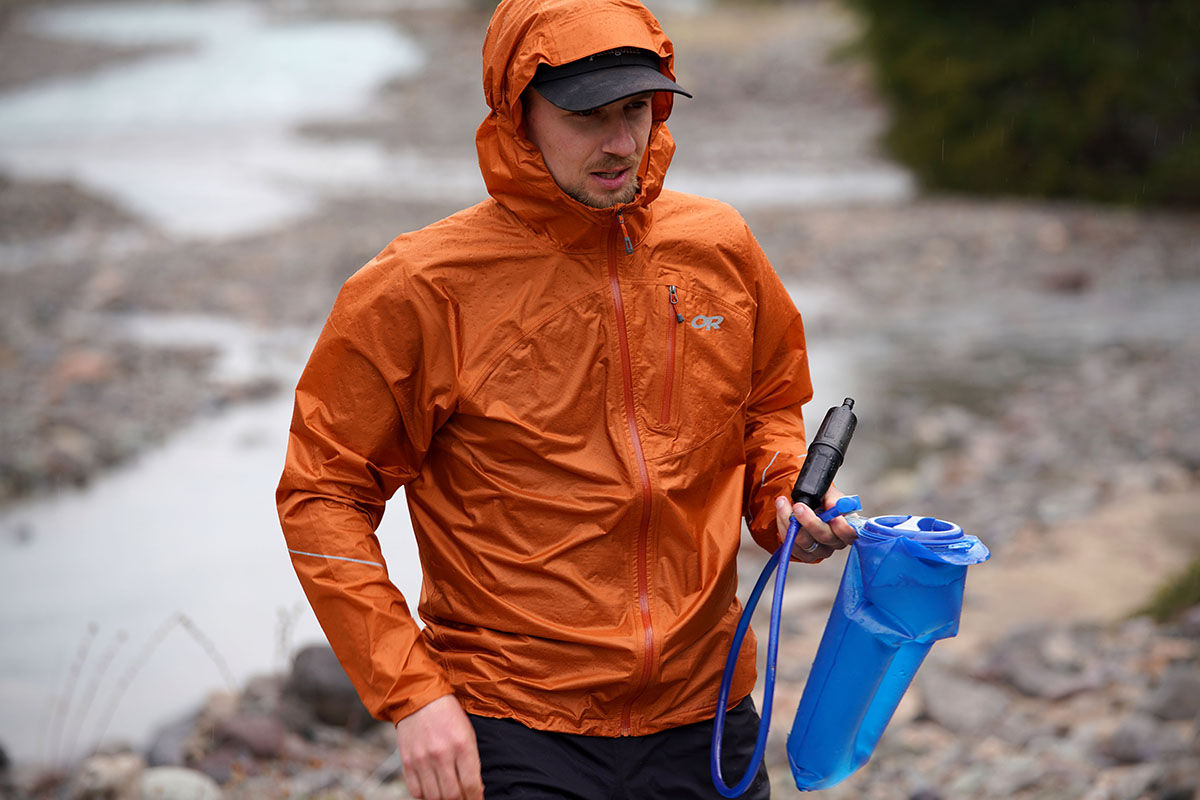
Embracing the elements: My trusted lightweight shell keeping me dry during a rainy trek.
One of my breakthrough moments came with a Rab Phantom, an almost unbelievably light jacket. I used it extensively during a multi-day trek across the Scottish Highlands. The weather was classic Scottish: four seasons in a day. The Phantom was brilliant – so light I forgot it was in my pack, but deployed instantly. It handled drizzle, light rain, and strong winds with surprising grace for its weight. While not designed for prolonged, torrential downpours or heavy pack loads, it perfectly exemplified the ideal emergency ultralight shell. It made me realize that sometimes, having multiple jackets for different scenarios, like a dedicated travel rain jacket or a robust best raincoat for men, is the pragmatic approach.
I also learned the value of features like pit zips. Early on, I dismissed them as unnecessary weight, but one particularly humid, drizzly hike in the Adirondacks changed my mind. The ability to dump heat without fully removing my jacket was a game-changer for regulating my temperature. It transformed my understanding of what makes a truly functional best lightweight waterproof jacket.
More recently, I’ve been exploring options for women's waterproof rain jacket for my partner, paying close attention to fit and style preferences without sacrificing performance. It's a reminder that while core technical features remain, personal fit and aesthetic appeal are also important for everyday use and confidence on the trail. This continuous learning, adapting to new technologies, and refining my gear choices is what keeps the outdoor experience fresh and enjoyable, no matter the weather. My ongoing journey highlights that the 'best' jacket isn't a single universal answer, but a personal discovery tailored to individual needs and adventures.
Top Picks for the Best Lightweight Waterproof Jacket
Based on my personal experiences and extensive research, here are some of the standout jackets that consistently deliver on the promise of being the best lightweight waterproof jacket:
1. Outdoor Research Helium Rain Jacket
This jacket has become a benchmark for ultralight, packable rain protection. Weighing in at just ounces, it's my go-to for situations where weight and packability are paramount, such as fast-and-light backpacking trips or unpredictable shoulder-season hikes. It uses Pertex Shield fabric, offering solid waterproofness and decent breathability for its class.
Pros
- Extremely lightweight and packable
- Excellent waterproof protection for its weight
- Simple, functional design
- Often includes thoughtful details like a carabiner clip loop
Cons
- Breathability can be limited during high exertion
- Durability is good for ultralight, but not for heavy bushwhacking
- Minimal features (no pit zips)
2. Patagonia Torrentshell 3L
For those who need a more robust all-rounder without sacrificing too much weight, the Patagonia Torrentshell 3L is an exceptional choice. The 3-layer H2No® Performance Standard fabric offers excellent waterproof protection and improved breathability compared to 2.5-layer counterparts. It's durable enough for regular use, includes pit zips, and is made with environmental considerations in mind, which I deeply appreciate.
Pros
- Excellent waterproof-breathable performance (3-layer)
- Very durable for its category
- Includes pit zips for ventilation
- Made with recycled materials and Fair Trade Certified™ sewn
Cons
- Heavier and bulkier than ultralight options
- Price point is higher than basic jackets
- Hood adjustments can sometimes feel a bit fiddly
Check Latest Price on Amazon (Note: This ASIN is for women's, but represents the model)
3. Arc'teryx Beta Lightweight / Beta SL
If your budget allows, Arc'teryx consistently delivers some of the best outdoor gear, and their Beta series jackets are no exception. The Beta Lightweight (previously Beta SL) offers a fantastic blend of ultralight design, Gore-Tex Paclite Plus waterproof-breathable technology, and Arc'teryx's renowned fit and finish. It's designed for diverse activities and offers incredible weather protection for its minimalist weight. This is a top contender for the best lightweight waterproof jacket for serious enthusiasts.
Pros
- Premium Gore-Tex Paclite Plus waterproof-breathable performance
- Exceptional craftsmanship and durability
- Excellent fit and articulation for movement
- Highly packable for its robust protection
Cons
- High price point
- Minimalist features (e.g., no pit zips on some SL models)
- Availability can sometimes be limited
4. Marmot PreCip Eco
For a fantastic balance of value, performance, and environmental responsibility, the Marmot PreCip Eco is a perennial favorite. Made with recycled nylon and a PFC-free DWR, it's a 2.5-layer jacket that offers solid waterproofness and good breathability thanks to its NanoPro™ Eco fabric. It includes features like pit zips, which are a huge plus for temperature regulation, making it an excellent entry into quality rain gear.
Pros
- Great value for money
- Environmentally friendly materials (recycled, PFC-free DWR)
- Includes pit zips for ventilation
- Lightweight and packable enough for most uses
Cons
- Breathability can be outmatched by 3-layer Gore-Tex in high exertion
- Feel of the fabric can be a bit 'crinkly' compared to softer shells
- Not the absolute lightest option on the market
Check Price on Amazon (Note: This ASIN is for women's, but represents the model)
5. Columbia Watertight II
The Columbia Watertight II is often recommended as a top budget pick. While it's not as ultralight or breathable as higher-end options, it offers reliable waterproof protection for light hiking, casual wear, or as an emergency layer. It utilizes Columbia's Omni-Tech™ technology, making it a great choice for those who need a functional rain jacket without breaking the bank. It often outperforms its price point, making it a surprisingly effective option for general outdoor use. For those just starting out or needing a backup, it's a solid contender for a truly accessible best lightweight waterproof jacket.
Pros
- Very affordable price point
- Reliable waterproof protection for general use
- Lightweight and reasonably packable
- Good entry-level option
Cons
- Limited breathability, especially during high activity
- Less durable than premium options
- Basic feature set
6. Helly Hansen Loke Jacket
Helly Hansen’s Loke Jacket is another strong contender for an affordable, yet highly functional lightweight shell. Featuring Helly Tech® Protection, it delivers dependable waterproof, windproof, and breathable performance. It's a versatile jacket suitable for a wide range of outdoor activities, offering decent features like pit zips and an adjustable hood, making it a great all-around choice for hikers and everyday adventurers who want solid protection without a huge investment. It effectively balances cost with the performance needed for many outdoor scenarios.
Pros
- Good value for its performance
- Helly Tech Protection offers reliable waterproofing
- Includes pit zips for ventilation
- Versatile for various outdoor activities
Cons
- Not as ultralight as some minimalist options
- Breathability is good, but not top-tier for intense exertion
- Can feel a bit stiffer than more premium fabrics
Visit Official Helly Hansen Store 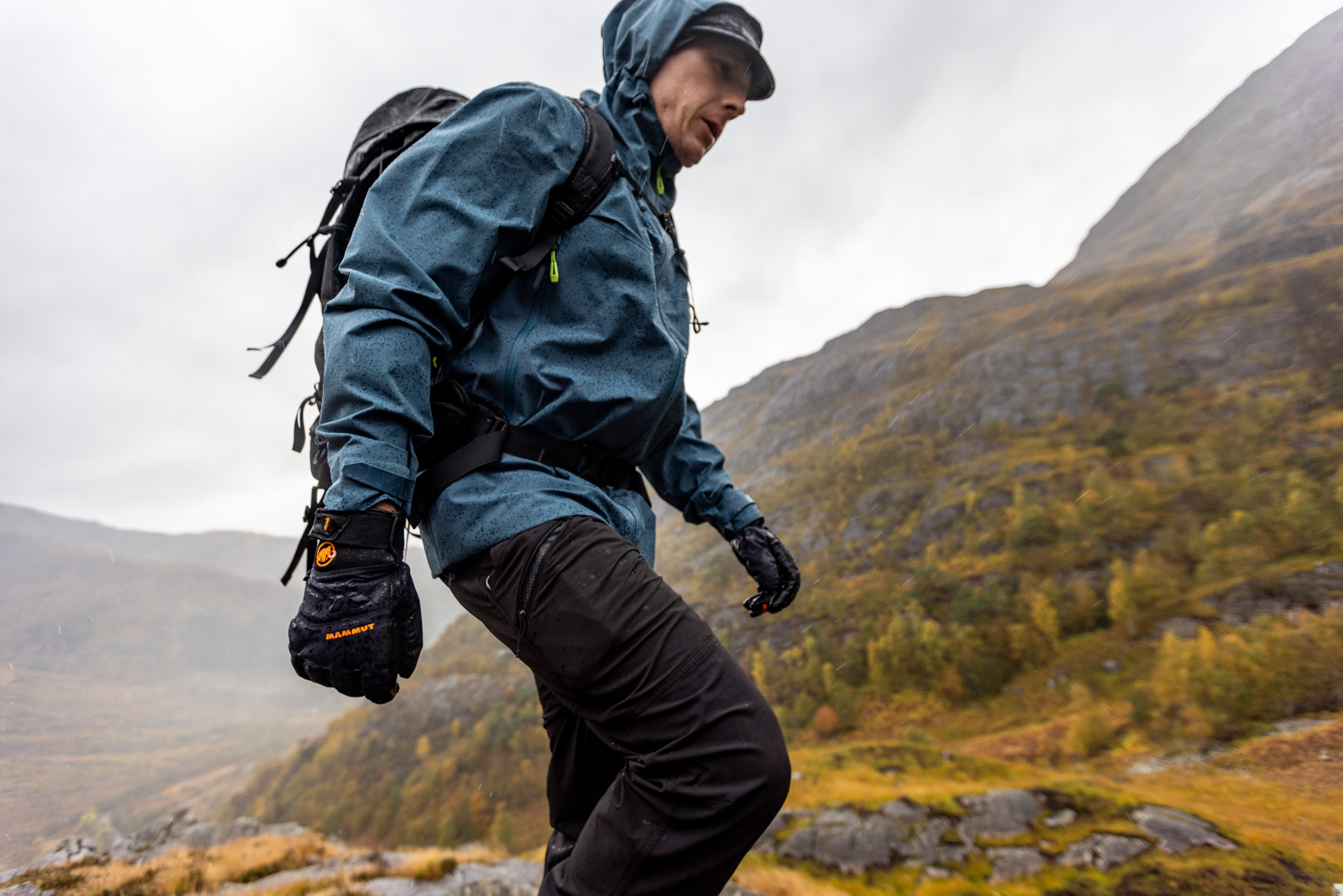
Testing a lightweight waterproof jacket amidst the dramatic landscapes of Glencoe.
Key Features to Look For in a Lightweight Rain Jacket
Beyond waterproof-breathable technology, several features can make or break your experience with a best lightweight waterproof jacket. Here’s what I prioritize:
- Hood Design: Look for an adjustable hood that can cinch down securely, providing full peripheral vision. A stiffened brim or wire in the brim is a huge plus for keeping rain off your face. Helmet-compatible hoods are a bonus for climbing or cycling.
- Venting (Pit Zips!): Even the most breathable membranes can struggle during high exertion. Pit zips (zippers under the arms) are non-negotiable for me, allowing you to dump heat quickly without letting rain in.
- Pockets: Zippered hand pockets are standard, but chest pockets (especially large ones) are great for keeping essentials accessible, particularly if you're wearing a backpack with a hip belt. Ensure zippers are water-resistant or have storm flaps.
- Cuffs and Hem: Adjustable cuffs (usually Velcro) and an adjustable drawcord hem allow you to seal out drafts and moisture.
- Zipper Quality: YKK AquaGuard or similar water-resistant zippers are crucial for the main front zipper and pockets. A storm flap behind the main zipper adds an extra layer of defense.
- Packability: The ability to stuff the jacket into its own pocket or a small stuff sack is key for a lightweight model.
- Fit and Articulation: A good rain jacket should allow for a full range of motion without riding up or feeling restrictive, especially if you're layering underneath or engaged in dynamic activities like climbing or cycling.
- Durability: Measured in denier (D), the fabric thickness indicates its resistance to abrasion. While ultralight jackets sacrifice some durability for weight, look for reinforced shoulders or high-wear areas if you plan on carrying a pack.
Caring for Your Lightweight Waterproof Jacket
Proper care is essential to maintain the performance and longevity of your best lightweight waterproof jacket. I've learned this the hard way!
- Wash Regularly: It sounds counterintuitive, but dirt, sweat, and body oils can clog the membrane and compromise breathability. Wash your jacket with a technical gear wash (like Nikwax Tech Wash or Granger's Performance Wash) in cool water on a gentle cycle. Avoid conventional detergents, fabric softeners, and bleach.
- Reactivate DWR: After washing, tumble dry your jacket on low heat for 20 minutes. The heat helps reactivate the DWR finish. If water isn't beading up anymore, you might need to apply a spray-on or wash-in DWR treatment (e.g., Nikwax TX.Direct or Granger's Performance Repel).
- Storage: Store your jacket clean and dry, ideally hanging it up rather than tightly compressed for long periods.
- Repair Minor Damage: Small tears can be patched with gear repair tape (like Tenacious Tape) to prevent them from worsening and maintain waterproofing. Investing in a good repair kit is always a smart move for any outdoor enthusiast.
Taking these steps ensures your waterproof jacket continues to perform at its best, keeping you dry and comfortable for many adventures to come. It’s an investment worth protecting. If you're passionate about maintaining your gear, you might also be interested in tips for best golf rain gear or keeping your best golf rain pants in top condition, as these share similar care principles.
Real-World Feedback: User Reviews
While my personal experiences and technical specs are valuable, hearing from other users provides a broader perspective on how a best lightweight waterproof jacket performs in diverse real-world scenarios. Here's a summary of common themes from Amazon, Reddit, and outdoor forums:
1. The "Everyday Hero" (Amazon User)
I bought the Marmot PreCip Eco for a trip to Ireland, and it was a lifesaver! It rained every single day, but this jacket kept me completely dry. I love that it packs down small enough to throw in my daypack, and the pit zips were fantastic for managing my temperature when I was hiking uphill. For the price, you simply can't beat the performance. It's not just for intense hikes; it's become my go-to for dog walks and running errands in the rain too.
2. The "Ultralight Enthusiast" (Reddit Commenter)
Been using the OR Helium Rain for my ultralight backpacking trips. It's ridiculously light, and I honestly forget I'm carrying it. It's held up surprisingly well against scrapes on the trail, though I'm careful with it. Breathability isn't amazing during super high output, but for its weight, it performs beyond expectation. It's my emergency shell, and it excels at that. If you're counting grams and need reliable rain protection, this is a top-tier choice for a truly minimalist setup.
3. The "Performance Seeker" (Quora Answer)
As someone who spends a lot of time mountaineering and climbing, my Arc'teryx Beta SL (now Lightweight) has been absolutely worth the investment. The Gore-Tex Paclite Plus fabric is incredibly effective – keeps me bone dry even in alpine storms, and the fit is perfect for layering and movement. Yes, it's expensive, but the durability and peace of mind it offers in serious conditions are unparalleled. It’s proof that you get what you pay for when it comes to truly high-performance waterproof gear. If you need a jacket to perform in extreme situations, this is the best lightweight waterproof jacket you can invest in.
A visual guide to understanding how waterproof-breathable jackets work.
Seasonal and Local Insights: When & Where It Matters
The "best" jacket often depends heavily on where and when you'll be using it. My experiences across different climates have really hammered this home.
Spring & Fall Shoulder Seasons: The Ultimate Test
These seasons, especially in places like the Pacific Northwest or the UK, are where a best lightweight waterproof jacket truly earns its keep. You need something that can handle cool temperatures, persistent drizzle, and sudden downpours, but also vent well when the sun briefly peeks out or during strenuous climbs. For these conditions, I lean towards jackets with excellent breathability and pit zips, like the Patagonia Torrentshell 3L or even some of the more advanced Gore-Tex Paclite options. It's all about adaptability. I've often seen hikers caught off guard, underprepared for the rapid shifts that define these transitional months.
Summer Showers: Minimalist Protection
During warmer months, particularly in regions prone to afternoon thunderstorms (think the Rockies or the Appalachians), weight and packability become paramount. The goal is to have something for emergency protection that you can easily stash. Here, ultralight options like the OR Helium or a basic Frogg Toggs jacket (for short bursts of rain) excel. You're less concerned with sustained downpours and more with quick, reliable shelter. It’s also crucial to consider a best waterproof running jacket if you're hitting trails in the summer, as light weight and high breathability are essential for sustained comfort.
Winter & Alpine Adventures: Layering is Key
While a best lightweight waterproof jacket might seem out of place in winter, it plays a vital role as part of a layering system. In colder, drier climates, a softshell might be enough, but for wet snow or sleet, a waterproof shell is crucial. Here, a slightly more durable, 3-layer waterproof jacket is preferable, as it needs to stand up to abrasion from pack straps and potentially sharper edges. It serves as your outermost defensive layer against moisture and wind, protecting your insulating layers beneath. Often, I'll pair it with a women's insulated rain jacket for my partner when we're in truly cold, wet environments.
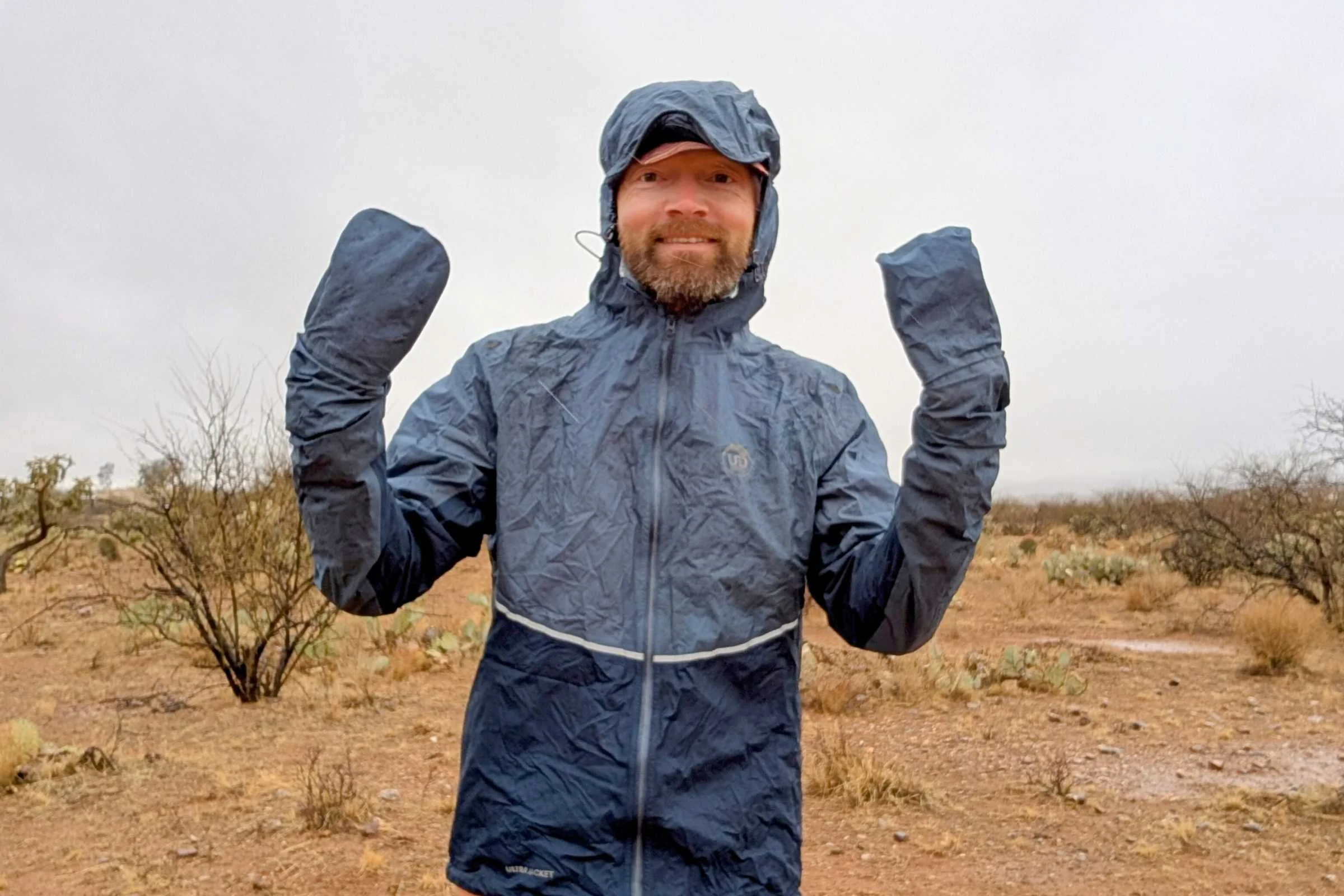
An ultralight jacket in action, perfect for trail running and high-intensity activities.
Ranger Advice: Beyond the Gear
I've had conversations with park rangers and experienced guides who consistently emphasize that while gear is important, understanding local weather patterns and having a flexible mindset is even more critical. They often advise checking localized forecasts diligently and being prepared to adapt your plans. They also stress that even the best lightweight waterproof jacket won't save you if your base and mid-layers are cotton, reminding us that a waterproof shell is just one part of a comprehensive system. Always carry extra layers, know your route, and inform someone of your plans.
For example, if you're heading into areas known for heavy, consistent rain, such as the temperate rainforests of Olympic National Park, a ranger might suggest opting for a more robust 3-layer Gore-Tex Pro shell, even if it adds a bit more weight, for sheer reliability. Conversely, for desert regions with occasional, intense monsoon storms, an ultralight, highly packable option is key – something you can deploy quickly and then stash away when the sun returns. They also often highlight the importance of best raincoats for heavy rain for specific challenging conditions.
They also share insights on what fails most often: not the jacket itself, but the user's lack of preparedness in other areas. Wet feet, exposed hands, or a soaked backpack can negate the benefits of a fantastic jacket. This holistic approach to preparedness is something I've integrated into my own trips, learning to rely not just on the performance of my gear but also on my judgment and the wisdom gleaned from those who spend their lives in these environments.
Conclusion: Stay Dry, Stay Happy
Choosing the best lightweight waterproof jacket is a personal journey, influenced by your specific adventures, budget, and priorities. Whether you're a hardcore ultralight backpacker, a weekend hiker, or an urban commuter, there’s a perfect shell out there waiting for you. My advice? Don't just chase the lightest or the most expensive. Focus on finding the jacket that offers the right balance of waterproofness, breathability, durability, and features for *your* unique needs.
Remember, a great rain jacket isn't just about staying dry; it's about staying comfortable, maintaining your core temperature, and ultimately, enjoying your time outdoors, no matter what the weather throws at you. Invest wisely, care for your gear, and embrace the wild, wet world with confidence. Having the right protection means you can push your limits and explore further, transforming what might be a miserable experience into a memorable one. So, go forth, find your ideal lightweight rain jacket, and let the adventures begin!
And if you're like me, always on the lookout for complementary gear, you might consider how this jacket fits with your overall rain protection strategy, perhaps alongside dedicated best raincoats or specialized women's insulated rain jacket options for colder conditions. Every piece works together to keep you safe and comfortable.
FAQ
What is the best lightweight waterproof jacket?
The 'best' truly depends on your specific needs, balancing factors like breathability, durability, and price. For minimalist hikers, ultralight options like the Outdoor Research Helium Rain or Marmot PreCip Eco are excellent. If you prioritize comfort and features for all-day wear, a 3-layer Gore-Tex jacket from brands like Arc'teryx or Patagonia offers superior protection and breathability, though at a higher price point. My top recommendation often goes to versatile options that strike a balance, offering robust waterproofing without excessive weight, suitable for a wide range of activities from hiking to urban commuting. Always consider the jacket's intended use and specific weather conditions you'll encounter.
What is better, Swisswell or Frogg Toggs?
Swisswell and Frogg Toggs cater to slightly different niches, though both aim for budget-friendly waterproof solutions. Frogg Toggs are renowned for their incredibly lightweight and packable, albeit less durable, rain gear, often favored by budget-conscious backpackers or for emergency use. They offer excellent waterproofing for the price but can be prone to tearing. Swisswell, while also budget-friendly, often focuses on a slightly more robust construction, sometimes leaning towards rain suits for fishing or work rather than ultralight hiking. For pure ultralight backpacking where every ounce counts and you accept some durability trade-offs, Frogg Toggs often win. For a slightly more durable, general-purpose rain solution at a low cost, Swisswell might be preferable.
What are the best brands for waterproof jackets?
Several brands consistently produce high-quality waterproof jackets, each with its strengths. Arc'teryx stands out for premium, highly technical designs with exceptional durability and performance. Patagonia offers a strong balance of performance, sustainability, and style. Outdoor Research provides excellent value with reliable performance across their range. The North Face is a popular choice for versatile jackets suitable for various outdoor activities. Other notable brands include Marmot, Rab, Helly Hansen, and Montbell, which excel in ultralight options. When choosing, consider the brand's reputation for the specific activity you have in mind – a brand great for mountaineering might differ from one best for urban commuting.
Is Helly Tech as good as Gore-Tex?
Helly Tech and Gore-Tex are both proprietary waterproof-breathable membrane technologies, but they have distinct characteristics. Gore-Tex is widely considered the industry standard, known for its exceptional waterproofing, breathability, and durability across various iterations (e.g., Gore-Tex Pro, Paclite). It's often found in higher-end jackets. Helly Tech, developed by Helly Hansen, is also highly effective, offering excellent waterproof and breathable performance. It comes in different levels (e.g., Helly Tech Protection, Performance, Professional) designed for varying intensity levels and conditions. While Gore-Tex might generally have a slight edge in extreme breathability and long-term durability, Helly Tech offers fantastic performance, often at a more accessible price point, making it a very strong competitor for most outdoor enthusiasts.