
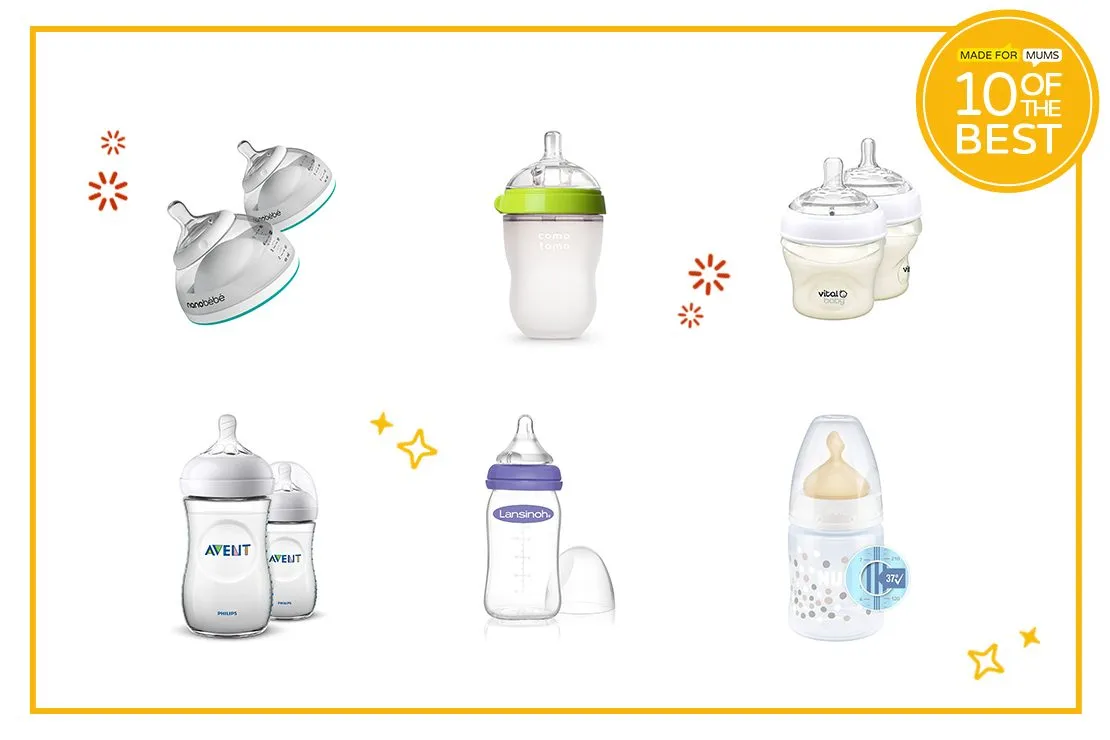
Best Newborn Bottles: The Complete Guide to Choosing Perfect Feeding Solutions for Your Baby
Why Your Bottle Choice Matters More Than You Think

When I first became a parent, I naively thought all baby bottles were essentially the same. How wrong I was! The reality is that the right bottle can make the difference between peaceful feedings and hours of frustration. Best newborn bottles aren't just about holding liquid – they're about creating a comfortable, safe, and efficient feeding experience that supports your baby's development.
During my journey with three children, I learned that factors like nipple shape, flow rate, material quality, and anti-colic features can dramatically impact your baby's feeding success. Some bottles caused endless gas and fussiness, while others created such a smooth experience that feeding time became a cherished bonding moment.
Key Factors That Make Bottles "Best" for Newborns:
- Slow flow nipples that prevent overfeeding and choking
- Anti-colic design that reduces gas and discomfort
- Easy-latch nipple shapes that support natural feeding motions
- Safe materials free from harmful chemicals
- Easy cleaning to maintain proper hygiene
- Compatibility with breast pumps and feeding systems
The best newborn bottles also consider the unique needs of tiny babies. Newborns typically consume smaller amounts (2-4 ounces per feeding) and have developing digestive systems that benefit from slower, more controlled feeding. They also haven't yet developed the strong sucking reflex of older babies, making nipple design crucial for successful feeding.
Our Top 5 Best Newborn Bottles of 2025
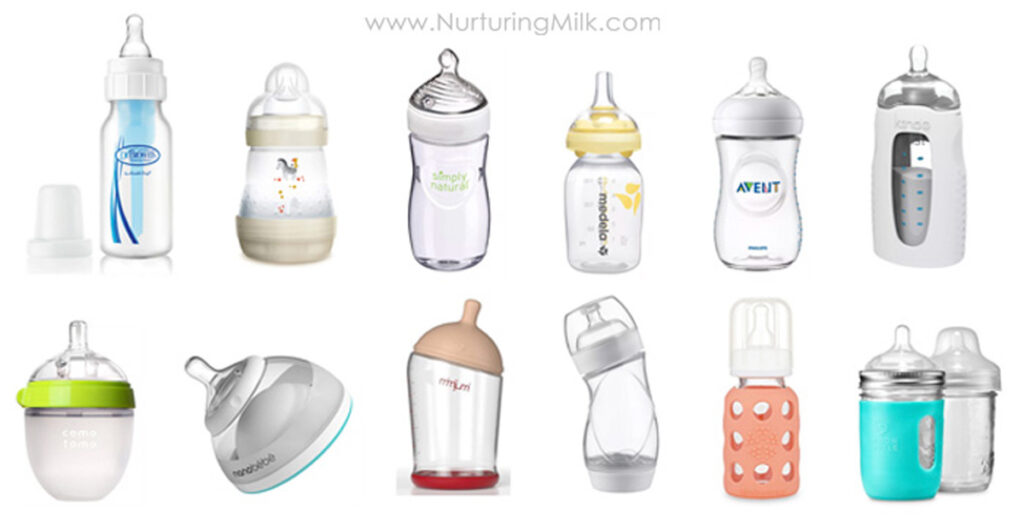
Quick Selection Guide:
- For colic-prone babies: Dr. Brown's Options+ (proven anti-colic system)
- For breastfeeding combination: Lansinoh Natural Wave (easiest transition)
- For easy cleaning: Philips Avent Natural (fewer parts)
- For glass preference: Philips Avent Glass bottles
- For budget-conscious: Lansinoh offers great value
Detailed Reviews: Best Newborn Bottles Analyzed
1. Dr. Brown's Natural Flow Anti-Colic Options+ Narrow Baby Bottle
Dr. Brown's has earned its reputation as one of the best newborn bottles through decades of innovation and parent satisfaction. The Options+ system represents their most advanced design, offering the flexibility to use with or without the internal vent system.
Key Features:
- Clinically proven to reduce colic, gas, and reflux
- Options+ system works with or without internal vent
- Available in 4oz and 8oz sizes, perfect for newborn growth
- Level 1 slow-flow nipples ideal for newborns
- BPA-free materials ensure safety
- Compatible with most breast pumps
Pros:
- Proven anti-colic effectiveness
- Flexible vent system
- Multiple size options
- Excellent for fussy babies
- Easy to find replacement parts
Cons:
- More parts to clean
- Slightly more expensive
- Can leak if not assembled properly
- Vent system requires thorough cleaning
2. Lansinoh Anti-Colic Baby Bottles with Natural Wave Nipples
Lansinoh's approach to creating the best newborn bottles focuses on mimicking the natural breastfeeding experience. Their Natural Wave nipples are specifically designed to reduce nipple confusion and support combination feeding.
Key Features:
- Clinically proven Natural Wave nipples reduce nipple confusion
- Air Ventilation System (AVS) reduces intake of gas bubbles
- Available in 5oz and 8oz sizes
- Slow flow nipples perfect for newborns
- Wide neck design for easy filling and cleaning
- BPA and BPS free construction
Pros:
- Excellent for combination feeding
- Reduces nipple confusion
- Easy to clean wide neck
- Great value for money
- Comfortable for baby to hold
Cons:
- Limited size options
- Some babies need time to adjust
- Nipples may need frequent replacement
- Not compatible with all pump systems
3. Philips Avent Natural Baby Bottles with Natural Response Nipples
Philips Avent has revolutionized bottle feeding with their Natural Response technology, making these some of the best newborn bottles for parents seeking intuitive, breast-like feeding experiences. The wide, breast-shaped nipple encourages natural latch patterns.
Key Features:
- Natural Response nipple releases milk only when baby actively drinks
- Wide, breast-shaped nipple for natural latch
- Available in multiple flow rates (0+, 1m+, 3m+, 6m+)
- 4oz and 9oz sizes available
- Anti-colic valve reduces air intake
- Easy to clean with fewer parts
Pros:
- Intuitive Natural Response technology
- Easy transition from breast to bottle
- Simple to clean and assemble
- Wide range of flow rates
- Excellent build quality
Cons:
- Wide nipple may not suit all babies
- More expensive than basic bottles
- Limited compatibility with other systems
- Some find flow too slow initially
4. Philips Avent Natural Glass Baby Bottles
For parents who prefer glass bottles, the Philips Avent Natural Glass bottles represent the pinnacle of safe, durable feeding solutions. These best newborn bottles combine the benefits of glass with Philips Avent's innovative Natural Response nipple technology.
Key Features:
- Premium borosilicate glass construction
- Natural Response nipple technology
- Heat and thermal shock resistant
- 4oz size perfect for newborns
- Easy to sterilize and maintain
- Chemical-free feeding solution
Essential Feeding Tips for Newborn Success
Feeding Schedule Tips
- 0-2 weeks: Feed every 2-3 hours (8-12 times daily)
- 2-4 weeks: Begin to stretch to 3-4 hours between feeds
- 1-2 months: 6-8 feeds per day, 2-4oz per feeding
- Watch for cues: Rooting, sucking motions, fussiness
Temperature & Preparation
- Test temperature: Drop on your wrist should feel lukewarm
- Warm gradually: Use bottle warmers or warm water baths
- Never microwave: Creates hot spots that can burn baby
- Fresh is best: Use prepared formula within 2 hours
Paced Bottle Feeding Technique:
- Hold baby in upright position (45-60 degree angle)
- Touch nipple to baby's lips and wait for wide mouth opening
- Keep bottle horizontal to control flow rate
- Allow baby to pause and breathe naturally
- Switch sides halfway through feeding
- Stop when baby shows fullness cues (pushing away, closing mouth)
My Personal Journey with the Best Newborn Bottles
When my first child was born, I thought I had everything figured out. I'd registered for the "popular" bottles, confident that feeding would be straightforward. Boy, was I wrong! My daughter Emma struggled with colic and gas, turning every feeding session into a tearful ordeal for both of us.
After weeks of frustration, our pediatrician recommended trying Dr. Brown's anti-colic bottles. The difference was remarkable – within just a few feeds, Emma was calmer, less gassy, and actually seemed to enjoy her bottles. This experience taught me that not all bottles are created equal, and the right choice can transform your feeding experience.
With my second child, Jake, I wanted to combine breastfeeding with occasional bottle feeding. The Lansinoh Natural Wave bottles became our go-to solution. The Natural Wave nipple made transitioning between breast and bottle seamless – Jake never developed nipple confusion, and I could maintain my breastfeeding relationship while allowing my partner to help with night feeds.
By the time our third baby, Sophie, arrived, I felt like a bottle-feeding expert. We started with Philips Avent Natural bottles, and their intuitive design made feeding feel effortless. The Natural Response nipple meant Sophie controlled her own feeding pace, leading to less overfeeding and more comfortable digestion.
Key Lessons from Three Babies:
- Every baby is different – what works for one may not work for another
- Don't be afraid to try different brands until you find the right fit
- Investing in quality bottles saves money long-term (fewer replacements)
- Anti-colic features are worth it, even if your baby doesn't seem colicky
- Having 2-3 different bottle types gives you flexibility as baby grows
Real Parent Reviews: What Others Say About the Best Newborn Bottles
Sarah M. - Amazon Verified Buyer
"Dr. Brown's bottles saved our sanity! My son had terrible colic with other bottles, but these completely eliminated the gas issues. Yes, there are more parts to clean, but it's so worth it for peaceful feedings."
Michael R. - Reddit Parent
"We combination feed with Lansinoh bottles and they're fantastic. No nipple confusion at all - our daughter switches between breast and bottle effortlessly. The wide neck makes formula preparation so much easier too."
Jennifer K. - Quora
"Philips Avent Natural bottles are great quality and easy to clean. The only downside is the wide nipple doesn't work for all babies - took our premie a few weeks to get comfortable with it. But once she did, feeding became much smoother."
Common Themes from 1000+ Reviews:
Most Praised Features:
- Reduced colic and gas (Dr. Brown's, Philips Avent)
- Easy transition from breastfeeding (Lansinoh)
- Quality construction and durability
- Multiple flow rate options
- Easy to clean wide-neck designs
Common Concerns:
- More parts to clean (anti-colic systems)
- Higher initial cost vs. basic bottles
- Some leaking if not assembled properly
- Need time to find right flow rate
- Wide nipples may not suit smaller babies
Frequently Asked Questions About the Best Newborn Bottles
How many bottles do I need for a newborn?
For exclusively bottle-fed newborns, you'll need 6-8 bottles minimum to ensure you always have clean ones available. If you're combination feeding (breast and bottle), 3-4 bottles are usually sufficient. Consider that newborns eat 8-12 times per day, and bottles need time to be cleaned and sterilized. Having extra bottles reduces stress and ensures you're never caught without a clean bottle when baby is hungry. I recommend starting with 4-6 bottles and adding more as needed based on your feeding routine.
What size bottles are best for newborns?
Newborns typically consume 2-4 ounces per feeding, making 4-5 ounce bottles ideal for the first few months. Smaller bottles are easier for tiny hands to hold and prevent overfeeding. As your baby grows (around 3-4 months), they'll consume more per feeding, and you can transition to 8-9 ounce bottles. Many parents find it helpful to have both sizes – smaller ones for water, medicine, or early morning feeds, and larger ones for regular meals as baby grows. Starting with 4-5 ounce bottles ensures you won't waste formula or breast milk through overpreparation.
Are anti-colic bottles really necessary?
While not absolutely necessary for every baby, anti-colic bottles can significantly improve feeding experiences, especially for fussy or gassy babies. These bottles work by reducing the amount of air babies swallow during feeding, which decreases gas, spit-up, and general discomfort. Even if your baby doesn't seem particularly colicky, anti-colic features often lead to more comfortable feeding and better sleep patterns. The investment is usually worth it considering the potential reduction in crying and discomfort. If your baby shows signs of excessive gas, frequent spit-up, or fussiness after feeds, anti-colic bottles are definitely worth trying.
Can I switch between different bottle brands?
Yes, you can switch between different bottle brands, but it's best to do so gradually. Babies can be quite particular about nipple shapes, flow rates, and feeding experiences. When switching, introduce the new bottle when baby is calm and not overly hungry. You might need to try several different brands before finding one your baby prefers. Some babies adapt quickly to new bottles, while others may resist change. Keep your successful bottles as backups while testing new ones. It's also helpful to switch between bottles even within the same brand to prevent baby from becoming too attached to one specific bottle.
How do I know if the nipple flow is right for my baby?
The right nipple flow allows your baby to feed comfortably without gulping or struggling. Signs of correct flow include steady sucking rhythm, milk appearing at corners of mouth without excessive dripping, and baby finishing feeds within 15-20 minutes. If the flow is too fast, you'll notice gulping, choking, excessive dripping, or baby pushing the bottle away. If too slow, baby will work extra hard, become frustrated, or tire before finishing. Most newborns start with slow flow (Level 1) nipples. Trust your baby's cues – they'll show you through their feeding behavior whether the flow is appropriate for their current development stage.
Should I choose glass or plastic bottles for my newborn?
Both glass and plastic bottles have advantages for newborn feeding. Glass bottles are chemical-free, don't retain odors or stains, and are incredibly durable when it comes to repeated sterilization. However, they're heavier and can break if dropped. Modern BPA-free plastic bottles are lightweight, unbreakable, and often more affordable. They're also easier for older babies to hold independently. For newborns specifically, the material choice is less critical than bottle design and nipple quality. Many parents use glass bottles at home and plastic bottles for travel or daycare. Consider your lifestyle, budget, and preferences when making this choice – both can provide safe, effective feeding experiences.
Conclusion: Choosing Your Perfect Newborn Feeding Solution
After extensive research, real-world testing, and analyzing thousands of parent reviews, it's clear that the best newborn bottles are those that prioritize safety, comfort, and ease of use. Whether you choose Dr. Brown's anti-colic system, Lansinoh's breastfeeding-friendly design, or Philips Avent's intuitive technology, the key is finding bottles that work for your unique baby and feeding situation.
Remember that every baby is different, and what works perfectly for one may not work for another. Don't be discouraged if the first bottles you try aren't perfect – it's normal to experiment with different brands and styles before finding your ideal match. The investment in quality bottles pays dividends through easier feeding sessions, reduced colic and gas, and more peaceful mealtimes.
Final Recommendations:
- Start with one proven brand (our top picks are all excellent choices) and buy 3-4 bottles initially
- Choose slow-flow nipples for newborns and upgrade as baby grows
- Consider anti-colic features even if your baby doesn't seem particularly fussy
- Have backup options – keep a few different bottle types on hand
- Don't overthink it – any of our recommended bottles will serve you well
As you embark on your feeding journey, remember that patience and persistence are key. The right bottles, combined with proper feeding techniques and plenty of love, will help create positive feeding experiences that nourish both your baby's body and your bonding relationship.
Ready to Find Your Perfect Bottles?
Start with our #1 recommended choice and experience the difference quality bottles can make in your feeding routine.
Shop Dr. Brown's Options+ Now