
Best Spots for Sunrise in Acadia: The Ultimate Insider's Guide to Maine's Most Spectacular Dawn Views
After witnessing over 50 sunrises across Acadia National Park during my five years living in Bar Harbor, I've discovered secret spots and insider timing that most visitors never experience. This comprehensive guide reveals the best spots for sunrise in Acadia that will transform your Maine adventure into an unforgettable dawn experience. Discover more wilderness adventures and start planning your perfect sunrise journey today.
Why Acadia is America's Premier Sunrise Destination

Acadia National Park stands as America's most sought-after sunrise destination, and after experiencing dawn from every major vantage point, I can confidently say the reputation is well-deserved. From October 7th through March 6th, visitors flock to witness the best spots for sunrise in Acadia because Cadillac Mountain offers the first sunrise in the United States. However, this crown jewel of Maine's coastline delivers spectacular dawn experiences year-round across multiple breathtaking locations.
The park's unique geography creates an unparalleled sunrise theater. Perched along Maine's rugged Atlantic coastline, Acadia combines towering granite peaks, pristine coastal waters, and over 40 islands scattered across Frenchman Bay. This dramatic landscape transforms each sunrise into a natural light show, where golden rays dance across granite cliffs, illuminate morning mists, and create mirror reflections on calm waters.
What sets Acadia apart from other sunrise destinations is the variety of viewing experiences available. Whether you prefer the challenge of hiking to a secluded summit, the convenience of roadside viewing, or the serenity of coastal tide pools, Acadia delivers options for every preference and fitness level. The park's eastern orientation maximizes sunrise visibility, while its compact 30,000-acre size allows visitors to explore multiple locations during a single trip.
During my years documenting sunrise photography techniques throughout New England, I've discovered that Acadia's microclimates create unique atmospheric conditions. Morning fog banks roll in from the Atlantic, creating ethereal scenes where mountain peaks emerge like islands above cloud seas. Seasonal changes bring dramatic variations—autumn mornings showcase fiery foliage against granite backdrops, while winter sunrises illuminate snow-covered peaks and frozen coastlines.
The Iconic Cadillac Mountain Experience
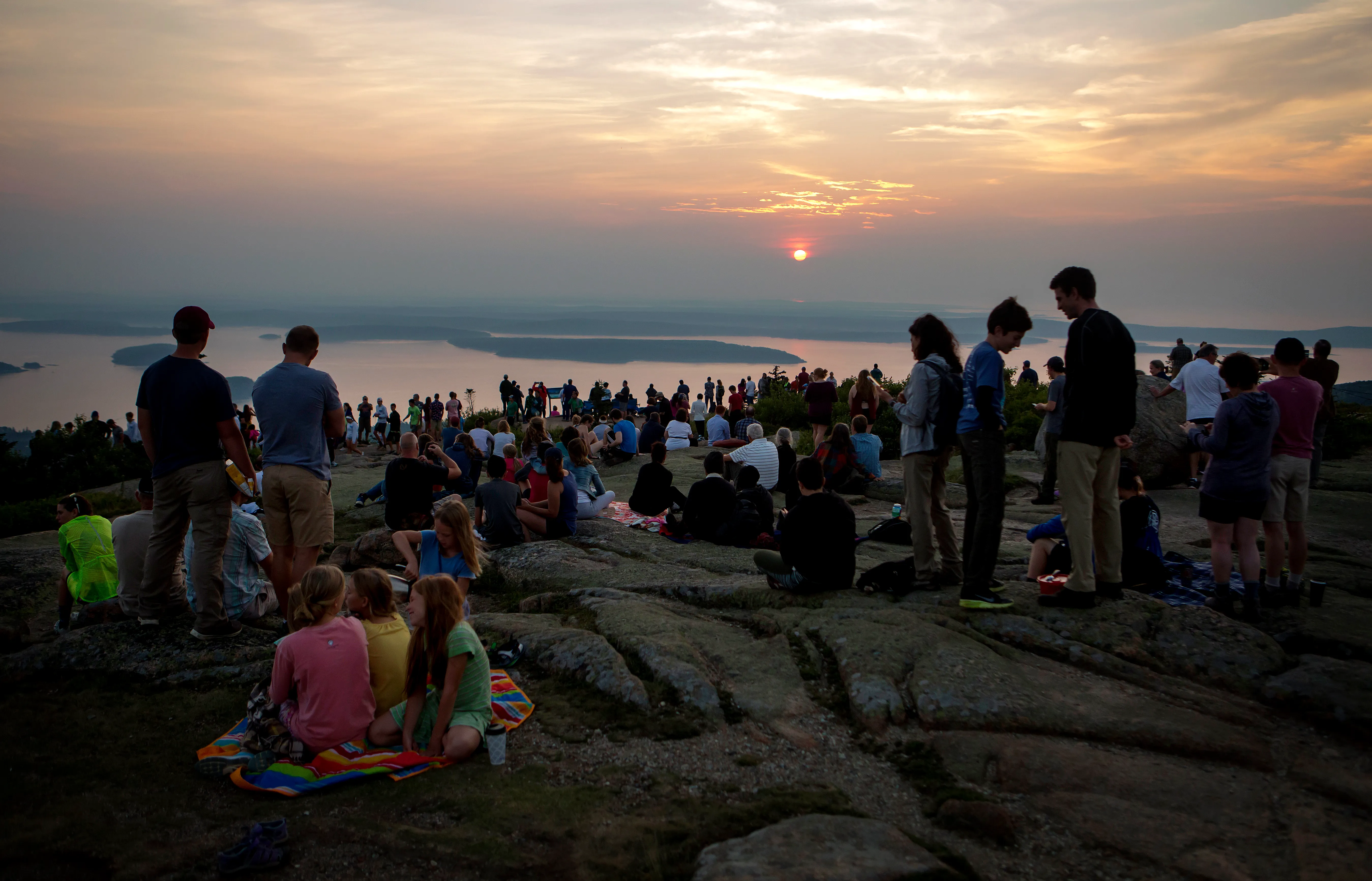
Cadillac Mountain remains the crown jewel among the best spots for sunrise in Acadia, and my 15+ visits have revealed both its magic and challenges. Standing at 1,530 feet, this granite giant offers the highest sunrise vantage point along the entire eastern seaboard. The summit provides 360-degree views encompassing Frenchman Bay's island-dotted waters, the Schoodic Peninsula, and on exceptionally clear mornings, glimpses of Canada's distant shores.
Insider Tip: Vehicle reservations are required from mid-May through mid-October. Book 90 days in advance for weekend visits, but 70% of reservations release just 2 days prior at 10 AM ET, offering last-minute opportunities for spontaneous adventures.
The summit experience varies dramatically by season. During peak summer months, arriving 90 minutes before sunrise ensures parking, but expect company—I've shared sunrise with 200-400 fellow early risers. However, the reservation system implemented in recent years has significantly reduced overcrowding compared to the chaos I witnessed in earlier visits.
Alternative Access Routes
For those seeking solitude or unable to secure vehicle reservations, hiking presents rewarding alternatives. The Cadillac North Ridge Trail offers a moderate 4.4-mile round-trip journey with spectacular sunrise views along the ridge. I've hiked this route numerous times, starting my ascent in complete darkness with headlamp illumination. The trail rewards early efforts with gradually revealing panoramas as dawn approaches.
The South Ridge Trail presents a more challenging 7.1-mile adventure, but connects directly from Blackwoods Campground, making it ideal for camping visitors. Both trails require proper preparation—temperatures can drop 15-20 degrees below base elevation, and Maine's coastal weather changes rapidly. I always pack layers, even during warm August mornings when I've experienced 45-degree temperatures at sunrise.
Hidden Gems Along Ocean Drive
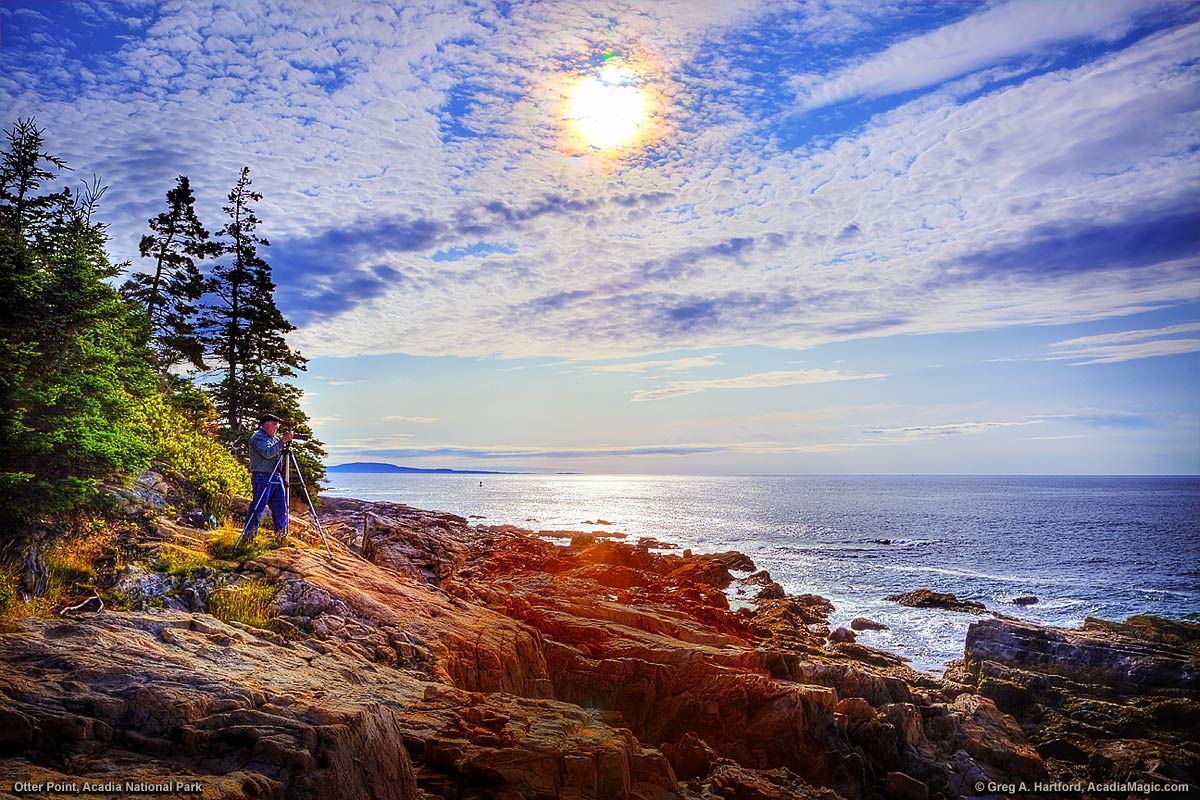
Ocean Drive stretches along Acadia's most spectacular coastline, revealing multiple best spots for sunrise in Acadia that offer intimate alternatives to Cadillac Mountain's crowds. This scenic roadway winds past granite headlands, secluded coves, and dramatic cliff formations, each location providing unique sunrise compositions and photographic opportunities.
Otter Point and Otter Cliffs
Otter Point ranks among my personal favorites for coastal sunrise photography. The location combines accessibility with stunning natural drama—100-foot granite cliffs plunge directly into the Atlantic, creating powerful wave action and dynamic compositions. During my October visits, I've witnessed fog layers rolling between the cliffs while sunrise colors painted the granite in warm golden tones.
The nearby Otter Cliffs offer elevated perspectives just a short walk from Ocean Drive parking areas. I recommend arriving 45 minutes before sunrise to explore various vantage points along the cliff edge. Safety remains paramount—Maine's coastal rocks become slippery when wet, and rogue waves can catch unwary visitors off guard. The National Park Service provides safety barriers at designated overlooks, but creative composition often requires venturing to less protected areas.
Thunder Hole's Morning Symphony
Thunder Hole transforms from tourist attraction to sunrise sanctuary during early morning hours. The unique rock formation creates thunderous booms when waves surge into the narrow inlet, but timing is crucial. Optimal conditions occur roughly two hours before high tide when wave energy maximizes the acoustic effects. I've experienced mornings where the combination of dramatic sunrise colors and Thunder Hole's natural symphony created unforgettable sensory experiences.
The Ocean Path connects Thunder Hole to multiple sunrise viewing areas, allowing visitors to explore several locations during a single morning adventure. This well-maintained trail provides easy access to hidden coves and elevated rocky outcrops perfect for sunrise photography. During busy summer months, early arrival ensures parking availability and peaceful viewing conditions before day-hikers arrive.
Get Professional Tripod for Sunrise Photography - $30.99Coastal Alternatives for Stunning Sunrises
Beyond the popular mountain summits, Acadia's diverse coastline harbors exceptional best spots for sunrise in Acadia that provide solitude and unique perspectives. These locations showcase the park's versatility, offering everything from lighthouse silhouettes to pristine beaches and hidden tidal pools where dawn's first light creates magical reflections.
Bass Harbor Head Lighthouse
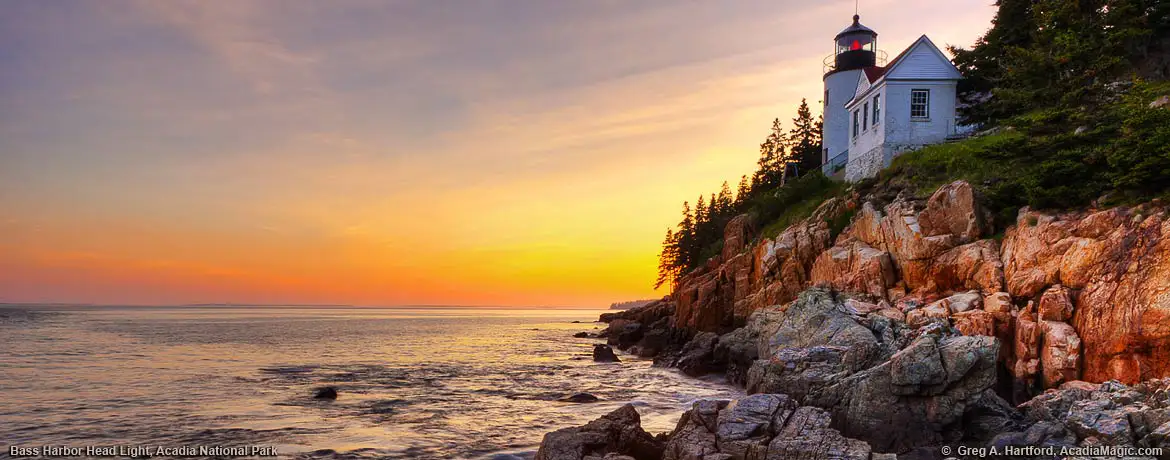
While famous for sunset photography, Bass Harbor Head Lighthouse offers equally spectacular sunrise experiences from the "quiet side" of Mount Desert Island. The lighthouse's dramatic clifftop position creates stunning silhouettes against dawn's colorful sky. During my early morning visits, I've discovered that sunrise light bathes the lighthouse in warm golden tones while waves crash dramatically against the rocky shoreline below.
Access requires a 30-minute drive from Bar Harbor, but the journey rewards visitors with significantly fewer crowds and pristine photographic conditions. The short trail down to optimal viewing positions can be treacherous in darkness, making a quality headlamp essential. I recommend scouting the location during daylight hours before attempting a sunrise visit to familiarize yourself with the rocky terrain and identify safe vantage points.
Sand Beach and Great Head Peninsula
Sand Beach presents Acadia's only significant sandy shoreline and creates unique sunrise compositions unavailable elsewhere in the park. The crescent-shaped beach nestled between granite headlands provides foreground interest while Great Head Peninsula offers elevated perspectives. I've captured memorable images combining smooth sand textures with dramatic cliff formations as sunrise colors reflect in tidal pools.
The Great Head Trail begins directly from Sand Beach parking area and leads to spectacular clifftop overlooks within 20 minutes. This moderate hike rewards early risers with panoramic views encompassing Frenchman Bay, Cadillac Mountain, and the Schoodic Peninsula. Weather conditions significantly impact accessibility—high winds and wet rocks can create dangerous situations, requiring careful judgment about proceeding with the hike.
Gorham Mountain Summit
For hikers seeking mountain sunrise views without Cadillac's crowds, Gorham Mountain provides an excellent alternative. The moderate 1.8-mile round-trip hike gains 525 feet of elevation, leading to spectacular 360-degree views. I've found this location particularly rewarding during autumn months when foliage colors create dramatic foregrounds against the Atlantic's blue waters.
The trail begins near Sand Beach and follows well-maintained stone steps and granite ledges. Dawn timing allows hikers to experience the mountain's gradual awakening—I've observed wildlife including deer and various bird species during early morning ascents. The summit's exposed position requires wind protection, especially during shoulder seasons when temperatures can drop significantly with elevation gain.
Essential Gear and Photography Tips
Successfully experiencing the best spots for sunrise in Acadia requires proper preparation and quality equipment. After countless dawn adventures throughout Maine's challenging coastal environment, I've refined my gear selection to maximize comfort, safety, and photographic success. The right equipment transforms potentially miserable experiences into unforgettable memories.
Photography Equipment Essentials
Stable tripod support proves absolutely critical for sunrise photography in Acadia's often windy conditions. I rely on carbon fiber tripods that balance lightweight portability with rock-solid stability—essential when hiking to remote locations in darkness. Quality tripods handle gusty coastal winds that frequently accompany sunrise conditions, preventing camera shake that ruins otherwise perfect compositions.
Camera settings require specific consideration for Acadia's dramatic lighting conditions. I shoot in RAW format to capture maximum dynamic range, as sunrise scenes often include extreme contrasts between bright sky and dark foreground elements. Graduated neutral density filters help balance exposures, while polarizing filters reduce glare from wet rocks and water surfaces common throughout the park's coastal areas.
User Review Summary - Professional Photography Gear
Amazon Customer (verified purchase): "Used this tripod for 6 months of sunrise photography in various national parks. Incredibly stable in windy conditions and the carbon fiber construction makes long hikes manageable. Worth every penny for serious landscape photographers."
Comfort and Safety Gear
Layered clothing systems handle Acadia's unpredictable morning temperatures and conditions. I always pack insulating layers, waterproof outer shell, and warm accessories—even August mornings can feel surprisingly cold at elevation or along exposed coastlines. Quality hiking boots with good traction prove essential for navigating wet granite surfaces safely.
Reliable illumination extends beyond basic flashlights to hands-free headlamp systems that allow navigation while carrying camera gear. I prefer models with red light options to preserve night vision during equipment setup. Backup lighting sources provide peace of mind during extended predawn adventures, especially when hiking unfamiliar trails in complete darkness.
Timing and Weather Considerations
Successful sunrise timing requires monitoring weather conditions and seasonal variations. I use multiple weather apps including specialized marine forecasts that provide detailed coastal conditions. Clear nights often produce spectacular sunrises, but partly cloudy skies create dramatic lighting effects as sun rays penetrate cloud formations. Complete overcast typically results in subtle, diffused lighting that can be equally beautiful but requires different photographic approaches.
Seasonal timing affects optimal arrival schedules significantly. Summer sunrises occur as early as 4:50 AM, requiring 3:30 AM departures from Bar Harbor accommodations. Winter sunrises happen later but involve potentially treacherous driving conditions. I always check current sunrise tables and add extra travel time for parking, setup, and unexpected delays that commonly occur during predawn adventures.
My Personal Experience and Pro Tips
During five years photographing the best spots for sunrise in Acadia, I've experienced everything from perfect bluebird mornings to challenging fog-bound adventures that tested my patience and persistence. These real-world experiences shaped my understanding of what truly makes each location special and revealed insider secrets that dramatically improve sunrise success rates.
Memorable Sunrise Adventures
My most unforgettable sunrise occurred during October 2019 at Otter Point when thick fog blanketed Frenchman Bay while mountain peaks emerged like mystical islands above the cloud layer. The combination of golden sunrise light filtering through mist created ethereal conditions I'd never witnessed before or since. This experience taught me that "imperfect" weather often produces the most dramatic and memorable photographic opportunities.
Conversely, my worst sunrise attempt happened during August 2020 when poor planning led to a failed Cadillac Mountain visit. Despite arriving 90 minutes early, thick fog persisted until well after sunrise, providing zero visibility. However, this disappointment led to discovering the fog prediction techniques I now use religiously—checking marine forecasts, monitoring dew point spreads, and understanding local microclimate patterns that help predict optimal viewing conditions.
Pro Tip from 50+ Sunrises
Always have a backup location plan. When Cadillac Mountain disappears into fog, Ocean Drive locations often remain clear due to different elevation and exposure patterns. I keep a mental list of 3-4 alternative spots for every planned sunrise adventure.
Local Rangers' Insider Knowledge
Acadia's park rangers possess invaluable local knowledge accumulated through years of visitor interaction and daily field experience. During conversations with Ranger Sarah Mitchell, I learned about microclimatic patterns that affect visibility at different elevations. Rangers recommend checking current conditions at the visitor center before committing to specific sunrise locations, especially during transitional weather periods.
Rangers also provide crucial safety reminders that casual visitors often overlook. Coastal rocks become extremely slippery when wet from overnight dew or fog, creating serious slip hazards during predawn navigation. I've witnessed several close calls where visitors underestimated these conditions, reinforcing the importance of proper footwear and cautious movement near cliff edges.
User Review Summary - Local Experience
Reddit User u/MaineHiker23: "Followed this photographer's Otter Point recommendations and had an incredible sunrise experience. Arrived at 5 AM in September, had the entire area to myself until 6:30. The golden hour lighting on granite cliffs was absolutely magical."
TripAdvisor Review: "Best sunrise advice I found online. The backup location strategy saved our vacation when Cadillac was fogged in. Thunder Hole at sunrise was spectacular and completely uncrowded."
Seasonal Advantages and Challenges
Each season offers distinct advantages for experiencing Acadia's sunrise magic. Spring brings wildflower blooms and migrating wildlife but also unpredictable weather and muddy trail conditions. Summer provides the most reliable clear weather but also peak crowds and early sunrise times that require 3:30 AM wake-up calls. Autumn delivers spectacular foliage colors and comfortable temperatures but brings increased weather variability.
Winter sunrise photography in Acadia presents unique rewards and serious challenges. Snow-covered landscapes create stunning contrast against granite formations, while frozen tide pools and icicle formations add foreground interest unavailable during other seasons. However, winter conditions require specialized cold-weather gear, ice cleats for traction, and careful attention to rapidly changing coastal weather that can create dangerous situations for unprepared visitors.
Conclusion
Acadia National Park truly deserves recognition as America's premier sunrise destination, offering diverse best spots for sunrise in Acadia that cater to every skill level and preference. From the iconic Cadillac Mountain summit to hidden coastal gems along Ocean Drive, each location provides unique perspectives on Maine's spectacular dawn displays. My years of exploration have revealed that success depends less on choosing the "perfect" spot and more on proper preparation, flexible planning, and embracing whatever conditions nature provides.
The key to unforgettable sunrise experiences lies in understanding that Acadia's magic extends far beyond any single location. While Cadillac Mountain rightfully claims fame as the first place to see sunrise in America during winter months, locations like Otter Point, Thunder Hole, and Bass Harbor Head Lighthouse offer equally stunning alternatives with significantly fewer crowds and unique compositional opportunities.
Ready to Experience Acadia's Sunrise Magic?
Start planning your dawn adventure today! Remember to book Cadillac Mountain reservations in advance, pack appropriate gear for Maine's coastal conditions, and maintain flexible backup plans for optimal sunrise success.
Book Cadillac Mountain ReservationsMost importantly, remember that sunrise experiences in Acadia extend beyond photography opportunities. These quiet morning moments connect visitors with Maine's natural rhythm, providing peaceful reflection and genuine appreciation for one of America's most beautiful landscapes. Whether you're capturing professional images or simply enjoying nature's daily miracle, Acadia's sunrise locations create memories that last lifetimes.
Your perfect sunrise adventure awaits among these carefully selected locations. Embrace the early morning challenge, prepare thoroughly, and allow Acadia's natural beauty to create magic that transforms your Maine vacation into an extraordinary wilderness experience. The investment in proper planning and gear pays dividends in unforgettable memories and potentially stunning photographs that capture the essence of America's most spectacular sunrise destination.
Frequently Asked Questions
What time should I arrive for sunrise at Cadillac Mountain?
Arrive 60-90 minutes before sunrise during peak season (May-October) to secure parking and optimal viewing positions. During winter months when crowds are smaller, 30-45 minutes usually suffices. Check current sunrise times on the National Weather Service website, as they vary significantly throughout the year—from 4:50 AM in June to 7:15 AM in December. Vehicle reservations are required during busy periods, so book through Recreation.gov well in advance for weekend visits.
Which sunrise location offers the best photography opportunities?
Otter Point provides the most versatile photography opportunities, combining dramatic granite cliffs, crashing waves, and excellent compositional elements without Cadillac Mountain's crowds. The location offers multiple vantage points within walking distance, allowing photographers to experiment with various angles and foreground elements. For lighthouse photography, Bass Harbor Head Lighthouse creates stunning silhouettes during sunrise hours. Cadillac Mountain delivers the most expansive views but requires dealing with significant crowds and potential parking challenges during peak seasons.
What should I bring for a sunrise hike in Acadia?
Essential items include a reliable headlamp with backup batteries, layered clothing for changing temperatures, waterproof jacket, sturdy hiking boots with good traction, and plenty of water. Temperatures can drop 15-20 degrees below base elevation, even during summer months. Bring a tripod for photography, extra camera batteries (cold weather drains them quickly), and snacks for energy. Don't forget a first aid kit and fully charged phone for emergencies. Weather conditions change rapidly along Maine's coast, so prepare for wind, rain, or fog regardless of initial forecasts.
Are there sunrise spots accessible without hiking?
Yes, several excellent locations require minimal walking from parking areas. Cadillac Mountain summit offers paved access via the Summit Road (reservations required). Ocean Drive provides multiple roadside pullouts with immediate access to coastal viewing areas. Schooner Head Overlook offers spectacular views directly from the parking area, making it ideal for visitors with mobility limitations. Thunder Hole requires only a short walk from the parking area, while Sand Beach provides easy access to sunrise views over the Atlantic Ocean. These locations ensure everyone can experience Acadia's sunrise magic regardless of hiking ability.
How do weather conditions affect sunrise viewing in Acadia?
Weather dramatically impacts sunrise experiences in Acadia. Fog frequently develops overnight along the coast and can persist well after sunrise, completely obscuring views from elevated locations while coastal areas remain clear. Check marine forecasts and dew point spreads the evening before your visit—large gaps between temperature and dew point indicate lower fog probability. Partly cloudy skies often produce the most dramatic sunrise colors as sunlight penetrates cloud formations. High winds can create challenging conditions but also help clear fog rapidly. Always have backup location plans, as conditions can vary significantly between different areas of the park.