Having spent over eight years exploring Yellowstone's wilderness as a local guide, I'll share insider knowledge on when to visit America's first national park. This comprehensive guide reveals the best time to visit Yellowstone National Park based on your priorities - whether you're seeking wildlife encounters, avoiding crowds, or experiencing specific seasonal magic.
Understanding Yellowstone's Seasons
After guiding countless visitors through Yellowstone's 2.2 million acres, I've learned that determining the best time to visit Yellowstone National Park depends entirely on your personal priorities and travel style. Each season offers unique experiences that can make or break your adventure in America's first national park.
Yellowstone's Climate Reality
Located at elevations ranging from 5,282 to 11,358 feet, Yellowstone experiences dramatic weather variations. I've witnessed snowfall in July and 70°F days in October. This unpredictability is part of what makes choosing the right time crucial for your experience.
The park's high elevation and continental climate create four distinct seasons, each offering different advantages. During my years of experience, I've observed that visitors often choose the wrong season for their interests, leading to disappointment. Understanding seasonal patterns helps you align your visit with your expectations.
Weather patterns directly impact wildlife behavior, road accessibility, and visitor experience. The best time to visit Yellowstone National Park for wildlife differs significantly from the best time for photography or solitude. I'll share insights from park rangers and my personal observations to help you make an informed decision.
Pro Tip: I always recommend checking Yellowstone's official road status and weather conditions within 48 hours of your trip, regardless of season. Mountain weather changes rapidly!
Expert month-by-month breakdown of visiting Yellowstone
Spring: Nature's Awakening (April-May)
Spring represents one of my favorite times to experience Yellowstone, and many visitors overlook this magical season. If you're wondering about the best time to visit Yellowstone National Park for wildlife babies and fewer crowds, late April through May offers exceptional opportunities.
Spring Advantages
- Baby animals emerge (bison calves, bear cubs)
- Significantly fewer crowds
- Active wildlife after hibernation
- Lower accommodation prices
- Dramatic waterfalls from snowmelt
Spring Challenges
- Unpredictable weather conditions
- Muddy and slippery trails
- Limited facility operations
- Some trail closures for bear management
- Higher elevation areas still snow-covered
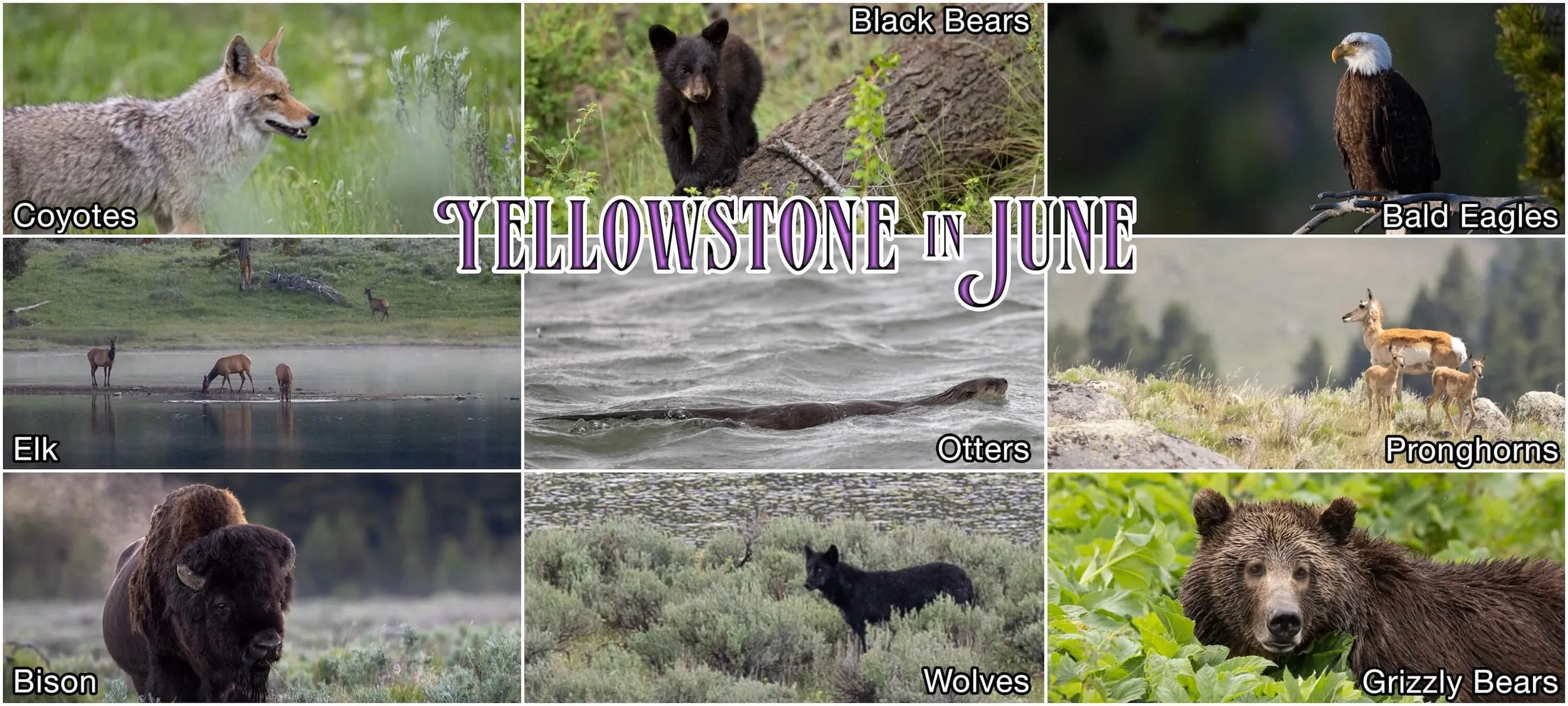
During my spring guides, I've witnessed remarkable wildlife moments that summer visitors rarely experience. Bears emerge from hibernation hungry and active, often visible along roadways as they forage for early vegetation. The famous Lamar Valley becomes a nursery as bison give birth to their reddish-orange calves, earning them the nickname "red dogs."
Weather remains the biggest variable when considering spring as the best time to visit Yellowstone National Park. I've experienced April snowstorms that dumped two feet of fresh powder, followed by 60°F sunny days. This unpredictability requires flexible planning and appropriate gear, but rewards patient visitors with extraordinary experiences.
Road accessibility improves throughout spring, with most park roads opening by Memorial Day weekend. However, I recommend focusing on the northern range areas (Mammoth Hot Springs to Tower Falls) during early spring visits, as these lower elevation zones offer the most reliable access and wildlife viewing opportunities. The thermal features create microclimates that attract animals and remain accessible even during spring weather fluctuations.
Book Spring Wildlife ToursSummer: Peak Season Magic (June-August)
Summer undeniably offers the most accessible and comfortable conditions, making it many visitors' choice for the best time to visit Yellowstone National Park. However, this popularity comes with significant trade-offs that I help my clients navigate strategically.
During peak summer months, I've guided groups through packed boardwalks where photographing Old Faithful requires patience and persistence. Yet, I've also led sunrise expeditions where we encountered grizzly bears fishing in pristine streams with no other humans in sight. The key lies in understanding crowd patterns and timing your activities accordingly.
Crowd Management Strategy
I recommend the "5-5 Rule" during summer visits: arrive at popular attractions before 5 AM or after 5 PM. This simple strategy transforms your experience from fighting crowds to enjoying relative solitude at iconic locations.
Wildlife activity peaks during these cooler hours anyway, making early mornings and late evenings doubly rewarding for the best time to visit Yellowstone National Park experiences.
Summer's reliable weather patterns make it ideal for backcountry hiking and multi-day adventures. I've led week-long expeditions into Yellowstone's wilderness where we encountered wolves, mountain lions, and pristine alpine lakes untouched by crowds. The extensive trail network opens fully by July, offering everything from easy boardwalk strolls to challenging mountain summits.
Wildfire season presents both challenges and opportunities during summer visits. While smoke can occasionally obscure views, it also creates dramatic lighting conditions for photography. I've witnessed sunsets through wildfire smoke that painted the entire landscape in ethereal orange and purple hues - moments impossible to capture during other seasons.
The summer wildlife calendar centers around breeding seasons and family dynamics. Bison rutting season begins in late July, creating spectacular (and potentially dangerous) viewing opportunities in Lamar and Hayden valleys. I always emphasize maintaining proper distances during these intense behavioral displays, as bull bison become unpredictably aggressive while competing for mates.
Despite crowds, summer remains the best time to visit Yellowstone National Park for families with children, first-time visitors, and those prioritizing weather reliability. Full facility operations, ranger programs, and accessible attractions make summer visits straightforward and memorable, especially when planned with local expertise.
Fall: Wildlife & Colors (September-October)
Fall represents my personal favorite season and what I consider the best time to visit Yellowstone National Park for serious wildlife enthusiasts and photographers. The combination of active wildlife, stunning colors, and manageable crowds creates optimal conditions for meaningful nature experiences.
Elk bugling season dominates September's soundtrack, creating one of nature's most thrilling audio experiences. I've guided clients through pre-dawn expeditions where bull elk's haunting calls echoed across misty valleys, followed by dramatic battles for dominance that few humans ever witness. These moments justify early wake-up calls and cold morning temperatures.
Wildlife photography reaches peak potential during fall months. Animals display their finest coats in preparation for winter, creating stunning contrasts against golden aspen groves and snow-dusted peaks. I've captured images during fall expeditions that remain portfolio highlights years later - grizzly bears feasting on whitebark pine nuts, wolf packs hunting in coordinated formations, and bighorn sheep navigating impossible cliff faces.
September
Peak elk rutting, warm days, excellent wildlife activity
Early October
Peak fall colors, crisp weather, photographer's paradise
Late October
Transition to winter, road closures begin, ultimate solitude
Weather unpredictability during fall requires flexible planning but rewards adaptable visitors with extraordinary experiences. I've witnessed October blizzards that transform the landscape overnight, followed by brilliant sunny days that showcase fresh snow against autumn foliage. These dramatic weather shifts create dynamic photographic opportunities impossible during more stable seasons.
Fall represents the best time to visit Yellowstone National Park for experiencing natural rhythms without human interference. Wildlife focuses on survival preparations rather than entertaining tourists, creating authentic behavioral observations. Bears enter hyperphagia, consuming massive quantities of food before hibernation. This feeding frenzy makes them highly visible and active throughout daylight hours.
Road and facility closures begin in late October, gradually limiting access but enhancing the wilderness experience for determined visitors. I recommend planning fall visits for early to mid-October to balance accessibility with autumn's peak beauty. Late October visits require winter-level preparation but offer unparalleled solitude in one of America's most visited national parks.
Book Fall Photography ToursWinter: Serene Wilderness (November-March)
Winter transforms Yellowstone into a completely different world, and for visitors seeking the best time to visit Yellowstone National Park for solitude and unique experiences, this season offers unmatched opportunities. Less than 3% of annual visitors experience Yellowstone's winter magic, making it the most exclusive time to explore America's first national park.
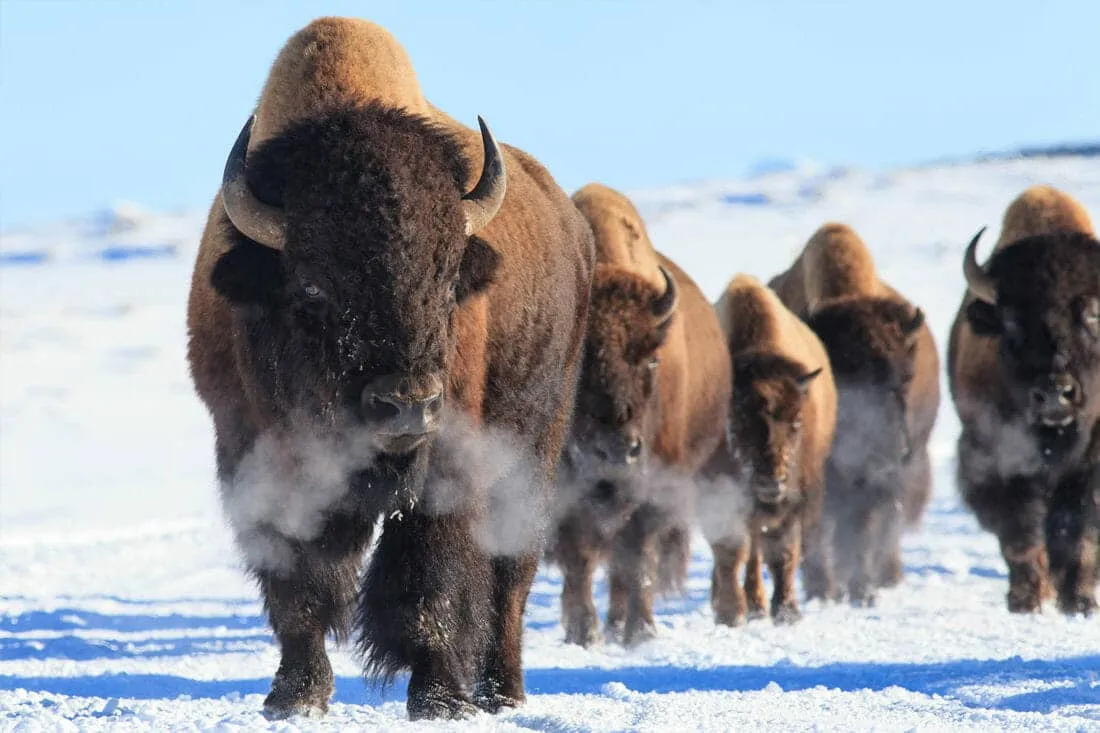
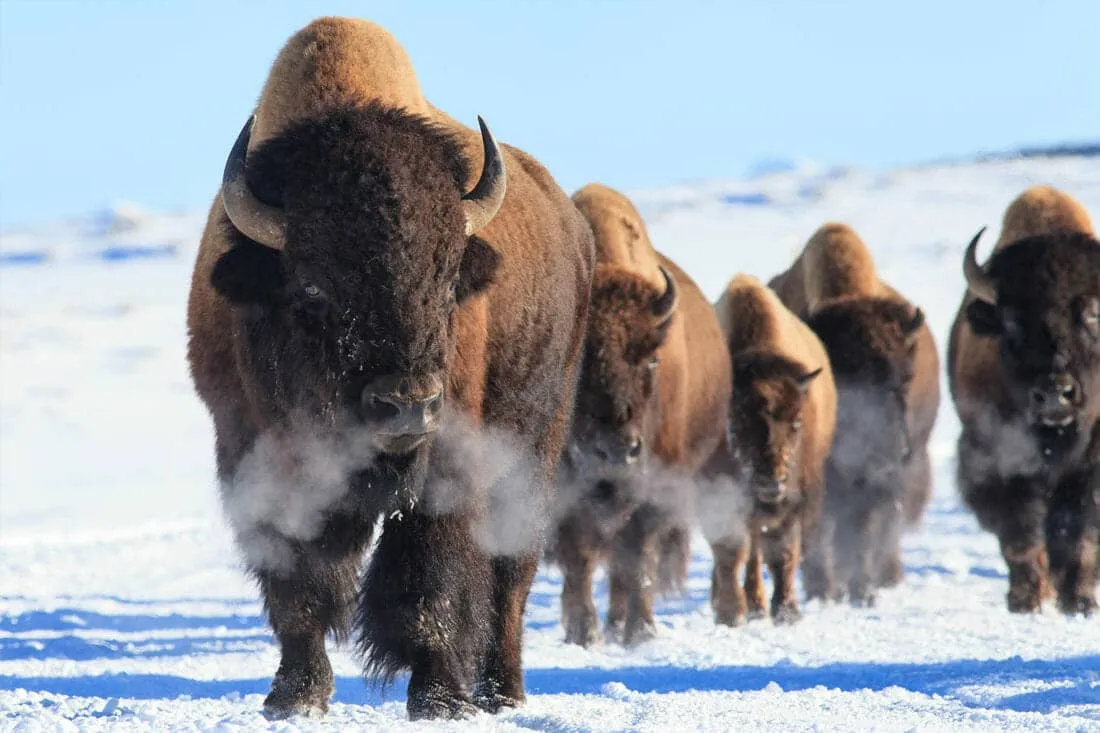
During winter expeditions, I've guided visitors through landscapes so pristine and silent that heartbeats become audible. Snow-covered geysers create ethereal steam clouds against crystalline blue skies, while bison traverse deep snow with ice-covered faces, embodying the raw resilience of Yellowstone's wildlife. These moments connect visitors to primordial wilderness experiences increasingly rare in our modern world.
Winter wildlife viewing offers distinct advantages despite harsh conditions. Animals concentrate in lower elevation thermal areas, making encounters more predictable. Wolves appear more prominent against snow backgrounds, their tracks telling stories of hunts, territorial disputes, and pack dynamics. I've observed wolf behavior during winter that reveals survival strategies invisible during warmer months.
Winter Access Options
North Entrance
Open year-round for regular vehicles. Best for Lamar Valley wildlife viewing.
Snowcoach Tours
Access to Old Faithful and interior areas via specialized snow vehicles.
Cross-Country Skiing
Self-guided or guided skiing on groomed park roads.
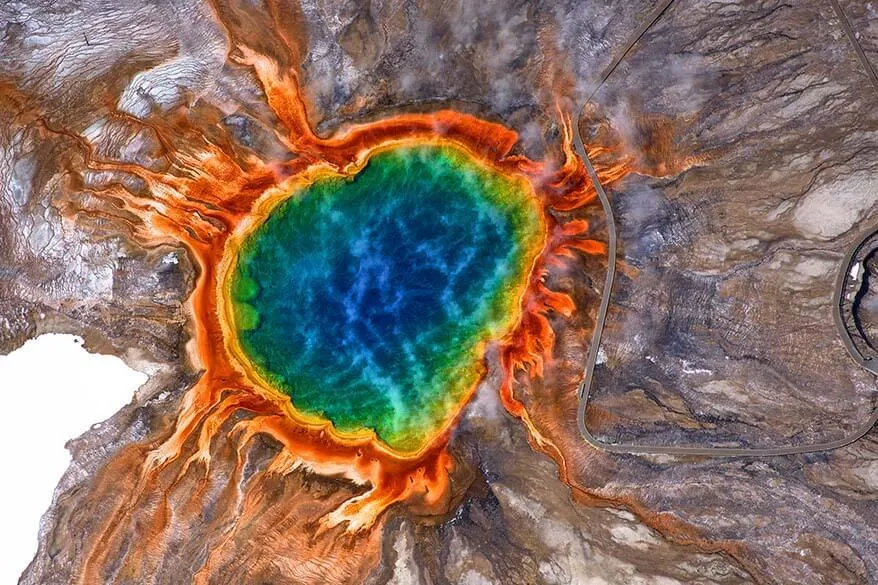
Thermal features create dramatic visual spectacles during winter months. Grand Prismatic Spring's vibrant colors intensify against snow surroundings, while Old Faithful's eruptions appear more powerful in sub-zero temperatures. The contrast between scalding geothermal water and frigid air creates photographic opportunities impossible during other seasons.
Winter challenges require serious preparation and realistic expectations. Temperatures regularly drop below zero, and weather changes rapidly. However, visitors prepared for these conditions discover why I consider winter the most rewarding season to experience Yellowstone's true character. The effort required filters out casual tourists, leaving wilderness available to those genuinely committed to authentic natural experiences.
For photographers and wildlife enthusiasts, winter represents the best time to visit Yellowstone National Park for unique opportunities. Steam rising from hot springs against aurora-painted skies, wolves hunting in deep snow, and bison creating their own weather systems through body heat - these scenes exist nowhere else on earth during any other season.
Expert Planning & Insider Tips
After years of guiding visitors and learning from park rangers, I've developed strategies that dramatically improve Yellowstone experiences regardless of when you determine is the best time to visit Yellowstone National Park for your specific interests. These insider tips transform ordinary visits into extraordinary adventures.
Timing Strategies
- Golden Hour Wildlife: Animals are most active during the first hour after sunrise and last hour before sunset. I schedule all wildlife tours during these periods.
- Midweek Visits: Tuesday through Thursday typically see 40% fewer visitors than weekends, even during peak season.
- Weather Windows: Clear mornings often become stormy afternoons. Plan critical activities early in mountain environments.
Location Secrets
- Hidden Hotspots: While crowds gather at popular spots, I lead clients to equally spectacular but lesser-known locations.
- Thermal Area Strategy: Visit popular geysers during meal times when crowds thin significantly.
- Trail Selection: Hikes requiring more than 30 minutes dramatically reduce encounter rates with other visitors.
Accommodation booking strategies can make or break your Yellowstone experience. I recommend booking at least 12 months in advance for summer visits, and remaining flexible with dates to secure better locations. Staying inside the park saves hours of daily driving and provides access to dawn and dusk wildlife activity when day visitors have departed.
Equipment preparation varies dramatically by season but always includes layers, waterproof gear, and emergency supplies. I provide clients with detailed packing lists tailored to their visit dates and planned activities. Even summer visitors should prepare for below-freezing temperatures at higher elevations.
Safety & Wildlife Guidelines
Yellowstone's wildlife demands respect and knowledge. I always carry bear spray and ensure clients understand proper distance requirements: 100 yards from bears and wolves, 25 yards from all other wildlife.
Weather emergency preparedness saves lives in Yellowstone's unpredictable environment. Even day trips require survival gear, as mountain storms can strand visitors for hours or days.
Photography success in Yellowstone requires understanding both technical and natural elements. Golden hour light transforms ordinary scenes into extraordinary images, but knowing animal behavior predicts where golden hour encounters might occur. I teach clients to read landscape and weather patterns that indicate optimal photographic conditions.
Budget planning for Yellowstone visits extends beyond park fees and accommodation. Quality gear, guided services, and flexible scheduling significantly enhance experiences but require financial preparation. I help clients balance budget constraints with experience goals to maximize their investment in what may be once-in-a-lifetime adventures.
Conclusion: Choose Your Perfect Time
After years of guiding visitors through every season, I've learned that the best time to visit Yellowstone National Park depends entirely on your personal priorities, physical capabilities, and adventure tolerance. Each season offers unique rewards that can create lifelong memories when properly planned and executed.
My Seasonal Recommendations
First-Time Visitors
June or September for balanced weather, accessibility, and moderate crowds
Photography Enthusiasts
Fall (September-October) for dramatic lighting and wildlife behavior
Wildlife Watchers
Late April-May or winter for active animals and baby season
Crowd Avoiders
Winter or late October for ultimate solitude experiences
My personal bias leans toward shoulder seasons - late spring and early fall - when Yellowstone reveals its character without the extremes of winter severity or summer crowds. These transitional periods offer the best balance of accessibility, wildlife activity, and authentic wilderness experiences that define why Yellowstone became America's first national park.
Regardless of when you choose to visit, proper preparation and realistic expectations determine success more than perfect timing. I've witnessed visitors disappointed by July crowds who arrived unprepared for Yellowstone's popularity, and others who found winter's harsh conditions transformative because they embraced the challenge.
The best time to visit Yellowstone National Park ultimately aligns with your vision of the perfect nature experience. Whether you seek comfort, adventure, solitude, or spectacle, Yellowstone delivers during every season for visitors who understand what they're seeking and prepare accordingly. I encourage you to choose based on your priorities rather than conventional wisdom, and prepare for the magic that awaits in any season.