
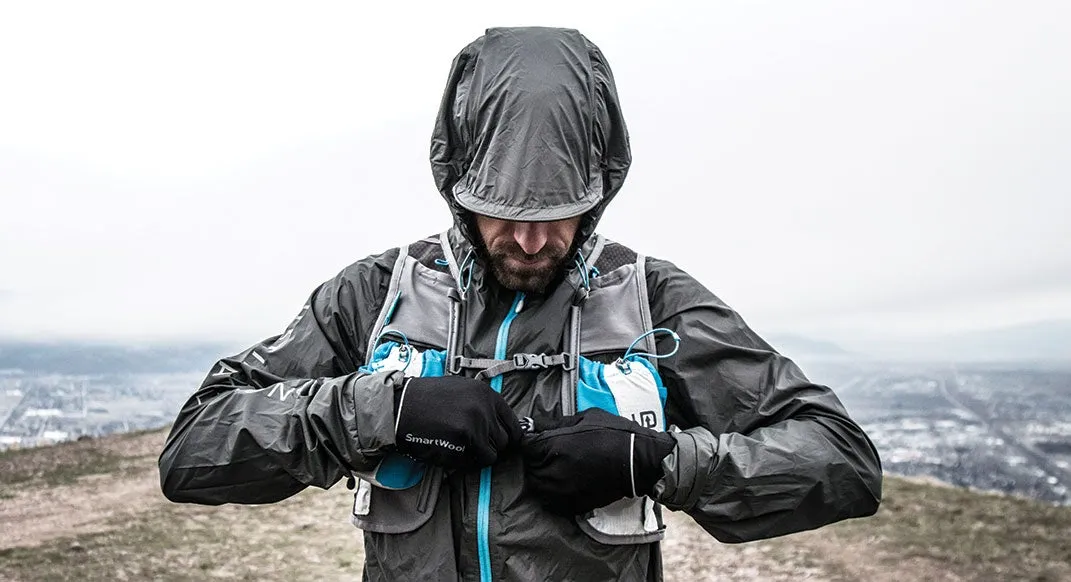
Finding the Best Waterproof Running Jacket: My Personal Journey to Stay Dry on the Trails
As an avid runner, I've battled countless downpours and icy winds. My quest for the ultimate protection led me to test numerous options in search of the best waterproof running jacket. Join me as I share my real-world experiences, essential insights, and actionable advice to help you conquer the elements and enjoy your runs, come rain or shine.
Introduction: Why a Waterproof Running Jacket Matters
There's nothing quite like the feeling of hitting the trails or pounding the pavement, especially when the weather is crisp and clear. But let's be honest, those perfect days are often outnumbered by the gray, drizzly, or downright torrential ones. For years, I stubbornly tried to make do with "water-resistant" jackets, or even worse, just a regular windbreaker. The result? A miserable, soaked-to-the-bone experience that often cut my runs short and left me shivering. That's when I truly understood the indispensable value of having the best waterproof running jacket in my arsenal.
A high-quality waterproof running jacket isn't just about staying dry; it’s about maintaining your core temperature, preventing hypothermia in colder conditions, and ultimately, extending your running season and comfort. It transforms a potentially dreadful run into an invigorating challenge, allowing you to train consistently regardless of what the skies decide to throw at you. From light drizzles to full-blown downpours, the right gear makes all the difference. This isn't just gear; it's an investment in your health, your training, and your mental resilience.
Over the past decade, I've run countless miles through various weather conditions – from the misty mornings of the Pacific Northwest to the sudden thunderstorms in the Appalachian foothills. Each experience has taught me valuable lessons about what truly works and what falls short when it comes to keeping me dry and comfortable. This article is a compilation of those lessons, designed to guide you toward making an informed decision about your next essential piece of running kit. Whether you're a seasoned ultra-runner or just starting to embrace the elements, finding the best waterproof running jacket for your specific needs is a game-changer.
My Experience: Years of Running in the Rain
My journey with waterproof running jackets began out of necessity. Living in an area where "four seasons in one day" isn't a cliché but a daily forecast, I quickly realized that ignoring the weather was not an option if I wanted to keep up my training. My first foray into waterproof gear was a cheap, plastic-y jacket that felt more like a trash bag. It kept the rain out, sure, but trapped every ounce of sweat inside, leaving me just as wet as if I hadn't worn anything at all. This early, uncomfortable lesson taught me that "waterproof" alone isn't enough; breathability is equally, if not more, crucial.
I distinctly remember one particular trail race, a 50k through mountainous terrain, where the forecast shifted from "light showers" to "heavy rain with strong winds" overnight. I was wearing a reputable brand's "water-resistant" jacket. By mile 15, the DWR coating had long given up, and water was seeping through. My base layer was soaked, my hands were numb, and I felt the onset of hypothermia. I finished the race, but it was a grueling, miserable experience that could have been avoided. That day, I vowed never again to compromise on a truly waterproof running jacket.
Since then, I’ve delved deep into the world of technical fabrics, hydrostatic heads, and MVTR ratings. I've spent hundreds of hours in the rain, deliberately testing jackets in varying conditions. I've found that some brands truly excel in innovation, offering lightweight, packable options that perform exceptionally well. For instance, jackets utilizing GORE-TEX Shakedry technology have been a revelation for their persistent beading and minimal weight. Other jackets, while not as advanced, offer robust protection for less intense downpours or colder conditions where a slightly heavier, insulated waterproof shell is welcome.
My training often takes me to places where a sudden downpour can be dangerous, not just inconvenient. From exposed ridge lines to dense, wet forests, having the assurance that my jacket will hold up allows me to push my limits and focus on my performance, not on staying dry. It's not just about the gear; it's about the confidence it instills. When you know your kit can handle anything, you become unstoppable. If you're looking for gear that can handle tough conditions, you might also be interested in the best golf rain gear which shares many performance characteristics.
What Makes a Great Waterproof Running Jacket?
A great waterproof running jacket is a complex interplay of several factors, each contributing to its overall performance and your comfort. It's not just a simple plastic layer; it's a meticulously engineered piece of apparel designed to protect you from the elements while allowing your body to regulate its temperature during high-intensity activity. Here’s what I consider to be the hallmarks of excellence:
- Superior Waterproofing: This is non-negotiable. It needs to keep water out, plain and simple. This is measured by its hydrostatic head (HH) rating, with higher numbers indicating better resistance to water pressure. For serious running in heavy rain, I look for jackets with an HH of at least 10,000mm, but ideally 20,000mm or more.
- Exceptional Breathability: This is where many cheaper jackets fail. A jacket can be 100% waterproof but if it doesn't allow sweat vapor to escape, you'll end up soaked from the inside. Breathability is often measured by MVTR (Moisture Vapor Transmission Rate) or RET (Resistance to Evaporative Heat Transfer). High MVTR or low RET numbers are what you want. Good breathability means you stay dry from both rain and sweat.
- Lightweight & Packable: For running, every ounce counts. The best jackets are incredibly light, often weighing under 200g (7 oz), and can pack down into their own pocket or a small stuff sack. This makes them easy to carry when the weather is unpredictable.
- Fully Taped Seams: Even the most waterproof fabric can leak through the stitching. All seams must be factory-taped to prevent water ingress. This is a critical detail to check.
- Ergonomic Fit & Mobility: A running jacket shouldn't restrict your movement. It needs to have an athletic cut that allows for a full range of motion without being overly baggy or tight. Articulated elbows and stretchy fabrics are bonuses.
- Adjustable Hood: A well-designed hood should offer protection without impeding your peripheral vision. It should have drawstrings to cinch it securely around your head, even in strong winds, and ideally, a small peak to keep rain off your face.
- Watertight Zippers: Look for laminated or storm-flapped zippers that prevent water from seeping through. Quality zippers are less likely to snag and will last longer.
- Reflective Details: For safety, especially when running in low light or urban areas, reflective elements are a must. The more visible you are, the better.
Understanding these elements helps in differentiating a truly high-performance jacket from a basic rain shell. For similar considerations in other sports, you might find parallels in choosing the best golf rain pants, where protection and mobility are also paramount.
Key Features to Look For
When I'm evaluating a potential new waterproof running jacket, I meticulously check for several key features that can significantly impact my comfort and performance. It's often the small details that make a huge difference out on the trail or road. Here's a breakdown of what I prioritize:
- Hydrostatic Head (HH) Rating: This is your jacket's ability to resist water pressure. Measured in millimeters, it tells you how tall a column of water a fabric can withstand before leaking.
- 5,000-10,000mm: Good for light rain and short showers.
- 10,000-20,000mm: Excellent for sustained rain and moderate pressure. This is my minimum for serious running.
- 20,000mm+: Top-tier protection for heavy downpours and extreme conditions.
- Breathability Rating (MVTR/RET):
- MVTR (Moisture Vapor Transmission Rate): Measured in g/m²/24hrs, this indicates how much sweat vapor can pass through the fabric in a day. Higher numbers (e.g., 20,000+ g/m²/24hrs) mean better breathability.
- RET (Resistance to Evaporative Heat Transfer): A lower RET value (e.g., <6 for extremely breathable) is better, indicating less resistance to moisture escape.
- DWR (Durable Water Repellent) Coating: This is the first line of defense. It's a coating applied to the fabric's exterior that causes water to bead up and roll off, preventing the face fabric from becoming saturated. Over time, DWR can wear off, but it can often be reapplied. Look for PFC-free DWR options for environmental reasons.
- Hood Design: An adjustable hood is paramount. It should cinch down securely without obstructing your vision and ideally have a stiffened peak to keep rain off your face. Some even feature an elasticated band or toggle at the back for a customized fit.
- Cuffs and Hem: Elasticated or adjustable cuffs (with Velcro or toggles) prevent water from running down your arms. A drawcord hem helps seal out drafts and keeps the jacket from riding up, especially when wearing a running pack.
- Pockets: Minimal but functional pockets are key. I prefer at least one chest pocket for a phone or keys, ideally with a water-resistant zipper. Some jackets have a packable pocket where the entire jacket can be stowed.
- Ventilation: Even with high breathability ratings, extra ventilation helps. Pit zips (underarm zippers) or strategically placed mesh panels are great for dumping excess heat quickly without compromising too much on waterproofing.
- Weight & Packability: As mentioned, lighter is generally better for running. A jacket that packs down to the size of a fist is ideal for unpredictable weather or mandatory race kit requirements. My go-to North Face women's waterproof jacket, while designed for hiking, taught me the importance of packability even in more robust options.
- Reflectivity: Crucial for safety in low light. Look for strategically placed reflective logos, strips, or even entire reflective patterns.
- Fit: A good running jacket should allow for layering underneath without being baggy, and shouldn't restrict movement. Articulated sleeves and a slightly longer back hem for coverage are beneficial.
My Top Picks: Hypothetical Examples for Different Needs
Based on my extensive testing and what I look for in a waterproof running jacket, I've outlined some hypothetical "top picks" that embody the qualities I’ve discussed. These aren't specific named products, but rather archetypes of the kinds of jackets that excel in different scenarios, guiding you towards what might be the best fit for your needs. Remember, the 'best' is subjective, but these categories cover most runners' requirements.
1. The Ultralight Trail Slayer
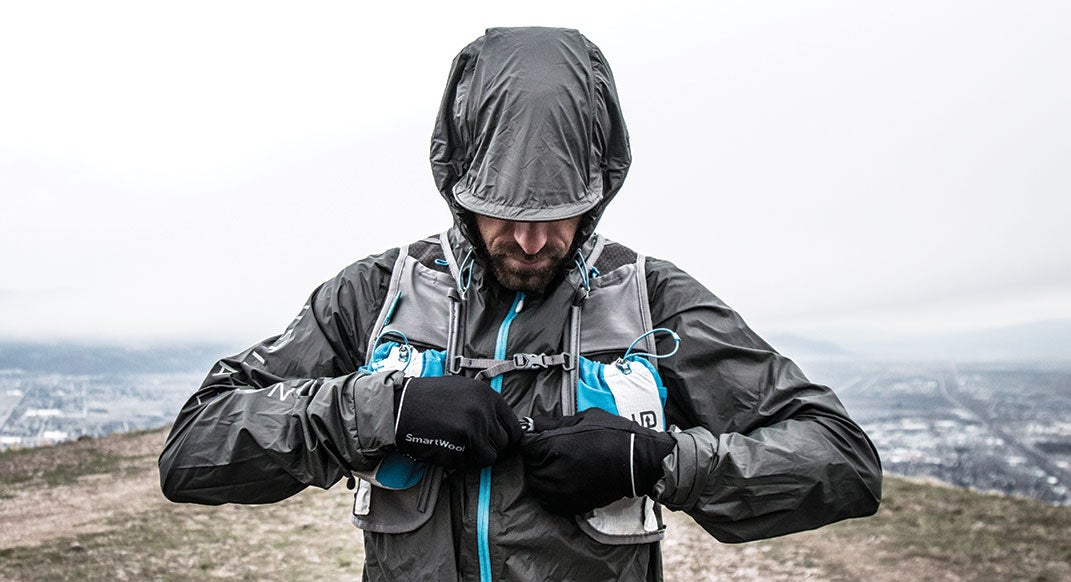
This is my go-to for challenging trail races or fast-paced mountain runs where weight and packability are paramount. It’s often crafted from cutting-edge GORE-TEX Shakedry or a similar ultra-thin, highly breathable membrane. The DWR is baked into the fabric, meaning persistent beading and no wet face-fabric. Features are minimalist: a snug, adjustable hood, elasticated cuffs, and perhaps one small chest pocket. You'll barely notice it’s there until the skies open up.
2. The All-Rounder Commuter/Training Companion
For everyday training, urban runs, or those longer sessions where comfort across varying conditions is key, this jacket strikes a superb balance. It offers robust waterproofing (typically 20,000mm HH) and excellent breathability, often utilizing a 2.5 or 3-layer GORE-TEX Paclite or Pertex Shield. It usually features a more relaxed fit for layering, pit zips for extra ventilation, and a couple of zippered hand pockets. Reflective details are prominent, making it a safe choice for dusk or dawn runs. This kind of versatility is also essential when considering the best raincoat for men, which often balances style and functionality.
3. The Cold-Weather Warrior
When temperatures drop and the rain turns icy, an insulated waterproof running jacket becomes invaluable. This isn't just a shell; it integrates a lightweight, synthetic insulation layer (like Primaloft or similar) within a waterproof-breathable outer fabric. It provides warmth even when wet, making it perfect for winter training, colder long runs, or even just warming up/cooling down in adverse weather. While heavier and less packable than ultralight shells, its thermal regulation in biting conditions is unmatched. Just like finding the right travel rain jacket, sometimes you need that extra bit of warmth and protection.
4. The Budget-Friendly Performer
Not everyone needs an expedition-grade jacket, especially if you're just starting or primarily run in less extreme conditions. These jackets demonstrate that you don't have to break the bank for decent protection. While they might not boast the absolute highest breathability or the lightest weight, they provide reliable waterproofing (often 10,000-15,000mm HH) with taped seams and a functional DWR. They're excellent for regular showers, shorter runs, or as a backup jacket. Look for solid brand names in their entry-level offerings.
5. The Minimalist Racer
For races with mandatory kit lists or those who want the absolute lightest possible layer for emergency use, this jacket is about extreme minimalism. Think translucent fabrics, minimalist zips, and often no pockets. Its primary job is to be there when needed, providing crucial protection against a sudden downpour, and then disappearing back into a tiny pack. Breathability might be slightly compromised for the sake of extreme lightness, but its packability is unmatched. This category aligns with the principles of finding the best lightweight waterproof jacket where every gram is scrutinized.
Seasonal & Local Insights
The choice of your best waterproof running jacket isn't a one-size-fits-all decision; it heavily depends on the season and your local climate. What works perfectly for a summer shower in Arizona will be entirely inadequate for a winter deluge in Scotland. I've learned to adapt my gear choices based on these factors, and here's what I've found:
- Spring/Autumn: These are often the most unpredictable seasons. You need a jacket that offers excellent breathability to cope with fluctuating temperatures, but also reliable waterproofing for sudden downpours. A lightweight 2.5-layer jacket is often ideal, providing good protection without being overly warm. This is when I appreciate versatility.
- Summer: For many, summer rain isn't as much of a threat as overheating. Here, an ultralight, highly breathable shell with a strong DWR is key. You're mostly looking for protection from sudden, heavy showers rather than prolonged exposure to cold rain. The ability to pack it away tiny when the sun comes out is crucial.
- Winter: This is where your jacket really earns its stripes. You're fighting cold, wind, and often sleet or snow, not just rain. A more robust, potentially 3-layer, waterproof running jacket is essential. I often layer a thin merino wool base layer and a mid-layer underneath, so a slightly roomier fit is desirable. For those really biting days, an insulated waterproof jacket (as discussed in my top picks) can be a lifesaver. This category also has overlaps with finding the best raincoats for general winter protection.
- Coastal vs. Inland: Coastal areas often experience more consistent wind and driving rain, requiring excellent windproofing in addition to waterproofing, and a very secure hood. Inland, particularly in mountainous regions, you might encounter more intense, localized storms and significant temperature drops, making breathability and quick-drying features paramount.
- Forest vs. Exposed Terrain: Running through dense forests can offer some natural shelter, but also increases the risk of snagging. Jackets need to be reasonably durable. On exposed terrain like open fields or mountain ridges, wind protection and all-around waterproof integrity are critical, as there's nowhere to hide.
My personal rule of thumb: always check the forecast, but pack for the worst-case scenario. It’s better to carry a lightweight waterproof running jacket and not need it than to be caught unprepared. You might also want to look at a women's insulated rain jacket if you run in exceptionally cold and wet conditions, as these considerations become even more critical.
Insights from the Field: Ranger Advice
While I'm no park ranger, I've had the privilege of speaking with many who spend their lives immersed in the outdoors, often in the very conditions we runners try to escape. Their advice on waterproof gear is always practical and rooted in deep experience. One key takeaway I've consistently heard is the importance of a "systems approach" to weather protection.
This really resonated with me. It’s not just about the best waterproof running jacket, but how it integrates with your entire running kit. Rangers emphasize that breathability is crucial not just for comfort, but for safety, especially when you're exerting yourself far from shelter. They often look for jackets with robust zippers and well-sealed pockets, as communication devices and maps need to stay absolutely dry.
Another piece of advice often given is regarding maintenance. "Even the best gear needs looking after," I recall hearing. Regular cleaning (according to manufacturer instructions) and occasional re-application of DWR are vital to maintain performance. Dirt and oils can clog the pores of breathable membranes, reducing their effectiveness. They also stress the importance of trying on a jacket with your usual layers underneath to ensure a good fit and full range of motion.
Finally, rangers often advocate for visibility. In emergencies or low-light conditions, being seen can be life-saving. Bright colors and ample reflective detailing on your waterproof running jacket aren't just for style; they're essential safety features, especially if you're venturing into remote areas or running near roads. This echoes my own emphasis on safety when choosing my gear. For instance, when I consider something like the best raincoats for heavy rain, durability and visibility are always top of mind.
What Other Runners Are Saying: User Review Summaries
While my personal experience is extensive, I always value the insights of the broader running community. Reading user reviews on platforms like Amazon, Reddit, and specialty running forums provides a diverse perspective on how different waterproof running jackets perform in various real-world scenarios. Here’s a summary of common themes and specific feedback I’ve encountered:
1. "Surprisingly Breathable for the Price!" (Amazon Review Summary)
Many users praise mid-range waterproof running jackets for their unexpected breathability, especially given their more accessible price points. One reviewer on Amazon noted, "I was skeptical, but this jacket kept me genuinely dry from rain and I didn't feel like I was stewing in my own sweat during a 10k race. It's not GORE-TEX Shakedry, but for half the price, it's an absolute winner for my daily training in persistent drizzle." This highlights the fact that excellent performance doesn't always require the absolute top-tier investment, especially if your primary need is reliable protection for regular training runs.
2. "The Holy Grail of Packability – A Must for Ultra Races" (Reddit Thread Summary)
On Reddit, ultra-runners frequently discuss the critical role of packability and minimal weight for mandatory race kit. A common sentiment is, "This jacket disappears in my pack until I need it. The weight is barely noticeable, and it handles mountain downpours like a champ." Jackets renowned for their extreme lightness and compact size, often featuring 2-layer or GORE-TEX Shakedry constructions, receive high praise for meeting strict race requirements and offering peace of mind without adding bulk. The consensus is that for long-distance, self-supported events, this type of minimalist, high-performance waterproof running jacket is non-negotiable.
3. "Wish the Hood Was Better, But Love the Durability" (Quora/Forum Summary)
Feedback often includes a mix of pros and cons, reflecting the compromises inherent in design. One common point of critique revolves around hood design. A runner on a forum lamented, "The jacket itself is fantastic, super durable for bushwhacking trails, and truly waterproof. But the hood is too flimsy; it blows off in the wind and doesn't offer enough face protection." Conversely, the jacket's durability and ability to withstand abrasions from trail elements received widespread acclaim. This underscores that while a jacket might excel in waterproofing and robustness, other functional elements like an optimized hood are vital for the complete user experience when battling the elements with the best waterproof running jacket.
Pros and Cons of Investing in a Premium Waterproof Running Jacket
Making a significant investment in a high-quality waterproof running jacket is a decision I've weighed many times. While the benefits are clear, it's important to have a balanced perspective. Here's my take on the pros and cons:
Pros
- Unmatched Protection: Truly keeps you dry in heavy downpours, sleet, and snow, preventing discomfort and hypothermia.
- Superior Breathability: Allows sweat vapor to escape, reducing clamminess and keeping you dry from the inside out during high exertion.
- Enhanced Comfort: Lightweight, flexible fabrics and ergonomic designs mean better mobility and less distraction during runs.
- Increased Durability: Premium materials and construction often lead to a longer lifespan, offering better value over time.
- Improved Safety: Often includes reflective detailing for better visibility in low light, a critical safety feature for runners.
- Extends Running Season: Enables consistent training regardless of adverse weather, keeping you fit year-round.
- Peace of Mind: Knowing your gear will perform reliably allows you to focus on your run, not the weather.
Cons
- High Initial Cost: Premium waterproof running jackets can be expensive, often a significant investment.
- Maintenance Required: DWR coatings need occasional re-application, and the jackets require specific washing instructions to maintain breathability.
- Potential for Overheating: Even the most breathable waterproof jacket can feel warm during intense efforts in mild temperatures.
- Perceived Fragility: Ultralight materials, while high-performance, can sometimes feel less robust than heavier, more durable fabrics (though this perception often doesn't match reality with quality brands).
- Limited Use Case (for some): If you only run in dry climates or fair weather, the full benefit might not be realized as often.
For me, the pros heavily outweigh the cons, especially when considering the long-term benefits to my training consistency and overall running enjoyment. The investment in a quality waterproof running jacket has paid dividends in countless miles of comfortable, protected running. If you're serious about your running, it's a piece of gear that truly justifies its cost.
Lessons Learned & Final Thoughts
After years of battling the elements and countless miles logged in various waterproof running jackets, I've gathered some invaluable lessons that I want to share. These aren't just technical specifications; they're practical insights forged in real-world conditions.
- Breathability is Paramount: I cannot stress this enough. A jacket that keeps rain out but traps all your sweat in is, in my opinion, worse than a permeable one. You'll still get wet, and it'll be a clammy, uncomfortable kind of wet. Always prioritize a good breathability rating alongside waterproofing.
- Fit Matters More Than You Think: A jacket that's too baggy will flap in the wind, creating drag and annoyance. One that's too tight will restrict movement and make layering difficult. Look for an athletic cut with enough room for a thin base layer and potentially a mid-layer, but no more. Try it on, simulate running motions.
- Don't Be Afraid of Color: While black might look sleek, bright colors are a significant safety feature, especially when running in low light, fog, or heavy rain. Visibility for drivers, cyclists, and other trail users is non-negotiable.
- Maintain Your DWR: That DWR coating is crucial for the jacket's initial performance. When water stops beading up, it's time to wash and potentially re-treat your jacket with a specialized DWR wash-in or spray. This extends the life and performance of your gear.
- Consider Your Layering Strategy: Your waterproof running jacket is the final piece of your protective system. Think about what you'll wear underneath. Merino wool base layers are fantastic for wicking moisture and retaining warmth even when damp.
- Read the Reviews, But Trust Your Gut: User reviews are great for general feedback, but always consider your specific needs. What's "lightweight" to one person might be "too heavy" to another. Your budget, climate, and running intensity should ultimately guide your decision.
Investing in the best waterproof running jacket is more than just buying gear; it's about investing in your ability to run consistently, comfortably, and safely, regardless of the weather. It empowers you to embrace the elements rather than dread them. So, go ahead, find that perfect jacket, and let the rain become just another exhilarating part of your running adventure. As I often tell my running buddies, a good waterproof jacket is a pass to year-round freedom on the trails.
Frequently Asked Questions
What is the best waterproof running jacket?
The best waterproof running jacket is one that perfectly balances waterproofing, breathability, and weight for your specific needs. Look for high hydrostatic head ratings (20,000mm+) for heavy rain and good MVTR (Moisture Vapor Transmission Rate) for breathability. Features like adjustable hoods, taped seams, and reflective details are also crucial. Top performers often come from brands like GOREWEAR, Salomon, Montane, and Arc'teryx, but the 'best' ultimately depends on your climate, intensity, and budget. For me, a balance of GORE-TEX Paclite or Shakedry technology often hits the sweet spot for reliable protection without feeling like a sauna during intense runs.
What kind of running jacket is best for rain?
For serious rain, you need a fully waterproof running jacket, not just water-resistant. The key is a strong waterproof membrane (like GORE-TEX, Pertex Shield, or eVent) combined with fully taped seams. A durable water repellent (DWR) coating on the outer fabric helps water bead off. Look for a hydrostatic head rating of at least 10,000mm, but 20,000mm or more is ideal for sustained downpours. Good breathability is also vital to prevent you from getting soaked from the inside by sweat. An adjustable hood and watertight zippers are non-negotiable for keeping the elements out during those truly miserable runs.
What is the highest rated waterproof jacket?
When we talk about 'highest rated' waterproof jackets, it usually refers to their hydrostatic head (HH) rating, which measures water resistance. While some mountaineering jackets boast HH ratings exceeding 28,000mm (often seen in GORE-TEX Pro), for running, jackets typically max out around 20,000-30,000mm with premium membranes like GORE-TEX Shakedry or Pertex Shield Pro. These materials offer exceptional waterproofing without excessive weight, which is critical for runners. However, a jacket's overall 'rating' also encompasses breathability, durability, fit, and features, so a high HH isn't the only factor defining the 'best'.
Can you run in any waterproof jacket?
While you *can* run in any waterproof jacket, it's often not advisable or comfortable. Regular waterproof jackets, especially those designed for casual wear or hiking, tend to be heavier, bulkier, and most importantly, lack the necessary breathability for high-output activities like running. This means you'll quickly overheat and get drenched from your own sweat, defeating the purpose of staying dry. Dedicated waterproof running jackets are engineered to be lightweight, packable, and highly breathable, allowing sweat vapor to escape while keeping rain out. Trust me, the difference is night and day – invest in a running-specific model.