
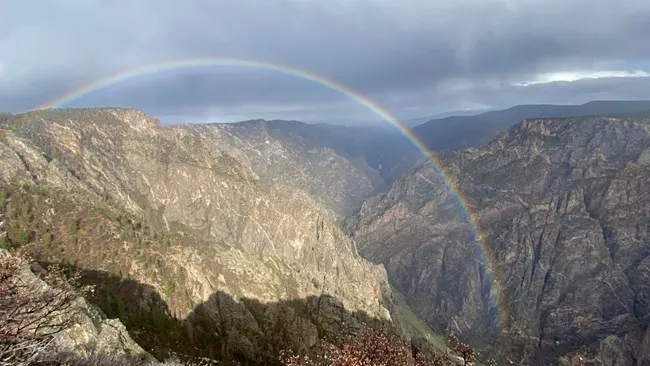
Black Canyon of the Gunnison Weather by Month: Your Complete Seasonal Guide
Planning a trip to Black Canyon of the Gunnison National Park? One of the most important factors for a safe and enjoyable visit is understanding the Black Canyon of the Gunnison weather by month. Over the past decade, I’ve explored this Colorado gem across all four seasons, encountering everything from intense summer thunderstorms to snow-packed winter trails. In this guide, I’ll break down the monthly weather patterns, recommend the right gear for each season, and share insider tips based on firsthand experience so you can make the most of your adventure—no matter when you decide to go.
Understanding Black Canyon Weather Patterns
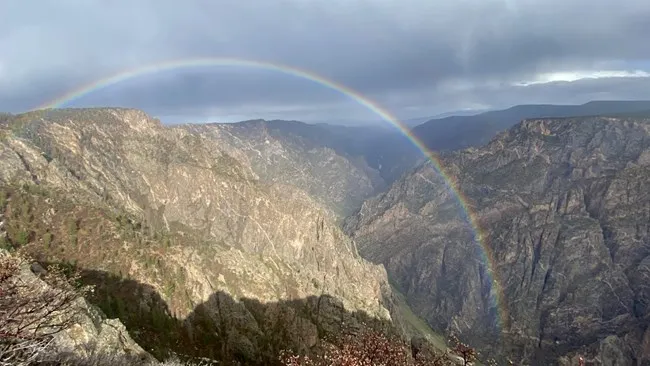
The Black Canyon of the Gunnison weather by month varies dramatically due to the park's unique geography and elevation changes. Located in western Colorado at approximately 8,000 feet on the rim and dropping to 6,000 feet at the canyon floor, the park experiences significant temperature variations both seasonally and throughout each day. Understanding these patterns is essential for planning your visit and staying safe during your adventure.
During my first visit in late May several years ago, I learned firsthand how quickly conditions can change. What started as a warm, sunny morning at the South Rim visitor center quickly turned into a cold, windy afternoon with threatening storm clouds. The elevation difference between the rim and canyon floor means temperatures can vary by 10-15 degrees Fahrenheit, with the canyon floor typically being warmer during the day and cooler at night.
The park's semi-arid climate creates distinct seasonal patterns that directly impact visitor access and activities. The North Rim and East Portal areas are particularly susceptible to weather-related closures, while the South Rim remains accessible year-round. Summer brings afternoon thunderstorms with lightning risks, while winter creates hazardous driving conditions and limited access to many viewpoints.
One crucial factor many visitors overlook is the dramatic diurnal temperature variation. Even in summer, temperatures can drop 30-40 degrees from daytime highs to overnight lows. This means packing layers is essential for any visit, regardless of season. The dry air also increases the feeling of cold in winter and can lead to rapid dehydration in summer, making proper hydration and sun protection critical year-round.
Detailed Monthly Weather Breakdown
Winter Months (December - February)
Winter brings the most challenging conditions for visiting Black Canyon of the Gunnison. December through February see daytime temperatures ranging from 20°F to 40°F (-6°C to 4°C), with overnight lows frequently dropping below 0°F (-18°C). The Black Canyon of the Gunnison weather by month during winter requires serious preparation and appropriate gear.
January is typically the coldest month, with average highs around 38°F and lows near 17°F. Snow accumulation can reach 2-3 inches per month, and while the South Rim Road beyond Gunnison Point Overlook closes to vehicles, it becomes an excellent cross-country skiing route. The North Rim and East Portal roads close completely for the season, typically from mid-November through early April. Despite the harsh conditions, winter visits offer incredible solitude and stunning snow-covered canyon views.
Winter Tip: Always check road conditions before visiting. The park offers free snowshoe rentals at the visitor center on weekends during winter months.
Spring Months (March - May)
Spring represents the most unpredictable season for Black Canyon of the Gunnison weather by month. March still feels distinctly winter-like, with highs in the mid-50s and lows around 30°F. However, conditions can change rapidly, and I've experienced everything from blizzards to warm, sunny days within the same week in April.
By May, conditions become much more favorable, with daytime temperatures reaching the low 70s and overnight lows in the mid-40s. This is when the North Rim Road typically opens, usually around mid-April, though the exact timing depends on snow conditions. May offers some of the best hiking weather with moderate temperatures and fewer crowds than summer months. Spring camping becomes comfortable by late May, though you'll still need warm sleeping gear for chilly nights.
Summer Months (June - August)
Summer provides the most stable and accessible conditions, making it the peak season for park visitation. June through August see daytime temperatures ranging from 80°F to 90°F (27°C to 32°C), with comfortable nighttime lows in the 50s and 60s. The Black Canyon of the Gunnison weather by month during summer is ideal for all activities, from rim hiking to inner canyon adventures.
July typically brings the highest temperatures, with averages around 88°F, but also the highest risk of afternoon thunderstorms. These storms can develop quickly, bringing lightning, heavy rain, and occasionally hail. During one memorable July visit, I watched a massive thunderstorm build over the canyon in less than 30 minutes, complete with dramatic lightning strikes illuminating the dark canyon walls. All campgrounds and roads remain open, and this is the best time for checking detailed weather forecasts for planning activities.
Fall Months (September - November)
Fall offers some of the most pleasant conditions for visiting Black Canyon of the Gunnison. September maintains warm daytime temperatures in the 70s with cool, comfortable nights in the 40s. October brings crisp air with highs in the 60s and increased chances of early snow. The Black Canyon of the Gunnison weather by month during fall provides excellent hiking conditions with fewer crowds and stunning autumn colors in the scrub oak.
November marks the beginning of winter conditions, with daytime highs dropping to the 40s and overnight lows often below freezing. The North Rim Road typically closes by mid-November, depending on snow conditions. This is also when the annual astronomy festival usually takes place in late September, taking advantage of the park's International Dark Sky designation and excellent fall weather conditions for stargazing.
Essential Seasonal Gear Recommendations
Proper gear selection based on Black Canyon of the Gunnison weather by month can make the difference between a memorable adventure and a miserable experience. After multiple visits across all seasons, I've refined my gear recommendations to help you stay comfortable and safe regardless of when you visit.
Essential Hiking Gear
Quality trekking poles are invaluable for navigating the steep, rocky trails around the canyon rim and especially for inner canyon routes.
Weather Monitoring
A portable weather station helps track conditions for safety and planning, especially important given the rapid weather changes at elevation.
Proper Footwear
Waterproof hiking boots are essential for navigating wet conditions and providing ankle support on rocky terrain.
Weather Protection
A quality weather radio and emergency shelter are crucial for staying informed and protected during sudden weather changes.
Layering is the key to comfort regardless of season. Even in summer, I always pack a warm fleece and rain jacket. The temperature difference between sunny and shaded areas of the canyon can be dramatic, and afternoon thunderstorms can drop temperatures by 20-30 degrees in minutes. For winter visits, insulated boots, gaiters, and microspikes for icy conditions are essential safety items.
Best Times to Visit by Activity
Understanding Black Canyon of the Gunnison weather by month helps you time your visit for specific activities. Different pursuits have optimal seasons based on weather conditions, access, and safety considerations. Having participated in various activities across all seasons, I can provide insights into when each experience is at its best.
Peak Activity Seasons
Perfect weather, all trails accessible
Cooler temperatures, stable weather
Best lighting, fewer crowds
Clear skies, comfortable temperatures
For inner canyon adventures, I strongly recommend late spring (May-June) or early fall (September-October). The moderate temperatures make the strenuous climbs more manageable, and you'll avoid the extreme heat that can make summer canyon descents dangerous. During a June visit, the Gunnison Route provided perfect conditions - warm but not hot, with stable weather patterns that allowed for a safe multi-day backpacking trip.
Rock climbing and technical routes are best attempted during spring and fall when temperatures are moderate and the rock isn't affected by winter ice or summer heat expansion. The climbing season typically runs from April through October, with May and September offering ideal conditions.
Winter visits offer unique opportunities despite challenging conditions. Cross-country skiing on the closed South Rim Road provides access to viewpoints in complete solitude. The stark beauty of snow-covered canyon walls creates dramatic photographic opportunities, though you'll need to be prepared for harsh conditions and limited daylight hours.
Weather Safety and Preparation Tips
Weather-related safety is paramount when visiting Black Canyon of the Gunnison. The park's elevation, exposure, and rapid weather changes create multiple hazards that require preparation and awareness. Understanding Black Canyon of the Gunnison weather by month helps you anticipate and prepare for potential dangers, but real-time conditions can change quickly.
Critical Safety Considerations
- Lightning Risk: Summer thunderstorms develop rapidly; seek shelter immediately when storms approach
- Hypothermia: Possible year-round due to elevation and temperature swings
- Flash Flooding: Inner canyon routes can flood during heavy rains
- Ice Conditions: Trails can be treacherous from October through April
Lightning presents the most serious weather-related danger during summer months. The exposed rim provides little natural shelter, and storms can develop with minimal warning. During one July afternoon, I watched a storm system approach from the west and was amazed at how quickly conditions deteriorated. Within 20 minutes, we went from partly cloudy skies to dangerous lightning strikes directly overhead. Always start hiking early and plan to be off exposed areas by early afternoon during thunderstorm season.
Winter conditions require specialized preparation and equipment. Ice forms on trails and viewpoints, making simple walks treacherous without proper footwear. Hypothermia risk increases dramatically with the combination of cold temperatures, wind, and potential moisture from snow. Always inform someone of your plans, carry emergency shelter, and have multiple methods for starting a fire if needed.
The park's semi-arid environment creates unique challenges for visitors from humid climates. Dehydration occurs faster than expected, sunburn develops quickly at elevation, and the dry air can cause respiratory discomfort. I always carry twice as much water as I think I'll need and use high-SPF sunscreen even on cloudy days. The sun's intensity at 8,000 feet cannot be underestimated.
Essential Safety Checklist
- Check weather forecasts from multiple sources before departure
- Carry emergency shelter and signaling devices
- Inform others of your detailed itinerary
- Bring extra food, water, and warm clothing
- Know evacuation routes and emergency procedures
Personal Weather Experiences and Local Insights
After more than a decade of visiting Black Canyon of the Gunnison across all seasons, I've experienced virtually every weather condition the park can deliver. These personal experiences have taught me invaluable lessons about Black Canyon of the Gunnison weather by month that go beyond simple temperature and precipitation data.
My most memorable weather experience occurred during a September backpacking trip into the inner canyon. What started as a perfect fall day with temperatures in the mid-70s transformed into a dramatic weather showcase. By afternoon, we watched multiple weather systems converge over the canyon, creating a natural amphitheater of swirling clouds, rainbow formations, and distant lightning strikes. The temperature dropped 35 degrees in two hours, reminding me why layered clothing is non-negotiable regardless of season.
Rangers at the visitor center have provided invaluable local knowledge over the years. They consistently emphasize that official weather forecasts often underestimate the intensity of conditions at rim elevation. Winds can be 15-20 mph stronger than valley forecasts indicate, and temperature drops happen faster than lowland predictions suggest. Their advice to always pack as if conditions will be worse than forecasted has proven accurate countless times.
Winter visits have taught me the most about respecting mountain weather. During one February snowshoe trip, I experienced ground blizzard conditions where visibility dropped to less than 10 feet in minutes. The combination of wind-driven snow and extreme cold created dangerous conditions that required immediate shelter-seeking behavior. These experiences reinforced why understanding detailed weather patterns is crucial for safe park visitation.
Insider Weather Tips
- Morning visits often provide the most stable conditions
- Cloud formations over the West Elk Mountains indicate incoming weather
- Temperature inversions can make the canyon floor warmer than the rim
- Wind patterns change dramatically between morning and afternoon
- Snow can occur any month of the year at rim elevation
Local photographers and climbers have shared insights about microclimate conditions that significantly impact activities. The north-facing walls remain shaded and cold much longer than south-facing areas, creating climbing conditions that vary dramatically within the same canyon section. Understanding these microclimates has enhanced both my safety and enjoyment during visits, allowing me to plan activities for optimal conditions rather than just acceptable weather.
Conclusion
Understanding Black Canyon of the Gunnison weather by month is essential for planning a safe, enjoyable visit to this spectacular Colorado national park. Each season offers unique opportunities and challenges, from winter's stark beauty and solitude to summer's accessibility and thunderstorm drama. The key to a successful visit lies in matching your activities and preparation to seasonal conditions while remaining flexible for the rapid weather changes that characterize this high-elevation environment.
My experiences across all seasons have taught me that proper preparation, quality gear, and respect for changing conditions make the difference between memorable adventures and dangerous situations. Whether you're planning a summer rim drive, a spring photography expedition, or a winter snowshoe adventure, this comprehensive weather guide provides the foundation for informed decision-making.
The weather patterns at Black Canyon of the Gunnison reflect the broader Colorado mountain environment - beautiful, dynamic, and demanding of respect. By understanding monthly conditions, preparing appropriate gear, and maintaining flexibility in your plans, you'll be ready to experience one of America's most underrated national parks in all its weather-driven glory. Remember that conditions can change rapidly regardless of season, and safety should always be your primary consideration when exploring this magnificent landscape.
Start Planning Your Visit Today
Ready to experience Black Canyon of the Gunnison? Use this weather guide to choose your ideal time and prepare properly for an unforgettable adventure.
Explore More National Park Guides