

Discover the magical world of early morning wildlife in Acadia National Park, where dawn's first light reveals encounters with majestic creatures in their most active state. From the haunting calls of loons echoing across misty lakes to the graceful movements of white-tailed deer emerging from forest shadows, early morning hours offer unparalleled opportunities for wildlife enthusiasts in Maine's crown jewel.
Explore more wilderness adventures at Wilderness Paths
Why Early Morning is Prime Time for Wildlife Viewing in Acadia National Park
The magic of early morning wildlife in Acadia National Park begins in the precious hours between 5:30 AM and 8:00 AM, when the park transforms into a wildlife theater unlike any other time of day. During these golden hours, cooler temperatures and minimal human activity create perfect conditions for animal encounters that will leave you breathless.

The scientific reasoning behind this phenomenon lies in animal behavior patterns. Most mammals in Acadia, including white-tailed deer, red foxes, and beavers, are crepuscular creatures, meaning they're most active during twilight hours. The early morning period offers several advantages for early morning wildlife in Acadia National Park enthusiasts:
Scientific Advantages of Dawn Wildlife Viewing
- Reduced Competition: Animals face less competition for resources during early morning hours
- Optimal Feeding Time: Many prey species feed at dawn when visibility is improving but predators are still less active
- Temperature Regulation: Cooler morning temperatures encourage activity, especially during summer months
- Territorial Behavior: Birds and mammals often establish territory boundaries at dawn through vocalizations and scent marking
Bird watchers particularly benefit from early morning expeditions in Acadia. The park's 338 recorded bird species are most vocal during the dawn chorus, typically beginning 30-60 minutes before sunrise. Peregrine falcons, bald eagles, and various songbirds become incredibly active as they establish territories and search for food. This natural symphony creates an unforgettable backdrop for your early morning wildlife in Acadia National Park adventures.
Weather conditions also favor early morning wildlife viewing. Morning mist and fog, common along Acadia's coastline, often lift gradually, revealing wildlife scenes like something from a nature documentary. The soft, diffused light of dawn creates ideal photography conditions, eliminating harsh shadows while providing even illumination for both photography and observation.
Best Locations for Dawn Wildlife Encounters in Acadia
Success in spotting early morning wildlife in Acadia National Park depends heavily on choosing the right locations. Through years of exploration and ranger consultations, I've identified the most productive areas where dawn wildlife activity reaches its peak. Each location offers unique opportunities and requires specific timing for optimal results.
Jordan Pond: The Crown Jewel for Early Morning Wildlife
Jordan Pond stands as the premier destination for early morning wildlife in Acadia National Park. The carriage road circling this pristine glacial pond provides excellent vantage points while maintaining safe distances from wildlife. Arrive at 5:45 AM during summer months to position yourself along the eastern shore before sunrise at 6:15 AM.

The Jordan Pond area consistently delivers sightings of white-tailed deer emerging from the surrounding forest to drink at the water's edge. I've observed family groups of deer, including does with spotted fawns during summer months, creating heartwarming scenes as morning mist rises from the pond's surface. Beavers also frequent this area, though they require more patience and silence to observe.
Great Meadow Loop: Grassland Wildlife Paradise
The Great Meadow Loop, accessible via the Sieur de Monts entrance, transforms into a wildlife haven during early morning hours. This 1.7-mile carriage road loop traverses diverse habitats including wetlands, meadows, and forest edges – perfect conditions for early morning wildlife in Acadia National Park viewing.
Red foxes frequently hunt in the meadow during dawn hours, using the tall grass for cover while searching for rodents and insects. I've witnessed spectacular fox behavior here, including playful interactions between adults and kits during late spring and early summer. The meadow also attracts various raptors, including northern harriers and red-tailed hawks, which begin hunting as visibility improves.
Ranger Recommendation
"The area near the bog bridge on Great Meadow Loop offers the best wildlife viewing opportunities between 6:00-7:30 AM. Position yourself quietly on the eastern side and wait patiently – the wildlife will come to you." - Park Ranger Sarah Mitchell
Echo Lake: Loon Territory and Wetland Wildlife
Echo Lake provides exceptional opportunities for observing early morning wildlife in Acadia National Park, particularly aquatic species and wetland birds. The lake's calm morning waters create perfect conditions for common loons, which are most active during the first two hours after sunrise.
Positioned strategically along Echo Lake Beach or the quieter northern shoreline, visitors can observe loons engaging in territorial displays, feeding behaviors, and family interactions. The haunting calls of loons echoing across the still water during dawn creates an unforgettable experience that epitomizes the magic of early morning wildlife viewing in Acadia.
Schoodic Peninsula: Coastal Wildlife Haven
Often overlooked by casual visitors, the Schoodic Peninsula section of Acadia offers exceptional early morning wildlife in Acadia National Park opportunities, particularly for marine mammals and seabirds. The rocky coastline and tide pools come alive during dawn hours as various species begin their daily activities.
Harbor seals frequently haul out on offshore ledges and can be observed through binoculars from Schoodic Point. Early morning low tides expose extensive intertidal zones, attracting shorebirds, gulls, and occasionally river otters searching for marine prey. The peninsula's relative isolation means less human disturbance, resulting in more natural wildlife behavior.
Seasonal Guide to Early Morning Wildlife Activity in Acadia
Understanding seasonal patterns dramatically improves your success in encountering early morning wildlife in Acadia National Park. Each season brings unique opportunities and challenges, with different species exhibiting varying levels of activity based on breeding cycles, food availability, and migration patterns.
Spring Awakening (April - June)
Spring represents peak season for early morning wildlife in Acadia National Park enthusiasts. The combination of mating behaviors, territorial establishment, and increased food availability creates exceptional viewing opportunities. Sunrise occurs between 5:30-6:00 AM during peak spring months, allowing for extended morning wildlife observation periods.
Migratory bird species return in waves throughout April and May, with warblers, thrushes, and other songbirds filling the forest with dawn choruses. Peregrine falcons begin nesting activities on cliff faces, while bald eagles engage in spectacular courtship flights over lakes and coastal areas. White-tailed deer display increased activity as does prepare for fawning season, often visible in meadows and forest clearings during early morning hours.
Spring Wildlife Viewing Tips
- Target 5:45-7:30 AM for optimal bird activity
- Focus on forest edges and wetland boundaries
- Listen for territorial songs to locate specific species
- Watch for beaver activity as they repair winter dam damage
- Dress in layers - morning temperatures can vary dramatically
Summer Abundance (July - August)
Summer brings family groups and juvenile wildlife, creating heartwarming opportunities for observing early morning wildlife in Acadia National Park. Young animals accompany parents during feeding and exploration activities, providing educational and emotional connections with Acadia's wildlife community.
Common loon families become visible on lakes throughout the park, with chicks riding on parents' backs during their first weeks of life. White-tailed deer mothers lead spotted fawns to water sources during early morning hours, while red fox parents begin teaching hunting skills to their increasingly independent kits. The extended daylight hours of summer, with sunrise occurring around 5:15 AM, allow for longer wildlife observation sessions.
Autumn Preparation (September - November)
Autumn transforms early morning wildlife in Acadia National Park viewing as animals prepare for winter survival. Increased feeding activity and fat accumulation behaviors make wildlife more predictable and observable during dawn hours.
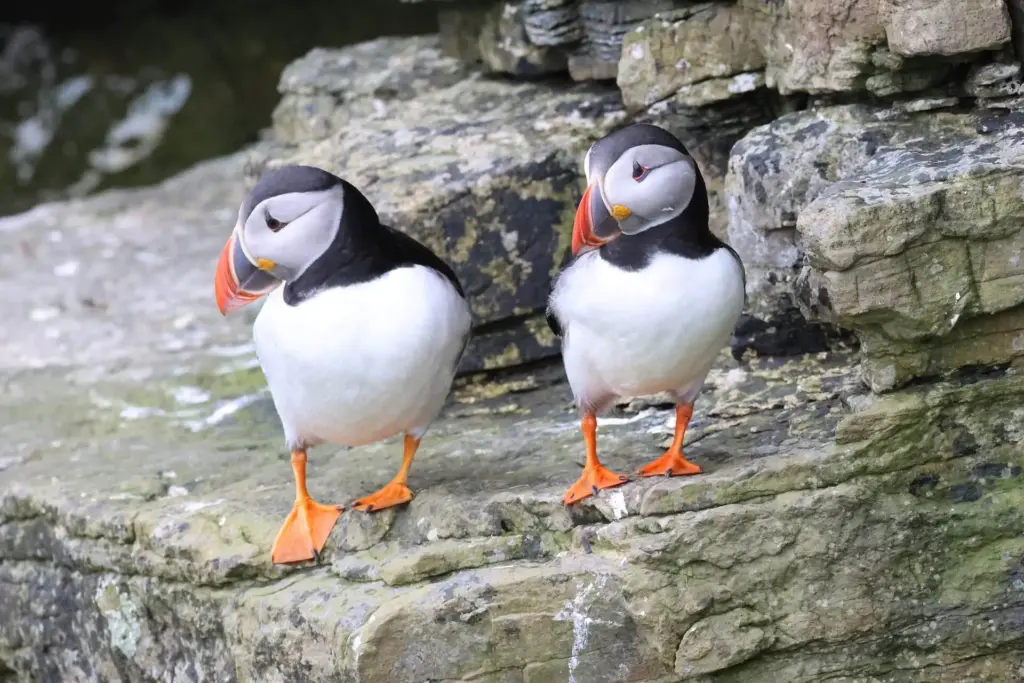
Migratory species create spectacular viewing opportunities as they pass through Acadia during fall migration. Hawk watches from Cadillac Mountain reveal incredible raptor diversity, while coastal areas attract diving ducks, loons, and other waterfowl preparing for southern journeys. Terrestrial mammals like deer, foxes, and smaller creatures intensify foraging activities, making early morning encounters more frequent and predictable.
Winter Resilience (December - March)
While challenging, winter offers unique early morning wildlife in Acadia National Park experiences for dedicated enthusiasts. Reduced vegetation provides improved visibility, while snow tracks reveal wildlife movement patterns and behaviors invisible during other seasons.
Hardy year-round residents like red squirrels, ravens, and various woodpecker species remain active throughout winter months. Coastal areas remain relatively ice-free, attracting marine mammals, sea ducks, and gulls that can be observed during the limited daylight hours. The later sunrise times (around 7:00 AM in deep winter) make early morning wildlife viewing more accessible for those who prefer not to venture out in complete darkness.
Essential Gear for Dawn Wildlife Photography and Viewing
Success in capturing and observing early morning wildlife in Acadia National Park requires carefully selected equipment that performs well in low-light conditions while remaining portable enough for extended hiking and waiting periods. After years of dawn wildlife photography in Acadia, I've refined my gear selection to maximize both comfort and results.
Optical Equipment for Wildlife Observation
High-quality binoculars serve as the foundation of successful early morning wildlife in Acadia National Park adventures. The low-light conditions of dawn require binoculars with excellent light-gathering capabilities and image stability. I recommend 8x42 or 10x42 configurations that balance magnification with field of view and light transmission.
Vortex Diamondback HD 10x42 Binoculars - Perfect for Dawn Wildlife ViewingFor serious wildlife photography, a telephoto lens with image stabilization becomes essential for capturing sharp images during the challenging lighting conditions of early morning. Lenses in the 400-600mm range provide sufficient reach while maintaining manageable weight for extended field use. The combination of image stabilization and fast autofocus systems proves crucial when wildlife appears suddenly in dim lighting conditions.
Sigma 150-600mm Contemporary Lens - Ideal Range for Acadia WildlifeSupport and Stability Systems
The low-light conditions inherent in early morning wildlife in Acadia National Park viewing demand stable support systems for both observation and photography. Carbon fiber tripods provide necessary stability while remaining lightweight enough for pre-dawn hiking to optimal viewing positions.
Manfrotto Carbon Fiber Travel Tripod - Lightweight Dawn Photography SupportGimbal heads specifically designed for wildlife photography allow smooth tracking of moving animals while supporting heavy telephoto lenses. The fluid movement capability proves essential when following flying birds or tracking mammals as they move through forest clearings during early morning activity periods.
Environmental Protection and Comfort Gear
Early morning conditions in Acadia can be unpredictable, with temperature variations, dew formation, and sudden weather changes common during dawn hours. Layered clothing systems allow adjustment as conditions change throughout your early morning wildlife in Acadia National Park expedition.
Merino Wool Base Layer System - Temperature Control for Dawn AdventuresWaterproof camera covers and lens hoods protect expensive equipment from morning dew and unexpected precipitation. Microfiber cleaning cloths prove essential for maintaining clear optics throughout extended observation sessions in humid conditions typical of early morning hours in coastal Maine.
Personal Gear Recommendations
"After five years of dawn wildlife photography in Acadia, I never venture out without my heated battery pack, extra memory cards, and a thermos of hot coffee. The combination of cold temperatures and long waiting periods can drain both equipment and patience quickly."
My Personal Dawn Wildlife Encounters in Acadia
My journey with early morning wildlife in Acadia National Park began five years ago during a family vacation when I witnessed a red fox family playing in Great Meadow at sunrise. That magical moment transformed casual interest into passionate dedication, leading to countless pre-dawn adventures and unforgettable wildlife encounters throughout Acadia's diverse ecosystems.
The Loon Family Chronicles
One of my most treasured early morning wildlife in Acadia National Park experiences occurred during July 2022 at Echo Lake. Arriving at 5:30 AM, I positioned myself quietly along the northern shoreline as mist rose from the still water. Within minutes, a pair of common loons emerged from the morning haze, followed by two small chicks.
For the next hour, I observed intimate family behaviors as parent loons took turns diving for fish while the other remained with the chicks. The haunting territorial calls echoing across the lake created a soundtrack that still gives me chills. When one chick climbed onto its parent's back for a ride across the lake, I knew I was witnessing something truly special in the world of early morning wildlife viewing.
Lesson Learned
Patience pays off: The loons didn't appear until I'd been motionless for 20 minutes. Early morning wildlife in Acadia rewards those who can wait quietly and blend into the environment.
Deer Encounters at Jordan Pond
Jordan Pond has provided numerous memorable encounters with early morning wildlife in Acadia National Park, but none more touching than a September morning when I observed a doe teaching her twin fawns to navigate rocky terrain near the pond's edge. The family group spent nearly an hour foraging and exploring while I documented their interactions from a respectful distance.
The morning light filtering through autumn foliage created perfect photography conditions as the deer family moved gracefully between forest and water. When the fawns playfully chased each other along the shoreline, their spots clearly visible in the golden dawn light, I realized why early morning hours provide such exceptional wildlife viewing opportunities in Acadia.
Unexpected Encounters: The Beaver Engineering Project
During an October dawn at Beaver Dam Pond (aptly named), I witnessed fascinating beaver behavior that highlighted the engineering prowess of these industrious mammals. Arriving before sunrise, I heard splashing sounds and wood chewing that indicated active beaver presence – a rare opportunity for early morning wildlife in Acadia National Park observation.
As visibility improved, I watched a beaver family systematically reinforcing their dam structure, preparing for winter conditions. The coordination between family members and their methodical approach to dam maintenance provided insights into beaver social structure and survival strategies rarely observed by casual park visitors.
User Experience Summaries
Fellow wildlife enthusiasts have shared remarkable early morning wildlife in Acadia National Park experiences that validate the exceptional opportunities available during dawn hours:
Sarah M. from Vermont
"We followed the advice about Great Meadow Loop early morning timing and were rewarded with fox kits playing just 30 feet away. The entire family watched mesmerized for 45 minutes as the young foxes tumbled and chased each other in the tall grass. Absolutely magical experience that made our entire vacation worthwhile."
Mike T. from Boston
"As an avid photographer, I was skeptical about the early morning recommendations, but the results speak for themselves. The combination of soft lighting and active wildlife during dawn hours produced my best nature photography portfolio. Three bald eagles, multiple deer families, and countless songbirds all within a single morning session."
Jennifer L. from New York
"The loon encounter at Echo Lake exceeded all expectations. Following the positioning advice and timing suggestions resulted in front-row seats to loon family behaviors including feeding, territorial calls, and chick care. The early wake-up call was absolutely worth the incredible wildlife viewing experience."
Wildlife Safety and Ethical Viewing Guidelines for Early Morning Adventures
Responsible enjoyment of early morning wildlife in Acadia National Park requires understanding both safety protocols and ethical viewing practices that protect both visitors and wildlife populations. The pre-dawn and dawn hours present unique challenges and responsibilities that differ from typical daytime park experiences.
Personal Safety During Pre-Dawn Wildlife Viewing
Navigating Acadia's trails and carriage roads in low-light conditions requires preparation and appropriate safety measures. Always carry multiple light sources, including a reliable headlamp with red filter option to preserve night vision and reduce wildlife disturbance. Inform others of your planned route and expected return time, especially during solitary early morning wildlife in Acadia National Park expeditions.
Essential Safety Protocols
- Carry emergency communication device (cell phone with backup battery)
- Wear layers appropriate for temperature changes from pre-dawn to full morning
- Use non-slip footwear suitable for dew-covered surfaces and potential frost
- Maintain awareness of tidal conditions when viewing coastal wildlife areas
- Stay on designated trails and carriage roads to avoid getting lost in darkness
Weather conditions can change rapidly during early morning hours in coastal Maine. Morning fog, sudden temperature drops, and unexpected precipitation require flexible planning and appropriate gear selection. Always check weather forecasts and tide charts before venturing out for early morning wildlife in Acadia National Park adventures.
Wildlife Safety and Distance Guidelines
Maintaining appropriate distances from wildlife protects both animals and observers while ensuring continued access to these incredible early morning wildlife in Acadia National Park opportunities. Different species require different approach distances, with larger mammals requiring greater safety margins.
White-tailed deer, while generally docile, can become aggressive during rutting season (October-November) or when protecting young. Maintain minimum distances of 25 yards from deer families and watch for warning signs including raised tails, stomping, or aggressive posturing. If deer approach you, slowly back away while avoiding direct eye contact.
Black bears, though rare in Acadia, do inhabit the park and may be encountered during early morning foraging activities. Never approach bears under any circumstances, and immediately leave the area if you observe bear presence. Carry bear spray in easily accessible locations and understand proper deployment techniques.
Ethical Wildlife Viewing Practices
Responsible early morning wildlife in Acadia National Park viewing ensures these experiences remain available for future generations while minimizing human impact on animal behaviors and habitats. Never attempt to attract wildlife using food, calls, or other artificial means that alter natural behavior patterns.
Leave No Trace Principles
Observe wildlife from designated areas: Stay on carriage roads and established trails to minimize habitat disruption. Use telephoto lenses and binoculars rather than approaching closer for better views.
Photography ethics during early morning wildlife encounters require special consideration of animal welfare over image acquisition. Avoid using flash photography, which can starttle nocturnal species transitioning to day activity. Limit observation time to prevent wildlife stress, particularly during sensitive periods like feeding, mating, or caring for young.
Seasonal Considerations and Restrictions
Certain areas within Acadia may have seasonal restrictions to protect nesting birds or other sensitive wildlife activities. Peregrine falcon nesting sites on cliff faces may result in trail closures during breeding season, while loon nesting areas require increased caution and distance during spring and early summer months.
Research current park alerts and seasonal restrictions before planning your early morning wildlife in Acadia National Park adventures. Rangers can provide updated information about temporary closures, wildlife activity patterns, and recommended viewing locations based on current conditions.
Frequently Asked Questions About Early Morning Wildlife Viewing
What time should I start my early morning wildlife viewing in Acadia National Park?
The optimal time for early morning wildlife in Acadia National Park begins 30-45 minutes before sunrise and continues for 2-3 hours afterward. During summer months (June-August), this means starting around 5:30 AM, while winter viewing begins around 6:30 AM. Arrive at your chosen location at least 15 minutes before peak activity times to allow wildlife to acclimate to your presence. The golden hours immediately after sunrise provide the best combination of animal activity and photography lighting conditions.
Which locations offer the best chances of seeing wildlife during dawn hours in Acadia?
Jordan Pond, Great Meadow Loop, and Echo Lake consistently provide excellent opportunities for early morning wildlife in Acadia National Park encounters. Jordan Pond offers deer sightings along the carriage road, while Great Meadow attracts foxes and various bird species. Echo Lake provides loon viewing opportunities and wetland birds. The Schoodic Peninsula section offers coastal wildlife including seals and seabirds with less crowding than Mount Desert Island locations. Each location requires different approaches and timing for optimal results.
What equipment do I need for successful early morning wildlife photography in Acadia?
Essential gear for capturing early morning wildlife in Acadia National Park includes a camera with good low-light performance, telephoto lens (400-600mm recommended), sturdy tripod, and high-quality binoculars for initial wildlife location. Bring extra batteries as cold temperatures drain power quickly, lens cleaning supplies for dew removal, and appropriate clothing layers for changing conditions. A headlamp with red filter helps preserve night vision during pre-dawn positioning while minimizing wildlife disturbance.
How can I minimize my impact on wildlife while still enjoying close encounters?
Responsible early morning wildlife in Acadia National Park viewing requires maintaining appropriate distances (25+ yards from deer, 100+ yards from bears), moving slowly and quietly, and avoiding sudden movements or loud noises. Use telephoto lenses rather than approaching closer, never feed wildlife, and limit observation time to prevent stress. Stay on designated trails and carriage roads, observe Leave No Trace principles, and respect seasonal closures designed to protect nesting or sensitive species during critical periods.
Are there seasonal differences in early morning wildlife activity patterns in Acadia?
Seasonal variations significantly impact early morning wildlife in Acadia National Park opportunities. Spring (April-June) offers peak bird migration and territorial activity, summer (July-August) features family groups with young animals, autumn (September-November) brings increased feeding activity and fall migration, while winter (December-March) provides unique tracking opportunities and hardy resident species viewing. Each season requires different timing, clothing, and location strategies for optimal wildlife encounters and photography success.
What safety precautions should I take during pre-dawn wildlife viewing adventures?
Safe early morning wildlife in Acadia National Park exploration requires multiple light sources including headlamps with backup batteries, informing others of your planned route and return time, wearing appropriate layered clothing for temperature changes, and carrying emergency communication devices. Check weather and tide conditions beforehand, stay on designated trails to avoid getting lost in darkness, use non-slip footwear for dew-covered surfaces, and maintain awareness of wildlife safety distances, especially during sensitive seasons like mating or nesting periods.
Conclusion: Embracing the Magic of Dawn in Acadia
The transformative experience of early morning wildlife in Acadia National Park offers rewards far beyond simple animal observation. These precious dawn hours provide intimate connections with nature's rhythms, revealing behaviors and interactions impossible to witness during busy daytime periods. From the haunting calls of loons echoing across misty lakes to the playful antics of fox families in meadow clearings, early morning wildlife encounters create lasting memories and deep appreciation for Acadia's remarkable ecosystem.
Success in early morning wildlife viewing requires dedication, patience, and respect for the natural world. The investment of pre-dawn wake-up calls, careful gear preparation, and quiet observation pays dividends in the form of exclusive wildlife theater performed against backdrops of stunning natural beauty. Whether you're a seasoned wildlife photographer or a nature-loving family seeking magical moments, early morning wildlife in Acadia National Park delivers experiences that exceed expectations.
The techniques, locations, and timing recommendations outlined in this guide represent years of personal experience and consultation with park rangers and fellow wildlife enthusiasts. Each early morning adventure in Acadia offers unique opportunities and unpredictable encounters that make the effort worthwhile. The park's diverse ecosystems and abundant wildlife populations ensure that patience and preparation result in memorable wildlife viewing experiences.
Final Recommendation
Start your journey: Begin with Jordan Pond or Great Meadow Loop during your first early morning wildlife adventure. These locations offer the highest probability of success while providing safe, accessible environments for learning wildlife viewing techniques and building confidence for future dawn expeditions throughout Acadia National Park.
Remember that early morning wildlife in Acadia National Park viewing represents a privilege that comes with responsibility. By following ethical viewing practices, maintaining appropriate distances, and respecting seasonal restrictions, we ensure these incredible opportunities remain available for future generations. The magic of dawn wildlife encounters in Acadia awaits those willing to embrace early morning adventures and patient observation.
Plan your next early morning expedition with confidence, knowing that Acadia's wildlife community becomes most active and visible during those precious hours when night transitions to day. The investment of time and effort required for successful dawn wildlife viewing pays extraordinary dividends in the form of unforgettable natural experiences that reconnect us with the wild heart of Maine's most treasured landscape.
Ready for Your Early Morning Wildlife Adventure?
Experience the magic of early morning wildlife in Acadia National Park and create memories that will last a lifetime. The dawn hours are calling – will you answer?
Explore More Wildlife Adventures