
Hidden Gems in Acadia National Park: 15 Secret Spots Locals Don't Want You to Know
Discover the best-kept secrets of Maine's crown jewel with this insider's guide to hidden gems in Acadia National Park. From secluded pebble beaches to forgotten trails that locals treasure, these off-the-beaten-path destinations offer the solitude and natural beauty that make Acadia truly magical. Explore more wilderness adventures and uncover the secrets that transform an ordinary park visit into an extraordinary journey.
Why Acadia's Hidden Gems Are Worth Discovering
When most visitors think of Acadia National Park, they immediately picture the crowded trails of Cadillac Mountain or the bustling boardwalks around Jordan Pond. However, the true magic of this Maine treasure lies in its hidden gems in Acadia National Park that remain largely untouched by the masses. After spending countless hours exploring every corner of this 47,000-acre wonderland, I've discovered that the most memorable experiences happen away from the tour buses and Instagram hotspots.
These hidden gems in Acadia National Park offer something that the popular destinations simply cannot: authentic solitude, pristine wilderness, and the chance to experience nature as it was meant to be encountered. While thousands of visitors compete for parking at Thunder Hole, you could be standing alone on a secluded beach where the only sounds are waves gently tumbling smooth stones and seabirds calling overhead.
The beauty of seeking out these secret locations extends beyond just avoiding crowds. Many of hidden gems in Acadia National Park showcase unique geological features, rare ecosystems, and wildlife viewing opportunities that are impossible to find at the mainstream attractions. From hidden tide pools teeming with sea life to forgotten carriage roads that wind through old-growth forests, these destinations offer a deeper, more meaningful connection to the natural world.
Local park rangers and longtime residents often speak fondly of these special places, though they're sometimes hesitant to share their exact locations. The reason is simple: these areas maintain their magic precisely because they haven't been discovered by everyone. When you do find them, you become part of a small community of explorers who understand that the most precious experiences in nature are often the quietest ones.
Secret Beaches and Coastal Treasures
Little Hunters Beach: The Crown Jewel of Hidden Coastal Spots
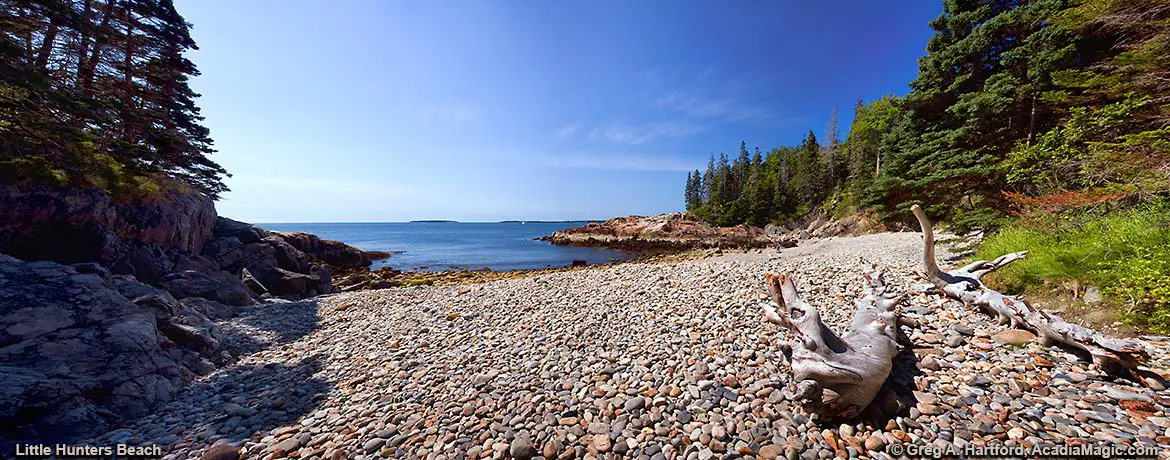
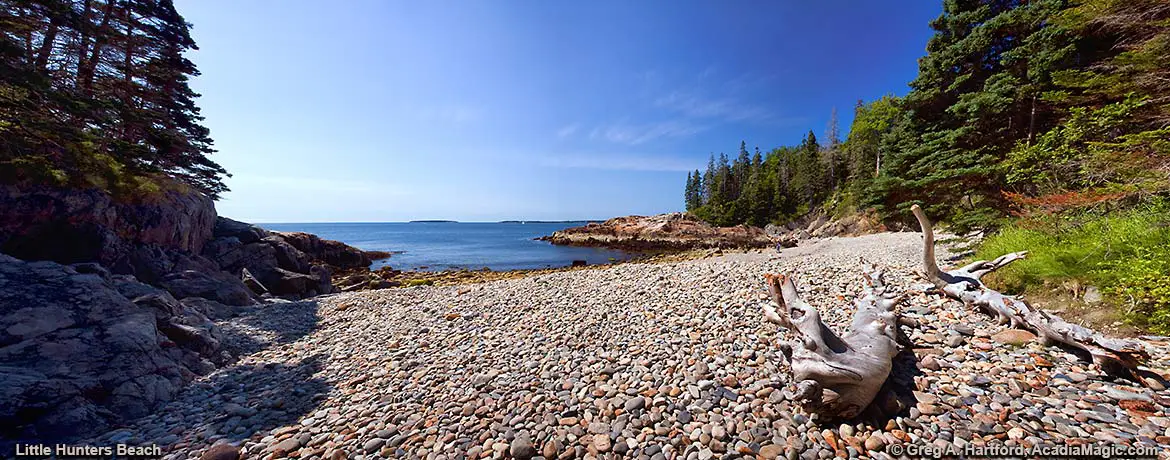
Among all the hidden gems in Acadia National Park, Little Hunters Beach stands out as perhaps the most enchanting discovery you'll make. Located along Park Loop Road but completely invisible from the street, this secluded cove requires a steep descent down weathered wooden stairs to reach its magical shoreline. What awaits you is unlike any other beach on the East Coast: thousands upon thousands of perfectly rounded, multicolored pebbles that create a natural symphony as waves roll them back and forth.
The beach gets its charm from decades of wave action that has tumbled granite fragments into smooth, palm-sized stones ranging from pure white quartz to deep red jasper. Local geologists explain that this unique formation is the result of Acadia's glacial history combined with the constant action of North Atlantic storms. When I first discovered this spot three summers ago, I spent over an hour just listening to the incredible sound these stones make as each wave rearranges them.
Timing your visit to Little Hunters Beach requires some planning. The narrow parking area along Park Loop Road fills quickly during peak season, and the one-way nature of the road means you can't turn around if you miss it. I recommend arriving before 8 AM or after 6 PM when most visitors have moved on to other destinations. The evening light here is particularly spectacular, turning the colorful pebbles into a natural kaleidoscope.
Seal Harbor Beach: Acadia's Best-Kept Swimming Secret
While Sand Beach draws massive crowds despite its frigid water, Seal Harbor Beach remains one of the most overlooked hidden gems in Acadia National Park. This small sandy beach offers warmer swimming conditions and significantly fewer people, making it perfect for families seeking a more relaxed coastal experience. The beach also features one of Acadia's most elegant historic bathhouses, built in the early 1900s and recently restored to its original grandeur.
What makes Seal Harbor Beach special isn't just the sand and relative warmth, but its position tucked away from the main Park Loop Road. Most visitors simply drive past the unmarked turnoff without realizing they're missing one of the park's most pleasant swimming spots. The surrounding pine forest provides natural windbreaks, creating a microclimate that's often several degrees warmer than exposed coastal areas.
The Quiet Side: Schoodic Peninsula Secrets
Schoodic Point: Where Locals Go for Solitude
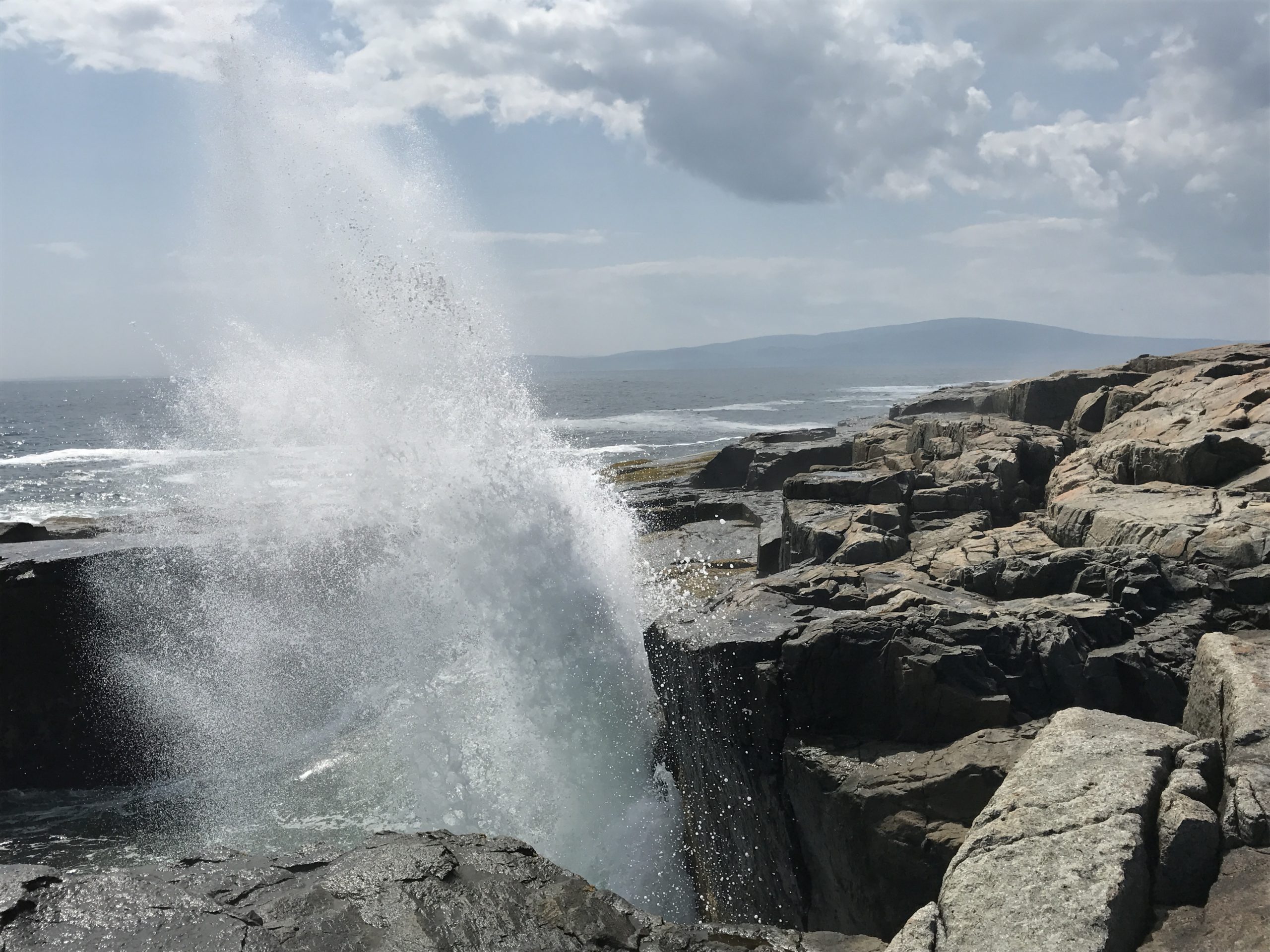
The Schoodic Peninsula represents the ultimate collection of hidden gems in Acadia National Park, yet receives only about 10% of the park's total visitors. This mainland section of Acadia offers the same dramatic granite coastline and pristine forests as Mount Desert Island, but with a fraction of the crowds. Schoodic Point, the peninsula's crown jewel, provides some of the most spectacular wave-watching opportunities on the entire Eastern Seaboard.
What makes Schoodic Point extraordinary is its exposure to the open Atlantic. Unlike the more protected areas around Bar Harbor, this location receives the full force of ocean storms, creating massive waves that crash against ancient granite shelves with tremendous power. During winter storms, waves here can reach heights of 20-30 feet, creating geysers of spray that can be seen from miles away. Even on calm summer days, the constant surge and retreat of smaller waves creates a hypnotic rhythm that draws visitors into extended periods of contemplation.
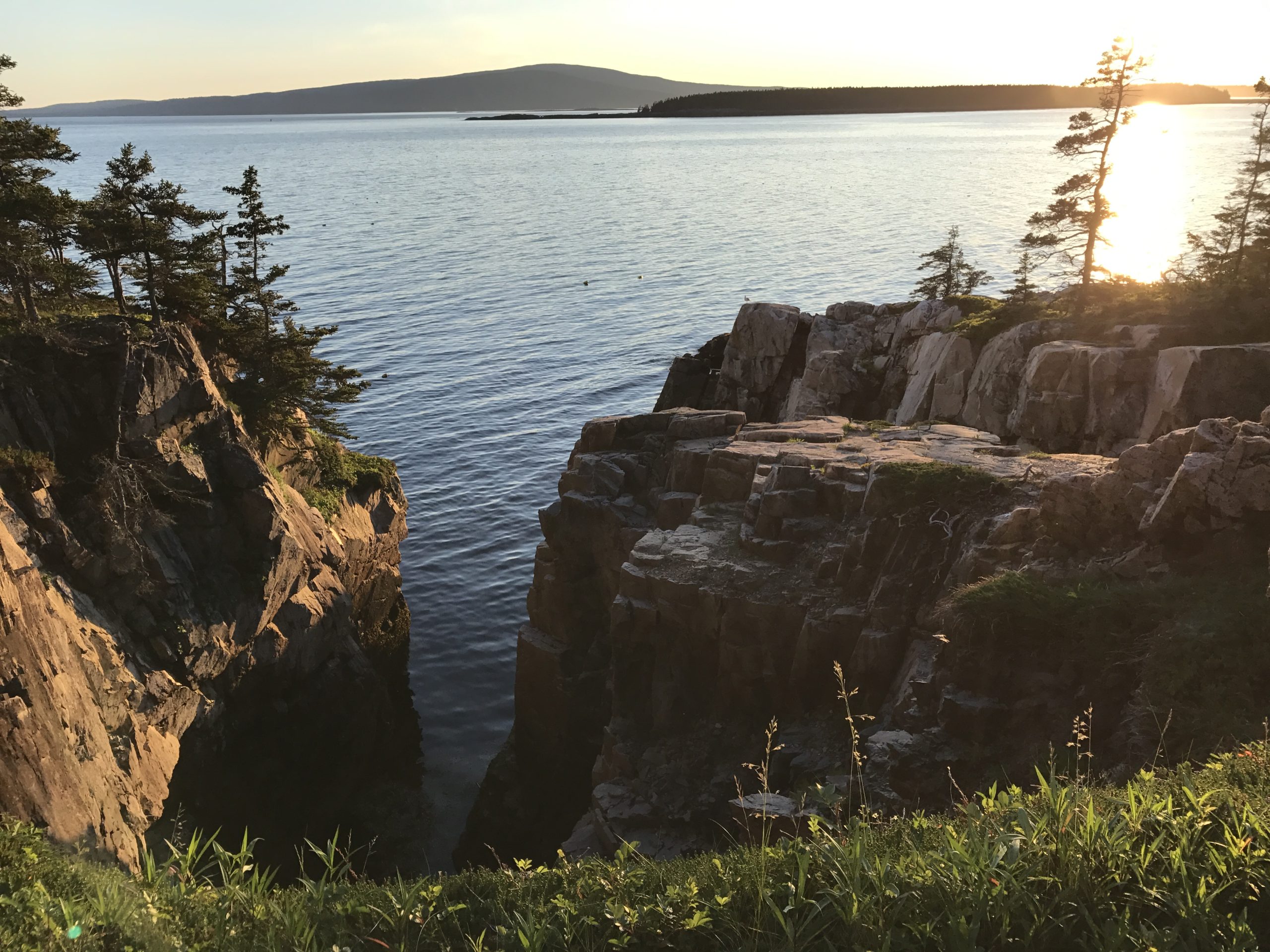
The six-mile Schoodic Loop Road provides multiple access points to these coastal wonders, but most visitors only stop at the main Schoodic Point area. Local rangers recommend exploring the lesser-known pullouts along the eastern side of the loop, where you'll find equally stunning viewpoints with even fewer people. These spots offer incredible sunrise photography opportunities, as the peninsula faces directly east toward the rising sun over the Atlantic.
Blueberry Hill: A Secret Trail Network
Hidden within the Schoodic Peninsula are several miles of trails that rarely appear on tourist maps or popular hiking websites. The trail network around Blueberry Hill offers some of the most diverse hiking experiences among all hidden gems in Acadia National Park. These paths wind through dense spruce forests, across granite ridges, and along secluded ponds that serve as habitat for moose, beaver, and countless bird species.
During blueberry season (July through September), these trails become even more special. Wild lowbush blueberries grow in abundance throughout this area, and park regulations actually encourage visitors to harvest and enjoy them in moderation. There's something profoundly satisfying about hiking through pristine wilderness while snacking on berries that have been growing wild here for thousands of years.
My Personal Hidden Gem Discoveries
The Compass Harbor Secret
During my fourth visit to Acadia, a local photographer told me about an unmarked trail that leads to the ruins of an old estate overlooking Frenchman Bay. This discovery became one of my most treasured hidden gems in Acadia National Park experiences. The Compass Harbor Trail, barely a mile long, winds through dense forest before emerging onto a granite outcrop where the foundation stones of a 19th-century mansion still mark the landscape.
What makes this spot extraordinary isn't just the historical connection, but the incredible views it provides of Bar Harbor and the Porcupine Islands. Standing among these century-old ruins, you can imagine the wealthy summer residents who once called this place home, enjoying the same sweeping ocean vistas that still captivate visitors today. The trail receives minimal maintenance, giving it a wild, forgotten quality that enhances the sense of discovery.
During my most recent visit in September, I encountered a great blue heron fishing in the shallow waters below the ruins. The bird remained completely undisturbed by my presence, suggesting just how rarely this area receives human visitors. These are the moments that transform a simple hike into a profound connection with both natural and human history.
Echo Lake's Hidden North Shore
While thousands of visitors splash in the designated swimming area at Echo Lake Beach, very few explore the lake's northern shoreline, where some of the most peaceful hidden gems in Acadia National Park await discovery. A barely-visible footpath leads through dense forest to several small clearings that offer perfect spots for quiet contemplation or informal picnicking.
These northern shore areas provide unique perspectives on the surrounding mountains, particularly Beech Mountain and its dramatic cliffs. The water here is typically warmer than the main beach area, as it receives more direct sunlight throughout the day. During early morning visits, mist often rises from the lake's surface, creating ethereal scenes that seem pulled from a fairy tale.
What I love most about these hidden shoreline spots is their complete silence. Unlike the main beach area with its constant chatter and activity, the north shore offers genuine wilderness solitude. On several occasions, I've watched families of loons diving for fish just yards from shore, their haunting calls echoing across the water in moments of perfect tranquility.
Essential Gear for Exploring Acadia's Hidden Spots
Successfully discovering and safely enjoying hidden gems in Acadia National Park requires proper preparation and quality equipment. Unlike the well-maintained popular trails, these secret destinations often involve challenging terrain, unpredictable weather, and limited rescue access. Based on years of exploring Acadia's most remote corners, I've compiled a list of essential gear that can make the difference between an incredible adventure and a dangerous situation.
Footwear for Rocky Coastlines and Hidden Trails
The granite coastlines and root-covered forest trails that lead to many hidden gems in Acadia National Park demand exceptional grip and ankle support. After testing various options, I recommend the Timberland Men's White Ledge Waterproof Hiking Boot, which provides excellent traction on wet rocks and reliable waterproofing for tide pool exploration. For women, the Merrell Women's Moab 3 Mid Waterproof Hiking Boot offers similar performance with a more feminine fit.
Pro Tip: Many of Acadia's hidden coastal gems involve scrambling over seaweed-covered rocks. Waterproof boots with aggressive tread patterns are essential for safety, especially during morning hours when dew makes surfaces even more slippery.
Backpacks and Navigation Tools
For day-long explorations of remote areas, a reliable backpack becomes crucial. The Maelstrom 40L Waterproof Hiking Daypack provides ample space for safety gear, extra layers, and photography equipment while maintaining comfort during extended hikes. Its built-in rain cover has saved my camera equipment during unexpected Acadia downpours multiple times.
For wildlife observation at hidden locations, quality binoculars transform the experience entirely. The Occer 12x25 Compact Binoculars offer exceptional clarity for spotting seabirds, marine life, and distant details while remaining lightweight enough for comfortable all-day carry.
Frequently Asked Questions
When is the best time to visit hidden gems in Acadia National Park?
The optimal timing for exploring hidden gems in Acadia National Park depends on your priorities. Early fall (September to mid-October) offers the best combination of pleasant weather, spectacular foliage, and reduced crowds at secret locations. Morning hours between 6-9 AM provide the greatest solitude, while late afternoon visits (5-8 PM) offer incredible lighting for photography. Avoid holiday weekends and peak summer months (July-August) when even hidden spots can become crowded. Winter access to many remote areas becomes challenging due to ice and snow, but offers unique opportunities for those properly prepared.
Are these hidden locations safe to visit alone?
While many hidden gems in Acadia National Park can be safely explored solo, several require extra caution due to their remote nature. Coastal areas like Anemone Cave and Little Hunters Beach present slip hazards on wet rocks and potential tide entrapment. Always inform someone of your plans, carry emergency communication devices, and check tide charts before visiting tidal areas. Solo hikers should stick to well-established trails and avoid exploring unmarked routes without proper navigation skills. Consider joining local hiking groups for your first visits to remote locations.
What should I do if I encounter wildlife at these remote locations?
Remote areas often provide the best wildlife viewing opportunities among hidden gems in Acadia National Park. Maintain minimum distances of 25 yards from large animals like moose or deer, and never feed any wildlife. Black bears are present but rarely seen; make noise while hiking and properly store all food. Seabird nesting areas along the coast should be observed from a distance to avoid disturbing breeding activities. Carry binoculars for close observation while maintaining respectful distances. Report any aggressive wildlife behavior to park rangers immediately.
Can I camp near these hidden locations?
Backcountry camping is not permitted anywhere within Acadia National Park, including near hidden gems in Acadia National Park. However, several designated campgrounds provide excellent access to remote areas. Schoodic Woods Campground offers the closest access to Schoodic Peninsula's hidden treasures, while Blackwoods and Seawall campgrounds serve the Mount Desert Island locations. Private campgrounds outside park boundaries provide additional options. Day use only is permitted at all hidden locations, with visitors required to exit before park closing hours.
How can I find these locations without disturbing their natural state?
Responsible exploration of hidden gems in Acadia National Park requires following Leave No Trace principles strictly. Stay on established trails when possible, pack out all trash including small items like food crumbs, and avoid creating new social trails. Don't move rocks or build cairns, as these can confuse other hikers and damage fragile ecosystems. Photography should be done without damaging vegetation or disturbing wildlife. Share locations responsibly by emphasizing conservation ethics rather than just posting GPS coordinates on social media.
Conclusion
The true magic of hidden gems in Acadia National Park lies not just in their natural beauty, but in the transformative experience of discovery they provide. Unlike the crowded viewpoints and bustling trails that dominate most park itineraries, these secret locations offer something increasingly rare in our connected world: genuine solitude and authentic wilderness encounters.
During my years of exploring every corner of this remarkable park, I've learned that the most memorable moments happen in the quiet spaces between the famous destinations. Whether it's listening to the musical symphony of rounded stones at Little Hunters Beach, watching sunrise paint the granite cliffs of Schoodic Point, or discovering the hidden ruins at Compass Harbor, these experiences create lasting connections that far exceed any Instagram-worthy photo.
The hidden gems in Acadia National Park represent more than just alternative destinations; they embody the original spirit of national park exploration. They remind us that the greatest rewards often come to those willing to venture beyond the obvious paths and seek out the extraordinary in unexpected places. As you plan your own Acadia adventure, I encourage you to embrace the unknown, trust in careful preparation, and allow yourself the time to truly experience these remarkable hidden treasures.
Ready to explore more wilderness adventures? Visit our homepage for comprehensive guides to America's most spectacular hidden destinations.
Remember: The best hidden gems in Acadia National Park are those discovered through respectful exploration and shared through responsible stewardship. Help preserve these magical places for future generations by following Leave No Trace principles and encouraging others to explore mindfully.