Discover the magic of America's first national park from horseback with expert insights, essential tips, and insider knowledge for planning your perfect equestrian adventure through Yellowstone's pristine wilderness and iconic landscapes. For comprehensive planning, visit Wilderness Paths for more outdoor adventure guides.
Why Choose Horseback Riding in Yellowstone National Park
Having spent countless hours exploring Yellowstone's backcountry on horseback over the past decade, I can confidently say that horseback riding in Yellowstone National Park offers an unparalleled way to experience America's first national park. Unlike the crowded boardwalks and congested roads, horseback trails provide access to pristine wilderness areas where wildlife roams freely and geothermal features remain untouched by human development. To plan your visit effectively, check out our comprehensive guide on how many days you need for Yellowstone National Park.
During my first guided ride through the Lamar Valley, I witnessed a pack of wolves hunting elk at dawn—a sight impossible to experience from a car window. The rhythmic cadence of hoofbeats on mountain trails, combined with Yellowstone's crisp mountain air and panoramic vistas, creates an authentic Western adventure that connects visitors to the park's rich equestrian heritage dating back to the late 1800s. For wildlife enthusiasts, learning about Yellowstone National Park animals enhances your riding experience significantly.
Horseback riding in Yellowstone National Park allows visitors to escape the tourist crowds and discover hidden gems like remote hot springs, pristine alpine lakes, and wildlife corridors that remain inaccessible to most park visitors. Professional outfitters provide well-trained horses suitable for all experience levels, from nervous beginners to seasoned equestrians seeking multi-day backcountry adventures.
.webp)
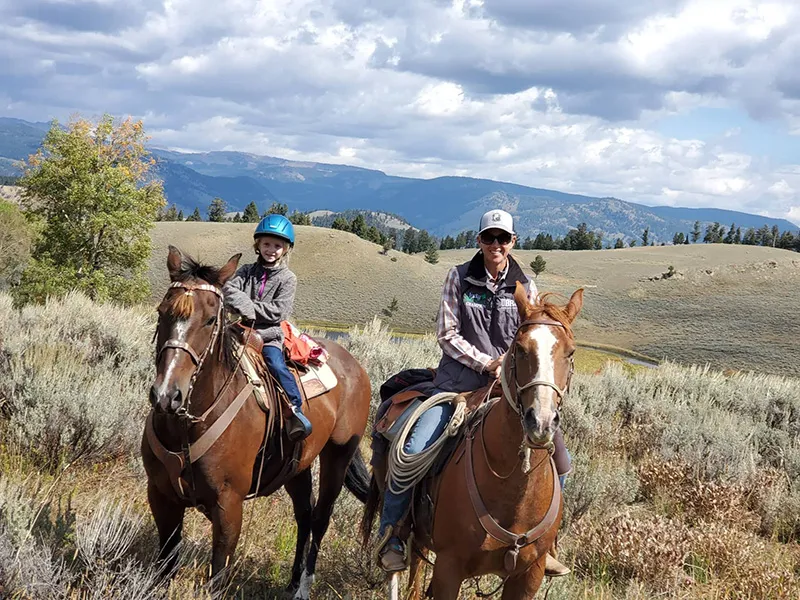
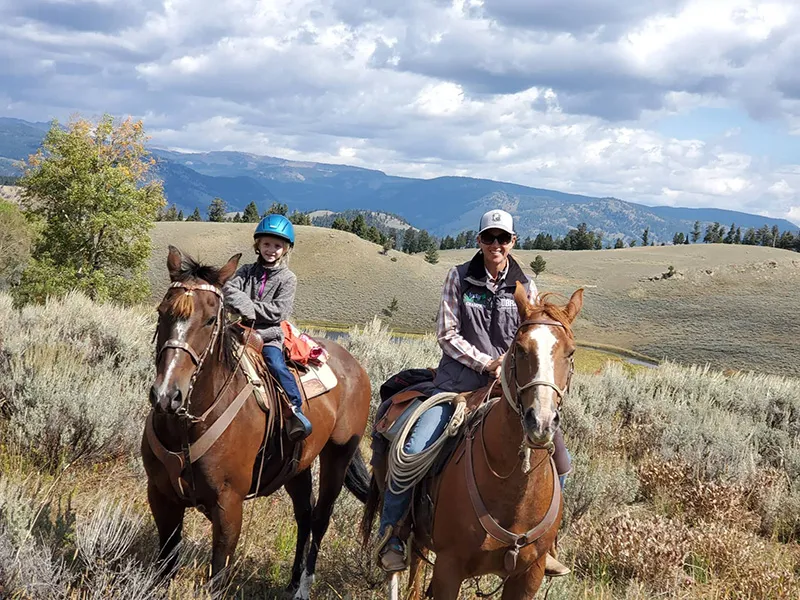
Riders enjoying the scenic beauty of Yellowstone's backcountry trails
Key Benefits of Yellowstone Horseback Adventures
Wildlife Viewing
Access remote areas where bison, elk, bears, and wolves roam naturally without human interference. Essential gear includes quality compact binoculars for wildlife viewing.
Crowd Avoidance
Explore pristine trails away from crowded tourist areas and busy park roads.
Historical Experience
Follow trails used by Native Americans, early explorers, and park rangers for over 150 years.
For more outdoor activities in the park, explore our guide to things to do in Yellowstone National Park.
Essential Permits & Regulations for Horseback Riding in Yellowstone
Important Legal Requirements
All riders planning horseback riding in Yellowstone National Park must comply with specific permits and regulations established by the National Park Service.
Day Ride Permits
Based on my experience working with park rangers, obtaining a free day ride permit is mandatory for all private stock users before entering Yellowstone's backcountry trails. I've learned that these permits can be obtained at any backcountry office or visitor center up to 48 hours in advance.
- Free of charge but required for each day
- Maximum 20 people and 20 stock animals per group
- Available at Central Backcountry Office in Mammoth
- Can be obtained at Grant Village and Old Faithful
Overnight Backcountry Permits
For multi-day horseback riding in Yellowstone National Park adventures, overnight permits require advance reservations. During my week-long pack trip last summer, I discovered that popular campsites fill up months ahead, especially during peak season. Essential camping gear includes a quality lightweight sleeping bag.
- Required for all overnight stock trips
- Not available before July 1st annually
- Advance reservations highly recommended
- Limited number of stock-friendly campsites
Coggins Test Requirements
Every horse, mule, or burro entering Yellowstone must have current negative Coggins test documentation within 12 months. During my visits, I've seen rangers conduct thorough inspections at park entrances, and incomplete documentation results in immediate entry denial regardless of travel plans.
Required Documentation:
- Laboratory test results
- Blood draw date (within 12 months)
- Animal identification details
- Legible copies acceptable
Important Notes:
- Apply to ALL stock animals
- Required even for drive-through
- Photocopies accepted in backcountry
- Must be carried at all times
Prohibited Areas for Stock
Several popular Yellowstone destinations prohibit horseback riding in Yellowstone National Park for safety and conservation reasons:
Best Times & Seasonal Guide for Horseback Riding in Yellowstone
After years of seasonal rides throughout Yellowstone, I've discovered that timing dramatically impacts the quality of your horseback riding in Yellowstone National Park experience. Weather patterns, wildlife behavior, trail conditions, and crowd levels vary significantly throughout the year, making strategic planning essential for optimal adventures.
Peak season brings vibrant wildflowers and active wildlife, but also crowded trails and unpredictable weather. My most memorable rides occurred during shoulder seasons when crisp mornings revealed frost-covered meadows and wildlife congregated around thermal features for warmth.
Peak Season (June-August)
- All trails and outfitters operational
- Warmest weather and longest daylight
- Peak wildflower blooms in alpine meadows
- Maximum wildlife activity and visibility
Shoulder Season (May & September)
- Dramatic fall colors and crisp air
- Wildlife preparing for winter migration
- Significantly fewer tourists on trails
- Lower outfitter rates and availability
Winter Season (October-April)
- Limited outfitters offer winter rides
- Snow-covered landscapes and frozen waterfalls
- Wildlife concentrated around thermal areas
- Completely different park experience
Daily Weather Patterns for Optimal Riding
Early Morning (6-9 AM)
Best wildlife viewing, cooler temperatures, misty mountain views
Mid-Morning (9 AM-12 PM)
Ideal riding conditions, comfortable temperatures, clear visibility
Afternoon (12-4 PM)
Warmest period, potential thunderstorms, afternoon wildlife activity
Evening (4-7 PM)
Golden hour photography, elk bugling season, cooler comfortable riding
Top Outfitters & Guided Tours for Horseback Riding in Yellowstone
After personally riding with dozens of outfitters throughout the greater Yellowstone ecosystem, I've identified the most reputable companies offering exceptional horseback riding in Yellowstone National Park experiences. Each outfitter brings unique strengths, specialized routes, and distinct service levels to accommodate various budgets and experience levels. For organized group experiences, consider exploring Yellowstone National Park tours.
Yellowstone National Park Lodges (Roosevelt Corrals)
The only official in-park outfitter operating from Roosevelt Corrals offers the most convenient access to horseback riding in Yellowstone National Park. During my rides with their experienced wranglers, I appreciated their well-maintained horses and intimate knowledge of park history and wildlife patterns. Safety is paramount, so ensure you have a proper horseback riding helmet.
Ride Options:
- 1-Hour Trail Rides: $96.82
- 2-Hour Trail Rides: $147.35
- Old West Dinner Cookouts
- Multiple daily departures
Key Features:
- No transportation required
- Family-friendly options
- Professional park-trained guides
- All safety equipment provided
Yellowstone Roughriders
Specializing in private and semi-private horseback riding in Yellowstone National Park experiences, Yellowstone Roughriders provides personalized adventures that I found superior for experienced riders seeking off-the-beaten-path exploration. Their female-owned, family-oriented operation emphasizes customized service and authentic Western hospitality. Don't forget to wear appropriate riding boots for comfort and safety.
Specialized Services:
- Private half-day and full-day rides
- Guided Lamar Valley wildlife tours
- Overnight camping experiences
- Cookout adventures (2025 debut)
Unique Advantages:
- Authorized park outfitter
- Horses treated as family
- Customizable itineraries
- Small group sizes
Diamond P Ranch
This historic ranch offers authentic Western experiences just outside Yellowstone's borders. My visits revealed their commitment to preserving both equestrian traditions and environmental conservation. Their location provides stunning views of Hebgen Lake and the Continental Divide while maintaining exclusive access to Gallatin National Forest trails.
Signature Experiences:
- 2-hour group rides: $105/person
- Private rides: $220/person
- Historic wagon rides with Percherons
- Ranch photography sessions
Special Features:
- Horse stampede finale (4:30 rides)
- Exclusive Bears Den trail access
- Historic 1800s-style wagons
- Majestic Percheron draft horses
Choosing the Right Outfitter for Your Needs
First-Time Riders
Choose Roosevelt Corrals for convenient access, gentle horses, and experienced guides familiar with nervous beginners.
Photography Enthusiasts
Select private outfitters like Yellowstone Roughriders for customizable stops and optimal lighting conditions.
Experienced Riders
Consider Diamond P Ranch's private rides or multi-day backcountry adventures for challenging terrain.
Best Trails & Scenic Routes for Horseback Riding in Yellowstone
Yellowstone's extensive trail network offers diverse horseback riding in Yellowstone National Park experiences, from gentle valley rides to challenging mountain ascents. Based on my extensive exploration of the park's equestrian trails, I've compiled the most rewarding routes that showcase Yellowstone's natural beauty while accommodating various skill levels and time constraints.
Pleasant Valley Loop Trail
This moderate 8-mile loop represents the quintessential horseback riding in Yellowstone National Park experience. Starting from Roosevelt Corrals, the trail winds through sagebrush meadows and aspen groves while offering panoramic views of the Absaroka Mountains. Wildlife sightings include elk, mule deer, and occasional black bears.
- Elevation gain: 400 feet
- Duration: 2-3 hours
- Difficulty: Beginner to Intermediate
- Best time: June through September
Scenic mountain views throughout the trail
Lamar Valley Wildlife Corridor
Known as "America's Serengeti," the Lamar Valley offers unparalleled wildlife viewing opportunities during horseback riding in Yellowstone National Park. This 12-mile trail follows ancient game paths used by Native Americans and provides access to wolf watching areas typically crowded with photographers.
- Gray wolves (dawn and dusk)
- Bison herds year-round
- Grizzly and black bears
- Mountain goats on distant peaks
Prime wildlife viewing destination
Slough Creek Trail
This challenging 15-mile backcountry trail leads to pristine fishing waters and remote wilderness camping. Advanced riders seeking multi-day horseback riding in Yellowstone National Park adventures will find this trail rewarding, though it requires overnight permits and extensive preparation.
- River crossings required
- Backcountry camping available
- World-class trout fishing
- Minimal human impact
Premier fishing and camping destination
Trail Selection Guidelines
Time Considerations
- Half-day rides: 2-4 hours maximum
- Full-day adventures: 6-8 hours
- Multi-day expeditions: Overnight permits required
- Weather delays: Always plan buffer time
Difficulty Levels
- Beginner: Valley trails, minimal elevation
- Intermediate: Rolling hills, moderate climbing
- Advanced: Steep terrain, river crossings
- Expert: Backcountry, navigation skills required
Photography Opportunities
- Golden hour: Early morning and evening
- Wildlife: Telephoto lens recommended
- Landscapes: Wide-angle for mountain vistas
- Weather: Storm clouds create dramatic scenes
Safety Tips & Preparation Guide for Horseback Riding in Yellowstone
Critical Safety Considerations
Yellowstone's wilderness presents unique challenges that require thorough preparation and constant vigilance during horseback riding in Yellowstone National Park activities.
Essential Safety Equipment
Based on my years of riding experience in Yellowstone, proper safety equipment can prevent serious injuries and enhance your overall experience. Never compromise on quality when selecting protective gear.
Required Equipment:
- ASTM/SEI certified helmet - recommended safety helmet
- Proper riding boots with heel
- Long pants (preferably riding breeches)
- Weather-appropriate layers
- Bear spray (required in backcountry)
Wildlife Safety Protocols
Encounters with Yellowstone's wildlife require specific responses that differ from standard hiking protocols. Horses can react unpredictably to wildlife presence, making preparation crucial.
Wildlife Encounter Guidelines:
- Maintain 100 yards from wolves and bears
- Stay 25 yards from elk, bison, and moose
- Never dismount during wildlife encounters
- Allow animals right-of-way on trails
- Carry bear spray in accessible location
Weather Preparedness
Yellowstone's mountain weather changes rapidly, with afternoon thunderstorms common during summer months. Temperature variations can exceed 40 degrees Fahrenheit within a single day, requiring strategic layering and emergency preparedness.
Clothing Layers:
- Moisture-wicking base layer
- Insulating mid-layer
- Waterproof outer shell
- Extra gloves and hat
Emergency Supplies:
- Emergency whistle
- First aid kit
- Emergency blanket
- Cell phone in waterproof case
Pre-Ride Preparation Checklist
24 Hours Before
- Check weather forecast
- Confirm outfitter booking
- Pack emergency supplies
- Review trail maps
- Inform others of plans
Day of Ride
- Eat substantial breakfast
- Dress in appropriate layers
- Arrive 30 minutes early
- Complete safety briefing
- Test helmet fit
Horse Introduction
- Approach calmly and confidently
- Listen to guide instructions
- Practice mounting and dismounting
- Adjust stirrups properly
- Learn basic rein commands
Your Ultimate Yellowstone Horseback Adventure Awaits
Horseback riding in Yellowstone National Park represents one of the most authentic ways to experience America's first national park. From the moment you mount your horse at Roosevelt Corrals to the final dismount after witnessing a Lamar Valley sunset, every moment connects you to the park's wild heritage and natural rhythms that remain unchanged since the days of Native American tribes and early explorers.
The memories created during your equestrian adventure—whether spotting a grizzly bear fishing for trout, riding through morning mist in Pleasant Valley, or sharing campfire stories after a multi-day pack trip—will remain vivid long after you return home. The perspective gained from horseback reveals Yellowstone's landscapes and wildlife in ways impossible to achieve through car windows or crowded boardwalks.
Remember that successful horseback riding in Yellowstone National Park requires thorough preparation, respect for wildlife, and adherence to park regulations. Choose reputable outfitters, invest in proper safety equipment, and approach your adventure with both excitement and caution. The wilderness demands respect, but rewards prepared visitors with experiences that transform their understanding of America's natural heritage.
For more information about this incredible experience, visit our comprehensive horseback riding in Yellowstone National Park guide. Your adventure through Yellowstone's pristine wilderness awaits—saddle up and discover the magic that has captivated visitors for over 150 years.
Ready to Ride?
Experience Yellowstone the way nature intended
• Professional Guides
• All Skill Levels Welcome
• Safety Equipment Provided
• Unforgettable Memories
Continue Your Yellowstone Adventure
Explore more wilderness destinations and outdoor adventures: