
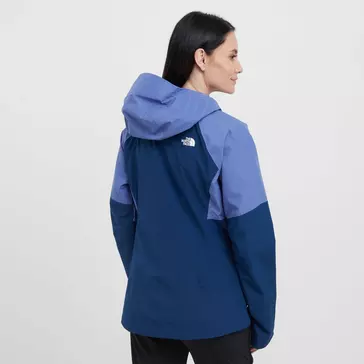
Mastering the Outdoors: My Guide to The North Face Women's Waterproof Jackets
As an avid adventurer, I've spent countless hours in the wild, battling everything from drizzle to downpours. Through years of testing and personal experience, I've come to rely on a select few pieces of gear, with The North Face women's waterproof jacket standing out as a true game-changer. Join me as I share my insights, practical tips, and what makes these jackets an indispensable part of my outdoor kit.
Why I Trust The North Face for Waterproofing
Over the years, I've had my share of gear failures. There's nothing quite as demoralizing as being miles into a trail and realizing your "waterproof" jacket isn't living up to its name. That's why, when it comes to staying dry in unpredictable conditions, I consistently turn to The North Face. Their commitment to quality, innovative technology, and a deep understanding of outdoor needs has made their women's waterproof jackets a staple in my closet, whether I'm facing a sudden downpour on a mountain ascent or just navigating a rainy city commute.
From the rugged peaks of the Rockies to the damp forests of the Pacific Northwest, I've put various North Face rain jackets through their paces. What I’ve found is a consistent level of performance and durability that few other brands can match. It’s not just about the outer shell; it’s about the holistic design – sealed seams, adjustable hoods, robust zippers – all contributing to an impenetrable barrier against the elements. This brand has earned my trust through countless instances where their jackets kept me comfortable and protected, allowing me to focus on the adventure rather than the weather.
Their range specifically for women also impresses me. It's not just scaled-down men's gear; they truly consider fit, style, and functional needs unique to women. This thoughtful design means a jacket that not only performs exceptionally but also feels good to wear, offering freedom of movement without being bulky. For anyone serious about spending time outdoors, investing in a reliable North Face women's waterproof jacket is, in my opinion, a non-negotiable.
Demystifying Waterproof Technology: DryVent vs. FutureLight
When you start looking for a North Face women's waterproof jacket, you'll quickly encounter terms like DryVent and FutureLight. These are The North Face's proprietary waterproofing technologies, and understanding the difference is key to choosing the right jacket for your specific needs. I’ve delved deep into how these work, and I can tell you, it's pretty impressive.
The Reliable Performer: DryVent Technology
DryVent is The North Face's most widely used waterproof, breathable technology. It’s essentially a polyurethane coating applied to a fabric, combined with a DWR (Durable Water Repellent) finish on the outside. The coating has microscopic pores that are small enough to prevent water droplets from entering but large enough to allow water vapor (sweat) to escape, keeping you dry from both external rain and internal perspiration. I've personally worn DryVent jackets in torrential downpours during multi-day hikes, and they consistently stand up to the challenge.
- How it works: A multi-layer construction (2-layer, 2.5-layer, or 3-layer) uses a PU coating and a microporous layer.
- Durability: Highly durable and often found in more entry-to-mid-level price points, making them excellent value.
- Breathability: Good breathability, suitable for a wide range of activities from hiking to urban commuting.
- Applications: You'll find DryVent in everything from casual rain shells to more robust insulated jackets. My everyday rain jacket, a lighter DryVent model, has seen me through countless wet errands and dog walks. It's truly a workhorse.
For most everyday adventurers and casual hikers, a DryVent women's North Face rain jacket is more than sufficient. It offers reliable protection and comfort without breaking the bank. I often recommend DryVent jackets to friends who are just getting into hiking or need a dependable jacket for unpredictable weather.
The Innovative Game-Changer: FutureLight Technology
FutureLight is The North Face's cutting-edge, most advanced waterproof technology, and it represents a significant leap forward in breathability without compromising waterproofing. What makes FutureLight revolutionary is its use of nanospinning technology. This process creates a fabric with a nano-level membrane that allows for unprecedented air permeability while still being completely waterproof. My first experience with a FutureLight jacket was transformative during a strenuous backcountry trek where I needed maximum breathability to prevent overheating while climbing in damp conditions.
- How it works: Electrospinning nanofibers create a membrane that allows air to pass through while remaining waterproof. This means it breathes more actively than traditional membranes.
- Breathability: Exceptionally breathable, making it ideal for high-exertion activities like mountaineering, trail running, or fast-paced hiking.
- Weight & Packability: Often lighter and more packable than DryVent options due to its advanced construction.
- Applications: Primarily found in The North Face's summit series and performance-oriented outdoor apparel, designed for professional athletes and serious enthusiasts. If you're tackling alpine environments or embarking on expedition-style adventures, a FutureLight waterproof jacket for women from The North Face is worth the investment.
The difference in breathability, especially during high-output activities, is palpable. While a DryVent jacket might eventually lead to some clamminess during a steep climb, a FutureLight one helps regulate temperature much more effectively. It allows you to push harder, longer, without feeling bogged down by sweat. This technology truly embodies the spirit of innovation in outdoor gear.
Comparison Summary:
- DryVent: Great value, reliable waterproofing, good breathability, versatile for everyday and moderate activities.
- FutureLight: Premium performance, unparalleled breathability, advanced waterproofing, ideal for high-exertion and extreme conditions.
Choosing between the two depends heavily on your planned activities. For casual use and moderate outdoor excursions, DryVent is fantastic. For more intense, active pursuits where breathability is paramount, FutureLight is the superior choice for a North Face women's waterproof jacket.
Choosing Your Ideal Women's North Face Waterproof Jacket
Selecting the perfect North Face women's waterproof jacket can feel like a daunting task given the variety of options. From sleek urban styles to rugged mountain shells, each jacket is designed with specific intentions. My approach has always been to match the jacket's features to my primary activities and the typical weather conditions I'll encounter. Let's break down the key considerations.
Activity-Specific Design: Matching Your Jacket to Your Adventure
- Hiking & Backpacking: For long days on the trail, you'll want a jacket that balances durability, packability, and breathability. Look for models with DryVent or FutureLight, pit zips for ventilation, and an adjustable hood that fits over a helmet (if applicable). I often opt for a 2.5-layer DryVent jacket for its lightweight nature and ease of packing, like the popular Venture 2 or Dryzzle series. Its ability to shed water without being too heavy is crucial when you're carrying everything on your back.
- Trail Running & High-Output Activities: Here, breathability is paramount. A FutureLight jacket, perhaps a lighter model like the Flight Series, would be ideal. These jackets are designed to be ultra-light, highly breathable, and offer full range of motion. Minimalistic features help keep the weight down, ensuring you can move freely and stay comfortable even when pushing your limits. The last thing you want is a jacket that feels like a sauna when you're trying to set a new personal record.
- Skiing & Snowboarding: For winter sports, you'll need a hardshell that can withstand heavy snow and wind, often layered over insulation. Look for 3-layer DryVent or FutureLight jackets that are cut for layering, have powder skirts, helmet-compatible hoods, and robust zippers. These jackets are designed to integrate seamlessly with other snow gear, providing a formidable barrier against harsh winter conditions. Many specific ski and snowboard models also include features like goggle wipes and specialized pockets.
- Urban & Everyday Wear: Style and comfort often take precedence, but waterproofing is still essential. The North Face offers stylish, more casual waterproof jackets that seamlessly blend into city life while providing excellent protection. These might feature a softer hand feel, longer cuts, or more discreet branding. DryVent is typically sufficient here, providing reliable protection without the need for extreme technical features.
- Mountaineering & Alpine Climbing: This is where the most robust and technically advanced jackets shine. Expect 3-layer FutureLight models with reinforced shoulders and elbows, fully adjustable and helmet-compatible hoods, and large, harness-compatible pockets. These jackets are built to withstand the harshest conditions imaginable, offering maximum protection and durability in extreme environments. When you're dangling off a rock face, your North Face women's waterproof jacket is your lifeline against the elements.
Fit and Layering: The Art of Comfort and Performance
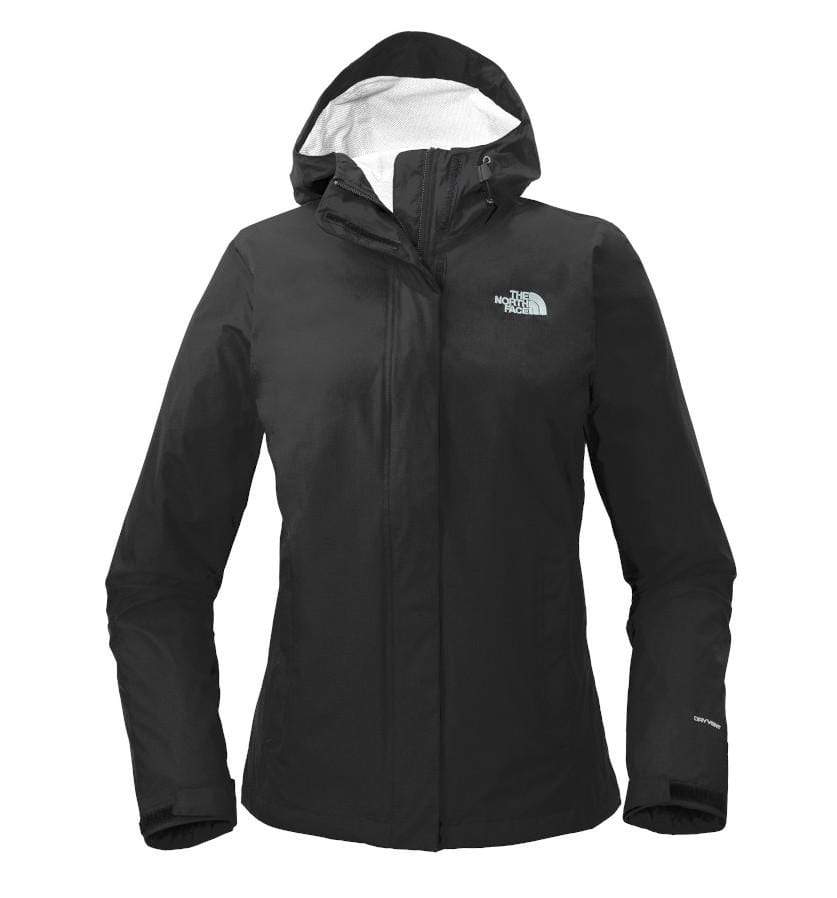
The fit of your North Face women's waterproof jacket is critical not just for comfort but for performance. A jacket that's too tight will restrict movement and compress insulation, reducing warmth. One that's too loose can flap in the wind, hinder breathability, and allow cold air in. My rule of thumb is always to try on a waterproof shell with the layers I'd typically wear underneath – usually a base layer and a mid-layer (like a fleece or lightweight puffy jacket). This ensures a comfortable and functional fit.
- Layering Space: Make sure you have enough room to comfortably wear a fleece or even a light down jacket underneath without feeling constricted. This is especially important for colder climates or multi-season use.
- Freedom of Movement: Mimic typical movements you'd make outdoors: reach overhead, squat, swing your arms. Does the jacket ride up? Are there any pinch points? Good jackets offer articulated sleeves and strategic paneling for unrestricted motion.
- Hem Length: Consider if you prefer a shorter cut for agility (like for running) or a longer hem for extra coverage (especially important for urban commuting or when sitting on wet surfaces).
- Adjustability: Look for jackets with adjustable cuffs, hem cinches, and a well-designed hood system. These features allow you to fine-tune the fit to seal out wind and rain, crucial for adapting to changing conditions.
A well-fitted jacket not only enhances comfort but also improves the effectiveness of the waterproofing and breathability. It’s a key component in creating a highly functional layering system that keeps you dry and comfortable no matter the weather. Remember, a jacket is just one part of your defense against the elements. Learning how to effectively layer your clothing underneath can greatly enhance its performance. For more insights on layering for various conditions, you might want to explore articles like best lightweight waterproof jacket or women's insulated rain jacket for colder weather.
My Personal Journey: Real-World Experiences with North Face Rain Gear
My journey with The North Face women's waterproof jacket began years ago, a crucial investment after a particularly miserable camping trip in the Canadian Rockies. I was caught in an unexpected, relentless rainstorm, and my old, budget rain jacket simply couldn't keep up. I ended up shivering in my tent, my spirit dampened more than my clothes. That was the turning point.
I invested in my first serious North Face DryVent jacket, a bright blue number that quickly became my trusty companion. My inaugural test was a week-long backpacking trip along the West Coast Trail on Vancouver Island. Known for its notoriously wet and rugged conditions, it was the ultimate proving ground. Days often started with mist, turning into a steady drizzle, and occasionally escalating into full-blown downpours. My DryVent jacket, paired with waterproof pants, was a lifesaver. I remember one particularly exposed section, battling wind-driven rain near a rocky headland. While my companions were pulling out emergency ponchos, I was comfortably protected, the water beading off my jacket like magic. The adjustable hood kept my face shielded, and the pit zips were invaluable during uphill slogs, preventing that dreaded clammy feeling. It wasn't just about staying dry; it was about maintaining morale and energy, which is absolutely critical in challenging environments.
More recently, I upgraded to a FutureLight shell for a fast-and-light attempt on a local peak known for its unpredictable microclimates. We started under clear skies, but by midday, we were enveloped in thick cloud and a persistent drizzle that soon turned to icy rain. What amazed me about the FutureLight technology was its active breathability. During the steep ascent, where I'd normally start sweating profusely and feeling damp inside, the jacket allowed vapor to escape so effectively that I remained surprisingly comfortable. It felt less like wearing a traditional hardshell and more like a highly protective, yet breathable, second skin. This allowed me to keep a consistent pace without stopping to delayer, saving precious time and energy. This experience profoundly changed my perspective on what waterproof gear can achieve, especially for high-exertion activities. I even heard a park ranger once advise, "The best rain gear isn't just waterproof; it's the one that lets you forget you're wearing it." My FutureLight jacket came pretty close to that ideal.
I've also used a slightly more insulated DryVent parka for urban travel during shoulder seasons. During a rainy spring trip to London, navigating crowded streets and public transport, the jacket kept me dry without feeling bulky or out of place. Its longer cut offered extra protection, and the pockets were perfectly sized for my phone and travel essentials. It proved that a North Face women's waterproof jacket isn't just for epic wilderness adventures; it's also a reliable partner for everyday life in a wet climate.
Through these varied experiences, I’ve learned invaluable lessons: investing in quality gear pays dividends in comfort and safety, understanding the technology behind your jacket is crucial, and thoughtful layering is just as important as the jacket itself. These jackets haven't just kept me dry; they've enabled countless memorable outdoor experiences, allowing me to embrace the elements rather than fear them.
Key Features to Consider for Superior Rain Protection
Beyond the core waterproofing technology, a truly effective North Face women's waterproof jacket incorporates a range of thoughtful features that enhance its performance, comfort, and durability. When I’m evaluating a new jacket, I pay close attention to these details, as they can make all the difference in adverse weather conditions.
- Fully Seam-Sealed Construction: This is non-negotiable for true waterproofing. Even the most advanced fabric will fail if water can seep through the stitching. The North Face jackets feature fully taped seams, ensuring no weak points.
- Durable Water Repellent (DWR) Finish: This outer coating causes water to bead up and roll off the fabric surface, preventing it from soaking into the face fabric. While it’s not the waterproofing itself, a good DWR helps the jacket's breathable membrane work more effectively by preventing the face fabric from becoming saturated (a condition known as "wetting out"). It's something you'll need to reapply periodically.
- Adjustable & Helmet-Compatible Hood: A well-designed hood is crucial. It should offer full coverage without restricting peripheral vision. Look for multiple adjustment points (around the face and at the back of the head) to cinch it down securely in high winds. If you wear a helmet for climbing or skiing, ensure the hood is large enough to comfortably fit over it.
- Water-Resistant Zippers (or Storm Flaps): Zippers are common entry points for water. Many high-performance jackets use laminated or coated zippers to prevent leaks. Alternatively, a storm flap over a standard zipper provides an excellent barrier.
- Pit Zips (Underarm Vents): These are critical for managing internal moisture and preventing overheating during strenuous activities. Being able to quickly dump excess heat and humidity without taking off your jacket is a game-changer for comfort and thermal regulation.
- Adjustable Cuffs and Hem: Velcro cuffs and drawcord hems allow you to seal out wind and rain effectively. They also help trap warmth when needed and keep the jacket from riding up.
- Pockets: Consider the placement and type of pockets. Are they easily accessible when wearing a backpack or climbing harness? Are they water-resistant? Internal pockets are great for keeping electronics dry.
- Packability: For backpacking or travel, how easily does the jacket compress? Some models pack into their own pocket, making them incredibly convenient to carry. This is a crucial feature for any travel rain jacket.
- Reinforced Areas: For heavy-duty use (e.g., mountaineering with a heavy pack), look for jackets with reinforced fabric on the shoulders, elbows, and other high-wear areas to enhance durability.
These features, combined with The North Face's robust construction, ensure that your waterproof jacket isn't just a barrier but a highly functional piece of gear that enhances your outdoor experience.
Seasonal & Local Insights: When and Where to Wear What
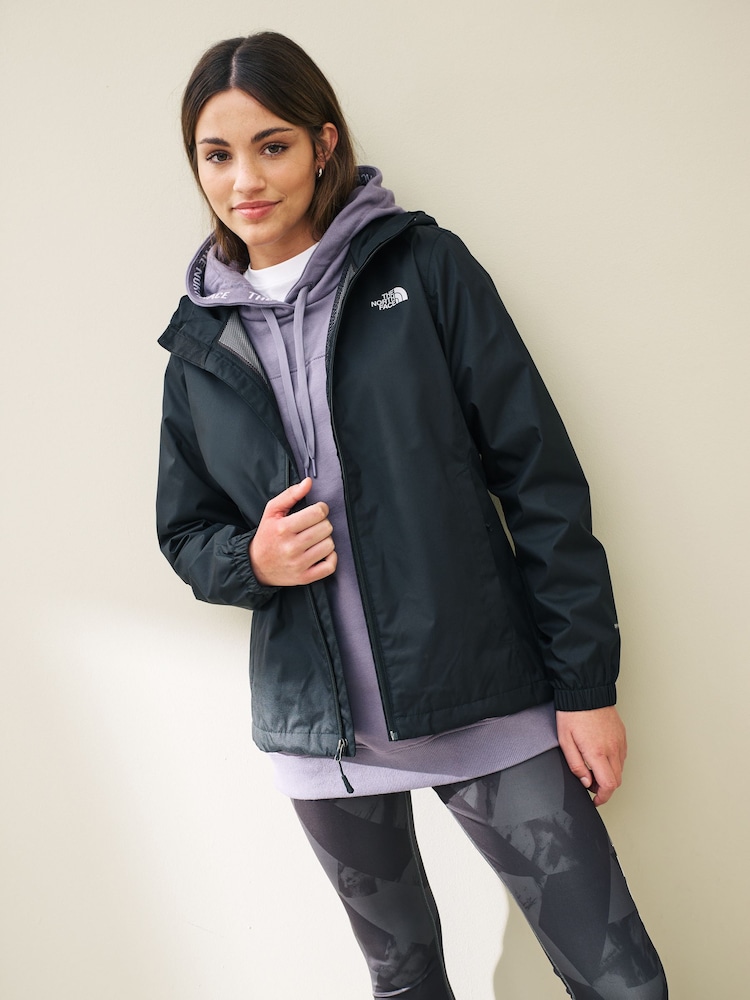
The beauty of a The North Face women's waterproof jacket lies in its versatility, but optimizing its use depends heavily on understanding seasonal and local weather patterns. My experience traveling and living in various climates has taught me that there’s no one-size-fits-all solution, and adapting your choice to the specific conditions will significantly enhance your comfort and protection.
Spring Showers and Mild Climates
Spring is notoriously unpredictable, often bringing sudden, heavy rain interspersed with mild temperatures. For these conditions, I typically reach for a lightweight, uninsulated DryVent shell. Something like The North Face Venture 2 Jacket is perfect. It offers excellent protection from the rain without adding unnecessary warmth, making it ideal for layering over a light fleece or a simple long-sleeve tee. In regions like the Pacific Northwest, where spring can feel like a prolonged autumn, this type of jacket is a daily essential. It’s also great for urban environments where you might duck in and out of shops and public transport. Check out this guide on best lightweight rain jacket for travel for more insights on packable options.
Summer Thunderstorms and Humid Environments
Summer rains, especially in places prone to thunderstorms, can be intense but also come with high humidity and warmer temperatures. Here, breathability becomes paramount to avoid overheating. A 2.5-layer DryVent or, even better, a FutureLight shell like the Summit Series L5 LT Jacket, is invaluable. Its enhanced breathability allows you to stay dry from both external rain and internal perspiration. Pit zips are also non-negotiable for these conditions. I recall a humid summer hike in the Appalachian Mountains where a FutureLight jacket kept me surprisingly comfortable during a sudden torrential downpour; I never felt sticky or clammy inside, which can ruin a summer hike.
Autumn Drizzles and Cooler Winds
As temperatures drop in autumn, the rain often becomes more persistent and winds pick up. This is when I start considering a slightly more robust DryVent jacket, perhaps one with a softer lining or a bit more structure, or a 3-in-1 system where an insulating layer can be zipped in. The longer cuts, like those found in the The North Face City Breeze Rain Parka, are fantastic for added coverage when commuting or standing at outdoor events. For those wanting a stylish yet functional jacket, exploring stylish waterproof jacket options could be beneficial.
Winter Snow, Sleet, and Freezing Rain
For true winter conditions, especially where there’s snow, sleet, or freezing rain, a dedicated insulated waterproof jacket or a robust hardshell designed for layering is essential. The North Face offers insulated DryVent parkas that provide both warmth and waterproofing. For high-output winter sports like skiing or snowshoeing, a 3-layer FutureLight shell over a suitable insulating layer offers the best combination of protection and breathability. Ranger advice often emphasizes dressing in layers and ensuring your outermost layer is completely waterproof and windproof. A good resource for colder weather options is women's insulated rain jacket. For extreme cold, a parka designed for sub-zero temperatures with a waterproof outer shell is my go-to.
Local Considerations
Always consider the microclimates of your area. Living near a mountain range, I’ve learned that weather can change drastically within an hour or a few miles. A jacket that’s perfect for a sunny valley might be wholly inadequate for a high-alpine pass. Consulting local forecasts and understanding typical weather patterns for your specific activity location is always a smart move. My personal experience has shown that having a versatile arsenal of North Face women's waterproof jackets, from lightweight shells to insulated parkas, prepares me for whatever nature throws my way.
Caring for Your Waterproof Investment: Longevity Tips
A high-quality North Face women's waterproof jacket is an investment, and like any investment, it requires proper care to maintain its performance and extend its lifespan. I've seen too many fantastic jackets lose their waterproofing prematurely due to neglect or improper washing. Here's my personal routine for keeping my gear in top shape.
First and foremost, don't be afraid to wash your waterproof jacket! Many people mistakenly believe that washing harms waterproofing, but dirt, body oils, and residues from sunscreen can actually clog the jacket's breathable membrane, reducing its effectiveness and causing it to "wet out" (where water soaks into the face fabric). The key is to wash it correctly.
Washing Your Waterproof Jacket: My Step-by-Step Guide
- Prepare the Jacket: Close all zippers (front, pockets, pit zips) and fasten any flaps or straps. Empty all pockets.
- Use the Right Detergent: Crucially, avoid conventional detergents, fabric softeners, and bleach. These can leave residues that clog the membrane and impair the DWR finish. Instead, use a technical cleaner specifically designed for waterproof breathable fabrics, such as Nikwax Tech Wash or Grangers Performance Wash. I keep a bottle of Nikwax handy for all my outdoor gear.
- Machine Wash: Place the jacket in a front-loading washing machine (top-loaders with agitators can be too harsh). Select a gentle cycle with lukewarm water (around 30°C/86°F). I usually run an extra rinse cycle to ensure all detergent is removed.
- Drying: Tumble dry on a low heat setting. The heat from the dryer helps reactivate the jacket’s DWR finish. If the jacket has a removable hood or other features, ensure they are also completely dry. If you don't have a dryer, air dry in a well-ventilated area, away from direct sunlight, and then consider a short tumble dry (15-20 minutes on low heat) to reactivate the DWR.
Reactivating and Reapplying DWR
Over time, the DWR (Durable Water Repellent) finish on the outside of your jacket will wear off, causing the fabric to absorb water rather than bead it up. This doesn't mean the jacket is no longer waterproof (the internal membrane still protects you), but it significantly reduces breathability and makes the jacket feel heavier and colder. This is called "wetting out.
- Reactivation: Often, a simple wash and tumble dry (as described above) is enough to reactivate the existing DWR. The heat helps the water-repellent polymers stand up again.
- Reapplication: If reactivation doesn't work and water no longer beads, it's time to reapply a DWR treatment. There are spray-on and wash-in options available (e.g., Nikwax TX.Direct, Grangers Clothing Repel). I prefer spray-on treatments for jackets as they allow for more targeted application, ensuring no internal parts or insulation (if any) are affected. Apply it evenly to the clean, damp outer fabric, then tumble dry to bond it.
Storage and Maintenance
- Store Properly: Hang your jacket in a cool, dry place. Avoid compressing it for long periods, as this can damage the waterproof membrane.
- Spot Cleaning: For small stains, gently wipe with a damp cloth and mild soap.
- Address Damage Promptly: Small tears or punctures should be repaired quickly using gear repair tape or patches designed for waterproof fabrics. Ignoring them can lead to larger problems and compromise the jacket's integrity.
By following these simple care instructions, your North Face women's waterproof jacket will continue to protect you from the elements for many adventures to come. It’s a small effort that yields significant returns in performance and longevity.
What Other Adventurers Say: User Review Summaries
While my personal experiences shape much of my gear recommendations, I always value the broader perspective offered by other users. Reading through Amazon, Reddit, and Quora discussions about The North Face women's waterproof jacket models reveals common themes and provides well-rounded insights. Here's a summary of what I often encounter:
Review Summary 1 (Amazon - The North Face Venture 2 Jacket):
Many users praise the Venture 2 for its exceptional value and reliable performance in everyday rain. They often highlight its lightweight and packable design, making it a favorite for travel and day hikes. The fit is frequently described as comfortable with enough room for layering, and the adjustable hood and pit zips are consistently called out as highly functional features. Some wished for slightly softer interior fabric, but overall, it's lauded as a dependable and affordable waterproof shell for moderate conditions.
Review Summary 2 (Reddit - The North Face Dryzzle FutureLight Jacket):
On Reddit, discussions around the Dryzzle FutureLight Jacket often center on its outstanding breathability. Users undertaking strenuous activities like fast-paced hiking or trail running report significantly less internal clamminess compared to other waterproof jackets. They appreciate its balance of light weight and robust waterproofing. Some detailed how the FutureLight technology truly shines in high-humidity, active scenarios. A common point of feedback sometimes mentioned is its slightly higher price point, which is generally accepted as justifiable for the advanced performance.
Review Summary 3 (Quora - General North Face Waterproof Jackets):
Across Quora threads, the overall sentiment regarding The North Face's waterproof range is positive, emphasizing durability and brand trust. Users consistently recommend them for their ability to withstand varied weather. Many women appreciate the thoughtful design, including tailored fits and practical features like multiple pockets and adjustable elements. The brand's commitment to standing behind its products also comes up, reinforcing customer loyalty. A minor critique occasionally surfaces regarding the style of some more technical jackets for purely urban use, but their performance is rarely questioned.
These summaries confirm what I've experienced myself: The North Face consistently delivers on its promise of waterproof protection, with specific models excelling in different use cases. The feedback reinforces the idea that choosing the right jacket depends on aligning its features with your specific needs and activities. For those exploring more options, considering other reliable choices for best raincoats could be helpful.
The North Face Women's Waterproof Jackets: Pros & Cons
Every piece of gear has its strengths and weaknesses, and The North Face women's waterproof jackets are no exception. Based on my extensive use and countless hours researching, here's a balanced look at what makes them stand out and where they might fall short:
Pros
- Exceptional Waterproofing: Technologies like DryVent and FutureLight deliver reliable protection against rain, snow, and wind, keeping you dry in even severe conditions.
- Excellent Breathability: Especially with FutureLight, these jackets excel at allowing sweat vapor to escape, minimizing clamminess during high-exertion activities.
- Durable Construction: Made with high-quality materials and robust stitching, North Face jackets are built to withstand the rigors of outdoor adventures.
- Thoughtful Women-Specific Fit: Designs are tailored to the female form, offering comfortable and functional fits that accommodate layering without being bulky.
- Versatile Range: A wide array of styles from minimalist shells for trail running (e.g., best waterproof running jacket) to insulated parkas for cold winters, ensures a jacket for every activity and climate.
- Practical Features: Often include essential elements like pit zips, adjustable hoods, water-resistant zippers, and multiple functional pockets.
- Strong Brand Reputation & Warranty: The North Face is a highly reputable brand known for standing behind its products, often with robust warranties.
- Stylish Designs: Many models blend technical performance with aesthetic appeal, making them suitable for both the trail and urban environments.
- Sustainability Efforts: Increasing use of recycled materials and DWR treatments free of harmful PFCs demonstrates a commitment to environmental responsibility.
Cons
- Price Point: High-performance North Face jackets, particularly those with FutureLight technology, can be a significant investment, potentially beyond some budgets.
- Bulkier for Deep Winter: While shells are great for layering, dedicated winter insulation often requires a separate layer or a heavier 3-in-1 system, which some might find bulky.
- DWR Requires Reapplication: Like most waterproof jackets, the external DWR finish will wear off over time and needs to be reactivated or reapplied to maintain optimal performance.
- Not All Models are Equal: While the overall quality is high, entry-level DryVent jackets may not offer the same level of breathability or feature set as premium FutureLight models.
- Limited Insulated Options in Pure Rain Jackets: Many truly insulated waterproof jackets are more akin to parkas. If you need a purely rain-focused jacket with significant insulation, options might be more limited compared to shells.
- Weight for Specific Ultra-Light Needs: While many models are lightweight, for extreme fast-and-light pursuits or competitions, there might be lighter, specialized options from other brands.
Understanding these pros and cons helps in making an informed decision, ensuring you choose a North Face women's waterproof jacket that aligns perfectly with your expectations and intended use. The overall consensus, however, leans heavily towards the superior performance and durability that The North Face consistently delivers.
Beyond Performance: Ethical and Sustainable Practices
In today's world, the performance of gear isn't the only factor I consider; the ethical and sustainable practices of a brand are increasingly important to me. The North Face, as a major player in the outdoor industry, has made significant strides in this area, and it's something I appreciate about their women's waterproof jacket lines.
They are actively working to reduce their environmental footprint, which is crucial given the impact of manufacturing technical outerwear. This includes integrating recycled materials into many of their products, from face fabrics to insulation. For example, some DryVent jackets now incorporate recycled nylon or polyester, giving new life to waste materials and reducing the demand for virgin resources. This commitment to circularity is a step in the right direction.
Another area of focus is the elimination of harmful chemicals. Traditionally, many DWR (Durable Water Repellent) finishes used per- and polyfluoroalkyl substances (PFCs), which are known to be persistent environmental pollutants. The North Face is transitioning to PFC-free DWR treatments across its product lines, including their waterproof jackets. This ensures that the water repellency doesn't come at the cost of environmental harm. This is a critical move, as the industry as a whole grapples with more sustainable solutions for durable water repellency. I try to be mindful of this when selecting my gear, and The North Face’s efforts here give me confidence.
Beyond materials, the brand is also involved in various initiatives aimed at responsible manufacturing and fair labor practices throughout their supply chain. While no large corporation is perfect, their transparency in reporting and their participation in programs like the Fair Labor Association demonstrate a commitment to improving social and environmental standards. For me, knowing that my waterproof jacket for women is not only high-performing but also produced with greater consideration for people and the planet adds significant value.
This holistic approach to product development—combining cutting-edge performance with a growing dedication to sustainability—is what elevates The North Face beyond just a gear manufacturer. It aligns with my personal values as an outdoor enthusiast who wants to protect the wild places I love to explore.
Lessons Learned and My Final Recommendations
After countless adventures in various The North Face women's waterproof jackets, I've distilled my experiences into a few key lessons that I hope will guide you in your own gear choices:
- Invest Wisely, Not Cheaply: While the upfront cost of a premium North Face jacket can be significant, the long-term benefits in terms of performance, durability, and comfort far outweigh the initial outlay. A cheap rain jacket is often a miserable rain jacket. Trust me, I learned this the hard way.
- Understand Your Needs: Don't buy a mountaineering shell if you only plan to walk the dog. Similarly, don't expect a casual rain jacket to perform on an alpine climb. Be honest about your primary activities and the conditions you'll face. The difference between DryVent and FutureLight, for instance, really matters depending on your exertion level.
- Layering is Everything: Your waterproof jacket is the outermost shell of a system. How you layer underneath (with good base and mid-layers) is just as crucial for temperature regulation and moisture management. Even the most breathable jacket can feel clammy if your inner layers aren't wicking moisture effectively.
- Proper Care Extends Life: Treat your jacket well! Regular, proper washing and DWR reapplication are not just recommendations; they are essential maintenance tasks that will ensure your jacket performs optimally for years.
- Fit is Paramount: A jacket that doesn't fit properly won't perform properly. Always try it on with your typical layers. Too tight, and you'll restrict movement and warmth; too loose, and wind and rain will find their way in.
My final recommendation is to explore the range of North Face women's waterproof jackets with these lessons in mind. If you're a casual hiker or need reliable urban rain protection, a DryVent model like the Venture 2 or a similar everyday jacket will serve you exceptionally well. If you're pushing your limits in the backcountry, trail running, or mountaineering, and breathability is paramount, then investing in a FutureLight jacket is a decision you won't regret. It truly is a game-changer for active pursuits in wet weather.
Ultimately, a good waterproof jacket empowers you to embrace the outdoors, regardless of the weather. The North Face has consistently delivered that empowerment for me, allowing me to enjoy countless moments in nature, unburdened by the elements. Happy adventuring, and stay dry out there!
Frequently Asked Questions (FAQ)
What is the difference between waterproof and water-resistant jackets?
A waterproof jacket, like a proper The North Face women's waterproof jacket, is designed to be fully impervious to water, often featuring a waterproof membrane (like DryVent or FutureLight) and sealed seams. It will keep you completely dry in heavy rain for extended periods. Water-resistant jackets, on the other hand, typically have a DWR coating but lack a full waterproof membrane or sealed seams. They can handle light drizzles or splashes but will eventually soak through in continuous or heavy rain. For serious outdoor activities, always choose fully waterproof.
Can I use a North Face women's waterproof jacket for skiing?
Yes, many North Face women's waterproof jackets, especially those designed as hardshells with 3-layer DryVent or FutureLight, are excellent for skiing and snowboarding. They provide a crucial outer barrier against snow, wind, and moisture. For skiing, look for features like a helmet-compatible hood, a powder skirt to keep snow out, and a fit that allows for comfortable layering underneath. Some specific ski jackets also include lift pass pockets and goggle wipes. Always check the jacket's specific features to ensure it meets your winter sports needs.
How do I know if my North Face jacket's DWR needs to be reapplied?
You'll know your jacket's DWR (Durable Water Repellent) needs attention if water no longer beads up and rolls off the fabric surface. Instead, the water will start to "wet out" or soak into the face fabric, making it appear darker and damp. This doesn't mean the jacket's internal membrane has failed, but it significantly reduces breathability and makes the jacket feel heavier. First, try washing and tumble-drying the jacket to reactivate the existing DWR. If that doesn't work, then it's time to apply a new DWR treatment, using a specialized spray-on or wash-in product.
Are The North Face women's waterproof jackets suitable for warm, humid weather?
While any waterproof jacket will feel warmer than a non-waterproof one due to the membrane, The North Face offers options well-suited for warm, humid conditions. Look for their FutureLight technology, which provides superior breathability and active venting compared to traditional membranes. Lighter-weight DryVent 2.5-layer jackets are also good choices. Crucially, ensure the jacket has pit zips (underarm vents) to maximize airflow and help regulate your body temperature. This combination of advanced fabric and functional design will help minimize clamminess during summer downpours or in tropical climates.
What is the ethical stance of The North Face regarding their production?
The North Face has publicly committed to improving its ethical and sustainable practices. They are working to reduce their environmental footprint by incorporating recycled materials into their products, including some women's waterproof jackets. They are also transitioning to PFC-free DWR treatments to eliminate harmful persistent chemicals. In terms of labor, they are a member of the Fair Labor Association, working to ensure safe and ethical working conditions throughout their supply chain. While progress is ongoing, the brand demonstrates a clear commitment to responsible manufacturing and environmental stewardship within the outdoor industry.