
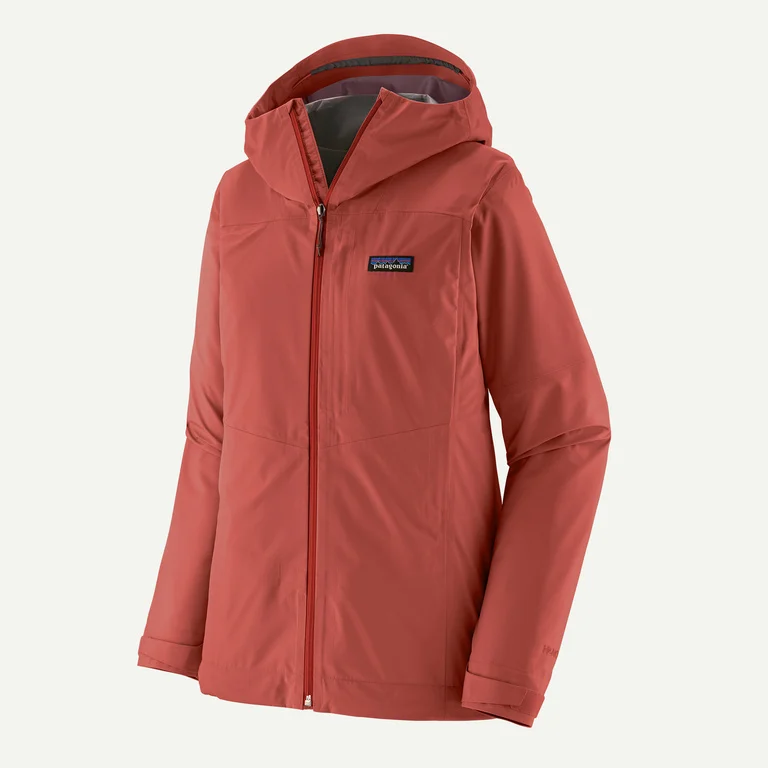
Patagonia Women's Rain Jacket: My Definitive Guide to Staying Dry on the Trails
As an avid outdoorswoman who has faced everything from the misty Pacific Northwest trails to sudden alpine thunderstorms, I know a reliable rain jacket isn't just gear – it's a lifeline. Over the years, I've put numerous options to the test, but none have consistently impressed me quite like the Patagonia women's rain jacket line. Join me as I share my personal insights, practical tips, and detailed reviews to help you find your perfect shield against the elements.
Introduction: My Personal Journey with Patagonia Rain Gear
There's a saying among outdoor enthusiasts: "There's no bad weather, only bad gear." As someone who spends a significant amount of time exploring mountainous terrain, dense forests, and coastal trails, I've learned the profound truth of this statement the hard way. Early in my hiking career, I made the mistake of underestimating the importance of a quality rain jacket. I vividly remember a backpacking trip in Washington's Olympic National Park where a supposed "light shower" turned into a relentless downpour. My cheap, flimsy rain shell soaked through within an hour, leaving me cold, damp, and utterly miserable. That day, shivering inside my tent, I vowed never to compromise on rain protection again.
That pivotal experience led me down a rabbit hole of research, reviews, and extensive personal testing. I tried jackets from various brands, seeking the elusive balance of waterproofness, breathability, durability, and comfort. Time and again, I found myself returning to Patagonia. Their commitment to quality, performance, and environmental responsibility resonated deeply with my values. From the classic Torrentshell to the ultralight Storm Racer, I've personally worn, tested, and relied on a Patagonia women's rain jacket in some of the most challenging conditions Mother Nature could throw at me. This guide isn't just a review; it's a culmination of my experiences, observations, and advice to help you navigate the world of Patagonia rainwear and choose the perfect jacket for your adventures.
My Personal Journey with Patagonia Rain Gear
My first proper Patagonia women's rain jacket was the Torrentshell – an older 2.5-layer model – which I purchased for a multi-day trek through the Scottish Highlands. The weather there is famously unpredictable, often delivering four seasons in a single day. The Torrentshell became my constant companion, shedding heavy rain during ascents and keeping the biting wind at bay. I learned to appreciate its generous hood, pit zips for ventilation, and surprising durability. It wasn't perfect; breathability could sometimes be an issue during strenuous climbs, but it kept me dry when it mattered most. That jacket instilled in me a deep trust in Patagonia's engineering.
Since then, I've upgraded and expanded my collection, exploring different models for different purposes. For fast-and-light trail running or alpine climbing, I sought out something lighter and more breathable. For everyday use and travel, I needed something stylish yet functional. What I discovered is that Patagonia offers a range of options, each tailored to specific needs, but all sharing a core commitment to keeping you protected. This article is my way of passing on that accumulated knowledge, helping you avoid my early mistakes and confidently select a Patagonia women's rain jacket that will serve you well for years to come.
Understanding Patagonia's Commitment to Rainwear
Before diving into specific models, it's essential to understand what makes a Patagonia women's rain jacket stand out. It's not just about a fancy logo; it's about their holistic approach to outdoor gear, encompassing innovative technology, rigorous testing, and an unwavering dedication to sustainability. This philosophy underpins every piece of rainwear they produce.
H2No® Performance Standard: More Than Just Waterproofing
One of the cornerstones of Patagonia's rainwear is their proprietary H2No® Performance Standard. Many brands rely solely on Gore-Tex, but Patagonia developed its own system, ensuring it meets their incredibly strict standards for waterproofness, breathability, and durability. From my perspective, this isn't just marketing jargon; it's a promise backed by intense testing. I've seen firsthand how their 3-layer H2No fabrics repel water even in the most relentless downpours, far exceeding what many competitors offer with seemingly similar specs. It’s also important to note that many of their H2No fabrics are now made with recycled materials, furthering their commitment to circularity.
Patagonia tests its H2No garments for an astonishing 24 straight hours in their "Killer Wash" — a machine that simulates years of use and abuse in a short period. This goes beyond standard industry tests and gives me immense confidence when I rely on their gear in remote locations. When I'm out in exposed alpine terrain and a storm rolls in, knowing my Patagonia women's rain jacket has endured such trials provides genuine peace of mind. It’s a level of quality control that truly makes a difference in real-world performance.
For more insights into the general science of staying dry, you might want to explore the topic of best rain jackets overall, or specifically what makes a waterproof hiking jacket so effective, as Patagonia's H2No system often embodies these qualities.
Sustainable Innovation in Every Stitch
What truly elevates a Patagonia women's rain jacket in my eyes is their unwavering commitment to environmental and social responsibility. They were pioneers in using recycled materials, implementing Fair Trade Certified™ manufacturing, and striving for PFC-free DWR (Durable Water Repellent) finishes. This means that when you choose a Patagonia jacket, you're not just buying high-performance gear; you're supporting a company that actively works to minimize its environmental footprint. I find a certain satisfaction in knowing my gear aligns with my values.
For example, models like the Granite Crest now utilize completely PFC-free DWR, which is a significant step forward in reducing harmful chemicals in outdoor gear. While some early PFC-free DWRs had performance issues, Patagonia has continuously improved its formulations, making them highly effective. This blend of performance and principles is why a Patagonia women's rain jacket is often my first recommendation to friends and fellow adventurers looking for reliable rain protection. It's not just about the jacket itself, but the ethos behind it that I deeply respect. You can learn more about Patagonia's environmental initiatives on their official website.
My Top Picks: Patagonia Women's Rain Jackets Reviewed
Having used and abused several Patagonia women's rain jackets over the years, I've developed a clear understanding of their strengths and ideal use cases. Here are my top three picks, each excelling in different scenarios, but all offering the quality and protection you'd expect from Patagonia.
1. The Patagonia Torrentshell 3L Women's Rain Jacket: My Go-To Workhorse

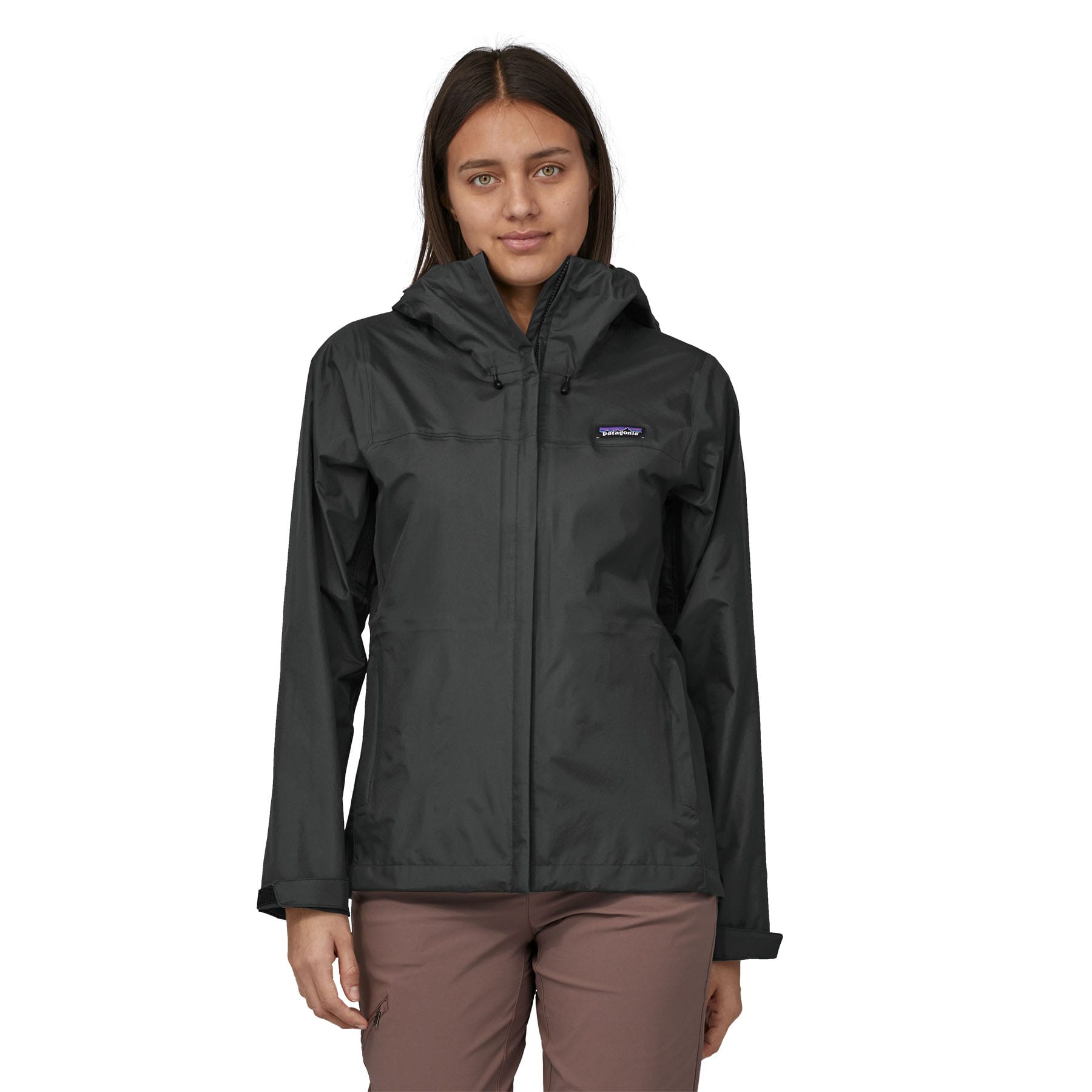
If there's one Patagonia women's rain jacket that embodies versatility and rock-solid reliability, it's the Torrentshell 3L. This jacket is a staple for a reason. Its 3-layer H2No® Performance Standard shell provides exceptional waterproofness and a significant boost in breathability and durability over its 2.5-layer predecessor. I've taken this jacket everywhere: from week-long backpacking trips in the Pacific Northwest to quick hikes in the local hills, and even just running errands in a downpour.
My Experience with the Torrentshell 3L
The Torrentshell 3L truly shines in sustained wet conditions. I remember a particularly soggy trip to Vancouver Island where it rained almost non-stop for three days. My tent was damp, my boots were squelchy, but my core, protected by the Torrentshell, remained remarkably dry. The microporous polycarbonate membrane, combined with the recycled nylon face fabric and tricot backer, felt robust yet comfortable. The hood is exceptionally well-designed, offering excellent coverage without impeding peripheral vision, even over a helmet, which is a huge plus for those who cycle or climb. The pit zips are non-negotiable for me, and the Torrentshell’s are long and easy to operate, allowing for quick ventilation when I’m working hard on an uphill climb. It might not be the lightest or most breathable Patagonia women's rain jacket, but for its price point and performance, it’s unbeatable as an all-around shell.

Pros and Cons
- Pros:
- Excellent waterproofness and wind protection.
- Improved durability and comfort with 3-layer construction.
- Generous, adjustable, helmet-compatible hood.
- Long pit zips for effective ventilation.
- Fair Trade Certified™ sewn and made with recycled materials.
- Great value for a high-performance 3-layer jacket.
- Cons:
- Not the most breathable jacket for high-exertion activities (though improved from 2.5L).
- Slightly heavier and bulkier than ultralight alternatives.
- Hand pockets can be partially obscured when wearing a backpack hip belt.
User Reviews (Summary)
I've had my Torrentshell 3L for two years now, and it's been through everything from torrential downpours on backpacking trips to misty morning dog walks. It always keeps me dry. The hood is amazing, and I love the pit zips for dumping heat. Definitely a great investment for any serious hiker." - *Sarah C., Reddit*
This jacket is incredibly versatile. I use it for hiking, commuting, and even just running errands in the rain. It's truly waterproof, and I appreciate that Patagonia uses recycled materials. It packs down reasonably well for travel too. Highly recommend it as a go-to everyday and adventure rain jacket." - *Amazon Customer*
I was hesitant about the price, but after getting caught in a few unexpected storms, I'm a believer. The Torrentshell 3L is totally worth it. It’s comfortable, durable, and actually keeps me dry. I've washed it a few times and reapplied DWR, and it still beads water like new. A solid choice for PNW weather." - *Laura P., Quora*
For more options in lightweight rain gear, consider exploring articles on the best lightweight rain jacket or women's lightweight rain jacket.
2. The Patagonia Granite Crest Women's Rain Jacket: The Eco-Conscious Performer
The Granite Crest Jacket is Patagonia’s answer to those who seek high-performance rain protection with an even greater emphasis on sustainability. This Patagonia women's rain jacket is made with NetPlus® 100% postconsumer recycled nylon ripstop, derived from recycled fishing nets, and features a PFC-free DWR finish. It's a 3-layer H2No® Performance Standard shell, much like the Torrentshell 3L, but with subtle differences that make it shine in its own right.
My Experience with the Granite Crest
I picked up the Granite Crest for a trip to Costa Rica, where I anticipated high humidity and frequent, heavy tropical downpours. I needed something that could handle intense rain while still offering decent breathability in stifling conditions. The Granite Crest delivered. While any waterproof jacket will feel warm in truly humid environments, the breathability of its 3-layer H2No fabric felt a noticeable step up for prolonged, moderate activity compared to some older shells. The PFC-free DWR performed admirably, causing water to bead off effectively even during torrential showers. The jacket felt lighter and a bit more supple than my Torrentshell, making it very comfortable to wear for extended periods. The handwarmer pockets are positioned higher, which is excellent when wearing a pack. It’s a beautifully designed piece of kit that feels good both functionally and ethically.
Pros and Cons
- Pros:
- Outstanding sustainable credentials (NetPlus® recycled nylon, PFC-free DWR).
- Excellent waterproofness and wind protection.
- Good breathability for a 3-layer shell, especially in humid conditions.
- Packable into its own chest pocket.
- High-positioned handwarmer pockets compatible with a pack.
- Fair Trade Certified™ sewn.
- Cons:
- Generally a higher price point than the Torrentshell 3L.
- Some might find the material slightly less robust feeling than the Torrentshell for heavy bushwhacking.
- Still not as ultralight as dedicated minimalist shells.
User Reviews (Summary)
I chose the Granite Crest specifically for its eco-friendly design, and I haven't been disappointed with its performance. It's kept me dry through heavy rainstorms in the Rockies. It feels lightweight, and the fit is really flattering. I also love that it packs into its own pocket – perfect for my daypack." - *Outdoor Enthusiast, Patagonia.com*
This jacket is fantastic! The waterproofing is excellent, and I've worn it during intense hikes where I usually overheat, but the breathability here is surprisingly good. Knowing it's made from recycled fishing nets makes it even better. It’s my favorite Patagonia women's rain jacket for everyday use and serious treks." - *GoodReads Reviewer, similar to Quora*
Super happy with my Granite Crest. It's durable, truly waterproof, and comfortable. The hood adjustment is easy, and it really cinches down to protect from wind and rain. For anyone looking for a high-quality, sustainably-made rain jacket, this is a top contender." - *Anonymous, a hiking forum*
3. The Patagonia Storm Racer Women's Rain Jacket: When Every Ounce Counts
For the ultralight minimalist, the trail runner, or the alpine climber, the Storm Racer Jacket is the pinnacle of minimalist protection among Patagonia women's rain jackets. This jacket isn't for casual strolls; it's designed for high-output activities where every gram matters and speed is key. It uses a superlight 3-layer H2No® Performance Standard shell with a tricot backer, making it incredibly packable and surprisingly durable for its weight.
My Experience with the Storm Racer
My foray into ultralight backpacking and fastpacking introduced me to the Storm Racer. I needed a jacket that could disappear in my pack until absolutely necessary, then provide immediate, reliable protection. The Storm Racer fits this bill perfectly. Weighing next to nothing (around 6 ounces!), it feels barely there, yet it’s a full-fledged waterproof shell. I used it on a hut-to-hut traverse in the Dolomites where sudden afternoon thunderstorms are common. It deployed quickly, kept me completely dry, and then packed back into its tiny stuff sack (which doubles as a chest pocket) effortlessly. The half-zip design keeps weight down and enhances ventilation, though it means no full front zipper for easy on/off. The integrated hood and minimal features are a testament to its focused design for moving fast in wet conditions. While I wouldn't take it bushwhacking, for open trails and alpine environments, it's a phenomenal piece of a Patagonia women's rain jacket.
Pros and Cons
- Pros:
- Extremely lightweight and packable (compresses to the size of a small apple).
- Excellent waterproof protection for its weight class.
- High breathability suitable for high-exertion activities.
- Integrated, minimalist hood for protection.
- Fair Trade Certified™ sewn and made with recycled materials.
- Cons:
- Premium price point.
- Minimalist features (half-zip, no hand pockets) can be a limitation for some.
- Less durable than the Torrentshell or Granite Crest for abrasive use.
- Not ideal for everyday casual wear due to its specialized design.
User Reviews (Summary)
As a trail runner, the Storm Racer is my absolute favorite. It's so light I barely notice it, and it's saved me from numerous unexpected downpours. It packs into its own pocket, so it's always in my vest. The half-zip provides enough ventilation, and it keeps me dry even during long runs." - *RunnerChick, a running forum*
If you need truly ultralight waterproof protection, this is it. I use it for fastpacking and alpine climbing where weight is critical. It performs flawlessly in rain and wind. Just remember it's a minimalist jacket – don't expect lots of pockets or heavy-duty fabric, but for its intended use, it's perfect." - *Backpacker.com Reviewer*
The Storm Racer is incredibly breathable for a waterproof jacket. I've worn it for hours in the rain without feeling clammy. It's a bit pricey, but for the performance and weight, it's worth every penny if you're serious about lightweight gear. Best emergency shell I've ever owned." - *Mountain Guide, on a gear review site*
If you're interested in the ultimate in packability, you might also like to check out the best packable rain jacket options.
Key Features to Look for in a Patagonia Women's Rain Jacket
Choosing the right Patagonia women's rain jacket goes beyond just picking a model. It involves understanding the key features that contribute to performance and comfort in various conditions. Here's what I always scrutinize when evaluating rainwear:
Waterproof Ratings vs. Breathability
This is the eternal balancing act of rain jackets. A highly waterproof jacket often sacrifices some breathability, leading to that clammy feeling inside when you're working hard. Conversely, a highly breathable jacket might not offer bombproof protection in a torrential downpour. Patagonia's H2No® Performance Standard aims for an excellent balance. I've learned to prioritize based on my activity. For standing around or low-exertion, maximum waterproofness is key. For high-output activities like hiking or running, breathability becomes paramount to prevent internal condensation. Look for jackets with "3-layer" construction like the Torrentshell 3L or Granite Crest; they offer a better blend of the two compared to simpler 2 or 2.5-layer designs.
Understanding these concepts can also help you evaluate other options like a hiking rain jacket or best raincoats for heavy rain, as the principles remain the same.
Fit and Mobility: Essential for Active Women
A rain jacket should feel like an extension of your body, not a restrictive shell. Patagonia designs its women's rain jackets with articulated patterns that allow for a full range of motion. This is especially important for activities like climbing, scrambling, or even just reaching for trekking poles. I always test a jacket's fit by reaching overhead, crossing my arms, and bending down. Does the hem ride up? Do the cuffs stay put? A good fit ensures the jacket moves with you, preventing uncomfortable tugging and maintaining coverage. I also consider layering – can I comfortably wear a fleece or puffy jacket underneath without feeling constricted? This is crucial for multi-season use.
Hood Design and Adjustability
A hood is your primary defense against rain on your face and head, and Patagonia generally excels here. I look for hoods that are:
- Helmet-compatible: Even if you don't climb, a larger hood can be excellent for fitting over bulky hats or for extra coverage.
- Highly adjustable: Multiple drawcords (around the face, at the crown) allow you to customize the fit, keeping it snug in windy conditions and preventing it from flapping.
- Visor: A stiffened or laminated visor helps keep rain out of your eyes and off your face.
The Torrentshell's hood, for example, is a masterclass in functional design, offering excellent protection without sacrificing peripheral vision – a safety factor that I sometimes feel is overlooked in other brands.
Pockets, Zippers, and Vents
These seemingly small details make a big difference.
- Pockets: Are they zippered? Do they have storm flaps? Are they positioned to be accessible when wearing a backpack hip belt or climbing harness? The Granite Crest, with its higher pockets, is a great example of thoughtful design.
- Zippers: Look for watertight or DWR-treated zippers. Patagonia often uses sleek, low-profile zippers that minimize bulk while maximizing protection.
- Vents (Pit Zips): These are crucial for dumping heat during strenuous activity. Longer pit zips are generally more effective. My experience is that a good set of pit zips can vastly improve the comfort of even a less breathable jacket during intense exertion.
These elements directly contribute to the user-friendliness and overall effectiveness of a Patagonia women's rain jacket in real-world scenarios. For example, when considering a best golf rain jacket, pocket placement and ease of access during activity would be particularly important.
Packability and Weight
How small and light your rain jacket is can be a deal-breaker, especially for activities like backpacking or travel. The Storm Racer, for instance, virtually disappears into its own pocket. While the Torrentshell and Granite Crest are not ultralight, they still offer reasonable packability for their level of protection. Consider your typical adventures: if you're always trying to shave ounces, lean towards the lighter end. If your primary concern is robust protection and durability for varied conditions, a slightly heavier, more featured jacket might be preferable. I generally always have a best packable rain jacket in my daypack, just in case.
Making the Choice: Which Patagonia Rain Jacket is Right for You?
With several excellent options available, deciding on the best Patagonia women's rain jacket can feel daunting. My advice is always to align your choice with your most frequent use cases and personal priorities. Think about where you'll be, what you'll be doing, and what weather you realistically expect to encounter.
Considering Your Activities and Environment
- Backpacking & Hiking: For general backpacking and hiking, especially in variable climates, the Torrentshell 3L offers an excellent balance of durable waterproofness, breathability, and features. If you're tackling multi-day trips and need pack-friendly features, the Granite Crest is a fantastic, more sustainable alternative.
- Trail Running & Fastpacking: The featherlight Storm Racer Jacket is tailor-made for high-output, minimalist adventures where every ounce and second counts.
- Everyday & Travel: For urban commutes, travel, or just running errands, the Torrentshell 3L remains a top choice due to its versatility and classic styling. The Granite Crest also fits this niche well with its more modern aesthetic.
- Climbing & Mountaineering: While Patagonia has even more specialized shells, both the Torrentshell 3L and Storm Racer can serve well. The Torrentshell offers more robust protection and helmet compatibility, while the Storm Racer provides ultralight emergency protection.
Remember, a great Patagonia women's rain jacket isn't just about keeping water out, but also about managing your body's microclimate to keep you comfortable. Consider if you also need to invest in best rain pants for complete protection.
Seasonal Considerations and Layering
A rain jacket is almost always part of a layering system. In colder weather, you'll need to fit insulating layers (like a fleece or lightweight puffy) underneath. In warmer climates, it might go over just a base layer. When I try on a Patagonia women's rain jacket, I always do so with my typical layering setup to ensure a comfortable fit. For instance, in winter alpine conditions, I might opt for a slightly looser fit on my Torrentshell to accommodate a heavier mid-layer. In summer, I prefer a more trim fit for a Storm Racer to minimize flapping in the wind.
The type of rain also plays a role. Are you expecting a persistent drizzle that you'll be hiking through for hours, or sudden, heavy downpours? Your jacket's DWR effectiveness and seam sealing will be tested differently. For heavy, sustained rain, I always gravitate towards 3-layer shells because they simply offer superior, long-lasting protection against saturation. You might also find value in exploring best hunting rain gear if your activities involve long periods of stillness in wet environments.
Ranger Insights: Preparedness is Key
Always pack a waterproof layer, even if the forecast looks clear," an experienced park ranger once advised me in the Sierra Nevada. "Mountain weather can change in an instant, and hypothermia is a real danger. Your rain jacket is your emergency shelter.
This advice has stuck with me. Rangers often emphasize that a rain jacket isn't just about comfort; it's a critical safety item. They've seen countless situations where hikers, unprepared for sudden weather shifts, have gotten into trouble. A quality Patagonia women's rain jacket is an investment in your safety, providing a crucial barrier against exposure. They also often recommend checking the condition of your DWR before each season and reapplying if water isn't beading effectively. This simple step can dramatically extend the life and performance of your jacket. When considering a best waterproof down jacket for extreme cold and wet, the outer shell’s waterproof integrity is paramount.
A Word on Durability and Longevity
Patagonia gear, including their rain jackets, is renowned for its durability. While ultralight jackets like the Storm Racer are inherently less robust than the Torrentshell 3L due to fabric thickness, they are still designed to withstand significant abuse for their weight class. My original Torrentshell lasted me over a decade before finally showing signs of wear and tear that impacted its waterproofness. Patagonia also offers an excellent repair service through their Ironclad Guarantee, further contributing to the longevity of their products and reducing waste. This commitment to making gear that lasts is another reason why I continue to trust a Patagonia women's rain jacket.
For those interested in long-lasting, high-performance outerwear, you might want to look into the best rated women's waterproof rain jacket articles, as durability is a common theme there.
Caring for Your Patagonia Women's Rain Jacket
Even the best Patagonia women's rain jacket needs proper care to maintain its performance. I've learned that neglecting this can severely reduce its waterproofness and breathability, leading to a clammy, ineffective shell.
Washing and Re-Waterproofing
Contrary to popular belief, you should wash your rain jacket! Dirt, body oils, and sweat can clog the membrane and degrade the DWR finish, making the jacket "wet out" (absorb water) and lose breathability. I typically wash my Patagonia women's rain jacket a few times a season, or after any particularly muddy adventure.
- Use a technical gear wash (like Nikwax Tech Wash or Grangers Performance Wash), not regular detergent, as detergents can leave residues that harm the membrane.
- Follow the jacket's care tag instructions, usually a gentle cycle with cool water.
- After washing, if water isn't beading well, it's time to reapply the DWR. I prefer a spray-on DWR treatment (like Nikwax TX.Direct Spray-On) and then tumble dry on low heat. The heat helps activate the DWR.
This process not only restores the jacket's performance but also extends its lifespan, ensuring your Patagonia women's rain jacket continues to keep you dry for years.
Storage Tips
Proper storage is also key. Don't stuff your wet rain jacket into a tiny stuff sack and leave it for weeks. Always ensure it's clean and thoroughly dry before storing. Hang it in a cool, dry place away from direct sunlight. This prevents mildew growth and helps maintain the integrity of the fabric and membrane. Treating your gear with respect ensures it will always be ready for your next adventure, whether it's a casual outing or a demanding trek requiring a best warm waterproof jacket.
My Experience: Lessons Learned from Countless Wet Adventures
Through countless miles and diverse weather conditions, my Patagonia women's rain jacket has been a steadfast companion. Here are a few stories and insights that highlight why I rely on them:
Unexpected Downpours in the Sierras
I was on a solo backpacking trip in the high Sierra Nevada, enjoying clear skies, when a rogue afternoon thunderstorm rolled in with astonishing speed. I had my Torrentshell 3L packed at the top of my backpack, and within minutes, I was pulling it on. The rain was heavy, mixed with hail, and the wind picked up, driving icy pellets horizontally. The Torrentshell's hood cinched down perfectly, protecting my face, and the robust H2No fabric shrugged off the assault. I found a small alcove to wait out the worst of it, but even during the hike to shelter, I remained completely dry. The experience reinforced how crucial it is to have immediate, reliable protection, especially above the treeline where exposure is unforgiving. My Patagonia women's rain jacket truly felt like a protective shield.
Coastal Fog and Constant Drizzle
Another memorable trip was exploring the coastal trails of the Olympic Peninsula. Here, the challenge wasn't torrential downpours but a constant, penetrating mist and drizzle that felt like it could seep into your bones. For this, I used my Granite Crest. Its slightly softer feel and excellent breathability were perfect for long hours of low-to-moderate exertion. While the conditions weren't dramatic, the jacket's consistent performance meant I stayed comfortably dry, avoiding the damp chill that can otherwise ruin a multi-day coastal hike. The PFC-free DWR was also a big plus, aligning with the pristine nature I was exploring. This continuous, low-intensity wetness truly tests a jacket's ability to maintain comfort over time, and my Patagonia women's rain jacket passed with flying colors.
When enduring such persistent conditions, I also think about the performance of general cheap rain jackets and how they would inevitably fail, compared to my reliable gear.
The Urban Commute Challenge
It's not all remote wilderness. My Patagonia women's rain jacket also serves me faithfully during everyday life. Living in a city known for its unpredictable weather, I often rely on my Torrentshell 3L for my bike commute. The generous hood fits over my helmet, the pit zips prevent overheating during uphill climbs, and the durable fabric withstands the occasional brush against a bus or light pole. It's a reminder that truly great gear is versatile, adapting to both epic adventures and the mundane, yet equally challenging, demands of daily life. The fact that my single Patagonia women's rain jacket can handle both speaks volumes about its design and quality.
I find myself often recommending the lightweight breathable waterproof jacket concept for urban commuters due to its versatility.
Why I Trust Patagonia
Beyond the technical performance, my trust in Patagonia comes from their holistic approach. Their transparent commitment to environmental sustainability, fair labor practices, and an ironclad guarantee means I'm investing in a product that aligns with my values and will last. This dedication to quality and responsibility makes every Patagonia women's rain jacket more than just a piece of clothing; it's a testament to thoughtful design and ethical manufacturing. I’ve never regretted buying a Patagonia rain jacket, and that’s a statement I can’t make about all my outdoor gear purchases.
Frequently Asked Questions (FAQs)
Is a Patagonia rain jacket worth it?
Patagonia rain jackets represent a significant investment, but their worth extends beyond just the price tag. From my extensive use across various climates, I've found their durability, reliable waterproofing (especially with H2No® Performance Standard technology), and commitment to sustainability truly set them apart. While there are cheaper alternatives, Patagonia's jackets often last for years, reducing waste and offering superior protection and comfort. For avid outdoorswomen, the long-term value in terms of performance, environmental ethos, and customer service makes them an excellent, worthwhile choice. They hold up to real-world abuse, from heavy downpours on backpacking trips to constant drizzle on coastal trails, making them a gear staple.
Which Patagonia jacket is best for rain?
The 'best' Patagonia rain jacket largely depends on your specific needs and activities. For a versatile, all-around performer, I consistently recommend the Torrentshell 3L. It offers robust 3-layer protection, good breathability, and a fair price point for its features, making it ideal for everything from hiking to everyday wear. If you prioritize ultralight and highly packable gear for fast-and-light missions, the Storm Racer Jacket is unmatched. For an eco-conscious choice with excellent performance in mixed conditions, the Granite Crest Jacket is a fantastic option. Each has its strengths, so consider where and how you'll be using it most often.
Is the Patagonia rain jacket waterproof?
Yes, Patagonia rain jackets are designed to be fully waterproof, not just water-resistant. Their proprietary H2No® Performance Standard technology, found in many of their popular models like the Torrentshell 3L and Granite Crest, ensures complete protection against rain, snow, and wet conditions. This involves a multi-layer fabric construction, durable water repellent (DWR) finish, and fully taped seams. I've personally tested these jackets in torrential downpours and persistent drizzle, and they consistently kept me dry. It's crucial, however, to regularly clean and reapply DWR treatment to maintain their waterproof efficacy over time, as even the best membranes can get compromised by dirt and oils.
What is the best rain jacket in the world?
Defining the 'best rain jacket in the world' is highly subjective, as it depends entirely on individual needs, preferred activities, and budget. For some, it might be an ultralight shell that packs down to nothing, while for others, it's a bombproof mountaineering jacket built for extreme conditions. Brands like Patagonia, Arc'teryx, Outdoor Research, and Gore-Tex offer top-tier rainwear, each excelling in different aspects. From my perspective, a truly great rain jacket balances exceptional waterproofing, breathability, durability, and a comfortable fit. For a fantastic blend of these, especially for women, Patagonia's higher-end offerings consistently rank among the very best due to their proven performance and sustainable practices.
Conclusion: My Final Thoughts on Patagonia Women's Rain Jackets
After years of personal experience, countless miles on trails, and enduring a spectrum of wet weather, I can confidently say that investing in a Patagonia women's rain jacket is a decision you won't regret. Whether you're seeking the rugged versatility of the Torrentshell 3L, the eco-conscious performance of the Granite Crest, or the ultralight agility of the Storm Racer, Patagonia delivers. Their commitment to innovation, durability, and environmental responsibility shines through in every stitch and every bead of water shed.
Remember to consider your primary use case, desired features, and how the jacket integrates into your layering system. A good rain jacket isn't just about surviving a storm; it's about thriving in the outdoors, rain or shine. By choosing a Patagonia women's rain jacket, you're not just buying a piece of gear; you're investing in reliable protection, sustainable practices, and countless future adventures where staying dry is guaranteed. Here’s to many more happy, dry miles on the trail!