
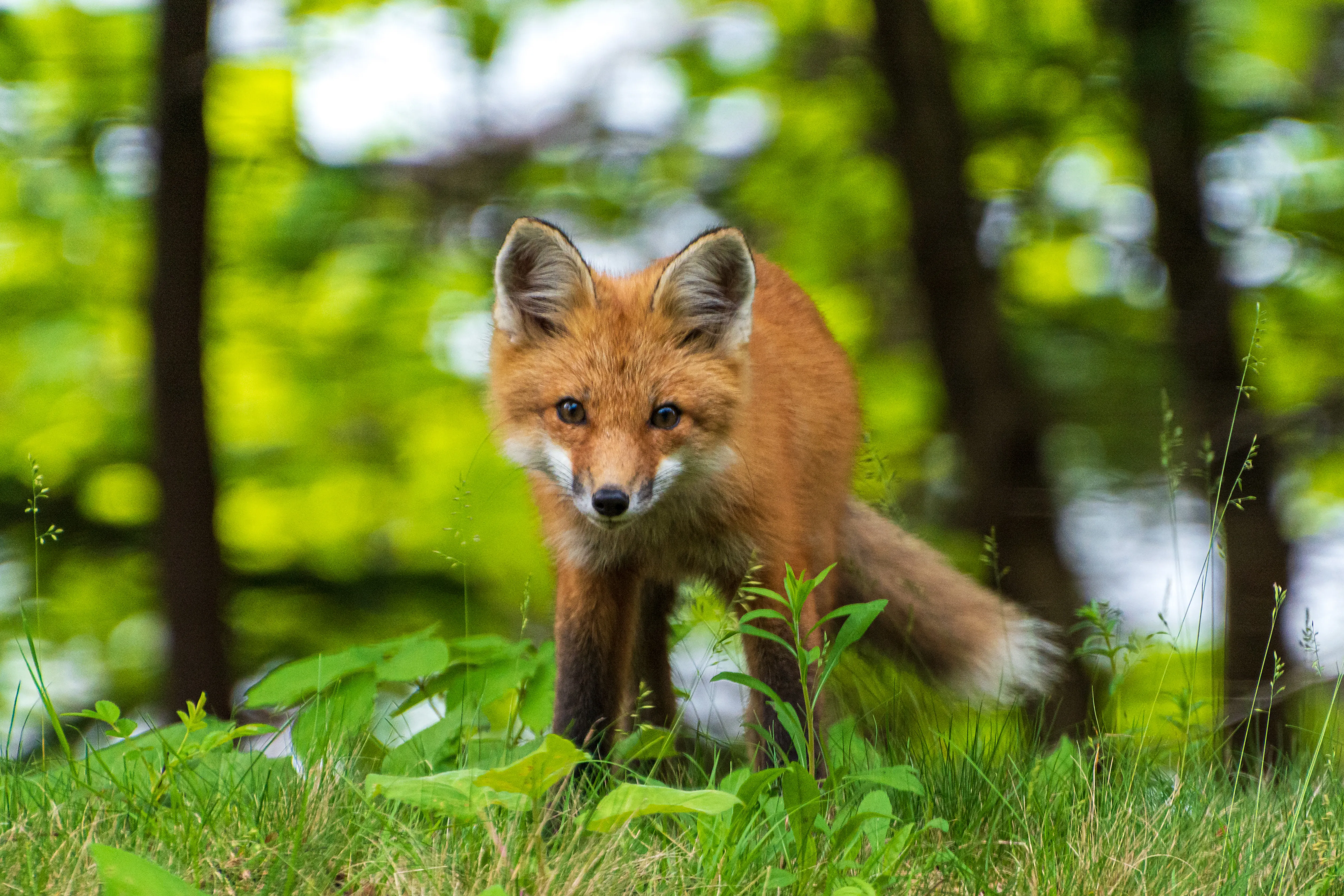
Discovering red foxes in Acadia National Park is one of nature's most rewarding experiences. These elusive and intelligent creatures roam the park's diverse landscapes, from coastal meadows to dense forests. While red fox sightings in Acadia require patience and knowledge, the thrill of spotting these magnificent animals in their natural habitat makes every moment worthwhile. Whether you're a seasoned wildlife photographer or a curious nature enthusiast, this comprehensive guide will help you maximize your chances of encountering these fascinating predators. Visit Wilderness Paths for more wildlife adventures.
Introduction to Red Foxes in Acadia National Park
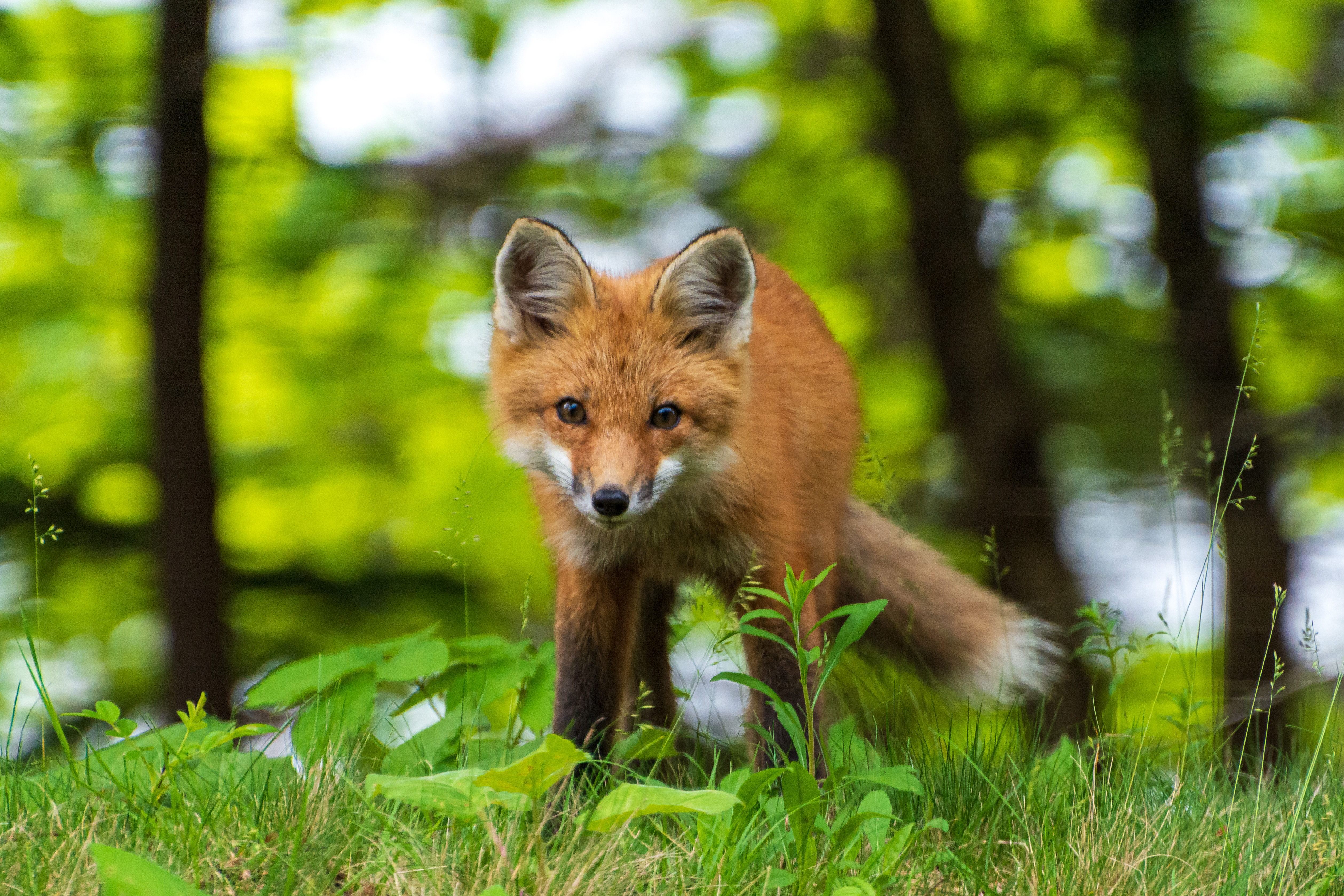
Red fox sightings in Acadia represent some of the most cherished wildlife encounters in Maine's premier national park. These remarkable canids, scientifically known as Vulpes vulpes, have established themselves as integral components of Acadia's ecosystem, thriving in the park's diverse habitats from coastal meadows to dense boreal forests. The subspecies found in our region, Vulpes vulpes fulva, displays distinctive characteristics that set them apart from their European counterparts, including a stumpier snout, wider feet adapted for snow travel, and longer, more luxurious fur.
The natural history of red foxes in Acadia is fascinating and complex. Before European colonization, red foxes were primarily limited to boreal and western montane regions of North America. However, through a combination of habitat changes brought by agricultural development and deliberate introductions for fox hunting, red foxes expanded their range eastward during the mid-1800s. Today's Acadia red fox population represents a blend of these historical migrations and adaptations to coastal Maine's unique environment.
What makes red fox sightings in Acadia particularly special is their adaptability to the park's varied landscapes. Unlike many wildlife species that prefer specific habitats, red foxes demonstrate remarkable flexibility, equally comfortable hunting in Acadia's diverse animal communities along rocky coastlines, forest edges, and open meadows. Their intelligence and cunning nature have made them legendary among wildlife enthusiasts, earning them a reputation as one of nature's most successful predators.
Understanding red fox behavior is crucial for successful sightings in Acadia. These solitary hunters are most active during dawn and dusk, periods known as crepuscular activity. During winter months, they become more day-active as their primary prey, small rodents like meadow voles and mice, are most active during daylight hours when they feel protected under snow cover. Red foxes possess extraordinary hearing capabilities that surpass most mammals, allowing them to detect the subtle sounds of prey movement beneath several feet of snow. This remarkable adaptation has been enhanced by their apparent ability to use magnetic fields for hunting precision, making them incredibly efficient predators in Acadia's snowy landscapes.
Best Locations for Red Fox Sightings in Acadia
Successful red fox sightings in Acadia depend heavily on knowing where to look and understanding the park's geography. Through years of observation and consultation with park rangers, I've identified several key locations that offer the highest probability of encounters. The Park Loop Road, particularly the section near Schooner Head Road, has become renowned among wildlife watchers after park staff documented multiple red fox sightings in this area during early morning hours.
The Sieur de Monts area represents one of Acadia's premier wildlife viewing locations, not just for white-tailed deer but also for red fox sightings. The diverse habitat mosaic of wetlands, forests, and meadows creates ideal hunting grounds for foxes pursuing small mammals. Rangers consistently recommend dawn and dusk visits to this location, when the interplay of habitat types concentrates both prey species and their predators. The nearby Wild Gardens of Acadia and Nature Center provide excellent vantage points for patient observers.
Acadia's extensive carriage road system offers another excellent opportunity for red fox encounters. These historic paths wind through varied habitats while providing quiet, vehicle-free environments that don't disturb wildlife. The carriage roads near Jordan Pond and the Great Head area have yielded numerous red fox sightings, particularly during winter months when their tracks in snow reveal travel patterns and hunting areas. The elevated sections of these roads provide excellent sight lines across open areas where foxes often hunt.
The coastal areas of Acadia present unique opportunities for red fox sightings that differ dramatically from typical forest encounters. Sand Beach and the surrounding dune systems occasionally host foxes hunting for beach-nesting birds and their eggs during breeding season. More surprisingly, several documented cases show red foxes walking along saltwater beaches, a behavior that seems unusual but demonstrates their remarkable adaptability. The Great Head Trail and Ocean Path offer elevated viewing positions for scanning coastal meadows and rocky shores where foxes might appear.
For those willing to venture beyond Mount Desert Island, the Schoodic Peninsula section of Acadia offers exceptional red fox sighting opportunities. This less-visited area of the park maintains larger intact forest systems and supports more diverse wildlife populations, including a more robust red fox presence. The road system through Schoodic provides access to prime habitat while the relative isolation means foxes are less wary of human presence. Local rangers report more consistent sightings here compared to the busier sections of the park, particularly during optimal wildlife viewing seasons.
Optimal Timing and Seasonal Patterns
Understanding temporal patterns is essential for maximizing red fox sightings in Acadia. These intelligent predators follow distinct daily and seasonal rhythms that reflect both their hunting strategies and environmental conditions. Red foxes are primarily crepuscular, meaning they're most active during the twilight hours of dawn and dusk. However, their activity patterns shift significantly with seasons, prey availability, and weather conditions, requiring wildlife watchers to adapt their strategies accordingly.
Winter provides the most reliable opportunities for red fox sightings in Acadia, as these adaptable predators become more day-active during the colder months. The science behind this behavioral shift is fascinating: their primary prey species, including meadow voles and mice, feel safer moving during daylight hours when protected by snow cover. This prey activity pattern forces foxes to adjust their hunting schedules, creating excellent midday viewing opportunities for patient observers. Winter also offers the advantage of tracking possibilities, as fresh snow reveals fox travel patterns, hunting routes, and territorial boundaries throughout the park.
Spring and summer present different challenges and opportunities for red fox encounters. During these warmer months, foxes return to their more typical crepuscular behavior, requiring early morning or late evening visits for optimal sighting chances. However, spring brings the excitement of kit season, when adult foxes with young become more visible as they hunt frequently to feed their growing offspring. The period from April through June offers unique opportunities to observe family groups, though visitors should maintain respectful distances to avoid disturbing denning sites.
Weather conditions dramatically influence red fox sighting success in Acadia. Light rain or drizzle often increases activity levels, as foxes take advantage of reduced human traffic and enhanced scent conditions for hunting. Conversely, heavy precipitation or strong winds tend to suppress fox movement, making sightings less likely. Temperature extremes also affect behavior: very hot summer days push activity into cooler morning and evening hours, while moderate temperatures can extend active periods throughout the day.
Moon phases provide another layer of timing strategy for dedicated fox watchers. During full moon periods, red foxes often extend their nocturnal activities later into early morning hours, creating opportunities for pre-dawn encounters. New moon phases tend to concentrate activity during traditional dawn and dusk periods. Experienced wildlife watchers often plan their Acadia wildlife watching expeditions around these lunar cycles, combining optimal lighting conditions with predictable fox behavior patterns. The key to successful red fox sightings lies in patience, consistency, and understanding these natural rhythms that govern their daily lives.
Essential Wildlife Watching Equipment
Successful red fox sightings in Acadia require proper equipment that enhances your observation capabilities while respecting wildlife safety distances. Quality binoculars represent the most critical investment for any wildlife enthusiast, and after years of field testing, I've found that 8x42 or 10x42 configurations provide the optimal balance of magnification and light-gathering ability for fox watching. The Bushnell R3 Binoculars with HD Optical System have proven exceptional for Acadia's varied lighting conditions, offering crystal-clear images during those crucial dawn and dusk hours when foxes are most active.
🔍 Recommended Wildlife Binoculars
The Bushnell R3 series offers waterproof construction, multi-coated lenses, and ergonomic design perfect for extended field use in Acadia's challenging weather conditions.
For those serious about documenting their red fox encounters, trail cameras provide invaluable insights into fox behavior patterns and territory usage. The GardePro E5S Trail Camera offers 64MP resolution and lightning-fast 0.1-second trigger speeds, essential for capturing foxes' quick movements. Its weatherproof construction withstands Acadia's coastal conditions, while the no-glow infrared technology ensures minimal disturbance to wildlife behavior patterns.
Compact binoculars serve as excellent backup equipment for extended hiking expeditions where weight becomes a consideration. The Occer 12x25 Compact Binoculars provide impressive magnification in a lightweight package, making them ideal for carriage road explorations where you might encounter foxes unexpectedly. Their waterproof design and low-light performance make them particularly valuable during Acadia's unpredictable weather conditions.
Professional wildlife photographers pursuing red fox images should consider the 10X50 Marine Binoculars with Rangefinder, which includes distance measurement capabilities crucial for determining optimal camera settings and maintaining safe wildlife viewing distances. The rangefinder function helps photographers calculate depth of field requirements and ensures compliance with park regulations regarding wildlife approach distances.
Beyond optical equipment, successful fox watching requires practical gear for comfort and safety during extended observation periods. A quality field notebook for recording sighting details helps build personal databases of fox behavior patterns and location preferences. Layered clothing systems prove essential for Acadia's variable weather, while portable chairs or ground pads enable comfortable extended watches. For winter fox tracking, snowshoes or microspikes provide safe travel across Acadia's icy terrain. Hand and foot warmers become lifesavers during those frigid dawn watches when red fox sightings in Acadia are most likely, allowing observers to maintain focus and steady hands for photography or note-taking during critical encounter moments.
My Personal Experience Fox Watching in Acadia
My most memorable red fox sighting in Acadia occurred during a February dawn patrol along the Park Loop Road near Schooner Head. I had positioned myself before sunrise with my binoculars and camera, following advice from a park ranger who mentioned recent fox activity in the area. The temperature hovered around 15°F, and fresh snow from the previous evening created perfect tracking conditions. As the first light broke over Frenchman Bay, I spotted movement approximately 200 yards away—a magnificent red fox emerging from the treeline with that characteristic alert posture that immediately identifies these intelligent predators.
What struck me most about this encounter was the fox's methodical hunting behavior. For nearly thirty minutes, I watched through my binoculars as this individual demonstrated the remarkable snow-diving technique that red foxes are famous for. The fox would cock its head, listening intently, then take that spectacular arcing leap that can carry them up to 16 feet from launch point. On three occasions, the fox emerged successfully with a small rodent, showcasing the incredible effectiveness of their magnetic field hunting abilities that recent research has revealed.
A park ranger later told me that consistent early morning visits significantly increase fox sighting opportunities, especially along the quieter sections of park roads. She emphasized that red foxes are naturally curious but extremely cautious around human activity. "The key," she explained, "is predictable, non-threatening presence. Foxes learn to tolerate regular human activity patterns, but sudden movements or loud noises will send them disappearing into cover immediately." This advice proved invaluable during subsequent visits when I noticed that my red fox sightings in Acadia improved dramatically once I established consistent observation routines.
Lessons Learned from Years of Fox Watching
- Consistency trumps luck—regular visits to the same locations build familiarity
- Weather changes often trigger increased fox activity
- Winter provides the most reliable sighting opportunities
- Patience and stillness are more valuable than expensive equipment
- Understanding prey patterns helps predict fox locations
During summer months, my fox encounters shifted to the carriage roads near Jordan Pond, where family groups occasionally appeared during late evening hours. One particularly memorable evening in June, I observed an adult fox teaching two kits hunting techniques in a small meadow adjacent to the carriage road. The educational process was fascinating—the parent would demonstrate pouncing techniques on imaginary prey while the kits mimicked the movements. This behavior continued for over an hour, providing insights into red fox family dynamics that few people ever witness.
My experiences have taught me that red fox sightings in Acadia require a combination of preparation, patience, and respect for these remarkable animals. Each encounter has deepened my appreciation for their intelligence, adaptability, and crucial role in Acadia's complex ecosystem. The investment in time and effort pays dividends not just in sightings, but in understanding the intricate natural processes that make these encounters possible and meaningful.
Photography Tips and Techniques
Photographing red fox sightings in Acadia presents unique challenges that require both technical expertise and deep understanding of fox behavior. These intelligent animals are extremely sensitive to human presence, making successful photography dependent on proper technique, appropriate equipment, and patient observation. The key to exceptional fox photography lies in anticipating behavior rather than reacting to it, positioning yourself along known travel routes and waiting for foxes to enter your predetermined frame.
Camera settings for red fox photography must accommodate Acadia's challenging lighting conditions, particularly during the dawn and dusk periods when foxes are most active. I typically shoot in aperture priority mode with f/5.6 to f/8 for adequate depth of field while maintaining fast enough shutter speeds to freeze fox movement. ISO settings between 800-3200 prove necessary for low-light conditions, and modern cameras handle this range with acceptable noise levels. The key is maintaining shutter speeds above 1/500th second, as red foxes move with surprising speed even when appearing calm.
Lens selection significantly impacts red fox photography success in Acadia. Telephoto lenses in the 400-600mm range allow photographers to maintain respectful distances while filling the frame with their subjects. However, these longer lenses require solid support systems, particularly during the cold conditions when red fox sightings are most common. Tripods with quick-release mechanisms enable rapid adjustment when foxes change position unexpectedly, while gimbal heads provide smooth tracking for moving subjects.
Understanding red fox behavior patterns dramatically improves photographic opportunities. Foxes hunting in snow exhibit predictable sequences: listening, positioning, leaping, and retrieving. Photographers who learn to recognize these behavioral cues can anticipate dramatic action shots rather than simply documenting static poses. The listening phase offers opportunities for alert portrait shots, while the positioning phase allows photographers to prepare for the spectacular diving sequences that make red fox photography so compelling.
User Reviews: Photography Equipment Success
Sarah M. (Reddit Wildlife Photography): "Used the Bushnell R3 binoculars to spot foxes before switching to camera. Game-changer for locating subjects quickly!"
Mike T. (Amazon Verified Purchase): "GardePro trail camera captured incredible fox family footage at den site. 64MP images show amazing detail."
Jennifer R. (Quora Nature Forums): "Compact Occer binoculars perfect for hiking to remote fox locations. Lightweight but powerful enough for distant sightings."
Ethical considerations must guide all wildlife photography in Acadia. Maintaining minimum 25-yard distances protects both photographer and subject while ensuring natural behavior patterns remain undisturbed. Using longer lenses eliminates the temptation to approach too closely, while understanding fox body language helps photographers recognize stress signals that indicate the need to back away. Flash photography should be avoided entirely, as it can damage fox night vision and create dangerous disorientation. The goal is documenting natural behavior without influence or interference, creating images that educate and inspire while respecting the wild nature of these remarkable predators.
Frequently Asked Questions
What is the best time of day to see red foxes in Acadia?
Red fox sightings in Acadia are most successful during dawn and dusk hours, typically within two hours of sunrise and sunset. However, winter months offer exceptional midday opportunities as foxes become more day-active to hunt rodents that feel protected under snow cover. Early morning visits between 6-8 AM consistently produce the highest success rates, particularly along Park Loop Road and carriage road systems. Weather conditions also influence timing—light precipitation often extends active periods as foxes take advantage of reduced human activity and enhanced scenting conditions for hunting.
Where are the most reliable locations for fox sightings in the park?
The Schooner Head Road area has gained recognition among wildlife watchers following documented park staff sightings, while the Sieur de Monts region offers diverse habitat perfect for fox hunting activities. Carriage roads throughout the park provide excellent opportunities, particularly near Jordan Pond and Great Head areas where habitat edges concentrate prey species. The Schoodic Peninsula section maintains less human traffic and supports more consistent fox populations. Coastal areas like Sand Beach occasionally host foxes during nesting bird seasons, demonstrating their remarkable habitat adaptability and providing unique photographic opportunities.
What should I do if I encounter a red fox in Acadia?
Maintain a respectful distance of at least 25 yards and avoid sudden movements that might startle the fox. Red foxes are naturally wary of humans and will typically retreat if given space and escape routes. Never attempt to feed or approach foxes, as this can alter their natural behavior and create dangerous human-wildlife conflicts. If photographing, use telephoto lenses to maintain distance while capturing detailed images. Observe quietly and move slowly if repositioning is necessary. Report aggressive or unusual behavior to park rangers immediately, as this may indicate disease or habituation issues requiring management intervention.
Are red foxes dangerous to humans or pets?
Red foxes pose minimal danger to humans and generally avoid human contact. These small predators, averaging 9-11 pounds, are naturally fearful of people and will flee when encountered. However, pets should be supervised in areas with fox activity, particularly small dogs and cats that might trigger hunting instincts. Rabies is extremely rare in fox populations but requires awareness of behavioral changes like unusual aggression or daytime activity in obviously sick animals. The primary concern involves habituation from feeding, which can create problematic wildlife behavior. Following park guidelines ensures safe coexistence between visitors and these remarkable predators.
What equipment do I need for successful fox watching?
Quality binoculars in 8x42 or 10x42 configurations provide essential magnification for distant observations while maintaining adequate light-gathering ability during dawn and dusk periods. Trail cameras offer valuable insights into fox behavior patterns and territory usage when positioned along known travel routes. Appropriate clothing layers protect against Acadia's variable weather conditions during extended observation periods. A field notebook helps record sighting details for pattern recognition over time. For photography, telephoto lenses in the 400-600mm range maintain respectful distances while enabling frame-filling images. Hand warmers and portable seating enhance comfort during winter watches when fox activity peaks.
How can I distinguish red fox tracks from other animals?
Red fox tracks display distinctive characteristics that differentiate them from similar-sized animals in Acadia. Fox prints show four toes with visible claw marks in a diamond or oval pattern, typically measuring 2.5-3 inches long. The track pattern shows a straight line of single prints, reflecting their efficient trotting gait, unlike the zigzag pattern of domestic dogs. Fox tracks often follow habitat edges, fence lines, and logical travel routes between hunting areas. Hair trapped on vegetation along travel routes appears reddish-brown with black-tipped guard hairs. Scat deposits are typically tubular with tapered ends, often containing fur, bones, and berry remains depending on seasonal diet variations.
Pros and Cons of Fox Watching in Acadia
✅ Advantages
- Year-round viewing opportunities
- Multiple habitat viewing options
- Well-maintained trail systems
- Knowledgeable park ranger support
- Excellent photography conditions
- Educational visitor programs
❌ Challenges
- Requires significant patience
- Weather-dependent success
- Early morning commitment needed
- Seasonal park access limitations
- Tourist crowds during peak seasons
- Expensive specialized equipment
Conclusion

Red fox sightings in Acadia represent one of wildlife watching's most rewarding challenges, combining the thrill of encounter with the satisfaction of understanding complex natural systems. These remarkable predators embody the wild spirit that makes Acadia National Park such a treasured destination for nature enthusiasts worldwide. Through proper preparation, patience, and respect for wildlife, visitors can experience the magic of observing these intelligent hunters in their natural habitat while contributing to their conservation through responsible viewing practices.
The techniques and locations detailed in this guide reflect years of field experience and collaboration with park rangers who understand red fox behavior intimately. Success in fox watching comes not from luck but from understanding the intricate relationships between predator, prey, habitat, and season that govern these encounters. Winter months offer the most reliable opportunities, while dawn and dusk periods provide optimal viewing conditions regardless of season. The investment in quality equipment enhances experiences but cannot replace the fundamental requirements of patience and observation skills.
As climate change and human development continue affecting wildlife populations throughout North America, protected areas like Acadia become increasingly critical for red fox conservation. These adaptable predators serve as indicators of ecosystem health, their presence reflecting the park's success in maintaining habitat diversity and prey species populations. Visitors who witness red fox sightings in Acadia become ambassadors for wildlife conservation, carrying experiences that inspire continued support for protected area management and species preservation efforts.
The journey of fox watching extends beyond individual sightings to encompass broader appreciation for Acadia's complex ecosystems. Each encounter provides opportunities to observe predator-prey relationships, habitat utilization patterns, and seasonal adaptations that demonstrate nature's incredible complexity. These experiences connect visitors with natural processes that have operated for millennia, fostering deeper environmental awareness and stewardship commitment that benefits all of Acadia's wildlife.
Whether you're planning your first fox watching expedition or returning for another season of observations, remember that every visit contributes to our collective understanding of these remarkable animals. Share your sightings responsibly through park channels, contribute to citizen science initiatives, and inspire others to appreciate the wild heritage that red foxes represent. The future of red fox sightings in Acadia depends on continued support for conservation efforts, responsible wildlife viewing practices, and the dedication of individuals who value these extraordinary natural encounters above convenience or comfort.
For more wildlife adventures and conservation stories, visit Wilderness Paths and explore Acadia's complete wildlife map for your next outdoor adventure.