
Rules for Biking in Acadia Carriage Roads: Your Complete Guide to Safe Cycling
Discover the essential rules for biking in Acadia carriage roads with this comprehensive guide. From understanding right-of-way regulations to mastering trail etiquette, I'll share everything you need to know for a safe and enjoyable cycling experience in Maine's crown jewel. Visit our homepage for more outdoor adventure guides.
Understanding Acadia's Carriage Road System
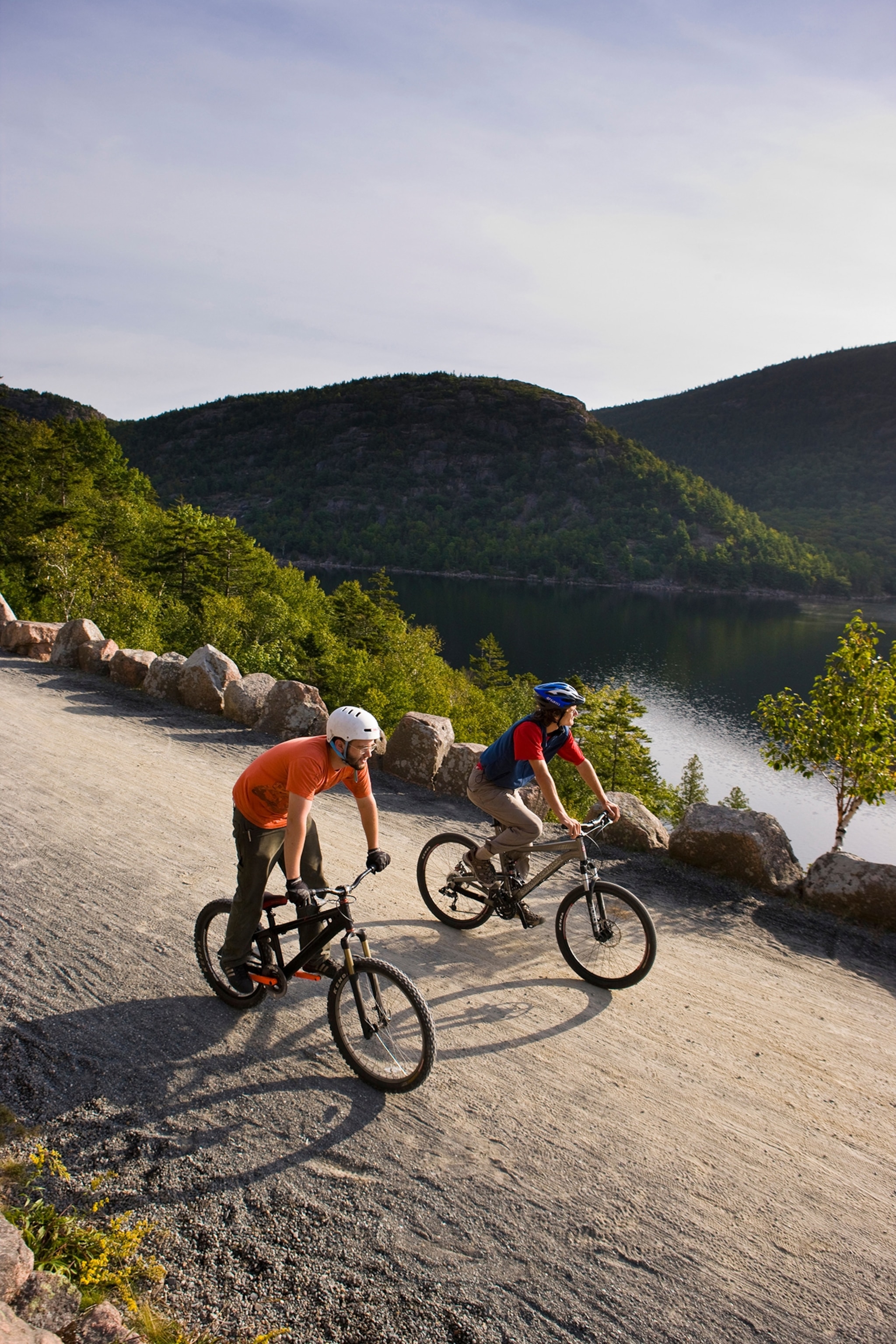
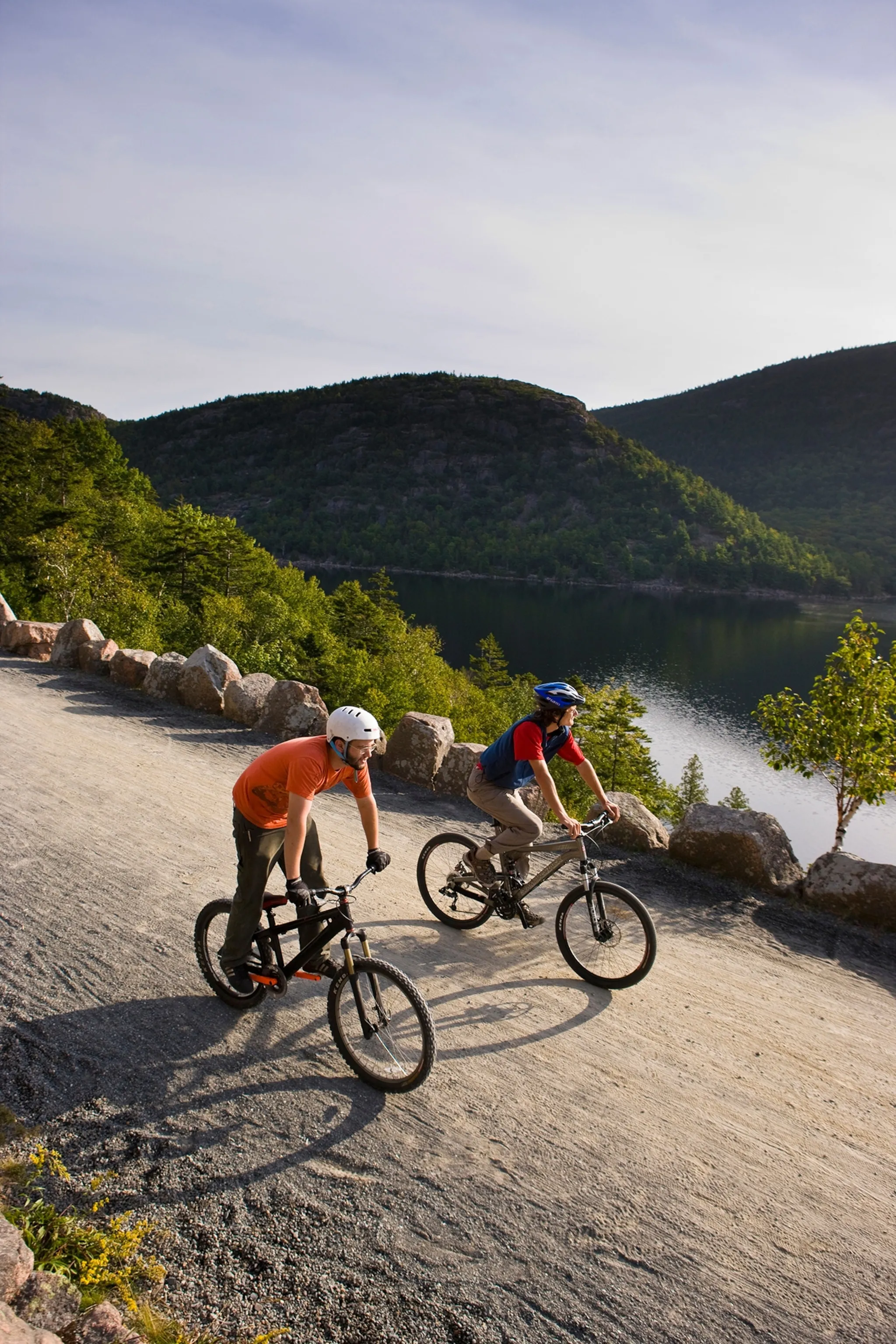
When I first discovered the rules for biking in Acadia carriage roads, I was amazed by the rich history and thoughtful design of this incredible system. Created by philanthropist John D. Rockefeller Jr. between 1913 and 1940, these 45 miles of motor-free roads were specifically designed to provide peaceful access to Acadia's interior without the noise and pollution of automobiles.
The carriage road system represents one of America's most successful examples of sustainable recreation infrastructure. These 16-foot-wide crushed stone paths wind through mountains, valleys, and around pristine ponds, connecting visitors to 17 unique stone-faced bridges that are architectural marvels in their own right. Understanding the rules for biking in Acadia carriage roads begins with appreciating this historical context and the vision behind their creation.
What makes these roads particularly special for cyclists is their multi-use design. Unlike many modern bike paths, the carriage roads accommodate pedestrians, cyclists, horses, and horse-drawn carriages simultaneously. This shared-use philosophy requires a comprehensive understanding of etiquette and regulations that I've learned through countless visits and conversations with park rangers.
The road surfaces consist of carefully maintained crushed stone that provides excellent traction for bicycles while remaining comfortable for walking and suitable for horses. The gentle grades rarely exceed 5%, making them accessible to cyclists of all skill levels. However, don't let the word "gentle" fool you – some sections, particularly around Eagle Lake and the Around the Mountain Loop, offer challenging climbs that will test your endurance.
For those planning their first visit, I always recommend starting with the best bike rental shops in Bar Harbor to ensure you have proper equipment. The unique requirements of carriage road cycling – from tire width to braking systems – make equipment selection crucial for both safety and enjoyment.
Essential Rules and Regulations for Cyclists
Critical Safety Rule
All cyclists must yield to horses and pedestrians. Horses have absolute right-of-way, and sudden bicycle movements can spook them, creating dangerous situations.
After years of cycling these historic roads and speaking with park rangers, I've compiled the most comprehensive guide to the rules for biking in Acadia carriage roads. These regulations aren't just bureaucratic requirements – they're essential safety measures that protect all users and preserve the park's natural resources.
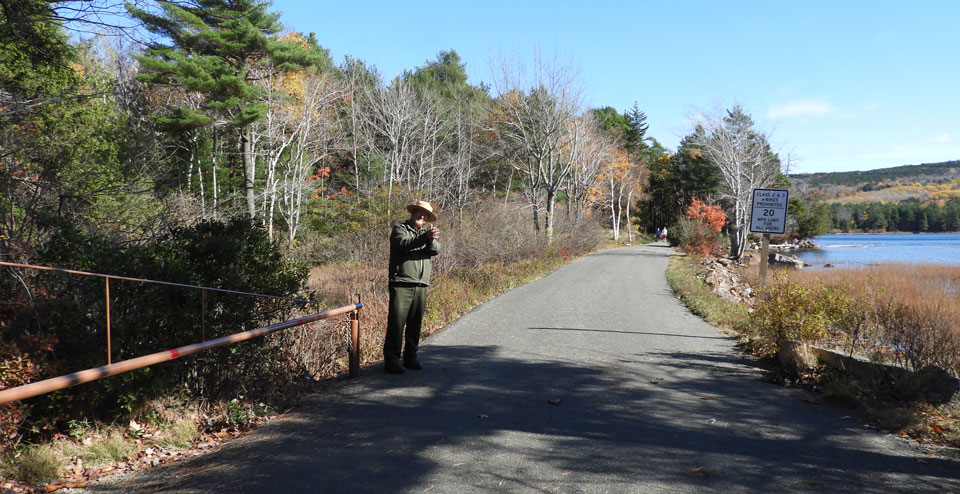
Speed Limitations: The maximum speed limit for bicycles on carriage roads is 20 mph. This isn't just a suggestion; it's a strictly enforced regulation. During my early visits, I learned that maintaining moderate speeds allows for better control on the loose gravel surface and provides adequate reaction time when encountering horses or pedestrians around blind corners.
E-bike Regulations: Only Class 1 e-bikes are permitted on the carriage roads. These are pedal-assist bikes that stop providing assistance at 20 mph. Class 2 (throttle-controlled) and Class 3 (assist up to 28 mph) e-bikes are prohibited. I've seen enforcement rangers checking e-bike classifications, so ensure your equipment complies before entering the park.
Right-of-Way Hierarchy: The established order is clear: horses have absolute priority, followed by pedestrians, then cyclists. When encountering horses, stop your bike, move to the downhill side of the road if possible, and speak calmly to let the horse know you're there. Never make sudden movements or loud noises that might spook the animals.
Prohibited Areas: Bicycles are not allowed on hiking trails or privately-owned carriage roads outside the national park boundaries. This includes some popular routes that connect to the public system. Always check current maps and respect posted signage. The Where to park for biking in Acadia becomes crucial since some access points lead to restricted areas.
Seasonal Restrictions: During mud season (typically March and April), many carriage roads close to prevent damage to the road surface. Winter access may be limited when roads are groomed for cross-country skiing. Always check the park's current conditions at http://go.nps.gov/AcadiaAlerts before your visit.
Safety Guidelines and Best Practices
Understanding the rules for biking in Acadia carriage roads extends far beyond basic regulations. During my five years of regular cycling in the park, I've developed a comprehensive safety philosophy that has kept me incident-free while maximizing enjoyment of these spectacular routes.Helmet Requirements and Recommendations: While Maine law only requires helmets for cyclists under 16, I strongly recommend all riders wear proper head protection. The loose gravel surface can be unpredictable, especially after rain or during leaf season. I personally use and recommend the Giro Register MIPS II Adult Recreational Bike Helmet, which provides excellent protection and ventilation for the varying conditions you'll encounter on the carriage roads.
Pro Tip from Experience
Always carry more water than you think you need. The carriage roads can be deceptively demanding, and the coastal Maine climate can change rapidly. I learned this lesson the hard way during a hot July ride when I ran out of water halfway through the Around the Mountain Loop.
Braking and Control Techniques: The crushed stone surface requires different braking techniques than paved roads. Apply brakes gradually and avoid sudden stops that can cause skidding. I always test my brakes at the beginning of each ride to ensure proper function. The top trails for biking in Acadia National Park include steep descents where proper braking becomes critical.
Weather Considerations: New England weather can change rapidly, and conditions that seem mild in Bar Harbor might be drastically different at higher elevations. I always check local weather reports and carry appropriate layers. Rain makes the gravel surface particularly slippery, and I've learned to either postpone rides or reduce speed significantly during wet conditions.
Group Riding Etiquette: When cycling in groups, ride single file and maintain adequate spacing. The lead rider should call out hazards, approaching traffic (horses or pedestrians), and changes in speed or direction. I've found that groups larger than four cyclists can become difficult to manage safely on the narrow carriage roads.
Emergency Preparedness: Cell phone coverage is spotty throughout the carriage road system. I always inform someone of my planned route and expected return time. Carrying a basic first aid kit, tire repair tools, and emergency whistle has proven invaluable during unexpected situations. The remoteness of some sections, particularly on the Acadia vs. Cadillac Mountain biking experience, means self-sufficiency is essential.
My Experience Biking Acadia's Carriage Roads
My first encounter with the rules for biking in Acadia carriage roads came during a foggy September morning in 2019. I had rented a basic mountain bike from a shop in Bar Harbor, confident in my cycling abilities but completely unprepared for the unique challenges these historic roads would present.
That initial ride taught me more about carriage road etiquette than any guidebook could. About two miles into the Eagle Lake Loop, I encountered my first horse and carriage. The massive Percherons appeared through the fog like something from another century, and I froze, unsure of proper protocol. The carriage driver calmly explained the right-of-way rules while his horses patiently waited. This interaction sparked my deep appreciation for the shared-use philosophy that makes these roads so special.
Lessons Learned from Ranger Conversations
During my regular visits, park rangers have shared invaluable insights about seasonal changes, wildlife behavior, and trail conditions. Ranger Sarah mentioned that early morning rides (before 9 AM) typically offer the best wildlife viewing opportunities and fewer crowds, making it easier to practice proper rules for biking in Acadia carriage roads without pressure from other users.
The Around the Mountain Challenge: My most memorable experience came during an ambitious attempt to complete the Around the Mountain Loop in under two hours. This 11-mile route with over 1,000 feet of elevation gain tested every aspect of my understanding of carriage road cycling. The technical descent near Chasm Brook Bridge required precise speed control and braking technique on loose gravel.
Halfway through this challenging ride, I encountered a group of hikers who had taken a wrong turn from a connecting hiking trail. They were confused about the rules for biking in Acadia carriage roads and whether pedestrians were allowed on cycling routes. This interaction reinforced the importance of understanding the multi-use nature of these roads and being prepared to educate fellow visitors about proper etiquette.
Seasonal Discoveries: Over multiple visits throughout different seasons, I've learned that understanding the best time of year to bike Acadia National Park involves more than just weather considerations. Fall foliage season (late September to mid-October) offers spectacular scenery but increased crowds. Early summer provides the most reliable weather but can be busy with families. My favorite time has become late May, when spring conditions create perfect cycling weather with fewer tourists.
Equipment Evolution: Through trial and error, I've refined my equipment choices significantly. My current setup includes a dedicated gravel bike with wider tires for better stability on loose surfaces. The investment in quality gear has transformed my carriage road experiences from challenging adventures to pure enjoyment. This evolution taught me the importance of proper preparation when exploring family bike rental options near Acadia.
User Reviews Summary
Amazon Reviewer (CamelBak Podium): "Used this water bottle throughout my week in Acadia. The pull-top design works perfectly on bumpy carriage roads, and the 24oz capacity was ideal for longer rides like the Tri-Lakes Loop."
Reddit User (r/AcadiaNationalPark): "The Giro helmet saved me during a spill on wet gravel near Jordan Pond. The MIPS technology definitely works, and the ventilation kept me comfortable during climbs."
Quora Contributor: "After trying several hydration packs, this lightweight option was perfect for day rides. The 2L capacity lasted for full-day carriage road adventures, and the pack didn't bounce during technical sections."
Equipment and Gear Recommendations
Proper equipment selection can make the difference between a memorable adventure and a frustrating experience when following the rules for biking in Acadia carriage roads. Through years of testing different gear combinations, I've identified the essential items that enhance both safety and enjoyment on these unique surfaces.
Pros of Proper Equipment
- Enhanced safety on variable surfaces
- Improved comfort during long rides
- Better control in challenging conditions
- Reduced maintenance issues
- Increased confidence on technical sections
Cons of Poor Equipment Choices
- Increased risk of mechanical failures
- Reduced traction on loose gravel
- Premature fatigue from poor fit
- Limited ability to handle weather changes
- Potential safety hazards in emergencies
Bicycle Selection: The ideal bike for carriage road cycling combines durability, comfort, and versatility. While mountain bikes work well, I've found that gravel bikes or touring bikes with wider tires (28-35mm) provide the best combination of speed and stability. The crushed stone surface demands tires with good tread patterns and puncture resistance.
Essential Safety Gear: Beyond a quality helmet, proper safety equipment includes bright clothing for visibility, especially during foggy conditions common in coastal Maine. The Lightweight Hydration Backpack with 2L Water Bladder has become indispensable for longer rides, allowing hands-free drinking while maintaining control on technical sections.
Navigation and Reference Materials: GPS devices can be unreliable due to dense forest cover in some areas. I always carry physical maps, particularly the Carriage Roads of Acadia: A Pocket Guide, which provides detailed intersection numbers and route descriptions that match the carved wooden signposts throughout the system.
Weather Protection: Maine's coastal climate requires versatile clothing options. I learned this during an unexpected afternoon thunderstorm that caught me miles from shelter. Lightweight, packable rain gear and extra layers should be standard equipment. The what to pack for biking in Acadia extends beyond cycling-specific items to include weather protection suitable for maritime conditions.
Maintenance Tools: Basic bike maintenance tools become essential when you're miles from assistance. A multi-tool, spare tubes, tire levers, and a portable pump should be standard equipment. The rough surfaces and variable conditions can cause unexpected mechanical issues, and self-sufficiency is crucial for safe completion of longer routes.
Seasonal Considerations and Trail Conditions
Understanding seasonal variations is crucial for successfully navigating the rules for biking in Acadia carriage roads throughout the year. Each season presents unique challenges and opportunities that require adjusted preparation and expectations.
Spring Conditions (April-May): Spring brings both opportunity and challenge to carriage road cycling. Mud season typically closes many roads in March and April to prevent damage to the crushed stone surface. When roads reopen, conditions can vary dramatically from day to day. I've learned to check current conditions through the park's alert system before planning spring rides.
The advantage of spring cycling includes fewer crowds and spectacular wildflower displays. However, the disadvantage includes unpredictable weather and potentially muddy conditions that can make the rules for biking in Acadia carriage roads more challenging to follow safely. Stream crossings may be higher than normal, and some bridges might have restricted access.
Summer Peak Season (June-August): Summer offers the most reliable weather but presents crowd management challenges. The carriage roads can become quite busy, particularly on weekends and during good weather. This increased traffic makes adherence to right-of-way rules more critical than ever.
Morning rides before 9 AM provide the best experience during peak season. I've found that early starts allow for better wildlife viewing and more comfortable temperatures. The longer daylight hours provide flexibility for completing longer routes like the self-guided Acadia bike tour itinerary without time pressure.
Fall Foliage Season (September-October): Fall represents the most spectacular but challenging time for carriage road cycling. The incredible foliage display attracts huge crowds, and the combination of tourists, photographers, and cyclists requires extra patience and careful attention to trail etiquette.
Leaf-covered surfaces can hide obstacles and create slippery conditions, particularly when wet. I adjust my riding style significantly during fall, reducing speed and increasing following distances. The rewards, however, are immense – the carriage roads provide some of New England's most spectacular fall viewing experiences.
Winter Access (November-March): Winter transforms the carriage road system entirely. Many roads are groomed for cross-country skiing, and bicycle access becomes limited or prohibited. However, some roads remain open for fat tire biking, creating unique winter recreation opportunities for properly equipped cyclists.
Understanding Acadia National Park in winter requires different preparation and skills. The few open routes provide incredible solitude and winter scenery, but safety margins become much more critical. Emergency preparedness and proper cold-weather gear become essential rather than optional.
Seasonal Planning Tips
Best Overall Conditions: Late May through early June and September offer optimal conditions with good weather and manageable crowds.
Avoid Peak Times: Weekend afternoons in July and August, and peak foliage weekends in October can be overwhelming for cycling.
Weather Monitoring: Check conditions at go.nps.gov/AcadiaAlerts and local weather forecasts before every ride.
Conclusion
Mastering the rules for biking in Acadia carriage roads represents far more than memorizing regulations – it's about embracing a philosophy of shared use, environmental stewardship, and respect for one of America's most remarkable recreation systems. Through my years of experience cycling these historic roads, I've learned that success comes from preparation, respect for other users, and appreciation for the unique opportunity these roads provide.
The carriage roads of Acadia National Park offer cyclists an unparalleled opportunity to explore pristine wilderness areas while following in the path of John D. Rockefeller Jr.'s vision for sustainable recreation. By understanding and following the established rules, we ensure these remarkable roads remain available for future generations to enjoy.
Remember that the rules for biking in Acadia carriage roads exist not to limit your enjoyment, but to enhance the experience for all users while protecting this precious resource. Whether you're planning your first visit or returning for another adventure, proper preparation and respect for regulations will ensure safe and memorable experiences.
As you plan your carriage road cycling adventure, consider exploring our comprehensive guides on electric bike rentals Acadia National Park and bike rental prices near Acadia National Park to ensure you have the best possible equipment for your journey. The investment in proper preparation will pay dividends in safety, comfort, and enjoyment throughout your Acadia cycling experience.
Ready to Explore Acadia's Carriage Roads?
Start your adventure with proper equipment and planning. Get the essential gear you need for safe and enjoyable cycling.
Shop Safety GearFrequently Asked Questions
Do I need a park pass to bike the carriage roads?
Yes, all cyclists must have a valid park entrance pass to access the carriage roads. You can purchase a vehicle pass ($30 for 7 days) or an individual pass ($15 for pedestrians/cyclists). The pass provides access to all park areas including carriage roads, and your vehicle pass works for the Island Explorer bus system. Annual passes and America the Beautiful passes are also accepted and provide excellent value for frequent visitors.
Are e-bikes allowed on all carriage roads?
Only Class 1 e-bikes are permitted on the carriage roads within Acadia National Park. These are pedal-assist bikes that provide assistance only while pedaling and cut off at 20 mph. Class 2 (throttle-controlled) and Class 3 (assist up to 28 mph) e-bikes are prohibited. All e-bike users must follow the same rules as traditional cyclists, including the 20 mph speed limit and right-of-way regulations. Rangers do check e-bike classifications during patrols.
What should I do when encountering horses on the carriage roads?
When encountering horses, immediately stop your bicycle and move to the right side of the road, preferably on the downhill side if applicable. Remain calm and speak in a normal voice to let the horse know you're there – sudden silence can be as startling as loud noises. Never make sudden movements or try to pass until the horse handler gives you permission. Wait patiently; horses always have absolute right-of-way on the carriage roads, and spooking a horse can create dangerous situations for everyone involved.
Which carriage road routes are best for beginners?
The Witch Hole Pond Loop and Eagle Lake Loop are ideal for beginners due to their relatively flat terrain and shorter distances. The Witch Hole Pond Loop is approximately 3 miles with minimal elevation gain, while the Eagle Lake Loop offers about 6 miles of scenic riding with gentle hills. Both routes provide excellent introduction to carriage road cycling with good surface conditions, clear signage, and multiple exit options if you need to shorten your ride unexpectedly.
When are the carriage roads typically closed for maintenance?
Carriage roads typically close during "mud season" from mid-March through April to prevent damage to the crushed stone surface when conditions are soft and wet. Some roads may also close during winter months when groomed for cross-country skiing. Additionally, individual sections may close temporarily for maintenance, storm damage repair, or wildlife protection. Always check current conditions at the park's website or visitor centers before planning your ride, especially during spring and fall transitions when closures are most common.
Can I bring my own bike or should I rent locally?
Both options work well depending on your situation. Bringing your own bike ensures familiarity and proper fit, but requires transportation considerations and potential airline fees. Local rental shops offer bikes specifically suited for carriage road conditions, often including helmets, maps, and local advice. Popular rental shops in Bar Harbor provide mountain bikes, hybrid bikes, and e-bikes suitable for the carriage roads. If renting, book in advance during peak season (July-October) as demand can exceed availability.