
The Ultimate Guide to the Best Water Container for Hiking: 2025 Expert Review
Understanding Your Hydration Needs

Determining Your Water Requirements
Finding the best water container for hiking starts with understanding your specific hydration needs. During my years of hiking across diverse terrains, I've learned that water requirements vary dramatically based on several factors. A leisurely 3-mile forest trail demands different hydration planning compared to a challenging 15-mile desert trek.
The general rule I follow is one liter of water per two hours of moderate hiking, but this increases significantly in hot weather or at high altitudes. Last summer, during a scorching hike through Utah's red rock country, I consumed nearly 4 liters in a single day – something that would have been impossible without the right water storage system.
Weight Considerations for Different Hiking Styles
Weight is perhaps the most critical factor when selecting your water container. For ultralight backpacking, every ounce matters. I've seen hikers struggle with heavy steel bottles on multi-day trips, while others swear by the durability despite the extra weight. Choosing the right water bottle depends largely on balancing weight against functionality.
Day hikers have more flexibility with weight, allowing for insulated options that keep water refreshingly cold. However, even day hikers should consider the cumulative weight of multiple bottles. I typically recommend calculating total water weight (1 liter = 2.2 pounds) plus container weight when planning your hydration strategy. The best water containers offer the optimal balance between capacity and portability.
Expert Tip
Consider your total hiking system weight. A slightly heavier bottle that eliminates the need for a separate filter or purification tablets can actually reduce overall pack weight.
Types of Water Containers Compared
Hard-Sided Bottles: The Traditional Choice
Hard-sided bottles remain the gold standard for hiking hydration, and for good reason. During my extensive field testing, I've found these containers offer unmatched durability and versatility. The best water container for hiking in this category combines lightweight materials with robust construction.
Plastic bottles like the legendary Nalgene have accompanied me on countless adventures. Their wide mouth design makes cleaning effortless – crucial after adding electrolyte mixes or using them with filtration systems. However, I've noticed taste retention can be an issue with certain beverages. Premium water bottle brands have addressed this with improved materials and coatings.
Insulated Stainless Steel: Temperature Control Champions
Stainless steel bottles revolutionized my hiking experience, particularly in extreme climates. During a winter camping trip in Colorado, my insulated bottle kept coffee warm for over 8 hours – a literal lifesaver in sub-zero conditions. The double-wall vacuum insulation technology in modern bottles like Hydro Flask and YETI maintains temperatures for impressive durations.
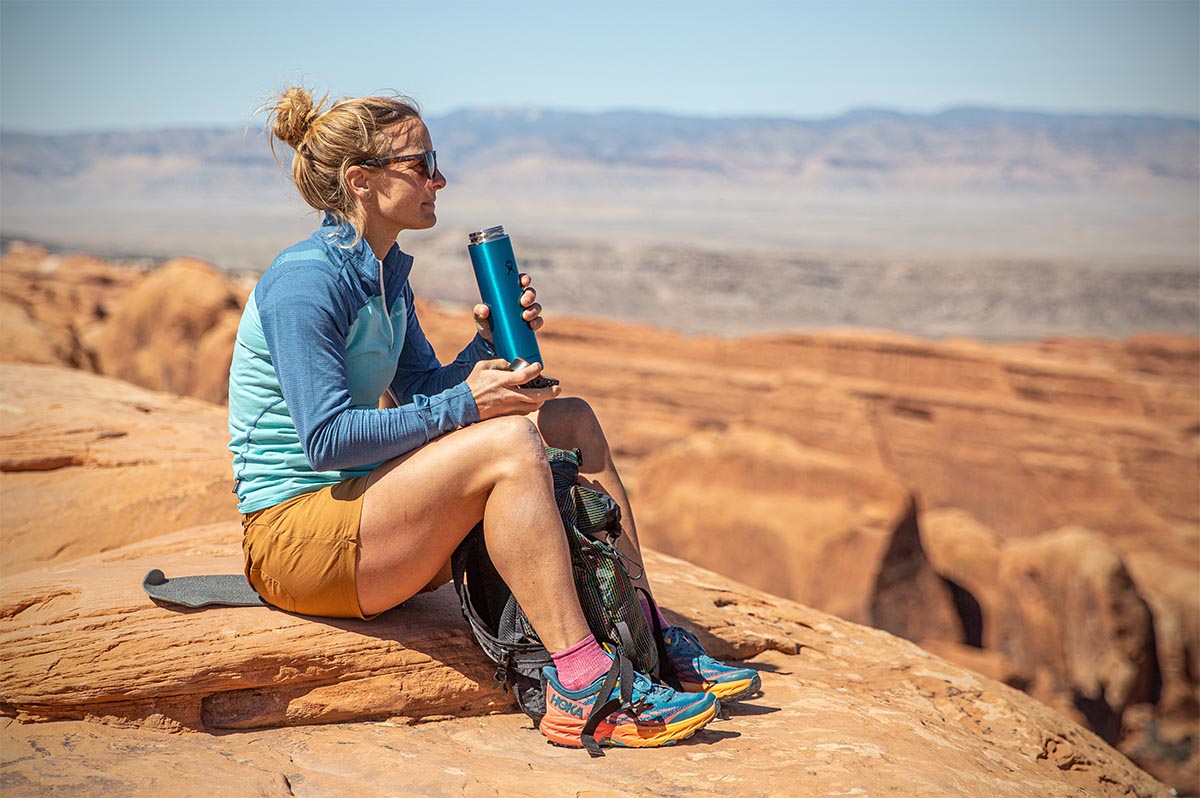
The trade-off is weight – these bottles typically weigh 1-2 pounds empty. For day hikes where temperature control matters more than ultralight principles, they're unbeatable. Insulated water bottles excel in maintaining beverage temperature regardless of external conditions.
Collapsible and Soft-Sided Options
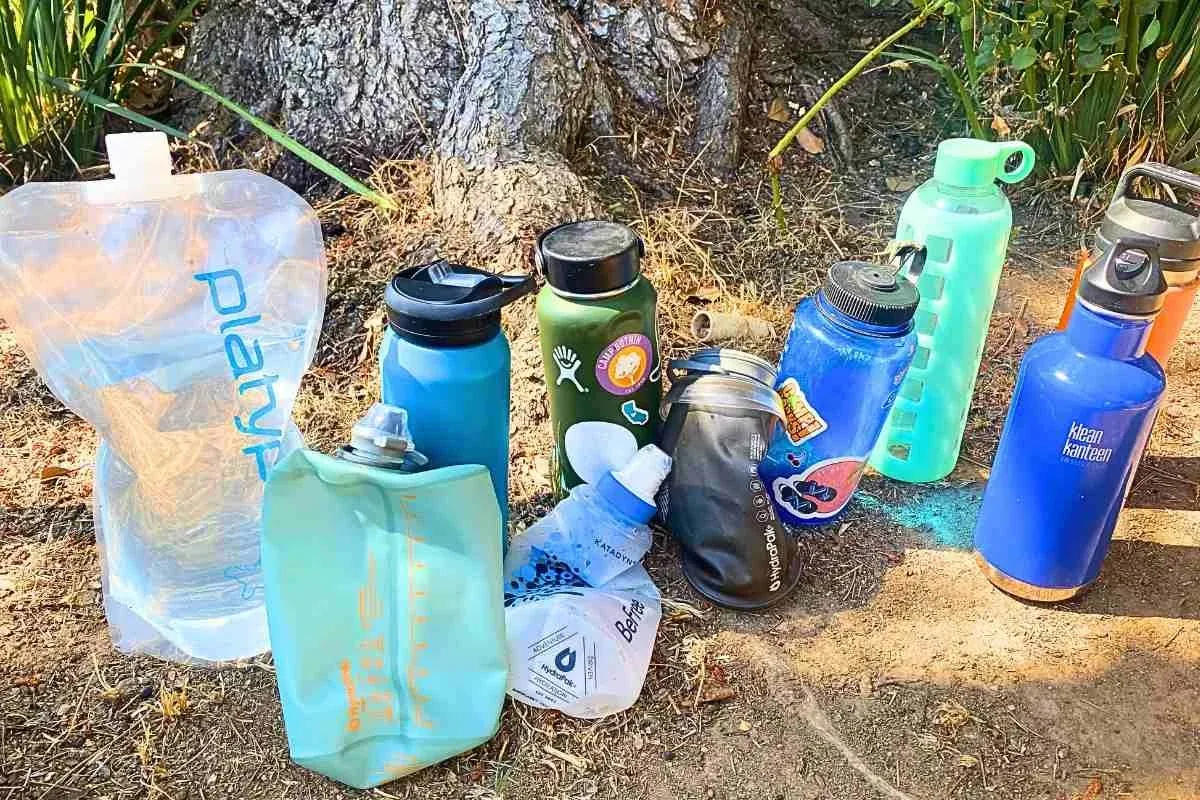
Collapsible bottles solved my space efficiency problems during multi-day treks. These innovative containers compress down to nearly nothing when empty, freeing up valuable pack space. However, durability concerns initially made me skeptical. After testing various models over two seasons, I've found quality matters enormously in this category.
Hydration bladders deserve special mention for long-distance hiking. The hands-free drinking capability transforms the hiking experience, encouraging more frequent hydration. The best water filter bottles now incorporate bladder compatibility, offering integrated purification systems.
My Top Water Container Recommendations
For Ultralight Backpacking: Smart Water Bottles
After hiking over 500 miles with various ultralight setups, Smart Water bottles consistently outperform competitors in the weight-to-durability ratio. At just 1.3 ounces for a 1-liter bottle, they're practically weightless. Their standard threading accepts most water filters, making them incredibly versatile for backcountry water treatment.
The key advantage isn't just weight – it's the complete ecosystem compatibility. These bottles work seamlessly with Sawyer filters, LifeStraw systems, and countless other purification devices. While not the most environmentally conscious choice for single-use containers, their durability extends their lifespan far beyond typical disposables.
For Temperature Control: Hydro Flask Wide Mouth
When insulation matters most, Hydro Flask bottles deliver exceptional performance. My 32-ounce wide mouth model has kept ice frozen for 24+ hours during summer desert hikes. The wide opening facilitates easy cleaning and ice addition, while the powder-coated exterior provides excellent grip even with wet hands.
Performance Highlight
During a 12-hour hike in 95°F weather, my Hydro Flask maintained ice-cold water temperature while cheaper alternatives became lukewarm within 4 hours.
For Versatility: Nalgene Wide Mouth Tritan
The classic Nalgene remains unbeaten for versatility and durability. At 6.25 ounces empty, it strikes a reasonable balance between weight and functionality. The BPA-free Tritan construction withstands extreme temperatures and impacts that would destroy lesser bottles. Bottles that keep water cold often sacrifice versatility, but Nalgene offers multiple solutions.
Measurement markings prove invaluable for mixing electrolyte drinks or monitoring intake. The standard wide mouth accepts ice cubes easily and cleaning is effortless. For athletic hydration needs, the combination of capacity, durability, and ease of use is difficult to match.
For Filtration: Grayl GeoPress
When water sources are questionable, the Grayl GeoPress eliminates all concerns. This innovative bottle purifies water by pressing it through multiple filtration stages, removing viruses, bacteria, protozoa, and even heavy metals. During a trek through remote areas with unreliable water sources, it provided peace of mind worth its premium price.
Seasonal and Climate Considerations
Summer Hiking: Beat the Heat
Summer hiking demands the best water container for hiking in high-temperature environments. Insulated bottles become essential, not just for comfort but for safety. During a particularly brutal July hike in Arizona's Superstition Mountains, the difference between ice-cold and ambient temperature water meant the difference between enjoyment and suffering.
Large capacity becomes crucial – I typically carry 3-4 liters for full-day summer hikes. Wide-mouth bottles facilitate ice addition at trailheads, extending the cooling effect. Lighter colors reflect heat better than dark bottles, though most quality brands now use temperature-resistant coatings. The best water bottles for summer hiking prioritize insulation and capacity over ultralight design.
Winter Conditions: Preventing Freeze-Up
Winter hiking presents unique challenges for water containers. Narrow-mouth bottles freeze faster than wide-mouth designs, and metal bottles conduct cold more readily than plastic. During sub-zero conditions in the White Mountains, I learned to keep bottles inside my jacket or sleeping bag to prevent freezing.
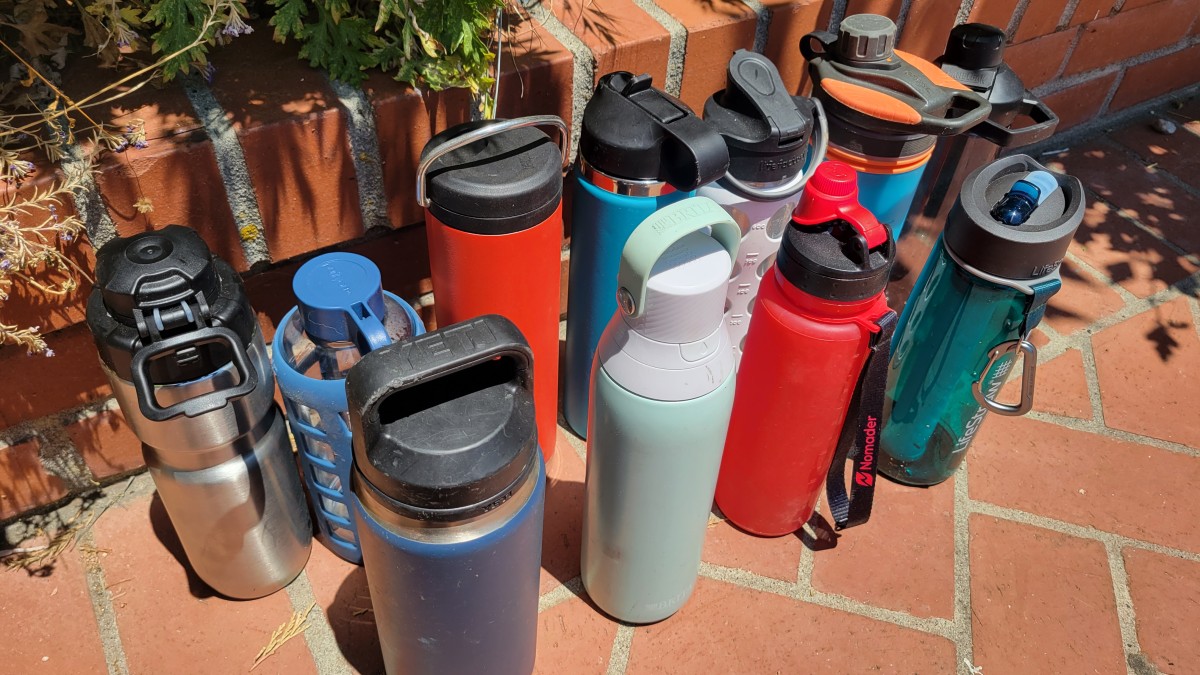
Insulated bottles excel in winter, maintaining liquid water even in harsh conditions. However, I always carry backup options since any container can fail in extreme cold. Hot beverages become crucial for maintaining core temperature, making insulated bottles with wide mouths ideal for winter adventures.
Altitude and Climate Adaptation
High-altitude hiking accelerates dehydration through increased respiration and lower humidity. At elevations above 8,000 feet, I increase my water consumption by 50% compared to sea-level hiking. The dry mountain air desiccates quickly, making frequent hydration essential.
Coastal hiking presents different challenges – salt air can corrode metal components, and high humidity affects evaporation rates. World-class water bottles use corrosion-resistant materials and coatings to withstand various environmental conditions.
My Personal Experience & Field Testing
Lessons from the Appalachian Trail
My 200-mile Appalachian Trail section hike taught me invaluable lessons about water container selection. Initially, I carried a heavy stainless steel bottle that seemed bombproof but became a burden by day three. The constant weight on my hip belt created pressure points and affected my hiking rhythm.
Switching to a lightweight plastic system midway through transformed my experience. The weight savings translated to less fatigue and more enjoyable miles. However, I learned the importance of having backup containers after my primary bottle developed a crack near Harpers Ferry. Redundancy became a key principle in my hydration strategy.
Desert Southwest Adventures
The desert taught me that the best water container for hiking in arid environments must prioritize capacity and temperature control. During a multi-day trek through Big Bend National Park, I consumed over 6 liters daily. My wide-mouth insulated bottles allowed pre-freezing at camp, providing cool water throughout scorching afternoon miles.
I discovered that light-colored bottles perform better in direct sunlight, reflecting rather than absorbing heat. Dark bottles, regardless of insulation quality, became uncomfortable to touch after hours in desert sun. This experience reinforced the importance of considering environmental conditions when selecting gear.
Alpine Testing in the Rockies
High-altitude hiking in Colorado's fourteeners revealed different requirements entirely. The combination of intense UV exposure, dramatic temperature swings, and physical demands required versatile solutions. High-performance water bottles proved essential for maintaining proper hydration at altitude.
Alpine Lesson Learned
At 14,000 feet on Mount Elbert, my standard bottle froze despite being inside my jacket. Having multiple containers and keeping them warm became critical for safety and success.
The rapid weather changes common at high elevations demand adaptable systems. What works in morning valley temperatures may fail at windy, exposed ridgelines. Versatility and reliability become paramount when weather conditions can change from pleasant to life-threatening within hours.
Real User Reviews & Community Feedback
Amazon Customer Insights
Mountain_Hiker_42
"I've used this bottle for over 50 hikes, from desert canyons to alpine peaks. The insulation is phenomenal – kept ice water cold for 18 hours in 100°F heat. Worth every penny for serious hikers who prioritize temperature control."
Reddit Community Discussions
UltralightBackpacker_23
"Switched from heavy steel bottles to collapsible options and saved 1.2 pounds from my base weight. Yes, they're less durable, but for thru-hiking where every ounce matters, it's a worthwhile trade-off. Just carry a backup."
Quora Expert Opinions
RangerSarah_NPS
"As a park ranger who's spent 15+ years on trails, I recommend wide-mouth bottles for their versatility. Easy to clean, compatible with filters, and you can add ice. The slight weight penalty is worth the functionality for most hikers."
Balanced Pros and Cons Analysis
Advantages
- Temperature control extends hiking comfort
- Durable construction survives years of use
- Wide mouths facilitate cleaning and ice addition
- Filter compatibility increases versatility
- Multiple size options suit different needs
Disadvantages
- Weight penalty affects ultralight setups
- Higher cost compared to basic options
- Bulkier profile in pack or on belt
- Taste retention with certain beverages
- Condensation with temperature extremes
Frequently Asked Questions
Conclusion
Selecting the best water container for hiking ultimately depends on your specific needs, hiking style, and personal preferences. Through extensive field testing across diverse environments, I've learned that no single bottle excels in every situation. The key is understanding the trade-offs and choosing accordingly.
For most hikers, I recommend starting with a versatile wide-mouth plastic bottle like the Nalgene Tritan for its durability, compatibility, and reasonable weight. As your hiking experience grows and your preferences become clearer, consider specialized options. Ultralight enthusiasts should explore Smart Water bottles, while comfort-focused day hikers will appreciate insulated stainless steel options.
Remember that hydration strategy extends beyond just the container – consider total system weight, water sources, purification needs, and environmental conditions. The best bottle is the one that encourages you to drink enough water to stay properly hydrated throughout your adventure.
Ready to Upgrade Your Hydration Game?
Don't let poor hydration limit your hiking adventures. Invest in quality water containers that match your hiking style and experience the difference proper gear makes.
Happy trails, and stay hydrated out there! Remember, the mountains are calling, but proper hydration is what gets you there safely.