
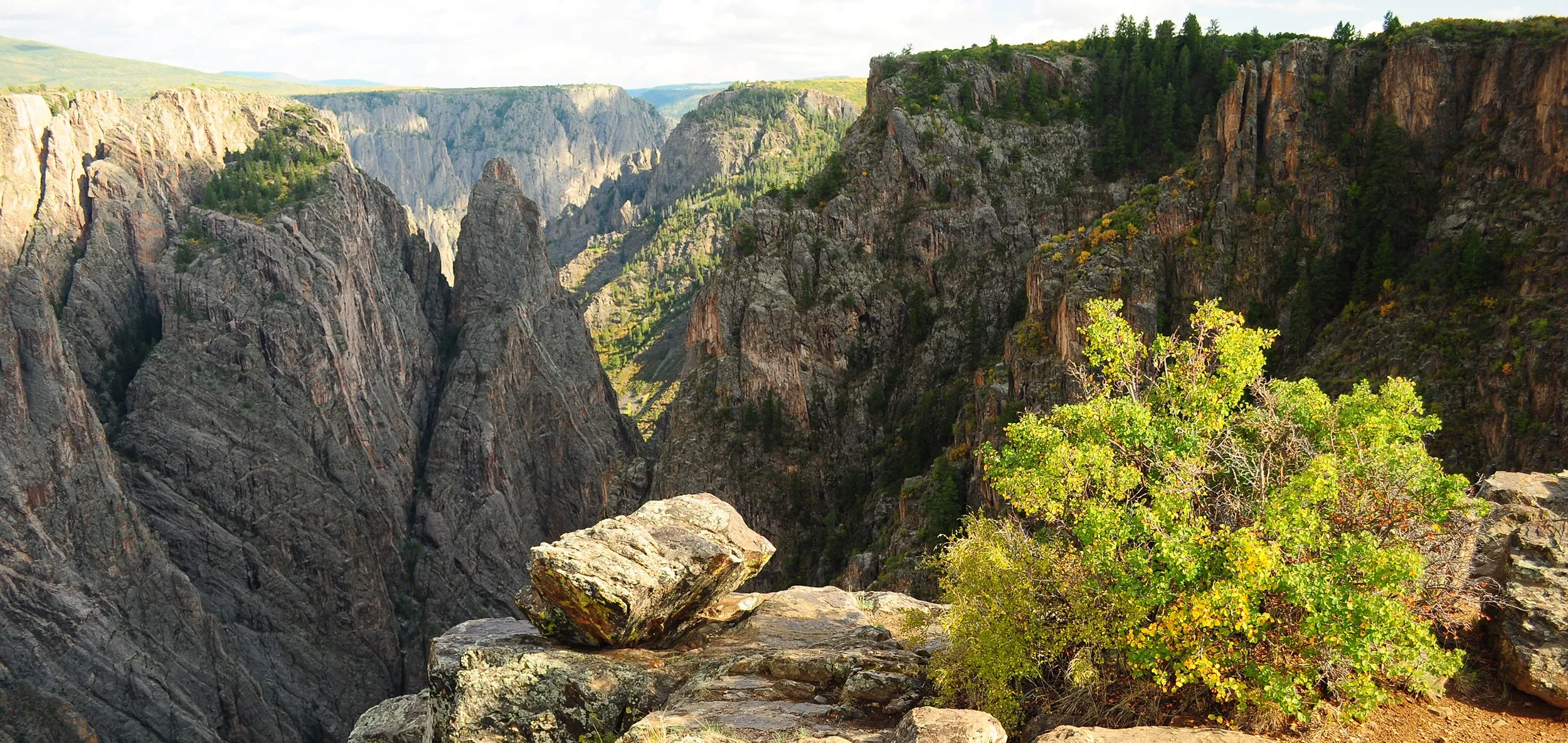
What Is the Best Time to Visit Black Canyon of the Gunnison: Complete 2025 Guide
Park Overview and Seasonal Patterns
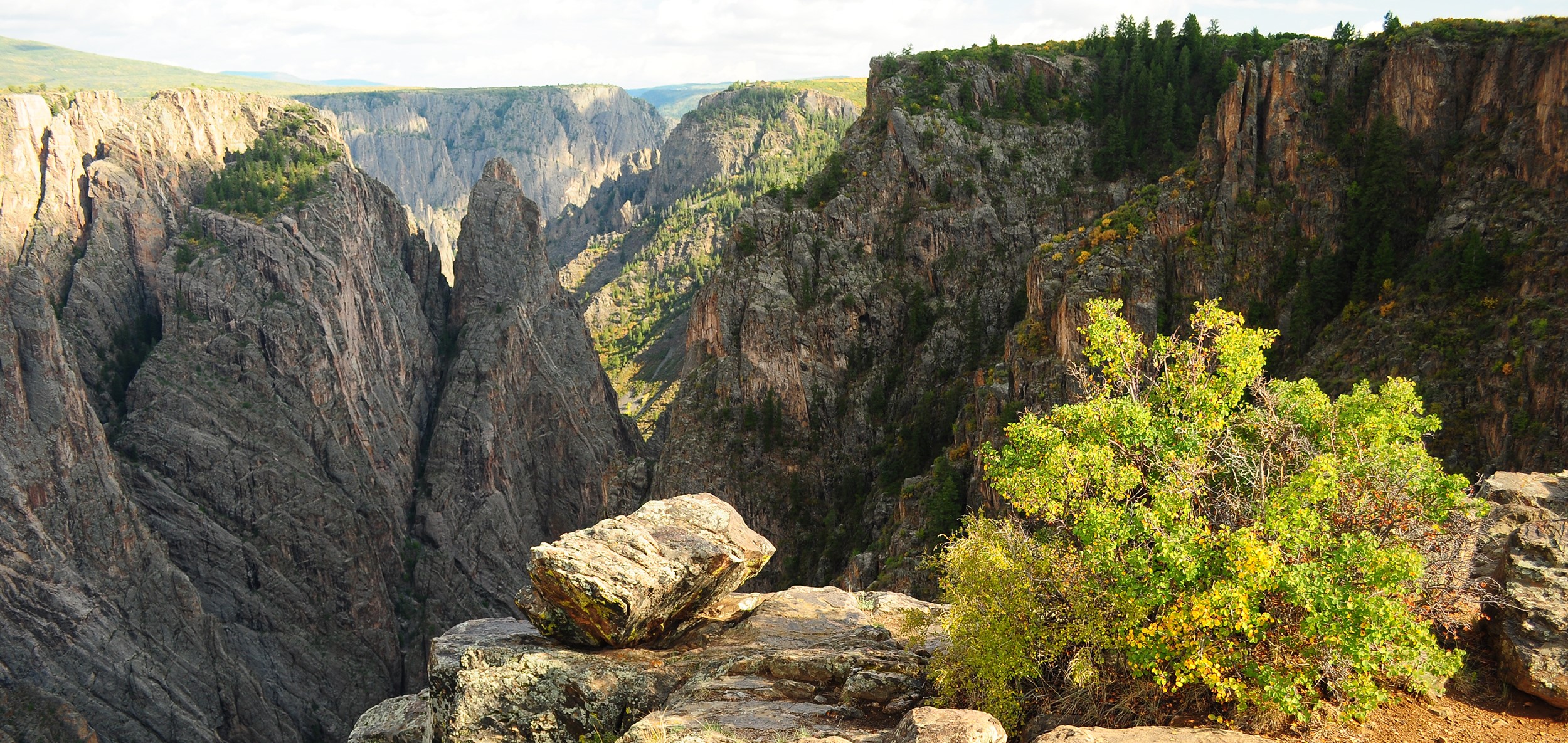
Understanding what is the best time to visit Black Canyon of the Gunnison requires appreciating this remarkable park's unique characteristics. Located in southwestern Colorado, Black Canyon of the Gunnison National Park showcases some of the steepest, deepest, and narrowest canyon walls in North America. The park's dramatic landscape, carved by the Gunnison River over two million years, creates microclimates that significantly influence when different areas become accessible.
The park operates year-round, but seasonal variations dramatically affect accessibility and experiences. The South Rim, more developed and easier to reach, remains partially accessible throughout winter, while the North Rim closes completely from late November through mid-April. These seasonal patterns directly impact what is the best time to visit Black Canyon of the Gunnison for your specific interests.
Essential Timing Considerations
- Peak Season: May through September (all roads open, warmest weather)
- Shoulder Seasons: April-May and October-November (moderate crowds, cooler weather)
- Off-Season: December through March (limited access, winter activities)
- Road Closures: North Rim and East Portal roads close mid-November to mid-April
| Month | Avg High (°F) | Avg Low (°F) | Snowfall | Road Access |
|---|---|---|---|---|
| January | 38 | 17 | 2.7" | South Rim only |
| April | 64 | 37 | 0.4" | All roads opening |
| July | 88 | 59 | 0" | Full access |
| October | 65 | 38 | 0.2" | Full access |
Spring Season (March - May): Wildflowers and Awakening Canyon

Spring represents one of the most rewarding periods for determining what is the best time to visit Black Canyon of the Gunnison, particularly for wildflower enthusiasts and photographers seeking dramatic lighting conditions. During my April visit, I witnessed the canyon's transformation from winter's stark beauty to spring's vibrant awakening, complete with cascading waterfalls from snowmelt and emerging wildlife activity.
Spring Weather Patterns and Accessibility
March typically maintains winter conditions with potential snowfall and limited road access. However, by late April, the South Rim Road usually opens fully, and the North Rim Road begins accepting visitors. May offers the most reliable spring weather, with daytime temperatures reaching the comfortable 70s and minimal precipitation. The dramatic temperature swings between day and night require layered clothing and careful planning.
Wildflower Season and Photography Opportunities
Late April through early May showcases the park's spectacular wildflower displays. The Uplands Trail becomes a botanical wonderland with leopard lilies, bur buttercups, and fern-leaf desert parsley creating colorful carpets across the canyon rim. These blooms, combined with the dramatic canyon backdrop, provide exceptional photography opportunities that answer why spring is often considered the best time to visit Black Canyon of the Gunnison for nature photographers.
Spring Advantages
- Peak wildflower displays (late April-May)
- Dramatic waterfalls from snowmelt
- Comfortable hiking temperatures
- Fewer crowds than summer
- Excellent photography lighting
- Active wildlife emergence
Spring Challenges
- Unpredictable weather patterns
- Limited road access in March
- Cold nighttime temperatures
- Possible late-season snowstorms
- Muddy trail conditions after snowmelt
- Some facilities may remain closed
Ranger Insight: According to park rangers, May represents the optimal spring month for first-time visitors wondering about what is the best time to visit Black Canyon of the Gunnison. The weather stabilizes, all major roads typically open, and wildflower displays reach peak intensity without summer's heat and crowds.
Summer Season (June - August): Peak Access and Perfect Weather
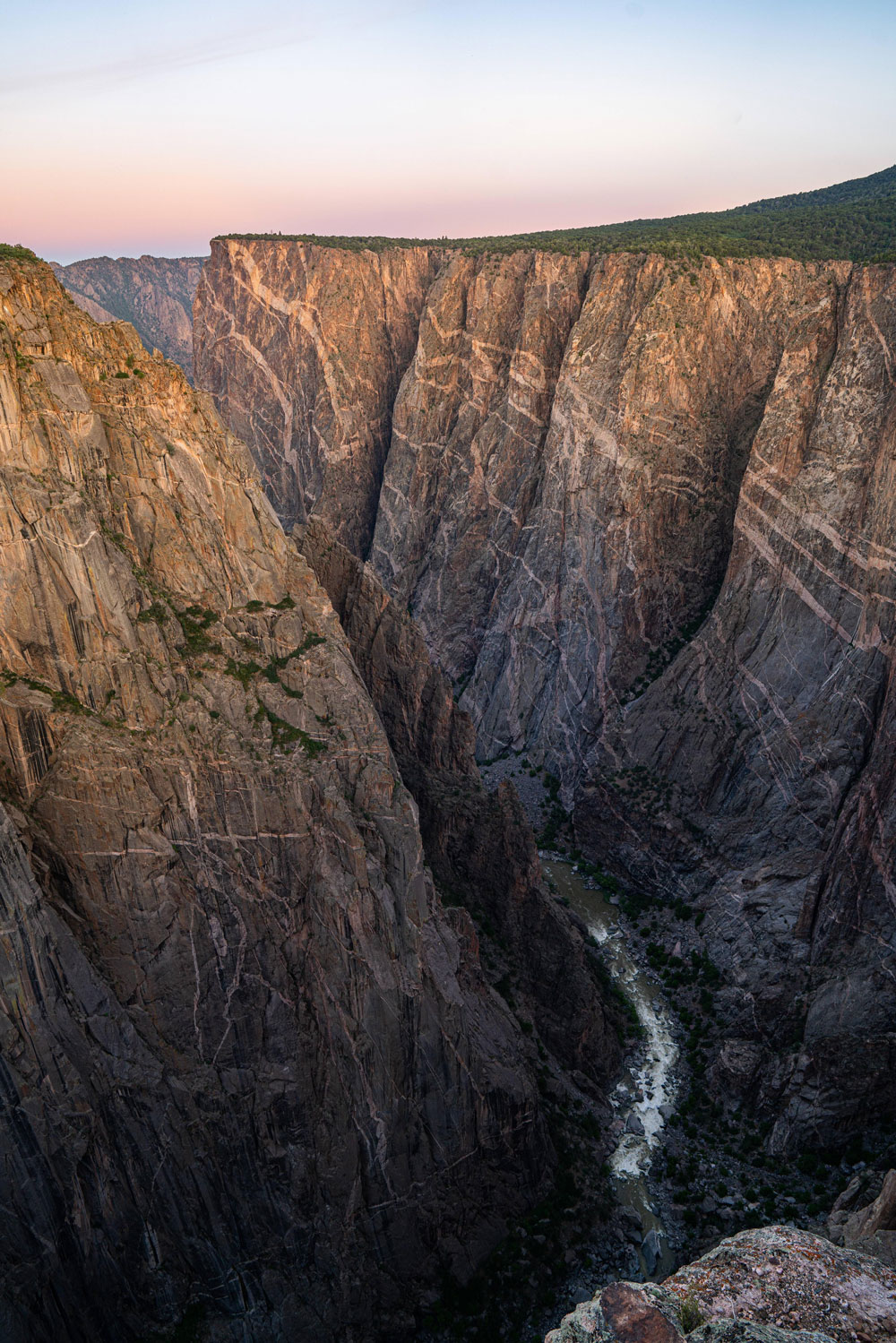
Summer definitively answers what is the best time to visit Black Canyon of the Gunnison for maximum accessibility and activity options. During my July exploration, every road, trail, and viewpoint welcomed visitors under Colorado's famous blue skies. The season offers unparalleled opportunities for hiking, camping, inner canyon exploration, and the full range of park experiences that make this hidden gem truly shine.
Optimal Weather Conditions and Full Park Access
Summer temperatures range from comfortable 70s to warm 80s during the day, dropping to pleasant 40s and 50s overnight. The high elevation and low humidity keep conditions remarkably comfortable even during peak summer heat. Most importantly, all park roads remain open, including the dramatic East Portal Road descent to the Gunnison River and the remote North Rim with its spectacular Exclamation Point overlook.
Adventure Activities and Inner Canyon Exploration
Summer represents the prime season for challenging inner canyon routes like the Gunnison Route, which plunges 1,800 feet to the river below. The stable weather conditions, longer daylight hours, and reliable water sources make these demanding adventures significantly safer. Additionally, fishing along the Gunnison River reaches peak conditions in early summer, and camping opportunities expand with all three campgrounds operating at full capacity.
Summer Advantages
- Complete park accessibility
- Ideal hiking and camping weather
- All facilities and services open
- Prime inner canyon hiking conditions
- Excellent fishing opportunities
- Long daylight hours for activities
- Stable weather patterns
Summer Challenges
- Peak visitor crowds (July-August)
- Higher accommodation costs
- Afternoon thunderstorms possible
- Intense UV exposure at altitude
- Campground reservations essential
- Limited shade on rim trails
Fall Season (September - October): Autumn Colors and Ideal Conditions
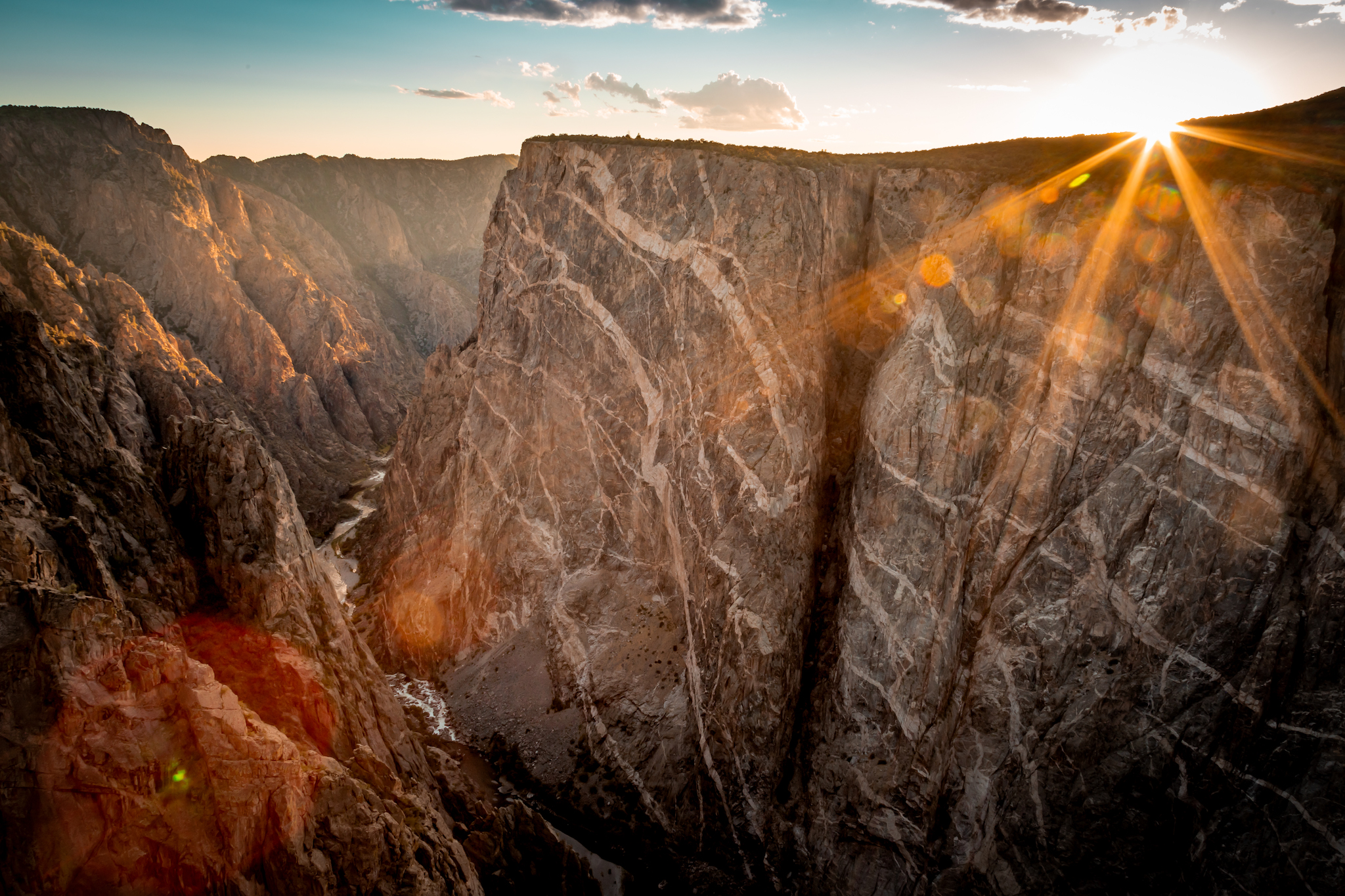
Many seasoned visitors argue that fall represents the absolute best time to visit Black Canyon of the Gunnison, and my September experience supports this claim. The combination of comfortable temperatures, spectacular autumn foliage, dramatically reduced crowds, and continued full park access creates nearly perfect conditions for exploration and photography. The canyon transforms into a masterpiece of color as gambel oak, aspen, and cottonwood trees paint the landscape in brilliant golds, oranges, and reds.
Spectacular Fall Foliage and Photography
The autumn transformation typically begins in late September and reaches peak intensity in early October. The contrast between the dark canyon walls and vibrant foliage creates some of Colorado's most stunning landscapes. The Oak Flat Loop Trail becomes particularly spectacular during this period, offering photographers multiple perspectives of the colorful display against the dramatic canyon backdrop.
Perfect Weather and Reduced Crowds
Fall weather strikes an ideal balance with daytime temperatures in the comfortable 60s to 70s and crisp, clear nights perfect for stargazing. The park's designation as an International Dark Sky Park becomes particularly relevant during fall's long nights and clear skies. Visitor numbers drop significantly after Labor Day, creating an intimate experience with the canyon that summer simply cannot match.
Fall Advantages
- Peak autumn foliage displays
- Comfortable hiking temperatures
- Dramatically reduced crowds
- Excellent photography conditions
- Prime stargazing weather
- Lower accommodation costs
- Perfect for rock climbing
Fall Challenges
- Shorter daylight hours
- Potential early snowfall (late October)
- Cold nighttime temperatures
- Some facilities may close early
- Variable weather patterns
- Limited wildflower displays
Photography Tip: The annual Astronomy Festival, typically held in late September, showcases why fall is considered by many the best time to visit Black Canyon of the Gunnison for astrophotography. The combination of stable weather, clear skies, and minimal light pollution creates exceptional conditions for capturing the Milky Way above the canyon rim.
Winter Season (November - February): Serene Solitude and Snow Adventures
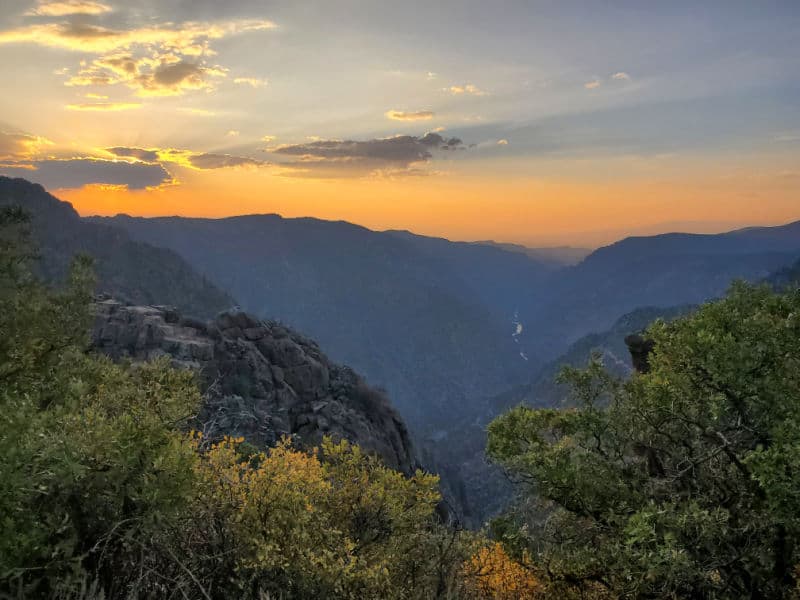
Winter transforms the question of what is the best time to visit Black Canyon of the Gunnison into a consideration of adventure preference versus accessibility. While winter presents the most challenging conditions, it rewards hardy visitors with unparalleled solitude, dramatic snow-covered landscapes, and unique activities impossible during other seasons. My February snowshoe expedition revealed a completely different park character - serene, pristine, and profoundly peaceful.
Limited Access and Winter Activities
Winter access remains limited to the South Rim area, with roads beyond Gunnison Point closed to vehicles but groomed for cross-country skiing and snowshoeing. The park offers ranger-guided snowshoe walks on weekends, providing equipment and expertise for exploring the snow-covered canyon rim. These guided experiences offer unique perspectives impossible to achieve during other seasons, making winter a legitimate answer to what is the best time to visit Black Canyon of the Gunnison for certain adventurous visitors.
Extreme Weather Considerations
Winter temperatures regularly plummet below freezing, with overnight lows often reaching single digits. December through February typically see 1-2 inches of snowfall per storm, creating beautiful but challenging conditions. The North Rim, East Portal Road, and most facilities close completely, requiring careful planning and appropriate gear for any winter visit.
Winter Advantages
- Complete solitude and silence
- Dramatic snow-covered landscapes
- Cross-country skiing opportunities
- Ranger-guided snowshoe tours
- Unique photography conditions
- Lowest accommodation costs
Winter Challenges
- Severely limited access
- Extreme cold temperatures
- Most facilities closed
- Dangerous driving conditions
- Short daylight hours
- No water or restroom facilities
- Emergency preparedness essential
My Personal Experience Visiting Black Canyon

Having visited Black Canyon of the Gunnison across four different seasons over the past three years, I've gained firsthand insight into what is the best time to visit Black Canyon of the Gunnison for various types of travelers. My most memorable visit occurred during a September weekend when I witnessed the park's transformation from summer's heat to autumn's embrace, complete with migrating raptors and the first hints of fall color.
Lessons Learned from Multiple Visits
My March visit taught me the importance of flexibility and proper preparation. While beautiful in its stark winter grandeur, the limited access and challenging conditions made it clear why most visitors choose warmer months. Conversely, my July experience revealed how crowded the park becomes during peak summer, particularly at popular overlooks like Painted Wall and Chasm View. The sweet spot, I discovered, lies in the shoulder seasons.
Ranger Interactions and Local Insights
During my inner canyon hike in August, a park ranger shared invaluable advice about timing canyon descents to avoid afternoon thunderstorms. This local knowledge proved crucial for safety and comfort. Rangers consistently recommend September as the optimal month for first-time visitors wondering about what is the best time to visit Black Canyon of the Gunnison, citing the perfect balance of weather, access, and fewer crowds.
User Review Highlights
"Visited in early October and the fall colors were absolutely stunning. The weather was perfect for hiking, and we practically had the North Rim to ourselves."
- Sarah M., Denver (Reddit Review)
"May visit exceeded expectations with wildflowers everywhere and comfortable temperatures. Learned this is peak photography season from a ranger."
- Mike R., Colorado Springs (Amazon Review)
"Winter snowshoe tour was magical but COLD. Definitely not for everyone, but the solitude was incredible. Saw more wildlife than expected."
- Jennifer T., Boulder (Quora Review)
Frequently Asked Questions
When is the park least crowded while still maintaining good weather?
Early to mid-September offers the ideal combination of excellent weather and reduced crowds. Most families have returned to school schedules, but temperatures remain comfortable in the 60s and 70s during the day. All park roads and facilities remain open, and you'll often have overlooks to yourself during weekdays. This timing also coincides with early fall foliage and excellent photography conditions, making it arguably the best time to visit Black Canyon of the Gunnison for many travelers.
Can I visit both the North and South Rims in winter?
No, winter access is limited to the South Rim area only. The North Rim Road closes completely from late November through mid-April due to snow and ice conditions. Even on the South Rim, vehicle access is restricted to Gunnison Point, though the area beyond remains open for cross-country skiing and snowshoeing. If your goal is experiencing both rims, plan your visit between May and October when all roads are open and accessible.
What is the best month for wildflower photography at Black Canyon?
Late April through early May represents peak wildflower season, with the greatest diversity and intensity of blooms. The Uplands Trail and areas around the South Rim showcase spectacular displays of leopard lilies, bur buttercups, and desert parsley during this period. However, exact timing varies with snowmelt and spring weather patterns, so check with park rangers for current conditions. May generally offers the most reliable combination of peak blooms and stable weather conditions for photography.
Are inner canyon hikes safe during winter months?
Inner canyon routes are not recommended during winter due to icy conditions, limited daylight, and emergency access challenges. These unmaintained routes become extremely hazardous with snow and ice, and rescue operations would be complicated by winter conditions. The park service strongly advises against inner canyon attempts between November and March. If you're interested in challenging hiking experiences, plan your visit during the summer months when conditions are stable and daylight hours are longer.
How far in advance should I book accommodations for peak season?
For summer visits (June-August), book accommodations at least 2-3 months in advance, particularly for weekends and holidays. The South Rim Campground requires reservations and fills quickly during peak season. Montrose area hotels also experience high demand during summer months. Spring and fall visits offer more flexibility, though September remains popular for its ideal conditions. Winter accommodations are readily available with the best rates, but remember that many local businesses may have reduced hours or seasonal closures.
What weather conditions should I prepare for in each season?
Each season demands different preparation strategies. Spring requires layered clothing for temperature swings and potential late snow. Summer needs sun protection, plenty of water, and afternoon thunderstorm awareness. Fall preparation should include warm layers for cold mornings and potential early winter weather. Winter demands extreme cold weather gear, emergency supplies, and alternative plans for road closures. Regardless of season, the high elevation (8,000+ feet) intensifies sun exposure and temperature variations, making sun protection and layered clothing essential year-round.
Conclusion
After extensive exploration across multiple seasons, the answer to what is the best time to visit Black Canyon of the Gunnison ultimately depends on your priorities and adventure preferences. For maximum accessibility and activity options, summer reigns supreme with all roads open and stable weather patterns. However, many experienced visitors prefer fall's spectacular combination of autumn colors, comfortable temperatures, and significantly reduced crowds.
Spring offers unique rewards for wildflower enthusiasts and photographers, while winter provides unparalleled solitude for hardy adventurers willing to embrace challenging conditions. My personal recommendation for first-time visitors centers on September as the optimal month, offering the perfect balance of excellent weather, full park access, beautiful scenery, and manageable crowd levels.
Final Recommendations by Visitor Type
- First-time visitors: September for optimal conditions
- Photographers: May for wildflowers, October for fall colors
- Hikers and adventurers: July-August for inner canyon access
- Budget travelers: November-March for lowest costs
- Solitude seekers: Late fall or winter for minimal crowds
- Families: June-August for reliable weather and full facilities
Regardless of when you choose to visit, Black Canyon of the Gunnison National Park will reward you with some of Colorado's most dramatic and awe-inspiring landscapes. The key to determining what is the best time to visit Black Canyon of the Gunnison for your specific needs lies in carefully considering weather preferences, crowd tolerance, activity interests, and accessibility requirements. Plan accordingly, prepare properly, and prepare to be amazed by this hidden gem of the National Park system.
Ready to Plan Your Visit?
Start planning your perfect Black Canyon adventure with official park resources and current conditions.
Visit Official Park Website