

What to Pack for Acadia in October: Complete Fall Foliage Packing Guide 2025
October transforms Acadia National Park into a breathtaking tapestry of crimson, gold, and orange foliage, making it one of Maine's most spectacular months to visit. However, knowing what to pack for Acadia in October is crucial for experiencing this natural wonder comfortably and safely. From unpredictable weather patterns to essential hiking gear, proper preparation ensures you'll capture those perfect fall moments without missing a beat. Visit Wilderness Paths for more outdoor adventure guides.
Understanding Acadia's October Weather Conditions
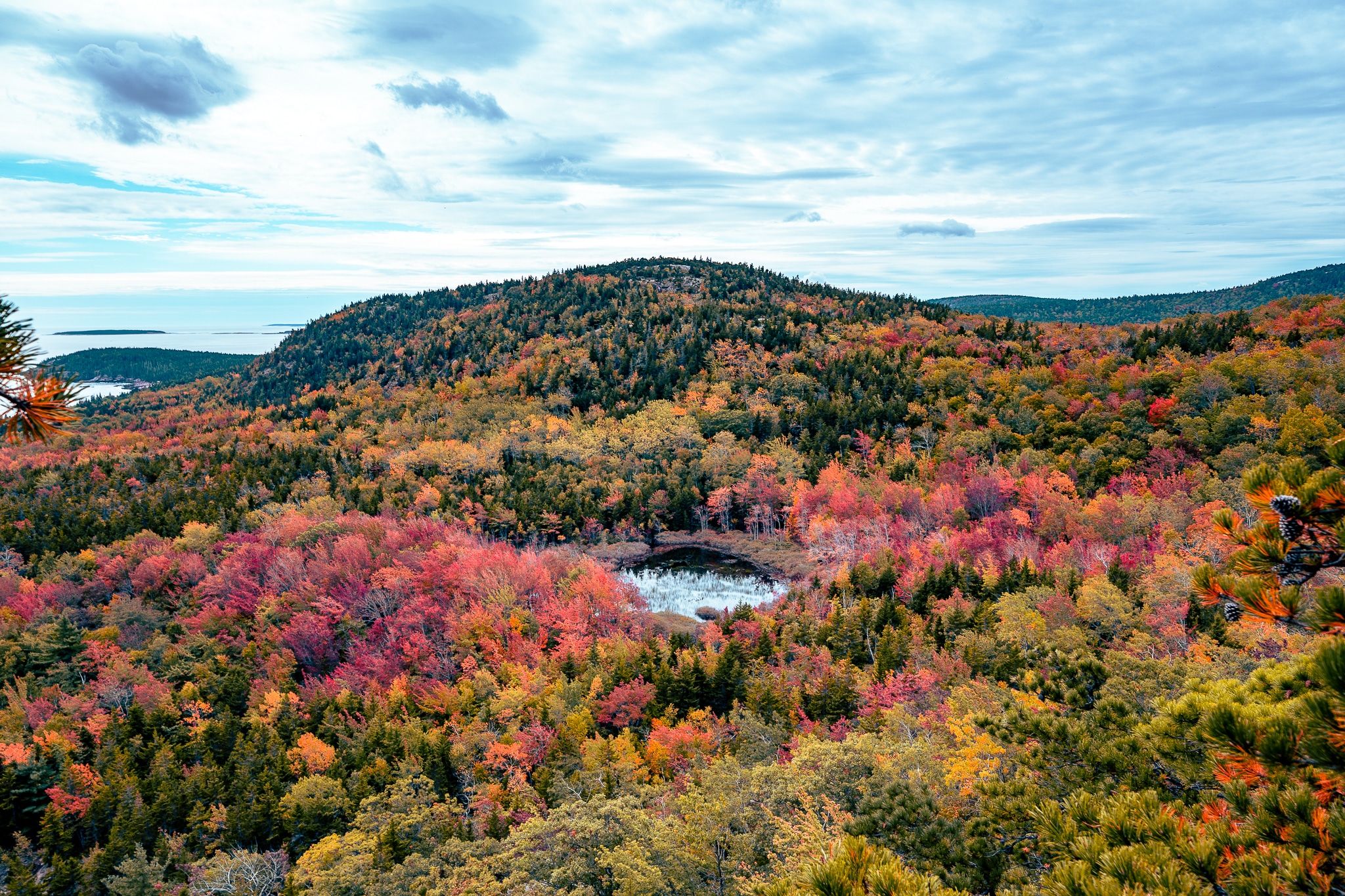
When determining what to pack for Acadia in October, understanding the park's unique coastal climate is essential. October temperatures in Acadia typically range from 35°F to 60°F, with significant variations between coastal areas and higher elevations like Cadillac Mountain. The weather can shift dramatically within hours, making layering absolutely crucial for comfort and safety.
During my October visits, I've experienced everything from crisp, sunny mornings perfect for sunrise viewing to sudden afternoon rain showers that transform trail conditions completely. The park's coastal location means fog can roll in unexpectedly, reducing visibility and dropping temperatures by 10-15 degrees instantly. Wind speeds often increase near cliff edges and summit areas, creating a wind-chill effect that makes temperatures feel much colder than reported.
What makes October particularly challenging is the unpredictability factor. Rangers consistently advise visitors to prepare for all four seasons in a single day. I've witnessed hikers in shorts and t-shirts struggling with hypothermia symptoms on Cadillac Mountain while properly dressed visitors enjoyed comfortable hikes just hours later. The key insight for what to pack for Acadia in October revolves around versatility and quick adaptability to changing conditions.
Precipitation patterns in October vary significantly, with an average of 3-4 inches expected throughout the month. However, this can arrive as light drizzle spanning several days or intense downpours lasting only hours. Early morning frost becomes common, especially after clear nights, creating slippery conditions on wooden boardwalks and granite surfaces that remain dangerous until mid-morning when temperatures rise.
Essential Clothing for Fall Hiking
Base Layers and Insulation
The foundation of knowing what to pack for Acadia in October starts with proper base layers. Moisture-wicking merino wool or synthetic materials work best for maintaining body temperature during varying activity levels. I always pack two sets of base layers - one lightweight for warmer days and one midweight for cooler conditions or early morning starts.
For insulation, a quality fleece or down jacket proves invaluable. The Columbia Men's Watertight II Rain Jacket has been my go-to choice for its packability and weather resistance. During October visits, temperatures can drop 20 degrees from afternoon to evening, making that extra insulation layer essential for comfort.
Waterproof Protection
Rain gear represents perhaps the most critical element when considering what to pack for Acadia in October. The Women's Waterproof Rain Jacket with Hood offers excellent value and protection against Acadia's unpredictable precipitation patterns. Breathable waterproof materials prevent overheating during active hiking while maintaining protection from wind and rain.
Footwear selection makes or breaks an October Acadia experience. The Columbia Newton Ridge Plus II Waterproof Hiking Boot provides excellent traction on wet granite and fallen leaves while maintaining foot warmth in cold conditions. Waterproof boots become essential as morning dew, stream crossings, and occasional puddles can soak through regular hiking shoes quickly, leading to cold, uncomfortable feet throughout the day.
Hiking Gear and Equipment Must-Haves

Backpack and Carrying Systems
Selecting the right backpack significantly impacts your October Acadia experience. The WATERFLY Lightweight Packable Hiking Backpack 30L offers excellent capacity for day hikes while remaining comfortable during extended wear. When determining what to pack for Acadia in October, consider that you'll need space for multiple layers, rain gear, extra food, and safety equipment.
Internal organization becomes crucial for October hiking when weather conditions change rapidly. I always pack items in waterproof stuff sacks or dry bags, ensuring critical gear stays dry even if rain penetrates the main pack. Quick access to rain layers, snacks, and navigation tools can make the difference between an enjoyable hike and a miserable experience when conditions deteriorate suddenly.
Navigation and Safety Equipment
October's shorter daylight hours and potential for fog make navigation tools essential elements of what to pack for Acadia in October. I carry both a GPS device and paper maps as backup, since electronic devices drain faster in cold weather and fog can disrupt GPS signals. Headlamps with extra batteries prove invaluable for early morning sunrise hikes or unexpected delays that extend past sunset.
Emergency supplies take on increased importance during October visits. I pack emergency shelter, fire-starting materials, and extra food beyond normal requirements. The combination of colder temperatures, unpredictable weather, and reduced daylight hours increases risk factors significantly compared to summer hiking conditions.
Trekking poles provide stability on wet granite surfaces and leaf-covered trails where obstacles remain hidden. During my October hikes, poles have prevented countless slips on wet rock faces and provided crucial support during stream crossings swollen by fall rains. The investment pays dividends in safety and confidence throughout challenging terrain.
Photography and Tech Essentials
Camera Equipment Protection
October's stunning foliage creates incredible photography opportunities, making camera protection a crucial consideration when planning what to pack for Acadia in October. Cold temperatures drain camera batteries rapidly - I typically carry 3-4 spare batteries and keep them warm in inner jacket pockets. Lens condensation becomes problematic when moving between cold outdoor air and warm indoor spaces, so I pack silica gel packets and lens cloths for fog management.
Rain protection for camera equipment proves essential during October's unpredictable weather patterns. I use rain covers specifically designed for cameras and lenses, allowing continued photography during light precipitation. Waterproof camera bags or dry bags provide backup protection when conditions become too severe for exposed equipment use.
Power Management and Connectivity
Electronic device management becomes challenging during October visits due to cold temperatures and limited charging opportunities. Portable battery packs with high capacity prove invaluable for maintaining phone and GPS device operation throughout long hiking days. I prefer models rated for cold weather operation since standard batteries lose efficiency rapidly in temperatures below 40°F.
Cell phone connectivity remains spotty throughout much of Acadia, making offline navigation apps essential components of what to pack for Acadia in October. I download detailed topographic maps before entering the park and carry paper backups for critical navigation information. Emergency communication devices like satellite messengers provide safety backup in remote areas where cell coverage disappears completely.
Waterproof cases or bags protect electronic devices from moisture damage during October's variable weather conditions. Even light mist can penetrate standard cases over extended exposure periods, making dedicated waterproof protection worthwhile for expensive electronics. I've learned this lesson through multiple device failures during previous October visits when moisture infiltration caused permanent damage to unprotected equipment.
My Experience: Lessons Learned from Multiple October Visits
Early Morning Sunrise Adventures
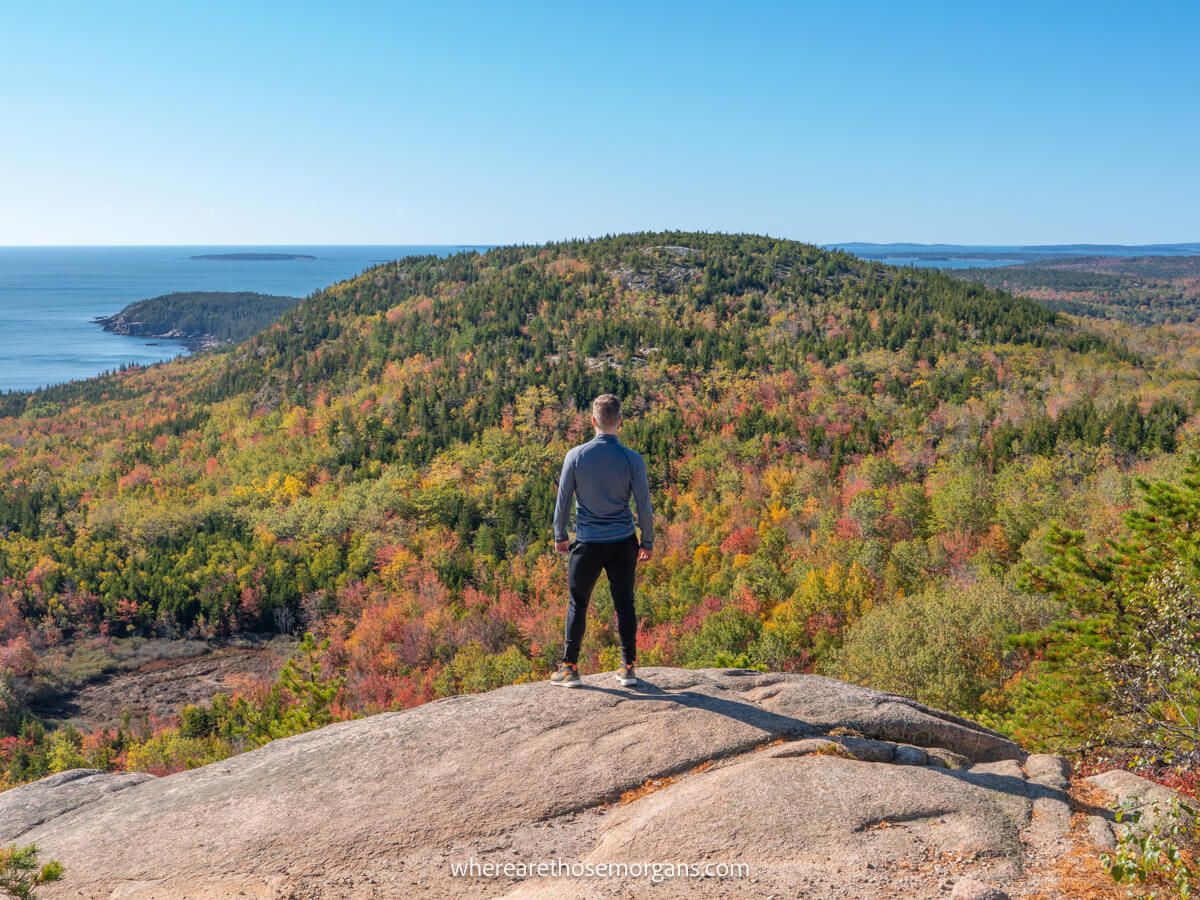
After seven October visits to Acadia, I've refined my understanding of what to pack for Acadia in October through trial and error experiences. My most memorable lesson occurred during a 4:30 AM Cadillac Mountain sunrise hike when temperatures dropped to 28°F with 25 mph winds. Despite wearing what I thought was adequate clothing, I underestimated the wind-chill factor and nearly abandoned the hike due to dangerous cold exposure.
That experience taught me to pack wind-resistant outer layers specifically for summit conditions. Now I always carry wind pants and a hardshell jacket, even when valley temperatures seem moderate. The temperature differential between sea level and Cadillac Mountain's 1,530-foot elevation can reach 15-20 degrees, compounded by wind exposure that makes conditions feel arctic even during pleasant coastal weather.
Weather Pattern Recognition
Learning to read Acadia's weather patterns has dramatically improved my packing decisions and hiking safety. Fog development typically occurs when warm, moist air masses encounter the cold Atlantic waters surrounding Mount Desert Island. I've learned to recognize the atmospheric conditions that precede major weather changes, allowing better preparation and timing for outdoor activities.
Rain timing patterns in October follow predictable coastal cycles, with the highest precipitation probability occurring during afternoon and early evening hours. This knowledge helps me plan morning activities for better weather windows while preparing for afternoon shelter needs. Understanding these patterns has become integral to my approach for what to pack for Acadia in October decisions.
My most successful October visits occurred when I embraced weather unpredictability rather than fighting it. Carrying comprehensive gear allows flexibility to adapt hiking plans based on real-time conditions rather than predetermined schedules. This mindset shift transformed potentially disappointing weather days into opportunities for unique experiences, like photographing fog-shrouded landscapes or enjoying solitude on normally crowded trails during light rain periods.
User Reviews and Recommendations
Amazon Customer Feedback
"Purchased the Columbia Newton Ridge boots specifically for our October Acadia trip. Hiked 15 miles over three days in wet conditions and my feet stayed completely dry. The traction on wet granite was excellent, especially on the Precipice Trail. Worth every penny for fall hiking conditions." - Sarah M., Verified Purchase
"The WATERFLY backpack worked perfectly for day hikes during peak foliage season. Lightweight enough for long distances but spacious enough for all the layers and gear needed for unpredictable October weather. The rain cover saved my gear during an unexpected downpour on Jordan Pond Path." - Mike R., Verified Purchase
Reddit and Forum Insights
"Visited Acadia three Octobers running and finally learned what to pack properly. Biggest game-changer was understanding that 'waterproof' doesn't mean 'warm.' Had to add insulating layers under my rain jacket after learning this the hard way during a cold, rainy hike to Thunder Hole. Now I pack like it's winter and remove layers as needed." - u/MaineHiker2019
Common themes emerge from visitor experiences regarding what to pack for Acadia in October. Overwhelmingly, successful visitors emphasize over-preparation rather than minimalist packing approaches. The consensus indicates that carrying extra weight for unused gear creates far less discomfort than being caught unprepared during rapidly changing weather conditions.
Footwear failures represent the most frequently reported equipment problems in user reviews. Visitors consistently underestimate how wet conditions become during October, leading to uncomfortable hiking experiences and even safety concerns on slippery granite surfaces. Successful hikers universally recommend waterproof boots over regular hiking shoes for October visits.
Layering strategies receive praise from experienced October visitors who learned through multiple trips. The ability to add or remove clothing layers based on changing conditions, activity levels, and elevation changes proves crucial for maintaining comfort throughout full-day hiking adventures. Understanding what to pack for Acadia in October requires accepting that perfect conditions rarely occur, making adaptability the key to successful outdoor experiences.
Ready for Your October Acadia Adventure?
Start planning your fall foliage experience with proper gear selection!
Shop Hiking Backpacks Shop Hiking BootsFrequently Asked Questions
What should I pack for cold mornings in Acadia during October?
For cold October mornings, pack insulating layers including fleece or down jackets, warm hats, and gloves. Temperatures can drop to the upper 30s, especially during sunrise hikes on Cadillac Mountain. Wind-resistant outer layers become essential as wind-chill factors can make conditions feel 10-15 degrees colder. I always pack hand and foot warmers for extremely cold morning starts, along with thermos containers for hot beverages that help maintain core body temperature during extended outdoor exposure.
Is waterproof gear really necessary for October visits to Acadia?
Absolutely essential. October averages 3-4 inches of precipitation, often arriving as sudden downpours or persistent drizzle that can last for days. Waterproof boots and rain jackets prevent hypothermia risks when temperatures drop and clothing becomes saturated. Even during partially clear days, morning dew and fog create wet conditions on trails. I've witnessed unprepared hikers abandon hikes due to soaked clothing and dangerous cold exposure. Quality waterproof gear transforms potentially miserable experiences into comfortable adventures regardless of weather conditions.
How many layers should I plan for October hiking in Acadia?
Plan for 3-4 distinct layers: moisture-wicking base layer, insulating mid-layer (fleece or light down), windproof/waterproof outer shell, and emergency backup insulation. Temperature swings of 25+ degrees commonly occur between dawn and afternoon, requiring constant layer adjustments. I typically start hikes wearing 2-3 layers and carry additional options in my pack. The layering system allows fine-tuning comfort levels as activity intensity changes, elevation increases, and weather conditions shift throughout the day.
What type of hiking boots work best for October conditions in Acadia?
Waterproof mid-height hiking boots with aggressive tread patterns provide optimal performance for October conditions. Leather or synthetic uppers with sealed seams prevent water infiltration from wet granite, puddles, and stream crossings. Vibram or similar rubber compounds maintain grip on wet rock surfaces where falls become dangerous. Insulation helps maintain foot warmth during cold morning starts and extended exposure. I recommend boots with ankle support for navigating leaf-covered trails where obstacles remain hidden and loose rocks create unstable footing situations.
Should I bring camping gear for October visits or focus on day hiking equipment?
Focus primarily on day hiking equipment unless you're experienced in cold-weather camping. October nighttime temperatures frequently drop below 40°F with high humidity and wind exposure that challenges even experienced campers. Day hiking allows returning to warm, dry accommodations after outdoor activities. If camping, invest in 4-season gear rated for temperatures 10-15 degrees below expected minimums. Most visitors find day hiking with proper gear selection provides optimal comfort and safety balance for October Acadia experiences while avoiding cold-weather camping challenges.
Conclusion
Successfully planning what to pack for Acadia in October requires understanding that fall weather patterns demand respect and preparation rather than optimistic hoping for perfect conditions. Through years of October visits, I've learned that over-preparation consistently leads to better experiences than minimalist approaches when dealing with Acadia's unpredictable coastal climate and rapidly changing mountain weather.
The investment in quality waterproof boots, layering systems, and reliable rain gear pays dividends not just in comfort, but in safety and the ability to fully experience Acadia's spectacular October transformation. Weather conditions that might force unprepared visitors to retreat become manageable challenges that enhance rather than diminish the outdoor experience when proper gear selection supports adventure ambitions.
Remember that what to pack for Acadia in October extends beyond simple clothing lists to encompass mindset shifts toward embracing variable conditions as part of the adventure. The visitors who report the most satisfying October experiences are those who prepare comprehensively while remaining flexible enough to adapt plans based on real-time conditions rather than rigid predetermined schedules.
October in Acadia offers some of New England's most spectacular natural displays, but only for those prepared to meet the season's challenges with appropriate gear and realistic expectations. With proper preparation, the combination of brilliant foliage, crisp air, and fewer crowds creates unforgettable outdoor experiences that justify the extra planning effort required for successful cold-weather adventures in one of America's most beautiful national parks.