
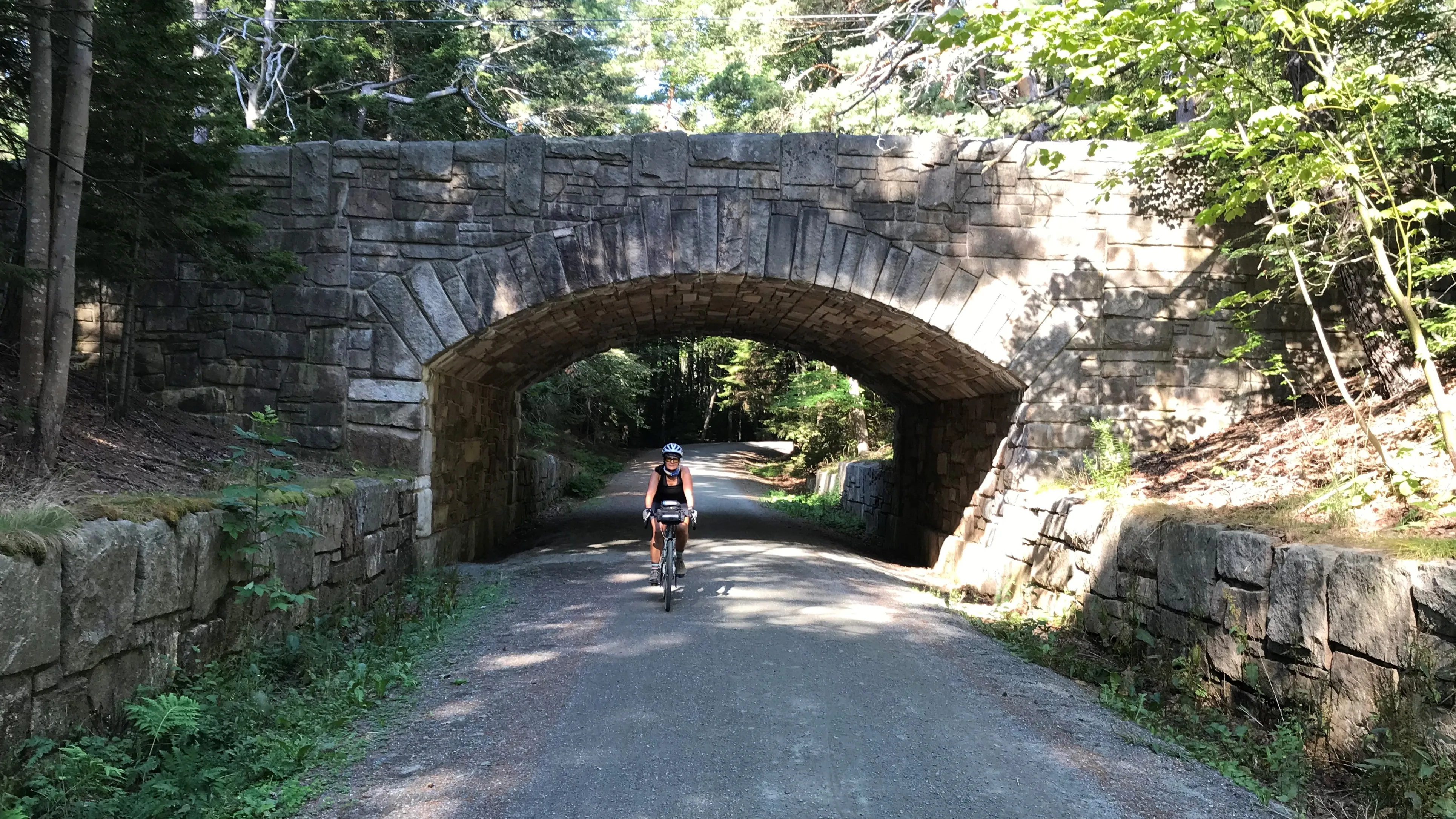
Understanding Acadia's Biking Environment

Acadia National Park offers a unique cycling experience with its 45 miles of historic carriage roads built by John D. Rockefeller Jr. between 1913 and 1940. Understanding what to pack for biking in Acadia requires knowledge of these motor-free crushed stone paths and Maine's coastal climate patterns.
The park's elevation changes and proximity to the Atlantic Ocean create microclimates that can shift rapidly. Temperatures typically range from 45°F to 75°F during peak cycling season (May through October), but coastal fog can roll in unexpectedly, dropping visibility and creating damp conditions. The carriage roads themselves present unique challenges: while well-maintained, the crushed stone surface can become slippery when wet, and grades up to 8% require proper gearing and stamina.
When considering what to pack for biking in Acadia, remember that the park receives over 3 million visitors annually, with peak crowds from July through September. Early morning rides offer the best experience with fewer pedestrians and cooler temperatures. The park's 17 historic stone bridges and numerous trail intersections require navigation awareness, making proper gear selection crucial for both safety and enjoyment.
Wildlife encounters add another dimension to your packing considerations. While black bears are rare on the carriage roads, smaller wildlife like red squirrels and various bird species are common. The park's varied terrain, from lakeside paths to mountain ridges, demands versatile equipment that can handle everything from smooth stretches around Eagle Lake to more technical sections near Cadillac Mountain.
Essential Safety Equipment
Safety equipment forms the foundation of what to pack for biking in Acadia. Maine state law requires helmets for riders under 16, but smart cyclists of all ages prioritize head protection on these challenging carriage roads. The crushed stone surface and numerous bridges create potential hazards that make proper safety gear non-negotiable.
Helmet Selection
A quality MIPS-equipped helmet provides superior protection against rotational forces common in cycling accidents. The Giro Register MIPS II Adult Recreational Bike Helmet offers excellent ventilation and comfort for Acadia's varied terrain.
Beyond helmets, comprehensive safety preparation includes visibility gear, especially important during Acadia's frequent foggy conditions. Bright clothing, reflective elements, and proper lighting ensure other trail users can spot you easily. The park's popularity means sharing paths with pedestrians, horses, and other cyclists, making visibility crucial for everyone's safety.
Emergency communication devices deserve consideration when planning what to pack for biking in Acadia. While cell coverage exists throughout most of the park, dead zones occur in remote valleys. A whistle provides an effective backup signaling method, and some cyclists carry personal locator beacons for extended solo rides. First aid knowledge and basic supplies handle minor scrapes and injuries that can occur on the gravel surfaces.
Emergency Repair Kit
Mechanical issues can strand riders miles from help. A comprehensive Bicycle Repair Bag With Tire Pump provides essential tools for common problems like flat tires and loose components.
Clothing and Weather Protection
Maine's coastal climate demands strategic layering when determining what to pack for biking in Acadia. Morning temperatures in the 50s can climb to 75°F by afternoon, while sudden fog banks can drop perceived temperatures by 15-20 degrees. Successful cyclists master the art of adaptable clothing systems.
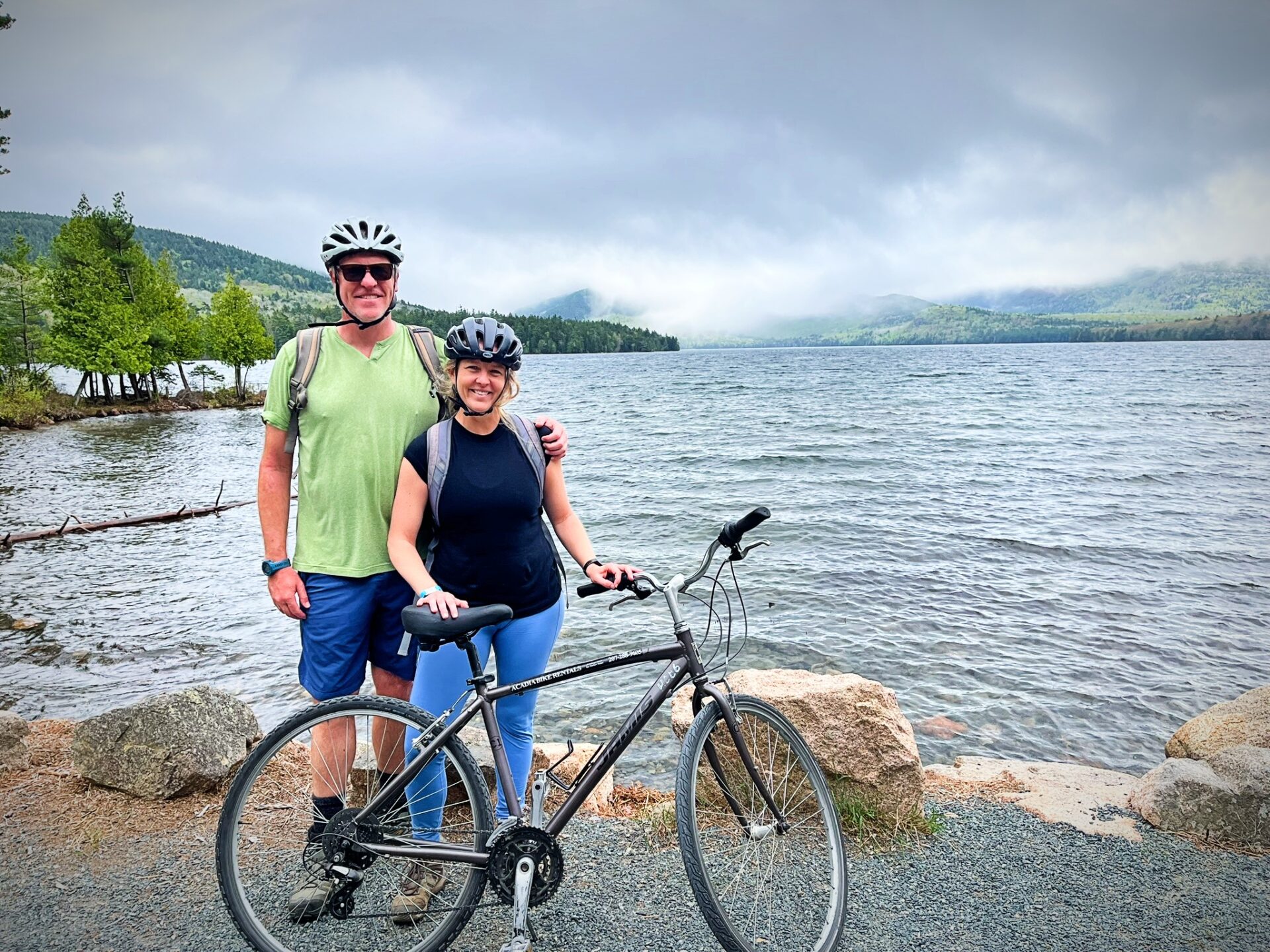
Base layers should prioritize moisture-wicking materials over cotton, which retains sweat and loses insulation when wet. Merino wool and synthetic fabrics excel in Acadia's humid conditions, maintaining comfort during climbs up routes like the Around Mountain Loop. Mid-layers provide adjustable warmth - a lightweight fleece or vest easily stows in a pack when temperatures rise.
Outer shell protection becomes critical when coastal weather systems move through the park. Waterproof-breathable jackets with ventilation zippers prevent the sauna effect common with cheaper rain gear. Pants follow the same principles - convertible designs allow adaptation from full coverage to shorts as conditions change. Quality rain pants with ankle zippers simplify changes without removing shoes.
Hand and Foot Protection
Proper gloves prevent blisters and improve grip on Acadia's challenging terrain. These Bike Gloves for Men Women with Anti-Slip Shock-Absorbing Pad offer essential protection and comfort.
Footwear selection significantly impacts comfort and safety on Acadia's carriage roads. While dedicated cycling shoes optimize power transfer, sturdy athletic shoes with good tread work well for recreational riders. The crushed stone surface can be slippery, especially around the numerous stone bridges where moisture accumulates. Consider bringing camp shoes for post-ride comfort if staying overnight in the area.
Sun protection rounds out essential clothing considerations. Acadia's elevation and coastal location intensify UV exposure, making sun hats, UV-blocking shirts, and quality sunglasses important additions to your packing list. The park's open carriage roads offer little shade during midday hours, particularly on routes like the Eagle Lake Loop where tree cover is minimal.
Hydration and Nutrition Gear
Proper hydration strategy forms a cornerstone of what to pack for biking in Acadia. The park's elevation changes, coastal humidity, and extended ride durations create significant fluid loss that must be managed proactively. Smart cyclists start hydrating before their ride and maintain consistent intake throughout their journey.
Water Bottle Systems
Standard bicycle bottle cages accommodate bottles under 3 inches in diameter. The CamelBak Podium Chill Bike Insulated Squeeze Water Bottle maintains cold temperatures and provides easy one-handed operation.
Hydration pack systems offer advantages for longer routes or riders preferring hands-free drinking. These systems work particularly well on Acadia's more technical sections where maintaining handlebar grip is crucial. The additional storage capacity accommodates tools, snacks, and extra clothing layers. Consider capacity based on ride duration - 1.5-2 liters suits most carriage road adventures.
Hydration Pack Option
For extended rides, a Lightweight Hydration Backpack provides water storage plus room for tools and snacks, essential for what to pack for biking in Acadia.
Nutrition planning becomes increasingly important on longer routes like the full carriage road network tour. Easily digestible foods provide steady energy without causing stomach distress. Trail mix, energy bars, and fruit offer convenient options that pack easily. The Jordan Pond House provides the only food service within the park, making self-sufficiency crucial for remote sections.
Electrolyte replacement matters during extended efforts or hot weather. Sports drinks, electrolyte tablets, or natural options like diluted fruit juice help maintain performance and prevent cramping. Consider individual needs - some riders require more sodium replacement due to high sweat rates, while others focus on carbohydrate fueling for sustained energy output.
Navigation and Emergency Preparedness
Acadia's extensive carriage road network can confuse even experienced cyclists, making navigation tools essential components of what to pack for biking in Acadia. The park's 45 miles of interconnected roads feature numbered intersections, but fog, fatigue, or excitement can lead to wrong turns that add unwanted miles to your ride.
Paper maps provide reliable backup navigation that doesn't depend on battery power. The National Park Service publishes detailed carriage road maps showing intersection numbers, distances, and difficulty ratings. Waterproof map cases protect against Acadia's frequent moisture.
Smartphone apps offer enhanced navigation with GPS tracking, but battery management becomes critical during extended rides. Portable battery packs ensure devices remain functional throughout long adventures. Download offline maps before your ride - cellular coverage exists throughout most of the park but can be spotty in valleys and remote sections.
Emergency preparedness extends beyond navigation to include communication and signaling devices. A whistle provides effective long-distance signaling that carries well through Acadia's wooded terrain. Personal identification, emergency contacts, and medical information should be easily accessible in waterproof containers. Consider informing someone of your planned route and expected return time.
Emergency Considerations
• Weather can change rapidly near the coast
• Mechanical failures occur far from assistance
• Trail intersections can confuse navigation
• Limited food services within the park
First aid knowledge proves more valuable than elaborate kits for most cycling situations. Basic supplies for cuts, scrapes, and blisters handle common issues. Pain relievers, anti-inflammatory medications, and any personal prescription needs should be readily available. Consider the duration and remoteness of your planned route when determining appropriate preparation levels.
My Experience Biking Acadia's Carriage Roads
"After completing over 200 miles on Acadia's carriage roads across multiple seasons, I've learned that preparation makes all the difference between magical experiences and challenging ordeals."
My first Acadia cycling adventure in early June taught me harsh lessons about what to pack for biking in Acadia. Arriving with minimal gear, I faced unexpected 45°F morning temperatures, afternoon thunderstorms, and mechanical issues 8 miles from the nearest road. That experience transformed my approach to preparation and sparked a deeper appreciation for this incredible park.
October visits revealed Acadia's spectacular fall colors but also its unpredictable weather patterns. One memorable ride started in brilliant sunshine at Eagle Lake, encountered dense fog on the Around Mountain Loop, and finished in light rain near Jordan Pond. Having proper layering systems and waterproof gear made the difference between enjoying nature's drama and suffering through it.
Real User Experiences
Sarah M. - Amazon Review ⭐⭐⭐⭐⭐
"Used the CamelBak Podium bottle throughout our 25-mile Acadia ride. The insulation kept water cold during hot July weather, and the easy-squeeze design worked perfectly with cycling gloves. Essential for long carriage road tours."
Mike R. - Reddit r/bikepacking ⭐⭐⭐⭐⭐
"The repair kit saved our Acadia trip when we had two flats on the Around Mountain Loop. Compact design fit perfectly in my frame bag, and the included pump worked great on the carriage road surface. Don't ride Acadia without one."
Jennifer K. - Quora Review ⭐⭐⭐⭐⭐
"The hydration backpack was perfect for our family ride. Carried water for everyone plus snacks and first aid supplies. The kids loved the hands-free drinking system, and it distributed weight better than bottles for the adults."
Rangers consistently emphasize preparation during my conversations at the Hulls Cove Visitor Center. They've responded to numerous incidents involving under-prepared cyclists caught by weather changes or mechanical failures. Their advice aligns with my experience: pack for conditions worse than forecasted, carry more water than you think you'll need, and always have emergency repair capabilities.
Pros and Cons Analysis
Pros of Proper Preparation
- Confidence to explore remote sections
- Comfort in changing weather conditions
- Safety during mechanical issues
- Enhanced enjoyment of park's beauty
Cons of Over-packing
- Additional weight affects climbing performance
- Gear can clutter bike aesthetics
- Initial investment in quality equipment
- Storage challenges in small vehicles
Conclusion
Understanding what to pack for biking in Acadia transforms challenging terrain into memorable adventures. From the essential safety equipment that protects against Acadia's unique hazards to the clothing systems that adapt to Maine's mercurial weather, proper preparation enables you to fully experience the park's 45 miles of historic carriage roads.
The investment in quality gear pays dividends through enhanced safety, comfort, and confidence. Whether tackling the challenging Around Mountain Loop or enjoying a leisurely Eagle Lake circuit, having the right equipment lets you focus on Acadia's spectacular scenery rather than worrying about mechanical failures or weather changes.
Ready to Experience Acadia's Magic?
Don't let poor preparation limit your adventure. Invest in the right gear and experience Acadia National Park's carriage roads with confidence.
Start Building Your Acadia Gear KitRemember that the best gear list adapts to your specific riding style, fitness level, and comfort preferences. Use this comprehensive guide as a foundation, then adjust based on your planned routes, seasonal conditions, and personal experience. Acadia's carriage roads reward preparation with some of the most spectacular cycling experiences on the East Coast.
Start with essential safety items and gradually build your kit as you gain experience with what to pack for biking in Acadia. Each ride will teach you something new about gear preferences and preparation strategies. The goal isn't perfection but rather developing a system that enhances your enjoyment of this remarkable national park.
Frequently Asked Questions
What should I prioritize when deciding what to pack for biking in Acadia?
Safety equipment takes top priority, followed by weather protection and hydration systems. Acadia's carriage roads present unique challenges with crushed stone surfaces, elevation changes, and rapidly changing coastal weather. Essential items include a quality helmet, repair kit, waterproof layers, and adequate water storage. These basics ensure you can handle emergencies and weather changes safely. Additional gear like navigation aids and comfort items enhance the experience but shouldn't compromise space for essentials.
How does seasonal timing affect what to pack for biking in Acadia?
Seasonal variations dramatically impact packing requirements in Acadia. Spring and fall demand comprehensive layering systems for temperature swings from 40°F to 70°F, plus waterproof protection for frequent precipitation. Summer requires sun protection, insect repellent, and enhanced hydration capacity for longer daylight hours and higher visitor volumes. Winter cycling needs specialized gear including traction devices and cold-weather clothing systems. Check seasonal closure information since some carriage roads close during mud season (typically March-April) and snow conditions limit access.
Are there specific gear requirements for Acadia's carriage roads versus mountain biking trails?
Acadia's carriage roads require different equipment than technical mountain biking trails. The crushed stone surface demands good tread patterns but doesn't need aggressive knobby tires. Standard recreational bikes work well, though some grades challenge single-speed setups. The well-maintained surfaces reduce suspension needs, making comfort bikes viable options. However, the stone surface can cause more punctures than paved roads, making tire repair capabilities essential. The park's regulations prohibit mountain biking on hiking trails, limiting off-road cycling to designated carriage roads only.
What emergency equipment should I include when packing for solo rides in Acadia?
Solo riders need enhanced emergency preparedness beyond standard group riding gear. Essential additions include a whistle for long-distance signaling, first aid supplies for self-treatment, extra food and water beyond normal requirements, and communication devices like cell phones with backup power. Consider personal locator beacons for remote sections, though cell coverage exists throughout most carriage roads. Inform someone of your planned route and expected return time. Carry identification with emergency contact information and medical conditions. The park's popularity means help is usually available, but self-sufficiency prevents minor issues from becoming serious problems.
How much water should I pack for different length rides in Acadia?
Hydration needs vary significantly based on ride duration, weather conditions, and individual physiology. For rides under 2 hours, 20-24 ounces typically suffices in moderate conditions. Half-day adventures (3-5 hours) require 40-60 ounces, while full-day explorations need 60+ ounces plus electrolyte replacement. Hot weather, high humidity, or strenuous climbs increase requirements substantially. The Jordan Pond House provides the only water source within the park, making self-sufficiency crucial for remote routes. Consider carrying purification tablets for emergency water treatment from natural sources, though the park discourages relying on untreated water supplies.