

As someone who spends a lot of time outdoors, I've learned that a reliable women's lightweight rain jacket isn't just a piece of gear—it's a shield, a comfort, and often, a game-changer. From misty morning hikes to unexpected downpours while traveling, having the right protection makes all the difference. Join me as I share my personal insights, practical tips, and top recommendations to help you find that perfect packable companion for staying dry and comfortable, no matter what the weather throws your way.
Why a Lightweight Rain Jacket is a Must-Have for Every Woman's Wardrobe
Living an active life, whether it's exploring national parks, commuting through a city, or simply walking the dog, means you're bound to encounter rain. For years, I made the mistake of either foregoing a rain jacket entirely, leading to miserable, soggy experiences, or lugging around a heavy, cumbersome coat that felt more like a burden than a benefit. It took a particularly memorable deluge during a multi-day hike in the Pacific Northwest for me to truly understand the value of a quality women's lightweight rain jacket.
That day, the weather forecast had been deceptively optimistic, promising only "scattered showers." What we got instead was hours of relentless, soaking rain. My old, cheap rain jacket, which I'd convinced myself was "good enough," quickly became saturated, turning into a heavy, cold sponge. My hiking partners, however, donned their sleek, barely-there lightweight shells and continued on, relatively unbothered. That stark contrast was my wake-up call. I realized that a truly effective rain jacket doesn't just block water; it needs to be light enough to carry without thought, packable enough to disappear into a small corner of your bag, and breathable enough to prevent you from getting soaked from the inside out by your own sweat.
Since then, my personal philosophy on outdoor gear has shifted dramatically. A well-chosen women's lightweight rain jacket is now at the absolute top of my essential packing list for almost any adventure. It offers unparalleled versatility, adapting to sudden weather changes whether I'm traversing mountain trails, navigating bustling urban streets during a downpour, or simply facing a breezy, damp morning. It's the ultimate "just in case" item that proves its worth time and again, transforming what could be a miserable experience into a minor inconvenience.
Beyond utility, there's a certain freedom that comes with knowing you're prepared. You can embrace spontaneity, knowing that a sudden change in weather won't derail your plans. This isn't just about staying dry; it's about staying comfortable, maintaining your body temperature, and ultimately, enjoying your time outdoors more fully. This is why I'm so passionate about helping other women find their perfect lightweight rain jacket – because once you experience the difference, there's no going back.
What Makes a Rain Jacket "Lightweight" and "Women's Specific"?
When we talk about a women's lightweight rain jacket, we're not just talking about something thin. There's a science and design philosophy behind it that prioritizes minimal weight and bulk without compromising crucial weather protection. Understanding these elements is key to making an informed choice.
Understanding Fabric and Construction: The Layering Game
At the heart of any good rain jacket is its fabric technology. Lightweight rain jackets typically use one of three main construction types:
- 2-Layer (2L): Here, the waterproof-breathable membrane is bonded to the outer fabric. A separate mesh or fabric liner protects the membrane on the inside. These are often heavier and bulkier but can be more affordable.
- 2.5-Layer (2.5L): This is a popular choice for lightweight jackets. The waterproof-breathable membrane is bonded to the outer fabric, and then a thin protective print or coating is applied directly to the membrane on the inside. This eliminates the need for a separate liner, significantly reducing weight and bulk, making them highly packable. Many best packable rain jacket options fall into this category.
- 3-Layer (3L): The most robust option, where the waterproof-breathable membrane is sandwiched between a durable outer fabric and a soft, protective inner liner. While generally heavier and pricier, 3L jackets offer superior durability, breathability, and comfort, especially for extreme conditions or heavy use. Some premium women's lightweight rain jacket models manage to keep weight down even with 3L construction by using advanced, lighter materials.
The choice between these depends on your activity level and desired balance of durability vs. weight. For truly ultralight options, 2.5L constructions often dominate due to their exceptional packability.
Key Features Contributing to Lightness
Beyond fabric construction, several design choices contribute to a jacket's lightweight nature:
- Minimalist Design: Fewer pockets, simpler hood adjustments, and streamlined silhouettes all shave off grams. While I appreciate functional pockets, I've found that sometimes less is truly more when every ounce counts.
- Featherlight Face Fabrics: Utilizing ultra-thin nylon or polyester fabrics, often with high denier counts for durability despite their thinness.
- Trimmer Zippers & Hardware: Employing lightweight zippers (often water-resistant rather than heavy waterproof ones) and minimal cord locks or toggles.
- Shortened Length: Most lightweight rain jackets end around the hip to minimize fabric use, which is excellent for mobility but offers slightly less coverage than a best rain coat for women.
Fit and Tailoring for Women
This is where the "women's specific" aspect comes in, and it's far more than just color choices. A well-designed women's lightweight rain jacket is tailored to the female physique, offering a more comfortable and functional fit.
- Articulated Cut: Designed with consideration for wider hips, narrower shoulders, and often a smaller waist-to-hip ratio. This prevents gaping or constriction, especially when layering.
- Sleeve Articulation: Sleeves are often pre-shaped to accommodate arm movement without pulling up the hem, crucial for activities like hiking or climbing.
- Hood Design: While many hoods are unisex, women's specific designs might offer better ponytail compatibility or fit around the face without obstructing vision.
- Overall Length: Often designed to hit at a flattering and functional length that doesn't restrict leg movement but still provides adequate coverage.
I've worn unisex jackets in the past, and while functional, they often felt baggy in some areas and tight in others. Investing in a women's specific design made a noticeable difference in comfort and performance, especially when layering. It allows for a full range of motion, which is paramount when you're out in challenging weather conditions.
The Essential Features I Look for in a Women's Lightweight Rain Jacket
When I'm evaluating a women's lightweight rain jacket, I look beyond the initial impression and dive into the details. These features are what truly distinguish a good jacket from a great one, especially when you're caught in an unexpected downpour.
Waterproofing & Breathability: The Dynamic Duo
This is arguably the most critical aspect. A jacket needs to keep water out, but it also needs to let sweat vapor escape. Without breathability, you'll feel clammy and wet from the inside, regardless of how waterproof the exterior is.
- DWR Coating vs. Fully Waterproof Membranes: Every quality rain jacket starts with a DWR (Durable Water Repellent) coating on the outer fabric. This causes water to bead up and roll off. However, the true waterproofing comes from the membrane (e.g., Gore-Tex, Pertex Shield, H2No, Dry.Q, Omni-Tech, Futurelight). These membranes have microscopic pores small enough to block liquid water droplets but large enough to allow water vapor (sweat) to pass through. I always check if a jacket has fully taped seams; otherwise, even the best membrane will fail.
- MVTR and Breathability Ratings: While less commonly advertised to the average consumer, some brands provide MVTR (Moisture Vapor Transmission Rate) ratings. Higher numbers indicate better breathability. For active use, I aim for jackets with strong breathability to avoid overheating. Gore-Tex is a benchmark, but many proprietary technologies offer competitive performance.
My personal experience has taught me that compromising on breathability is a recipe for discomfort. There's nothing worse than working up a sweat on a climb only to have it condense inside your jacket, making you feel cold and clammy.
Packability & Weight: Your Backpack's Best Friend
The whole point of a lightweight rain jacket is that you can carry it effortlessly. For me, if it's not easy to pack, I'm less likely to bring it, and then it's useless when I need it most.
- Stuff Sacks & Self-Packing Pockets: Many women's lightweight rain jacket models feature a stuff sack or can be packed into their own pocket. This is incredibly convenient for tossing into a daypack, luggage, or even a large purse.
- Ultralight vs. Durable-Light: There's a spectrum. Ultralight jackets (often under 8 oz) are fantastic for minimalists, trail runners, or thru-hikers. However, they might sacrifice some durability. Durable-light options (8-12 oz) strike a better balance for general hiking and travel, offering more robust fabrics that can withstand a bit more abuse. For my typical multi-day hikes, I tend to lean towards the durable-light end. If I'm heading out for a short urban walk or a warm-weather trail run, a truly best lightweight rain jacket that packs down to the size of an apple is my go-to.

Hood Design: A Lifesaver in a Downpour
A poorly designed hood is practically useless. In heavy rain or wind, a good hood is your first line of defense.
- Adjustability: I look for hoods with multiple points of adjustment – usually a cinch around the face and another at the back of the head. This allows you to customize the fit, ensuring it moves with your head and provides maximum visibility without blowing off in gusty conditions.
- Visors and Storm Flaps: A stiffened brim or visor helps keep rain out of your eyes and off your glasses. Some hoods also have internal storm flaps that prevent water from seeping through the neck opening.
- Helmet-Compatibility: If you cycle, climb, or engage in other helmet-requiring activities, ensure the hood is large enough to fit over your helmet comfortably. Otherwise, it's just extra bulk.
I distinctly remember a miserable morning navigating a winding trail, my face pelted by rain, simply because my jacket's hood refused to stay put. That experience taught me to scrutinize hood design above almost everything else.
Zippers & Pockets: Small Details, Big Impact
These might seem minor, but they significantly affect a jacket's functionality and weather protection.
- Water-Resistant Zippers: Many lightweight jackets use highly water-resistant zippers (often laminated or coated) instead of traditional storm flaps to reduce bulk. While not 100% waterproof, they offer excellent protection against typical rain. For critical items, I still use dry bags inside pockets.
- Pocket Placement and Functionality: Hand pockets should be accessible even when wearing a backpack hip belt. Chest pockets are great for maps, phones, or snacks. I prefer pockets that have mesh lining on the inside, as they can double as extra vents.
Cuffs & Hem: Sealing Out the Wet
Ensuring no water sneaks in at the edges is crucial for staying completely dry.
- Adjustable Cuffs: Velcro tabs or elasticated cuffs allow you to seal out rain and wind, or open them up for ventilation. This is especially important if you're wearing gloves or want to pull your sleeves up.
- Adjustable Hem: A drawcord at the hem lets you cinch the jacket tight, preventing drafts and water from splashing up from below.
Venting: Pit Zips and Beyond
Even the most breathable membrane can be overwhelmed during strenuous activity. This is where mechanical venting comes in.
- Pit Zips: These are non-negotiable for me in any active hiking rain jacket. Zippers under the arms allow you to dump heat quickly without fully opening the jacket, maintaining weather protection.
- Other Vents: Some jackets have mesh-lined pockets or back vents that offer additional airflow.
The ability to control your microclimate inside the jacket is a hallmark of a truly well-designed piece of outdoor apparel. Without adequate venting, even a lightweight rain jacket can feel stifling when you're working hard.
An insightful video on understanding rain jacket features and technologies.
My Experience: Years of Navigating the Elements with Lightweight Rain Jackets
My journey with women's lightweight rain jackets has been a long and winding one, filled with trial, error, and plenty of soggy lessons. It’s through these real-world encounters that I’ve truly understood what works and what doesn’t. This isn't just about reading specs; it's about feeling the jacket perform when the weather turns.
From Unexpected Downpours to Planned Treks
I’ve hiked through every kind of rain imaginable. From the steady, soul-drenching drizzle of the Pacific Northwest to the sudden, violent thunderstorms that erupt on a hot summer day in the Rockies, my rain jacket has been my constant companion. One vivid memory stands out: I was on a multi-day backpacking trip in Glacier National Park. The forecast had been clear, but as we ascended to a high pass, dark clouds rolled in with alarming speed. Within minutes, the sky opened up, unleashing a torrent of icy rain and hail.
My old jacket, a heavier, less breathable model, quickly became a sauna. While it kept the rain out, my strenuous climb meant I was getting soaked from the inside. I felt clammy, overheated, and quickly chilled once we stopped moving. That day, I learned the critical importance of breathability in a lightweight rain jacket. It’s not just about staying dry from external moisture; it’s about managing your internal climate.
Another time, during a springtime trip to Ireland, the weather changed every hour. One moment it was sunny, the next a blustery, horizontal rain. My new ultralight rain jacket, which packed down to nothing, was a lifesaver. I could quickly pull it out, throw it on, and tuck it away without breaking stride. The freedom it offered was incredible. I realized that the "best" jacket isn't just about the most advanced tech; it's about the one you'll actually carry, the one that makes your adventures smoother.
I've also learned that seasonal and local context matters immensely. A jacket that's perfect for a humid summer downpour in the Southeast might be insufficient for a cold, windy rainstorm in the mountains, where layering is key. In drier climates, a minimalist shell might suffice, but in truly wet regions like the Olympic Peninsula, you need robust, fully waterproof gear.
Ranger Insights and Local Wisdom
Over the years, I've had many conversations with park rangers and experienced outdoors enthusiasts, and their advice consistently reinforces my own lessons. One common theme is the "be prepared" mantra. As a ranger once told me, "The mountains don't care about your forecast app." They emphasize that even on sunny days, carrying a women's lightweight rain jacket is non-negotiable because mountain weather can shift in an instant. This simple truth has saved me from numerous uncomfortable situations.
I've also picked up practical tips on layering. Rangers often suggest a breathable base layer, an insulating mid-layer (like fleece), and then your waterproof-breathable rain jacket as the outer shell. This system allows you to adapt to changing temperatures and activity levels. For instance, on a brisk morning, I might wear a light fleece under my rain jacket. As I warm up, I can shed the fleece and rely on the rain jacket alone, utilizing its pit zips for ventilation.
Another crucial piece of advice I've heard repeatedly is the importance of checking your gear regularly. Your jacket's DWR coating isn't permanent. When water stops beading up and starts to "wet out" the outer fabric, it's time to reapply. This simple maintenance task can drastically extend the life and performance of your lightweight waterproof jacket. They also stress packing your jacket in an easily accessible spot, not buried at the bottom of your pack, because when you need it, you need it now.
These collective experiences and shared wisdom have shaped my understanding of what makes a truly valuable piece of rain gear. It's about preparedness, understanding the technology, and knowing how to make it work for you in the real world.

Top Picks: My Recommended Women's Lightweight Rain Jackets
After years of testing, researching, and getting caught in countless downpours, I've developed a keen eye for what makes a truly great women's lightweight rain jacket. These are some of my top recommendations, chosen for their balance of performance, features, and value, addressing different needs and preferences.
Ultralight for Backpacking: Outdoor Research Helium - Women's
The Outdoor Research Helium jacket has long been a favorite among ultralight backpackers, hikers, and anyone who prioritizes minimal weight and packability. It's the kind of jacket you can always have stuffed in your pack "just in case" without noticing the bulk. Crafted with Pertex Shield fabric, it offers excellent waterproofness and surprisingly good breathability for its weight. I've personally used a Helium on numerous fast-and-light trips where every ounce truly matters. Its minimalist design means no pit zips, but the fabric breathes well enough for moderate activity.
User Review Summary:
Amazon (4.5/5 stars): Users consistently praise its incredibly low weight and tiny packed size, making it perfect for travel and backpacking. Many highlight its reliable waterproofing in steady rain. Some note that breathability, while good for its class, can be a limiting factor during high-output activities. The lack of hand pockets on earlier versions was a common critique, but newer models often address this.
Reddit (r/Ultralight): Frequently recommended for its superb weight-to-protection ratio. Thru-hikers laud its emergency weather protection. Concerns sometimes arise about long-term durability with heavy pack straps due to the delicate fabric, but most agree it's an acceptable trade-off for the weight savings.
Quora: Often cited as a top choice for runners and hikers seeking minimal bulk. Praised for its effectiveness in unexpected rain, though some mention it's not ideal for prolonged heavy downpours if maximum durability is needed. The hood fit and adjustment are generally well-received.
Pros:
- Extremely lightweight and packable (often under 6 oz for women's).
- Reliable Pertex Shield waterproofing.
- Excellent emergency shell for hiking, running, and travel.
- Comfortable fit tailored for women.
- Great hood design for weather protection.
Cons:
- Breathability, while good for ultralight, can be overwhelmed during very high-exertion activities.
- Durability is lighter than heavier 3-layer jackets; requires care with abrasive surfaces.
- Minimal features (e.g., no pit zips) to keep weight down.
- Can be pricey for its minimalist design.
Buy Outdoor Research Helium on Amazon
Best for Everyday & Casual: Helly Hansen Moss - Women's
While many lightweight rain jackets are geared towards technical outdoor pursuits, the Helly Hansen Moss jacket offers a fantastic blend of style, protection, and value for everyday use and casual outdoor activities. It’s a classic rain jacket that leverages Helly Hansen’s long history in maritime outerwear. Made from a fully waterproof PU-coated Helox+ fabric, it focuses on keeping you completely dry in a stylish, comfortable package. I've found this jacket perfect for rainy day commutes, walking around town, or light showers where breathability isn't the absolute top priority over absolute waterproofness.
User Review Summary:
Amazon (4.6/5 stars): Reviewers love its timeless, stylish aesthetic and how genuinely waterproof it is. Many praise the soft, flexible fabric and comfortable fit. It's often highlighted as a go-to for walking, light gardening, or city wear. Some mention it's less breathable than technical hiking jackets, making it less ideal for high-exertion activities but perfect for casual use.
Reddit (r/BuyItForLife): Users appreciate its durability and classic look, noting that Helly Hansen often lasts for years. It's recommended for those who prioritize absolute dryness and a traditional rain slicker feel. The robust construction and simple, effective design are frequently praised for their longevity.
Quora: Often recommended for those seeking a reliable, non-technical rain jacket for everyday situations. Praised for being excellent in sustained rain and offering good value for its waterproof performance. Some advise sizing up if layering heavy sweaters underneath, due to its tailored fit.
Pros:
- Excellent, reliable waterproofing for all-day rain.
- Stylish, classic design suitable for urban and casual wear.
- Durable PU-coated Helox+ fabric.
- Comfortable and flexible, allowing good range of motion.
- Often available at a more accessible price point than technical shells.
Cons:
- Lower breathability compared to performance hiking jackets, not ideal for high-output activities.
- Heavier and less packable than ultralight options.
- Limited technical features (e.g., no pit zips).
- Can feel warm in humid conditions.
Shop Helly Hansen Moss on Amazon
The Versatile Performer: Mountain Hardwear Stretch Ozonic - Women's
The Mountain Hardwear Stretch Ozonic is a fantastic example of a women's lightweight rain jacket that balances technical performance with comfort and versatility. What sets it apart is its Dry.Q Active 2.5-layer fabric, which is not only waterproof and breathable but also incredibly stretchy. This stretch factor makes a huge difference in comfort and mobility, especially when you're reaching, climbing, or scrambling. I've found this jacket to be a superb all-rounder for everything from challenging day hikes to casual evening strolls where I might need to layer up. The pit zips are a welcome addition for active ventilation.
User Review Summary:
Amazon (4.4/5 stars): Many users rave about the comfort provided by the stretchy fabric, which allows for excellent range of motion. It's highly praised for its waterproof performance and respectable breathability, with pit zips being a frequently mentioned positive. Some find the fit to be slightly athletic, suggesting sizing up if they prefer a looser feel for layering. It's a popular choice for rock climbing and hiking.
Outdoor Gear Lab: Highlighted for its impressive stretch and comfort, making it feel less restrictive than traditional rain jackets. It generally performs well in their waterproof and breathability tests, securing a high spot for its overall utility and user experience. They often recommend it for active users who value mobility.
Reddit (r/CampingAndHiking): Often recommended as a solid middle-ground option for those who want more durability and features than an ultralight jacket, but still need good packability. Hikers appreciate its ability to move with them, and the reliable protection in varied weather. Some wish for slightly larger hand pockets, but overall satisfaction with its performance is high.
Pros:
- Exceptional stretch for comfort and unrestricted movement.
- Reliable Dry.Q Active 2.5-layer waterproof-breathable technology.
- Good balance of weight, packability, and durability.
- Features pit zips for excellent ventilation.
- Versatile for a wide range of outdoor activities.
Cons:
- Not as ultralight or packable as the most minimalist options.
- Price point is higher than basic rain shells.
- Some users might prefer a slightly more generous fit for heavy layering.
- Hood might feel a bit small over bulkier helmets.
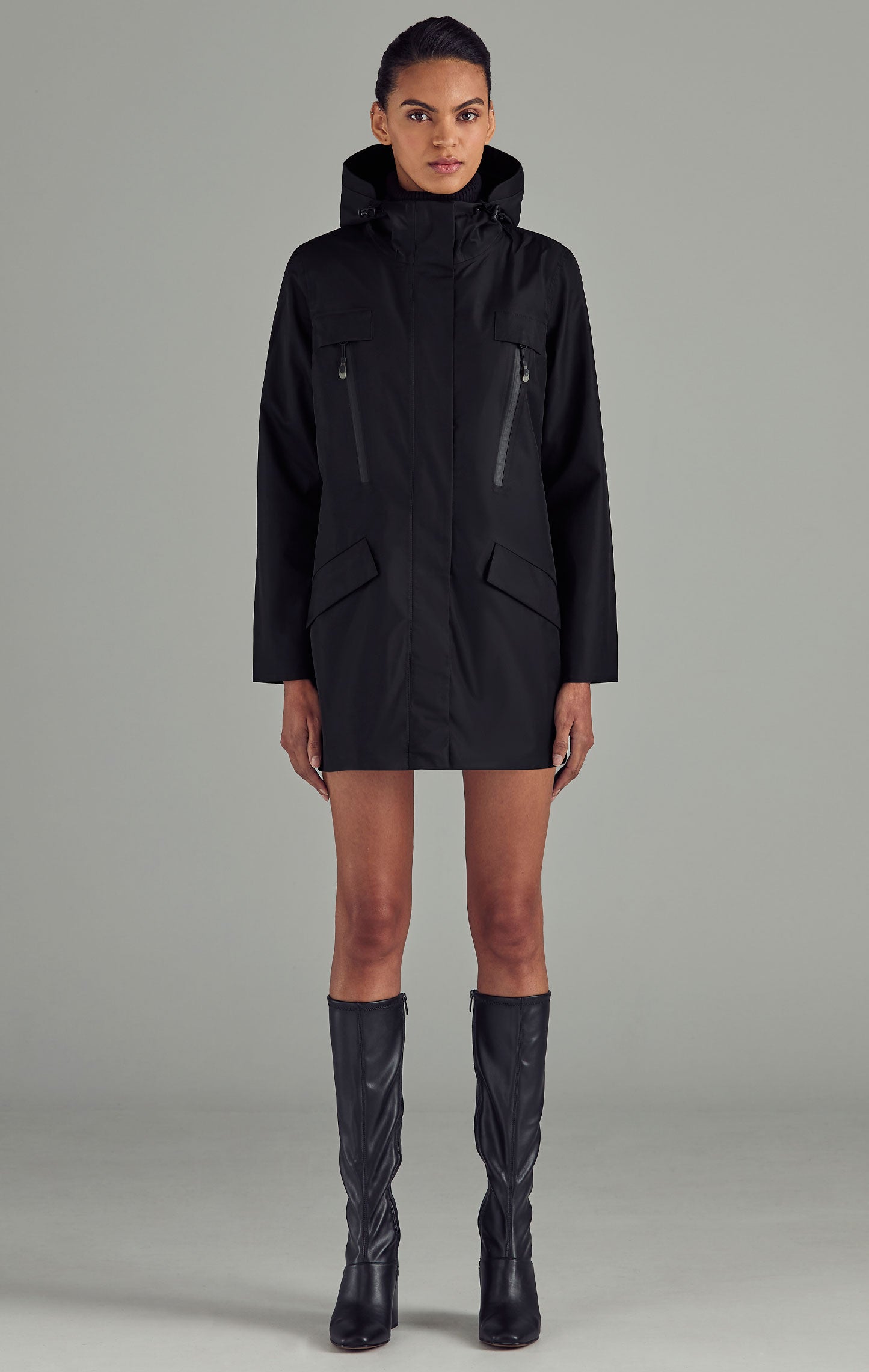
How to Choose the Perfect Lightweight Rain Jacket for Your Needs
Choosing the right women's lightweight rain jacket can feel overwhelming with all the options available. To simplify the process, I break it down by focusing on four key areas:
Activity Level
- Casual Use (walking, commuting, errands): For low-exertion activities, maximum breathability might not be your top concern. You can prioritize absolute waterproofing, style, and comfort. A jacket like the Helly Hansen Moss or a simple coated nylon shell would be excellent.
- Active Use (day hiking, cycling, light running): Here, breathability becomes crucial. You'll want a jacket with a good waterproof-breathable membrane (2.5L or lighter 3L) and definitely pit zips. The Mountain Hardwear Stretch Ozonic is a strong contender here.
- Extreme Use (backpacking, trail running, mountaineering): For high-output, multi-day adventures, ultralight and highly breathable options are paramount. Every ounce counts. Jackets like the Outdoor Research Helium excel in this category, often sacrificing some durability for extreme weight savings.
Climate & Conditions
Think about where and when you'll primarily be using your rain jacket.
- Humid & Warm Climates: Breathability is king. Even if it's raining, you're likely to sweat. Look for jackets with good MVTR ratings and robust ventilation features like pit zips.
- Cold & Windy Climates: While still needing waterproofing, insulation becomes a factor. You'll likely be layering, so ensure your jacket has a slightly roomier fit. A more robust 3-layer construction might offer better wind resistance and durability.
- Prolonged Heavy Rain: If you anticipate hours of steady rain, prioritize absolute waterproofness and durable construction. A jacket with a strong DWR and a reliable membrane will serve you best.
Budget Considerations
Rain jackets can range from under $50 to well over $400. You generally get what you pay for in terms of technology, durability, and breathability.
- Entry-Level (Under $100): You'll find good basic waterproof jackets, often with PU coatings. They'll keep you dry but might lack breathability or advanced features. Great for occasional use or emergency shells.
- Mid-Range ($100-$250): This is the sweet spot for many, offering a good balance of waterproof-breathable membranes, decent features (like pit zips), and acceptable weight. Many best rain jacket options fall in this price range.
- Premium ($250+): These jackets typically feature top-tier membranes (like Gore-Tex Pro), ultralight yet durable fabrics, advanced features, and exceptional craftsmanship. They are investments for serious enthusiasts who demand the best performance and longevity.
From my perspective, it's worth investing in the best you can afford for your primary use case. A slightly more expensive jacket that truly performs will save you discomfort and potentially money in the long run.
Fit & Sizing
A rain jacket should allow for a full range of motion and accommodate layering. Don't size it too snugly.
- Layering Space: Ensure there's enough room to wear a fleece or light puffy jacket underneath without feeling constricted.
- Mobility: Test arm raises, bending, and reaching. The jacket shouldn't ride up excessively or pull awkwardly.
- Length: Most lightweight rain jackets are hip-length, offering good mobility. If you desire more coverage, consider a longer hiking rain jacket or an anorak style.
Remember that women's specific cuts are designed with the female form in mind, so trying on different brands can make a significant difference in finding that perfect fit.
Caring for Your Women's Lightweight Rain Jacket: Extend Its Lifespan
A high-quality women's lightweight rain jacket is an investment, and like any good piece of gear, it needs proper care to maintain its performance. Many people mistakenly think they shouldn't wash their waterproof jackets, but that's a myth! Regular cleaning is essential.
- Washing Instructions: Always check the manufacturer's label first, but general advice for most waterproof-breathable jackets (like those with Gore-Tex or proprietary membranes) is to machine wash on a gentle cycle with warm water. Use a technical wash designed for waterproof fabrics, such as Nikwax Tech Wash or Granger's Performance Wash. Avoid regular detergents, fabric softeners, or bleach, as these can clog the membrane and strip the DWR coating. Ensure all zippers are closed and Velcro tabs are secured before washing.
- Reactivating DWR: The DWR (Durable Water Repellent) coating is what makes water bead up on the outside of your jacket. Over time, it wears off, causing the fabric to "wet out" (absorb water), even if the membrane is still waterproof. To reactivate it, tumble dry your jacket on a low-to-medium heat setting after washing (again, check the label). The heat helps to redistribute and reactivate the DWR. If this doesn't work, it's time to reapply.
- Reapplying DWR: If water no longer beads, you can use a wash-in or spray-on DWR treatment (like Nikwax TX.Direct or Granger's Performance Repel). Follow the product instructions carefully. This step is critical for maintaining breathability, as a wet outer fabric prevents sweat vapor from escaping the membrane.
- Proper Storage: When not in use, hang your jacket in a well-ventilated area. Avoid stuffing it into a tiny compression sack for long periods, as this can degrade the fabric and membrane over time.
By taking these simple steps, you can significantly extend the life and performance of your lightweight waterproof jacket, ensuring it keeps you dry and comfortable for many adventures to come. Neglecting care is the fastest way to turn your expensive gear into a glorified trash bag.
FAQ: Your Questions About Lightweight Rain Jackets Answered
What is the best light weight rain jacket?
The 'best' lightweight rain jacket often depends on your specific needs, but popular and highly-rated options for women include the Outdoor Research Helium II/III, Marmot PreCip Eco, and Patagonia Torrentshell 3L. These jackets strike an excellent balance between minimal weight, packability, and reliable waterproof-breathable performance. The OR Helium is renowned for its ultralight design, making it ideal for fast-and-light adventures. The Marmot PreCip Eco offers great value for everyday use and light hiking, while the Patagonia Torrentshell provides robust 3-layer protection for more demanding conditions, proving its versatility across various activities. Ultimately, the best choice aligns with your intended use, budget, and personal fit preferences.
What is the difference between a rain coat and a rain jacket?
The terms 'rain coat' and 'rain jacket' are often used interchangeably, but there's a subtle distinction, mainly in length and intended style. A rain coat typically refers to a longer garment, often extending to the thighs or knees, designed for more formal or urban wear, providing greater coverage from the rain. Think trench coats or stylish parkas. A rain jacket, on the other hand, is generally shorter, ending at the hip or waist, making it more practical for active outdoor pursuits like hiking, cycling, or climbing, where mobility is key. While both are designed to keep you dry, rain jackets usually prioritize performance, breathability, and packability for dynamic activities, whereas rain coats might lean more towards fashion and comprehensive coverage.
Which lightweight waterproof jacket?
When choosing a lightweight waterproof jacket, consider key factors like membrane technology, weight, and features. For serious backpackers or thru-hikers, jackets featuring Pertex Shield or ultralight Gore-Tex versions (like Paclite) are excellent, such as the Outdoor Research Helium. If you need something durable for varied conditions and extended trips, a 3-layer jacket like the Patagonia Torrentshell 3L offers superior protection and longevity, albeit with a slight weight increase. For budget-conscious users seeking reliable performance in less extreme conditions, jackets with proprietary membranes like Marmot's NanoPro (found in the PreCip Eco) provide great waterproofness and breathability without breaking the break. Always look for fully taped seams and adjustable hoods.
Which is better nylon or PVC raincoat?
Between nylon and PVC for rainwear, nylon is generally considered superior, especially for lightweight and breathable rain jackets. PVC (Polyvinyl Chloride) raincoats are typically very waterproof and inexpensive, as they create an impenetrable barrier to water. However, they are heavy, rigid, lack breathability, and can feel sticky and uncomfortable as moisture builds up inside from perspiration. Nylon rain jackets, often coated with DWR (Durable Water Repellent) and featuring a waterproof-breathable membrane (like Gore-Tex or proprietary alternatives), offer excellent waterproofing while allowing sweat vapor to escape, significantly enhancing comfort for active use. They are also much lighter, more flexible, and packable, making them ideal for outdoor adventures. For specific uses like heavy-duty industrial rain gear, PVC might still be preferred, but for personal lightweight rain gear, nylon is the clear winner.
Final Thoughts on Staying Dry and Comfortable
Embarking on any adventure, big or small, shouldn't be hampered by the fear of inclement weather. As I've learned through countless trips and personal testing, a truly exceptional women's lightweight rain jacket is a fundamental piece of gear that empowers you to embrace the outdoors, come rain or shine. It's not just about staying dry; it's about maintaining comfort, regulating body temperature, and ultimately, extending your enjoyment in nature. By prioritizing features like waterproof-breathability, thoughtful design, and a proper fit, you're not just buying a jacket; you're investing in reliable protection and peace of mind.
I hope my experiences and insights have helped demystify the world of lightweight rain jackets for women. Remember to consider your specific activities, the climates you'll encounter, and your budget when making your choice. Don't underestimate the power of a well-cared-for jacket – a little maintenance goes a long way in ensuring its longevity and performance. So go ahead, choose wisely, and step out with confidence, knowing you're prepared for whatever the sky has in store.
Here's what I personally use for layering under my rain jacket on colder hikes: my favorite Patagonia women's rain jacket, which offers great versatility.