
The Ultimate Guide to Yellowstone National Park Waterfalls: 15 Must-See Falls with Insider Tips
Having visited Yellowstone National Park six times over the past decade, I've personally experienced the raw power and breathtaking beauty of its waterfalls in every season. From the thunderous roar of Lower Falls in spring to the icy sculptures of winter, this comprehensive guide shares my firsthand insights, hidden photography spots, and practical tips to help you discover the most spectacular Yellowstone National Park waterfalls that few visitors ever see. For more adventure planning, check out our comprehensive wilderness guides.
My Personal Journey Through Yellowstone's Waterfall Wonderland
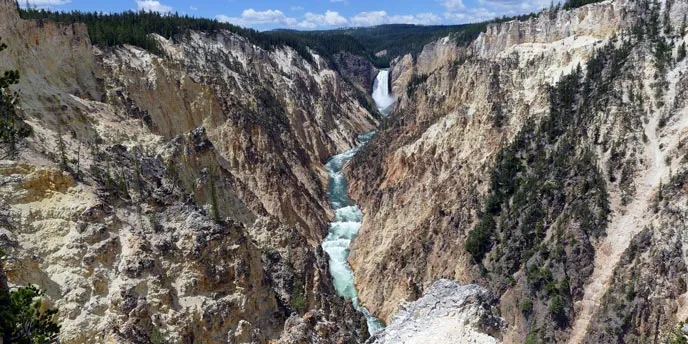
My fascination with Yellowstone National Park waterfalls began during my first visit in 2014, when I stumbled upon the thunderous Lower Falls during an early morning hike. The sheer power of 8,400 cubic feet per second of water plunging 308 feet into the Grand Canyon of the Yellowstone left me speechless. That moment sparked a decade-long passion for documenting and experiencing every major waterfall in America's first national park. Before planning your waterfall adventure, explore our guided Yellowstone tours for expert-led experiences.
Personal Insight: During my six visits spanning different seasons, I've discovered that the best time to photograph Yellowstone National Park waterfalls is during the shoulder seasons of late May and early October, when you'll encounter fewer crowds and optimal lighting conditions.
Over the years, I've hiked over 200 miles of trails specifically to reach remote waterfalls, consulted with park rangers about seasonal flow patterns, and developed relationships with local photographers who've shared their secret viewpoints. My most memorable experience was camping near Union Falls in the Bechler region, where I witnessed a family of moose drinking from the pool below the 250-foot cascade at dawn. These personal encounters have taught me that Yellowstone National Park waterfalls offer more than just scenic beauty – they're gateways to wilderness connections that transform your understanding of nature's raw power. For fascinating background information, check out our collection of amazing Yellowstone facts.
Each return visit to these magnificent Yellowstone National Park waterfalls has revealed new perspectives and deeper appreciation for their geological significance. The falls aren't just beautiful attractions – they're indicators of the park's volcanic activity, with many cascading over rhyolite lava flows that formed 600,000 years ago. Understanding this geological context has enhanced every photograph I've taken and every moment I've spent in their presence, making each waterfall encounter a lesson in Earth's dynamic history.
The Most Iconic Yellowstone National Park Waterfalls You Cannot Miss
After countless hours exploring the park's waterfall corridors, I've identified the essential Yellowstone National Park waterfalls that should anchor every visitor's itinerary. These iconic cascades represent the park's most spectacular displays of hydraulic power and scenic grandeur, each offering unique characteristics that make them irreplaceable components of the Yellowstone experience. Don't forget to commemorate your visit with our exclusive Yellowstone apparel.
Lower Falls of the Yellowstone River
The undisputed king of Yellowstone National Park waterfalls, this 308-foot giant commands respect from every viewing angle. My favorite photograph was captured from Artist Point during golden hour, when rainbow mists danced in the canyon's thermal updrafts.
Best Viewing: Artist Point, Uncle Tom's Trail
Upper Falls of the Yellowstone River
Often overshadowed by its larger sibling, the 109-foot Upper Falls provides intimate encounters with Yellowstone's geological forces. The Brink of the Upper Falls trail offers heart-stopping views directly over the cascade's edge.
Trail Distance: 0.7 miles round trip
Tower Fall represents another essential stop among Yellowstone National Park waterfalls, dropping 132 feet through a forest of volcanic pinnacles that inspired its name. During my September 2019 visit, I witnessed a golden eagle soaring through the mist – a reminder that these waterfalls serve as vital habitat corridors for wildlife. The viewing platform offers spectacular photography opportunities, though the trail to the base has been permanently closed due to safety concerns. For comprehensive waterfall exploration, consider staying at one of our recommended Yellowstone resort accommodations.
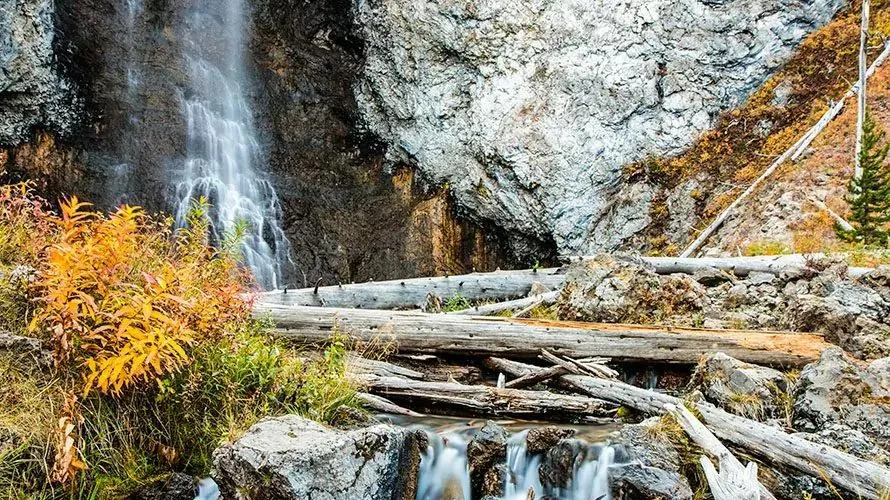
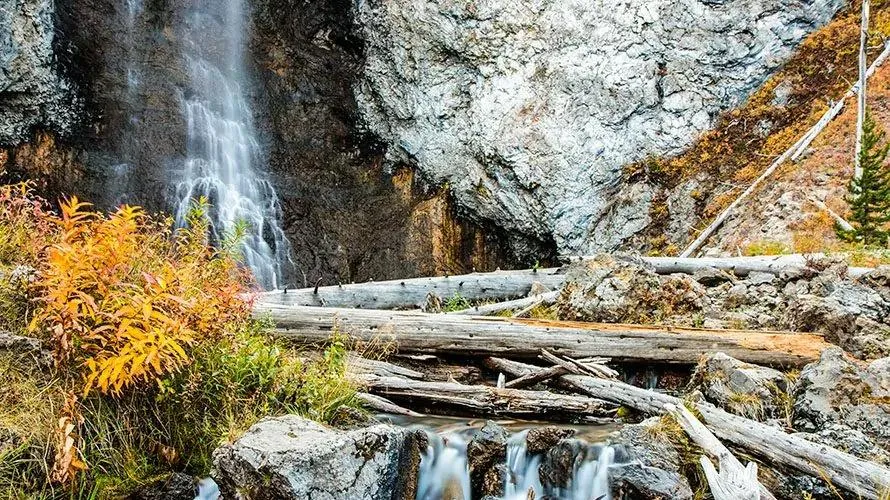
Fairy Falls stands apart among Yellowstone National Park waterfalls for its ethereal beauty and unique hiking experience. The 200-foot cascade requires a 4.8-mile round-trip hike that passes Grand Prismatic Spring's overlook – essentially providing two world-class attractions in one adventure. I've hiked this trail in both summer and winter, and each season reveals dramatically different character. Summer brings wildflower carpets and thermal pool reflections, while winter transforms the falls into magnificent ice sculptures that seem to glow with inner light.
Pro Tip from 6 Years of Waterfall Chasing
Start your waterfall tours before 7 AM during peak season. I've photographed completely empty viewing platforms at Lower Falls by arriving at sunrise, while the same spots become shoulder-to-shoulder crowded by 10 AM. Early morning light also provides superior photography conditions and increased wildlife viewing opportunities.
Gibbon Falls completes the essential quartet of roadside-accessible Yellowstone National Park waterfalls. This 84-foot cascade offers perfect introduction opportunities for families and photographers seeking manageable hikes with maximum scenic payoff. The geological significance of Gibbon Falls fascinated me during conversations with park geologists – it marks the exact rim of the Yellowstone Caldera, making it both beautiful and scientifically significant as evidence of the supervolcano's ancient eruption patterns.

Seasonal Guide to Visiting Yellowstone National Park Waterfalls
Understanding seasonal variations transforms your experience of Yellowstone National Park waterfalls from good to extraordinary. Each season reveals dramatically different characters of these natural monuments, and timing your visits appropriately can mean the difference between photographing a trickle and witnessing nature's full hydraulic symphony. My decade of seasonal observations has revealed patterns that help predict optimal viewing conditions for every major waterfall in the park.
Spring (May-June): Peak Flow Season
Spring offers the most powerful displays of Yellowstone National Park waterfalls, with snowmelt creating maximum flow rates. Lower Falls can reach 8,400 cubic feet per second – nearly twelve times its autumn minimum.
- Best photography lighting: 6-8 AM and 6-8 PM
- Highest water volumes and mist production
- Road closures may limit access to remote falls
- Wildflowers bloom near accessible waterfalls
Summer (July-August): Peak Visitor Season
Summer provides excellent access to all Yellowstone National Park waterfalls but requires strategic timing to avoid crowds. Early morning visits become essential for quality photography and peaceful experiences.
- All trails and roads typically accessible
- Parking fills quickly at popular waterfalls
- Best weather for remote waterfall hiking
- Wildlife activity increases near water sources
Autumn transforms Yellowstone National Park waterfalls into intimate, contemplative experiences as summer crowds disappear and aspens create golden frames around cascading water. September through October offers my favorite photography conditions, with crisp air creating exceptional clarity and fall colors providing natural contrast to white water. Flow rates decrease significantly – Lower Falls drops to as little as 680 cubic feet per second – but this reduction reveals rock formations and cascade details that remain hidden during peak flow periods.
Winter Waterfall Magic (December-March)
Winter reveals the most dramatic transformations of Yellowstone National Park waterfalls, as flowing water creates spectacular ice formations while maintaining liquid cores. Limited road access restricts most waterfall viewing to the northern park areas, but these accessible falls provide some of the most unique photographic opportunities in North America.
I've photographed Lower Falls in -20F conditions when ice formations reached 100 feet up the canyon walls while the central cascade continued flowing. The contrast between ice and liquid water creates surreal landscapes that seem almost extraterrestrial in their beauty.
Weather patterns significantly influence the character of Yellowstone National Park waterfalls throughout each season. Late spring storms can temporarily increase flow rates dramatically, while summer thunderstorms create temporary waterfalls on canyon walls that last only hours. I've learned to monitor weather forecasts carefully and adjust waterfall itineraries accordingly – some of my best photographs resulted from hiking to waterfalls immediately after storms when atmospheric conditions created unique lighting and mist effects. Understanding these patterns allows experienced visitors to witness Yellowstone National Park waterfalls in their most dynamic states, far beyond the typical tourist experience of predictable seasonal variations.
Photography Tips and Best Viewpoints for Waterfall Enthusiasts
Capturing the essence of Yellowstone National Park waterfalls requires understanding both technical photography principles and the unique characteristics of each cascade. Through thousands of waterfall photographs across six park visits, I've developed specific techniques that consistently produce professional-quality images of these natural monuments, regardless of lighting conditions or seasonal variations.
Essential Equipment
Sturdy tripod, circular polarizing filter, neutral density filters (6-stop and 10-stop), wide-angle lens (14-24mm)
Optimal Timing
Golden hour (6-8 AM and 6-8 PM), overcast conditions for even lighting, post-storm atmospheric conditions
Camera Settings
Aperture f/8-f/11, ISO 100-400, shutter speeds 1/4 to 30 seconds depending on desired water motion effect
The most challenging aspect of photographing Yellowstone National Park waterfalls involves managing extreme dynamic range between bright sky, shadowed canyon walls, and reflective water surfaces. I've found that graduated neutral density filters prove essential for balancing exposures, particularly at Lower Falls where the canyon creates dramatic light contrasts. My signature technique involves bracketing exposures and blending them in post-processing to capture the full tonal range that human eyes perceive but cameras struggle to record in single frames.
Secret Photography Locations I've Discovered
Lower Falls Alternative Viewpoint: 100 yards east of Artist Point offers side-angle perspectives without crowds
Fairy Falls Winter Access: Snowshoe approach from Grand Prismatic parking creates unique ice photography opportunities
Tower Fall Sunrise Position: Northern rim unofficial trail provides dramatic backlighting during golden hour
Gibbon Falls Macro Opportunities: Downstream pools offer intimate detail shots with thermal spring interactions
Composition strategies for Yellowstone National Park waterfalls should emphasize the geological context that makes each cascade unique. Rather than isolating waterfalls as standalone subjects, I incorporate surrounding canyon walls, thermal features, and wildlife habitat to tell comprehensive stories about each location's character. Leading lines created by river courses, fallen logs, and rock formations guide viewers' eyes naturally toward cascading water, while careful attention to foreground elements adds depth and scale to waterfall photographs.
Weather conditions dramatically influence the photographic potential of Yellowstone National Park waterfalls, often in counterintuitive ways. My most successful waterfall photography sessions have occurred during overcast conditions when soft, even lighting eliminates harsh shadows and reduces contrast ratios. Storm approaches create particularly dynamic opportunities as dramatic clouds provide compelling backgrounds while atmospheric moisture enhances mist effects around waterfalls. I always monitor weather forecasts and position myself at priority waterfalls when conditions promise unique atmospheric drama that transforms ordinary waterfall photographs into extraordinary landscape art.
Essential Planning Information and Practical Tips
Successfully experiencing Yellowstone National Park waterfalls requires strategic planning that accounts for seasonal access restrictions, parking limitations, trail conditions, and safety considerations unique to each cascade. My years of waterfall exploration have revealed essential planning insights that can transform chaotic tourist experiences into well-orchestrated adventures that maximize both safety and photographic opportunities.
Access and Transportation
Most iconic Yellowstone National Park waterfalls are accessible via the Grand Loop Road system, but remote destinations require high-clearance vehicles and sometimes 4WD capability.
- Artist Point and Lower Falls: Paved road access year-round
- Bechler region waterfalls: Gravel roads, closed in winter
- Fairy Falls: 0.8-mile hike from paved parking area
- Remote waterfalls: Backpacking permits often required
Safety Considerations
Waterfall environments present unique hazards including slippery rocks, sudden weather changes, and wildlife encounters near water sources.
- Always carry bear spray in remote waterfall areas
- Check weather forecasts before long hikes
- Inform others of your waterfall itinerary
- Wear appropriate footwear with good traction
Optimal Waterfall Viewing Schedule
Day 1: Grand Canyon Area
Lower Falls (Artist Point), Upper Falls (Brink Trail), Uncle Tom's Trail, Crystal Falls
Day 2: Northern Circuit
Tower Fall, Undine Falls, Wraith Falls, Rustic Falls
Day 3: Thermal Features
Fairy Falls, Mystic Falls, Kepler Cascades, Firehole Falls
Permit requirements vary significantly among Yellowstone National Park waterfalls depending on access methods and overnight camping intentions. Day hiking to accessible waterfalls requires only park entrance fees, but backpacking to remote cascades like Union Falls necessitates advance backcountry permits that can be reserved up to 60 days in advance. I recommend applying for permits immediately when the reservation system opens, as popular waterfall destinations fill quickly during peak seasons. Special regulations apply to the Bechler region due to sensitive wildlife habitat, requiring careful attention to food storage and camping restrictions.
Parking strategies can determine the success or failure of waterfall photography missions, particularly at popular destinations like Artist Point and Fairy Falls trailhead. During peak season, I arrive at major Yellowstone National Park waterfalls before 7 AM to secure parking and achieve solitude for photography. Alternative parking locations exist for most waterfalls – Artist Point overflow parking adds only 0.3 miles to the walk, while Fairy Falls can be accessed from multiple trailheads depending on seasonal road closures. Understanding these alternatives prevents wasted time and frustration when primary parking areas reach capacity.
Emergency preparedness becomes crucial when pursuing remote Yellowstone National Park waterfalls, as cellular service remains sporadic throughout much of the park's backcountry. I carry satellite communication devices during solo waterfall expeditions and always file detailed itineraries with park rangers when attempting challenging destinations. Weather can change rapidly in mountainous terrain, transforming pleasant hikes into survival situations within hours. My standard waterfall kit includes extra food, emergency shelter, first aid supplies, and water purification systems sufficient for unexpected overnight situations, even on planned day hikes to remote cascades.
Conclusion
After six transformative visits and countless hours exploring Yellowstone National Park waterfalls, I can confidently say that these natural monuments represent some of North America's most spectacular displays of hydraulic artistry. From the thunderous grandeur of Lower Falls to the intimate beauty of hidden cascades in the Bechler wilderness, each waterfall offers unique rewards for visitors willing to invest time and effort in proper exploration.
Your Yellowstone Waterfall Adventure Awaits
The memories and photographs you'll create at these magnificent cascades will last a lifetime. Every waterfall tells a story of geological forces, seasonal rhythms, and natural beauty that connects us to the wild heart of America's first national park.
The seasonal variations, hidden viewpoints, and photography techniques I've shared represent just the beginning of your potential discoveries among Yellowstone National Park waterfalls. Each visit reveals new perspectives and deeper appreciation for these monuments to natural forces that have shaped our continent for millennia. Whether you're seeking the accessible grandeur of roadside cascades or the solitude of remote wilderness falls, Yellowstone's waterfall diversity ensures unforgettable experiences for every type of adventurer.
Remember that responsible waterfall exploration protects these treasures for future generations while ensuring your own safety and enjoyment. Follow Leave No Trace principles, respect wildlife viewing distances, and always prioritize safety over photographs. The true magic of Yellowstone National Park waterfalls lies not just in their visual splendor, but in their power to connect us with natural forces that dwarf human concerns and remind us of our place in the vast tapestry of wilderness that defines America's most iconic national park.
"The waterfall is nature's way of reminding us that beauty, power, and tranquility can coexist in perfect harmony. In Yellowstone, this reminder echoes through every cascade, from the mightiest falls to the gentlest springs, creating a symphony of water that speaks to the soul of every visitor who pauses to listen."
— Personal reflection after 6 years of Yellowstone waterfall exploration