
Yellowstone National Park Weather in August: Your Ultimate Summer Adventure Guide
Understanding Yellowstone National Park Weather in August: What I've Learned from 15 Years of Summer Visits
After visiting Yellowstone National Park every August for the past fifteen years, I can confidently tell you that understanding the weather patterns is absolutely crucial for planning your perfect summer adventure. The Yellowstone National Park weather in August presents a fascinating complexity that many first-time visitors underestimate, but once you understand these patterns, you'll be able to plan an extraordinary trip that takes full advantage of what I consider the park's most rewarding month.
August weather in Yellowstone National Park varies dramatically based on elevation, time of day, and specific location within the park's 3,472 square miles. During my countless summer visits, I've experienced everything from 85F sunshine at Mammoth Hot Springs to unexpected frost at higher elevations like Dunraven Pass. This variability isn't a bug—it's a feature that makes Yellowstone National Park weather in August endlessly fascinating and sometimes challenging to navigate. For comprehensive park planning beyond Yellowstone, consider exploring Black Canyon of the Gunnison National Park reviews for your next adventure.
August Weather Quick Facts
The key to understanding Yellowstone National Park weather in August lies in recognizing the elevation differences throughout the park. At Mammoth Hot Springs (6,239 feet), temperatures regularly reach the upper 70s to low 80s, creating perfect conditions for exploring the terraced limestone formations. However, when I hike up to places like Mount Washburn (10,243 feet), I've encountered snow patches even in mid-August, with temperatures dropping 30-40 degrees from the valleys below. If you're planning to explore other national parks, check out our comprehensive national park guides for more adventure ideas.
This elevation-dependent weather pattern means that packing for Yellowstone National Park weather in August requires careful consideration of your planned activities. I always tell fellow travelers that successful August visits require layering strategies that can accommodate a 50-degree temperature swing within a single day. Understanding these patterns has transformed my Yellowstone experiences from merely good to absolutely extraordinary.
Detailed August Weather Patterns: Daily and Weekly Forecasts You Can Count On
Early August (1st-10th)
Peak summer conditions with the warmest temperatures and longest daylight hours. Perfect for hiking and wildlife viewing.
Mid-August (11th-20th)
Transition period with cooler evenings. Excellent for photography as wildlife becomes more active in moderate temperatures.
Late August (21st-31st)
Early fall transition with crisp mornings and comfortable afternoons. Prime time for elk bugling and reduced crowds.
From my extensive experience monitoring Yellowstone National Park weather in August, I've noticed consistent daily patterns that can help you plan your activities strategically. Morning temperatures typically start between 35-45F throughout the park, with frost possible at higher elevations even during peak summer. By 10 AM, temperatures climb rapidly, reaching their daily peak between 2-4 PM. For camping enthusiasts planning for these temperature variations, I recommend checking out campground options near other national parks to compare facilities and amenities.
The afternoon weather pattern in Yellowstone National Park during August follows a predictable cycle that I've observed year after year. Around 2 PM, cumulus clouds begin forming over the mountain peaks, and by 4-6 PM, afternoon thunderstorms frequently develop, particularly in the park's eastern and southern sections. These storms rarely last more than 1-2 hours, but they can be intense, with frequent lightning and heavy downpours.
Evening cooling in Yellowstone National Park weather during August happens quickly due to the high elevation and clear mountain air. Temperatures can drop 20-30 degrees within two hours of sunset, which occurs around 8:15 PM at the beginning of August and 7:45 PM by month's end. This rapid cooling creates perfect conditions for wildlife activity and stunning photographic opportunities, but it also means that proper layering becomes essential for comfort.
Understanding these daily patterns has allowed me to maximize my Yellowstone experiences by timing activities perfectly. I schedule morning wildlife viewing when animals are most active in the cool temperatures, plan midday hiking when warm weather makes higher elevations comfortable, and prepare for afternoon weather changes that characterize Yellowstone National Park weather in August.
Wildlife Viewing and the August Rut Season: Nature's Greatest Show Begins
August marks the beginning of one of Yellowstone's most spectacular natural phenomena: the rut season. During my August visits, I've witnessed incredible wildlife behavior that transforms the park into nature's ultimate theater. The Yellowstone National Park weather in August creates perfect conditions for observing elk and bison as they begin their annual mating rituals, behaviors that are intimately connected to the cooling temperatures and changing daylight patterns.
Elk begin their preliminary rutting activities in late August, with bulls starting to gather harems and practicing their distinctive bugling calls. The cool morning temperatures that characterize Yellowstone National Park weather in August trigger increased elk activity, making dawn and dusk optimal viewing times. I've found the Mammoth Hot Springs area and Lamar Valley particularly productive for elk watching during this transitional weather period. For adventurous visitors interested in challenging outdoor activities, consider exploring climbing opportunities at other remarkable national parks.
August Wildlife Viewing Calendar
Bison Rut (Peak Activity)
Large herds gather in Lamar and Hayden Valleys. Bulls become increasingly aggressive and territorial.
Best viewing: 6-9 AM, 6-8 PMElk Pre-Rut (Building Activity)
Bulls practice bugling and begin gathering small harems. Increased movement and vocalizations.
Best viewing: 5-8 AM, 7-9 PMBear Activity (Berry Season)
Grizzlies and black bears focus on huckleberry patches. Increased sightings at higher elevations.
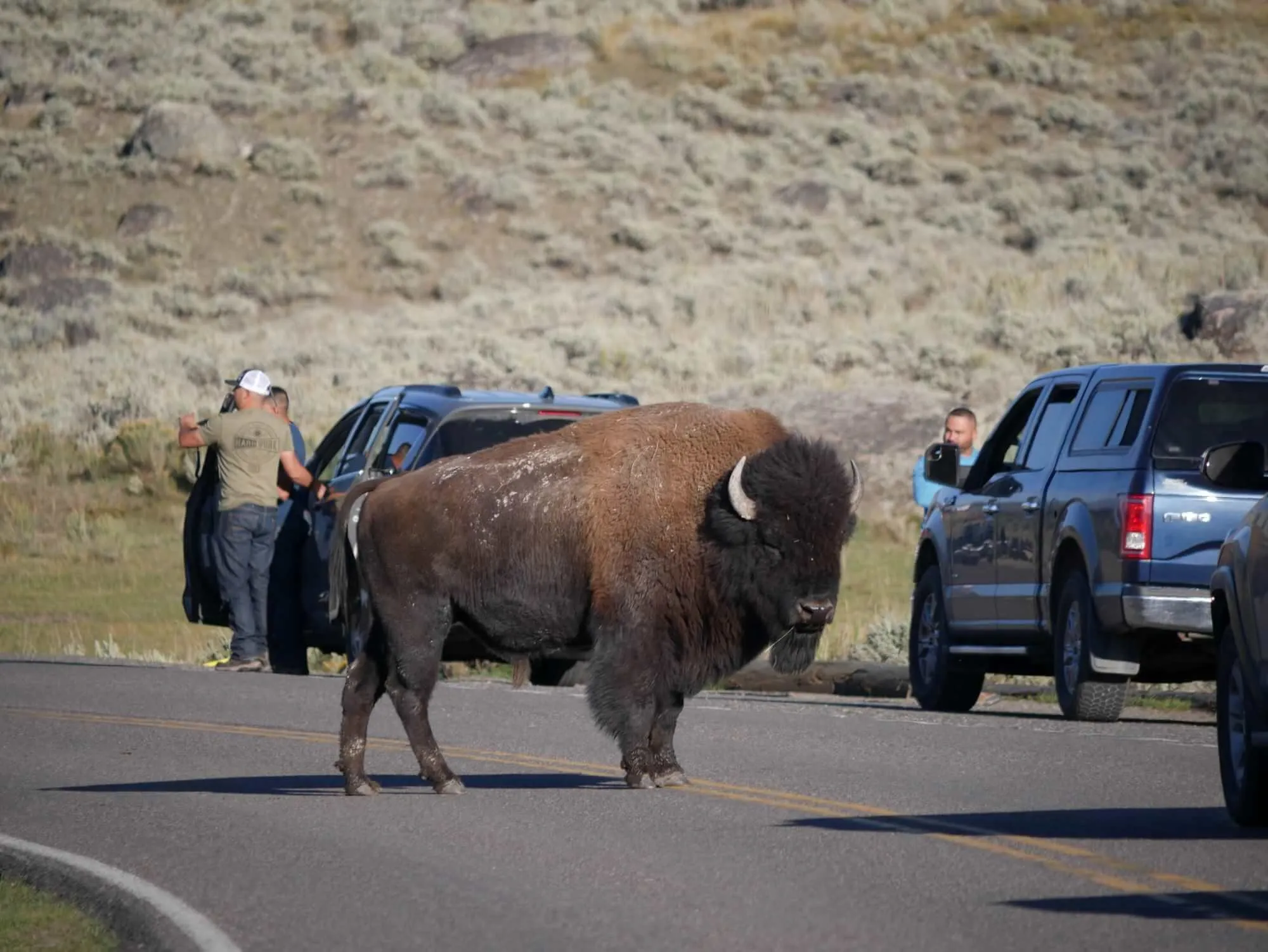
Best viewing: All day in backcountry areasBison behavior during August represents the peak of their rut season, creating some of the most dramatic wildlife viewing opportunities in North America. The moderate temperatures of Yellowstone National Park weather in August allow these massive animals to remain active throughout more of the day compared to the hotter July conditions. I've observed bulls weighing up to 2,000 pounds engaging in spectacular battles for dominance, creating dust clouds so large they're visible from miles away.
Bear activity intensifies during August as grizzlies and black bears focus on building fat reserves for winter hibernation. The cooler temperatures that define Yellowstone National Park weather in August make bears more active during daylight hours, particularly in high-elevation areas where huckleberry patches provide crucial nutrition. During my mountain hikes, I've encountered bears at elevations above 8,000 feet, where the August weather remains cool enough for comfortable foraging throughout the day.
Wolf viewing during August presents unique challenges and opportunities. While the warmer weather pushes wolf packs to higher elevations and more remote areas, the longer daylight hours provide extended viewing windows. I've had my best August wolf sightings in the early morning hours between 5:30-7:00 AM, when the cool temperatures characteristic of Yellowstone National Park weather in August encourage pack movement and hunting activity. For those interested in exploring dramatic landscapes similar to Yellowstone's geological features, the South Rim experiences at Black Canyon offer equally breathtaking vistas.
Bird watching reaches its peak diversity during August, as both resident species and early migrants create a rich tapestry of avian life. The stable weather patterns of Yellowstone National Park in August support consistent insect activity, which in turn supports robust populations of flycatchers, warblers, and other insectivorous birds. I've recorded over 60 bird species during single August days, taking advantage of the comfortable weather conditions for extended field observation sessions.
Best Activities and Attractions: Making the Most of August's Perfect Weather
Comprehensive guide to visiting Yellowstone throughout the year, with special focus on August conditions
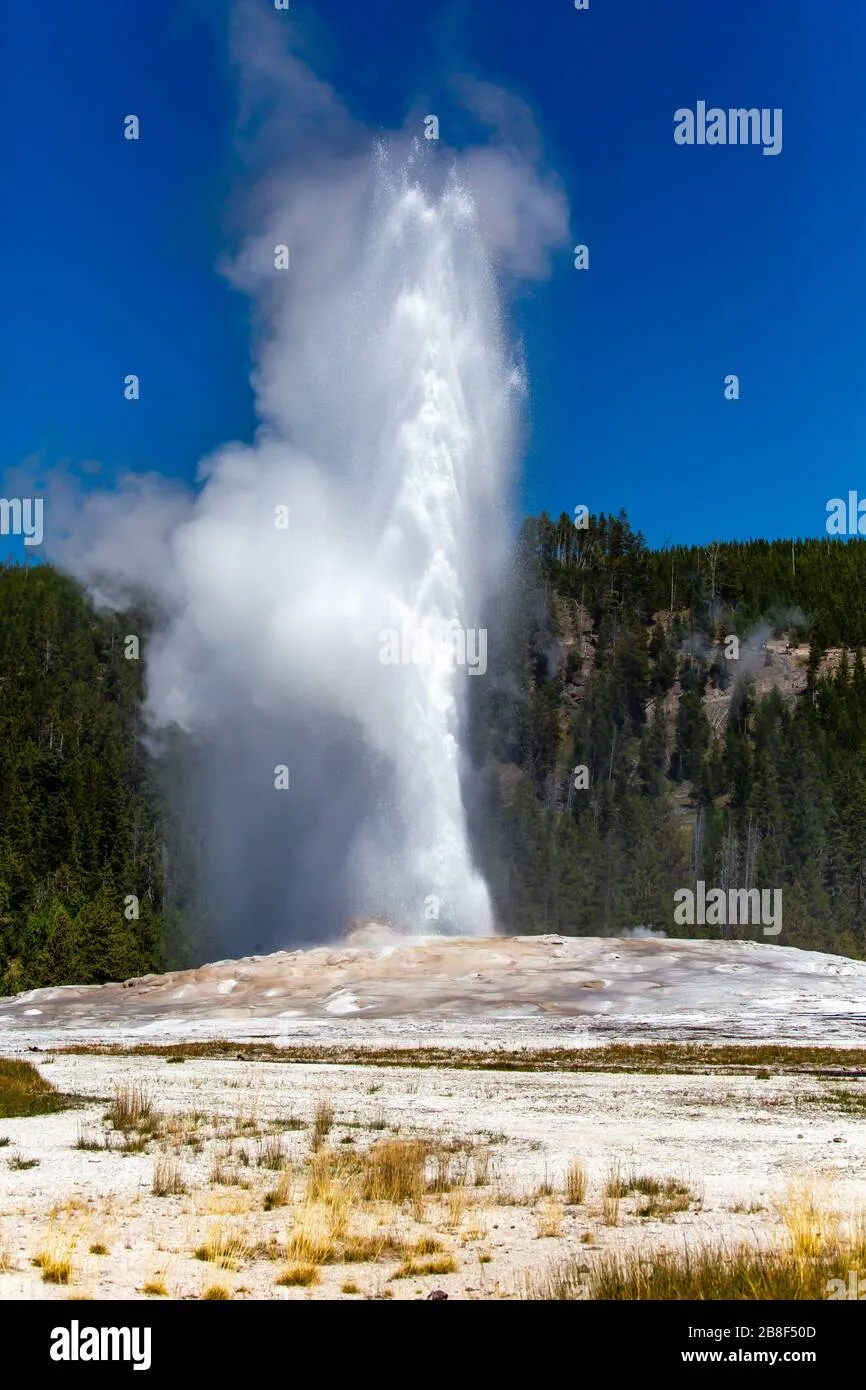
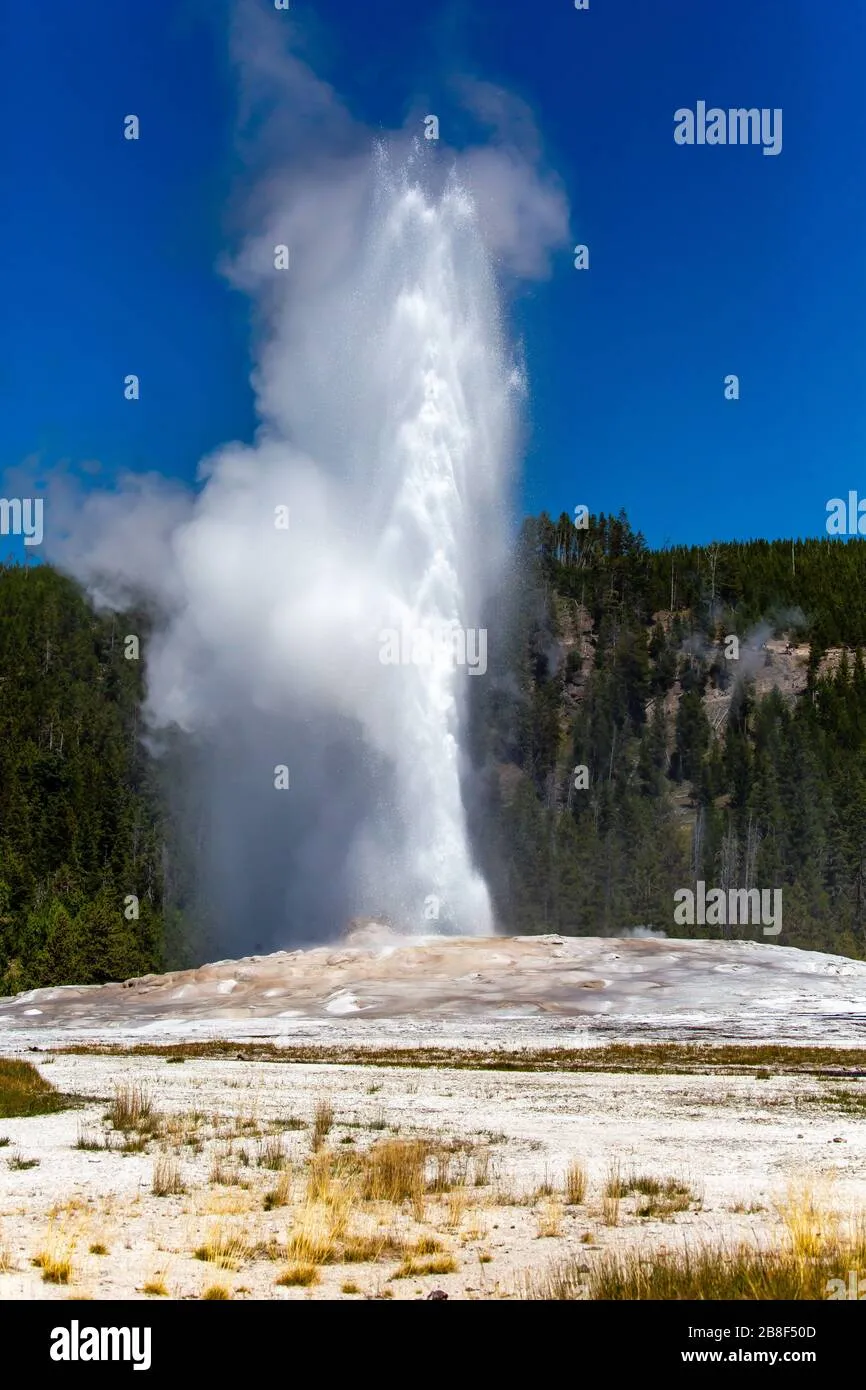
The comfortable temperatures of Yellowstone National Park weather in August create ideal conditions for exploring the park's most famous geothermal features. Old Faithful performs with remarkable consistency during August, and the mild weather allows visitors to comfortably wait for eruptions while exploring the surrounding Upper Geyser Basin. I've spent countless August afternoons timing my Old Faithful visits with the predicted eruption schedule, finding that the pleasant weather makes the experience far more enjoyable than during extreme temperature periods.
Top August Activities
High-Elevation Hiking
Perfect weather for accessing trails above 8,000 feet that remain snow-covered earlier in the season.
Wildlife Photography
Extended daylight hours and active wildlife provide exceptional photographic opportunities.
Fly Fishing
Stable water temperatures and consistent insect hatches create excellent fishing conditions.
Camping & Stargazing
Comfortable overnight temperatures make camping pleasant, with clear skies perfect for astronomy.
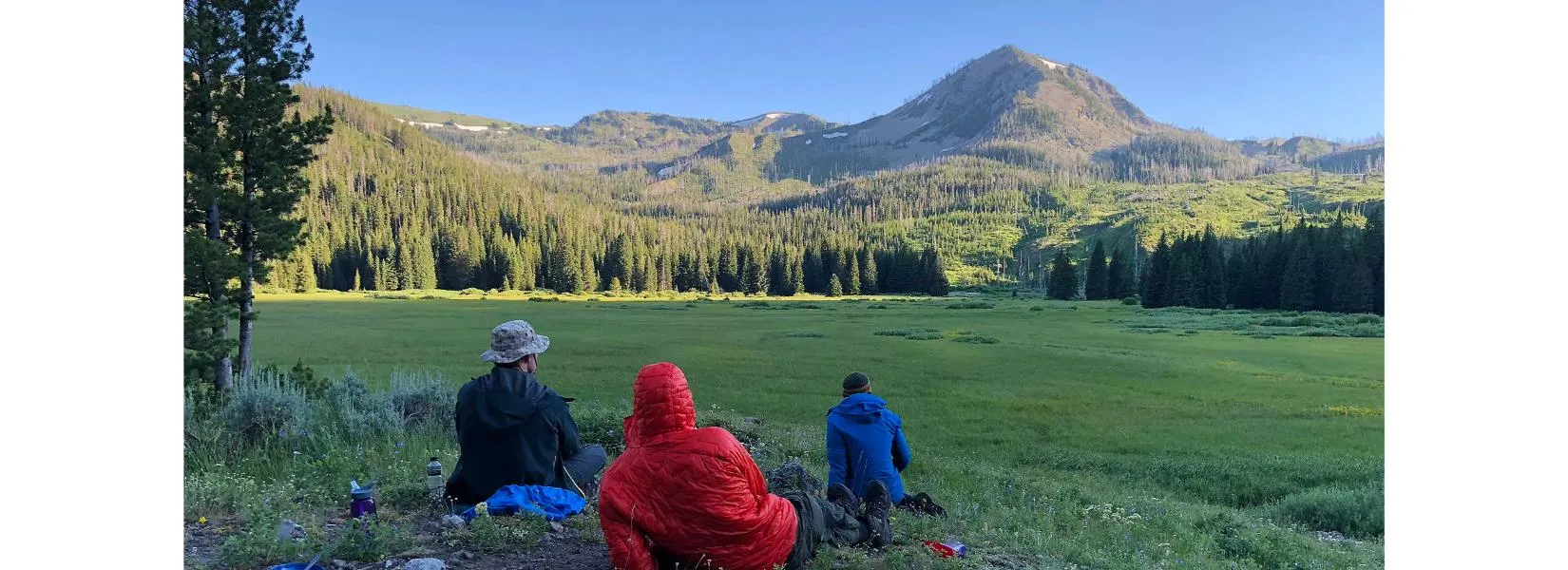
Hiking opportunities expand dramatically during August thanks to the favorable Yellowstone National Park weather conditions. Trails that remain snow-covered or muddy through July typically become accessible, including high-elevation destinations like Mount Washburn, Observation Peak, and the Fairy Falls area. I've completed some of my most memorable hikes during August, when the combination of warm days and cool nights creates perfect hiking weather with comfortable sleeping conditions for backpacking adventures.
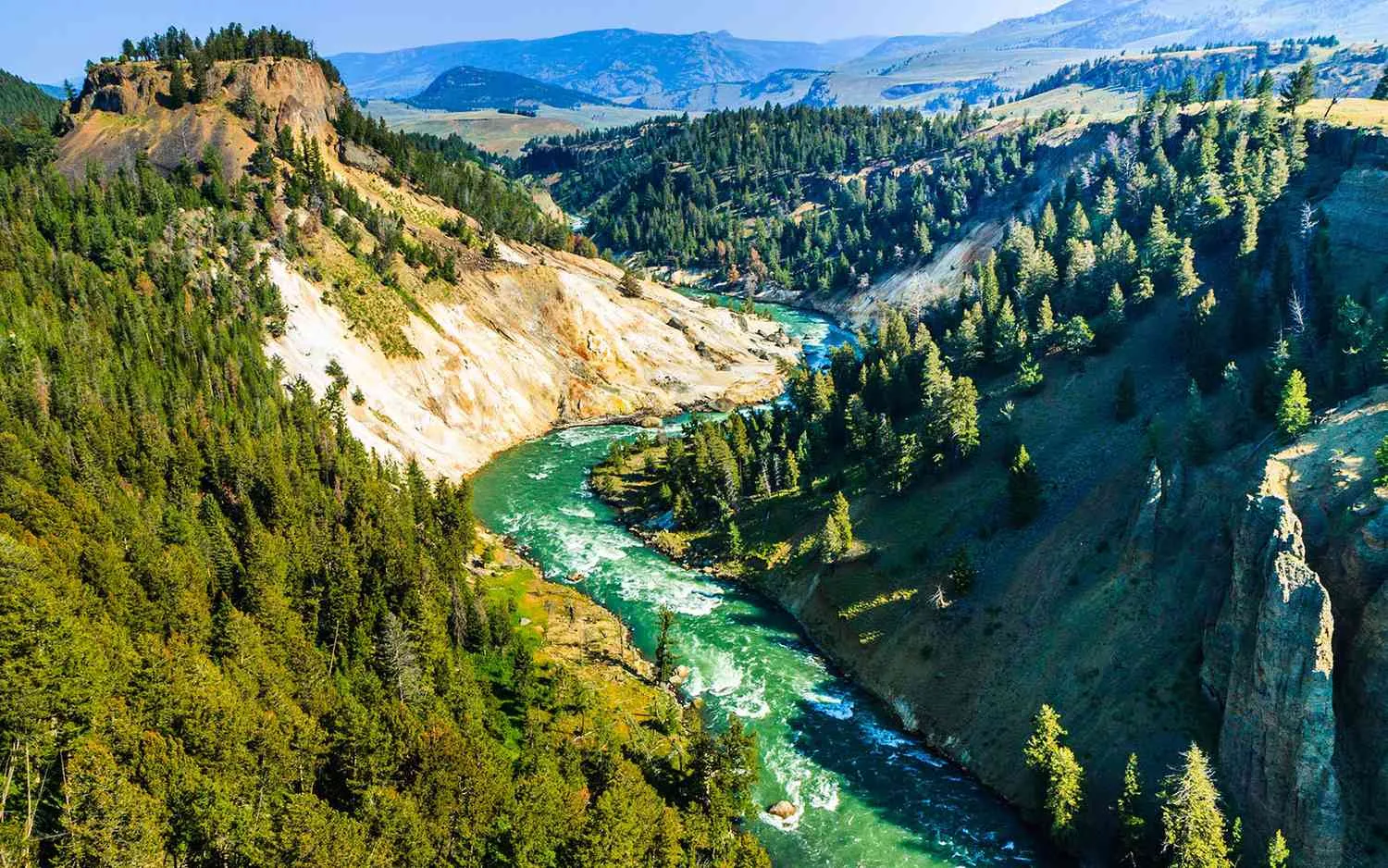
The Grand Canyon of Yellowstone reveals its full splendor during August, when the stable weather patterns allow for extended viewing and photography sessions. The Lower Falls, which flow at optimal levels during August, create spectacular displays that I've photographed countless times under the consistently clear skies that characterize Yellowstone National Park weather in August. The Artist Point and Uncle Tom's Trail provide accessible viewpoints that showcase the canyon's 1,200-foot depth and vibrant geological colors. Staying properly equipped for varying weather conditions means having the right gear—consider this article about Yellowstone August weather planning for comprehensive preparation tips.
Fishing enthusiasts find August particularly rewarding due to the stable water temperatures and predictable weather patterns. The Yellowstone River, Madison River, and countless mountain streams reach optimal conditions during August, with water temperatures that support consistent trout activity. I've experienced some of my best fishing days during August afternoons, when the moderate air temperatures of Yellowstone National Park weather create comfortable conditions for extended fishing sessions.
Photography opportunities multiply during August as the extended daylight hours, active wildlife, and diverse weather conditions provide constantly changing light and subject matter. The reliable sunrise and sunset times, combined with the dramatic afternoon cloud formations typical of Yellowstone National Park weather in August, create golden hour conditions that last for hours. I've captured some of my finest landscape and wildlife images during August visits, taking advantage of the stable weather patterns that allow for careful planning and timing of shots.
Essential Planning Tips: Insider Strategies for August Success
Packing Essentials
- Layered clothing system
- Waterproof rain jacket
- Warm fleece or down jacket
- Insulated sleeping bag (30F rated)
- Sun protection (hat, sunglasses, SPF 30+)
- Sturdy hiking boots
Timing Strategies
- Start activities before 8 AM
- Plan indoor activities 2-6 PM
- Wildlife viewing at dawn/dusk
- Avoid weekend peak crowds
- Book accommodations 11 months ahead
- Check road conditions daily
Route Planning
- Use multiple park entrances
- Plan for traffic delays
- Download offline maps
- Carry emergency supplies
- Know bathroom/fuel locations
- Plan loop route variations
Successful navigation of Yellowstone National Park weather in August requires strategic planning that acknowledges both the opportunities and challenges of peak season visitation. After years of August visits, I've developed a comprehensive approach that maximizes the benefits of the excellent weather while minimizing the impact of crowd-related challenges. The key lies in understanding that while the weather is nearly perfect, the volume of visitors demands careful timing and flexibility.
Accommodation planning for August visits must begin almost exactly one year in advance due to the popularity of this optimal weather period. I book my August accommodations on January 1st when Xanterra opens reservations for the following year. The comfortable temperatures of Yellowstone National Park weather in August make camping particularly attractive, but campground reservations are equally competitive. I've learned to have multiple backup plans, including accommodations outside the park in gateway communities like West Yellowstone, Gardiner, and Cody.
Traffic management becomes crucial during August due to the combination of excellent weather and peak visitation. I've found that the 6:00-8:00 AM window provides the best driving conditions throughout the park, with minimal traffic and optimal wildlife viewing opportunities. The predictable afternoon weather patterns of Yellowstone National Park in August also help with timing, as I can plan indoor activities during the 2:00-6:00 PM period when afternoon thunderstorms are most likely and visitor centers provide comfortable shelter.
Emergency preparedness takes on special importance during August when the favorable weather can lead to overconfidence and inadequate preparation. Despite the generally mild conditions, I always carry emergency gear including extra food, water, first aid supplies, and warm clothing when hiking. The rapid elevation changes throughout Yellowstone mean that weather conditions can vary dramatically within short distances, and afternoon thunderstorms can create dangerous conditions even during otherwise perfect weather days. For proper gear preparation, consider a high-quality sleeping bag rated for temperature variations to handle Yellowstone's cool August nights comfortably.
Budget planning for August visits requires acknowledging that the excellent weather conditions drive premium pricing throughout the region. Hotel rates, camping fees, and even restaurant prices peak during August due to the optimal Yellowstone National Park weather conditions. I've learned to budget 40-50% more for August visits compared to shoulder seasons, but the reliable weather and enhanced wildlife viewing opportunities justify the additional expense for many travelers. Essential rain protection like a waterproof rain jacket becomes crucial for afternoon thunderstorms typical of August weather patterns.
Conclusion: Your Perfect August Yellowstone Adventure Awaits
Ready to Experience Yellowstone in August?
Don't let another perfect August weather window pass by. Start planning your unforgettable Yellowstone adventure today with our expert-recommended gear and booking strategies.
After fifteen years of August visits to Yellowstone National Park, I can confidently state that understanding the weather patterns is the foundation of any successful summer adventure. The unique characteristics of Yellowstone National Park weather in August—with its warm days, cool nights, predictable afternoon storms, and optimal wildlife viewing conditions—create opportunities that simply don't exist during other months. The key to maximizing these opportunities lies in proper preparation, strategic timing, and realistic expectations about the challenges that accompany this peak season.
The weather advantages of visiting Yellowstone National Park in August extend far beyond simple comfort. The reliable temperature patterns enable access to high-elevation areas that remain challenging during other months, while the extended daylight hours provide flexibility for photography, wildlife viewing, and outdoor activities. The stable weather patterns allow for confident trip planning, reducing the weather-related cancellations and disappointments that can affect visits during more volatile seasons.
Wildlife viewing reaches its annual peak during August as the comfortable weather conditions coincide with the beginning of rut season for elk and bison. The moderate temperatures that characterize Yellowstone National Park weather in August encourage increased animal activity throughout the day, while the predictable daily patterns allow visitors to time their wildlife viewing for maximum success. These conditions create opportunities for wildlife encounters and photography that represent the pinnacle of Yellowstone experiences.
The challenges of August visitation—crowded roads, booked accommodations, and premium pricing—require careful planning but shouldn't deter determined visitors from experiencing the optimal weather conditions. My years of August visits have taught me that proper preparation, early booking, and strategic timing can overcome most crowd-related issues while still capturing the full benefits of Yellowstone National Park weather in August.
Your August adventure in Yellowstone National Park awaits, offering the perfect combination of optimal weather, active wildlife, accessible trails, and unforgettable experiences. The investment in planning, preparation, and premium pricing pays dividends in the form of reliable weather conditions that enable the full range of park activities and experiences. As you plan your visit, remember that Yellowstone National Park weather in August represents one of nature's most reliable gifts—use this guide to make the most of every precious moment in America's first and finest national park.