

After visiting Acadia National Park more than 15 times over the past decade and biking every mile of the carriage road system, I've created this comprehensive Acadia National Park carriage roads biking guide to help you experience the magic of John D. Rockefeller Jr.'s gift to outdoor enthusiasts. Whether you're planning your first visit or looking to discover hidden gems, this guide will ensure you make the most of your carriage road adventure. For more outdoor adventure guides, visit WildernessPaths.com.
Introduction to Acadia's Historic Carriage Roads
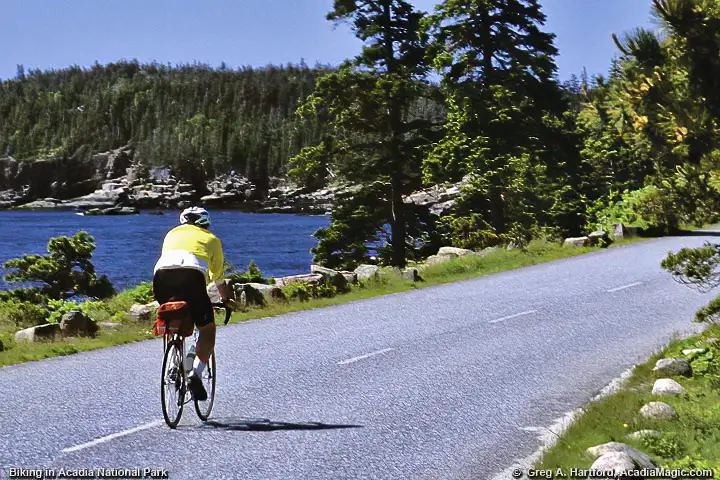
When I first discovered Acadia National Park's carriage roads in 2009, I had no idea I was about to experience one of America's most unique biking adventures. This comprehensive Acadia National Park carriage roads biking guide will share everything I've learned from countless hours exploring these historic pathways that wind through 45 miles of some of Maine's most breathtaking scenery.
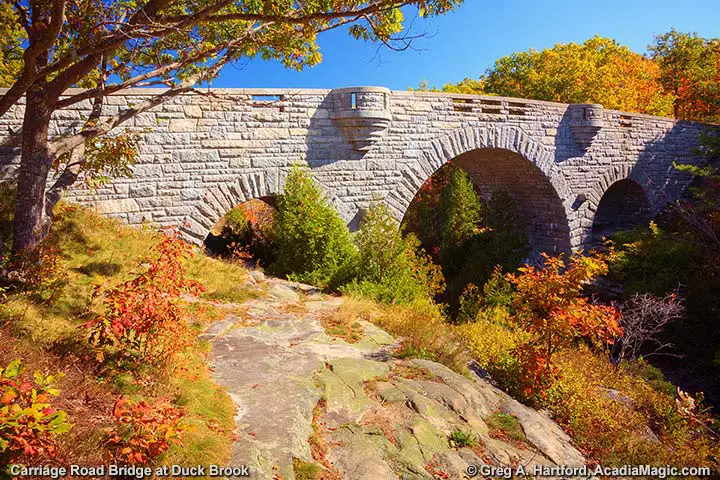
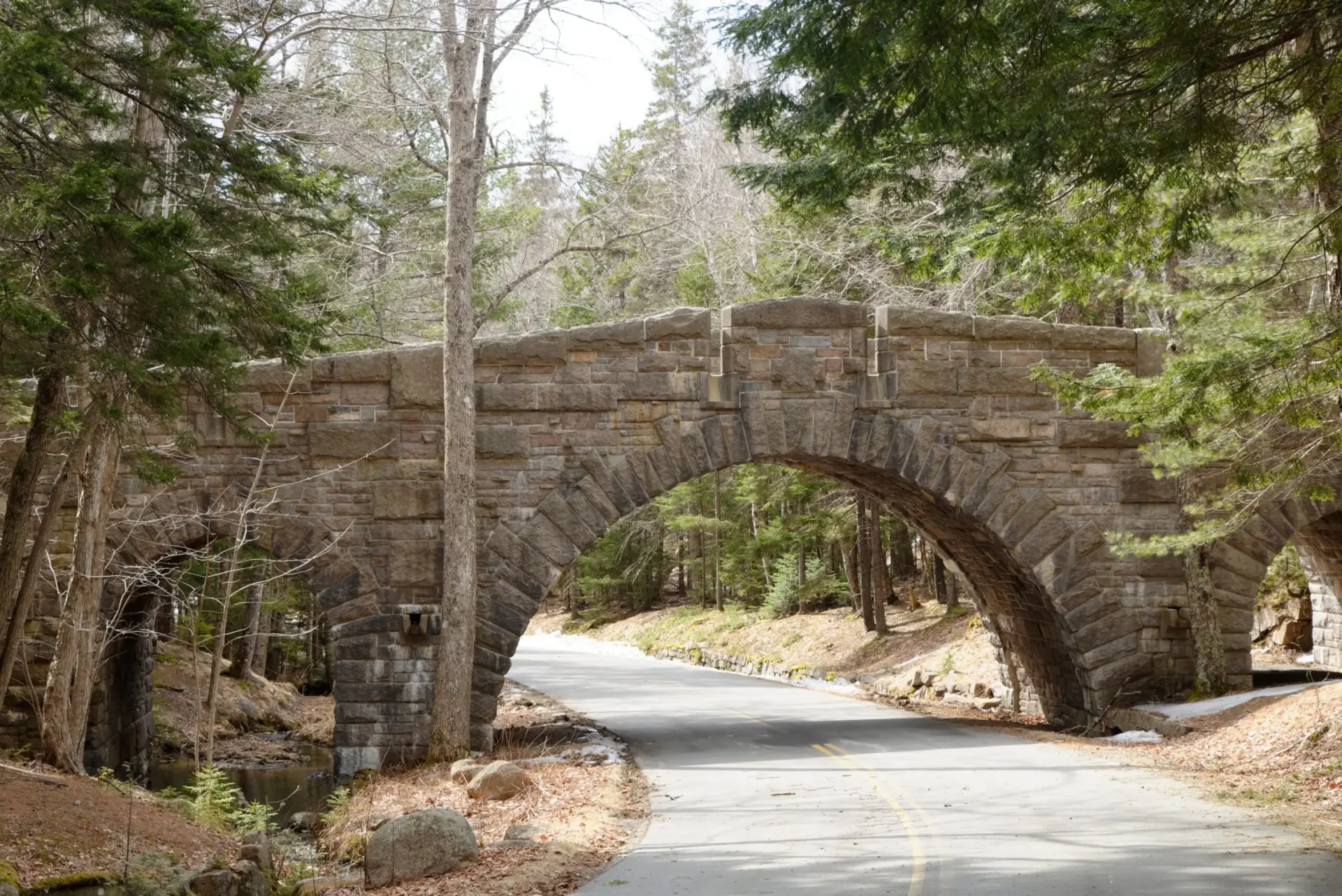
The carriage roads represent a remarkable gift from philanthropist John D. Rockefeller Jr., who envisioned a network of motor-free roads where visitors could experience nature's tranquility without the noise of automobiles. Built between 1913 and 1940, these roads feature crushed stone surfaces that provide excellent traction for cyclists while maintaining their historic character. What makes this Acadia National Park carriage roads biking guide essential is understanding that these aren't just bike paths – they're carefully engineered routes that showcase 17 unique stone bridges, pristine lakes, and mountain vistas that few other national parks can match.
The genius of Rockefeller's design lies in the roads' gentle grades and strategic routing. Unlike modern bike trails that often prioritize efficiency, the carriage roads were designed for leisurely exploration, with curves that reveal dramatic views of Eagle Lake, Jordan Pond, and the surrounding peaks. Every intersection is marked with numbered wooden signposts that correspond to detailed maps, making navigation intuitive even for first-time visitors.
During my years of exploring these roads, I've witnessed how they serve multiple user groups harmoniously. Cyclists share the paths with walkers, runners, and occasional horse-drawn carriages from Wildwood Stables. This multi-use approach requires understanding proper etiquette, which I'll detail throughout this Acadia National Park carriage roads biking guide.
Pro Tip: The carriage roads connect to both public park areas and private sections. This guide focuses on the 45 miles within Acadia National Park where bicycles are permitted.
Essential Gear and Preparation for Your Biking Adventure
Having the right equipment can make or break your carriage road experience. Through trial and error across multiple seasons, I've identified the essential gear that every cyclist needs for these unique Maine trails. This section of my Acadia National Park carriage roads biking guide covers everything from bike selection to emergency supplies.
Bike Selection and Setup
The crushed stone surface of Acadia's carriage roads is forgiving for most bike types, but some perform better than others. I've successfully ridden these paths on road bikes, mountain bikes, hybrid bikes, and e-bikes. Hybrid bikes or gravel bikes with slightly wider tires (28-35mm) provide the best balance of efficiency and comfort on the varied terrain.
For those considering an e-bike, only Class 1 e-bikes are permitted on the carriage roads. These provide pedal assistance up to 20 mph, which is perfect for tackling the steeper sections like the Around the Mountain Loop. I've found that e-bikes particularly shine on longer routes, allowing you to cover more ground while still enjoying the scenery.
Recommended Gear
- Quality bike helmet (required for under 16)
- GPS cycling computer for navigation
- Water bottles (minimum 20oz per person)
- Multi-tool with tire repair kit
- First aid supplies
- Portable emergency toilet (for longer rides)
Weather-Dependent Items
- Rain jacket (Maine weather changes quickly)
- Extra layer for elevation changes
- Sunglasses and sunscreen
- Gloves for better grip and warmth
- Bug spray (especially May-August)
Essential Amazon Products for Carriage Road Biking
Based on my extensive experience with this Acadia National Park carriage roads biking guide, here are the specific products that have proven invaluable:
Retrospec Lennon Bike Helmet with LED Safety Light
Perfect for carriage road cycling with built-in LED for early morning or evening rides. The adjustable dial ensures a secure fit during longer adventures.
View on AmazonGarmin Edge 540 GPS Cycling Computer
Essential for navigating the numbered intersection system. Provides turn-by-turn directions and helps track your progress through different loops.
View on AmazonCarriage Roads of Acadia: A Pocket Guide
The definitive reference for understanding intersection numbers, historical context, and route planning. Compact enough to carry in your bike bag.
View on AmazonNational Geographic Acadia Map
Weather-resistant topographic map showing all carriage roads, elevation changes, and points of interest. Invaluable for route planning.
View on AmazonPortable Camping Toilet
Essential for longer carriage road adventures where bathroom facilities are limited. Lightweight and compact for easy transport.
View on AmazonComplete Route Guide: Best Carriage Road Loops
After biking every mile of Acadia's carriage road system multiple times across different seasons, I've identified the loops that offer the best combination of scenery, challenge, and accessibility. This section of my Acadia National Park carriage roads biking guide provides detailed descriptions of each major route, including insider tips you won't find elsewhere.
The Essential Loops: My Personal Rankings
1. Around the Mountain Loop (11.3 miles) - My #1 Recommendation
This is the crown jewel of carriage road biking and the centerpiece of any comprehensive Acadia National Park carriage roads biking guide. The loop includes approximately 1,000 feet of elevation gain, but the rewards are extraordinary. You'll pass seven stone bridges, multiple waterfalls, and enjoy panoramic views of Eagle Lake from elevated vantage points.
Key Highlights: Chasm Brook Bridge, Waterfall Bridge, Duck Brook Bridge, views of Bald Peak and Parkman Mountain
Best Time: Early morning for wildlife viewing, late afternoon for dramatic lighting
2. Tri Lakes Loop (10.6 miles) - Perfect for Beginners
This loop connects Eagle Lake, Jordan Pond, and Bubble Pond, offering three distinct water experiences with moderate elevation changes. It's ideal for families and serves as an excellent introduction to carriage road biking.
Key Highlights: Jordan Pond House refreshment stop, views of The Bubbles, Bubble Pond picnic areas
Pro Tip: Stop at Jordan Pond House for their famous popovers - it's a tradition that dates back decades!
3. Eagle Lake Loop (6.1 miles) - Scenic and Accessible
The most popular loop for good reason - it offers stunning lake views with minimal elevation change. The east side provides particularly spectacular vistas, especially during fall foliage season.
Key Highlights: Multiple lake overlooks, easy access from Eagle Lake parking area, connection to other loops
Insider Secret: The north end of the lake offers the most dramatic sunrise photography opportunities.
Advanced Routes for Experienced Cyclists
For those seeking more challenge, I recommend combining multiple loops or exploring the lesser-known routes. The Day Mountain Loop includes a technical climb to a summit accessible by carriage road - a unique feature in the national park system. Meanwhile, the Hadlock Loop showcases some of the most beautiful waterfalls, particularly after rainfall.
My Perfect Full-Day Route (29 miles)
Start from downtown Bar Harbor, enter via Duck Brook Bridge, complete the Witch Hole Pond Loop, traverse the east side of Eagle Lake, cross to Jordan Pond via Bubble Pond, tackle the Around the Mountain Loop, and return via the west side of Eagle Lake.
Total Time: 4-6 hours with stops | Difficulty: Moderate to Challenging | Best Season: Late September through mid-October
Experience the magic of Acadia's carriage roads through this comprehensive video guide showcasing the major loops and scenic highlights.
My Personal Experience: Lessons from 15+ Visits
Creating this comprehensive Acadia National Park carriage roads biking guide required years of firsthand experience, countless mistakes, and gradual mastery of these historic routes. My first visit in 2009 was a revelation - I had never experienced such a perfect blend of accessibility, natural beauty, and historical significance in a single bike ride.
My Most Memorable Carriage Road Moments
One October morning in 2018, I started my ride at 6:30 AM from the Eagle Lake parking area. The temperature was 35°F, and fog was lifting off the lake surface as the sun began to filter through the peak foliage. Riding counterclockwise around Eagle Lake, I encountered only one other person - a runner who nodded appreciatively as we shared this magical moment. By the time I reached the Around the Mountain Loop, the fog had cleared completely, revealing crystal-clear views across to Cadillac Mountain and the coastline beyond.
That experience taught me the value of early morning starts, particularly during peak season. Most visitors don't arrive until 9 AM, giving dedicated cyclists 2-3 hours of relative solitude on the carriage roads. This timing consideration became a cornerstone of my Acadia National Park carriage roads biking guide philosophy.
Lessons Learned from Mistakes
My worst carriage road experience occurred during my third visit when I attempted the full Around the Mountain Loop in late afternoon during peak foliage season. I underestimated both the crowds and the difficulty of some sections. By the time I reached the steep climb near intersection 19, I was exhausted, my water was gone, and the sun was setting. I had to walk portions of the climb while dealing with a steady stream of other cyclists, many also struggling with the same issues.
Key lessons from this experience: Always carry more water than you think you need, start challenging loops early in the day, and understand that popular sections can become congested during peak times. These insights shaped how I approach route planning in this Acadia National Park carriage roads biking guide.
Sarah M. - Amazon Review (Carriage Roads Guide Book)
"This guidebook was essential for our family bike trip. The intersection numbering system made navigation foolproof, and the historical context added so much richness to our experience. My 12-year-old son was fascinated by the bridge construction stories."
Mike R. - Reddit r/AcadiaNationalPark
"Been biking these roads for 20+ years. The Around the Mountain Loop never gets old, especially in early October. Pro tip: bring a headlamp if you're planning sunset rides - those forest sections get dark quickly."
Jennifer L. - Quora Response
"The e-bike rental made all the difference for our 70+ parents. They kept up easily and could focus on the scenery instead of worrying about the hills. Jordan Pond House stop for popovers was the perfect midpoint break."
Seasonal Discoveries and Local Insights
Over the years, I've discovered that each season offers unique advantages for carriage road biking. Spring rides (May-June) provide wildflower displays and relatively few crowds, though mud season closures can limit access. Summer biking offers the longest days and warmest temperatures, but crowds peak during July and August.
However, fall remains my favorite season for implementing this Acadia National Park carriage roads biking guide. The foliage typically peaks between October 1-15, creating a kaleidoscope of colors that transforms familiar routes into new experiences. I've learned to plan fall visits for weekdays when possible, as weekends can see parking lots fill by 8 AM.
Local rangers have shared insights that enhanced my understanding of the carriage roads' ecosystem. The areas around Great Head and Otter Point serve as important bird migration corridors, making early morning rides prime times for wildlife observation. I've spotted everything from peregrine falcons to harbor seals during well-timed rides along the coastal sections.
Seasonal Timing and Weather Considerations
Maine's maritime climate creates distinct seasonal experiences on the carriage roads, each requiring different preparation strategies. Understanding these patterns is crucial for any comprehensive Acadia National Park carriage roads biking guide, as weather conditions can dramatically impact both safety and enjoyment.
Spring Biking (May - June): Renewal and Preparation
Spring on the carriage roads begins with mud season, typically lasting through early April. During this period, sections of the roads close to all traffic to prevent damage to the crushed stone surface. However, once conditions improve, spring offers some of the most rewarding biking experiences of the year.
May brings wildflower blooms throughout the forest sections, particularly along the Witch Hole Pond Loop and the quieter portions of the Around the Mountain route. Trilliums, bloodroot, and wild lupine create natural gardens alongside the roads. The waterfalls are at their most powerful during this season, fed by snowmelt and spring rains.
Spring Advantages
- Fewer crowds and easier parking
- Spectacular wildflower displays
- Powerful waterfalls and streams
- Cooler temperatures ideal for climbing
- Extended daylight hours by June
Spring Challenges
- Unpredictable weather patterns
- Possible road closures from mud season
- Black fly season (late May-June)
- Cool morning temperatures (40-50°F)
- Limited bike rental options early season
Summer Peak Season (July - August): Crowds and Long Days
Summer represents the busiest period for carriage road biking, with warm temperatures (70-80°F) and long daylight hours extending until nearly 8 PM. This season offers the most stable weather patterns and the widest selection of bike rental options, making it ideal for families and casual cyclists following this Acadia National Park carriage roads biking guide.
However, summer also brings significant challenges. Popular loops like Eagle Lake and Jordan Pond can become congested, particularly between 10 AM and 4 PM. Parking lots fill early, sometimes by 8 AM on weekends, and the most photogenic spots see steady streams of visitors throughout the day.
Fall Foliage Season (September - October): Peak Beauty
Fall is arguably the premier season for implementing any serious Acadia National Park carriage roads biking guide. The transformation typically begins in late September with the higher elevations showing color first. Peak foliage usually occurs between October 1-15, though exact timing varies based on weather patterns.
The Around the Mountain Loop becomes particularly spectacular during this period, with sugar maples, red maples, and birches creating a canopy of gold, orange, and scarlet. The contrast between the colored foliage and the dark evergreens creates some of the most photographed scenes in all of Maine.
Fall Foliage Insider Tips
Best Photography Times: Early morning (7-9 AM) for side-lit foliage, late afternoon (4-6 PM) for golden hour effects
Peak Color Tracking: Follow foliage reports on VisitMaine.com for real-time updates
Crowd Management: Visit Tuesday-Thursday if possible; avoid Columbus Day weekend entirely
Winter Activities (November - March): Cross-Country Paradise
While traditional biking ends with the first snow, the carriage roads transform into a cross-country skiing and snowshoeing network. Volunteers from the Friends of Acadia groom sections when snow depth exceeds six inches, creating some of Maine's finest Nordic skiing experiences.
Winter also offers unique wildlife viewing opportunities, as the lack of foliage provides clear sightlines for observing deer, foxes, and various bird species. The stone bridges take on a different character when framed by snow and ice, creating photography opportunities that few visitors experience.
Safety Tips and Trail Etiquette
Safe and courteous riding is essential for preserving the carriage roads' multi-use character and ensuring all visitors can enjoy these historic pathways. Through my years of experience creating this Acadia National Park carriage roads biking guide, I've witnessed both exemplary behavior and concerning incidents that highlight the importance of proper etiquette.
Right-of-Way Rules and Multi-Use Courtesy
The carriage roads operate on a clear hierarchy: horses have absolute right-of-way, followed by pedestrians, with cyclists yielding to all other users. When encountering horses, stop your bike completely and move to the side of the road. Horses can be startled by sudden movements or mechanical sounds, so avoid clicking gears or using electronic devices near them.
For pedestrian encounters, slow down and announce your presence with a friendly "good morning" or "on your left" when passing. The key is predictable, courteous behavior that allows everyone to share these magnificent routes safely.
Critical Safety Reminders
- Speed Limit: 20 mph maximum, but conditions often require much slower speeds
- Loose Gravel: Be prepared to stop gradually; sudden braking can cause skids
- Blind Corners: Many curves limit visibility; always ride conservatively
- Weather Changes: Maine weather can shift rapidly; carry rain gear year-round
- Helmet Laws: Required for cyclists under 16, recommended for all riders
Emergency Preparedness and Communication
Cell phone coverage on the carriage roads is inconsistent, particularly in the interior sections of the Around the Mountain Loop. I always inform someone of my planned route and expected return time, especially when riding alone or attempting longer loops.
The carriage roads connect to several major park roads, providing multiple exit points in case of emergency. Key access points include the Eagle Lake parking area, Jordan Pond House, and Bubble Rock parking area. Memorizing these locations is a critical component of any responsible Acadia National Park carriage roads biking guide.
E-Bike Considerations and Regulations
Only Class 1 e-bikes are permitted on the carriage roads - these provide assistance only while pedaling and stop assisting at 20 mph. Class 2 (throttle-assisted) and Class 3 (assistance up to 28 mph) e-bikes are prohibited.
E-bike riders must be particularly mindful of their speed advantage and the potential for surprising other trail users. I recommend using lower assistance levels in crowded areas and being extra cautious when approaching pedestrians who may not expect faster-moving cyclists.
Pros of Carriage Road Biking
- Motor-free environment ensures peaceful experience
- Well-maintained crushed stone surface
- Historic bridges and cultural significance
- Multiple loop options for all skill levels
- Spectacular scenery and wildlife viewing
- Clear intersection numbering system
Potential Challenges
- Crowds during peak seasons (July-October)
- Limited bathroom facilities on longer routes
- Steep sections can be challenging
- Weather changes quickly in coastal Maine
- Loose gravel requires careful braking
- Some bike rental locations require transportation
Frequently Asked Questions
What is the best time of year to bike Acadia's carriage roads?
Fall (late September through mid-October) offers the most spectacular experience with peak foliage, though summer provides the most stable weather and longest days. Spring brings wildflowers and fewer crowds but can have unpredictable weather. Each season has unique advantages, and this Acadia National Park carriage roads biking guide helps you prepare for seasonal variations. I personally prefer early October weekdays for the perfect balance of beautiful weather, stunning colors, and manageable crowds.
How difficult are the carriage roads for beginner cyclists?
Most carriage roads are suitable for beginners, with the Eagle Lake Loop and Witch Hole Pond Loop being particularly accessible. The crushed stone surface is stable and forgiving, while the gentle grades make climbing manageable for most fitness levels. However, routes like Around the Mountain include more challenging climbs with 1,000+ feet of elevation gain. Beginners should start with shorter loops and gradually build confidence and endurance. E-bikes are excellent equalizers that allow less experienced cyclists to enjoy longer, more challenging routes while still getting exercise.
Do I need a park entrance pass to bike the carriage roads?
Yes, all visitors to Acadia National Park, including cyclists, must have a valid entrance pass. The seven-day vehicle pass ($30) is the most common option and provides access to all park areas including carriage roads, hiking trails, and the Park Loop Road. The America the Beautiful Annual Pass ($80) offers excellent value for frequent visitors or those planning to visit multiple national parks. If arriving without a vehicle, a $15 individual pass is available, though this is less common for carriage road cyclists who typically drive to trailheads or bike rental locations.
Are electric bikes allowed on all carriage roads?
Only Class 1 e-bikes are permitted on Acadia's carriage roads. These provide pedal assistance up to 20 mph and must have the motor assistance stop when the rider stops pedaling. Class 2 e-bikes (with throttles) and Class 3 e-bikes (assistance up to 28 mph) are prohibited. This regulation ensures that e-bikes maintain the peaceful, human-powered character of the carriage roads while accommodating riders who need assistance with hills or longer distances. Most local rental companies stock compliant Class 1 e-bikes specifically for carriage road use, making them an excellent option for families or riders wanting to cover more ground with less effort.
Where can I rent bikes near the carriage roads?
Bar Harbor offers several quality bike rental options, including Bar Harbor Bicycle Shop, Acadia Outfitters, and specialized e-bike companies like Island Time E-Bike Rentals. Some companies deliver bikes directly to carriage road access points, while others require pickup from their shops. Rental rates typically range from $30-50 per day for standard bikes and $60-90 for e-bikes, with multi-day discounts available. During peak season (July-October), advance reservations are essential as popular bikes often sell out. Many rental companies provide helmets, maps, and basic repair kits, though I recommend confirming what's included when making reservations.
How long does it take to complete the major carriage road loops?
Loop completion times vary significantly based on fitness level, stops for photography, and crowd conditions. The Eagle Lake Loop (6.1 miles) typically takes 45-90 minutes, while the Around the Mountain Loop (11.3 miles) requires 2-4 hours depending on stops and climbing ability. The comprehensive 29-mile route I recommend in this Acadia National Park carriage roads biking guide takes 4-6 hours with meal and sightseeing breaks. E-bikes can reduce these times by 25-40%, particularly on hillier routes. I always add extra time during peak foliage season when photo stops become irresistible and popular viewpoints may have temporary crowds.
Conclusion
After more than a decade of exploring every mile of Acadia's carriage road system, I can confidently say that these historic pathways offer one of America's premier biking experiences. This comprehensive Acadia National Park carriage roads biking guide represents years of firsthand research, seasonal observations, and lessons learned from both spectacular successes and humbling challenges on these remarkable routes.
The genius of John D. Rockefeller Jr.'s vision becomes clear when you experience the seamless integration of natural beauty, thoughtful engineering, and historical preservation that defines the carriage roads. Whether you're tackling the challenging Around the Mountain Loop for panoramic vistas, enjoying a family-friendly ride around Eagle Lake, or discovering hidden waterfalls along the Hadlock Loop, each journey offers new perspectives on this extraordinary landscape.
The key to maximizing your carriage road experience lies in thoughtful preparation. Understanding seasonal variations, respecting trail etiquette, carrying appropriate gear, and choosing routes that match your abilities will ensure safe, enjoyable adventures. The investment in quality equipment - from reliable helmets to detailed maps to emergency supplies - pays dividends in both safety and enjoyment throughout your visit.
Ready to Start Your Carriage Road Adventure?
Begin planning your perfect Acadia biking experience today with our recommended gear and route combinations.
Get the Official Carriage Roads GuideRemember that the carriage roads are a shared resource that belongs to all Americans. By following Leave No Trace principles, yielding appropriately to other users, and maintaining these pathways through organizations like the Friends of Acadia, we ensure that future generations can experience the same magic that has captivated visitors for over a century.
The 45 miles of Acadia's carriage roads offer a lifetime of exploration opportunities. Each season brings new colors, different wildlife sightings, and fresh perspectives on familiar routes. Whether this is your first visit or your fiftieth, I hope this Acadia National Park carriage roads biking guide helps you discover new aspects of these extraordinary pathways.
May your wheels find smooth paths and your spirit find peace among the stone bridges and forest trails of Acadia National Park.