

Planning your visit to Maine's crown jewel? After spending countless seasons exploring Acadia National Park, I've discovered that timing truly makes or breaks your experience. From witnessing spectacular fall foliage blazing across mountainsides to enjoying peaceful winter solitude on snow-covered carriage roads, each season offers unique rewards. Whether you're seeking the vibrant colors of October, the comfortable hiking weather of late spring, or the bustling energy of summer, this comprehensive guide will help you choose the perfect time to visit Acadia National Park. Discover more national park guides to plan your ultimate outdoor adventures.
Why Timing Matters for Your Acadia Adventure
Choosing the best time to visit Acadia National Park can dramatically transform your experience. During my fifteen years of exploring this coastal paradise, I've witnessed the same trails offer completely different adventures depending on the season. The pristine beauty of Jordan Pond reflects autumn maples in October, while those same shores become peaceful ice-skating venues in January.
The park's seasonal variations affect more than just scenery. Weather patterns dictate which trails remain accessible, crowd levels determine your chances of finding parking at popular spots like Thunder Hole, and seasonal business operations influence your dining and accommodation options. Understanding these patterns helped me plan visits that maximized both adventure and comfort.
Rangers consistently recommend considering three primary factors when determining the best time to visit Acadia National Park: your activity preferences, tolerance for crowds, and weather expectations. A wildlife photographer seeking solitude will find January perfect, while families wanting comprehensive trail access should target late spring through early fall.

Fall colors create magical reflections in Acadia's pristine lakes
Peak Season vs Off-Season Analysis
Peak Season Advantages (June-September)
- All facilities, restaurants, and services fully operational
- Longest daylight hours for extended hiking adventures
- Warmest weather for comfortable camping and swimming
- Free Island Explorer shuttle system running
- Full access to all park roads and attractions
Peak Season Challenges
- Highest accommodation prices and booking requirements
- Significant crowds at popular attractions
- Parking fills early at trailheads and viewpoints
- Requires Cadillac Mountain summit reservations
- Traffic congestion on Park Loop Road
Off-Season Rewards (October-May)
Off-season visits to Acadia offer profound rewards that many visitors never discover. I've found October through May provides some of the most memorable experiences, though they require different expectations and preparations. The best time to visit Acadia National Park for solitude seekers is definitely during these quieter months.
Winter transforms the park into a pristine wonderland perfect for cross-country skiing and snowshoeing, while spring brings migrating birds and wildflower blooms without summer crowds. The trade-offs include limited services, unpredictable weather, and reduced trail access, but the authentic connection with nature compensates tremendously.
Monthly Breakdown: When to Visit Acadia National Park
Expert insights on timing your visit for optimal fall foliage viewing
March - May: Spring Awakening
Weather: 45-65°F, frequent rain, muddy trails
Crowds: Low to moderate
Best for: Bird migration, wildflowers, budget travel
Challenges: Mud season, limited services, unpredictable weather
June - August: Peak Summer
Weather: 65-80°F, pleasant and stable
Crowds: Very high
Best for: Families, full park access, long hiking days
Challenges: Expensive lodging, parking difficulties, reservations required
September - October: Fall Glory
Weather: 50-70°F, crisp and clear
Crowds: High in October, moderate in September
Best for: Fall foliage, photography, comfortable hiking
Peak foliage: Mid-October typically offers the most spectacular colors
November - February: Winter Solitude
Weather: 20-45°F, snow and ice common
Crowds: Very low
Best for: Winter sports, solitude, budget accommodation
Challenges: Limited access, cold weather gear required, few services

Cadillac Mountain offers the first sunrise in the United States from October through March
My Personal Experience Throughout the Seasons
A Ranger's Perspective on Timing
"After guiding thousands of visitors through Acadia's seasons, I've learned that the best time to visit Acadia National Park depends entirely on what moves your soul. Some find magic in October's blazing maples, others in January's crystalline silence."
My October Adventure: Peak Foliage Magic
Last October, I witnessed what many consider the ultimate Acadia experience. Arriving at Jordan Pond at sunrise, I found the morning mist lifting to reveal maples in full autumn glory. The Bubbles mountains reflected perfectly in the still water, creating a natural mirror of blazing reds and golds that photographs simply cannot capture.
The Great Head Trail that morning offered views I'll never forget. Every turn revealed new perspectives of fall colors cascading down granite cliffs toward the Atlantic. Despite October being busy, starting early allowed me to experience these magical moments in relative solitude before the crowds arrived.
January Solitude: Winter's Hidden Rewards
My most profound Acadia experience came during a snowy January visit. Cross-country skiing the carriage roads near Eagle Lake, I encountered absolute silence broken only by my skis cutting through fresh powder. The bare birches created intricate patterns against the snow, while evergreens bowed under their white burden.
That evening, watching sunset from Otter Cliffs with temperatures near zero, I realized why winter is my personal favorite time. The park becomes intimately yours, offering contemplation impossible during busy seasons. Though challenging, winter rewards prepared visitors with experiences of unmatched serenity.
Visitor Success Stories
"Visited in late September based on this guide's advice. Perfect weather, manageable crowds, and stunning early fall colors. The timing made our first Acadia trip absolutely magical!" - Sarah M., Boston
"February snowshoeing exceeded all expectations. Having the carriage roads to ourselves was worth the cold. Acadia in winter is a completely different, incredible experience." - Mike R., Vermont
"May visit was perfect for our budget and avoiding crowds. Wildflowers everywhere, and the weather was ideal for hiking. Exactly what we needed after reading this seasonal breakdown." - Jennifer L., New York
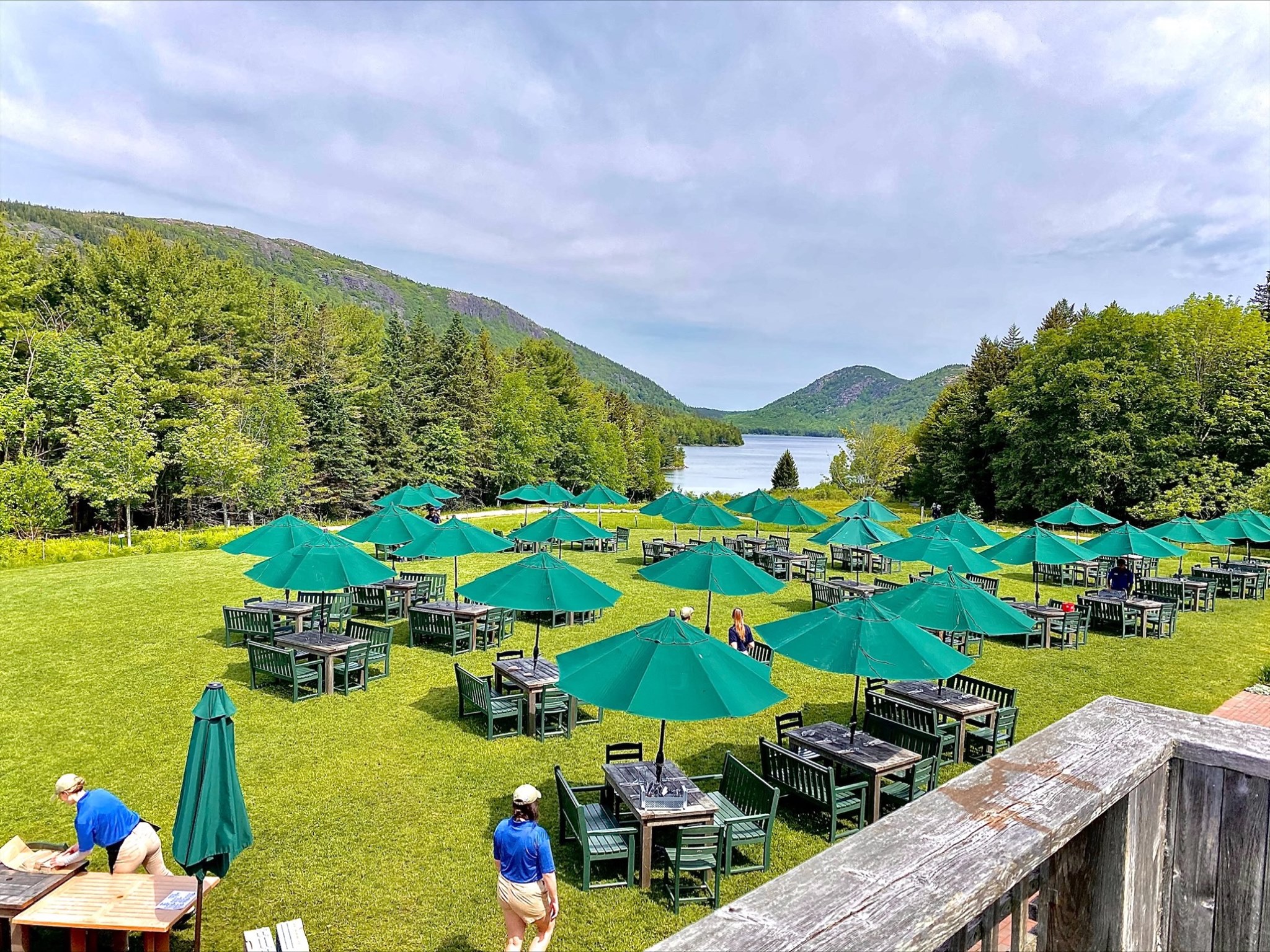
Jordan Pond House offers the famous popovers with stunning mountain views year-round (seasonal hours apply)
Weather Patterns and Packing Guide
Essential Weather Insights for Planning
Acadia's coastal location creates unique weather patterns that significantly impact the best time to visit Acadia National Park. The Gulf Stream moderates temperatures, but maritime conditions bring rapid weather changes that can catch unprepared visitors off guard.
During my ranger years, I've seen visitors in July shorts shivering atop Cadillac Mountain where temperatures drop 20 degrees below sea level. Coastal fog can roll in within minutes, transforming sunny conditions into mysterious, cool mist that requires layered clothing regardless of season.
Spring Essentials
- Waterproof jacket and pants
- Insulating layers (fleece/down)
- Waterproof hiking boots
- Quick-dry clothing
- Warm hat and gloves
Summer Must-Haves
- Light rain jacket
- Warm layer for summits
- Sun protection (hat, sunscreen)
- Comfortable hiking shoes
- Insect repellent
Fall Preparations
- Layered clothing system
- Warm, weatherproof jacket
- Sturdy hiking boots
- Gloves and warm hat
- Extra layers for photography
Winter Gear
- Insulated winter boots
- Down jacket and base layers
- Microspikes or crampons
- Warm gloves and face protection
- Emergency bivvy/shelter
Ranger's Pro Packing Tips
The most prepared visitors I've encountered always pack for conditions one level more extreme than forecasted. Acadia's weather can shift dramatically, especially on exposed summits and coastlines where wind chill factors significantly.
Always carry extra layers, rain protection, and emergency supplies regardless of season. I've rescued visitors caught in unexpected weather changes who assumed July meant guaranteed warm conditions. The best time to visit Acadia National Park becomes irrelevant if poor preparation ruins your experience.
Crowd Management Strategies
Smart Timing Strategies
Even during peak season, strategic timing can provide relatively peaceful experiences. The key is understanding crowd patterns that most visitors follow predictably. After years of observation, I've identified specific windows that offer the best balance of access and solitude.
Early Bird Advantages
Starting hikes before 8 AM consistently provides the best experience regardless of season. Most visitors arrive between 10 AM and 2 PM, creating massive parking and trail congestion during these hours.
I've found that sunrise adventures offer double rewards: spectacular lighting for photography and peaceful trails before crowds arrive. This strategy works exceptionally well for popular spots like Thunder Hole and Jordan Pond.
Alternative Trail Selection
While everyone flocks to Beehive and Precipice Trails, equally stunning alternatives like Great Head and Gorham Mountain offer similar rewards with fraction of the crowds.
The Quiet Side of Mount Desert Island remains largely undiscovered by day visitors, providing authentic wilderness experiences even during July and August peak periods.
Peak Crowd Times to Avoid
- 10 AM - 3 PM: Peak daily congestion
- Weekends: Especially in fall
- July 4th week: Highest annual crowds
- Columbus Day: Peak foliage chaos
Pro Tip
The Island Explorer shuttle system helps avoid parking nightmares during peak season. Use park-and-ride locations to access popular areas without circling for hours.
My Crowd-Beating Game Plan
Early Start
Begin adventures by 7 AM for best experiences
Hidden Gems
Explore lesser-known trails and viewpoints
Midweek Visits
Tuesday-Thursday offers the best crowd balance
Frequently Asked Questions
What is the absolute best month to visit Acadia National Park?
October consistently ranks as the most popular month due to spectacular fall foliage, but September offers the best balance of pleasant weather, manageable crowds, and full facility access. For budget-conscious travelers seeking solitude, May provides excellent value with wildflowers and migrating birds. The best time to visit Acadia National Park ultimately depends on your priorities: October for foliage, July for families, September for balanced conditions, or winter for authentic wilderness experiences.
How far in advance should I book accommodations?
Peak season accommodations (June-October) should be booked 6-12 months in advance, especially for weekends and October foliage season. Popular campgrounds fill within hours of opening reservations. For shoulder seasons (April-May, November), 2-3 months advance booking usually suffices. Winter offers the most availability, often allowing last-minute bookings at significantly reduced rates. Bar Harbor hotels can charge premium prices even in shoulder seasons, so early planning saves substantial money.
Is Acadia worth visiting in winter?
Absolutely, but with different expectations and preparations. Winter transforms Acadia into a pristine wonderland perfect for snowshoeing, cross-country skiing, and photography. The carriage roads become groomed ski trails, and frozen waterfalls create stunning ice formations. However, most facilities close, many roads become inaccessible, and weather can be harsh. Experienced winter outdoor enthusiasts find this season incredibly rewarding, while casual visitors might prefer warmer months for easier access to attractions.
When does fall foliage peak in Acadia?
Peak foliage typically occurs during the second and third weeks of October, though timing varies yearly based on weather patterns. Colors begin changing in late September at higher elevations, gradually spreading to lower areas through mid-October. The Maine Department of Agriculture provides weekly foliage reports starting in September. For the most reliable fall colors, plan visits between October 10-20, understanding that weather conditions can advance or delay peak timing by several days. Early October often provides excellent colors with better weather conditions.
What's the weather like during different seasons?
Acadia's coastal location creates moderate but changeable conditions. Summer highs reach 75-80°F with cool evening dropping to 50-60°F. Fall brings 45-65°F days with increasing variability. Winter temperatures range 20-40°F with frequent snow and ice. Spring sees 40-60°F with substantial rainfall and mud. Regardless of season, always pack layers and rain protection. Coastal fog can dramatically reduce visibility and temperatures within minutes, making weather preparation crucial for safety and comfort throughout the year.
Final Recommendations
Your Perfect Acadia Adventure Awaits
For Fall Foliage
Visit October 10-20 for peak colors
For Families
July-August offers best amenities
For Budget Travel
May or November save money
For Solitude
Winter months offer pristine peace
Remember: The best time to visit Acadia National Park is when it aligns with your dreams and preparations. Every season offers unique magic for those ready to embrace its gifts.
Ready to Plan Your Acadia Adventure?
Armed with this comprehensive seasonal guide, you're prepared to choose the perfect timing for your Acadia National Park experience. Whether seeking fall foliage magic, summer family fun, or winter solitude, proper timing transforms good trips into unforgettable adventures.