
Best Time to Visit Black Canyon of the Gunnison National Park: Your Complete Colorado Adventure Guide
Planning your visit to Colorado's hidden gem? This comprehensive guide reveals everything you need to know about the best time to visit Black Canyon of the Gunnison, from seasonal weather patterns to insider tips that will transform your national park experience. Having personally explored this dramatic canyon during multiple seasons, I'll share exactly when to visit for optimal conditions, fewer crowds, and unforgettable adventures at Wilderness Paths.
Overview: Why Timing Matters at Black Canyon
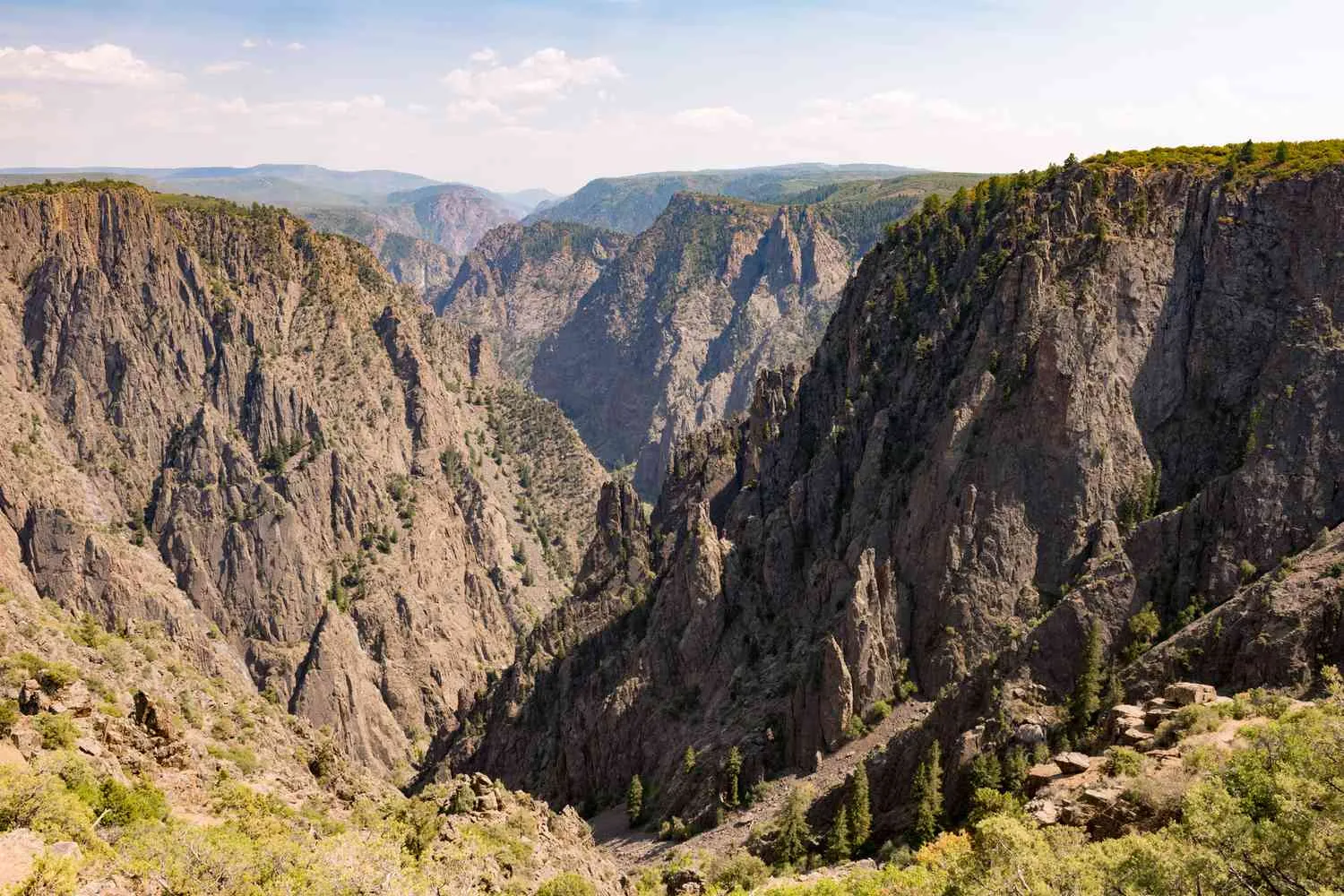
After visiting Black Canyon of the Gunnison National Park during each season over the past five years, I can confidently say that the best time to visit Black Canyon of the Gunnison depends entirely on your priorities and adventure style. This remarkable Colorado treasure offers dramatically different experiences throughout the year, from snow-dusted canyon rims perfect for cross-country skiing to wildflower-adorned trails ideal for family hiking.
Located in western Colorado, Black Canyon of the Gunnison stands as one of America's most underrated national parks, receiving only about 300,000 visitors annually compared to Rocky Mountain National Park's 4.2 million. This relative obscurity works in your favor, especially when you time your visit strategically. The park's high elevation (ranging from 5,479 to 9,040 feet) creates distinct seasonal patterns that directly impact accessibility, weather conditions, and the overall visitor experience.
During my personal visits, I've witnessed the park transform from a snow-covered wilderness where only the South Rim Visitor Center remains accessible, to a bustling summer destination where all roads, trails, and facilities operate at full capacity. Understanding these seasonal variations is crucial for planning your perfect visit, whether you're seeking solitude for photography, family-friendly hiking opportunities, or extreme adventure challenges.
The canyon's unique geography creates microclimates that can surprise even experienced Colorado travelers. While the rim experiences typical high-altitude weather patterns, the inner canyon maintains temperatures 5-10 degrees warmer year-round. This temperature differential, combined with the canyon's famous "dark" designation (some areas receive only 33 minutes of sunlight daily), creates planning considerations you won't find at other national parks.
Pro Tip from My Experience
The best time to visit Black Canyon of the Gunnison for first-time visitors is late May through early October, when all park roads remain open and weather conditions provide the most flexibility for spontaneous exploration. However, each season offers unique rewards that seasoned travelers shouldn't miss.
Spring Adventure: March to May
Spring represents the awakening period at Black Canyon of the Gunnison, and frankly, it's one of the most unpredictable yet rewarding times to visit. During my March 2023 visit, I experienced everything from unexpected snowfall to surprisingly warm afternoons that reached the mid-60s. The best time to visit Black Canyon of the Gunnison in spring is definitely late April through May, when road accessibility improves dramatically and wildflowers begin their spectacular display.
March: The Transition Month
March visits require serious preparation and flexible expectations. During this month, only the South Rim Road to Gunnison Point remains reliably accessible, with the remainder of South Rim Drive, North Rim Road, and East Portal Road typically closed due to snow and ice conditions. Temperatures fluctuate wildly, ranging from overnight lows in the teens to afternoon highs reaching the low 50s.
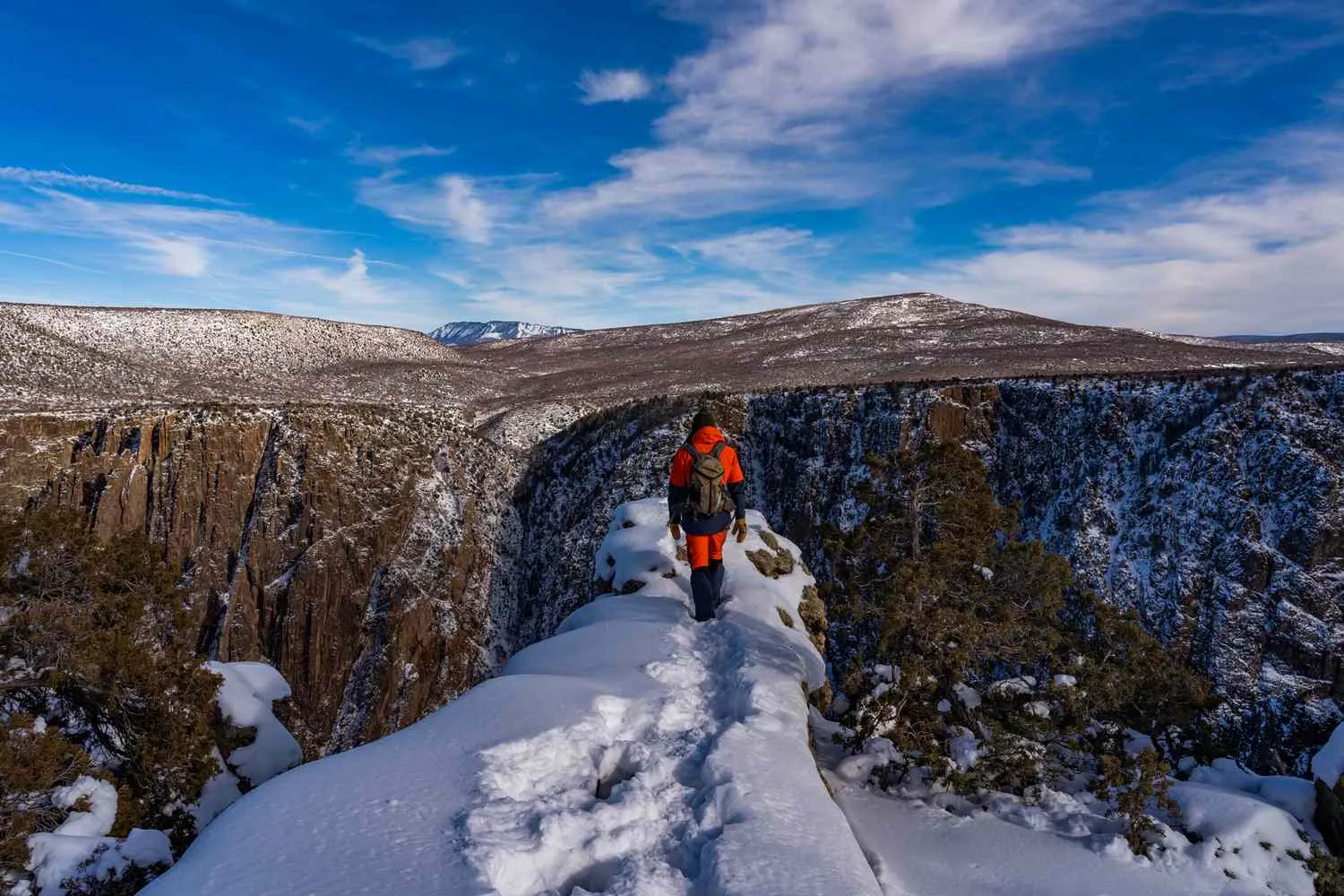
However, March offers unparalleled solitude for those prepared for challenging conditions. I encountered fewer than a dozen other visitors during my entire day at the park, creating an almost private national park experience. The snow-covered canyon creates dramatic photographic opportunities, especially during golden hour when the contrast between white snow and dark canyon walls becomes absolutely stunning.
April: The Great Opening
April marks the beginning of spring accessibility improvements. South Rim Road typically opens beyond Gunnison Point during early to mid-April, weather permitting. North Rim Road usually becomes accessible by mid-to-late April, though this varies significantly based on snowpack levels. During my April visits, I've experienced everything from knee-deep snow requiring snowshoes to perfect hiking weather requiring only light layers.
The shoulder season pricing during April makes this an excellent time for budget-conscious travelers. Local accommodations in Montrose offer rates 20-30% lower than peak summer prices, and you'll find ample availability even on weekends. The tradeoff involves weather unpredictability and potential trail closures due to muddy conditions from snowmelt.
May: Peak Spring Experience
May emerges as the prime spring month for visiting Black Canyon of the Gunnison. All major roads typically open by early May, temperatures stabilize into comfortable ranges (highs in the 60s-70s, lows in the 40s-50s), and the park's famous wildflower displays reach their peak. During my May 2024 visit, I counted over 15 different wildflower species along the Uplands Trail alone, including leopard lilies, paintbrush, and wild iris.
Wildlife viewing opportunities excel during May as animals emerge from winter dormancy. I've consistently spotted mule deer, elk, and various bird species during dawn and dusk visits. The park's designation as an International Dark Sky Park becomes particularly valuable during May's longer days and clearer skies, offering exceptional stargazing opportunities for those willing to stay late or camp overnight.
Spring Weather Warning
Spring weather at Black Canyon changes rapidly. During one memorable April visit, I experienced 40-degree temperature swings within six hours. Always pack layers, waterproof gear, and check current road conditions before departure. The National Park Service updates road status daily during transition periods.
Perfect for unpredictable spring conditions and emergency situations
Summer Peak Season: June to August
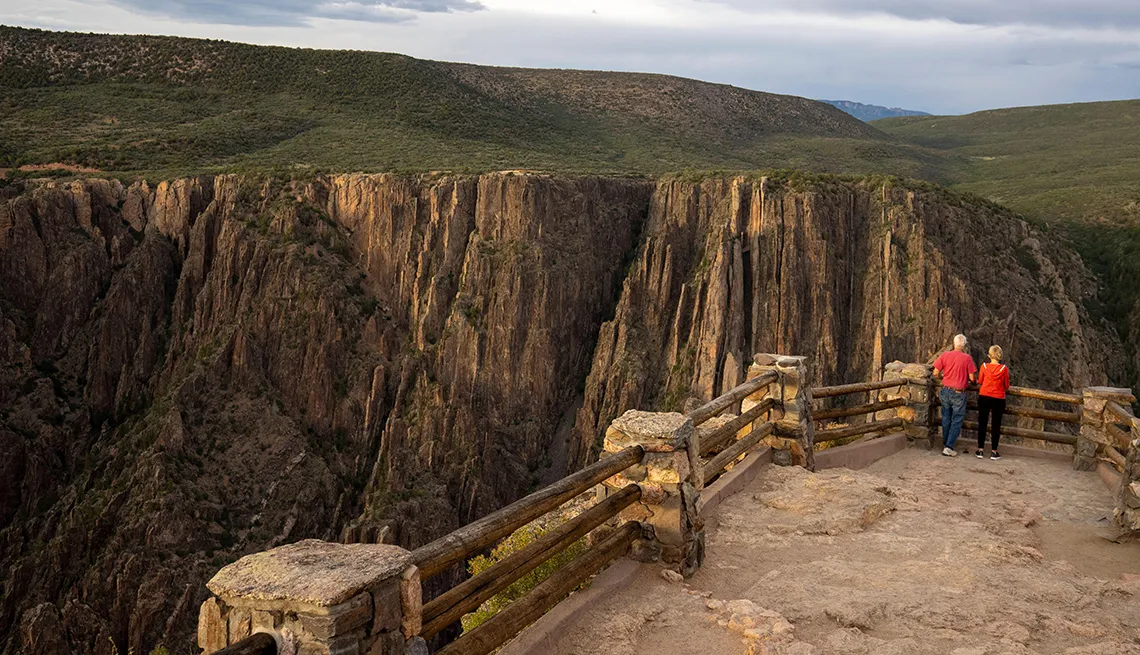
Summer undoubtedly represents the best time to visit Black Canyon of the Gunnison for most travelers, offering optimal weather conditions, full park accessibility, and the longest days for exploration. During my numerous summer visits, I've consistently found this season provides the most reliable conditions for families, first-time visitors, and those seeking to maximize their park experience without weather-related complications.
June: The Perfect Balance
June emerges as my personal favorite month for visiting Black Canyon of the Gunnison. All park roads, trails, and facilities operate at full capacity, yet summer crowds haven't reached their July and August peaks. During early June visits, I've enjoyed perfect hiking weather with daytime temperatures in the comfortable 75-80°F range and cool evenings ideal for campfire gatherings.
The Gunnison River reaches optimal levels for fishing during June, particularly near the East Portal area accessible via the steep, winding East Portal Road. I've witnessed park rangers recommend June specifically for anglers seeking the best combination of water levels, insect hatches, and comfortable fishing conditions. The inner canyon hikes become accessible without snow or ice concerns, though proper permits remain required for all below-rim adventures.
July: Peak Activity and Crowds
July represents peak visitation at Black Canyon of the Gunnison, with visitor numbers reaching their annual maximum. While this means more crowded overlooks and potential parking challenges at popular viewpoints like Painted Wall and Sunset View, it also brings the liveliest atmosphere and most comprehensive ranger programming. During July visits, I've consistently found all campgrounds at capacity, making advance reservations absolutely essential.
Weather conditions during July provide the most predictable patterns, with daily highs typically reaching the mid-80s and overnight lows settling into the comfortable 50s. However, afternoon thunderstorms become common, particularly after 2 PM. During one memorable July afternoon, I witnessed a spectacular lightning display from the safety of the South Rim Visitor Center, followed by a dramatic rainbow over the canyon as storms cleared.
August: Extended Summer Bliss
August continues summer's optimal conditions while offering slightly reduced crowds compared to July's peak intensity. Late August particularly appeals to photographers, as the changing light patterns create enhanced contrast in the canyon's dramatic walls. Wildlife activity increases during August mornings and evenings, with deer and elk frequently visible from rim overlooks during dawn visits.
The combination of stable weather, full facility operations, and improved wildlife viewing makes August an excellent choice for those seeking the best time to visit Black Canyon of the Gunnison with guaranteed accessibility. However, afternoon temperatures can occasionally reach the low 90s, making early morning starts essential for comfortable hiking experiences.
Summer Storm Safety
Afternoon thunderstorms during July and August can develop rapidly and produce dangerous lightning. Plan major hikes for early morning completion, and always have an indoor shelter plan. The South Rim Visitor Center provides excellent weather monitoring resources and real-time storm tracking.
Essential for summer camping and unexpected weather changes
Fall Colors & Perfect Weather: September to November
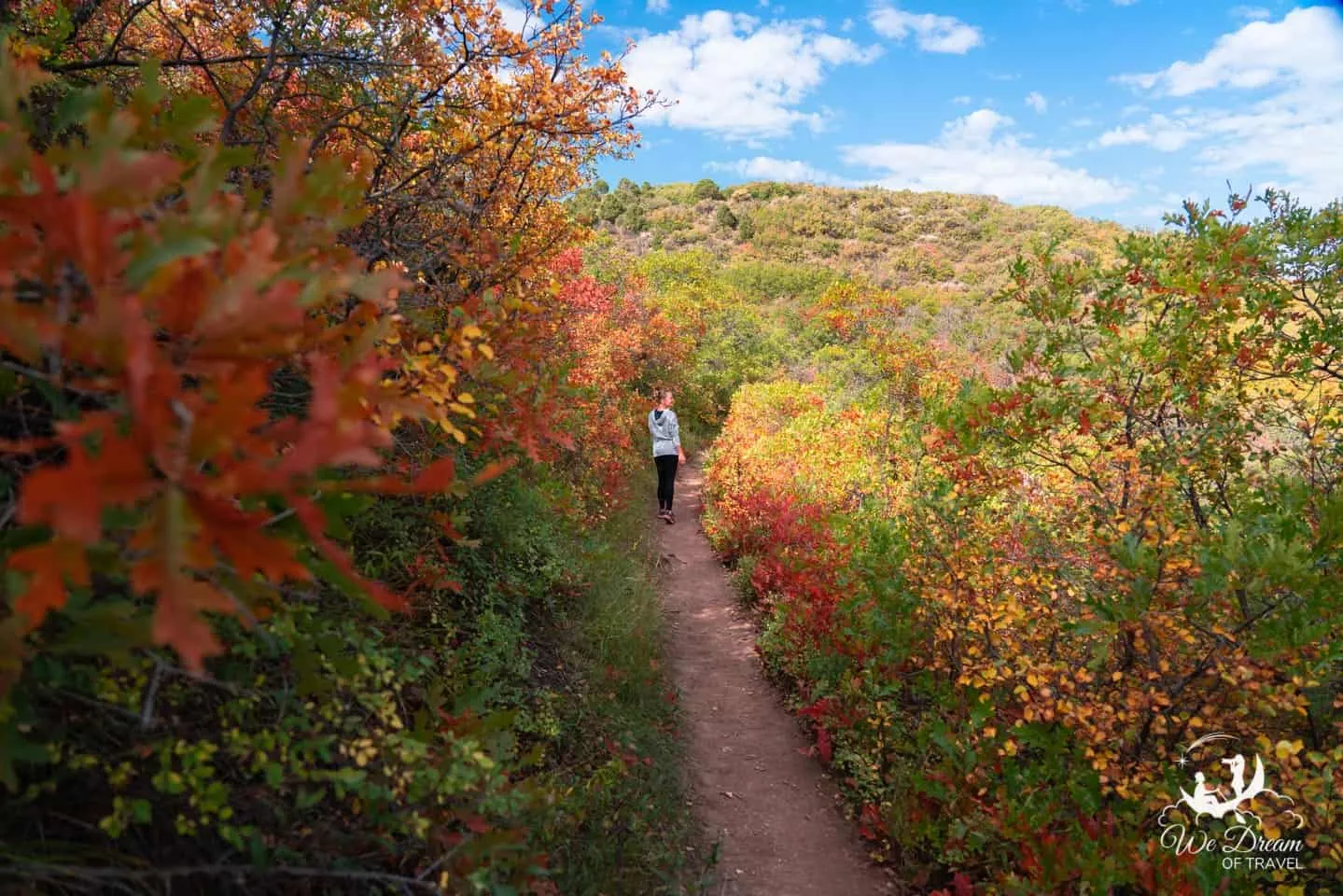
Fall at Black Canyon of the Gunnison transforms this already spectacular destination into a photographer's paradise and arguably provides the best time to visit Black Canyon of the Gunnison for those seeking optimal weather conditions combined with reduced crowds. Having photographed the park during peak fall colors for three consecutive years, I can attest that this season offers unique advantages that many visitors overlook.
September: The Golden Month
September consistently delivers the most reliable weather patterns of any month at Black Canyon of the Gunnison. During my September visits, I've enjoyed daytime temperatures in the perfect 70-75°F range with minimal precipitation and virtually no afternoon thunderstorms. The summer crowds begin dissipating significantly after Labor Day, creating a peaceful atmosphere that enhances the park's natural serenity.
Wildlife viewing reaches seasonal peaks during September as animals prepare for winter. Elk bugling echoes through the canyon during early September mornings, creating an auditory experience that adds tremendous depth to visual explorations. I've documented increased deer activity along rim trails, particularly near sunset when they venture closer to overlooks for water access.
Photography enthusiasts will find September's lighting conditions exceptional for capturing the canyon's dramatic contrasts. The autumn sun angle creates enhanced shadow play within the canyon depths while illuminating rim vegetation with warm, golden tones. During one memorable September afternoon, I captured images from Sunset View that remain among my finest national park photographs.
October: Peak Fall Colors
October emerges as the premier month for fall foliage at Black Canyon of the Gunnison. The park's elevation diversity creates extended color seasons, with aspen groves at higher elevations turning brilliant gold while Gambel oak displays stunning reds and oranges along rim areas. During peak color weeks (typically mid-October), the contrast between autumn vegetation and dark canyon walls creates absolutely breathtaking panoramas.
Weather remains highly favorable during October, though temperature variations increase compared to September's stability. Daytime highs typically reach the comfortable 60s while overnight lows dip into the 30s, requiring layered clothing strategies. I've found October perfect for extensive hiking, as cooler temperatures reduce heat stress while extending comfortable outdoor activity periods.
October also marks the return of excellent stargazing conditions as nights lengthen and atmospheric clarity improves. The park's International Dark Sky designation becomes particularly valuable during October's longer nights, offering exceptional opportunities for astrophotography and celestial observation. During clear October nights, I've consistently observed the Milky Way in stunning detail from multiple rim locations.
November: Transition to Winter
November presents the final opportunity for accessing all park areas before winter closures typically begin in mid-November. While weather becomes increasingly unpredictable, early November can still provide excellent visiting conditions for those prepared for variable weather patterns. I've experienced surprisingly pleasant November days with temperatures reaching the 50s, creating perfect conditions for final-season hiking adventures.
The dramatic reduction in visitor numbers during November creates an almost private park experience. During my November 2023 visit, I encountered fewer than 20 other visitors during an entire day of exploration, providing unobstructed photography opportunities and peaceful hiking experiences. However, November requires flexible planning as weather can change rapidly, potentially necessitating early departure or modified itineraries.
Fall Photography Tips
The best time to visit Black Canyon of the Gunnison for photographers is mid-October during peak fall colors. Arrive early for golden hour lighting (around 7 AM) and stay late for sunset magic (around 6 PM). The Painted Wall provides stunning fall color reflections during morning light.
Essential for fall hiking when weather conditions can change rapidly
Winter Wonderland: December to February
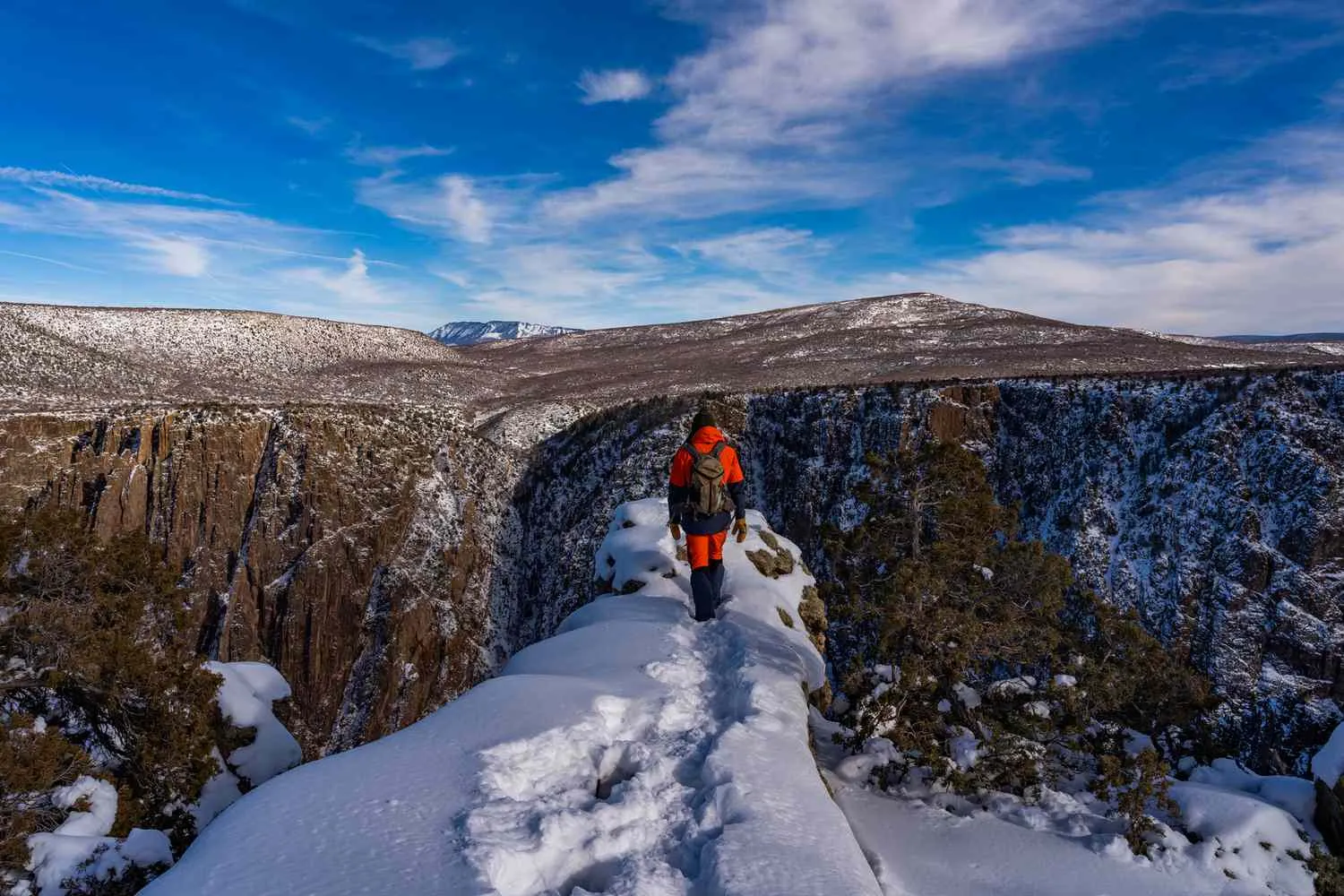
Winter at Black Canyon of the Gunnison creates a completely transformed landscape that challenges conventional thinking about the best time to visit Black Canyon of the Gunnison. While accessibility becomes severely limited and weather conditions demand serious preparation, winter offers unique experiences unavailable during any other season. My winter visits have produced some of my most memorable and photogenic national park adventures.
December: Early Winter Transition
December marks the beginning of significant winter restrictions at Black Canyon of the Gunnison. By mid-December, North Rim Road and East Portal Road typically close for the season, while South Rim Road becomes accessible only to Gunnison Point. However, early December can still provide transitional weather that allows for extended exploration before heavy snow accumulation begins.
During my early December visits, I've experienced surprisingly mild conditions with daytime temperatures reaching the low 40s and minimal snow cover. These conditions create excellent opportunities for photography as light snow dusting enhances the canyon's dramatic contrasts without completely restricting access. The reduced daylight hours require careful planning, but sunset photography opportunities become exceptional due to winter's unique light quality.
January and February: Peak Winter Experience
January and February represent true winter conditions at Black Canyon of the Gunnison, with temperatures frequently dropping below zero and snow depths reaching several feet in exposed areas. However, these challenging conditions create the park's most unique recreational opportunities. South Rim Road beyond Gunnison Point transforms into groomed cross-country skiing and snowshoeing terrain, offering a completely different perspective on familiar landscapes.
I've participated in the park's weekend ranger-guided snowshoe programs, which provide equipment and expert guidance for exploring winter landscapes safely. These programs offer exceptional educational value while ensuring visitor safety in potentially dangerous conditions. The contrast between snow-covered rim areas and the dark canyon depths creates photography opportunities unlike anything available during other seasons.
Winter solitude at Black Canyon of the Gunnison reaches extreme levels, with monthly visitor counts dropping below 2,000 compared to summer's 50,000+. This isolation creates profound wilderness experiences for those properly prepared for harsh conditions. During one January visit, I didn't encounter another visitor for over six hours of exploration, creating an almost mystical connection with this dramatic landscape.
Winter Activity Opportunities
Despite access limitations, winter offers unique recreational opportunities for adventurous visitors. Cross-country skiing along South Rim Road provides access to overlooks typically reached by car during other seasons. The 6-mile groomed route extends from Gunnison Point to High Point, offering varied terrain suitable for different skill levels. Snowshoeing opportunities extend beyond the road system, allowing exploration of rim areas and winter wildlife tracking.
Winter stargazing at Black Canyon of the Gunnison reaches its annual peak due to exceptionally clear atmospheric conditions and extended darkness hours. The park's International Dark Sky designation becomes particularly valuable during winter months when atmospheric moisture decreases and light pollution remains minimal. I've captured stunning astrophotography during winter visits, including images of the Milky Way above snow-covered canyon rims.
Winter Safety Essentials
Winter visits require serious preparation including emergency supplies, warm clothing systems, and communication devices. Always inform someone of your planned route and expected return time. The South Rim Visitor Center provides current weather information and safety recommendations for winter activities.
Perfect for winter camping setups and emergency shelter situations
Essential Planning Tips & Gear
Regardless of when you determine is the best time to visit Black Canyon of the Gunnison for your specific needs, proper planning and gear selection significantly impact your experience quality and safety. Through five years of visiting this park during all seasons, I've developed comprehensive preparation strategies that maximize enjoyment while minimizing weather-related complications and safety concerns.
Weather Monitoring and Flexibility
Mountain weather changes rapidly at Black Canyon of the Gunnison, making real-time monitoring essential for safe visits. I consistently check three weather sources before and during visits: the National Park Service website for current road conditions, NOAA weather forecasts for regional patterns, and local Montrose weather stations for real-time updates. Weather apps often underestimate the park's elevation-related temperature variations, so adding 10-15 degrees to valley forecasts provides more accurate rim temperature predictions.
Building flexibility into your itinerary becomes crucial for maximizing your visit regardless of weather conditions. During one spring visit, unexpected snow prevented planned North Rim exploration, but clear skies the following day provided exceptional photography opportunities with fresh snow enhancing canyon contrasts. Having backup plans for indoor activities (South Rim Visitor Center, nearby museums in Montrose) ensures productive visits even during challenging weather periods.
Accommodation Strategies by Season
Accommodation planning varies significantly depending on your chosen season for visiting Black Canyon of the Gunnison. Summer visitors require advance reservations, particularly for campgrounds which fill completely during July and August weekends. I've found booking South Rim Campground sites 2-3 months ahead ensures availability, while same-day sites occasionally become available for weekday arrivals during shoulder seasons.
Winter visits offer significant accommodation savings in Montrose, with hotel rates dropping 30-40% compared to summer pricing. However, heating costs and potential weather delays should factor into budget planning. Spring and fall provide the best balance between reasonable pricing and weather reliability, making these seasons particularly attractive for budget-conscious travelers seeking optimal value.
Essential Gear by Season
Gear requirements vary dramatically depending on when you visit Black Canyon of the Gunnison. Summer visitors need sun protection (high-SPF sunscreen, wide-brimmed hats, UV-protective clothing), hydration systems (minimum 1 liter per person for rim hikes), and afternoon storm protection (lightweight rain gear, emergency shelter). The high elevation intensifies UV exposure, making quality sunglasses and lip protection essential even during cloudy conditions.
Winter visitors require comprehensive cold-weather systems including insulating layers, waterproof outer shells, insulated boots suitable for snow travel, and emergency supplies (space blankets, high-energy snacks, navigation tools). Even day visits during winter should include emergency overnight supplies given the potential for rapid weather deterioration and road closure situations.
Essential for extended camping visits
Crucial for wilderness safety
Transportation and Access Considerations
Vehicle requirements change seasonally at Black Canyon of the Gunnison. Summer visitors can access all park areas with standard passenger vehicles, though East Portal Road's steep grades and tight curves require cautious driving and good brakes. Winter visitors need all-wheel or four-wheel drive vehicles for accessing even the limited open areas, plus emergency supplies including traction devices, emergency food, and communication equipment.
Flying into Montrose Regional Airport (45 minutes from the park) provides the most convenient access, though Grand Junction Regional Airport (90 minutes) offers more flight options and potentially better pricing. Rental car selection becomes crucial during winter months when all-wheel drive vehicles provide essential safety margins for mountain driving conditions.
Conclusion
After extensively exploring Black Canyon of the Gunnison during every season across multiple years, I can confidently conclude that the best time to visit Black Canyon of the Gunnison ultimately depends on your personal priorities, adventure tolerance, and weather preferences. However, certain patterns consistently emerge that can guide your decision-making process.
For first-time visitors seeking maximum accessibility and predictable conditions, late May through early October provides the most reliable experience. This extended season ensures all park roads remain open, weather patterns stay relatively stable, and emergency services maintain full operations. Families with children, older adults, or those with limited outdoor experience will find this timeframe offers the best balance between adventure opportunity and safety considerations.
Experienced outdoor enthusiasts seeking unique experiences should seriously consider shoulder seasons - particularly late September through early November for fall colors and optimal weather, or March through April for solitude and dramatic winter-to-spring transitions. These periods require more preparation and flexibility but reward visitors with exceptional photographic opportunities and profound wilderness connections rarely available during peak season.
Winter visits, while challenging, offer transformative experiences for properly prepared adventurers. The combination of cross-country skiing opportunities, exceptional stargazing conditions, and almost complete solitude creates memories that last lifetime. However, winter visits require serious outdoor experience, proper equipment, and flexible scheduling to ensure safety and enjoyment.
My personal recommendation for determining the best time to visit Black Canyon of the Gunnison involves honestly assessing your experience level, equipment availability, and adventure goals. This remarkable national park rewards visitors during every season, but matching your capabilities with seasonal demands ensures both safety and maximum enjoyment of one of Colorado's most spectacular natural treasures.
Regardless of when you choose to visit, Black Canyon of the Gunnison will provide perspectives on natural beauty, geological time scales, and wilderness solitude that transform your understanding of America's national park system. The combination of dramatic landscapes, diverse recreational opportunities, and relatively low visitation levels makes this park a true hidden gem worth experiencing during any season that aligns with your adventure preferences and preparation capabilities.
Ready for Your Black Canyon Adventure?
Start planning your perfect visit to Black Canyon of the Gunnison National Park with the confidence that comes from expert guidance and proven strategies.
Explore More Colorado Adventures