

How to Get to Acadia Visitor Center: Complete Guide with Directions ; Transportation Options
Planning your first visit to Acadia National Park? Knowing how to get to Acadia visitor center is crucial for maximizing your experience in this stunning Maine destination. The Hulls Cove Visitor Center serves as the main gateway to one of America's most beloved national parks, offering essential services, maps, and expert guidance from park rangers. For more wilderness adventure guides and national park resources, visit Wilderness Paths.
Understanding Acadia's Visitor Center Locations
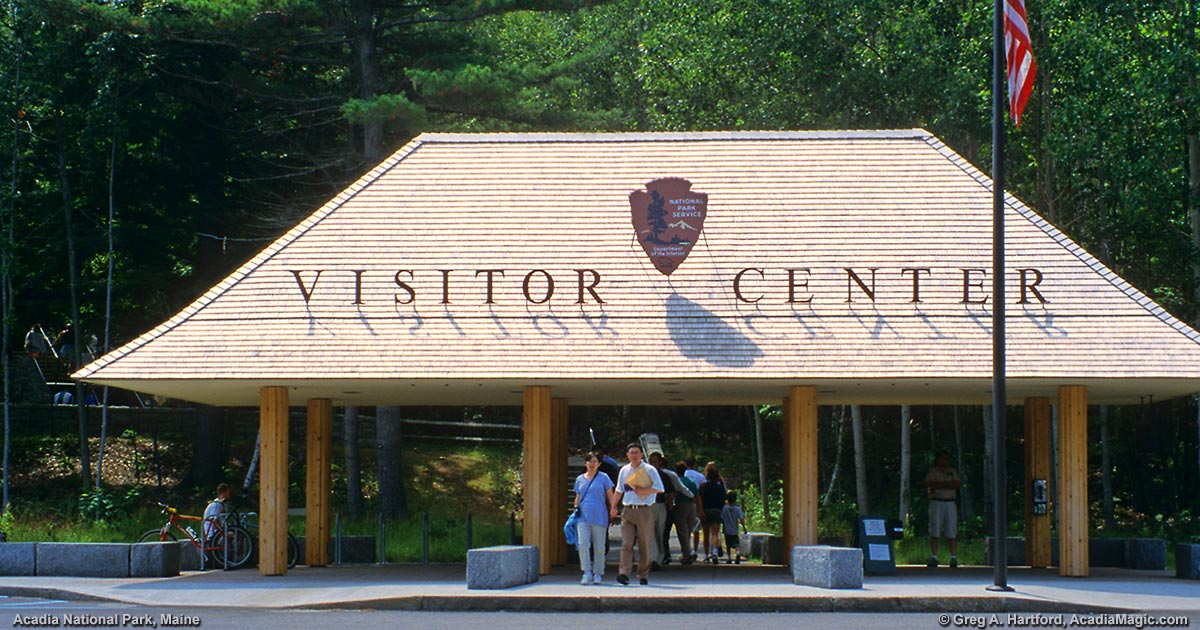
When people search for how to get to Acadia visitor center, they're typically referring to the Hulls Cove Visitor Center, which serves as the primary visitor contact station for Acadia National Park. This beautifully designed facility, built in 1967, sits strategically positioned near Bar Harbor and provides the most comprehensive visitor services available in the park.
However, it's important to understand that Acadia National Park actually operates several visitor contact points throughout the year. During peak season (May through October), the Hulls Cove Visitor Center is your main destination. The facility offers ranger-led programs, park passes, detailed maps, and serves as the central hub for the Island Explorer bus system that provides free transportation throughout the park.
Beyond the main Hulls Cove location, the park also operates seasonal contact stations including the Sieur de Monts Nature Center, the Isleford Museum (accessible only by boat), and the Rockefeller Welcome Center on the Schoodic Peninsula. Each serves different purposes and regions of the park, but for first-time visitors wondering how to get to Acadia visitor center, Hulls Cove remains the primary recommendation.
During winter months (November through April), when Hulls Cove closes, visitor services relocate to the Bar Harbor Chamber of Commerce in downtown Bar Harbor. This arrangement ensures year-round access to park information, passes, and planning assistance, though with reduced services compared to the full visitor center experience available during operating season.
Driving Directions to Hulls Cove Visitor Center
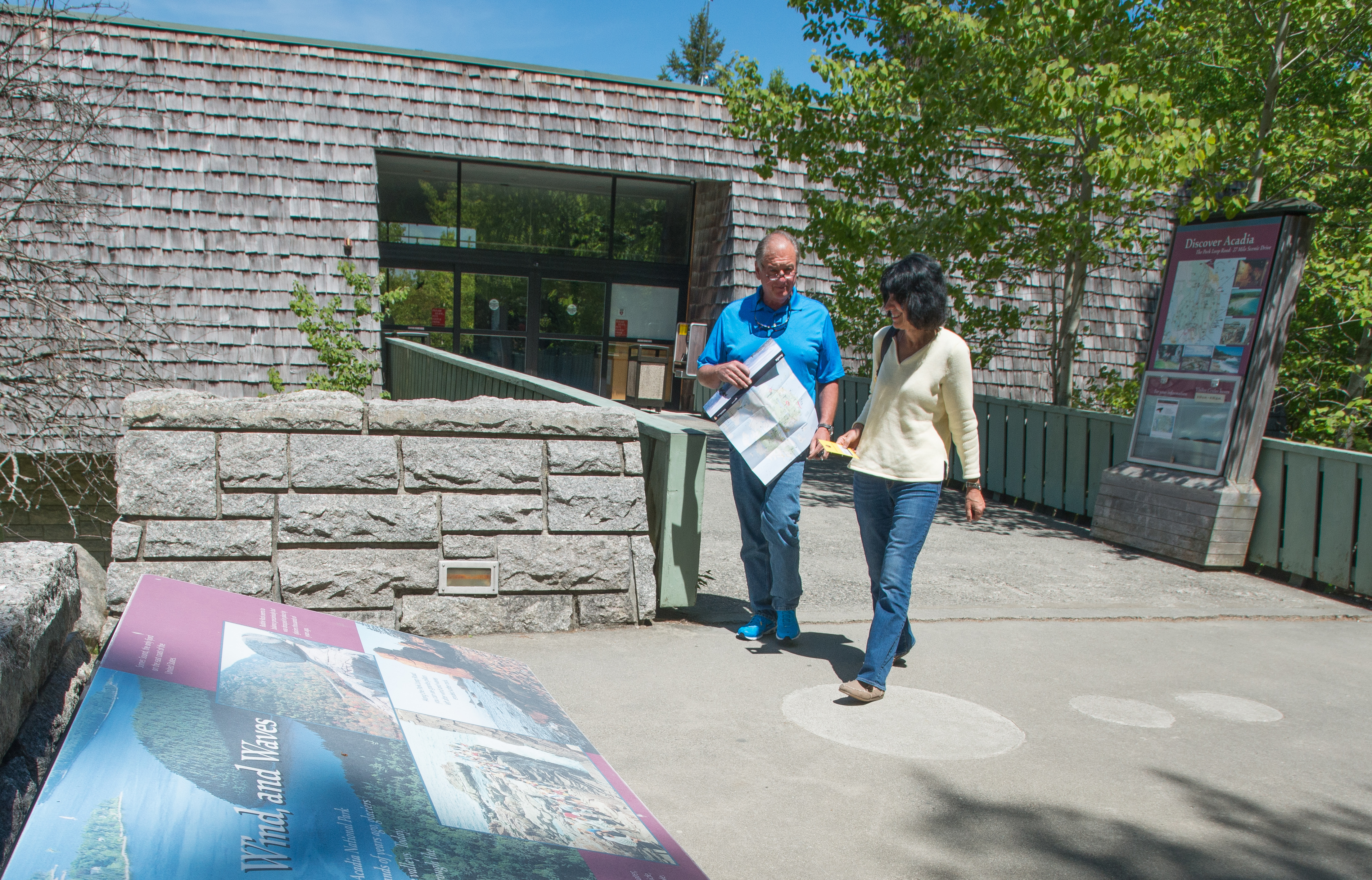
Getting to the Hulls Cove Visitor Center by car is straightforward once you understand the route. The center is located at 25 Visitor Center Road, Bar Harbor, Maine, positioned on Route 233 (Eagle Lake Road) just off Route 3, approximately 3 miles north of downtown Bar Harbor. This strategic location makes it easily accessible for visitors approaching from various directions.
If you're traveling from the south via Interstate 95, take Exit 182A toward Route 1A North/Ellsworth. Continue on Route 1A for about 18 miles, then merge onto Route 3 East toward Bar Harbor/Mount Desert Island. After crossing the bridge onto Mount Desert Island, continue on Route 3 for approximately 8 miles until you see signs for the Hulls Cove Visitor Center. Turn right onto Route 233 (Eagle Lake Road), and the visitor center will be on your right within half a mile.
For those coming from Bangor International Airport, the most common air gateway for visitors learning how to get to Acadia visitor center, the drive takes approximately one hour. Take I-395 South to Route 1A South, then follow the same Route 3 East instructions mentioned above. The total distance from Bangor is about 50 miles, making it a comfortable drive through scenic Maine countryside.
GPS coordinates for the Hulls Cove Visitor Center are 44.338797, -68.183168, which ensures accurate navigation even in areas with spotty cell coverage. I recommend setting these coordinates as a backup navigation method, as some GPS systems may not have the most current park road information. The visitor center operates from 8:00 AM to 4:30 PM daily during peak season, with slightly shorter hours in shoulder seasons.
Pro Tip: Arrive early in the day, especially during summer months, as parking fills quickly during peak visitation periods. The visitor center can become quite busy between 10 AM and 2 PM.
Public Transportation and Car-Free Options
For eco-conscious travelers and those seeking to reduce traffic congestion, learning how to get to Acadia visitor center without a personal vehicle opens up several excellent options. The park actively promotes car-free visitation through the comprehensive Island Explorer bus system, which provides free transportation throughout Acadia National Park and the surrounding communities from late June through mid-October.
The Island Explorer operates multiple routes connecting the Hulls Cove Visitor Center with Bar Harbor's Village Green, various trailheads, campgrounds, and other key park destinations. Route 3 specifically serves the visitor center, running approximately every 30 minutes during peak season. The buses are equipped with bike racks, allowing you to combine cycling with bus transportation for a truly sustainable park experience.
Air travelers can fly into Bar Harbor/Hancock County Airport (BHB), which connects directly to the Island Explorer system during operating season. For year-round air access, Bangor International Airport (BGR) offers more flight options, with Downeast Transportation providing bus service to Bar Harbor. From Bangor, you can also arrange taxi service or rental cars specifically for reaching the visitor center area.
Long-distance travelers can utilize Concord Coach Lines or Greyhound service to Bangor, then connect via local transportation options. Some visitors even bicycle the entire distance, as Maine offers excellent cycling infrastructure and scenic routes leading to the park. The carriage road system, accessible near the visitor center, provides car-free cycling opportunities once you arrive, making the Hulls Cove area an ideal starting point for sustainable park exploration.
Parking and Accessibility Information
Main Parking Area and Layout
Understanding the parking situation is crucial when planning how to get to Acadia visitor center, especially during peak summer months when the facility sees thousands of daily visitors. The main parking lot sits below the visitor center building and features angled parking spaces that can accommodate approximately 150 vehicles, including several designated accessible spaces near the information pavilion.
The parking area fills rapidly during peak hours (typically 9 AM to 3 PM) in July and August, so I strongly recommend arriving early in the morning or later in the afternoon for the best parking availability. The lot features a large information pavilion with outdoor exhibits and an automated fee station where you can purchase park passes without climbing the 52 steps to the main visitor center building.
Accessibility Features and Alternative Entrance
The Hulls Cove Visitor Center was designed in 1967, before modern accessibility legislation, which creates some challenges for visitors with mobility limitations. However, the park has implemented excellent accessibility solutions that ensure everyone can access visitor services. The main challenge is the 52-step climb from the primary parking lot to the visitor center entrance.
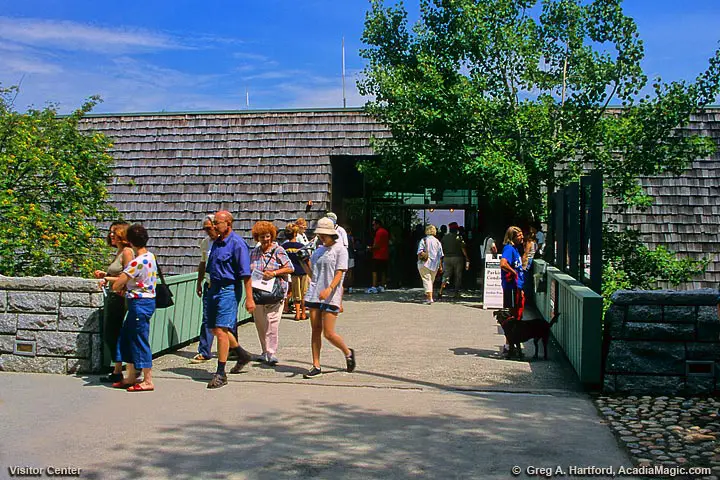
For accessible access, drive straight through the four-way intersection off Route 3 instead of turning into the main parking lot. This leads to a separate accessible parking area behind the building with four marked accessible spaces. Two paved routes connect this lot to the visitor center: one with short steps and another curved path that slopes to meet the first at a wooden bridge. The accessible entrance features an automatic door and elevator access to the main floor, ensuring full facility access for all visitors.
Important: Parking during peak season can be extremely challenging. Consider using the Island Explorer bus system or arriving before 9 AM to secure parking at the visitor center.
What to Expect at the Visitor Center
Interior Layout and Services
Once you've successfully navigated how to get to Acadia visitor center and arrived at Hulls Cove, you'll discover a thoughtfully designed facility that serves as your gateway to the park experience. The main lobby features two distinct service areas: an information desk staffed by knowledgeable park rangers and a separate sales counter for entrance passes. Clear queuing areas with stanchions help manage visitor flow during busy periods.
The visitor center houses impressive wall-mounted maps displaying the park's three main transportation networks: roads, hiking trails, and carriage roads. These large-scale maps are invaluable for trip planning and getting oriented to the park's layout. The facility also features rotating artwork displays from the park's Artist-in-Residence program, complete with QR codes linking to an online catalog with audio descriptions.
Park Store and Educational Resources
The park store, operated by Eastern National, offers an excellent selection of field guides, maps, educational materials, and park-themed merchandise. Purchases here directly support park operations, making them meaningful souvenirs. The store connects to the main building via a wide doorway and is also accessible directly from outside via a wooden bridge, providing convenient access regardless of how you arrived at the visitor center.
Recent renovations have significantly improved the visitor experience, removing the echo that previously plagued the large, open building design through strategic sound absorption materials. The former movie theater was removed and replaced with additional exhibit space and educational displays. Families will appreciate the addition of a dedicated family restroom, complementing the accessible facilities on both floors of the building.
My Personal Experience and Insider Tips
Learning the Ropes: First-Time Mistakes
I'll never forget my first attempt at figuring out how to get to Acadia visitor center back in 2018. Like many first-time visitors, I arrived mid-morning in July, completely unprepared for the parking chaos that awaited me. After circling the packed parking lot for twenty minutes, I learned my first valuable lesson: arrive before 9 AM or after 4 PM during peak season, or better yet, take the Island Explorer bus from Bar Harbor.
During that initial visit, a park ranger shared invaluable advice that has shaped all my subsequent trips: "The visitor center isn't just a starting point—it's your strategic command center." She was absolutely right. The rangers possess decades of local knowledge about trail conditions, weather patterns, and crowd management that you simply can't get from online resources or guidebooks.
Seasonal Insights and Local Secrets
Over multiple visits throughout different seasons, I've discovered that understanding how to get to Acadia visitor center involves more than just navigation—it requires timing strategy. Fall visits in early October offer spectacular foliage with manageable crowds, while spring visits in late May provide access to seasonal wildflowers and active wildlife before the summer rush begins.
One insider tip I learned from a longtime ranger: the visitor center's outdoor information pavilion operates year-round, even when the building is closed. During my November visit, I discovered this pavilion provided essential trail maps and current conditions information, plus the automated fee station remained functional for purchasing annual passes—a significant cost savings for anyone planning multiple national park visits.
User Review Summaries:
Sarah M. (TripAdvisor): "The rangers at Hulls Cove saved our trip! They recommended alternative trails when our planned hike was closed due to peregrine falcon nesting. Their local knowledge was invaluable."
Mike R. (Reddit): "Used the Island Explorer to reach the visitor center—game changer! No parking stress, and the bus drivers provided running commentary about park highlights."
Jennifer K. (Google Reviews): "The accessible entrance worked perfectly for my father's wheelchair. Staff was incredibly helpful in planning a fully accessible park experience."
Frequently Asked Questions
What are the operating hours for Hulls Cove Visitor Center?
The Hulls Cove Visitor Center operates seasonally from April 15 through October 31, with daily hours typically from 8:00 AM to 4:30 PM. Hours may vary slightly during shoulder seasons (April-May and September-October), so I recommend checking the official park website or calling (207) 288-3338 before your visit. During winter months (November through April), visitor services relocate to the Bar Harbor Chamber of Commerce downtown, where you can still obtain park passes and information with reduced hours and services.
How much does it cost to enter Acadia National Park?
As of 2024, entrance fees are $30 for a 7-day vehicle pass, $25 for a 7-day motorcycle pass, or $15 for pedestrians and cyclists. The Annual Acadia Pass costs $55 and pays for itself with just two visits. For frequent national park visitors, the America the Beautiful Annual Pass ($80) provides access to all national parks and federal recreation sites. You can purchase passes at the visitor center, through the automated fee station in the parking lot, or online in advance to skip lines during busy periods.
Is the Island Explorer bus really free, and how reliable is it?
Yes, the Island Explorer bus system is completely free and funded through a partnership between park service, local communities, and environmental organizations. The system operates from late June through mid-October with reliable 30-minute intervals on most routes during peak hours. Route 3 specifically serves the Hulls Cove Visitor Center, connecting it with Bar Harbor's Village Green and other park destinations. Buses feature bike racks and are wheelchair accessible. I've found them remarkably punctual, though summer traffic can occasionally cause minor delays during peak afternoon hours.
Can I access the visitor center without climbing the 52 steps?
Absolutely! The park provides full accessibility through a separate entrance behind the building. Instead of turning into the main parking lot from Route 3, continue straight through the four-way intersection to reach the accessible parking area with four dedicated spaces. Two paved routes connect this lot to the visitor center: one with minimal steps and another curved path that gradually slopes to meet the first at a wooden bridge. The accessible entrance features automatic doors and elevator access to all floors, ensuring complete facility access regardless of mobility limitations.
What should I do if the visitor center parking lot is full?
During peak season, the visitor center parking lot frequently fills by mid-morning. Your best alternatives include parking in Bar Harbor's Village Green area and taking the free Island Explorer bus to the visitor center, arriving before 9 AM when spaces are more available, or visiting later in the afternoon after 3 PM when some visitors begin leaving. Some visitors also park at nearby trailheads and walk to the visitor center, though this requires additional planning and time. The automated fee station in the parking lot allows pass purchases without entering the building, which can save time during busy periods.
Are pets allowed at the visitor center and in Acadia National Park?
Pets are welcome at the visitor center area and throughout many parts of Acadia National Park, but with important restrictions. Dogs must remain leashed at all times and are prohibited on several popular trails including Ocean Path, Jordan Pond Path, and all ladder trails for safety reasons. The visitor center grounds and parking areas welcome leashed pets, and many carriage roads accessible from the visitor center area allow dogs. Rangers at the visitor center can provide a comprehensive list of pet-friendly trails and facilities. Always clean up after your pet and bring water, as Maine's rocky terrain can be tough on paws during hot summer days.
Conclusion
Mastering how to get to Acadia visitor center is your first step toward an unforgettable national park experience. The Hulls Cove Visitor Center serves as more than just an information stop—it's your strategic headquarters for maximizing everything this incredible Maine destination has to offer. From obtaining current trail conditions and weather updates to connecting with the Island Explorer bus system, the visitor center provides essential services that can transform a good trip into an exceptional one.
Whether you choose to drive directly to the facility, utilize the excellent public transportation options, or combine multiple approaches for a car-free adventure, proper planning ensures a smooth start to your Acadia experience. Remember to account for seasonal variations, accessibility needs, and peak visitation patterns when planning your visit. The investment in time spent at the visitor center—talking with rangers, studying maps, and gathering current information—pays dividends throughout your entire park experience.
The knowledge you've gained about parking strategies, accessibility features, transportation alternatives, and visitor center amenities positions you to make informed decisions that match your specific needs and interests. From first-time visitors seeking basic orientation to experienced travelers looking to explore lesser-known areas, the Hulls Cove Visitor Center staff and resources support every level of park exploration.
As you prepare for your Acadia adventure, remember that the journey to the visitor center is just the beginning of your national park story. The connections you make with rangers, the insights you gather from fellow visitors, and the planning you accomplish at this central hub will enhance every subsequent moment of your time in this remarkable landscape where mountains meet the sea.
Ready to Start Your Acadia Adventure?
Begin your journey at the Hulls Cove Visitor Center and discover why millions of visitors return to Acadia year after year.
Plan Your Visit Today