

Complete Guide to Acadia Climbing Safety Tips: Expert Advice for Safe Rock Climbing
Having spent countless seasons climbing the granite cliffs of Acadia National Park, I've learned that proper safety preparation is the difference between an unforgettable adventure and a dangerous situation. These comprehensive acadia climbing safety tips combine expert advice from local guides, park rangers, and my personal experience navigating Maine's most challenging coastal routes. Whether you're planning your first visit or returning to tackle advanced multi-pitch climbs, this guide will help ensure your safety on Acadia's spectacular but demanding terrain. Visit our homepage for more outdoor adventure guides.
Understanding Acadia's Unique Climbing Environment

Acadia National Park presents a climbing environment unlike anywhere else on the East Coast. The park's granite cliffs rise directly from the Atlantic Ocean, creating stunning but challenging conditions that demand specific safety considerations. When I first experienced climbing at Otter Cliffs, I was amazed by the unique combination of solid granite holds and the constant presence of ocean spray that can make surfaces unexpectedly slippery.
Granite Surface Characteristics
The pink granite formations in Acadia provide excellent friction when dry, but become treacherous when wet. Unlike inland climbing areas, these coastal cliffs are constantly exposed to salt spray, fog, and sudden weather changes. I've learned that acadia climbing safety tips must always account for the rapid transition from perfect conditions to hazardous ones. The granite's crystalline structure offers incredible texture for climbing shoes, but its smooth areas can become skating rinks when moisture is present.
The tidal influence creates another layer of complexity unique to Acadia climbing. Routes that are easily accessible at low tide can become dangerous or impossible to reach safely at high tide. I always check tide charts before planning any climbing session, especially at locations like Otter Cliffs and Great Head where the ocean proximity is immediate. The park's elevation changes from sea level to over 1,500 feet create microclimates that can vary dramatically within short distances.
Local climbing guides consistently emphasize that Acadia's environment demands constant vigilance. The combination of exposed positions, changing weather, and the psychological impact of climbing above crashing waves creates a unique set of challenges. Rangers report that many climbing incidents occur when climbers underestimate these environmental factors, making proper preparation and awareness absolutely critical for safe climbing experiences.
Essential Safety Equipment for Acadia Climbing
Having the right equipment is fundamental to implementing effective acadia climbing safety tips. Through years of climbing in this unique environment, I've refined my gear selection to prioritize safety without compromising performance. The coastal conditions and granite surfaces of Acadia require specific equipment considerations that differ from inland climbing areas.
Helmet Protection
A quality climbing helmet is non-negotiable in Acadia. The combination of loose rock from freeze-thaw cycles and the presence of nesting seabirds creates constant rockfall hazards. I personally use and recommend the BLACK DIAMOND Half Dome Rock Climbing Helmet, which has proven reliable in Acadia's conditions with excellent ventilation and impact protection.
⚠️ Safety Note: Always wear your helmet from the moment you approach the cliff base until you're completely clear of rockfall zones.
Harness and Rope Systems
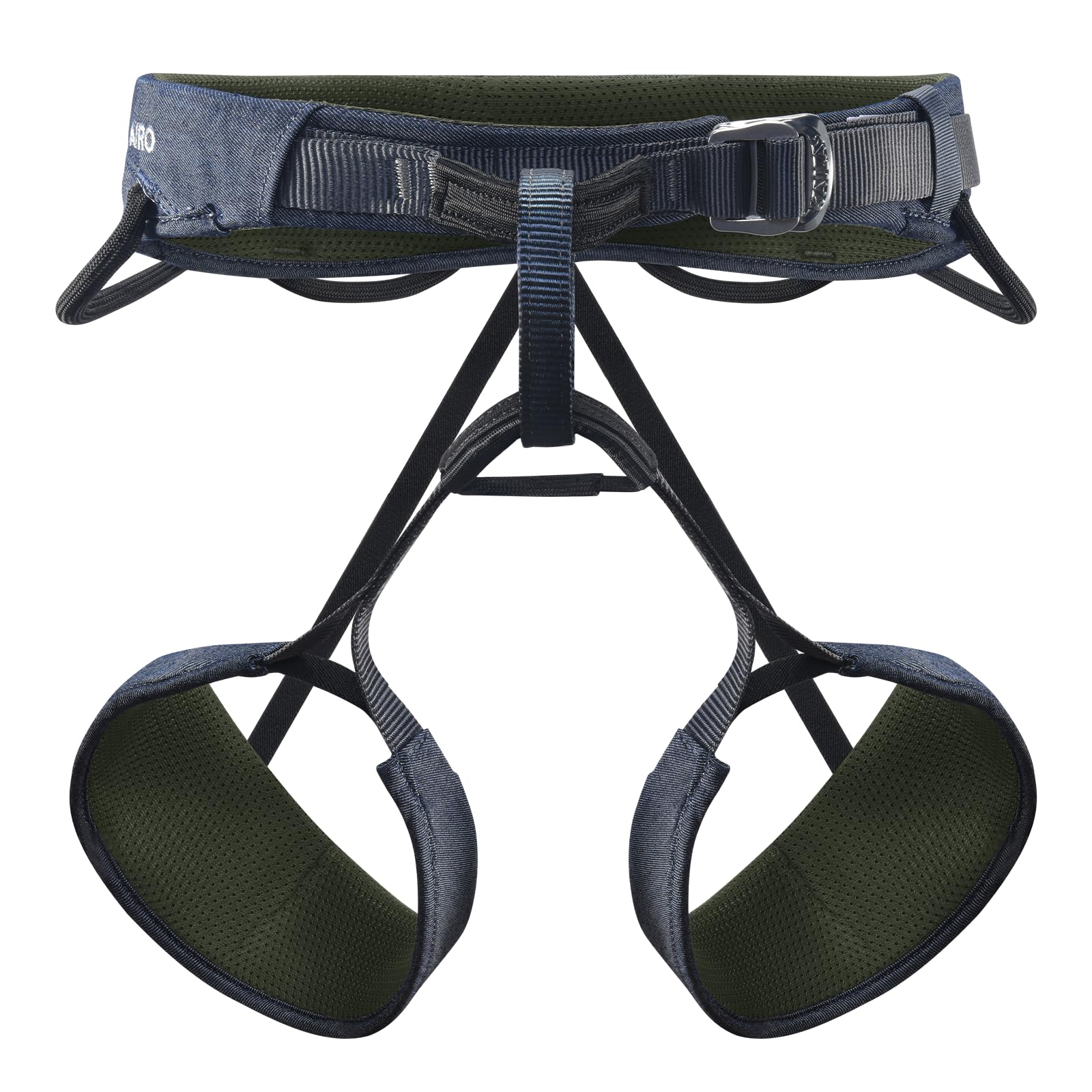
The multi-pitch nature of many Acadia routes demands a comfortable, well-fitted harness designed for extended wear. After testing various options on Acadia's walls, I consistently return to the PETZL SAMA Unisex Harness for its comfort during long belays and excellent gear loop arrangement.
For rope selection, Acadia's abrasive granite surfaces require dynamic ropes with excellent durability. The BLACK DIAMOND 9.9 mm Dynamic Rock Climbing Rope provides the perfect balance of handling and durability for Acadia's demanding routes. The slightly thicker diameter offers better abrasion resistance against the granite's sharp edges while maintaining excellent handling characteristics.
Footwear and Protection
Climbing shoes must provide exceptional grip on Acadia's granite surfaces while offering enough sensitivity for precise footwork. The Mens Tarantulace Rock Climbing Shoes excel in these conditions, offering the grip needed for Acadia's slab climbing while maintaining comfort for longer routes. The rubber compound performs exceptionally well on granite, even when conditions are less than perfect.
Weather and Seasonal Considerations
Maine's coastal weather patterns create some of the most challenging and unpredictable climbing conditions on the East Coast. Implementing proper acadia climbing safety tips requires understanding these weather systems and their impact on climbing safety. During my years climbing in Acadia, I've experienced everything from perfect sunny conditions to sudden fog banks that can reduce visibility to mere feet within minutes.
Seasonal Weather Patterns
Summer climbing season in Acadia typically runs from May through October, but each month brings distinct challenges. Early season climbing often deals with residual ice in cracks and extremely cold granite that can numb fingers quickly. I've found that July and August offer the most stable conditions, but even then, afternoon thunderstorms can develop rapidly over the ocean and reach the cliffs with little warning.
Fall climbing presents some of the most spectacular conditions in Acadia, with crisp air and incredible visibility, but also brings the season's first serious storms. I always monitor marine weather forecasts in addition to terrestrial predictions, as ocean-based weather systems often behave differently than land-based forecasts suggest. The park rangers consistently emphasize checking multiple weather sources and having conservative turnaround times built into climbing plans.
Fog and Visibility Challenges
Acadia's infamous fog can transform perfect climbing conditions into dangerous situations within minutes. I've experienced fog banks rolling in from the ocean that completely obscured multi-pitch anchors and made route finding impossible. These conditions require immediate retreat protocols and the ability to navigate by feel and memory when necessary. Local guides recommend carrying headlamps even for day climbs, as fog can create twilight conditions at any hour.
Wind patterns along Acadia's coast create additional safety considerations. The combination of ocean thermal effects and the park's varied topography can generate sudden wind shifts that affect both climbing difficulty and safety. I've learned to read the ocean surface conditions as an early warning system for approaching weather changes, as wave patterns often indicate wind shifts before they reach the cliffs.
🌊 Ocean Tip: Always check tide charts and marine weather forecasts before climbing. Ocean conditions directly impact cliff-base access and safety.
My Experience: Lessons Learned from Acadia's Cliffs

My first serious climbing experience in Acadia came during a foggy September morning at Otter Cliffs. What started as a perfect day quickly turned challenging when a fog bank rolled in during our second pitch. This experience taught me invaluable lessons about implementing acadia climbing safety tips in real-world conditions and the importance of having multiple backup plans.
The Otter Cliffs Incident
During that memorable September climb, my partner and I had started early to avoid crowds and catch the sunrise from the cliff face. The first pitch went smoothly, with perfect granite conditions and clear visibility extending miles out to sea. However, as we began the second pitch, a fog bank that had been a distant gray line on the horizon began moving toward shore with unexpected speed.
Within twenty minutes, visibility dropped from crystal clear to less than fifty feet. The temperature dropped noticeably, and the granite became slick with condensation. We made the decision to retreat immediately, but navigating the rappel in limited visibility while dealing with wet rock tested every safety protocol we knew. This experience reinforced the critical importance of always carrying extra layers, headlamps, and having rehearsed retreat procedures.
Learning from Local Rangers
Following that incident, I sought advice from Acadia's park rangers and local climbing guides. Ranger Seamus Russet, who coordinates search and rescue operations, shared insights that have shaped my approach to Acadia climbing safety ever since. He emphasized that most climbing incidents in the park result from underestimating the coastal environment's ability to change rapidly and the psychological challenges of climbing above the ocean.
The rangers' advice led me to develop a more comprehensive approach to pre-climb planning. I now spend considerable time studying approach and retreat routes, identifying multiple escape options, and understanding the specific hazards of each climbing area. This preparation has proven invaluable during subsequent climbs when conditions have deteriorated or unexpected challenges have arisen. The investment in thorough planning has consistently paid dividends in safety and climbing enjoyment.
"The ocean doesn't care about your climbing schedule. Respect the conditions and you'll climb another day." - Ranger advice that has guided my Acadia climbing ever since.
Emergency Preparedness and Rescue Protocols
Emergency preparedness forms the foundation of comprehensive acadia climbing safety tips. Having witnessed several rescue operations during my time climbing in the park, I've gained deep appreciation for the complexity of emergency response in Acadia's remote coastal environment. The combination of challenging access, variable weather, and the technical nature of cliff rescues makes preparation absolutely critical.
Communication and Emergency Contacts
Cell phone coverage in Acadia varies significantly depending on location and carrier, with some popular climbing areas having no reliable service. I always inform someone of my exact climbing plans, including specific route names, expected return times, and emergency contact procedures. The park's emergency number (911) does work from most locations, but having alternative communication methods and detailed trip plans becomes crucial when immediate help isn't available.
Mount Desert Island Search and Rescue (MDISAR) responds to approximately forty climbing-related emergencies annually in Acadia. These highly trained volunteers work closely with park rangers to execute complex rescues that often involve helicopter evacuations and technical rope operations. Understanding their capabilities and response times helps inform the level of self-rescue preparation necessary for different climbing areas within the park.
Self-Rescue Capabilities
Developing self-rescue skills becomes particularly important in Acadia's environment where professional rescue may be delayed by weather, accessibility, or resource availability. I carry a comprehensive first aid kit specifically designed for climbing injuries, including materials for stabilizing fractures, treating hypothermia, and managing shock until professional help arrives. Knowledge of basic wilderness medicine has proven invaluable during several incidents I've witnessed.
The ability to execute efficient rappels, construct emergency anchors, and perform assisted raises can mean the difference between a minor incident and a serious emergency. Local climbing guides consistently emphasize that self-rescue skills should be practiced regularly and that climbers should never attempt routes that exceed their rescue capabilities. This philosophy has guided my progression through Acadia's climbing areas, ensuring I develop necessary skills before tackling more challenging and remote routes.
🛒 Get Safety Gear - OutdoorMaster Climbing Helmet
Top Safety Tips from Local Experts
The most effective acadia climbing safety tips come from the accumulated wisdom of local guides, park rangers, and experienced climbers who have spent years navigating Acadia's unique challenges. These professionals have distilled their knowledge into practical advice that addresses the specific hazards and conditions found nowhere else on the East Coast.
Pre-Climb Route Planning
Gordon Murphy, a physician assistant at MDI Hospital who frequently treats climbing injuries, emphasizes the importance of thorough route research before attempting any climb in Acadia. His emergency room experience has shown him that many injuries result from climbers encountering unexpected difficulties or becoming lost on descent routes. Reading detailed route descriptions, studying approach and descent information, and understanding bailout options prevents many emergencies before they occur.
Local climbing guides recommend starting with easier routes to understand Acadia's unique granite characteristics before progressing to more challenging climbs. The park's granite can be deceptive, offering excellent holds in some areas while presenting treacherous slab climbing in others. Building familiarity with the rock quality and typical protection placements through easier routes provides essential knowledge for safely tackling harder challenges.
Environmental Awareness
Lili Pew, an experienced MDISAR volunteer and Friends of Acadia board member, consistently emphasizes the importance of reading environmental conditions throughout the climbing day. Her search and rescue experience has shown her how quickly Acadia's coastal conditions can deteriorate and how environmental awareness can prevent emergencies. Watching cloud formations, monitoring wind patterns, and staying aware of tide changes all contribute to safe climbing decisions.
The three-point rule for navigation becomes crucial in Acadia's environment where fog can eliminate visibility instantly. Local experts recommend always maintaining three points of contact with navigation aids: visual landmarks, compass bearings, and backup GPS coordinates. This redundancy has proven essential during several rescue operations where climbers became disoriented in poor visibility conditions.
✅ Safety Pros
- Excellent granite friction when dry
- Well-maintained approach trails
- Strong local rescue resources
- Clear route documentation
⚠️ Safety Cons
- Rapid weather changes
- Slippery granite when wet
- Limited cell phone coverage
- Challenging rescue access
Frequently Asked Questions
What are the most important acadia climbing safety tips for beginners?
For beginners, the most crucial safety measures include always wearing a helmet, starting with easier routes to understand granite characteristics, checking weather forecasts including marine conditions, and climbing with experienced partners familiar with Acadia's unique environment. Never underestimate the coastal weather's ability to change rapidly, and always carry extra layers and emergency gear. Consider hiring a local guide for your first few climbs to learn area-specific safety protocols and route-finding techniques that aren't obvious from guidebook descriptions alone.
How does Acadia's coastal environment affect climbing safety compared to inland areas?
Acadia's coastal location creates unique safety challenges including rapid weather changes, fog that can eliminate visibility instantly, salt spray making surfaces slippery, and psychological challenges of exposure above the ocean. Tidal influences affect approach routes and emergency evacuation possibilities. The granite becomes extremely slippery when wet, unlike many inland climbing areas where rock may maintain some friction. Marine weather systems behave differently than terrestrial forecasts, requiring climbers to monitor multiple weather sources and maintain conservative safety margins throughout their climbing day.
What emergency equipment should I carry when climbing in Acadia National Park?
Essential emergency equipment includes a comprehensive first aid kit with materials for treating fractures and hypothermia, headlamps with extra batteries, emergency shelter or bivy, extra insulation layers, emergency food and water, and communication devices when possible. Consider carrying a whistle for signaling, duct tape for equipment repairs, and materials for constructing emergency anchors. A topographic map and compass provide crucial navigation backup when GPS devices fail or fog eliminates visibility. Some climbers carry personal locator beacons for remote climbing areas with no cell coverage.
When is the safest season for rock climbing in Acadia?
July through September generally offers the most stable climbing conditions in Acadia, with warmer temperatures, lower precipitation, and more predictable weather patterns. However, even during peak season, conditions can change rapidly due to the coastal environment. Spring climbing often deals with ice in cracks and cold granite, while fall offers excellent conditions but increased storm potential. Winter climbing is possible but requires specialized cold-weather and potentially ice climbing skills. Always check current conditions and seasonal closures, as some areas may be restricted during bird nesting seasons or other environmental concerns.
How do I choose appropriate climbing gear for Acadia's granite surfaces?
Acadia's granite requires climbing shoes with sticky rubber compounds that perform well on granite surfaces, even when slightly damp from ocean spray. Choose dynamic climbing ropes with good abrasion resistance, as the granite can be sharp on rope edges. Protection should include a selection of cams and nuts appropriate for the granite's crack systems, which often feature parallel-sided cracks. Helmets are essential due to rockfall from freeze-thaw cycles and bird activity. Consider gear with corrosion-resistant materials due to the salt air environment, and always inspect equipment for salt damage and unusual wear patterns after Acadia climbing sessions.
User Reviews Summary
"The Black Diamond Half Dome helmet saved my scalp during a rockfall incident at Otter Cliffs. Comfortable for all-day wear and excellent ventilation." - Amazon Reviewer
"Acadia's granite is unforgiving when wet. These safety tips helped me avoid several potential accidents during my first season climbing there." - Reddit User
"The PETZL SAMA harness performed flawlessly during multi-pitch climbs. Comfortable hanging belays and excellent gear organization." - Quora Contributor
Conclusion
Implementing comprehensive acadia climbing safety tips transforms potentially dangerous situations into manageable challenges, allowing climbers to safely enjoy one of the East Coast's most spectacular climbing destinations. Through my years of experience on Acadia's cliffs, I've learned that respect for the coastal environment, thorough preparation, and conservative decision-making create the foundation for safe and enjoyable climbing adventures.
The unique combination of granite quality, ocean exposure, and rapidly changing conditions makes Acadia unlike any other climbing area. Success and safety depend on understanding these unique characteristics and adapting traditional climbing safety protocols to address the specific challenges of the coastal environment. The investment in proper equipment, emergency preparedness, and local knowledge pays dividends in both safety and climbing enjoyment.
Remember that no climbing guide or safety tip can replace good judgment and conservative decision-making. The ocean's power and beauty create an incredible backdrop for climbing, but they also demand respect and preparation. By following these acadia climbing safety tips and continuing to learn from local experts and personal experience, climbers can safely explore the remarkable climbing opportunities that Acadia National Park provides.
Whether you're planning your first visit or returning to tackle new challenges, prioritize safety preparation and conservative planning. The granite cliffs of Acadia will provide climbing memories that last a lifetime when approached with proper respect, preparation, and safety consciousness. The park's unique coastal environment offers rewards that are unmatched anywhere else, making the investment in safety knowledge and equipment well worth the effort.
🧗♂️ Ready to climb safely in Acadia? Start with proper equipment and local guidance!
Shop Safety Equipment