
The Complete Guide to Acadia National Park Bears: Everything You Need to Know for a Safe Wildlife Adventure
Planning a visit to Acadia National Park and wondering about bear encounters? You're in the right place! As someone who's spent countless hours exploring Maine's crown jewel, I'll share everything you need to know about Acadia National Park bears, from their behavior patterns to essential safety tips. While black bear sightings remain relatively rare, recent increases in activity make it crucial to be prepared. Visit Wilderness Paths for more national park wildlife guides.
Bear Population in Acadia National Park
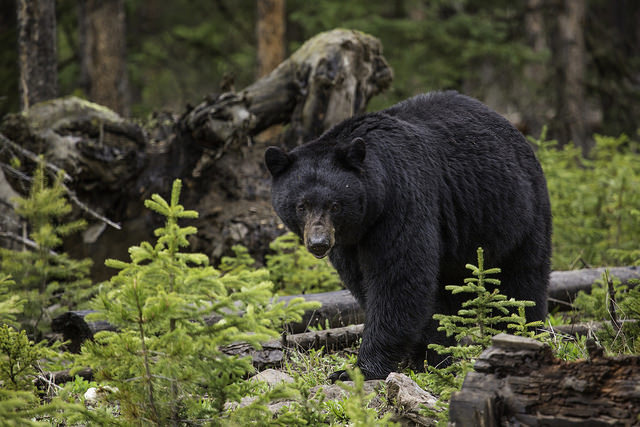
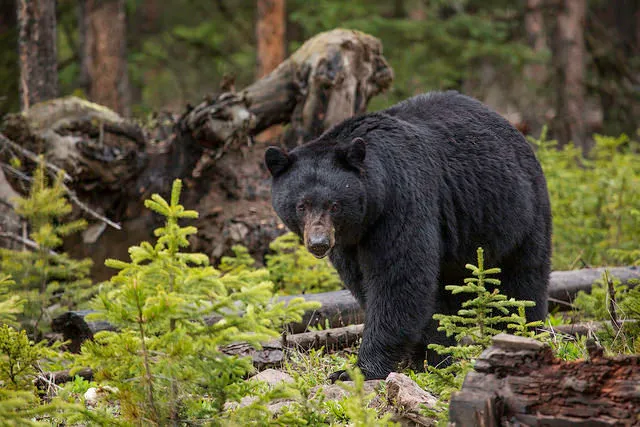
The Acadia National Park bears population consists entirely of American black bears (Ursus americanus), the only bear species found in Maine. According to National Park Service data and wildlife biologists, the estimated population ranges from 30 to 50 individual bears residing on Mount Desert Island and the surrounding areas.
Unlike some western national parks where grizzly bears roam, Acadia's bears are generally smaller and more elusive. Adult male black bears in Maine typically weigh between 250-350 pounds, while females range from 150-200 pounds. These bears are remarkably adaptable, thriving in Acadia's diverse ecosystem of dense forests, wetlands, and coastal environments.
Did You Know?
Female black bears require territories of approximately 6-9 square miles, which means Acadia could theoretically support only 4 breeding females year-round given the park's forested areas. This limitation helps explain why bear sightings remain relatively uncommon.
The bears' presence in Acadia is particularly fascinating because Mount Desert Island is essentially isolated from the mainland, accessible only via bridge or swimming. Most Acadia National Park bears are either permanent residents or occasional visitors who've made the journey across the water. This geographic isolation creates a unique population dynamic that wildlife researchers continue to study.
Recent genetic studies suggest that the island's bear population may be supplemented by occasional migrants from the mainland, particularly young males seeking new territories. This natural immigration helps maintain genetic diversity within the relatively small island population.
Understanding Bear Habitat and Behavior
The habitat preferences of Acadia National Park bears directly influence where and when visitors might encounter them. These intelligent omnivores have adapted remarkably well to Acadia's varied landscape, from the park's dense coniferous forests to its oak-dominated hardwood stands and coastal wetlands.
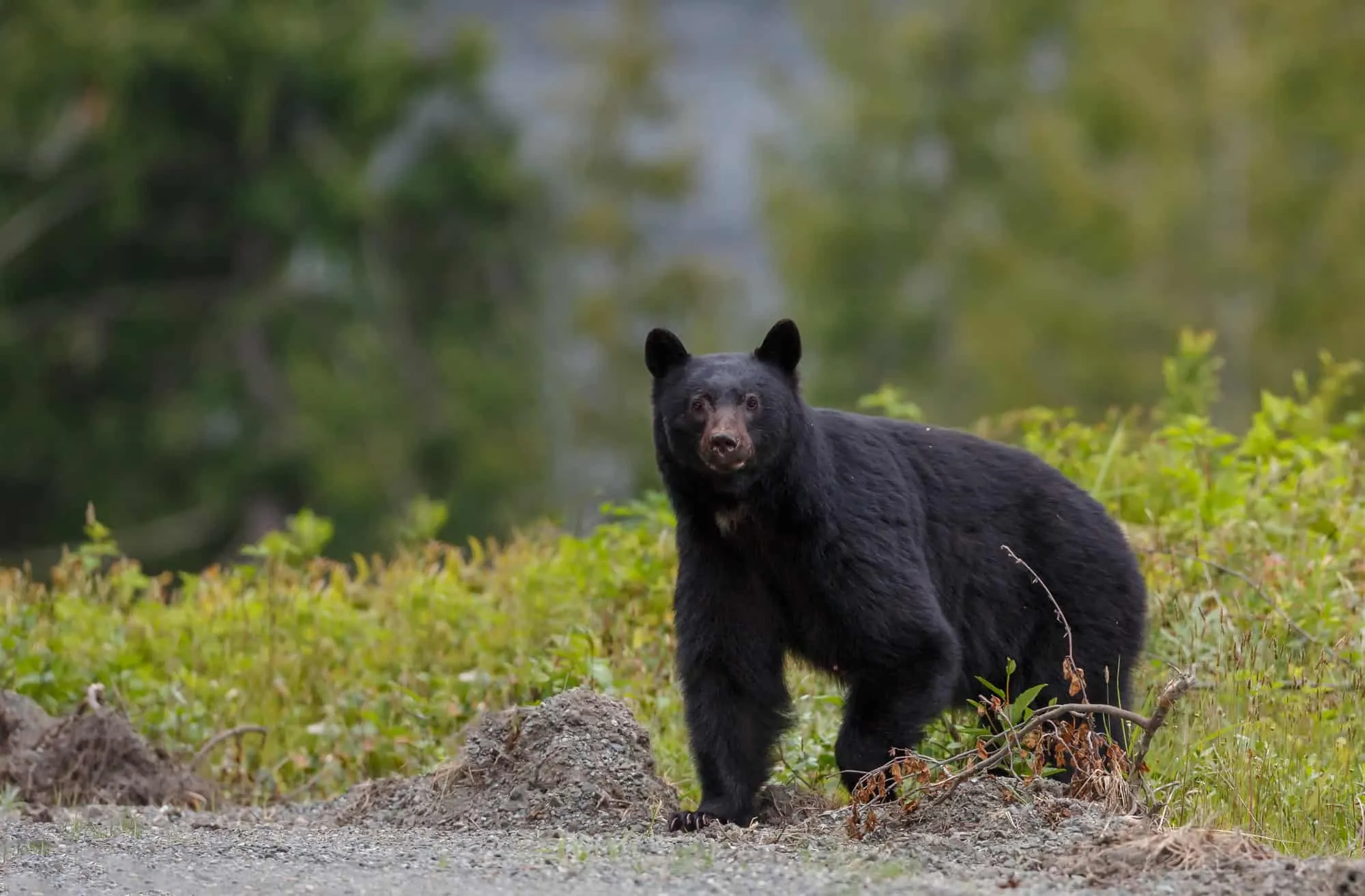
During spring emergence from hibernation, bears gravitate toward wetland edges, regenerating forest areas, and places where early green vegetation thrives. The Jordan Pond area, with its mix of hardwood forests and wetland margins, provides ideal foraging conditions. Bears seek out skunk cabbage, emerging grasses, and tender shoots during this crucial period when they're rebuilding their strength after months of dormancy.
Summer brings different behavioral patterns as Acadia National Park bears shift their focus to berries and insects. The park's abundant blueberry patches, found throughout the Cadillac Mountain area and along many trails, become prime feeding locations. Bears also frequent areas with rotting logs and stumps, where they can access protein-rich insect larvae and grubs.
Fall represents the most critical period for bear behavior, as they enter hyperphagia – a state of intensive feeding to prepare for winter hibernation. During this time, bears may travel extensively throughout their territory, seeking high-calorie foods like acorns from oak trees, beechnuts, and any remaining berries. This urgency can sometimes bring them closer to human-populated areas as they maximize caloric intake.
Bear Activity Timing
Bears are primarily crepuscular, meaning they're most active during dawn and dusk hours. Peak activity typically occurs between 5:00-8:00 AM and 6:00-9:00 PM, making these times both optimal for viewing and important for increased vigilance.
Understanding these behavioral patterns is crucial for anyone hoping to observe Acadia National Park bears responsibly. Their natural wariness of humans means they typically avoid areas with heavy foot traffic during peak visitation hours, preferring quieter locations and times when they can forage undisturbed.
Recent Bear Activity and Sightings
The summer of 2025 has marked a notable increase in Acadia National Park bears sightings across Mount Desert Island. According to park officials and local wildlife biologists, bear activity has been particularly concentrated around several key areas, creating both excitement and concern among visitors and residents.
Jordan Pond has emerged as a hotspot for bear encounters, with multiple confirmed sightings since mid-June. Park Management Assistant John Kelly reports that bears have been accessing trash receptacles in this area, leading to increased security measures and visitor education efforts. The bears' boldness in this high-traffic area suggests they may be becoming habituated to human presence.
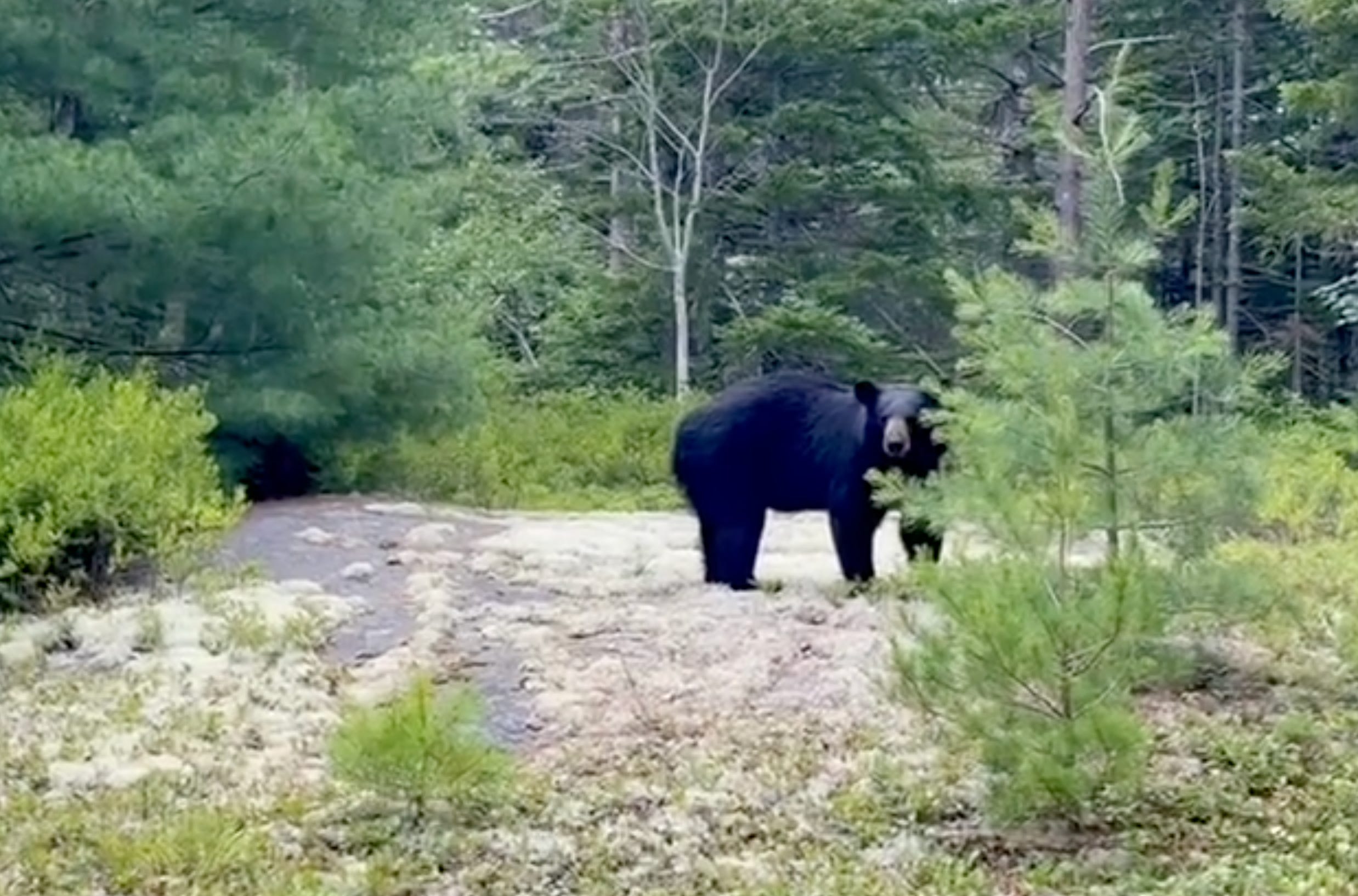
Other significant sighting locations include Duck Brook Trail, where a bear was observed on granite outcroppings in July 2025, and various trails on Cadillac Mountain. Social media reports have documented encounters on Kane Path, Dorr South Ridge Trail, and Bald Peak Trail, indicating that Acadia National Park bears are utilizing the entire network of park trails.
Perhaps most concerning from a wildlife management perspective have been incidents involving private property. In May 2025, a bear reportedly attacked goats and destroyed fencing in the Town Hill area, demonstrating the potential for human-wildlife conflict when bears associate residential areas with food sources.
Important Safety Notice
The increase in bear sightings has prompted Acadia National Park to enhance bear-proofing measures at campgrounds and issue updated safety guidelines. Visitors should be especially vigilant around Jordan Pond and when hiking during dawn or dusk hours.
Wildlife biologist Stephen Dunham from Maine Department of Inland Fisheries & Wildlife emphasizes that these sightings, while more frequent, represent normal bear behavior as they search for food sources. The key is ensuring that human activities don't create artificial attractants that could lead to problematic bear behavior or dangerous encounters.
Essential Bear Safety Guidelines
Staying safe around Acadia National Park bears requires understanding, preparation, and respect for these powerful wild animals. Unlike grizzly bears, black bears are generally more timid, but they deserve the same level of caution and respect during any encounter.
Prevention Strategies
- Store all food in bear-proof containers
- Keep campsites meticulously clean
- Dispose of trash properly in designated receptacles
- Never feed bears or leave food scraps
- Hike in groups when possible
During Encounters
- Remain calm and avoid sudden movements
- Give bears plenty of space (100+ yards)
- Make yourself appear larger
- Speak in calm, loud tones
- Back away slowly while facing the bear
One of the most important aspects of bear safety in Acadia is understanding the difference between black bear and grizzly bear encounters. If a black bear makes physical contact, experts recommend fighting back aggressively rather than playing dead – the opposite advice given for grizzly encounters. This distinction could be lifesaving for visitors familiar with other national parks.
Bear spray, while not typically necessary for Acadia National Park bears given their rarity and timid nature, can provide peace of mind for nervous hikers. If you choose to carry bear spray, ensure you know how to use it properly and keep it easily accessible – not buried in your backpack.
Pro Tip from Experience
During my years of hiking in Acadia, I've found that making noise while walking – talking normally, clapping occasionally on blind corners – is one of the most effective bear deterrents. Bears typically want to avoid you as much as you want to avoid them.
Pet owners face special considerations when hiking in bear country. Dogs should remain on leashes at all times (park regulation regardless of bears), as loose dogs can provoke bears and potentially lead them back to their owners. Bears associate dogs with humans and will generally avoid areas where dogs are present.
Remember that the goal isn't to avoid bears entirely – they're an important part of Acadia's ecosystem. Instead, focus on coexisting safely and respectfully, allowing these magnificent animals to maintain their natural behaviors while protecting both wildlife and human visitors.
Best Locations for Responsible Bear Viewing
While Acadia National Park bears can be encountered anywhere within the park, certain locations offer higher probabilities for safe, respectful wildlife viewing. Understanding these areas can help visitors maximize their chances of observing bears while minimizing disturbance to their natural behaviors.
Jordan Pond Loop Trail has become increasingly significant for bear activity, particularly during early morning and evening hours. The combination of wetland edges, berry patches, and mixed forest provides ideal foraging habitat. The relatively open terrain around parts of the pond also offers good visibility for both bears and observers, creating safer viewing conditions.
Photography Ethics
If photographing bears, use telephoto lenses to maintain safe distances. Never approach for better shots, and avoid using flash photography which can startle wildlife. Your safety and the bear's wellbeing are more important than any photograph.
Carriage Roads throughout the park system offer excellent opportunities for bear observation due to their wide, clear sight lines and quieter atmosphere compared to hiking trails. The carriage roads around Eagle Lake and the eastern sections near Seal Harbor have recorded multiple sightings, particularly during dawn and dusk hours when bears feel more comfortable moving through open areas.
Schoodic Peninsula provides perhaps the best opportunities for bear encounters in Acadia, being connected to the mainland and supporting a more stable bear population. The less-trafficked trails here, combined with extensive forested areas and minimal development, create ideal conditions for bear activity throughout the day.
Download Bear Safety ChecklistFor those specifically seeking bear encounters, I recommend focusing on areas where natural food sources are abundant. Oak groves during acorn season (September-October), blueberry patches in midsummer, and areas with visible bear sign like claw marks on trees or scat on trails indicate active bear territories.
Timing is crucial for successful bear viewing in Acadia. Peak activity occurs during the 2-3 hours after sunrise and before sunset. Weather also plays a role – bears are more likely to be active during cooler, overcast days and may seek shelter during hot, sunny periods or severe weather.
Dawn Hours
5:00-8:00 AM
Peak Activity
Overcast Days
All Day
Increased Activity
Dusk Hours
6:00-9:00 PM
Peak Activity
Remember that the best bear viewing experiences often involve patience, quiet observation, and respect for wildlife. Bring binoculars, dress appropriately for extended periods outdoors, and always prioritize safety over getting the perfect sighting or photograph of Acadia National Park bears.
My Personal Experience with Acadia Bears
"After fifteen years of hiking Acadia's trails, my first encounter with an Acadia National Park bear came during a foggy September morning on the Dorr Mountain Trail. The experience taught me more about these magnificent animals than any guidebook ever could."
It was 6:30 AM on a misty September morning when I encountered my first bear in Acadia. I was quietly making my way up the Dorr South Ridge Trail, enjoying the peaceful atmosphere that only early morning hikers experience, when movement caught my peripheral vision about 50 yards ahead. A medium-sized black bear was methodically working its way through a berry patch, completely absorbed in its pre-winter feeding routine.
What struck me immediately was how different the reality was from my expectations. This wasn't the aggressive, dangerous creature that popular media often portrays. Instead, I observed a cautious, intelligent animal that was far more interested in gathering calories than confronting a human. The bear's movements were deliberate and efficient – every action served the purpose of maximizing food intake before winter.
Visitor Review Summary
Sarah M., Boston, MA: "Saw a bear near Jordan Pond at sunrise. Followed all safety guidelines and watched from the trail. Absolutely magical experience that made our entire Acadia trip unforgettable."
Mike T., Portland, ME: "Local ranger advised us on bear activity areas. Spotted one on carriage road near Eagle Lake. Having binoculars made all the difference for safe viewing."
Jennifer L., New York, NY: "Initial fear turned to wonder when we encountered a bear family on Schoodic Peninsula. Rangers' education program prepared us perfectly for safe, respectful wildlife viewing."
Following the safety protocols I'd researched extensively, I stopped immediately and assessed the situation. The bear was unaware of my presence and had an easy escape route into thick forest. I slowly backed away while speaking in low, calm tones – not to the bear, but to alert any other hikers who might be approaching from behind me.
The bear eventually noticed me, lifting its head with what seemed like mild curiosity rather than alarm. We regarded each other for perhaps ten seconds – time that felt both eternal and instantaneous. Then, with remarkable grace for such a large animal, it simply melted into the forest, leaving only the sound of rustling vegetation and my racing heartbeat.
This encounter fundamentally changed my relationship with Acadia. I realized that Acadia National Park bears aren't just statistics or potential dangers – they're integral parts of an ecosystem I'd been enjoying for years without fully appreciating their presence. The bear had likely been using these trails long before I started hiking them, and would continue doing so long after I left.
What Worked Well
- • Early morning timing for active wildlife
- • Quiet approach and movement
- • Immediate recognition and assessment
- • Calm, slow retreat with verbal alerts
- • Binoculars for safe distance observation
Lessons Learned
- • Always expect encounters in prime habitat
- • Fog reduces visibility for both parties
- • Bears can appear suddenly and silently
- • Preparation prevents panic responses
- • Respect creates better experiences for all
Since that morning, I've had three additional bear sightings in Acadia, each teaching me something new about these remarkable animals. The key insight from all these experiences is that successful bear encounters – meaning safe, respectful, and memorable ones – depend entirely on preparation, awareness, and a deep respect for sharing the landscape with Maine's largest predator.
Frequently Asked Questions
Do you need bear spray in Acadia National Park?
Bear spray is not typically required for Acadia National Park bears due to their rarity and generally timid nature. However, if you're hiking alone, venturing into remote areas, or feel more comfortable having additional protection, bear spray can provide peace of mind. The key is knowing how to use it properly and keeping it accessible rather than buried in your pack. Consider it personal insurance – you hope never to need it, but it's available if circumstances require it.
What time of year are bears most active in Acadia?
Acadia National Park bears show peak activity from late spring through early fall, with the highest encounter probability occurring during September and October. This corresponds with their pre-hibernation feeding frenzy when they're actively seeking high-calorie foods like acorns and remaining berries. Spring emergence (April-May) also sees increased activity as bears seek fresh vegetation and rebuild strength after hibernation. Summer provides steady but more predictable activity patterns focused around berry patches and water sources.
Which trails in Acadia have the highest chance of bear sightings?
Based on recent sighting data, Jordan Pond Loop Trail offers the highest probability of bear encounters, particularly during dawn and dusk hours. The Dorr South Ridge Trail, Kane Path, and various carriage roads around Eagle Lake have also recorded multiple sightings. Schoodic Peninsula trails generally provide better opportunities due to their mainland connection and lower human traffic. Remember that bears utilize the entire park system, so remain alert on any trail, especially those passing through dense forest or berry-rich areas.
What should you do if you encounter a black bear in Acadia?
If you encounter an Acadia National Park bear, remain calm and avoid sudden movements. Give the bear plenty of space (100+ yards when possible) and never approach for photos or better views. Make yourself appear larger by raising your arms or jacket, speak in calm but loud tones, and back away slowly while facing the bear. Unlike grizzly encounters, if a black bear makes physical contact, fight back aggressively rather than playing dead. Most importantly, don't run unless you're certain you can reach immediate safety, as this may trigger a chase response.
How many bears live in Acadia National Park?
Current estimates suggest 30-50 black bears reside on Mount Desert Island, including within Acadia National Park boundaries. This population is limited by habitat requirements – female bears need 6-9 square miles of territory, which restricts the island's carrying capacity to approximately 4 breeding females year-round. The population fluctuates seasonally as some bears may migrate to and from the mainland, particularly young males seeking new territories. This relatively small population explains why bear sightings remain uncommon despite recent increases in reported encounters.
Are there guided bear watching tours in Acadia National Park?
Acadia National Park doesn't currently offer dedicated bear-watching tours due to the unpredictable nature of bear sightings and safety considerations. However, ranger-led educational programs provide excellent wildlife information and may increase your chances of spotting bears during early morning or evening activities. Private wildlife tour companies in Bar Harbor occasionally include bear awareness in their offerings, though marine wildlife remains their primary focus. Self-guided exploration during optimal times (dawn/dusk) in known activity areas remains your best option for bear encounters.
Conclusion
Encountering Acadia National Park bears represents one of the most thrilling and humbling experiences available in this remarkable Maine wilderness. While these magnificent black bears remain relatively elusive, understanding their behavior, habitat preferences, and safety protocols dramatically improves your chances of a safe, memorable encounter.
The recent increase in bear activity throughout Mount Desert Island serves as a reminder that we share this landscape with truly wild animals. Rather than viewing bears as obstacles or dangers, I encourage visitors to see them as indicators of a healthy, functioning ecosystem. Their presence means that Acadia continues to provide the diverse habitats necessary for Maine's largest native predator to thrive.
Remember the key principles: preparation prevents panic, respect ensures safety, and patience creates the most rewarding experiences. Whether you're hoping for your first bear sighting or you're a seasoned wildlife observer, Acadia's bears offer ongoing opportunities to connect with the natural world in profound ways.
As climate change and development pressures continue affecting wildlife habitats throughout New England, places like Acadia become increasingly crucial for species conservation. Supporting responsible wildlife viewing practices, following Leave No Trace principles, and advocating for continued habitat protection ensures that future generations will also have opportunities to encounter Acadia National Park bears in their natural environment.
Share Your Bear ExperienceYour visit to Acadia, whether or not it includes a bear encounter, contributes to one of America's most beloved national park experiences. Take time to appreciate the complete ecosystem – from the smallest woodland creatures to the magnificent black bears that represent wilderness at its finest. Safe travels, respectful viewing, and may your Acadia adventure create memories that last a lifetime.