

Acadia National Park Climbing: The Ultimate Guide to Maine's Sea Cliff Adventures
When I first rappelled over the edge at Otter Cliffs in Acadia National Park, the sound of crashing Atlantic waves 60 feet below sent adrenaline coursing through my veins. After climbing across the country for over a decade, I can confidently say that Acadia National Park climbing offers one of America's most unique and spectacular rock climbing experiences. This comprehensive guide draws from my multiple visits to Maine's coastal paradise, countless conversations with local guides, and extensive research to help you plan the ultimate climbing adventure. Wilderness Paths has been your trusted source for outdoor adventure guides since 2018.
Why Acadia National Park is a Climber's Paradise
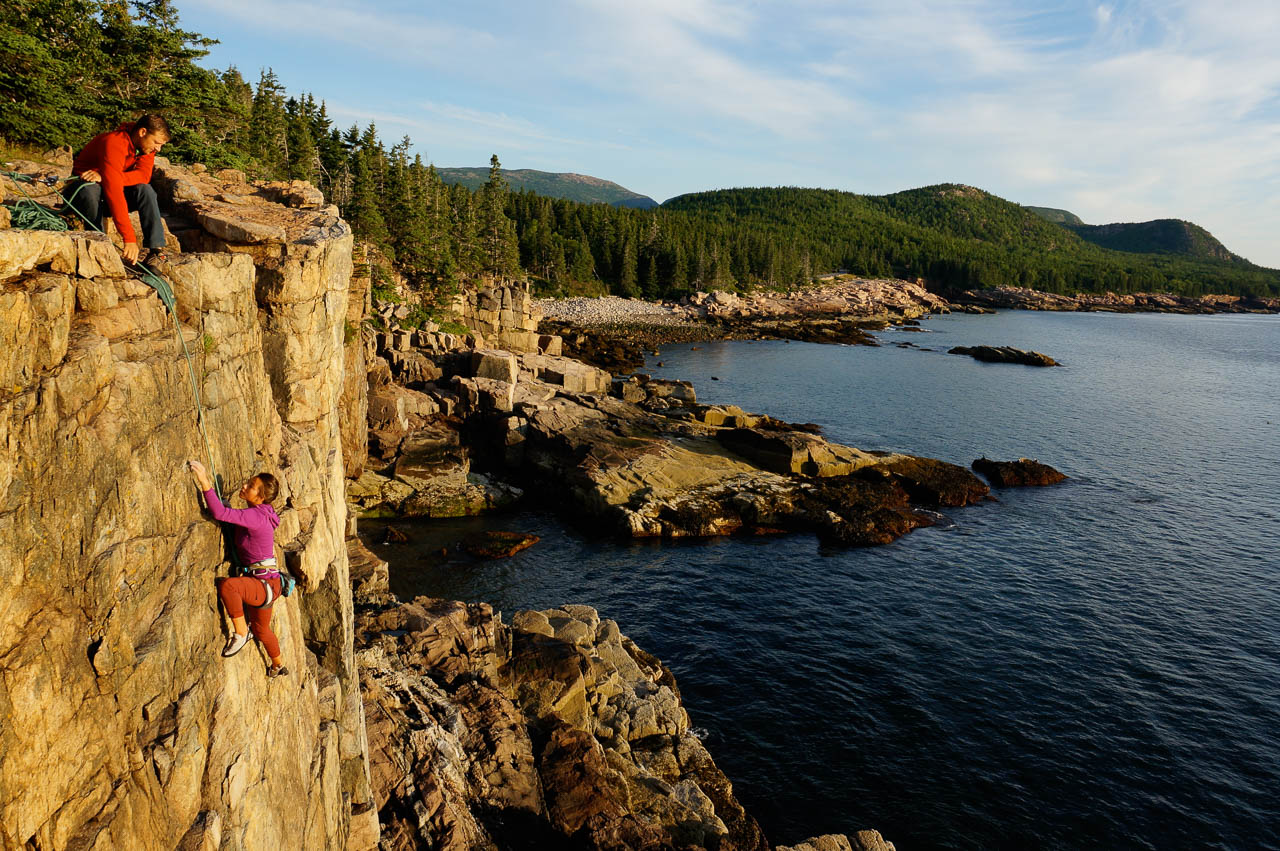
Acadia National Park climbing represents a rare convergence of world-class granite, spectacular ocean views, and accessible adventure that's unmatched anywhere else on the East Coast. Located on Mount Desert Island in Maine, this 49,000-acre wonderland offers climbers the unique opportunity to scale pink granite sea cliffs while Atlantic waves crash mere feet below.
What sets Acadia apart from other climbing destinations is its remarkable diversity. From the iconic 60-foot sea cliffs of Otter Cliffs to the multi-pitch inland routes at the South Wall (Precipice), climbers can experience everything from gentle beginner routes to challenging 5.12+ advanced climbs. The park's coarse-grained pink granite provides exceptional friction and holds, creating an ideal climbing surface that's both reliable and beautiful.

The Geographic Advantage
During my first visit in early September, I was immediately struck by how the ocean's presence transforms the entire climbing experience. The salt air, the rhythmic sound of waves, and the ever-changing light reflecting off the water create an atmosphere that's impossible to replicate at inland crags. Local guide Sarah from Atlantic Climbing School explained to me that this coastal location also moderates temperatures, making summer climbing more comfortable than you'd expect for Maine.
The geological story is equally fascinating. Acadia's granite formed over 400 million years ago, creating the solid, featured rock that climbers love today. Unlike the sometimes loose rock found at other coastal locations, Acadia's granite is remarkably solid and reliable, though it does require respect for the ocean environment and tidal considerations at certain areas.
What Makes Acadia Special
- Unique sea cliff climbing experience
- High-quality pink granite with excellent friction
- Routes for all skill levels (5.4 to 5.12+)
- Short approaches (typically under 10 minutes)
- Spectacular ocean and mountain views
- Well-established guide services and local climbing community
Major Climbing Areas and Routes
Otter Cliffs: The Crown Jewel
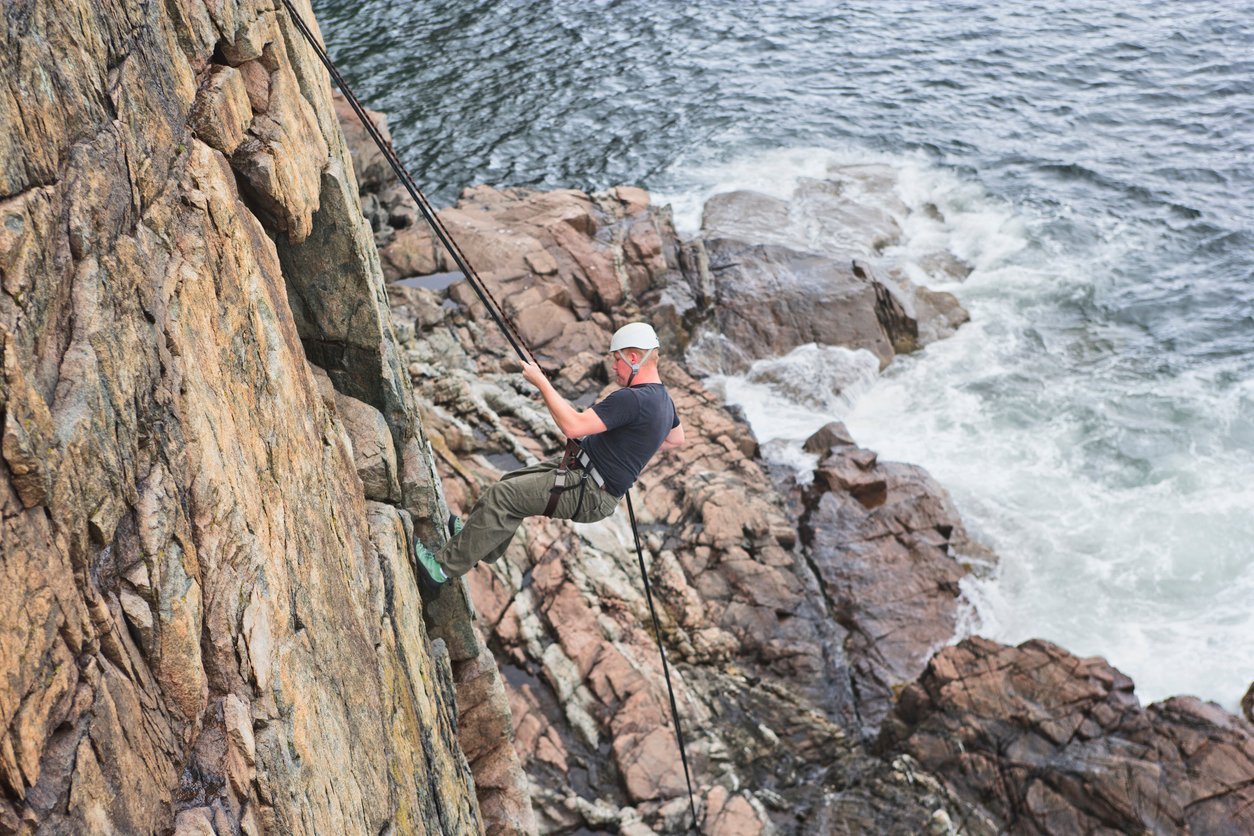
Otter Cliffs represents the quintessential Acadia National Park climbing experience. These 60-foot sea cliffs offer some of the most iconic climbing in New England, with routes that range from moderate beginner climbs to challenging advanced routes. The cliff faces directly out to the Atlantic, providing climbers with an unparalleled oceanic backdrop.
What makes Otter Cliffs particularly special is the rappel access system. Most routes begin with a rappel down to ledges near the base, where you can set up belays and climb back to the top. This system, while initially intimidating for some climbers, actually provides excellent climbing without the usual approach hikes common at other crags.
Must-Climb Routes at Otter Cliffs:
- Wonder Wall (5.7): Classic beginner route with excellent holds
- The Flake (5.8): Popular intermediate climb with unique features
- Rock Lobster (5.9): Technical route with spectacular exposure
- Guillemot Crack (5.10): Challenging crack climb for experienced climbers

The South Wall (Precipice): Multi-Pitch Adventures
The South Wall, also known as the Precipice, offers some of the finest multi-pitch climbing in Acadia National Park. Rising up to 300 feet above Frenchmen's Bay, these routes showcase the park's incredible granite quality while providing climbers with the opportunity to experience longer, more committing adventures. The approach is slightly longer than Otter Cliffs but still reasonable, typically taking 10-15 minutes from the parking area.
During my climb of "Story of O" (5.6), a classic three-pitch route, I was amazed by the variety of climbing styles within a single route. The first pitch offered gentle face climbing perfect for warming up, the second pitch featured a beautiful corner system, and the final pitch provided exposed face climbing with incredible views across the bay.
Climbing "Rock Lobster" at Otter Cliff - Experience the thrill of Acadia's sea cliff climbing
Great Head: Advanced Climbing Paradise
Great Head represents the cutting edge of Acadia National Park climbing, hosting some of the area's most challenging and spectacular routes. This dramatic headland features overhanging walls, steep aretes, and routes that push into the 5.12+ range. The setting is absolutely breathtaking, with routes that literally overhang the Atlantic Ocean.
Access to Great Head requires careful planning and tide awareness. Many routes are accessed via rappel from the top, and the exposure here is significant. I strongly recommend going with an experienced local guide for your first Great Head adventures, as route finding can be challenging and the consequences of mistakes are serious.
South Bubble: Perfect for Beginners
For those new to Acadia National Park climbing or multi-pitch routes in general, South Bubble offers an ideal introduction. The routes here are generally easier (5.4-5.8 range) and provide excellent learning opportunities for anchor building, route finding, and multi-pitch techniques. The views from the top, overlooking Jordan Pond and the Cranberry Isles, are absolutely spectacular.

My Personal Acadia Climbing Experience
My Journey to Acadia
As someone who has climbed across North America for over 15 years, from Yosemite's big walls to Red River Gorge's overhangs, I can honestly say that my first experience with Acadia National Park climbing was unlike anything I had encountered before.
I first visited Acadia in September 2019, drawn by photos I had seen of climbers suspended above crashing ocean waves. Nothing, however, had prepared me for the reality of the experience. My local guide, Mike from Atlantic Climbing School, met me at 7 AM for what would become one of the most memorable climbing days of my life.
We started at Otter Cliffs with "Wonder Wall" (5.7), and I'll never forget the moment I rappelled over the edge for the first time. The granite felt solid and featured under my hands, but it was the sensory experience that really struck me – the salt spray in the air, the sound of waves echoing off the cliff face, and the vast expanse of the Atlantic stretching to the horizon.
Lessons Learned from Local Guides
One of the most valuable aspects of my Acadia National Park climbing experiences has been learning from the local guides. These professionals don't just know the routes; they understand the subtle environmental factors that can make or break a climbing day. Mike taught me to read the wave patterns at Otter Cliffs, explaining how certain combinations of wind and swell could make lower routes uncomfortable or even dangerous.
On my second visit in July 2021, I climbed with Sarah from Acadia Mountain Guides, who introduced me to the South Wall. Her local knowledge proved invaluable when we encountered a sudden weather change mid-route on "Green Mountain Breakdown" (5.9). Her calm guidance and intimate knowledge of escape routes turned a potentially dangerous situation into a valuable learning experience.
Key Insights from My Acadia Adventures
- The pink granite offers exceptional friction, but can be slippery when wet
- Tide timing is crucial for sea cliff routes – plan accordingly
- Weather can change rapidly due to ocean influence
- Local guides provide invaluable safety knowledge and route finding
- September and early October offer ideal climbing conditions
The Challenge of Great Head
My most challenging Acadia National Park climbing experience came during an attempt on "Morning Glory" (5.8+) at Great Head. What the guidebook described as a moderate route proved to be a humbling experience in route finding, weather assessment, and respect for the ocean environment. After two attempts over different visits, I finally completed the route with local guide Jon Tierney, whose 30+ years of Acadia experience was evident in every placement and every decision.
That experience taught me that grades at Acadia can feel different from other areas – the combination of oceanic exposure, potentially wet rock, and the psychological factor of climbing above the sea can make routes feel more challenging than their technical grade suggests.
Essential Gear and Equipment
Selecting the right gear for Acadia National Park climbing requires understanding the unique demands of sea cliff climbing. The salt air, potential for wet conditions, and specific rock characteristics all influence gear choices. Here's what I've learned works best after multiple seasons climbing in Acadia.
Safety Equipment: Non-Negotiable Essentials

BLACK DIAMOND Half Dome Helmet
Essential for Acadia climbing, especially at Otter Cliffs where rockfall and rappel access make head protection crucial. The Half Dome offers excellent ventilation for hot summer days.
View on Amazon
BLACK DIAMOND Momentum Harness
Comfortable for long days on multi-pitch routes. The gear loops are perfectly positioned for the mixed trad/sport nature of many Acadia routes.
View on AmazonRopes and Protection

X XBEN 60M Dynamic Rope
A 60-meter rope is essential for Acadia's longer routes and rappel access. The 10.5mm diameter provides excellent durability for the sharp granite edges.
View on AmazonTraditional Protection Rack
- Cams: 0.3" to 3" (focus on 0.5" to 2")
- Nuts: Complete set from #4-11
- Quickdraws: 12-15 for most routes
- Slings: Various lengths for extending placements
- Cordalette for anchor building
Acadia-Specific Gear Considerations
The unique environment of Acadia National Park climbing requires some specific gear considerations that you might not think about at other climbing areas. The salt air can accelerate corrosion of metal gear, so regular cleaning and maintenance becomes even more important. I've learned to rinse my metal gear with fresh water after each Acadia climbing session.
Weather and Environmental Gear
Rain Jacket: Weather changes quickly near the ocean
Extra Layers: Sea breeze can make it feel much cooler
Approach Shoes: Rocky, often wet approaches
Headlamp: For early starts or late finishes
Tide Chart: Essential for planning sea cliff routes
First Aid Kit: Remote locations require self-sufficiency
Pro Tip: Gear Rental Options
Many local guide services offer gear rental programs. This can be an excellent option for visiting climbers or those wanting to try specific pieces before purchasing. Acadia Mountain Guides offers a comprehensive rental program that I've used successfully on several occasions.
Safety Considerations and Best Practices
Acadia National Park climbing presents unique safety challenges that don't exist at most other climbing areas. The combination of oceanic exposure, tidal considerations, and rapidly changing weather requires a heightened awareness and specific safety protocols. Here's what I've learned about staying safe while climbing in this spectacular but demanding environment.
Tidal Awareness: The Critical Factor
The most unique safety consideration for Acadia National Park climbing is tidal awareness. At locations like Otter Cliffs and Great Head, the tide can dramatically affect both accessibility and safety. High tide combined with large swells can make certain routes dangerous or impossible, while low tide might reveal sharp rocks at the base that aren't visible at other times.
Critical Safety Warning
Local guides have shared stories of climbers being washed off routes by unexpected large waves during high tide conditions. Always check tide charts and current swell forecasts before attempting sea cliff routes. When in doubt, choose inland areas like the South Wall or South Bubble.
Weather Pattern Recognition
During my years of climbing in Acadia, I've learned to read the subtle signs of changing weather conditions. The oceanic influence means that conditions can deteriorate rapidly, often faster than inland forecasts suggest. Fog can roll in with startling speed, reducing visibility to dangerous levels and making wet rock slippery.
I always check multiple weather sources before heading out, including marine forecasts that account for oceanic conditions. Local guides have taught me to watch for specific cloud formations and wind patterns that signal incoming weather changes. When clouds begin building over the ocean, it's time to consider retreat options.
Emergency Procedures and Rescue Considerations
The remote nature of some Acadia National Park climbing areas means that self-rescue capabilities become even more important than usual. Cell phone coverage can be spotty, particularly at Great Head and some areas of the South Wall. I always carry a whistle and inform someone of my planned routes and expected return time.
Emergency Preparedness
- Emergency: 911 (limited cell coverage)
- Mount Desert Island Hospital: (207) 288-5081
- Park Emergency: (207) 288-8791
- Know your exact location for rescue services
Climbing with Guides
For first-time visitors, I strongly recommend climbing with certified local guides who understand the area's unique challenges and have extensive rescue training.
"Local guides don't just know the routes – they understand the ocean, the weather patterns, and the escape routes." - Jon Tierney, IFMGA Guide
Rock Quality and Protection Assessment
While Acadia's granite is generally excellent quality, the marine environment can create specific challenges. Salt spray can make holds slippery, and certain minerals in the granite can become polished over time. I've learned to test holds more thoroughly than I might in other areas, particularly on popular routes where the rock has seen heavy traffic.
Planning and Logistics
Successful Acadia National Park climbing requires careful planning that goes beyond just checking the weather. From permits and seasonal closures to accommodation and transportation logistics, here's everything I've learned about planning the perfect Acadia climbing adventure.
Seasonal Considerations and Timing
The climbing season in Acadia National Park extends roughly from May through October, but the optimal timing depends on your priorities and tolerance for crowds. Based on my multiple visits throughout the seasons, I've found that each time period offers distinct advantages and challenges.
Spring (May-June)
Pros: Fewer crowds, cooler temperatures, longer days
Cons: Peregrine falcon closures, unpredictable weather
Best for: Experienced climbers comfortable with variable conditions
Summer (July-August)
Pros: Stable weather, all areas open, best guide availability
Cons: Crowds, higher temperatures, permit requirements
Best for: Families and first-time visitors
Fall (September-October)
Pros: Perfect weather, stunning foliage, fewer crowds
Cons: Shorter days, can be busy on weekends
Best for: Serious climbers seeking optimal conditions
Permits and Regulations
Understanding the permit system for Acadia National Park climbing is essential for planning your visit. The park requires permits for organized groups of 6-12 people at Otter Cliffs during the busy season (Friday before Memorial Day through Labor Day). Individual climbers and smaller groups don't need permits, but should be aware of group size limits and seasonal closures.
Important Closure Information
Peregrine falcon nesting closures typically affect the Precipice proper and Jordan Cliffs from approximately April through August. These closures are strictly enforced and vital for protecting this endangered species. The South Wall areas usually remain open during these closures.
Always check current closure status at the visitor center or park website before heading to your planned climbing area.
Accommodation and Logistics
Bar Harbor serves as the primary base for most Acadia National Park climbing adventures, offering the widest range of accommodations, dining, and climbing services. However, the summer season brings significant crowds and higher prices, so advance booking is essential, particularly for July and August visits.
Accommodation Options
- Blackwoods Campground: Most convenient for climbers
- Bar Harbor Hotels: Wide range of options, book early
- Vacation Rentals: Good for groups and extended stays
- Nearby Towns: Ellsworth and Trenton for budget options
Transportation Tips
- Parking: Arrive early during summer months
- Island Explorer: Free shuttle system (summer only)
- Approaches: Most climbing areas have short walks
- Cycling: Great option for getting around the park
My Recommended Planning Timeline
Book accommodations, especially for summer visits
Check closure updates, book guide services if desired
Monitor weather forecasts, prepare gear
Check tide charts, confirm route plans
What Other Climbers Say
Reddit User Review
"First trip to Acadia, Maine... would fully recommend. Did a couple of climbs out there when I visited. Having the ocean a couple of feet behind me was amazing."
- u/cod-the-fish, r/climbing
Mountain Project Review
"Acadia is visited by more than 2 million tourists every year... Try to limit yourself to coming in the warm season (May-late September). Climbing by the ocean when it is cold out is an unpleasant experience."
- Mountain Project Community
Climbing.com Article
"Acadia is a pain in the ass to get to. That's the bottom line... Though beautiful, Acadia is often overlooked as a climbing destination, but the quality granite and spectacular ocean views make it worth the journey."
- Tim Kemple, Professional Climber
Pros and Cons of Acadia Climbing
Advantages
- Unique sea cliff experience
- High-quality granite
- Spectacular scenery
- Short approaches
- All skill levels accommodated
Challenges
- Remote location, travel time
- Weather dependence
- Seasonal closures
- Tidal considerations
- Summer crowds
Frequently Asked Questions
What is the best time of year for Acadia National Park climbing?
The optimal climbing season runs from late May through October, with September and early October offering the best combination of stable weather, comfortable temperatures, and fewer crowds. July and August provide the most reliable conditions but come with significant tourist crowds. Spring climbing can be excellent but requires flexibility due to peregrine falcon closures and variable weather patterns. I personally prefer September visits for the perfect balance of conditions and solitude.
Do I need a guide for climbing in Acadia National Park?
While not legally required, hiring a local guide for your first Acadia climbing experience is highly recommended. The unique challenges of tidal awareness, route finding on sea cliffs, and understanding local weather patterns make guides invaluable for safety and maximizing your climbing experience. Established guide services like Atlantic Climbing School and Acadia Mountain Guides offer excellent programs for all skill levels. Experienced trad climbers familiar with sea cliff environments may choose to climb independently, but should still research local conditions thoroughly.
What climbing grades can beginners expect at Acadia?
Acadia offers excellent beginner climbing opportunities, particularly at Otter Cliffs and South Bubble. Routes in the 5.4-5.7 range provide perfect introduction to sea cliff climbing, with classics like "Wonder Wall" (5.7) and "Easy Corner" (5.6) being ideal first routes. However, grades at Acadia can feel stiffer than other areas due to the oceanic exposure and psychological factors. Beginners should plan to climb conservatively and consider routes one grade easier than their typical indoor or gym climbing level. The multi-pitch routes at South Bubble offer perfect progression for those wanting to advance beyond single-pitch climbing.
How do tides affect climbing at Acadia?
Tidal considerations are crucial for safe climbing at Acadia's sea cliff locations, particularly Otter Cliffs and Great Head. High tide combined with large swells can make certain routes dangerous due to wave splash and limited escape options. Low tide generally provides the safest conditions but may expose sharp rocks at the base that aren't visible at other times. Always check tide charts and marine weather forecasts before attempting sea cliff routes. Plan climbing sessions during low to mid-tide periods, and avoid climbing during storm conditions when wave action increases significantly regardless of tide level.
What makes Acadia different from other climbing areas?
Acadia National Park climbing offers a completely unique experience that combines high-quality granite climbing with spectacular oceanic settings. Unlike inland crags, you're climbing directly above the Atlantic Ocean with waves crashing below, creating both inspiring views and additional safety considerations. The pink granite provides exceptional friction and features, while the short approaches mean you spend more time climbing and less time hiking. The combination of sea cliff and inland multi-pitch options provides incredible variety within a compact area, making it possible to experience dramatically different climbing styles within a single day.
Are there climbing closures I need to know about?
Yes, seasonal peregrine falcon nesting closures are the most significant restriction affecting Acadia climbing. The Precipice proper and Jordan Cliffs are typically closed from approximately April through August to protect nesting falcons. These closures are strictly enforced and dates can vary yearly based on falcon activity. However, the South Wall areas usually remain open during falcon closures, and Otter Cliffs is generally unaffected. Group size limits apply year-round (maximum 12 people including guides), and permits are required for organized groups of 6-12 people at Otter Cliffs during peak season. Always check current closure status at the visitor center or park website before planning your climbing day.
Conclusion
Acadia National Park climbing represents one of America's most unique and rewarding climbing experiences. From the moment you first rappel over the edge at Otter Cliffs to watching the sunrise from the top of a multi-pitch route at the South Wall, climbing in Acadia creates memories that last a lifetime.
The combination of world-class granite, spectacular ocean views, and accessible adventure makes Acadia a must-visit destination for climbers of all abilities. Yes, it requires more planning than your typical climbing trip – you need to consider tides, weather patterns, and seasonal closures. But these same factors that make Acadia challenging also make it extraordinary.
Whether you're a beginner looking for your first outdoor climbing experience or an expert seeking new challenges, Acadia National Park offers something special. The sound of Atlantic waves crashing below, the feel of solid granite under your hands, and the vast ocean views from the top of a route combine to create an climbing experience unlike anywhere else in North America.
"After climbing around the world, from the Alps to the Andes, I keep coming back to Acadia. There's something magical about scaling granite cliffs while the Atlantic Ocean stretches endlessly to the horizon. It's not just climbing – it's a complete sensory experience that stays with you long after you've packed up your gear."
Ready to Experience Acadia Climbing?
Start planning your adventure today. Check closure updates, book your accommodations, and prepare for one of the most unique climbing experiences in North America.
Plan Your Acadia Climbing Trip