

Acadia National Park in Winter: The Ultimate Guide to Maine's Hidden Winter Wonderland
When most people think of Acadia National Park, they envision summer crowds and fall foliage. But I'm here to tell you a secret: winter is when this Maine treasure truly shines. Having spent countless winter days exploring snow-covered carriage roads and witnessing the park's pristine beauty without the crowds, I can confidently say that acadia national park in winter offers an experience unlike any other season. Ready to discover this winter wonderland? Let's dive into everything you need to know. Explore more winter destinations at Wilderness Paths.
Why Winter is Acadia's Best-Kept Secret
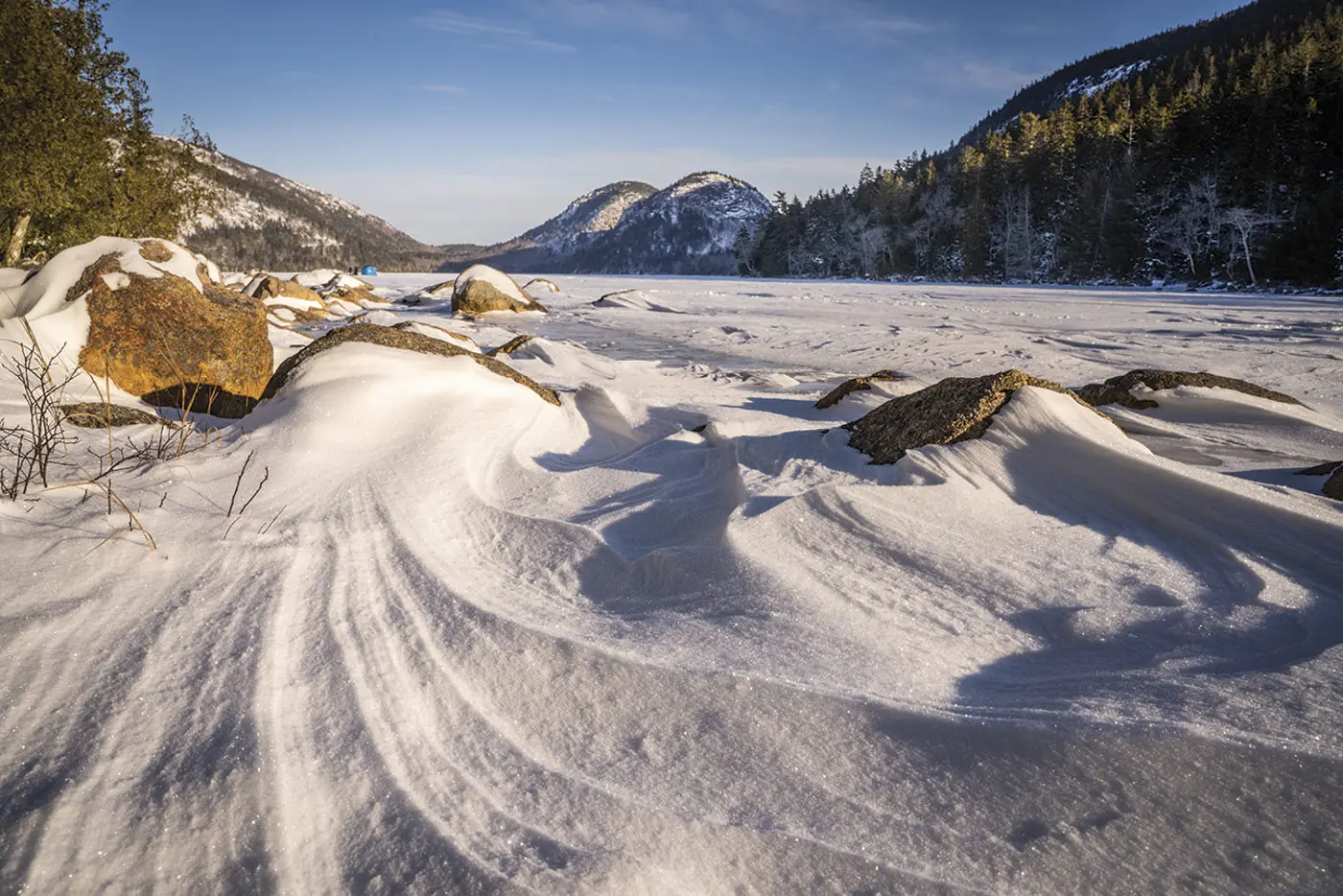
While acadia national park in winter sees only 2% of its annual 3 million visitors during the cold months, this dramatic drop in crowds reveals the park's true character. I've hiked these trails in both peak summer and dead of winter, and the difference is astounding. Where summer brings traffic jams on Park Loop Road, winter offers the profound silence of snow-muffled forests and frozen ponds.
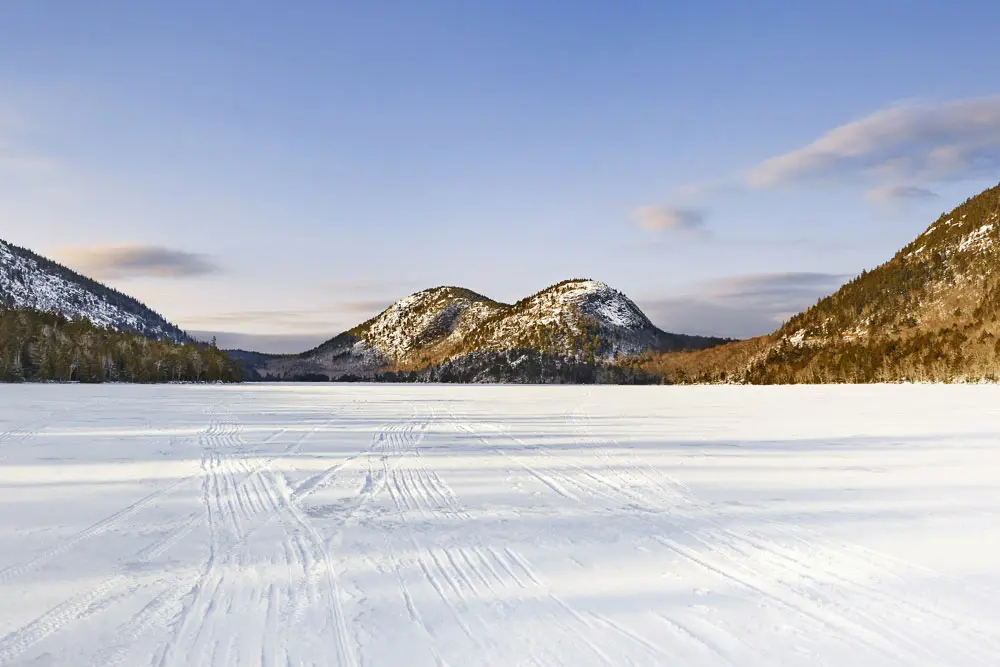
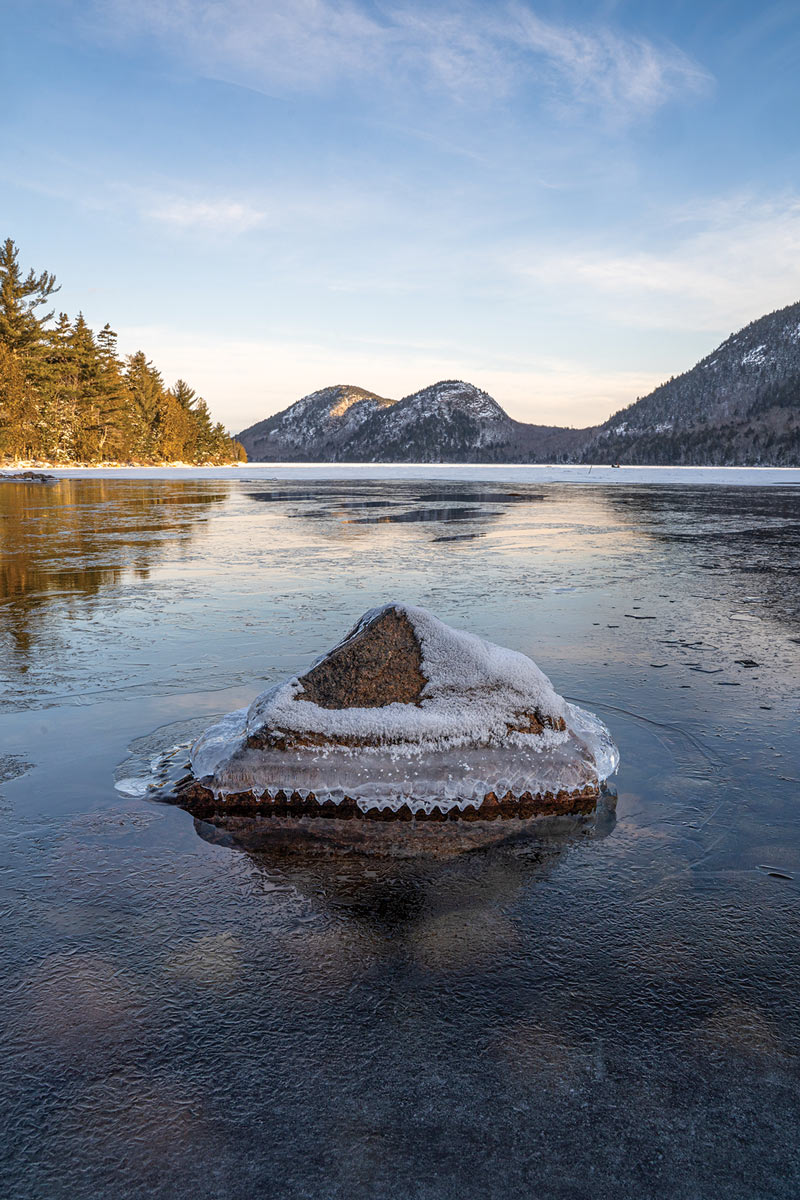
The transformation is remarkable: Jordan Pond becomes a skating rink reflecting the snow-capped Bubbles, Thunder Hole freezes into dramatic ice sculptures, and the carriage roads become a Nordic skier's paradise. During my January visits, I've often had entire sections of the park to myself – something impossible during warmer months.
What makes winter particularly special is the park's accessibility despite seasonal road closures. The most scenic section of Park Loop Road – Ocean Drive from Schooner Head to Otter Cliff – remains open, offering unobstructed views of the dramatic coastline. Combined with the 45 miles of groomed carriage roads, visitors can still experience the vast majority of Acadia's highlights.
The wildlife viewing opportunities also improve dramatically. I've spotted snowy owls hunting across Cadillac Mountain's alpine zones, watched seals lounging on ice-covered rocks, and observed the fascinating phenomenon of sea smoke rising from Frenchman Bay on particularly cold mornings. These are experiences simply unavailable during warmer seasons.
Essential Winter Gear and Preparation
Proper preparation is crucial for enjoying acadia national park in winter safely. After years of winter adventures here, I've learned that having the right gear makes the difference between a magical experience and a miserable one. Here's my tested-and-proven equipment list:
Footwear and Traction
The single most important piece of equipment for winter hiking in Acadia is proper traction. The granite surfaces become incredibly slippery when wet or icy, and I've seen too many visitors attempt trails in regular boots only to turn back frustrated or injured.
Top Gear Recommendation:
Kahtoola MICROspikes Footwear Traction - These are the gold standard for winter hiking in Acadia. The stainless steel spikes provide excellent grip on both ice and rock, and they're what park rangers recommend for most winter trails.
Insulation and Warmers
Temperatures in acadia national park in winter can drop well below freezing, especially with the coastal wind chill. I never head out without hand and foot warmers – they've saved many of my photo sessions when standing still for extended periods.
Essential Warmers:
HotHands Hand & Body Warmer Variety Pack - Long-lasting, reliable warmth for hands, feet, and body. I always carry extras in case other hikers need them.
Snowshoes and Cross-Country Skis
For deeper snow conditions on the carriage roads, snowshoes open up the entire 45-mile network. I prefer lightweight aluminum frame snowshoes that won't weigh me down during longer adventures around Eagle Lake or the Around-the-Mountain loop.
Snowshoe Choice:
G2 21/25/30/36 Inch Light Weight Snowshoes - Excellent for Acadia's varied terrain, with flexible pivot bars perfect for the carriage roads' gentle grades.
Waterproof Protection
Acadia's coastal location means weather can change rapidly from snow to rain to sleet. Waterproof boots and outer layers are non-negotiable for staying comfortable during these transitions.
Boot Recommendation:
Men's Insulated Waterproof Winter Hiking Boots - Excellent traction and insulation for Acadia's mixed winter conditions of snow, ice, and slush.
Winter Activities and Adventures
Cross-Country Skiing the Carriage Roads
The crown jewel of winter activities in acadia national park in winter is cross-country skiing John D. Rockefeller Jr.'s historic carriage roads. When snow exceeds six inches, dedicated volunteers from the Acadia Winter Trails Association groom nearly 32 miles of these crushed-stone pathways into world-class ski trails.
My favorite loop is the Eagle Lake circuit – a gentle 6-mile journey around the park's second-largest pond. The western shore offers spectacular views of Cadillac Mountain, while the northern section provides glimpses into the peaceful Witch Hole Pond area. When the lake freezes solid, adventurous skiers can cut across the ice for even more scenic variations.
For intermediate skiers, the Hadlock Loop presents more challenging terrain with gradual elevation changes and three historic stone bridges: Hemlock, Waterfall, and Amphitheater. The 4.2-mile route winds through evergreen forests that sparkle with fresh snow and offers occasional glimpses of the surrounding mountains.
Local Tip: Check the Friends of Acadia Facebook page before heading out for current grooming conditions. The volunteers do incredible work, but grooming depends on weather and volunteer availability.
Winter Hiking Adventures
While many challenging summer trails become treacherous in winter, several excellent hiking options remain accessible. The Ocean Path from Sand Beach to Otter Point transforms into a winter wonderland, with ice formations clinging to the granite cliffs and waves crashing against frozen shores.
Cadillac Mountain's South Ridge Trail offers the ultimate winter hiking challenge. As the first place in the United States to see sunrise from October through March, reaching the summit on a clear morning provides an unforgettable experience. The 3.5-mile trail gains significant elevation, but the gradual grade makes it manageable for prepared winter hikers.
Snowshoeing Through Winter Wonderlands
Snowshoeing opens up virtually the entire park when snow conditions permit. The Great Head Trail becomes a completely different experience in winter, with the historic Schooner Head Overlook offering panoramic views across a ice-dotted Frenchman Bay. The 1.7-mile loop provides enough challenge to be interesting while remaining accessible to beginners.
On the "Quiet Side" of Mount Desert Island, the Ship Harbor and Wonderland trails offer gentler snowshoeing options perfect for families. These 1.3-mile paths wind through coastal spruce forests before emerging onto rocky shores where you might spot harbor seals resting on ice-covered ledges.
Ice Fishing and Winter Photography
When temperatures drop sufficiently, several of Acadia's ponds freeze thick enough for ice fishing. Jordan Pond and Eagle Lake become popular spots for anglers targeting brook trout and landlocked salmon. A Maine fishing license is required, and ice thickness should always be verified before venturing out.
For photographers, acadia national park in winter offers endless opportunities. The golden hour light illuminating snow-covered granite peaks, the ethereal quality of sea smoke rising from the ocean, and the dramatic ice formations at Thunder Hole create compositions impossible in other seasons. I recommend bringing extra batteries, as cold weather drains them quickly.
My Personal Winter Experience in Acadia
My first winter visit to acadia national park in winter happened by accident – a cancelled summer vacation that I rescheduled for February. I almost didn't go, assuming the park would be essentially closed. What I discovered instead changed my entire perspective on when to visit Acadia.
Arriving at 6 AM for sunrise on Cadillac Mountain, I found myself completely alone on the South Ridge Trail. The only sounds were my snowshoes crunching through fresh powder and the distant crash of waves against the frozen coastline below. When the sun finally crested the horizon – the first rays to touch American soil that day – I understood why this experience is impossible to replicate in summer's crowds.
The most memorable moment came during a cross-country ski session around Eagle Lake. Halfway around the loop, I encountered a park ranger who stopped to chat about winter conditions. She mentioned that I was only the third visitor she'd seen that morning, compared to the hundreds who would typically crowd this area in July. We discussed the wildlife she'd observed – including a snowy owl that had been hunting near Paradise Hill – and she shared insights about ice formation patterns that only year-round residents truly understand.
Lessons Learned from Winter Adventures
Through multiple winter visits, I've learned that flexibility is key when exploring acadia national park in winter. Weather can change rapidly, and having backup plans ensures you'll always have something amazing to experience. If high winds make Cadillac Mountain dangerous, the protected carriage roads around Jordan Pond might be perfect. If ice makes coastal trails treacherous, the inland forest paths often remain manageable.
I've also discovered that winter visits create deeper connections with local communities. Bar Harbor residents are genuinely excited to meet winter visitors, and local businesses often provide insider tips about current conditions. The staff at Cadillac Mountain Sports helped me choose better gloves after my first pair proved inadequate, and their local knowledge about which trails were recently groomed proved invaluable.
Visitor Review Highlights:
Sarah M. (Reddit r/AcadiaNationalPark):
"Cross-country skiing the carriage roads was magical. We had Jordan Pond completely to ourselves and saw more wildlife than any summer visit."
Mike T. (Amazon Review - Winter Hiking Boots):
"Used these boots for three days in Acadia during February. Excellent traction on ice and snow, kept feet warm and dry through everything Maine winter threw at us."
Jennifer K. (Quora):
"Winter in Acadia exceeded every expectation. The silence, the beauty, the sense of having discovered something special – it's completely different from the summer experience."
Practical Planning Information
When to Visit and Weather Expectations
Acadia national park in winter typically experiences snow from December through March, with February offering the most reliable conditions for winter activities. Average temperatures range from 10°F to 35°F, but coastal wind chills can make it feel significantly colder. I've found that January and February provide the best combination of snow depth and stable weather patterns.
The park receives an average of 6-12 inches of snow per month during peak winter, though Nor'easters can occasionally dump much more. These storms typically come with plenty of advance warning, allowing visitors to adjust their plans accordingly. I always check the National Weather Service Bar Harbor forecast before departing, as conditions can vary significantly between the coast and higher elevations.
Park Access and Road Conditions
The most important thing to understand about winter access is that the Park Loop Road is partially closed from December 1 through April 14. However, two crucial sections remain open: Ocean Drive (Schooner Head to Otter Cliff) and Jordan Pond Road (via Seal Harbor). These provide access to many of the park's premier winter destinations.
The entrance station at Schooner Head Road operates year-round, and all visitors age 16 and above still need valid park passes. The $35 weekly vehicle pass covers winter access, and annual passes ($70) make sense for anyone planning multiple visits. I recommend purchasing passes online in advance, as the automated fee machines can sometimes malfunction in extreme cold.
Hydration Essential:
CIVAGO 40oz Insulated Water Bottle - Keeps drinks from freezing during long winter adventures. Essential for staying hydrated in cold, dry conditions.
Accommodations and Dining
Winter accommodations in Bar Harbor are significantly more limited than summer options, but several excellent choices remain open year-round. The Atlantic Oceanside Hotel offers heated indoor pools perfect for warming up after winter adventures, while smaller inns like the Inn at Mount Desert provide cozy, intimate settings ideal for winter retreats.
Dining options also contract during winter, but the remaining restaurants often provide more authentic local experiences. McKays Public House and Porcellis serve hearty fare perfect for refueling after winter activities, while local cafes like Choco-Latte provide essential hot beverages and grab-and-go options for trail lunches.
Costs and Budgeting
Winter visits to acadia national park in winter can be significantly more affordable than peak season trips. Hotel rates drop by 30-50% during winter months, and restaurant prices often reflect local rather than tourist pricing. However, gear costs can add up – budget $200-400 for proper winter equipment if you don't already own it.
Rental equipment is available in Bar Harbor at shops like Cadillac Mountain Sports and Acadia Mountain Guides. Cross-country ski rentals typically run $25-35 per day, while snowshoe rentals cost $15-25 daily. These shops also provide valuable local knowledge about current trail conditions.
Safety Tips for Winter Visits
Safety becomes paramount when exploring acadia national park in winter. The combination of coastal weather patterns, granite terrain, and shortened daylight hours creates unique challenges that require careful preparation and constant awareness.
Weather Awareness and Hypothermia Prevention
Acadia's coastal location creates rapidly changing weather conditions that can catch unprepared visitors off guard. I've experienced weather shifts from sunshine to sleet to snow within single afternoon, and temperatures can drop 20 degrees when clouds roll in from the ocean. Always check forecasts before departing and monitor sky conditions throughout your adventure.
Hypothermia is a serious risk, particularly when visitors become wet from sweat or precipitation. The key is layering systems that allow temperature regulation – a moisture-wicking base layer, insulating middle layer, and waterproof outer shell. I always carry extra gloves and hat, as these extremities lose heat fastest and are easily lost or damaged.
Critical Safety Reminders:
- Never venture onto ice without verifying thickness with local authorities
- Inform someone of your planned route and expected return time
- Carry emergency shelter (space blanket or bivy sack)
- Bring headlamp and extra batteries – darkness falls early in winter
- Know signs of hypothermia and frostbite
Trail Navigation and Ice Conditions
Winter conditions can completely obscure familiar summer trails. Snow covers blazes and trail markers, while ice can form dangerous barriers on steep sections. I always carry detailed paper maps and compass as backup to GPS devices, which can fail in cold conditions or when batteries drain.
Granite surfaces become extremely slippery when wet or icy, and microspikes or crampons become essential even on moderate terrain. I've learned to turn around rather than risk injury on questionable surfaces – the mountains will be there for another attempt with better conditions.
Emergency Preparedness
Cell phone coverage in acadia national park in winter can be spotty, particularly in valleys and on northern exposures. I always inform someone of my planned route and expected return time, and carry emergency signaling devices for serious backcountry ventures. A simple whistle can be heard much farther than shouting and requires no battery power.
Winter first aid kits should include supplies for treating hypothermia, frostbite, and slip-and-fall injuries. Chemical hand and foot warmers can be lifesavers for treating early-stage frostbite, while emergency shelter materials provide crucial protection if weather forces an unexpected overnight stay.
Pros and Cons of Winter Visits
Advantages
- Dramatic reduction in crowds (98% fewer visitors)
- Unique winter activities unavailable in other seasons
- Enhanced wildlife viewing opportunities
- Significantly lower accommodation costs
- Pristine snow-covered landscapes perfect for photography
- Authentic local community experiences
Challenges
- Limited road access within the park
- Reduced accommodation and dining options
- Unpredictable weather requiring flexibility
- Additional gear costs for proper equipment
- Shorter daylight hours limiting activity time
- Increased safety risks requiring more preparation
Frequently Asked Questions
Is Acadia National Park open during winter months?
Yes, acadia national park in winter remains open year-round, though with limited road access. The Ocean Drive section of Park Loop Road (Schooner Head to Otter Cliff) and Jordan Pond Road via Seal Harbor stay plowed and accessible. All 45 miles of carriage roads remain available for winter recreation, and the park's extensive trail system provides excellent snowshoeing and winter hiking opportunities. While visitor facilities close, the natural beauty and winter activities make it a spectacular time to visit.
What winter activities are available in Acadia National Park?
Winter transforms Acadia into a Nordic paradise with cross-country skiing on groomed carriage roads, snowshoeing through pristine forests, winter hiking on accessible trails, and ice fishing on frozen ponds. The park also offers excellent opportunities for winter photography, wildlife viewing (including snowy owls and seals), and scenic drives along the maintained sections of Park Loop Road. Cadillac Mountain provides spectacular sunrise views as the first place in America to see dawn from October through March.
What gear do I need for winter visits to Acadia?
Essential winter gear includes microspikes or crampons for ice traction, insulated waterproof boots, layered clothing system (moisture-wicking base, insulating middle, waterproof outer), warm hat and gloves (plus extras), hand and foot warmers, headlamp with extra batteries, and snowshoes or cross-country skis for deeper snow. A detailed map, compass, and emergency supplies are crucial since cell coverage can be spotty. Weather can change rapidly, so preparation is key to enjoying winter safely in Acadia.
Are accommodations available in Bar Harbor during winter?
Yes, several Bar Harbor accommodations remain open year-round, though options are more limited than summer. Hotels like the Atlantic Oceanside offer heated pools and oceanfront views, while smaller inns provide cozy winter retreats. Rates are typically 30-50% lower than peak season. Restaurant options are also reduced but include local favorites serving hearty winter fare. Advanced booking is recommended as the limited open establishments can fill up during popular winter activities weekends or when northern lights viewing conditions are favorable.
Can I cross-country ski in Acadia National Park during winter?
Absolutely! Acadia national park in winter offers some of New England's finest cross-country skiing on 45 miles of carriage roads. When snow exceeds six inches, volunteers groom approximately 32 miles of trails with tracks for classic skiing and lanes for skate skiing. Popular routes include Eagle Lake Loop (6 miles), Hadlock Loop (4.2 miles), and the challenging Around-the-Mountain circuit (11+ miles). Equipment rentals are available in Bar Harbor, and current grooming conditions are posted on Friends of Acadia's Facebook page.
What are the safety considerations for winter hiking in Acadia?
Winter hiking in Acadia requires extra preparation due to rapidly changing coastal weather, icy granite surfaces, and shortened daylight hours. Essential safety measures include checking weather forecasts, informing others of your plans, carrying proper traction devices (microspikes/crampons), dressing in layers, bringing emergency shelter and signaling devices, and knowing hypothermia and frostbite signs. Trail conditions can change dramatically with ice formation, and some summer routes become dangerous. Always be prepared to turn back if conditions deteriorate, and consider hiring guides for challenging winter ascents.
Conclusion
After years of exploring acadia national park in winter, I can confidently say it offers one of America's most underrated winter experiences. While summer brings crowds and fall showcases foliage, winter reveals Acadia's true soul – a landscape of profound beauty and peaceful solitude that connects visitors to something deeper than scenic overlooks and Instagram moments.
The transformation is remarkable: carriage roads become Nordic skiing highways, granite peaks wear crowns of snow and ice, and wildlife emerges from summer's hiding places. Most importantly, you'll experience this wonder in the company of fellow adventurers rather than tour bus crowds. The rangers, local business owners, and year-round residents you'll meet understand this special season and are genuinely excited to share their knowledge with winter visitors.
Yes, winter visits require more preparation, proper gear, and flexibility with weather conditions. But the rewards – watching sunrise from Cadillac Mountain in complete solitude, skiing through snow-laden forests where John D. Rockefeller Jr. once rode his carriages, or discovering the otherworldly beauty of frozen Thunder Hole – create memories that summer visitors simply cannot access.
Ready to Discover Winter Magic?
Start planning your winter adventure to Acadia National Park. Check current conditions, book accommodations early, and prepare for an experience that will forever change how you think about this incredible Maine treasure.
Get Your Gear ReadyWhether you're a seasoned winter adventurer or someone considering their first cold-weather national park visit, acadia national park in winter provides the perfect introduction to winter's wilderness wonders. The infrastructure, safety resources, and variety of activities accommodate all skill levels while delivering experiences impossible to find elsewhere.
Pack your warmest layers, charge your camera batteries, and prepare to discover why those of us who've experienced Acadia in winter often prefer it to any other season. The crowds will return with spring – but until then, this winter wonderland belongs to the adventurous few willing to embrace Maine's magical cold season.