

The Ultimate Guide to Acadia National Park Visitor Center: Everything You Need to Know
Planning your adventure to Acadia National Park starts with understanding its visitor centers, especially the main Hulls Cove Visitor Center. After visiting this iconic Maine destination multiple times over the past decade, I've learned that the Acadia National Park visitor center experience can make or break your entire trip. This comprehensive guide shares everything I wish I'd known before my first visit, including insider tips, accessibility features, seasonal considerations, and practical advice that goes far beyond what you'll find in typical travel guides. Discover more wilderness adventures and learn how to maximize your time in one of America's most beloved national parks.
What Makes Hulls Cove Visitor Center Special
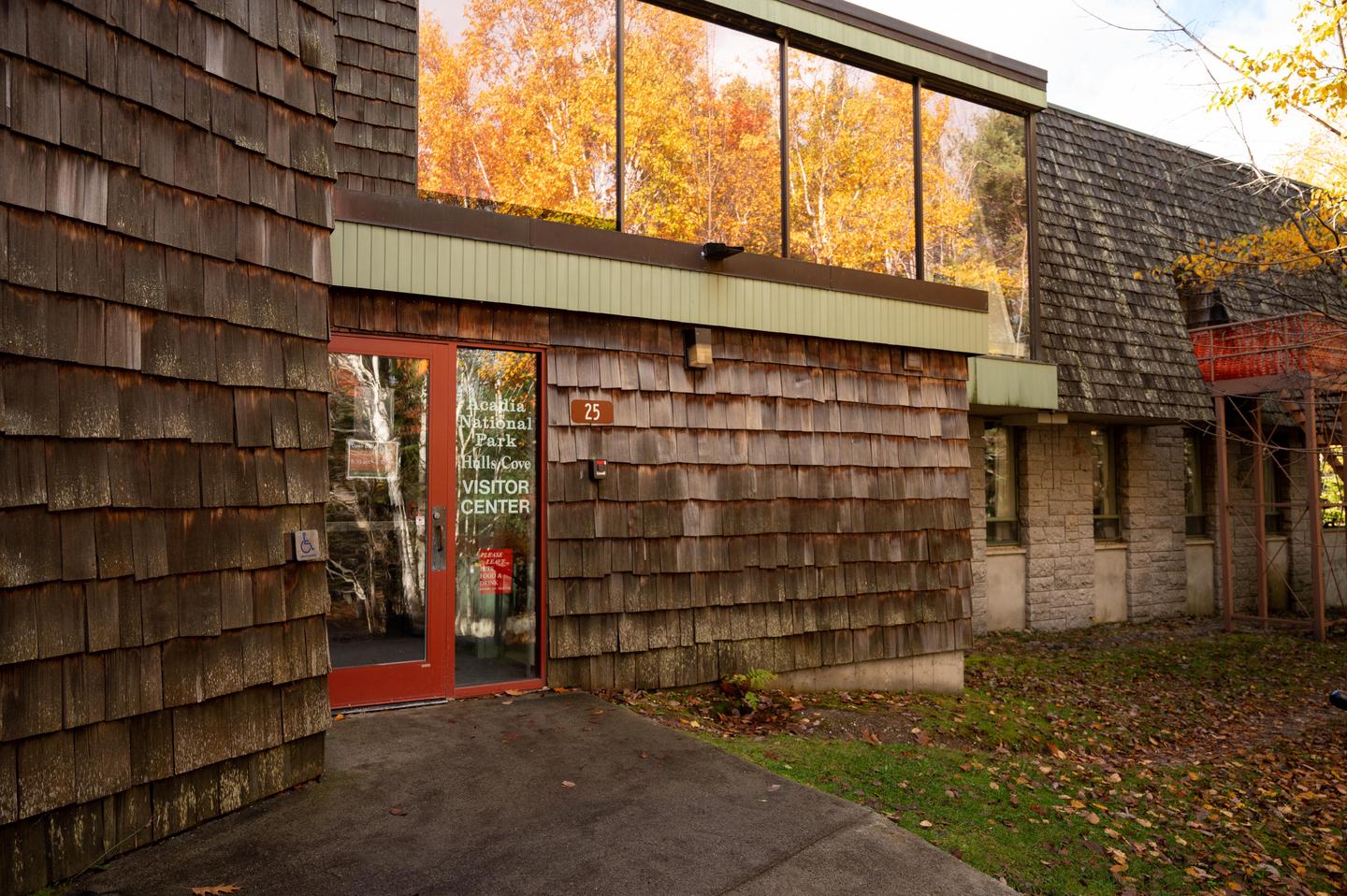 The Acadia National Park visitor center at Hulls Cove stands as more than just an information hub—it's the gateway to understanding one of America's most treasured coastal wilderness areas. Located strategically off Route 3 in Bar Harbor, this Mission 66-era building represents a fascinating piece of National Park Service history that dates back to 1967. What makes this facility truly special is its dual role as both a practical resource center and a cultural institution that tells the story of Acadia's unique maritime heritage. During my first visit in 2015, I was struck by how the building's design perfectly captures the essence of Maine's architectural tradition while serving modern visitor needs. The granite ashlar first story and cedar shingle upper level blend seamlessly with the surrounding landscape, creating an immediate sense of place that prepares visitors for the natural wonders they're about to encounter. The architect's decision to situate the building atop Paradise Hill wasn't just aesthetic—it provides visitors with their first panoramic glimpse of the park's diverse terrain.
Historical Significance and Mission 66 Heritage
The Hulls Cove facility represents a pivotal moment in National Park Service history. As part of the Mission 66 program, it embodied a new philosophy of visitor service that prioritized education and interpretation alongside traditional information dissemination. Unlike earlier park buildings that often mimicked rustic lodge aesthetics, this Acadia National Park visitor center embraced contemporary design principles that would influence park architecture for decades to come. The building's flat-roof design and large window arrays were revolutionary for their time, prioritizing visitor experience and natural light over conventional park architecture. What I find most compelling about the center's design is how it solved the challenge of serving both administrative and visitor functions without compromising either. The original 2019 renovation removed the outdated theater space, but this actually improved the visitor experience by creating more open areas for exhibits and reducing the acoustic problems that had plagued the building for years. The renovation also added critical accessibility features while preserving the building's historical integrity—a delicate balance that demonstrates thoughtful preservation practices.
Insider Tip: The best time to appreciate the building's architecture is during the golden hour before sunset, when the granite foundation stones glow warmly against the surrounding pine forest.
Planning Your Visit: Timing, Tickets, and Logistics
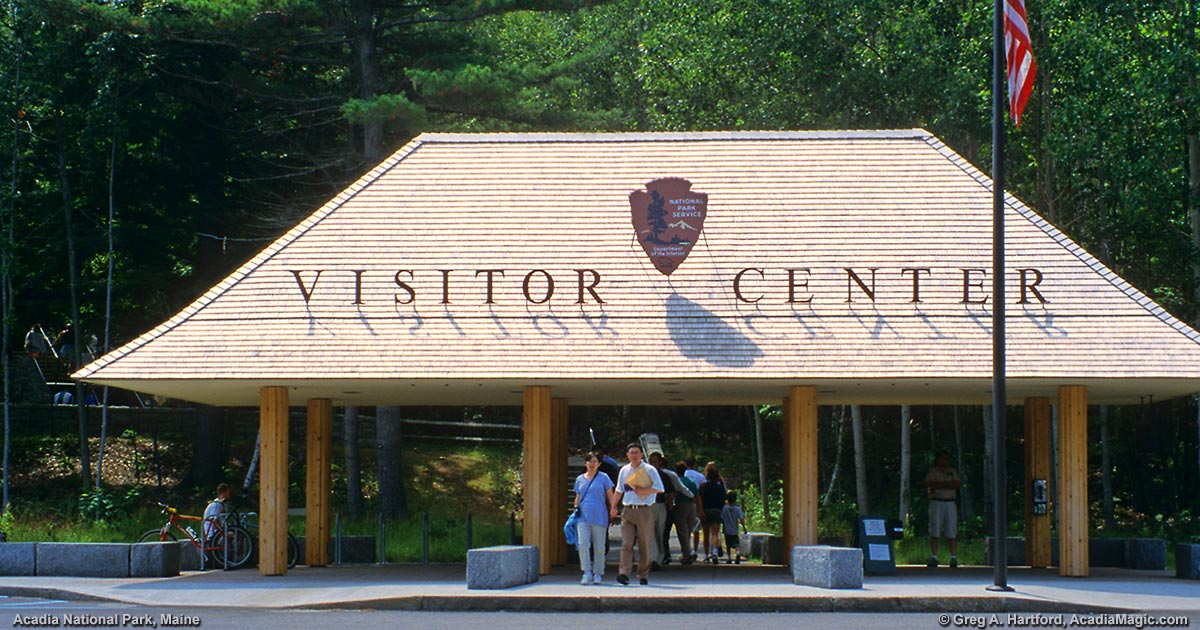 Successfully navigating your Acadia National Park visitor center experience requires strategic planning that extends far beyond simply showing up. Through my numerous visits across different seasons and times of day, I've developed a systematic approach that maximizes your time while minimizing common frustrations that plague unprepared visitors. The seasonal operating schedule runs from May 2nd through October 31st, with daily hours typically from 8:00 AM to 4:00 PM. However, these hours can vary based on staffing levels and weather conditions, particularly during shoulder seasons. I've learned to always check the official NPS website the night before my visit, as unexpected closures or hour changes can occur. During peak season (July through early October), arriving before 9:00 AM or after 2:00 PM significantly improves your experience by avoiding the massive tour bus crowds that descend between these hours.
Parking Strategy and Transportation Options
The parking situation at Hulls Cove deserves serious consideration in your planning. The main parking lot accommodates approximately 200 vehicles, but during peak season, it typically reaches capacity by 10:00 AM. I've discovered that the accessible parking area behind the building often has spaces available even when the main lot is full, though these are reserved for visitors with mobility needs. The lot layout includes both angled and perpendicular spaces, with the angled spaces near the information pavilion being most convenient for quick visits. Get the Best Easy Day Hikes Guide for Acadia - Perfect for Visitor Center Planning The Island Explorer shuttle system provides an excellent alternative to driving, with Route 3 stopping directly at the visitor center. This free service operates from late June through mid-October and connects the Acadia National Park visitor center to major destinations throughout the park. I always recommend using this system during peak season, as it eliminates parking stress and reduces traffic congestion. The shuttle stop is located in the covered pavilion area, providing weather protection while you wait.
Entrance Pass Purchase and Fee Structure
Understanding the fee structure before your arrival saves time and prevents confusion. The 7-day Acadia National Park pass costs $30 per vehicle, while the annual Acadia pass is $55. However, the America the Beautiful Annual National Parks Pass at $80 represents the best value if you plan to visit other national parks within the year. I always purchase my passes at the automated fee machine in the parking lot pavilion, which accepts credit cards and cash, eliminating the need to climb the 52 stone steps to the main building unless you specifically want to speak with a ranger.
Inside the Hulls Cove Visitor Center Experience
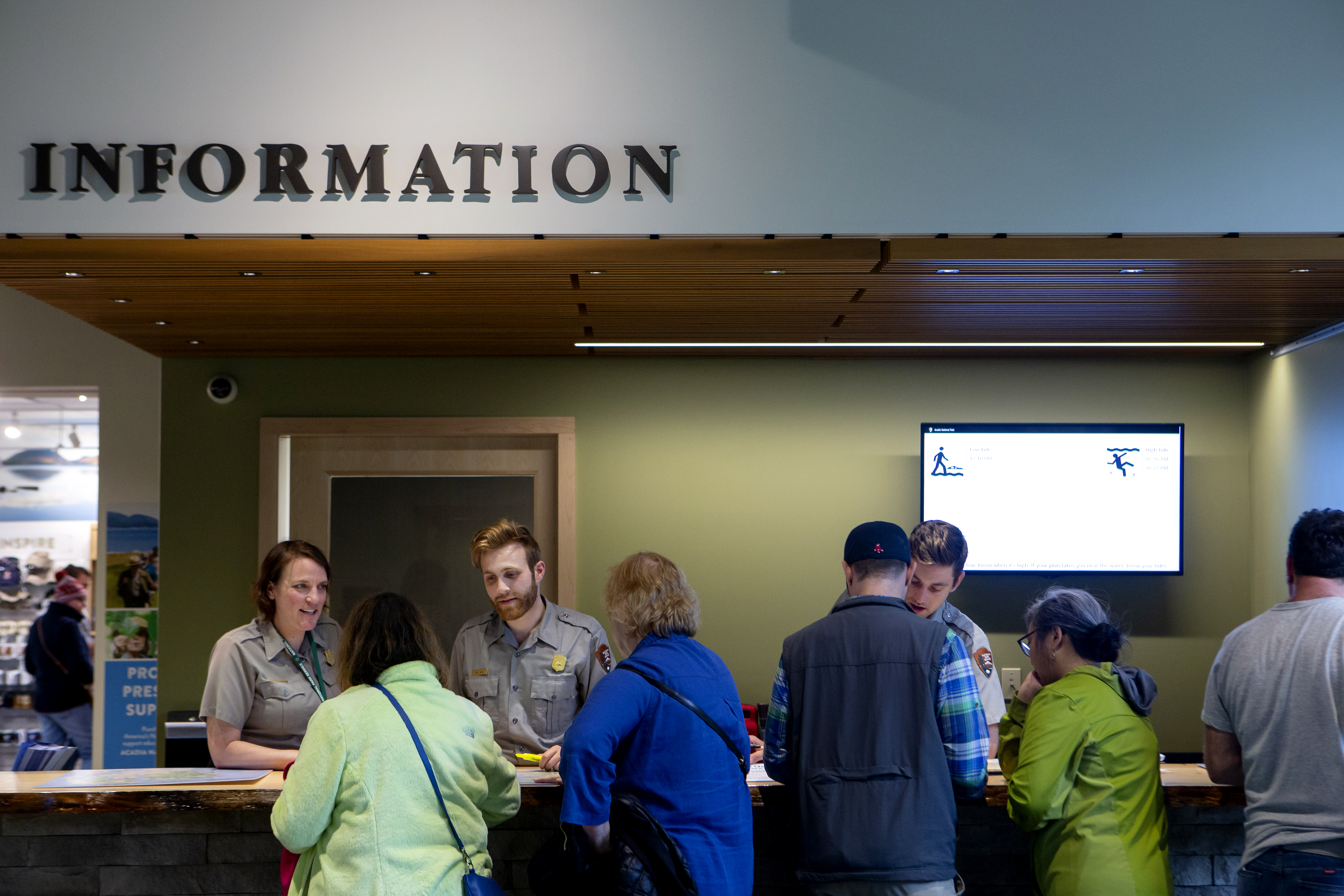 Stepping into the Acadia National Park visitor center at Hulls Cove reveals a thoughtfully designed space that balances functionality with inspiration. The 2019 renovation transformed what was once a somewhat cramped and acoustically challenging environment into an open, welcoming space that immediately orients visitors to the park's diverse offerings. The removal of the old theater created room for expanded exhibits while solving the echo problems that had made conversations difficult in the original design. The main lobby features two distinct service areas that streamline visitor flow effectively. The information desk, staffed by knowledgeable rangers and volunteers, handles trip planning questions, trail condition updates, and program registration. The separate entrance pass sales counter processes fee transactions quickly, preventing bottlenecks during busy periods. This dual-counter system represents a significant improvement over the single-service approach used in many older visitor centers.
Exhibits and Educational Features
The exhibit space showcases three primary educational components that provide essential context for your Acadia experience. Large wall-mounted maps display the park's three transportation networks—roads, hiking trails, and carriage roads—using color-coding and symbols that make navigation planning intuitive. These maps represent my go-to resource for understanding the relationship between different park areas and planning efficient itineraries. The Artist-in-Residence program artwork creates a rotating gallery that captures Acadia's seasonal beauty and diverse ecosystems. Each piece includes QR codes linking to an online catalog with audio descriptions and artist interviews. This digital integration enhances accessibility while providing deeper context about the artistic interpretation of natural landscapes. The artwork changes regularly, making return visits consistently interesting. Essential Carriage Roads Guide - Navigate Acadia's Historic Paths The information desk maintains current binders with Essential Acadia messages translated into multiple languages, including braille versions for visually impaired visitors. Rangers can also provide specialized maps for specific activities like birding, photography, or botanical study. This personalized service approach distinguishes the Acadia National Park visitor center from automated information systems found elsewhere.
Park Store and Eastern National Partnership
The park store operates through Eastern National, ensuring that purchases directly support park operations and educational programs. The store layout flows logically from outdoor gear near the entrance to books and maps in the center, with children's items and souvenirs toward the back. During my visits, I've found the book selection particularly impressive, including specialized guides for activities like tide pooling, bird identification, and geological exploration. The store's outdoor entrance, added during the renovation, allows browsing without entering the main visitor center—useful for quick souvenir stops or when the center is crowded. Staff members are typically locals with extensive park knowledge who can recommend products based on your specific interests and planned activities. Their advice on field guides and maps has proven invaluable during my photography expeditions throughout the park.
Accessibility and Inclusive Features
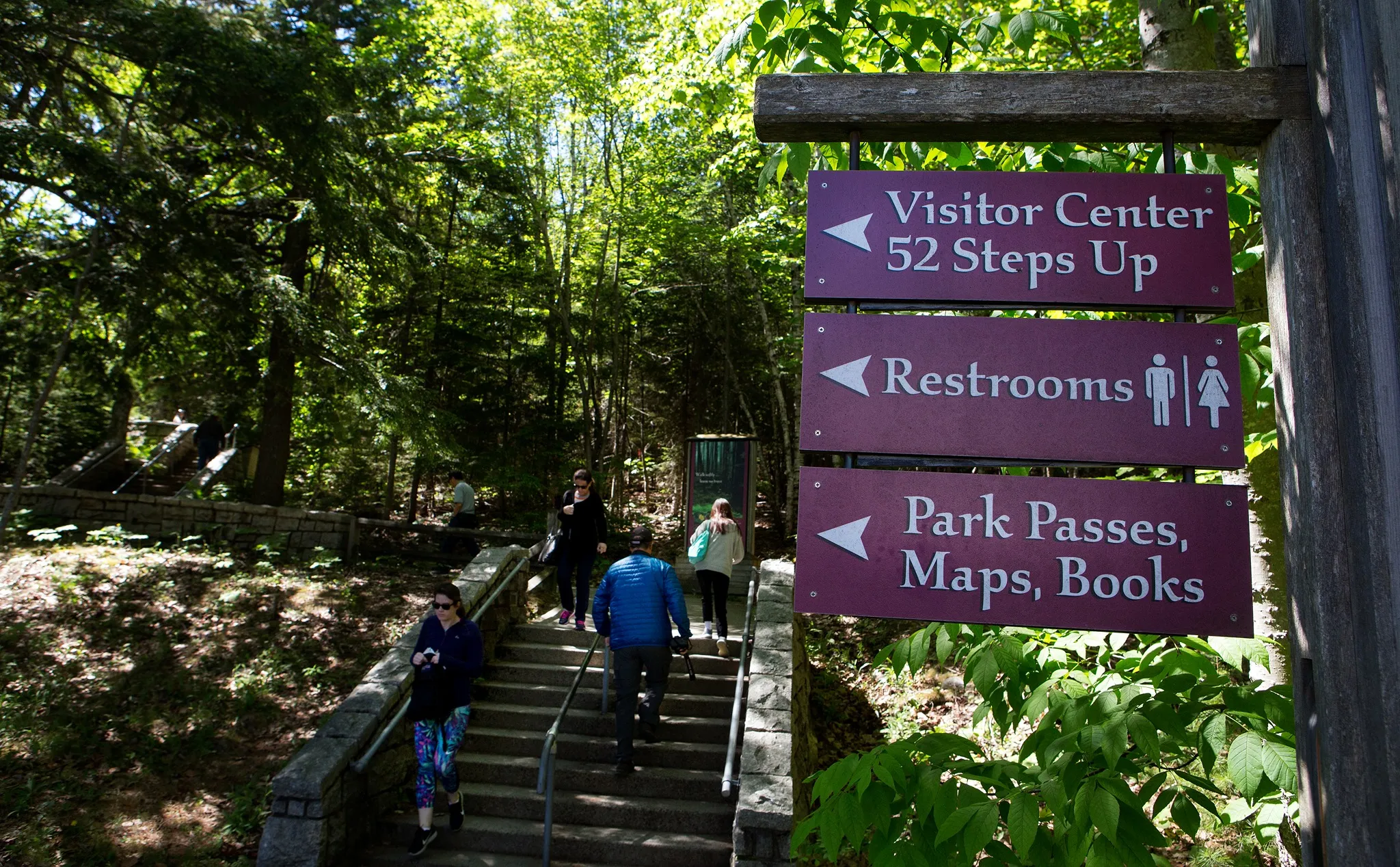 The accessibility features at the Acadia National Park visitor center reflect both historical constraints and modern improvements that demonstrate the National Park Service's commitment to inclusive visitation. While the original 1967 design predated major accessibility legislation, the 1995 and 2019 renovations systematically addressed barriers to create meaningful access for visitors with diverse mobility needs. The most significant accessibility challenge stems from the building's hilltop location, which requires climbing 52 stone steps from the main parking lot. However, the separate accessible entrance behind the building provides a complete alternative route that maintains dignity and independence for visitors with mobility limitations. This rear entrance connects to a dedicated parking area with four marked accessible spaces that remain available even when the main lot reaches capacity.
Navigation and Wayfinding Systems
The accessible route from the rear parking area follows two distinct paths—a shorter route with minimal steps and a longer curved path that eliminates steps entirely. Both routes converge at a wooden bridge leading to the accessible entrance, which features automatic doors and an elevator to the main floor. Clear signage marks this route from Route 3, though first-time visitors sometimes miss the turnoff. I recommend calling ahead at (207) 288-3338 for specific directions if you need accessible parking. Inside the building, wide doorways and clear sight lines accommodate wheelchairs and mobility devices effectively. The elevator provides access to both floors, including the lower-level restrooms that feature fully accessible facilities. Water fountains at multiple heights and strategically placed seating areas throughout the building demonstrate thoughtful universal design principles.
Sensory and Cognitive Accessibility
The renovation addressed acoustic issues that had made the space challenging for visitors with hearing difficulties. Sound-absorbing materials reduced echo and reverberation, creating a more comfortable environment for conversation and program participation. Rangers carry portable amplification devices for guided programs and can provide assistive listening equipment upon request. Waterproof Trail Map - Essential for All Weather Navigation Visual accessibility features include high-contrast signage, large-print materials, and tactile maps available at the information desk. The QR code system linking to audio descriptions of artwork provides multiple ways to access exhibit information. Rangers can arrange braille materials in advance and offer verbal descriptions of visual displays. The Acadia National Park visitor center maintains specialized equipment for visitors with sensory impairments, though advance notice ensures availability.
Accessibility Note: The National Park Service continues to improve accessibility throughout Acadia. Current plans include upgrades to Sand Beach and additional Hulls Cove improvements scheduled for implementation by 2026.
My Personal Experience and Insider Tips
Over the past decade, I've visited the Acadia National Park visitor center more than twenty times across different seasons, weather conditions, and times of day. Each visit has revealed new insights about maximizing this essential stop in your Acadia adventure. My approach to visitor center utilization has evolved from quick information gathering to strategic trip planning that leverages the full range of available resources. My most memorable visit occurred during a foggy September morning in 2019, just after the renovation reopened. Ranger Sarah, who I later learned had been working at Acadia for fifteen years, spent nearly thirty minutes helping me plan a photography itinerary that accounted for tidal schedules, sunrise times, and weather patterns. Her local knowledge transformed what would have been a mediocre photography day into one of my most successful shooting experiences. This interaction taught me that the real value of the visitor center lies not in the information you can find elsewhere, but in the personalized expertise that rangers provide.
Seasonal Strategies and Weather Considerations
Spring visits to the Acadia National Park visitor center require different strategies than peak season approaches. During May, when the center first reopens, rangers are eager to share information after the winter closure, and you'll often receive more detailed attention than during busy summer months. However, trail conditions remain variable, and ranger advice becomes crucial for safe trip planning. I always ask about seasonal wildlife activity, particularly during migration periods when bird and whale watching opportunities peak. Summer visits demand efficiency and patience. I've learned to arrive with specific questions written down, as the noise level and crowds can make extended conversations difficult. The rangers excel at quick, targeted advice—ask about current trail conditions, today's weather forecast for elevation changes, or which parking areas are likely to have space later in the day. During July and August, the center often stocks updated information about Island Explorer delays and alternative transportation options. Fall visits offer the sweet spot of knowledgeable, less-hurried staff combined with spectacular natural conditions. September and October rangers can provide detailed foliage reports, including which elevation levels are peaking and the best photography locations for current conditions. The Acadia National Park visitor center becomes a essential resource during leaf season, as conditions change rapidly and local knowledge makes the difference between average and extraordinary experiences.
Ranger Program Recommendations and Insider Access
The junior ranger program deserves special mention for families. I've observed this program multiple times and consistently noticed how it transforms children's engagement with the park. Rangers tailor activities based on age groups and interests, and completion earns an official badge and certificate. More importantly, junior rangers gain confidence in natural settings and develop observation skills that enhance their entire visit. Complete Acadia Guide - Comprehensive Planning Resource Evening programs, often overlooked by day visitors, provide incredible value for overnight guests. Rangers offer specialized presentations about nocturnal wildlife, astronomy programs during new moon phases, and campfire talks that reveal park stories you won't find in guidebooks. The visitor center staff maintains current schedules and can reserve spots for popular programs that fill quickly.
Pro Tip: Always ask rangers about "hidden gems" and lesser-known trails. Their recommendations have led me to some of Acadia's most spectacular and uncrowded locations that never appear in standard guides.
Beyond Hulls Cove: Other Visitor Centers and Contact Stations
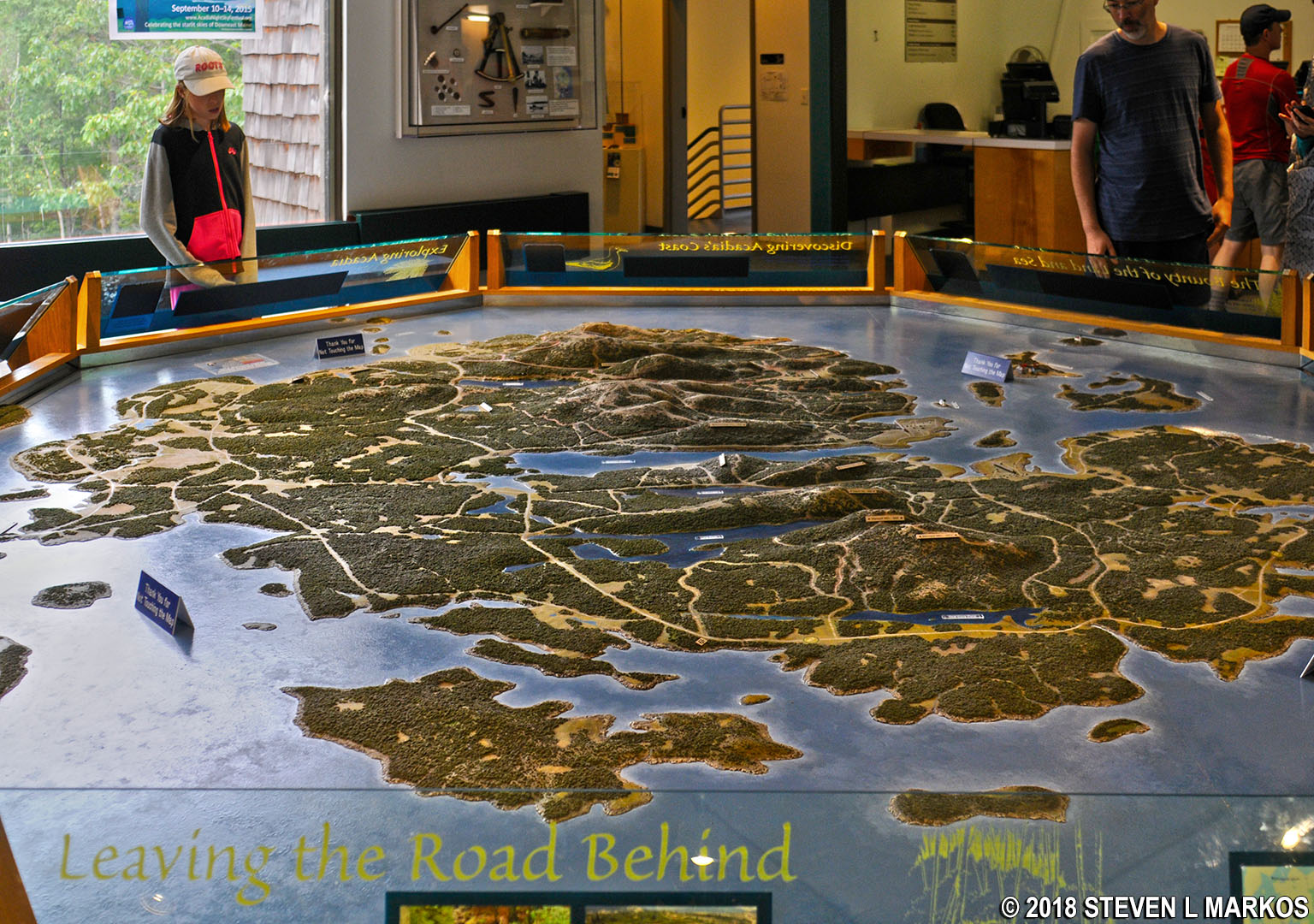 While Hulls Cove serves as the primary Acadia National Park visitor center, understanding the complete network of information stations enhances your park experience significantly. Each facility serves specific purposes and visitor needs, creating a comprehensive support system that extends throughout Acadia's diverse landscapes. Strategic use of multiple contact stations can transform your visit from a single-location experience into a well-supported exploration of the entire park system. The Sieur de Monts Nature Center operates seasonally from June 16th through October 14th and specializes in natural history interpretation. Located near the park's botanical trail system and the Abbe Museum, this facility focuses on Acadia's ecological relationships and conservation stories. Rangers here possess deep expertise in plant identification, animal behavior, and ecosystem functions that complement the broader trip-planning focus of Hulls Cove.
Schoodic Peninsula and Rockefeller Welcome Center
The Rockefeller Welcome Center on the Schoodic Peninsula provides essential services for visitors exploring Acadia's mainland portion. Operating from May 1st through October 27th, this facility offers park passes, maps, and specialized information about Schoodic's unique features including its military history and different ecosystem characteristics. The center occupies the historic Rockefeller Hall, creating an opportunity to experience both natural and cultural heritage in a single location. Schoodic Peninsula offers dramatically different experiences from Mount Desert Island, including larger wildlife populations, less crowded trails, and unique geological features. The Rockefeller Welcome Center staff understands these differences and can recommend activities that leverage Schoodic's advantages. Their advice proves particularly valuable for visitors seeking solitude, advanced hiking challenges, or specialized natural history experiences. National Geographic Atlas - Plan Multi-Park Adventures
Winter Services and Bar Harbor Chamber Alternative
During winter months when park facilities close, the Bar Harbor Chamber of Commerce at 2 Cottage Street provides essential visitor services including entrance pass sales and basic park information. Chamber staff receives training from National Park Service personnel and maintains current information about winter trail conditions, cross-country skiing opportunities, and seasonal wildlife viewing. Winter visitors often overlook this resource, but chamber staff can provide valuable local knowledge about winter accommodations, restaurant hours, and transportation options when park shuttles aren't operating. Their perspective combines official park information with local business knowledge, creating comprehensive support for off-season visitors who want to experience Acadia's winter beauty. The Islesford Museum on Little Cranberry Island operates June 16th through September 21st and provides specialized maritime history interpretation. Accessible only by boat, this facility serves visitors interested in Acadia's island communities and maritime heritage. While not a traditional visitor center, it offers unique perspectives on how humans have interacted with this coastal environment for generations.
Frequently Asked Questions
What are the current hours for the Acadia National Park visitor center?
The Hulls Cove Visitor Center operates seasonally from May 2nd through October 31st, typically from 8:00 AM to 4:00 PM daily. Hours may vary during shoulder seasons based on staffing and weather conditions. Winter services are provided by the Bar Harbor Chamber of Commerce downtown. I recommend checking the official National Park Service website or calling (207) 288-3338 before your visit, as unexpected schedule changes can occur due to staffing limitations or severe weather. During peak season, arriving early or late in the operating day provides better access to ranger assistance and reduces wait times for services.
Where can I purchase Acadia National Park entrance passes?
Entrance passes are available at multiple locations within the Acadia National Park visitor center system. The automated fee machine in the Hulls Cove parking pavilion operates year-round and accepts credit cards and cash, making it the most convenient option for most visitors. Inside the visitor center, rangers can process passes and answer questions simultaneously. The Park Loop Road entrance station also sells passes, though this location can create traffic backups during busy periods. Annual passes and America the Beautiful passes provide better value for repeat visitors and can be purchased at any of these locations. Mobile payment options have been added recently, improving transaction speed and convenience.
Is the visitor center accessible for wheelchairs and mobility devices?
Yes, the Hulls Cove facility provides comprehensive accessibility through a separate rear entrance system. While the main entrance requires climbing 52 stone steps, the accessible route begins at dedicated parking spaces behind the building and includes both step-free and minimal-step pathway options leading to automatic doors and an elevator. All restrooms meet ADA standards, and the interior layout accommodates wheelchairs throughout public areas. Rangers carry assistive listening devices and can provide large-print materials, braille resources, and verbal descriptions of visual exhibits. The park store is accessible through both interior and exterior entrances. Visitors should call ahead at (207) 288-3338 to ensure specialized equipment availability and receive detailed driving directions to accessible parking areas.
What services are available at the Acadia visitor center during peak season?
During peak season, the Acadia National Park visitor center provides comprehensive trip-planning assistance, entrance pass sales, current trail and weather condition updates, ranger program registration, and junior ranger activities. The park store offers maps, guidebooks, outdoor gear, and educational materials with profits supporting park operations. Rangers provide personalized itinerary planning, wildlife viewing recommendations, and safety briefings for challenging activities. Island Explorer shuttle information and schedules are available, along with parking alternative suggestions when lots reach capacity. The facility serves as the central hub for coordinating multi-day visits, connecting visitors with specialized programs, and accessing emergency services if needed. Educational exhibits and Artist-in-Residence displays change regularly throughout the season.
Can I get trail maps and current condition updates at the visitor center?
The visitor center maintains the most current trail condition information available in the park, updated daily based on ranger reports and maintenance crew findings. Free basic park maps are available, while detailed topographic trail maps can be purchased in the park store. Rangers provide verbal updates on specific trail closures, seasonal hazards, wildlife activity, and weather-related concerns that may not appear on printed materials. Specialized maps for activities like birding, tide pooling, and photography are available upon request. Digital resources including downloadable maps and real-time condition updates can be accessed through ranger assistance with park websites and mobile applications. The information desk maintains binders with detailed trail descriptions, difficulty ratings, and seasonal considerations that complement standard mapping resources available elsewhere.
What's the best time to visit the Hulls Cove Visitor Center?
The optimal visiting times depend on your priorities and travel style. Early morning visits (8:00-9:00 AM) provide the best ranger availability and shortest wait times, ideal for detailed trip planning and program registration. Late afternoon visits (3:00-4:00 PM) work well for quick information stops and purchasing supplies after a day of activities. Mid-day visits during peak season can be extremely crowded with tour groups, though the facility remains functional. Weekday visits typically offer better service than weekends throughout the season. Shoulder season visits in May and October provide excellent ranger attention and fewer crowds, though some services may be limited. Weather considerations matter significantly—rainy days concentrate more visitors indoors, while perfect weather days see lighter visitor center usage as people head directly to outdoor activities.
Conclusion
The Acadia National Park visitor center at Hulls Cove represents far more than a simple information stop—it serves as your gateway to understanding and appreciating one of America's most beloved national parks. Through my extensive experience visiting this facility across multiple seasons and circumstances, I've learned that successful Acadia adventures begin with strategic visitor center utilization that goes beyond basic map collection and entrance pass purchases. The transformation of this Mission 66-era building into a modern, accessible, and highly functional facility reflects the National Park Service's commitment to serving diverse visitor needs while preserving historical integrity. From the comprehensive accessibility features to the personalized ranger expertise, every element works together to support meaningful park experiences. The building's architectural significance, combined with its practical functionality, creates a unique environment where visitor education and trip planning occur within a historically significant setting. My recommendations emphasize preparation, timing, and engagement with ranger expertise as keys to maximizing your visitor center experience. Understanding the seasonal variations in services, accessibility options, and alternative facilities throughout the park system enables you to plan visits that align with your specific interests and capabilities. The network of visitor centers and contact stations extends support throughout Acadia's diverse landscapes, ensuring that help and information remain available regardless of where your adventures take you. Whether you're planning your first Acadia visit or returning for another exploration of this remarkable coastal wilderness, the Acadia National Park visitor center provides essential resources that enhance safety, education, and enjoyment. The combination of historical significance, modern amenities, expert staff, and comprehensive services makes Hulls Cove an indispensable part of the Acadia experience that rewards thoughtful utilization with unforgettable memories and successful adventures.
Ready to Explore Acadia National Park?
Start planning your adventure with the essential resources and expert guidance available at the Hulls Cove Visitor Center. Your memorable Acadia experience begins with proper preparation and local knowledge.
Plan Your Visit to Acadia