
![post-Acadia National Park Weather By Month: Complete Season Guide [2025]](/_next/image?url=https%3A%2F%2Fapi.wildernesspaths.com%2Fuploads%2Fimages%2F1753780197692-acadia-national-park-lead-ACADIANPSTIMES0722-6c937f5e295246e7a041c086b53cb358.webp&w=3840&q=75)
Understanding Acadia's Unique Climate
Acadia National Park's climate is classified as maritime, meaning the Atlantic Ocean significantly influences its weather patterns. This coastal proximity creates more moderate temperatures than inland Maine experiences, but it also brings unique weather phenomena that visitors should understand before planning their trip.
Located on Mount Desert Island, Acadia experiences four distinct seasons with dramatic variations in temperature, precipitation, and overall conditions. The park's weather is characterized by several key factors that make it both beautiful and occasionally challenging for visitors:
- Maritime influence: The surrounding ocean moderates temperature extremes but contributes to fog formation and higher humidity.
- Elevation variations: Weather conditions on Cadillac Mountain (1,530 feet) can be dramatically different from those at sea level, often 10-15°F cooler with stronger winds.
- Precipitation patterns: Acadia receives approximately 48 inches of rainfall annually, with November being the wettest month.
- Fog frequency: Fog is common throughout the year but especially prevalent during summer mornings, clearing by afternoon.
- Wind conditions: The windiest months are typically from October through April, with February seeing average wind speeds of 10 mph.
Perhaps the most important thing to understand about Acadia National Park weather by month is its variability and occasional unpredictability. Local rangers often joke about Maine's weather: "If you don't like the weather, wait five minutes." This is particularly true during transitional seasons like spring and fall, when conditions can change rapidly within a single day.
According to climate data collected from 1992-2021, Acadia's temperature typically ranges from 13°F to 76°F throughout the year, rarely falling below -2°F or exceeding 83°F. This moderate range makes it accessible year-round, though each season offers distinctly different experiences for visitors.
When planning your visit to Acadia, I highly recommend checking both the general forecast and mountain-specific conditions, as these can vary significantly. The park's official weather hotline (207-667-8910) provides the most up-to-date information, especially important for those planning hikes or water activities where conditions matter most.
Winter in Acadia (December-February)

Winter transforms Acadia National Park into a serene, snow-covered wonderland that few visitors get to experience. This is the park at its most peaceful, with dramatically reduced crowds and a pristine beauty that's worth braving the cold temperatures. The acadia national park weather by month during winter is characterized by cold temperatures, snow accumulation, and the occasional ice storm.
December in Acadia
December marks the beginning of winter in Acadia, with average high temperatures around 36°F and lows dropping to about 17°F. Snow begins to accumulate, with the park typically receiving 9-10 inches of snowfall during this month. Precipitation averages around 5.47 inches, making it one of the wetter months of the year.
By December, most park facilities have closed for the season, including the main Park Loop Road. However, sections of the road remain open to vehicles, providing access to Ocean Drive and Jordan Pond. This is actually one of my favorite times to photograph the dramatic coastline, as winter storms create spectacular wave displays against the rocky shores.
December days are short, with sunset occurring around 4:00 PM, so plan your activities accordingly. The reduced daylight means you'll need to start early for any winter hiking or snowshoeing adventures. Clear winter nights offer exceptional stargazing opportunities due to minimal light pollution and crisp, clear air.
January in Acadia
January is typically the coldest month in Acadia, with average high temperatures of 31°F and lows around 10-15°F. Record lows have reached -21°F, though such extreme cold is rare. The park receives approximately 12-13 inches of snowfall during January, creating perfect conditions for winter activities.
Wind chill becomes a significant factor in January, with average wind speeds of 9.9 mph making the air feel considerably colder than the thermometer indicates. Proper cold-weather gear is absolutely essential during this month, including insulated, waterproof boots, layered clothing, and wind protection.
Despite the challenging conditions, January offers exceptional opportunities for winter activities in Acadia. The carriage roads, when snow-covered, become ideal for cross-country skiing and snowshoeing. Acadia Winter Trails Association volunteers often groom 45 miles of carriage roads specifically for these activities.
February in Acadia
February continues the winter pattern with average high temperatures of 33-34°F and lows around 14°F. The park typically receives about 11 inches of snowfall this month. February is also the windiest month in Acadia, with average wind speeds reaching 10 mph, creating significant wind chill factors especially at higher elevations.
Ice storms are relatively common in February, coating the landscape in a glistening layer that's both beautiful and hazardous. These ice formations create spectacular photo opportunities but require extreme caution when navigating trails or roads. Microspikes or crampons become essential gear for hikers during this month.
By late February, the days begin noticeably lengthening, providing more daylight hours for outdoor activities. The snow depth typically reaches its maximum in February, with accumulated snow depths often exceeding 2-3 feet in parts of the park, particularly at higher elevations.
Winter in Acadia offers solitude that's impossible to find during the busy summer months. During my February visits, I've hiked popular trails like Jordan Pond Path and encountered only a handful of other adventurous souls, creating a profoundly peaceful experience of the park's natural beauty.
Spring in Acadia (March-May)

Spring in Acadia National Park is a season of transition and renewal, characterized by gradually warming temperatures, blooming wildflowers, and the return of migratory birds. The acadia national park weather by month during spring shows dramatic changes as winter reluctantly releases its grip and the landscape awakens.
March in Acadia
March marks the first hint of spring, though winter conditions often persist throughout much of the month. Average high temperatures climb to around 40°F, with lows still dipping to about 22°F. Snowfall decreases to approximately 8-9 inches for the month, but existing snow and ice remain on many trails, especially in shaded areas.
This month brings highly variable conditions that earned Maine's spring its "mud season" nickname. Freeze-thaw cycles create challenging hiking conditions as trails alternate between ice, slush, and mud. Waterproof hiking boots are essential, and many experienced hikers continue to use microspikes or snowshoes depending on trail conditions.
March precipitation averages 5.39 inches, often coming as a mix of rain and snow. Fog becomes increasingly common as warmer air masses move over the still-cold Atlantic waters. This creates magical, misty landscapes but can limit visibility on hiking trails and scenic drives.
By late March, signs of spring begin appearing at lower elevations, with early wildflowers like trailing arbutus making tentative appearances. The first hints of spring in Acadia make this a rewarding time for nature photographers and wildlife enthusiasts.
April in Acadia
April brings more substantial warming, with average high temperatures reaching 53°F and lows around 32°F. Snowfall becomes rare, though occasional snow showers can still occur, typically melting quickly at lower elevations. Rain becomes the predominant form of precipitation, with the month averaging 4.76 inches.
This is typically when the Park Loop Road begins reopening (weather permitting, usually by mid-April), though some facilities remain closed until May. Trails at lower elevations become increasingly accessible, though higher elevation paths may still have ice and snow patches.
April is characterized by rapidly changing weather conditions - I've experienced sunshine, rain, fog, and even brief snow flurries all within a single day during my April visits. Layered clothing becomes essential for adapting to these fluctuations. The temperature difference between coastal areas and inland locations also becomes more pronounced.
Wildlife activity increases dramatically in April as animals emerge from winter dormancy. Birdwatchers particularly enjoy this month as migratory species return to the park. Woodland wildflowers begin blooming in greater numbers, with trillium, spring beauty, and marsh marigold adding color to the forest floor.
May in Acadia
May brings genuine spring weather to Acadia, with average high temperatures climbing to 65°F and lows around 42°F. Precipitation remains steady at about 4.65 inches, typically falling as rain. Snowfall becomes extremely rare, though it's not unprecedented in early May at higher elevations.
This month sees the reopening of most park facilities, including campgrounds, visitor centers, and the full Park Loop Road. However, this is also when black fly season begins in Maine, particularly in the latter half of the month. These small biting insects can be a nuisance on calm, warm days, especially near fresh water.
May offers spectacular wildflower displays throughout the park, with lady slippers (Maine's state flower) making their appearance late in the month. The forest canopy fills out with fresh green leaves, transforming the landscape from the bare branches of winter. This new foliage is lighter and brighter than the deeper greens of summer.
Fog remains common in May, particularly in mornings along the coast. The famous "sea smoke" phenomenon, where fog hovers just above the water surface, creates ethereal landscapes perfect for photography. By afternoon, the fog typically burns off, revealing spectacular ocean views.
Having visited Acadia in May several times, I consider it an excellent time to experience the park before summer crowds arrive. The combination of moderate temperatures, blooming wildflowers, and relatively quiet trails creates ideal hiking conditions for those who don't mind occasional rain showers and variable weather.
Summer in Acadia (June-August)
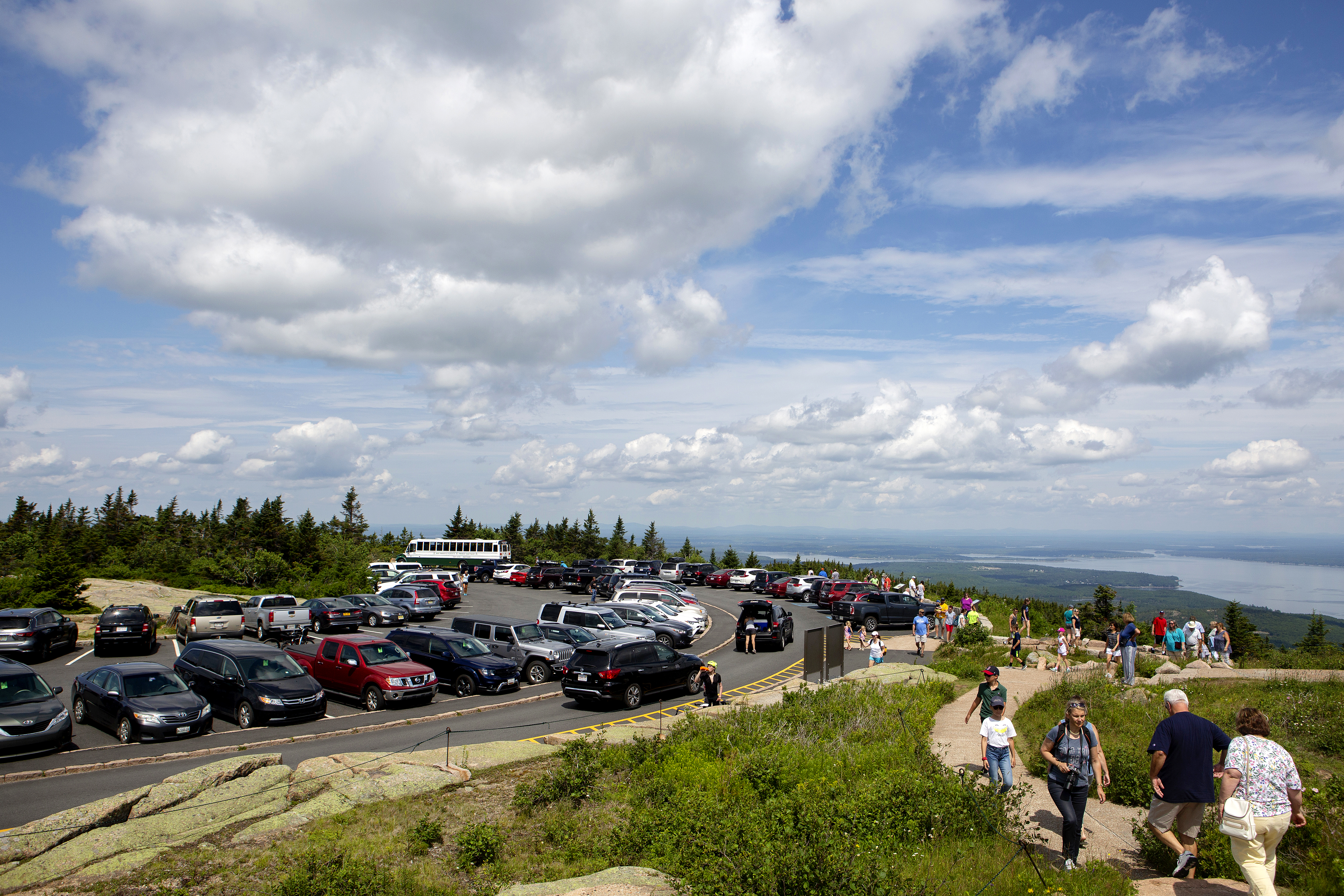
Summer transforms Acadia National Park into a vibrant playground of outdoor activities with comfortable temperatures, lush greenery, and spectacular coastal scenery. This is peak season for a reason, as the acadia national park weather by month data shows summer offering the most reliable and comfortable conditions for exploring all the park has to offer.
June in Acadia
June marks the beginning of summer in Acadia, with average high temperatures reaching a pleasant 74°F and lows around 51°F. This significant warming transforms the park's landscape and visitor experience. Precipitation averages about 4.13 inches, typically coming as brief rain showers rather than all-day events.
One distinctive feature of June weather is the dramatic difference between daytime and nighttime temperatures. Even on warm days reaching the mid-70s, evenings can cool rapidly to the low 50s, making layered clothing essential for comfort throughout the day. This temperature fluctuation is particularly noticeable near the water.
June sees the beginning of Acadia's foggy season, with mornings often shrouded in mist, especially along the coast. This fog typically burns off by late morning or early afternoon, though some days remain foggy throughout. Far from being a disappointment, this fog creates magical, moody landscapes that photographers treasure.
By mid-June, black fly season begins waning, making outdoor activities more comfortable. However, mosquitoes become more prevalent, especially in wooded areas around dusk. Insect repellent becomes an essential part of any hiking kit during this month.
June offers spectacular wildflower displays along hiking trails and carriage roads. The extended daylight hours (with sunset around 8:20 PM by late June) provide ample time for exploring. This is when Acadia's summer crowds begin arriving, though not yet at their July-August peak.
July in Acadia
July brings the warmest temperatures of the year to Acadia, with average highs reaching 80°F and lows around 57°F. This is statistically the driest month, with precipitation averaging 3.5 inches. When rain does occur, it typically comes as brief afternoon thunderstorms that clear quickly, rarely disrupting a full day of activities.
Humidity levels increase in July, with the month averaging about 3 muggy days when the combination of heat and humidity creates less comfortable conditions. Ocean breezes typically moderate this humidity along coastal areas, while inland sections of the park can feel warmer.
July is prime swimming season in Acadia, though water temperatures remain brisk at 55-57°F in the ocean. Freshwater lakes like Echo Lake and Long Pond warm more substantially, reaching the mid-60s to low 70s, providing more comfortable swimming options. Sand Beach, despite its chilly water, becomes crowded with sunbathers and brave swimmers.
This month sees the highest visitor numbers, making advanced planning essential for accommodations and parking. The Island Explorer shuttle service runs at full capacity, providing a convenient alternative to driving and parking within the busy park. Early morning starts (before 8 AM) are recommended for popular trails and attractions to avoid the largest crowds.
During my July visits, I've found the combination of reliable weather and long daylight hours perfect for ambitious hikes and extended adventures. The famous Cadillac Mountain sunrise (occurring around 5:00 AM) becomes a major attraction, requiring very early wake-up calls but rewarding visitors with spectacular views.
August in Acadia
August maintains summer's warmth with average high temperatures of 78°F and lows around 56°F. Precipitation remains relatively low at 3.31 inches for the month, making this statistically one of the driest periods in Acadia. Humidity levels remain similar to July, with occasional muggy days interspersed with drier conditions.
Ocean water temperatures reach their annual peak in August at around 57°F, still brisk by swimming standards but warmer than earlier in the summer. Lake and pond temperatures typically peak in early August before beginning a slow cooling trend toward month's end.
August continues the pattern of morning fog along coastal areas, often creating spectacular conditions for photography as mist hangs over the landscape. By late morning, this fog typically burns off to reveal sunny skies, though some days remain persistently foggy, especially when certain wind and pressure conditions align.
Visitor numbers remain high throughout most of August, beginning to decrease slightly after the third week as schools resume in some parts of the country. The Island Explorer shuttle continues running at full capacity, providing essential transportation around the park.
Late August brings subtle signs of the approaching autumn, with occasional cooler nights and the first hints of color change in red maples and other early-turning species. Sunset times begin shifting earlier (around 7:30 PM by month's end), slightly shortening the available daylight for activities.
During my August visits to Acadia, I've found the slightly reduced crowds later in the month combined with still-excellent weather make it an ideal time for exploring Acadia's best hiking trails, particularly those along the eastern side of the island.
Fall in Acadia (September-November)
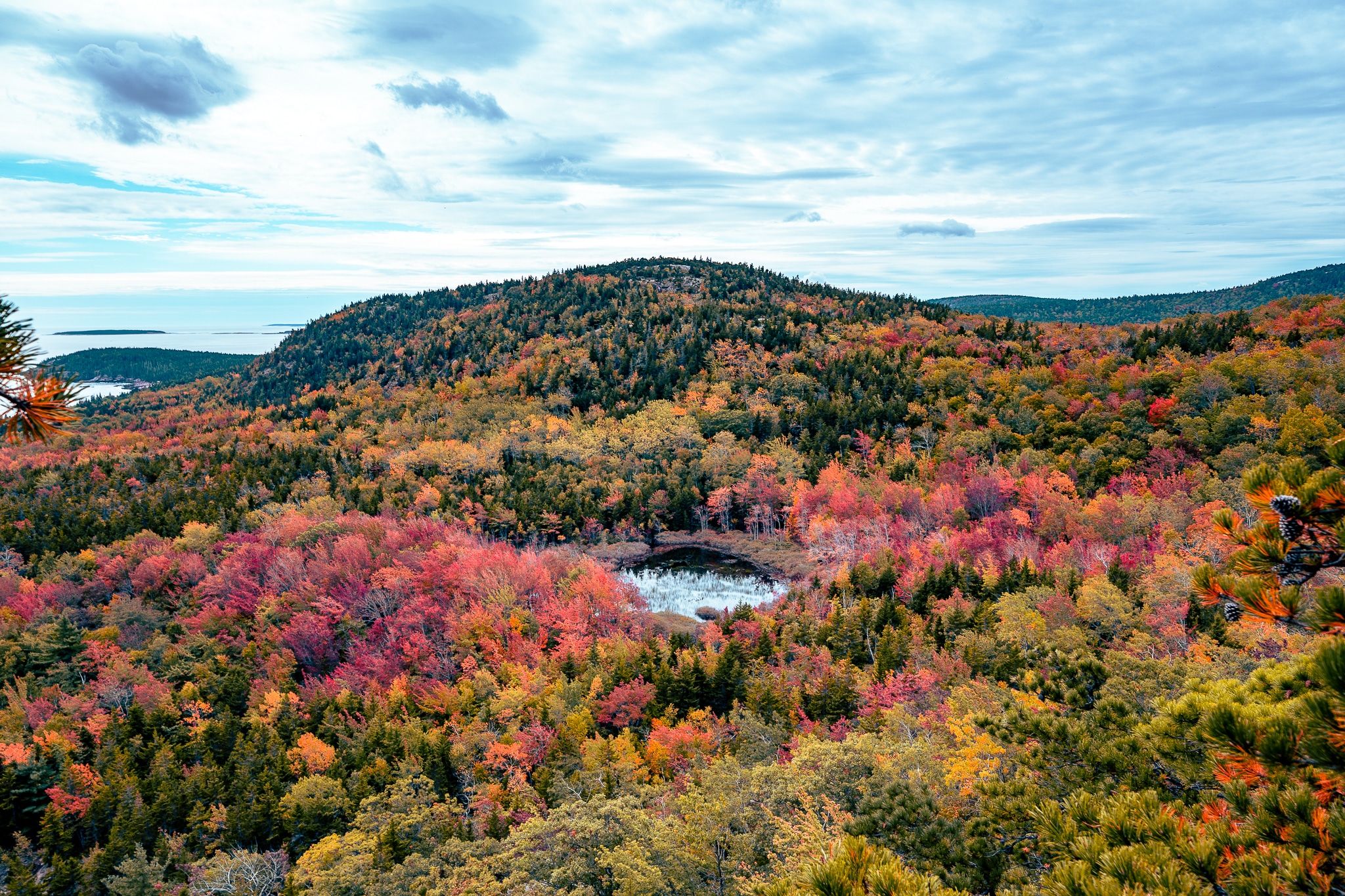
Fall is arguably Acadia National Park's most spectacular season, as cooling temperatures transform the landscape into a canvas of red, orange, and gold. The acadia national park weather by month patterns during autumn create ideal conditions for hiking, photography, and wildlife viewing as summer crowds diminish and the park takes on a more serene character.
September in Acadia
September brings a noticeable transition in Acadia's weather, with average high temperatures moderating to 69°F and lows dropping to around 48°F. This cooling trend becomes more pronounced as the month progresses. Precipitation increases slightly to 4.45 inches, though rain tends to come in briefer episodes rather than extended periods.
Early September often feels like an extension of summer, with warm days and comfortable nights. By month's end, there's a distinct autumn crispness to the air, especially in the mornings and evenings. The humidity levels drop significantly, creating crystal-clear visibility on non-foggy days that's ideal for long-distance views from mountain summits.
The first hints of fall foliage appear by mid-September, with red maples in wetland areas often turning first. These splashes of color against the predominantly green landscape create beautiful contrasts for photography. The understory plants and blueberry bushes begin turning crimson, adding rich color to hiking trails.
September sees a significant reduction in visitor numbers after Labor Day, making this an excellent time to experience the park's most popular attractions without summer crowds. Parking becomes easier to find, and trails are noticeably less congested, particularly on weekdays.
Ocean temperatures remain relatively warm at 52-55°F, having retained summer's heat. This creates optimal conditions for sea kayaking and boat tours, as the water remains approachable while air temperatures are comfortable for outdoor activities. The contrast between the still-warm ocean and cooling air temperatures can create spectacular morning fog formations along the coast.
During my September visits to Acadia, I've found this to be perhaps the ideal month for hiking and outdoor activities in the park. The combination of moderate temperatures, lower humidity, reduced crowds, and emerging fall color creates nearly perfect conditions for exploring.
October in Acadia
October brings dramatic transformation to Acadia's landscape as fall foliage reaches its spectacular peak. Average high temperatures cool to 58°F, with lows dropping to around 38°F. The contrast between day and night temperatures becomes more pronounced, often spanning 20 degrees or more. Precipitation increases to 5.31 inches, making this one of the wetter months.
Fall foliage typically reaches peak color around mid-October, though this can vary by a week or so depending on the year's specific conditions. The park explodes with color as maples turn scarlet and orange, birches and aspens shift to golden yellow, and oaks display russet and burgundy hues. The famous view from Cadillac Mountain becomes a mosaic of autumn colors stretching to the horizon.
October brings increasing wind, with average speeds around 8.2 mph. These breezes cause colorful leaves to cascade down, creating a constantly changing landscape. Strong wind events can accelerate leaf fall, potentially shortening the peak foliage period. The combination of fall colors and dramatic weather creates exceptional photographic opportunities.
Visitor numbers surge again during peak foliage weekends, particularly around Indigenous Peoples' Day weekend (formerly Columbus Day), when the park experiences a "mini peak season." Advance planning becomes essential during this brief but intense busy period.
By late October, the first frosts typically arrive, especially at higher elevations. Morning frost coating colorful leaves creates magical scenes for early-rising photographers. The first snow flurries occasionally appear on Cadillac Mountain by month's end, though accumulating snow remains rare in October.
My October visits to Acadia have always centered around the spectacular fall foliage display. The combination of brilliant colors, dramatic weather, and the sense of seasonal transition makes this a truly magical time in the park, despite the risk of occasional rainy days.
November in Acadia
November marks the transition from fall to early winter in Acadia, with average high temperatures dropping to 47°F and lows around 29°F. This is statistically the wettest month, with precipitation averaging 6.46 inches, increasingly coming as a mix of rain and snow, especially later in the month.
Early November often retains some late fall color, particularly from oaks and beeches which hold their leaves longer than other species. By mid-month, most trees have lost their leaves, creating open vistas through formerly dense forests. This leafless landscape reveals geological features and distant views hidden during leafy seasons.
The first measurable snowfall typically occurs in November, with the month averaging about 3.3 inches of snow. Early snow usually melts quickly at lower elevations but may persist on mountain summits. Ice begins forming on puddles and small ponds, though larger water bodies remain open.
November brings increasing wind, with speeds averaging 9.1 mph, creating significant wind chill factors especially at higher elevations and along the coast. The combination of cooler temperatures and wind makes proper layering essential for comfort during outdoor activities.
Visitor facilities begin closing for the season, with the Park Loop Road typically closing by December 1st (weather permitting). Visitor numbers decrease dramatically, creating a sense of solitude and wilderness that's impossible to experience during busier months.
Despite the challenges of cooler weather and limited services, November offers unique advantages for visitors seeking solitude and dramatic landscapes. The park takes on a stark beauty as it prepares for winter, with dramatic wave displays along the coast during fall storms and crystal-clear visibility on calm days after cold fronts pass through.
Essential Gear for Acadia's Changing Weather
Having experienced Acadia's variable conditions throughout the year, I've learned that proper gear is essential for comfort and safety in this dynamic environment. The acadia national park weather by month variations require thoughtful preparation and adaptable equipment. Here are my recommendations for each season, including some specific products that have served me well during my visits.
Winter Essentials
- Insulated waterproof boots - Essential for snowy and icy conditions
- Microspikes or crampons - For traction on icy trails
- Insulated, waterproof gloves - To protect extremities from frostbite
- Moisture-wicking base layers - For proper temperature regulation
- Insulated mid-layer - For core warmth retention
- Waterproof/windproof outer shell - To block wind and precipitation
- Snowshoes - For deep snow conditions on trails
- Trekking poles with snow baskets - For stability on snow-covered terrain
Spring Essentials
- Waterproof hiking boots - For muddy spring trails
- Quick-drying pants - To handle unexpected showers
- Lightweight, packable rain jacket - For frequent spring showers
- Moisture-wicking layers - For variable temperatures
- Insect repellent - For emerging black flies and mosquitoes
- Lightweight windbreaker - For coastal breezes and changing conditions
- Gaiters - To keep mud and debris out of boots
- Binoculars - For spring bird migration watching
Summer Essentials
- Ventilated hiking shoes - For comfort in warmer conditions
- Moisture-wicking, quick-dry clothing - For humid conditions
- Sun protection (hat, sunglasses, sunscreen) - Essential for exposed trails
- Insect repellent - For mosquitoes, especially near water
- Hydration system or water bottles - To prevent dehydration
- Daypack with hydration reservoir - For carrying essentials on longer hikes
- Swimwear and quick-dry towel - For cooling off in lakes and ocean
- Headlamp - For early sunrise hikes to Cadillac Mountain
Fall Essentials
- Layered clothing system - For adapting to temperature fluctuations
- Waterproof hiking boots - For potentially wet conditions
- Insulated jacket - For increasingly cold evenings
- Gloves and warm hat - For early morning and evening adventures
- Camera equipment - For capturing fall foliage
- Durable hiking pants with stretch - For comfort during longer hikes
- Thermos - For carrying hot beverages on chilly days
- Portable charger - For keeping devices powered on longer outings
Year-Round Essentials
Regardless of season, these items should always be in your pack when visiting Acadia:
- Quality daypack - With enough capacity for essentials but not overly bulky
- Navigation tools - Park map, compass, and/or GPS device
- First aid kit - Including basic medications and blister treatment
- Headlamp or flashlight - With extra batteries
- Extra food and water - More than you think you'll need
- Emergency whistle and signal mirror - For safety in remote areas
- Multi-tool or knife - For various trail needs
- Fire starter - Waterproof matches or lighter
- Emergency shelter - Space blanket or bivy sack
Remember that Acadia's weather can change rapidly, especially on mountain summits and along the coast. The temperature difference between Cadillac Mountain's summit and lower elevations can exceed 10-15°F, with significantly stronger winds at higher elevations. Always check the forecast before heading out, and be prepared for conditions to change during your adventure.
Based on my experience hiking hundreds of miles in Acadia across all seasons, I've found that properly selected gear makes the difference between a miserable outing and a memorable adventure. The investment in quality, weather-appropriate equipment pays dividends in comfort, safety, and enjoyment of this remarkable national park.
My Personal Experience Visiting Acadia Throughout the Year
After dozens of visits to Acadia National Park spanning all four seasons and countless weather conditions, I've developed a deep appreciation for the park's ever-changing moods. The acadia national park weather by month statistics tell one story, but experiencing these variations firsthand provides insights that numbers alone cannot convey.
My first encounter with Acadia was during a perfect July week - sunny days in the mid-70s, cool nights perfect for sleeping, and just enough morning fog to create magical sunrise experiences on Cadillac Mountain. This ideal introduction hooked me immediately, but it wasn't until I experienced the park in other seasons that I truly understood its character.
Winter Wonderland Discoveries
One February, I decided to brave the winter conditions to experience Acadia's quieter side. With temperatures hovering around 20°F and a fresh 8-inch snowfall blanketing the landscape, I found a transformed park that few summer visitors would recognize. Snowshoeing along the carriage roads near Eagle Lake, I encountered only two other adventurous souls during a four-hour trek.
The winter light created a distinctive beauty - low-angled sunbeams filtering through snow-laden spruce branches, ice formations along stream beds catching the light like crystal sculptures, and the hushed silence that only a snow-covered forest can provide. Despite the cold, proper layering kept me comfortable, though I learned the hard way about the importance of face protection when a sudden wind gust off the frozen lake created instant, painful windburn.
A park ranger I met at the winter visitor center shared that February typically brings the most stable snow conditions, making it ideal for winter sports, though January is often colder. He recommended microspikes rather than snowshoes for hiking Jordan Pond's perimeter trail, advice that proved invaluable as the well-traveled path was packed and icy rather than powdery.
Spring's Dramatic Transitions
April visits have shown me the dramatic transitions of spring in Acadia. One memorable trip featured 65°F sunshine one day, followed by a 38°F rainy day that ended with wet snowflakes at higher elevations. This variability taught me the essential nature of layered clothing and waterproof outer shells during Maine's spring.
Hiking the Beehive Trail in late May provided a completely different experience than my summer ascents. The trail was virtually empty, wildflowers were beginning their colorful display, and the black flies were unfortunately reaching their peak annoyance level. A bandana soaked in insect repellent became my constant companion, especially in sheltered valleys where breezes couldn't disperse these persistent pests.
Spring birding in Acadia has become one of my favorite activities, as the park serves as a critical stopover for migrating species. An ornithologist I met while birdwatching along the Wonderland Trail explained that May's variable weather actually creates ideal conditions for observing diverse species, as different weather patterns bring different birds into view.
Summer's Perfect Days and Foggy Mysteries
Summer visits have provided both picture-perfect days and mysterious fog-shrouded adventures. During one August trip, three consecutive days featured entirely different conditions: the first was crystal clear with unlimited visibility from Cadillac Mountain; the second brought dense fog that transformed familiar trails into mysterious, ethereal pathways; and the third delivered a brief but intense thunderstorm that cleared to reveal breathtaking rainbow displays over Frenchman Bay.
A memorable encounter with a long-time Bar Harbor resident revealed that locals track the "fog patterns" throughout summer, knowing that certain wind directions almost guarantee foggy conditions while others bring clarity. She shared that her favorite summer days are those with "morning fog burning off by 10 AM," providing both magical morning photography and clear afternoon views.
Swimming at Sand Beach during summer requires a certain tolerance for cold water, as I discovered when the air temperature reached 85°F but the ocean remained a brisk 58°F. The freshwater lakes within the park provide much more comfortable swimming options, with Long Pond becoming my go-to spot for post-hiking refreshment during hot summer afternoons.
Fall's Spectacular Color Show
October has repeatedly proven itself as my favorite month in Acadia, with the caveat that timing peak foliage requires flexibility and a bit of luck. One year, an early cold snap brought peak color during the first week of October, while the following year didn't reach maximum brilliance until nearly the 20th. I've learned to check the Maine foliage reports religiously before finalizing fall travel plans.
Fall hiking presents unique challenges and rewards. The cooler temperatures make physical exertion more comfortable, but shorter daylight hours require more careful planning for longer routes. During one October hike on the Perpendicular Trail, I watched in awe as a sudden gust of wind sent thousands of colorful maple leaves swirling through the air like nature's confetti, creating an unforgettable moment that epitomized fall's ephemeral beauty.
A conversation with a professional photographer I met at the Bass Harbor Lighthouse revealed his preference for November visits despite the colder conditions. "After the leaves fall and before snow arrives, you can see the bones of the landscape," he explained. "The architectural elements of the trees, the textures of rock formations, and the patterns of the land itself become visible in ways they aren't during leafy seasons."
User Reviews & Experiences
"We visited in early October based on online recommendations for fall foliage, and it was absolutely spectacular. The weather was perfect - crisp mornings around 45°F warming to comfortable hiking temperatures in the low 60s by afternoon. Pack layers though! The temperature dropped fast after sunset."
— Sarah T., Reddit r/NationalParks
"Don't be afraid of visiting in June! Yes, there's fog, but it creates the most magical atmosphere for photography. We had three foggy mornings and three clear afternoons - perfect combination. The lupines were blooming everywhere, adding purple splashes to every view."
— Michael K., Amazon review for Acadia guidebook
"August was hot and crowded, but absolutely worth it. The key is early mornings - we were on trails by 6am each day and had them mostly to ourselves until around 9am. By then we were ready for swimming at Echo Lake, which was refreshingly cool but not freezing like the ocean."
— Jen B., Quora response
Through these varied experiences across all seasons, I've developed a profound appreciation for Acadia's weather diversity. Each visit reveals new aspects of the park's character, influenced by the specific conditions of that moment. Rather than seeking "perfect" weather, I've learned to embrace whatever conditions I encounter, finding unique beauty and opportunities in every season and weather pattern.
Conclusion
After exploring the acadia national park weather by month patterns in depth, it's clear that this remarkable national park offers distinctive experiences throughout the year. From snow-draped winter wonderlands to vibrant autumn foliage displays, each season presents unique opportunities for visitors willing to adapt to the prevailing conditions.
Summer remains the most popular time to visit, with July and August offering the warmest temperatures and most reliable conditions for traditional outdoor activities. However, these months also bring the largest crowds and require advance planning for accommodations and popular attractions.
The "shoulder seasons" of late May to early June and September to mid-October offer excellent compromises between favorable weather and reduced crowds. These periods provide comfortable temperatures for hiking while avoiding the peak summer congestion. Fall in particular offers spectacular foliage viewing opportunities that draw visitors from around the world.
Winter presents Acadia at its most serene, though it requires proper preparation and equipment for cold-weather activities. The park's reduced services during winter are offset by the unique opportunity to experience its landscapes in solitude.
When planning your visit, remember that the best time to visit Acadia depends entirely on your personal preferences and priorities. Consider what activities you most want to experience, your tolerance for various weather conditions, and your desire for solitude versus accessibility of services.
Regardless of when you choose to visit, proper preparation is essential. Pack appropriate clothing for layering, check weather forecasts regularly, and maintain flexibility in your plans to adapt to changing conditions. With the right preparation and mindset, Acadia National Park offers unforgettable experiences in every season.
Finally, remember that the park's weather variability is part of what makes it special. Some of my most memorable Acadia experiences have come during unexpected weather changes - watching fog roll dramatically over mountain ridges, experiencing the sudden clearing after rain that reveals rainbows over the Atlantic, or witnessing the first snowflakes of the season dusting spruce-covered islands. Embrace whatever conditions you encounter, and you'll discover the true magic of this remarkable national park.
Frequently Asked Questions
What is the best month to visit Acadia National Park?
September is often considered the ideal month to visit Acadia National Park. Temperatures remain comfortable (averaging 59°F) with highs around 67°F and lows near 51°F, summer crowds have diminished significantly, and accommodations are more readily available. Early fall color begins appearing, especially in wetland areas, while most park facilities remain open. If fall foliage is your priority, mid-October typically offers peak colors, though with slightly cooler temperatures and a brief surge in visitor numbers during the Indigenous Peoples' Day weekend.
When is the rainiest month in Acadia National Park?
November is statistically the rainiest month in Acadia National Park, averaging 6.46 inches of precipitation. This comes as a mix of rain and occasionally snow as the month progresses. The wettest stretch overall tends to be from October through December, with each month receiving over 5 inches of precipitation on average. Summer months, particularly July and August, are typically the driest, averaging 3.5 and 3.31 inches respectively. Even during these drier months, brief afternoon showers are common, so rain gear should always be part of your packing list.
How cold does it get in Acadia National Park in winter?
Winter temperatures in Acadia National Park typically range from lows of 10-15°F to highs of 31-36°F between December and February. January is usually the coldest month, with average lows around 15°F and highs near 31°F. Record lows have reached -21°F, though such extreme cold is rare. Wind chill is a significant factor, especially at higher elevations and along the coast, often making the perceived temperature significantly colder than thermometer readings. Nighttime temperatures consistently fall below freezing throughout winter, creating icy conditions on trails and roads.
When does Acadia National Park get the most fog?
Acadia National Park experiences the most frequent fog during summer months, particularly June through August. This fog forms when warm, moist air masses move over the colder Atlantic Ocean waters. Morning fog is especially common, often burning off by late morning or early afternoon, though some days may remain foggy throughout. Coastal areas and Cadillac Mountain experience fog most frequently, while inland sections of the park may remain clear. This pattern creates the famous "weather line" where visitors can sometimes observe dense fog on one side of a mountain and clear skies on the other.
When is the peak fall foliage season in Acadia National Park?
Peak fall foliage in Acadia National Park typically occurs between October 8-21, with the most vibrant colors usually appearing around mid-October. However, the exact timing varies annually depending on summer rainfall, fall temperatures, and storm events. The color change begins in late September with wetland areas and understory plants, gradually spreading to higher elevations. Maples turn first with bright reds and oranges, followed by the golden yellows of birches and aspens, with oaks turning last in russet tones. The Maine fall foliage report provides weekly updates on conditions, helping visitors time their trips to catch the spectacular color display.