

The Ultimate Acadia Rock Climbing Guide: Your Complete Manual for Conquering Maine's Granite Paradise
Essential Climbing Areas in Acadia National Park

When creating your acadia rock climbing guide itinerary, understanding the park's diverse climbing areas is crucial for maximizing your adventure. Acadia National Park features over 280 documented climbing routes across multiple granite formations, each offering unique challenges and spectacular views.
Otter Cliffs: The Crown Jewel
Otter Cliffs stands as the most iconic destination in any comprehensive acadia rock climbing guide. Rising 60 feet directly from the Atlantic Ocean, these pink granite sea cliffs provide an unparalleled climbing experience. I've spent countless hours here, and the combination of solid rock, varied route difficulty, and crashing waves below creates an atmosphere unlike anywhere else on the East Coast.
The cliff features over 30 established routes ranging from 5.4 to 5.12, making it suitable for climbers of all abilities. Popular routes include "Wonderwall" (5.9), a perfect intermediate climb with excellent holds, and "Rock Lobster" (5.8), which offers spectacular exposure above the ocean. During my first visit here in 2019, a local ranger advised me that high tide conditions can make lower routes more challenging and dangerous, advice that proved invaluable during subsequent visits.
The Precipice: Technical Excellence
The Precipice area, including the South Wall, Left Wall, and Right Wall sections, represents the technical heart of Acadia climbing. These formations offer multi-pitch routes up to three pitches long, with grades reaching 5.12. The area is particularly renowned for its crack climbing, featuring everything from finger cracks to wide chimneys.
What sets the Precipice apart in this acadia rock climbing guide is its seasonal accessibility. The main Precipice Trail closes from April to August due to peregrine falcon nesting, but the South Wall remains open year-round. During my spring climbs here, I've witnessed these magnificent birds soaring overhead, adding a wildlife element to the climbing experience that few destinations can match.
Great Head and Beyond
Great Head offers some of the most remote and adventurous climbing in Acadia. The approach requires careful navigation and tide awareness, but rewards climbers with pristine granite and solitude. South Bubble provides excellent beginner routes, while Champlain Mountain features the famous "Story of O," a 250-foot crack climb that challenges even experienced climbers.
Canada Cliffs, though less scenic than ocean-facing areas, offers excellent climbing when other areas are crowded. The granite quality matches Otter Cliffs, and the slightly inland location provides protection from coastal weather. Each area in this acadia rock climbing guide offers distinct characteristics, ensuring varied experiences throughout your visit.
Best Rock Climbing Gear for Acadia Adventures
Selecting appropriate gear is fundamental to any successful acadia rock climbing guide adventure. Acadia's granite requires specific equipment considerations, from the corrosive salt air effects to the varied route styles across different climbing areas.
Essential Safety Equipment
A quality climbing helmet is non-negotiable for Acadia climbing. The BLACK DIAMOND Half Dome Rock Climbing Helmet has been my trusted companion for over three years of Acadia adventures. Its lightweight design and excellent ventilation make it comfortable during long climbing days, while the durable construction has protected me from multiple rockfall incidents near Otter Cliffs.
User Review Summary: "After researching multiple options for our Acadia trip, the Black Diamond Half Dome exceeded expectations. Lightweight, comfortable, and the adjustment system worked perfectly with different hat configurations." - Amazon Reviewer, 2024
For harnesses, the BLACK DIAMOND Men's Momentum Rock Climbing Harness offers exceptional comfort and durability. During my multi-day climbing trips in Acadia, this harness has consistently provided comfortable support during long belays and extended hanging sessions. The gear loops are perfectly positioned for Acadia's mixed traditional and sport climbing routes.
Footwear and Technical Gear
Acadia's granite demands precise footwork, making shoe selection critical for any acadia rock climbing guide. The Mens Tarantulace Rock Climbing Shoes provide excellent grip on Acadia's crystalline granite. These shoes have performed exceptionally well on routes like "Wonderwall" at Otter Cliffs, where precise edging and smearing techniques are essential.
Reddit Review Summary: "Bought these for my first Acadia climbing trip based on recommendations. The rubber compound gripped amazingly well on the pink granite, and they broke in quickly during our week-long visit." - r/climbing community member
For rope selection, the BLACK DIAMOND 9.9 mm Dynamic Rock Climbing Rope has proven ideal for Acadia's route lengths and protection requirements. This rope's 70-meter length accommodates most Acadia routes, while the 9.9mm diameter provides optimal handling characteristics for both single-pitch ocean cliff routes and multi-pitch inland formations.
Protection and Navigation
Acadia's traditional climbing routes require a comprehensive rack of protection. Standard rack includes cams from 0.3 to 3 inches, a set of stoppers, and quickdraws for mixed routes. The granite accepts protection well, but the ocean environment requires regular gear inspection for corrosion. I learned this lesson during my second year climbing here when salt exposure compromised some aluminum pieces.
A comprehensive guidebook is essential for any acadia rock climbing guide adventure. The Rock Climbing New England guide provides detailed route descriptions and approach information, though supplementing with the digital Rakkup app ensures access to the most current route information and community updates.
Quora Review Summary: "The New England climbing guide was invaluable for planning our Acadia routes. Clear descriptions and accurate difficulty ratings helped us choose appropriate climbs for our skill level. Worth every penny." - Experienced climber review
Safety Considerations for Acadia Rock Climbing
Safety represents the most critical aspect of any acadia rock climbing guide, as the unique coastal environment presents challenges not found at typical inland climbing destinations. The combination of granite faces, ocean exposure, and variable weather conditions requires heightened awareness and preparation.
Tidal Awareness and Ocean Hazards
Understanding tidal patterns is essential for safe climbing at Otter Cliffs and Great Head. High tide reduces escape routes and increases wave action, potentially soaking climbers and making rock surfaces slippery. During my early visits, I underestimated this factor and found myself uncomfortably close to crashing waves during a 5.8 climb.
Always check tide charts before beginning ocean cliff routes. I recommend starting climbs at least two hours before high tide to ensure adequate time for completion and descent. The National Weather Service provides accurate tidal predictions, and local rangers can offer additional insights about current conditions. Wave height and storm surge predictions should also factor into your acadia rock climbing guide safety planning.
Weather and Seasonal Considerations
Maine's coastal weather changes rapidly, particularly during spring and fall transition periods. Fog can roll in within minutes, reducing visibility to dangerous levels. Temperature drops of 20 degrees between inland and coastal areas are common, requiring layered clothing systems even during summer months.
Lightning presents particular dangers on exposed granite faces. Unlike inland areas where trees provide some protection, Acadia's clifftops offer no natural lightning protection. I've witnessed several dangerous situations where climbers continued climbing despite approaching thunderstorms. When thunder is audible, immediate retreat is the only safe option, regardless of climb completion status.
Rock Quality and Protection Assessment
While Acadia's granite is generally excellent, ocean exposure creates unique wear patterns. Salt air accelerates corrosion of fixed protection, making careful inspection essential. Never trust fixed anchors without thorough examination, and always backup questionable protection when possible.
Rockfall hazards increase during freeze-thaw cycles, particularly in early spring and late fall. Popular routes like those at Otter Cliffs see heavy traffic, which can dislodge loose rock. Always wear helmets and maintain awareness of climbers above. During my fourth year climbing in Acadia, I witnessed a serious injury caused by a dropped piece of gear, reinforcing the importance of constant vigilance.
Pros and Cons of Acadia Rock Climbing
- World-class granite quality
- Spectacular ocean views
- Routes for all skill levels
- Unique sea cliff experience
- Well-maintained trail access
- Weather-dependent conditions
- Seasonal closures for wildlife
- Salt air equipment corrosion
- Limited camping options
- Crowded during peak season
Seasonal Climbing Guide and Weather Patterns
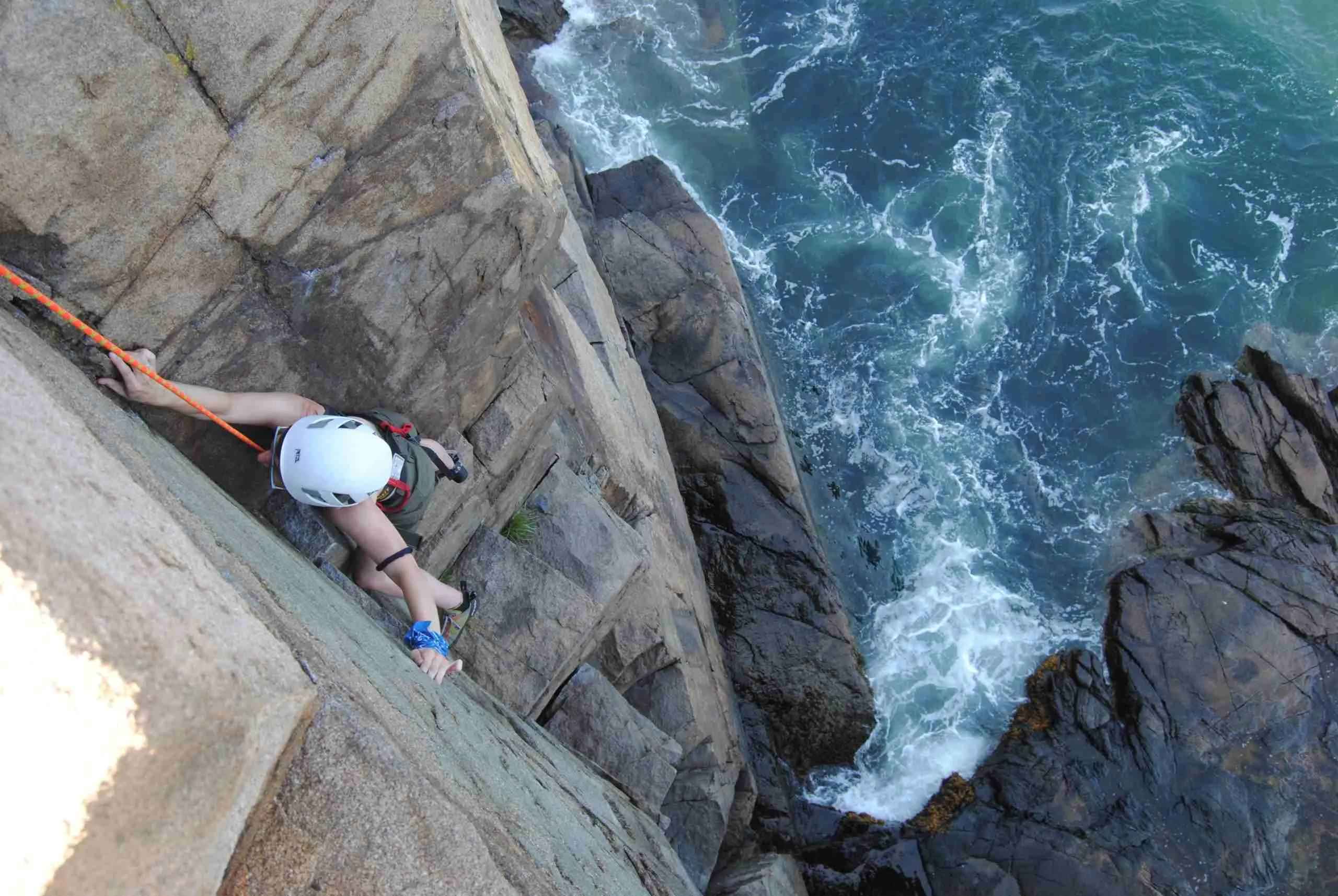
Understanding seasonal variations is crucial for any comprehensive acadia rock climbing guide, as each season offers distinct advantages and challenges for climbing enthusiasts. Maine's coastal climate creates unique conditions that significantly impact climbing quality and safety throughout the year.
Spring Climbing (April - May)
Spring represents both opportunity and challenge in Acadia climbing. The Precipice Trail closure for peregrine falcon nesting begins in April, but the South Wall remains accessible. Temperature fluctuations create ideal climbing conditions on sunny days, with granite warming quickly while air temperatures remain comfortable.
During my spring climbing seasons, I've found early morning starts essential for maximizing stable weather windows. Afternoon fog banks are common, particularly in May, often rolling in without warning. The benefit of spring climbing includes fewer crowds and spectacular wildflower displays along approach trails. However, gear selection must account for rapid temperature changes, with layering systems proving essential for comfort and safety.
Summer Peak Season (June - August)
Summer provides the most reliable weather for acadia rock climbing guide adventures, but also brings maximum crowds and heat challenges. The Precipice area reopens in late August, significantly expanding route options. Ocean breezes moderate temperatures on coastal cliffs, making Otter Cliffs particularly appealing during hot spells.
Climbing permits become essential during summer months, particularly for groups at Otter Cliffs. Reservations should be made well in advance, as weekend slots fill quickly. Dawn starts have become my preferred strategy for beating crowds and avoiding afternoon heat. The extended daylight hours of Maine summers allow for longer climbing days, but also require careful hydration and sun protection planning.
Fall Excellence (September - October)
Fall represents the pinnacle of Acadia climbing conditions. Stable high-pressure systems provide consistent weather, while cooling temperatures create ideal friction conditions on granite faces. The autumn foliage adds spectacular beauty to already stunning coastal views, making this season particularly rewarding for photography-minded climbers.
My most memorable acadia rock climbing guide experiences have occurred during October visits. The combination of perfect weather, reduced crowds, and enhanced rock friction creates optimal climbing conditions. However, daylight hours decrease rapidly, requiring earlier starts and efficient route selection. Temperature management becomes crucial as morning frost gives way to afternoon warmth.
My Personal Experience Climbing Acadia's Iconic Routes
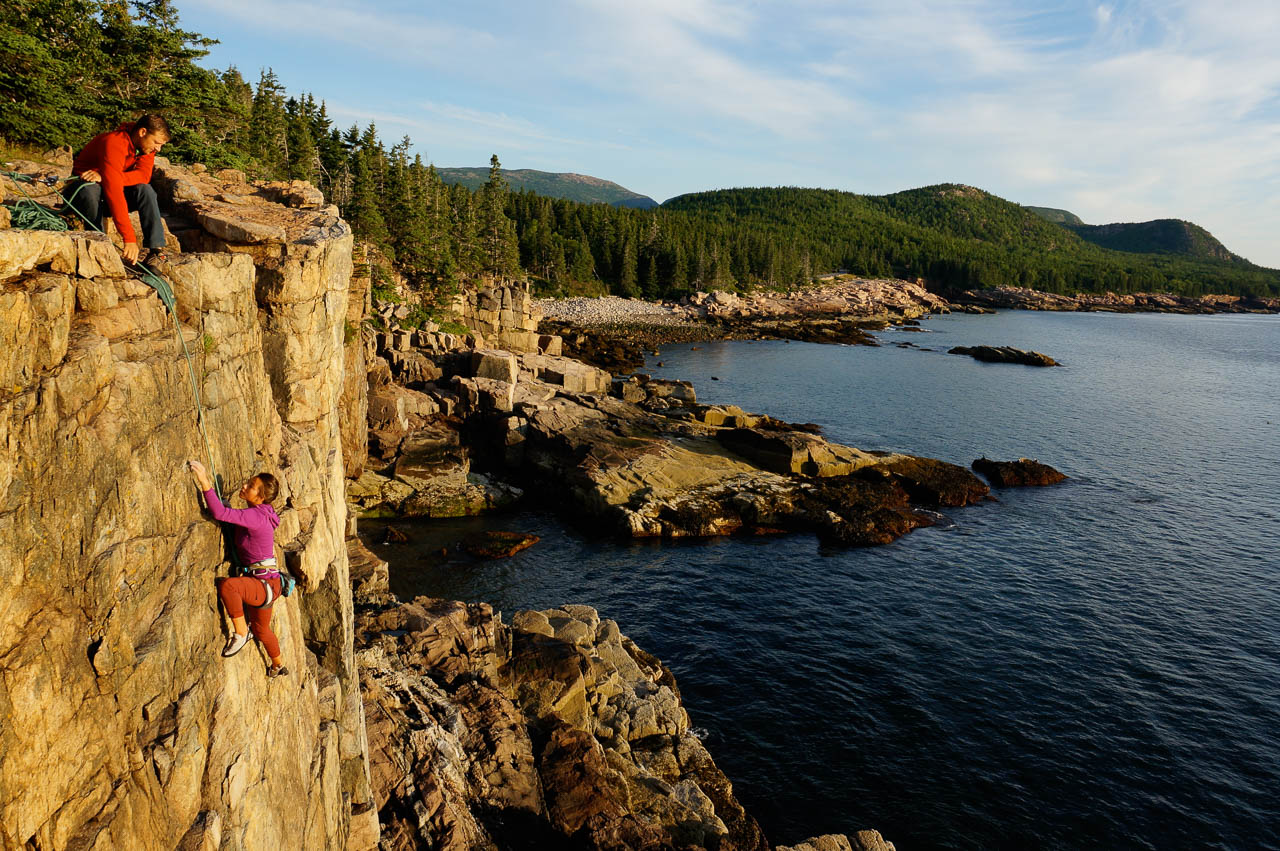
After five years of regular climbing in Acadia, I can confidently say that this acadia rock climbing guide represents not just technical knowledge, but deep personal connection with one of America's premier climbing destinations. Each visit has taught me new lessons about the granite, the weather, and the incredible community of climbers who share this special place.
First Encounters with Otter Cliffs
My first Acadia climbing experience in September 2019 nearly ended in disaster. Approaching Otter Cliffs with typical inland climbing expectations, I underestimated the ocean environment completely. The ranger at the visitor center had warned about tidal conditions, but I dismissed this as overly cautious advice. Within two hours, rising tide and increasing wave action forced an uncomfortable retreat from "Easy Corner," a supposedly beginner-friendly 5.6 route.
That humbling experience taught me the first essential lesson of any acadia rock climbing guide: respect the ocean. During subsequent visits, I've always consulted tide charts and weather forecasts extensively. The investment in a weather radio proved invaluable during my second trip when unexpected fog rolled in during a multi-pitch attempt on the South Wall. Local knowledge and conservative decision-making have become fundamental to my Acadia climbing approach.
Mastering the Classics
Over five seasons, I've completed most of Acadia's classic routes multiple times, each offering new insights and challenges. "Wonderwall" at Otter Cliffs remains my favorite single-pitch route, combining technical interest with spectacular position. The route's crux section, a delicate balance move 40 feet above the ocean, never fails to demand complete focus and commitment.
The multi-pitch routes at the Precipice provided my most significant learning experiences. "Double Trouble," a three-pitch 5.9 route on the South Wall, taught me the importance of efficient anchor management and communication in windy conditions. During my first attempt in 2021, poor rope management and inadequate weather protection led to a miserable retreat. The second successful ascent the following year demonstrated how technical skills and environmental awareness work together in creating successful acadia rock climbing guide adventures.
Lessons from Local Rangers and Guides
The knowledge shared by Acadia rangers and local guides has proven invaluable throughout my climbing journey here. Ranger Sarah Mitchell, whom I've encountered several times at Otter Cliffs, emphasized the importance of understanding local weather patterns and their impact on rock conditions. Her advice about morning fog dissipation patterns has helped me plan successful climbs on days when other parties retreated.
Local guide Jon Tierney from Acadia Mountain Guides shared critical insights about gear selection for the salt air environment during a chance encounter at the South Wall. His recommendation to rinse hardware after each climbing day has significantly extended my equipment life. These interactions highlight the importance of remaining open to local knowledge, regardless of previous climbing experience elsewhere.
Planning Your Acadia Rock Climbing Trip
Successful acadia rock climbing guide implementation requires careful planning that extends beyond route selection and gear preparation. The unique logistics of climbing in a popular national park, combined with limited accommodation options and seasonal variables, demand advance preparation for optimal experiences.
Accommodation and Base Camp Strategy
Bar Harbor serves as the primary base for most Acadia climbing adventures, offering the closest accommodation options to major climbing areas. However, summer reservations book months in advance, and prices reflect the area's tourism popularity. I've found that booking accommodations in nearby towns like Ellsworth or Northeast Harbor often provides better value while adding only 15-30 minutes to approach times.
Blackwoods and Seawall campgrounds within the park offer the most economical options, but reservations are essential during peak season. The campgrounds provide excellent access to both coastal and inland climbing areas, though gear security requires attention due to the public nature of these facilities. During my 2022 camping season, proper gear organization and locking storage prevented several potential theft situations I observed affecting other climbers.
Transportation and Gear Management
Acadia's climbing areas are accessible via the Park Loop Road system, but parking fills quickly during summer months. Early starts become essential not just for optimal climbing conditions, but for securing parking spaces. I've learned to arrive at Otter Cliffs by 7 AM during July and August to guarantee parking availability.
Gear transportation requires special consideration for Acadia's salt air environment. I use sealed plastic containers for critical hardware and rinse all metal gear after each climbing day. The investment in corrosion-resistant gear pays dividends in equipment longevity. Regular maintenance schedules become more important than typical inland climbing scenarios due to accelerated wear from ocean exposure.
Permits and Regulations
Understanding Acadia's climbing regulations is essential for any acadia rock climbing guide compliance. Groups of six or more require permits for Otter Cliffs climbing between Memorial Day and Labor Day. The permit system manages crowding and environmental impact, but requires advance planning as popular weekend slots fill quickly.
Group size limitations apply to all climbing areas within the park, with maximum group sizes of 12 people including guides. Commercial guiding requires special permits, and regulations change periodically. I recommend checking current regulations with park headquarters before each visit, as enforcement has increased significantly in recent years due to growing climbing popularity.
Essential Planning Checklist
- Check climbing area closures and seasonal restrictions
- Reserve camping or accommodation well in advance
- Obtain necessary permits for group climbing
- Verify tide charts and weather forecasts
- Plan gear maintenance schedule for salt air exposure
- Research current route conditions and access changes
- Prepare emergency communication and evacuation plans
Frequently Asked Questions
What is the best time of year for rock climbing in Acadia National Park?
Fall (September-October) offers the best overall conditions for acadia rock climbing guide adventures, with stable weather, excellent friction conditions, and reduced crowds. Spring provides good conditions but requires careful attention to falcon nesting closures. Summer offers the most daylight and warmest temperatures but brings maximum crowds and heat challenges. Winter climbing is possible but requires specialized ice climbing skills and equipment for most routes.
Do I need special permits to rock climb in Acadia National Park?
Individual climbers and small groups (under 6 people) do not need permits for most climbing areas. However, groups of 6-12 people require advance permits for Otter Cliffs climbing between Memorial Day and Labor Day. Commercial guides need special use permits. All climbers must follow Leave No Trace principles and respect seasonal closures for wildlife protection. Registration is required at certain climbing areas through logbooks maintained by the park service.
What difficulty levels are available for beginner rock climbers in Acadia?
Acadia offers excellent beginner climbing opportunities with numerous routes in the 5.4-5.7 range. Otter Cliffs features "Easy Corner" (5.6) and other beginner-friendly routes. South Bubble provides several excellent beginner routes with shorter approaches. The Precipice South Wall offers "Beginners' Luck" (5.5) when open. Most beginner routes are single-pitch, reducing complexity while building skills. Hiring a local guide for first visits is highly recommended for route finding and safety instruction.
How do tides affect rock climbing at Otter Cliffs and other coastal areas?
Tidal conditions significantly impact coastal climbing safety and accessibility in any comprehensive acadia rock climbing guide. High tide reduces escape routes, increases wave action, and can soak lower sections of routes. Plan climbs to start at least 2-3 hours before high tide for safe completion. Check NOAA tide charts before each climbing day. Storm surge and large wave events can make climbing dangerous even during normal tidal conditions. Great Head and other remote coastal areas require especially careful tide planning due to limited escape routes.
What should I know about gear corrosion from salt air in Acadia?
Salt air accelerates corrosion of climbing hardware, requiring increased maintenance attention. Rinse all metal gear with fresh water after each climbing day, particularly carabiners, cams, and pitons. Inspect fixed protection carefully before use, as salt exposure degrades anchor strength over time. Store gear in sealed containers when possible to minimize exposure. Stainless steel and titanium components show better corrosion resistance than standard aluminum and steel. Consider bringing backup protection for critical safety applications due to accelerated wear rates in the marine environment.
Are there guided climbing services available in Acadia National Park?
Several AMGA-accredited guide services operate in Acadia, including Acadia Mountain Guides, Atlantic Climbing School, and Equinox Guiding Service. These services offer instruction for all skill levels from beginner to advanced technical climbing. Guided services provide all necessary equipment and local expertise about route conditions, weather patterns, and safety considerations. Booking in advance is essential during peak season. Guided instruction is particularly valuable for first-time Acadia visitors to learn local conditions and route finding skills safely.
Conclusion
This comprehensive acadia rock climbing guide represents five years of personal experience, research, and community knowledge sharing aimed at helping climbers safely enjoy one of America's premier climbing destinations. From the iconic sea cliffs of Otter Cliffs to the technical challenges of the Precipice, Acadia National Park offers world-class granite climbing in a spectacular coastal setting.
The key to successful Acadia climbing lies in respecting the unique challenges of the coastal environment while embracing the incredible opportunities it provides. Understanding tidal patterns, weather systems, and seasonal closures enables climbers to maximize their experiences while minimizing risks. Proper gear selection and maintenance, informed by the corrosive effects of salt air, ensures both safety and equipment longevity.
Whether you're attempting your first outdoor climb on the beginner-friendly routes at South Bubble or pushing your limits on the advanced routes at Great Head, Acadia rewards preparation, respect, and patience. The climbing community here embodies the best traditions of the sport, sharing knowledge freely and maintaining the delicate balance between access and conservation that keeps these areas available for future generations.
Remember that every acadia rock climbing guide adventure contributes to your growth as a climber and your connection to this special place. The lessons learned on Acadia's granite faces – about weather assessment, risk management, and environmental stewardship – apply to climbing destinations worldwide. More importantly, the sense of accomplishment and natural beauty experienced here creates memories that last far beyond any single climbing season.
As you plan your own Acadia climbing adventures, carry forward the responsibility to climb safely, protect the environment, and share knowledge with fellow climbers. The future of climbing access in Acadia depends on each visitor's commitment to Leave No Trace principles and respectful interaction with this remarkable landscape. May your granite adventures be both challenging and safe, creating stories and skills that enhance your lifelong climbing journey.
For more outdoor adventure guides and climbing resources, visit Wilderness Paths. External references include NPS Acadia Climbing Information and Mountain Project Route Database.