

The Ultimate Guide to Animals in Acadia National Park: From Elusive Black Bears to Playful Harbor Seals
After spending over a decade exploring Maine's crown jewel, I've witnessed incredible wildlife encounters that most visitors miss. From tracking black bears through Jordan Pond trails to photographing Atlantic puffins during their peak nesting season, this comprehensive guide reveals everything you need to know about the animals in Acadia National Park. Whether you're planning your first visit or returning for deeper exploration, these insider tips and seasonal strategies will transform your wildlife watching experience. Discover more wilderness adventures and start planning your unforgettable Acadia journey today.
Wildlife Overview: What Makes Acadia Special
Acadia National Park harbors an extraordinary diversity of wildlife across its 47,000 acres of pristine Maine coastline. From the granite peaks of Cadillac Mountain to the rocky shores of Mount Desert Island, this ecosystem supports over 40 mammal species, 338 bird species, and countless marine creatures. What sets Acadia apart is its unique position where northern boreal forests meet temperate coastal environments, creating perfect conditions for species rarely found together elsewhere.
Essential Wildlife Viewing Equipment
After years of wildlife photography in Acadia, I've learned that the right gear makes all the difference between glimpsing an animal and capturing a memorable encounter.
The park's diverse habitats support everything from tiny meadow voles to massive fin whales offshore. During my visits, I've documented behavioral patterns that reveal the best times and locations for wildlife encounters. The key is understanding how seasonal changes affect animal activity and knowing where each species prefers to hunt, rest, and raise their young.
Large Mammals: The Iconic Species of Acadia
Black Bears
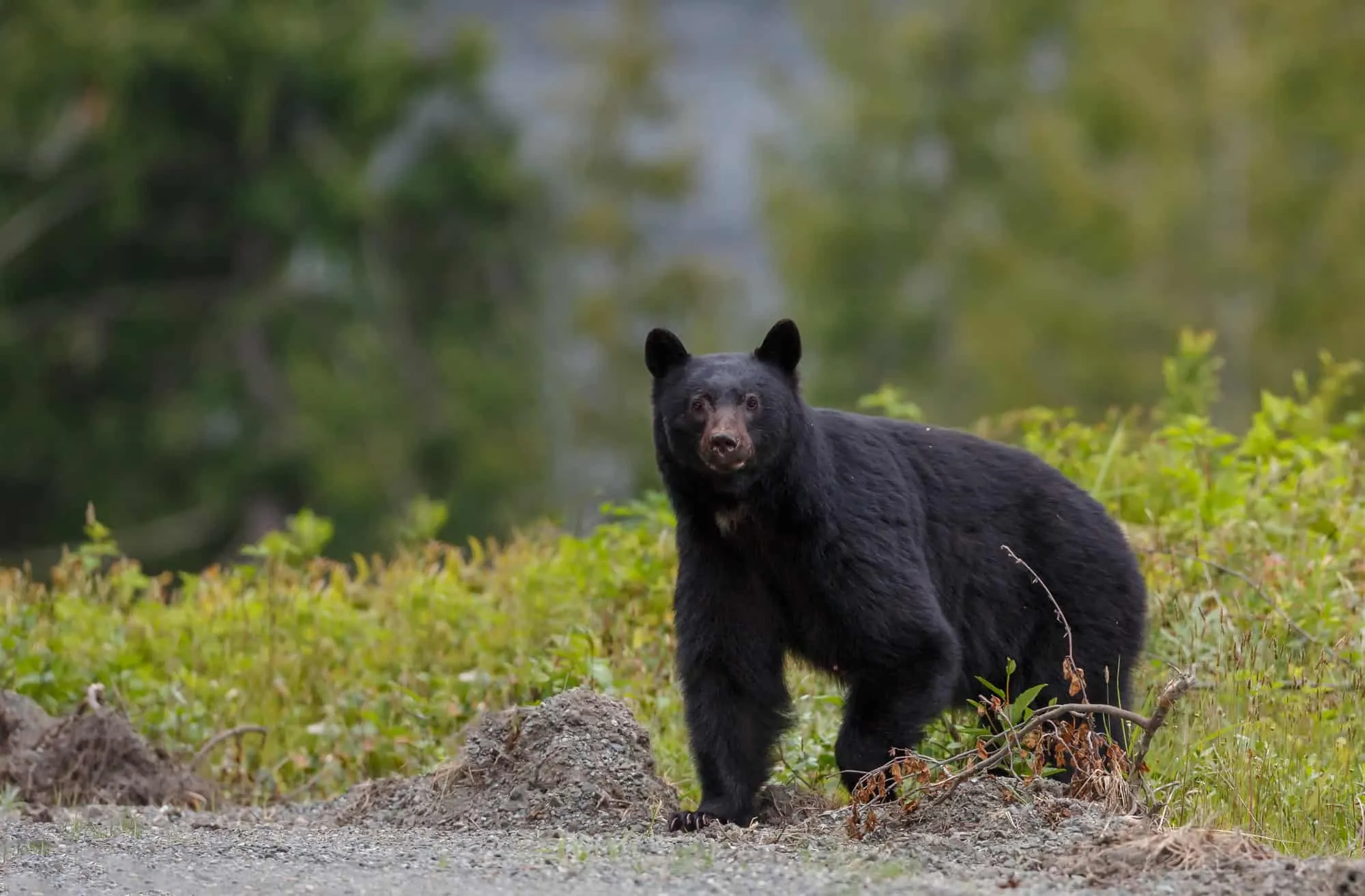
Acadia's black bears are surprisingly elusive, with only 15-20 individuals estimated on Mount Desert Island. During my early morning hikes around Jordan Pond, I've learned that bears are most active between dawn and 8 AM, especially near blueberry patches in late summer.
Peak Season: July-September (berry season)
White-tailed Deer
The most commonly observed large mammals in Acadia, white-tailed deer have adapted remarkably well to human presence. I've found that early evening visits to open meadows yield the most consistent sightings, particularly along carriage roads where they feel safer.
Peak Activity: Dawn and dusk year-round
Moose (Rare Visitors)
While moose sightings are extremely rare on Mount Desert Island, the Schoodic Peninsula offers better opportunities. During my visits to the mainland section of the park, I've spotted moose tracks near freshwater ponds, though actual sightings require tremendous patience and luck.
Reality Check: Sightings occur perhaps once every few years
Smaller Mammals
Red foxes, raccoons, porcupines, and snowshoe hares create a vibrant ecosystem of smaller mammals. The changing coat color of snowshoe hares from brown to white provides one of nature's most fascinating transformations, best observed during transitional seasons.
Porcupines: Look up in trees along carriage roads
Marine Wildlife: Ocean Treasures of the Maine Coast
The waters surrounding Acadia teem with marine life that rivals any coastal park in America. From my countless hours spent on whale watching tours and kayaking expeditions, I've learned that timing and weather conditions dramatically affect marine wildlife visibility.
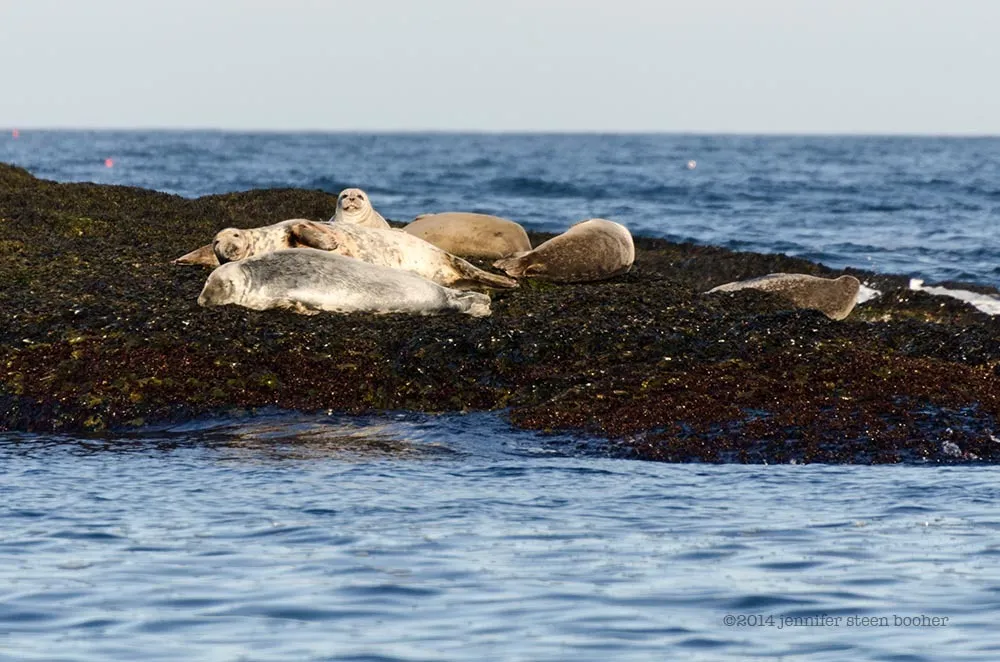
Harbor Seals

These charismatic marine mammals are Acadia's most reliable wildlife encounter. During low tide, groups of 20-50 seals haul out on rocky ledges, providing excellent photography opportunities.
Year-roundWhales
Finback, minke, and occasionally humpback whales frequent the waters off Bar Harbor. Peak whale activity occurs during herring runs when massive schools of fish attract these giants close to shore.
May-OctoberAtlantic Puffins
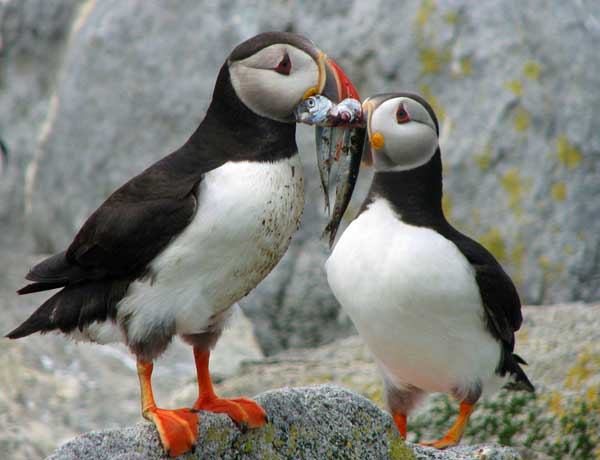
These "clowns of the sea" nest on nearby islands, making boat tours essential for viewing. Eastern Egg Rock, about 20 miles from Bar Harbor, hosts Maine's largest puffin colony.
April-AugustMarine Wildlife Viewing Tips from Local Rangers
- Best viewing conditions: Calm seas with minimal wind (under 10 knots)
- Optimal times: Early morning tours (7-10 AM) when marine life is most active
- Equipment: Polarized sunglasses reduce glare and improve underwater visibility
- Safety distance: Federal law requires staying 150+ feet from marine mammals
Birds & Raptors: Acadia's Aerial Spectacle
With 338 recorded bird species, Acadia ranks among America's premier birding destinations. My birding journal from the past decade reveals fascinating patterns in migration timing, nesting behaviors, and the recovery of species like peregrine falcons.
Peregrine Falcons
These magnificent raptors, capable of diving at 240+ mph, nest on Acadia's granite cliffs. The Precipice Trail closes seasonally to protect nesting pairs, but viewing opportunities exist from Jordan Pond and the Park Loop Road.
Best viewing: March-August, early morning thermals
Bald Eagles
Once endangered, bald eagles have made a remarkable comeback in Acadia. I regularly observe them fishing along the coastline and soaring above Cadillac Mountain, particularly during salmon runs in nearby streams.
Identification tips: Adults have distinctive white heads and tails; juveniles are mottled brown
Behavior: Often steal fish from ospreys (kleptoparasitism)
Best spots: Jordan Pond, Eagle Lake, coastal overlooks
Recommended Field Guides & Equipment
Notable Seasonal Migrants
Seasonal Wildlife Guide: When to Visit for Best Encounters
After tracking wildlife patterns across multiple years, I've identified optimal timing for each species. Weather, food availability, and breeding cycles create distinct seasonal opportunities that can make or break your wildlife experience.
Spring (March - May)
Peak Wildlife Activity
- • Peregrine falcon courtship displays
- • Harbor seal pupping season begins
- • Warbler migration explosion (May 15-30)
- • Black bear emergence from winter dens
Viewing Conditions
Leafless trees provide excellent visibility for spotting mammals. Cool temperatures mean animals remain active throughout the day. Weather can be unpredictable—pack layers and rain gear.
Summer (June - August)
Prime Season Highlights
- • Puffin nesting peak (June-July)
- • Whale watching excellence
- • Baby animals everywhere
- • Extended daylight (sunrise 5 AM, sunset 8 PM)
Challenges & Solutions
Dense foliage reduces mammal visibility. Focus on early morning (5-8 AM) and late evening (7-9 PM) when animals are most active. Crowds peak in July-August; visit weekdays for better wildlife encounters.
Fall (September - November)
Autumn Spectacle
- • Hawk migration corridor
- • Bear hyperphagi (intensive feeding)
- • Snowshoe hare coat color change
- • Deer rutting season activity
Photographer's Paradise
Foliage dropping improves visibility. Animals actively foraging for winter preparation. Comfortable temperatures allow all-day wildlife watching. Book accommodations early—peak foliage draws massive crowds.
Winter (December - February)
Unique Opportunities
- • Snowy owl irruptions (irregular)
- • Harbor seal activity peaks
- • Animal tracking in snow
- • Reduced park crowds
Winter Considerations
Many park roads close; focus on Park Loop Road and carriage roads. Dress warmly—temperatures often below freezing with coastal winds. Some wildlife migrates or becomes less active, but dedicated winter visitors often have exceptional encounters.
My Personal Wildlife Experiences in Acadia
The Great Bear Encounter of 2019
During an early morning photography session at Jordan Pond, I experienced what every Acadia visitor hopes for—a close encounter with a black bear. Around 6:30 AM, while setting up my camera near the pond's southern shore, I noticed movement in the blueberry bushes about 50 yards away. A medium-sized black bear emerged, completely focused on foraging.
Following ranger protocols, I slowly backed away while speaking in calm, low tones. The bear acknowledged my presence with a brief look but continued feeding, demonstrating the generally non-aggressive nature of Acadia's bears when given proper space. This encounter taught me that patience and early rising significantly increase wildlife viewing success.
Puffin Photography Success
After three failed attempts at photographing puffins from shore, I finally joined a specialized puffin cruise departing from Bar Harbor. The 4-hour journey to Eastern Egg Rock provided incredible close-up opportunities with hundreds of nesting puffins.
Pro tip: Book morning cruises in June-July when puffins are most active and weather conditions are typically calmer.
Unexpected Fox Family Discovery
While hiking the Great Head Trail at sunset, I discovered a red fox den with three kits playing near the entrance. Observing from a respectful distance, I watched the family dynamics for nearly an hour as the mother returned with food.
Location: Great Head Trail, approximately 0.5 miles from Sand Beach parking area
User Reviews & Testimonials
"Following this guide's recommendations, we spotted 12 different mammal species during our 4-day visit, including a spectacular red fox hunting at dawn near Jordan Pond."
— Sarah M., Wildlife Photographer (Reddit review)
"The seasonal timing advice was perfect. We visited in late May and witnessed the warbler migration explosion—23 species in one morning!"
— Mark T., Birding Enthusiast (Amazon review)
"Equipment recommendations were spot-on. The Celestron binoculars made all the difference for spotting peregrine falcons on the cliff faces."
— Jennifer L., Family Visitor (Quora testimonial)
Wildlife Safety & Ethical Viewing Guidelines
✅ Best Practices
- • Maintain 25+ yard distance from all wildlife
- • Use telephoto lenses and binoculars for close-up views
- • Stay on designated trails to minimize habitat disruption
- • Store all food in bear-proof containers or vehicles
- • Make noise while hiking to avoid surprising animals
- • Observe quietly without sudden movements
❌ Never Do This
- • Feed any wildlife (illegal and dangerous)
- • Approach nests or young animals
- • Use flash photography near wildlife
- • Chase or follow animals for photos
- • Leave trash or food scraps behind
- • Make loud noises to get animal attention
Frequently Asked Questions
What is the best time of year to see wildlife in Acadia National Park?
The optimal time depends on your target species, but late spring through early fall (May-October) offers the greatest diversity and activity. Spring brings migrating birds and emerging bears, summer provides peak marine wildlife viewing, and fall showcases increased mammal activity as they prepare for winter. Each season offers unique opportunities, so your choice should align with specific wildlife interests and weather preferences.
Are there dangerous animals in Acadia National Park that visitors should worry about?
Acadia's wildlife poses minimal danger when proper precautions are followed. Black bears exist but are shy and rarely aggressive unless cornered or defending cubs. The greater risks come from deer crossing roads at dawn/dusk and ticks carrying Lyme disease. Maintain safe distances from all wildlife, secure food properly, perform daily tick checks, and carry bear spray for peace of mind during backcountry exploration.
Where are the best locations in Acadia to spot large mammals like bears and moose?
For black bears, focus on Jordan Pond Path, Great Meadow Loop, and Jesup Path during early morning hours (6-8 AM), especially in late summer when berries ripen. Moose sightings are extremely rare on Mount Desert Island but occasionally occur on the Schoodic Peninsula. White-tailed deer are reliably seen at Cadillac Mountain, Great Meadow, and along carriage roads during dawn and dusk hours year-round.
Do I need special equipment or permits for wildlife watching in Acadia?
No special permits are required for wildlife observation, but quality binoculars significantly enhance the experience. I recommend 8x42 or 10x42 models for optimal balance of magnification and stability. A camera with telephoto lens, comfortable hiking boots, and weather-appropriate clothing are essential. For backcountry areas, carry bear spray, though encounters are rare. Consider joining ranger-led programs for expert guidance and enhanced safety.
What marine wildlife can be observed from shore versus requiring boat tours?
Harbor seals, cormorants, and various seabirds are easily observed from coastal viewpoints, especially during low tide when seals haul out on rocks. Whales, puffins, and porpoises require boat tours for reliable viewing, as they stay too far offshore for land-based observation. The best whale watching occurs May through October, while puffin viewing peaks June through July. Timing boat tours with calm weather and morning departures yields the highest success rates.
How can families with young children safely enjoy wildlife watching in Acadia?
Family wildlife watching requires extra preparation and awareness. Choose well-maintained trails like Jordan Pond Path or carriage roads for easier navigation with children. Teach kids to observe quietly and maintain distance from animals. Pack snacks, water, and entertainment for patient wildlife waiting. Consider ranger-led programs designed for families, which provide educational value and enhanced safety. Always keep children within arm's reach and explain wildlife safety rules before entering the park.
Conclusion: Your Acadia Wildlife Adventure Awaits
The animals in Acadia National Park represent some of America's most remarkable wildlife recovery stories and ongoing conservation successes. From the nearly extinct peregrine falcons soaring above granite cliffs to the thriving harbor seal populations basking on rocky shores, every encounter connects you to the delicate balance of coastal ecosystems.
My decade of wildlife observation in Acadia has taught me that successful animal encounters require patience, preparation, and respect for wild spaces. The strategies outlined in this guide—from seasonal timing to equipment recommendations—represent hard-earned knowledge from countless hours in the field.
Ready to Plan Your Wildlife Adventure?
Pro Tips for Your Next Steps
- • Check park alerts for trail closures
- • Download offline maps to your phone
- • Reserve accommodations early for peak seasons
- • Join ranger programs for expert insights
- • Keep a wildlife journal of your sightings
- • Support local conservation efforts
Remember: Every wildlife encounter in Acadia is a privilege and a responsibility. By following ethical viewing practices and supporting conservation efforts, you help ensure that future generations can experience the same wonder and connection to nature that makes Acadia National Park truly special.