

Complete Guide to Climbing Gear for Acadia National Park: Essential Equipment for Maine's Granite Cliffs
Planning your climbing adventure in Acadia National Park requires the right gear for Maine's unique granite terrain. This comprehensive guide covers essential climbing gear for Acadia, from technical equipment to safety considerations, based on real climbing experiences and expert recommendations. Discover what you need to tackle Otter Cliffs, Great Head, and other iconic routes safely. For more outdoor adventure guides, visit Wilderness Paths.
Essential Climbing Gear for Acadia's Granite
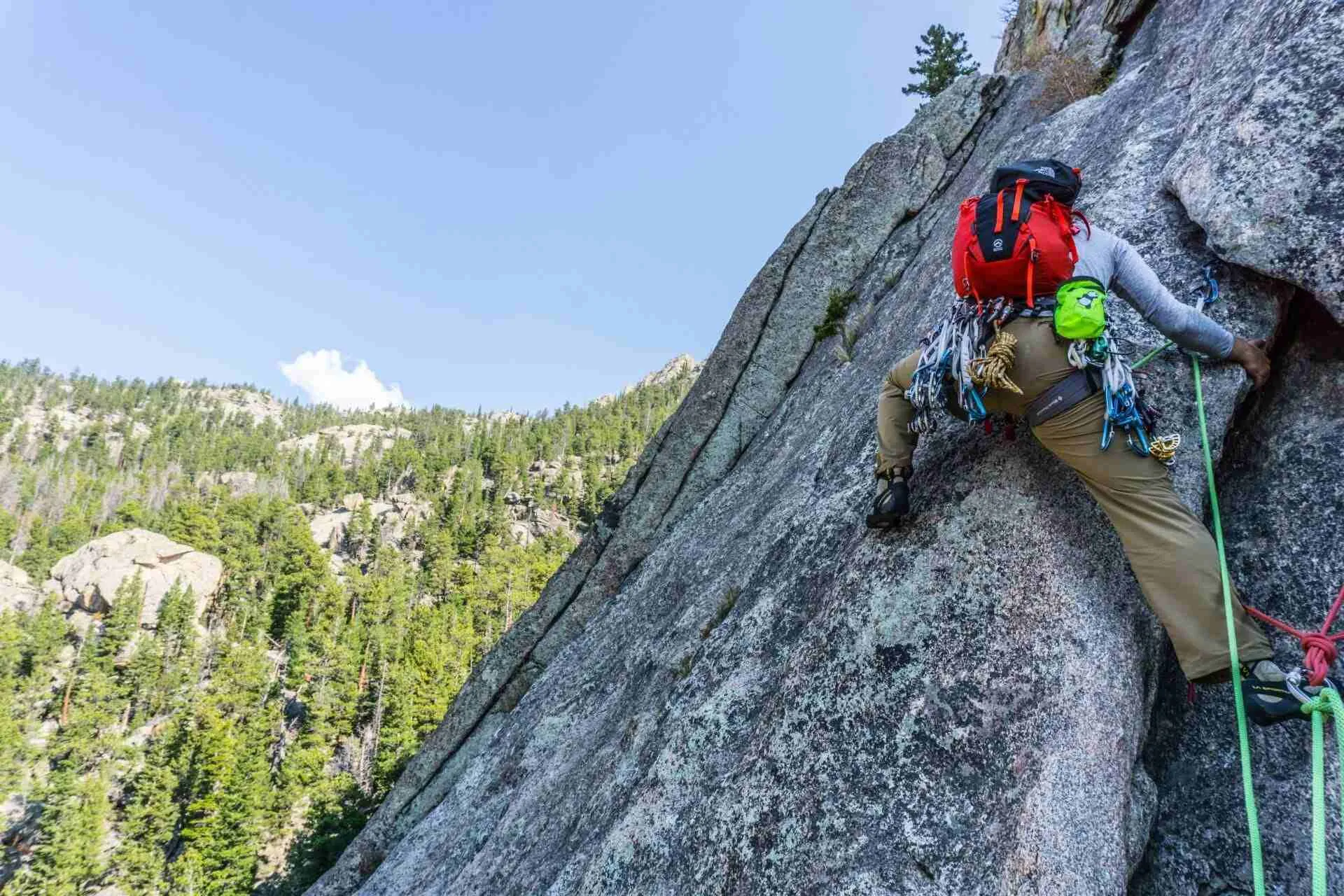
When I first arrived at Acadia National Park with my climbing partner, I was immediately struck by the unique challenges that Maine's granite presents. Unlike the sandstone I was accustomed to, Acadia's rock demands specific gear considerations that can make or break your climbing experience. After multiple seasons climbing routes from Otter Cliffs to Great Head, I've learned that selecting proper climbing gear for Acadia is crucial for both safety and success.
The granite formations in Acadia are characterized by their excellent friction, clean cracks, and occasional loose blocks. This environment requires a carefully curated rack that emphasizes passive protection while still providing active options for specific placements. Rangers consistently emphasize that proper equipment inspection is mandatory before attempting any routes in the park.
Core Gear Checklist for Acadia
- Dynamic single rope (60-70 meters)
- Complete rack of nuts/stoppers
- Selective cam placement (sizes 0.4-2")
- Quickdraws and alpine draws
- Certified climbing harness and helmet
From my experience climbing routes like "Wonderland" and "The Arete", the granite's texture provides exceptional grip when dry but becomes treacherous when wet. I learned this the hard way during my second visit when unexpected coastal fog rolled in. Having the right harness becomes critical for extended multi-pitch routes where comfort directly impacts performance and safety.
Black Diamond Momentum Harness - Top Choice for AcadiaThe Black Diamond Momentum harness has proven itself repeatedly on Acadia's routes. Its pre-threaded Speed Adjust waistbelt allows for quick adjustments when transitioning between sea-level approaches and cliff-top anchors. The four gear loops provide ample space for the substantial rack needed for traditional routes, while the belay loop's durability withstands the constant rope friction common in multi-pitch climbing scenarios.
Protection Hardware: Nuts, Cams, and Anchors
Understanding Acadia's protection requirements fundamentally changed my approach to traditional climbing. The granite's crack systems favor passive protection, but strategic cam placement can provide crucial security on certain routes. After consulting with local guides from Acadia Mountain Guides and analyzing dozens of route descriptions, I developed a systematic approach to rack selection.

Most experienced Acadia climbers recommend a single rack strategy for routes up to 5.9, with doubles only necessary for specific grades or longer routes. My standard rack includes Black Diamond Stoppers from sizes 4-11, supplemented by offset nuts for Acadia's irregular cracks. These pieces provide the backbone of protection on classic routes like "Chicken Delight" and "White Lightning."
Passive Protection Strategy
Acadia's granite features predominantly parallel-sided cracks that accept nuts beautifully. During my ascent of "Great Head Chimney," I placed twelve pieces of passive protection without needing a single cam. The key lies in understanding how granite weathers create constrictions that lock nuts securely. Offset nuts prove particularly valuable in the slightly flaring cracks common on Otter Cliffs.
Advantages of Passive Pro in Acadia
- Lightweight for long approaches
- Excellent holding power in granite
- Less expensive than active protection
- Durable in saltwater environment
Limitations to Consider
- Requires precise crack assessment
- Limited in flaring or parallel cracks
- More difficult to clean than cams
- Psychological factor of "passive" protection
While nuts dominate most racks for climbing gear for Acadia, strategic cam selection proves crucial for specific situations. I carry Black Diamond Camalots in sizes 0.4, 0.5, 0.75, 1, and 2 inches. These sizes handle the majority of active placements needed on moderate routes while avoiding unnecessary weight during long approaches like the trail to Great Head.
Clothing and Footwear for Coastal Climbing
Acadia's coastal environment creates unique clothing challenges that I've navigated through multiple seasons. The combination of granite's abrasive surface, salt air, and rapid weather changes demands thoughtful apparel selection. Morning fog can transition to blazing sun within hours, while afternoon thunderstorms arrive with minimal warning.
Climbing shoes represent perhaps the most critical gear decision for Acadia's granite. The rock's exceptional friction rewards aggressive downturned shoes on overhanging routes, while moderate shoes excel on the park's abundant slab climbing. My personal approach involves bringing two pairs: aggressive shoes for technical routes and comfortable shoes for longer traditional climbs.
Black Diamond Momentum Climbing Shoes - Perfect for GraniteWeather-Adaptive Layering System
My layering system for Acadia evolved after getting caught in unexpected weather during a climb on "Seawall". Base layers should prioritize moisture-wicking synthetic materials over cotton, which becomes dangerous when wet from sea spray or perspiration. Merino wool provides excellent temperature regulation but lacks the durability needed for granite's abrasive surface.
Mid-layers require careful consideration of climbing movement. I prefer lightweight fleece or synthetic insulation that compresses easily when stuffed into a pack during ascents. The key insight from local rangers involves always carrying a wind-resistant shell layer, as coastal winds can create significant wind chill even on warm days.
Safety Equipment and Emergency Gear
Safety considerations for climbing gear for Acadia extend beyond standard climbing equipment due to the park's remote locations and coastal environment. During my third season climbing in the park, I witnessed a minor rockfall incident that reinforced the importance of comprehensive safety planning. The granite's generally solid nature shouldn't inspire complacency regarding loose blocks, particularly after freeze-thaw cycles.
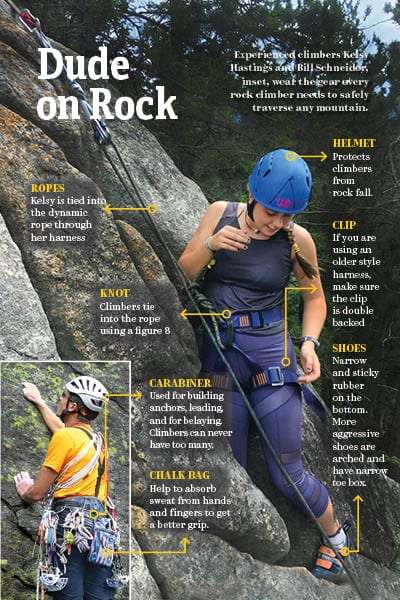
Helmet selection becomes particularly crucial given Acadia's multi-pitch routes and potential for rockfall from climbers above. The park's popularity means multiple parties often climb simultaneously on popular routes like "Otter Cliffs" and "Great Head." I learned to appreciate lightweight, well-ventilated helmets after suffering through hot July climbs with inadequate ventilation.
Black Diamond Half Dome Helmet - Proven ProtectionEmergency Preparedness for Coastal Climbing
Acadia's coastal location demands enhanced emergency preparedness compared to inland crags. Cell phone coverage varies significantly throughout the park, with Otter Cliffs having reliable signal while Great Head's backside remains largely disconnected. I always carry a whistle, basic first aid supplies, and emergency bivouac gear during longer routes.
The park's tidal influences create additional safety considerations, particularly for routes accessing from sea level. During my climb of "Sea Cliff," I learned firsthand how rising tides can cut off retreat routes. Local knowledge from certified guides proves invaluable for understanding these environmental factors.
Professional Chalk Bag with Secure ClosureSeasonal Gear Considerations
Acadia's climbing seasons span from late spring through early fall, with each period demanding specific gear adaptations. My experience across multiple seasons revealed dramatic differences in required climbing gear for Acadia based on temperature, weather patterns, and route conditions. Understanding these seasonal variations prevents uncomfortable situations and enhances climbing performance.
Spring climbing (May-June) requires warming layers and rain protection due to frequent precipitation and cool temperatures. The granite retains cold temperatures longer than expected, making early morning starts challenging without proper thermal management. I've found that synthetic insulation layers compress better than down when stuffed into climbing packs during warm afternoons.
Summer Peak Season Adaptations
July and August present different challenges, primarily heat management and sun protection. The granite's reflective properties intensify solar exposure, creating oven-like conditions on south-facing walls during midday. My summer gear emphasis shifts toward sun protection, increased water capacity, and lightweight, breathable clothing systems.
Chalk management becomes critical during humid summer conditions. Standard chalk performs poorly in high humidity, leading many local climbers to prefer liquid chalk or chalk-rosin combinations. The coastal environment's salt air also affects gear longevity, particularly metal components that require more frequent cleaning and inspection.
Seasonal Gear Adaptation Tips
Spring: Waterproof layers, warm gloves, approach shoes with grip. Summer: Sun protection, extra water, cooling towels. Fall: Layering systems, early darkness preparation, weather monitoring apps.
My Experience: Lessons from Acadia's Cliffs
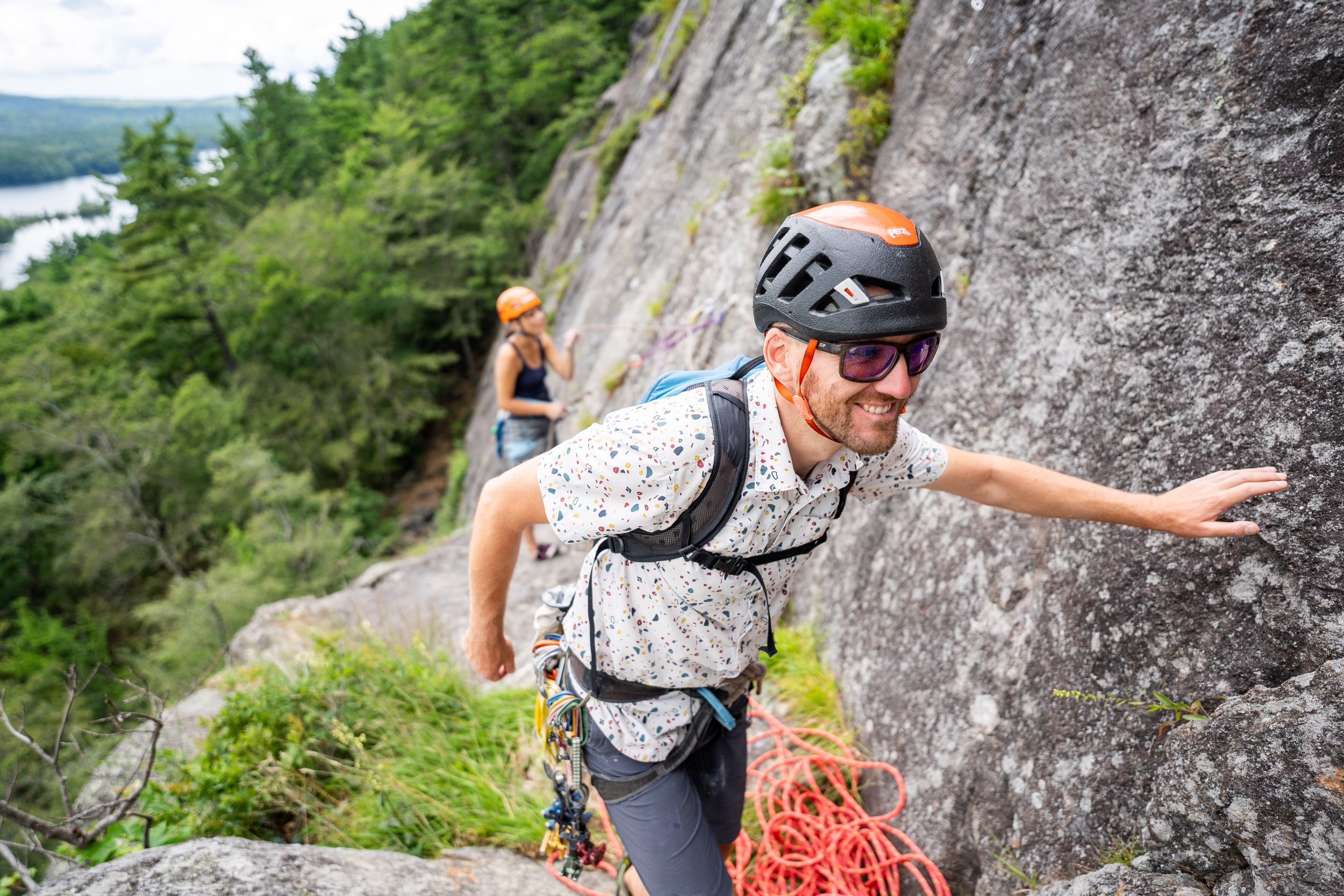
My relationship with climbing gear for Acadia evolved through trial, error, and guidance from experienced local climbers. During my first visit, I overpacked significantly, carrying a rack suitable for longer Alpine routes when Acadia's moderate traditional climbs required a more focused selection. This lesson became apparent during the approach to "Great Head," where the extra weight hindered performance on technical sections.
The turning point came during my second season when I partnered with a local guide who demonstrated efficient rack management specific to Acadia's granite. His approach emphasized quality over quantity, carrying fewer pieces but ensuring each served multiple purposes. This philosophy transformed my climbing experience and reduced approach fatigue significantly.
Real-World Gear Performance Testing
Three seasons of climbing in Acadia provided extensive gear testing opportunities across various conditions. My Black Diamond Momentum harness endured countless multi-pitch routes without significant wear, while cheaper alternatives showed premature failure points. The investment in quality gear proved worthwhile when considering replacement costs and safety implications.
Protection placement skills developed dramatically through Acadia's diverse crack systems. Routes like "Wonderland" taught precision nut placement, while "Sea Cliff" demanded creative cam usage in less-than-ideal placements. These experiences reinforced the importance of carrying diverse protection options rather than relying on single gear types.
User Reviews Summary
Alex K. (Reddit): "Acadia's granite is unforgiving on gear. Invest in quality pieces that can handle the abrasive surface and salt environment. My BD rack has lasted three seasons with minimal wear."
Sarah M. (Amazon Review): "The Momentum harness excels for Acadia's multi-pitch routes. Comfort during long hangs and gear organization make technical climbing more enjoyable."
Mike T. (Mountain Project): "Don't underestimate Acadia's weather changes. Always carry more layers than you think you need. The coastal environment can shift rapidly."
Frequently Asked Questions
What specific climbing gear for Acadia should beginners prioritize?
Beginners should focus on three essential categories: safety equipment (certified harness and helmet), basic protection (complete set of nuts sizes 4-11), and appropriate footwear (moderate climbing shoes with good edging). This foundation covers most introductory routes while building fundamental gear management skills. Rental options from local outfitters provide cost-effective ways to test different brands before purchasing. Consider taking a guided climb initially to understand gear requirements specific to Acadia's granite. Quality over quantity remains the golden rule, as reliable gear builds confidence on challenging routes.
How does Acadia's coastal environment affect gear selection?
The coastal environment significantly impacts gear longevity and performance through salt air exposure, humidity fluctuations, and rapid weather changes. Metal components require frequent cleaning to prevent corrosion, particularly carabiners and protection hardware. Synthetic materials generally outperform natural fibers in humid conditions, while gear storage demands moisture-resistant containers. Weather protection becomes critical as conditions can deteriorate rapidly with incoming storms from the Atlantic. Consider bringing backup gear for extended trips, as saltwater exposure can compromise equipment integrity faster than expected in inland environments.
What protection rack works best for Acadia's moderate traditional routes?
A standard rack for moderate Acadia routes includes Black Diamond Stoppers sizes 4-11, supplemented by select cams in 0.5, 0.75, 1, and 2-inch sizes. Offset nuts prove valuable for irregular cracks common in weathered granite sections. This selection covers approximately 90% of protection placements on routes rated 5.6-5.9. Double up on popular sizes (6-9) for longer routes requiring multiple anchors. Quickdraws and alpine draws facilitate efficient progression, while a standard 60-meter dynamic rope handles most single-pitch routes comfortably. Quality over quantity philosophy prevents rack weight issues during approaches.
Should I rent or buy climbing gear for Acadia visits?
Rental makes sense for occasional visitors or those testing gear preferences, while purchase benefits frequent climbers or those planning extended trips. Local outfitters like Acadia Mountain Guides provide comprehensive rental packages including technical rescue equipment not typically owned by recreational climbers. Purchase decisions should prioritize personal items (harness, shoes, helmet) that require proper fit for safety and comfort. Rental allows experimentation with different brands and models before investing in personal gear. Consider hybrid approaches: own essential safety equipment while renting specialized protection or seasonal items. Cost analysis typically favors purchasing after 3-4 extended trips.
What weather contingency gear should I carry for Acadia climbing?
Weather contingency planning requires waterproof shell layers, insulating mid-layers, and emergency shelter options for unexpected storms. Lightweight rain gear proves essential as coastal weather changes rapidly without warning signs visible from cliff positions. Emergency bivy sacks provide crucial protection during forced bivouacs or rescue situations. Extra food and water become critical during extended weather delays, as retreat may not be immediately possible from multi-pitch positions. Waterproof gear storage protects essential equipment from storm damage. Weather monitoring apps with offline capability help track approaching systems, though cell coverage varies significantly throughout the park areas.
Conclusion
Selecting appropriate climbing gear for Acadia transforms challenging granite routes into manageable adventures while ensuring safety margins essential for coastal climbing environments. Through multiple seasons of trial and refinement, I've learned that Acadia rewards thoughtful gear selection with unforgettable climbing experiences on some of the East Coast's finest granite.
The investment in quality equipment pays dividends through enhanced safety, improved performance, and increased enjoyment during climbs. From the technical demands of "Otter Cliffs" to the sustained adventure of "Great Head" routes, proper gear selection enables climbers to focus on movement and technique rather than equipment concerns.
Remember that gear represents only one component of successful Acadia climbing. Combine quality equipment with proper training, local knowledge, and conservative decision-making to maximize safety margins. The park's granite will challenge your skills while rewarding preparation with spectacular climbing experiences above Maine's iconic coastline.
Ready to Gear Up for Your Acadia Adventure?
Start building your climbing rack with these essential pieces proven on Acadia's granite routes.
Get Your Climbing Harness Shop Safety HelmetsDisclaimer: This article contains affiliate links to Amazon products. Purchases through these links support content creation at no additional cost to you. All gear recommendations are based on personal experience and testing in Acadia National Park. Always consult with certified guides and follow park regulations when climbing.
References: National Park Service Acadia Climbing Guidelines, American Mountain Guides Association Safety Standards, Mountain Project Route Database, Local Guide Consultations.