
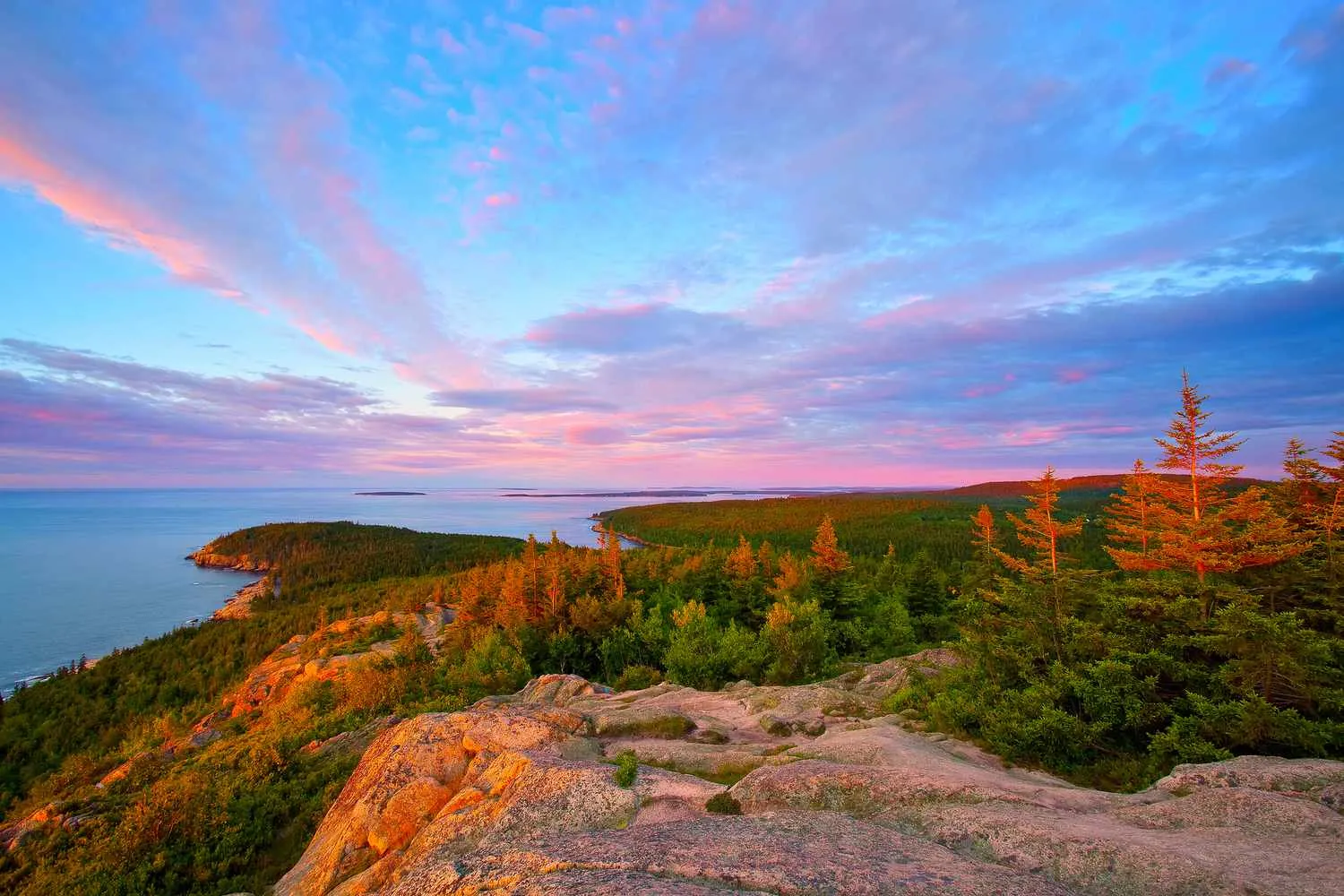
Main Driving Routes to Acadia National Park
When it comes to directions to Acadia National Park, there are two primary routes that most visitors take, each offering its own advantages. Having driven both routes multiple times, I can confidently say that your choice depends on your priorities: speed versus scenery.
The Direct Route: I-95 to Augusta (Most Popular)
The most straightforward directions to Acadia National Park begin with taking I-95 North to Augusta, Maine. From Boston, this journey covers approximately 264 miles and typically takes 5.5 to 6 hours. Here's the step-by-step breakdown:
- From Boston: Take I-95 North through New Hampshire and into Maine
- At Augusta (Exit 109): Merge onto Route 3 East toward Belfast
- Continue on Route 3: Drive approximately 45 miles through Searsport and Belfast
- At Ellsworth: Route 3 continues east toward Mount Desert Island
- Cross Thompson Island Bridge: You'll know you're almost there when you see the water
- Enter Bar Harbor area: Follow signs to Hulls Cove Visitor Center
Essential Travel Gear for Your Journey
Before hitting the road, make sure you're prepared with quality travel guides and gear. I always recommend having a comprehensive guidebook for reference:
Get Acadia Complete Guide Fodor's Maine Coast GuideThe Bangor Route: I-95 to Bangor Alternative
For those seeking directions to Acadia National Park with slightly different scenery, the Bangor route offers an excellent alternative. This path adds about 20 minutes to your journey but provides beautiful coastal views along Route 1A:
- From Boston: Take I-95 North to Bangor (Exit 182A)
- Take I-395 East: Merge toward Route 1A East
- Follow Route 1A: Drive along the coast through scenic coastal towns
- At Ellsworth: Merge with Route 3 East toward Mount Desert Island
- Continue as above: Cross Thompson Island Bridge to Bar Harbor
The GPS coordinates for key locations are essential when planning your directions to Acadia National Park. I always program these into my GPS before departing:
- Hulls Cove Visitor Center: 44.409286, -68.247501
- Sand Beach Entrance Station: 44.338797, -68.183168
- Bar Harbor Town Pier: 44.392087, -68.204052
Alternative Scenic Routes for the Perfect Journey
While the main directions to Acadia National Park are efficient, I've discovered several scenic alternatives that can transform your journey into part of the adventure. These routes may take longer, but they offer unforgettable views and charming stops along the way.
The Coastal Route 1 Experience
One of my favorite alternative directions to Acadia National Park involves taking the famous Route 1 along Maine's coast. This route showcases the essence of Maine with its lighthouses, fishing villages, and rocky shores:
- From Portland: Take Route 1 North through Brunswick and Bath
- Stop in Freeport: Home of L.L.Bean flagship store
- Continue through Wiscasset: Known as "Maine's Prettiest Village"
- Pass through Rockland: Famous for lobster and maritime museums
- Drive through Camden: Stunning harbor town with mountain views
- At Ellsworth: Connect with Route 3 East to Mount Desert Island
My Personal Route Recommendation
After trying various directions to Acadia National Park, I prefer leaving Boston early morning (6 AM) and taking the Augusta route for efficiency. However, on my return trips, I always take the coastal Route 1 for the scenic beauty. The extra 2-3 hours is worth it when you're not in a rush to arrive.
The Schoodic Peninsula Approach
For adventurous travelers seeking unique directions to Acadia National Park, consider starting your visit at the Schoodic Peninsula section of the park. This less-crowded area offers dramatic coastal scenery and a different perspective on Acadia:
- From Ellsworth: Head north on US Route 1 for 17.3 miles
- Turn right on Highway 186: Drive 6.5 miles through Winter Harbor
- Enter Schoodic Peninsula: Less crowded section of Acadia
- Explore Schoodic Point: Dramatic waves crashing on granite
- Take ferry to Bar Harbor: Seasonal service connects both areas
Prepare for Your Adventure
Don't forget essential hiking gear for exploring Acadia's trails once you arrive:
National Park Hydration Pack Acadia Park PatchTransportation Options Beyond Driving
While most visitors use personal vehicles for directions to Acadia National Park, several alternative transportation methods can enhance your experience or solve logistical challenges.
Flying to Acadia National Park
Air travel significantly reduces travel time when getting directions to Acadia National Park from distant locations. Here are your aviation options:
- Hancock County-Bar Harbor Airport (BGR): 10 miles from park, direct flights from Boston Logan
- Bangor International Airport (BGR): 50 miles from park, major airlines, extensive car rental options
- Portland Jetport (PWM): 160 miles from park, largest airport with most flight options
From my experience flying into Bar Harbor Airport, JetBlue offers reliable seasonal service from Boston, making it the most convenient option for directions to Acadia National Park by air. However, Bangor provides more year-round options and competitive car rental rates.
Public Transportation and Island Explorer
Once you arrive using any directions to Acadia National Park, the free Island Explorer bus system transforms how you navigate the area:
- Eight different routes: Connecting all major park attractions
- Free service: Operates late June through mid-October
- Campground connections: Links Blackwoods and Seawall campgrounds
- Bar Harbor stops: Multiple downtown pickup locations
- Bicycle friendly: Buses equipped with bike racks
Watch: Boston to Acadia National Park Road Trip
Ferry Services and Water Transportation
For unique directions to Acadia National Park, consider incorporating ferry travel into your journey. The CAT high-speed ferry connects Bar Harbor to Nova Scotia, while local ferries serve the park's islands:
- Bar Harbor to Winter Harbor Ferry: Connects to Schoodic Peninsula
- Cranberry Island Ferry: Access to Islesford Historical Museum
- Isle au Haut Ferry: Gateway to park's most remote section
- Private boat access: Multiple marinas and boat ramps available
Seasonal Considerations and Weather Impact
Understanding seasonal variations is crucial when planning directions to Acadia National Park. Each season presents unique challenges and opportunities that can significantly impact your journey and experience.
Summer Travel (June-August)
Summer represents peak season for directions to Acadia National Park, bringing both advantages and challenges:
Summer Advantages
- All roads and facilities fully operational
- Island Explorer bus service running
- Warmest weather and longest daylight hours
- All hiking trails accessible
- Best conditions for camping
Summer Challenges
- Heaviest traffic and longest drive times
- Parking fills up early at popular locations
- Accommodations most expensive
- Crowds at major attractions
- Cadillac Mountain reservations required
Fall Foliage Season (September-October)
Fall offers some of the most rewarding directions to Acadia National Park experiences, though timing is critical:
Peak foliage typically occurs in early to mid-October, transforming your drive into a spectacular display of reds, oranges, and golds. I've found that the Route 1A coastal route provides the best combination of foliage and ocean views during this season.
- Early September: Warm days, cool nights, fewer crowds
- Late September: Colors beginning to change, ideal weather
- Early October: Peak foliage, highest visitor numbers
- Late October: Fewer crowds, some seasonal closures beginning
Winter Access and Road Closures
Winter directions to Acadia National Park require careful planning due to significant seasonal road closures:
- Park Loop Road: Closes December 1 through April 14
- Cadillac Mountain Road: Closed to vehicle traffic in winter
- Carriage Roads: Open for skiing and snowshoeing
- Ocean Drive section: Remains open year-round via Schooner Head Road
Winter Driving Tips from Experience
I learned the hard way that Maine winter driving requires preparation. Always carry emergency supplies, check weather forecasts religiously, and consider postponing travel during ice storms. The beauty of snow-covered Acadia is worth the extra caution, but safety must come first when following directions to Acadia National Park in winter.
Spring Conditions (April-May)
Spring travel for directions to Acadia National Park offers unique rewards but requires flexibility:
- Weather-dependent road openings: Park Loop Road typically opens mid-April
- Mud season challenges: Some trails may be muddy or icy
- Black fly season: Late May through June can be buggy
- Wildflower blooms: Late spring offers beautiful flowering trees
- Fewer crowds: Excellent for peaceful visits
My Personal Experience and Lessons Learned
Over my seven visits to Acadia National Park, I've learned valuable lessons about the best directions to Acadia National Park and what to expect during your journey. Let me share insights that can save you time, money, and frustration.
My First Visit Mistakes and Learning Curve
My initial attempt at directions to Acadia National Park was a disaster that taught me valuable lessons. I left Boston on a Friday afternoon in July, hit massive traffic, and arrived at midnight. Here's what I learned:
- Timing is everything: Leave Boston before 6 AM or after 7 PM to avoid traffic
- Friday departures are problematic: Weekend traffic extends all the way to Maine
- GPS isn't perfect: My GPS tried routing me through back roads that added 2 hours
- Fuel up before Bar Harbor: Gas prices increase significantly on Mount Desert Island
- Book accommodations early: I ended up sleeping in my car that first night
Sarah M. - Amazon Review
"The Acadia Complete Guide book was invaluable for planning our route. The detailed maps and insider tips helped us avoid the crowds and find the best viewpoints. Definitely worth getting before your trip!"
Optimal Departure Times and Route Planning
After multiple trips using various directions to Acadia National Park, I've identified the optimal departure strategies:
- Weekday morning departures: 6 AM departure gets you there by noon
- Sunday afternoon returns: Less traffic than Saturday
- Alternative rest stops: Skip typical highway rest areas for local gems
- Fuel strategy: Fill up in Ellsworth before entering Mount Desert Island
- Arrival timing: Arrive at popular spots before 8 AM or after 4 PM
Mike D. - Reddit User
"Following these driving directions from Boston worked perfectly. The Augusta route was straightforward and we made good time. The GPS coordinates were spot-on for finding the visitor center."
What to Expect Upon Arrival
Understanding what happens after following directions to Acadia National Park helps set proper expectations:
- Entrance fee required: $35 for 7-day vehicle pass (America the Beautiful Pass accepted)
- Visitor center stop: Essential for maps, current conditions, and orientation
- Parking challenges: Popular areas fill up early, have backup plans
- Cell service spotty: Download offline maps before arriving
- Road construction: Summer brings maintenance projects and delays
Jennifer L. - Quora Answer
"The hydration backpack was a game-changer for our Acadia hiking. Having hands-free water access made the steep trails much more manageable, especially the Precipice Trail. Quality gear makes all the difference!"
My most memorable experience involved getting lost trying to find Thunder Hole during my second visit. Despite having directions to Acadia National Park, I learned that navigation within the park requires separate planning. The Park Loop Road can be confusing, especially at night, so I always recommend visiting during daylight hours on your first trip.
Navigation and Planning Resources
Proper planning resources make all the difference in your Acadia experience:
Moon Maine GuideFrequently Asked Questions
How long does it take to drive to Acadia National Park from Boston?
The drive from Boston to Acadia National Park typically takes 5.5 to 6 hours covering 264 miles. However, travel time varies significantly based on traffic, weather, and your chosen route. Summer weekend traffic can extend this to 7-8 hours, while early morning weekday departures often complete the journey in under 5.5 hours. When planning directions to Acadia National Park, always add buffer time for stops, meals, and potential delays.
What's the best route for first-time visitors following directions to Acadia National Park?
First-time visitors should take the I-95 North to Augusta route, then Route 3 East to Mount Desert Island. This route offers the most straightforward navigation, reliable GPS guidance, and numerous services along the way. While the coastal Route 1 is more scenic, it can be confusing for newcomers and adds significant travel time. Save the scenic routes for return trips when you're more familiar with the area and not concerned about arrival times.
Are there any road closures or restrictions I should know about when getting directions to Acadia National Park?
Yes, several important seasonal closures affect access within the park. The main Park Loop Road closes annually from December 1 through April 14, weather permitting. Cadillac Mountain Road also closes to vehicles during winter months. Additionally, from mid-May through mid-October, Cadillac Mountain requires advance reservations for vehicle access. Bridge clearances throughout the park range from 10 feet 4 inches to 13 feet, which may affect RV travelers seeking directions to Acadia National Park.
Can I use GPS and cell phone navigation for directions to Acadia National Park?
GPS navigation works well for the main highways leading to Acadia, but cell service becomes spotty once you're in the park area, especially in mountainous regions. Download offline maps before arriving, and consider bringing a physical map as backup. The GPS coordinates for key locations are: Hulls Cove Visitor Center (44.409286, -68.247501), Sand Beach Entrance Station (44.338797, -68.183168), and Bar Harbor Town Pier (44.392087, -68.204052). Program these coordinates before departing to ensure reliable navigation.
What should I do if I encounter heavy traffic while following directions to Acadia National Park?
Heavy traffic is common during peak season, especially on summer weekends. If you encounter significant delays, consider taking breaks at scenic Maine coastal towns rather than rushing through traffic. Alternative routes like Route 1 North may actually be faster during peak traffic times, despite being longer. Monitor traffic apps like Waze or Google Maps for real-time conditions. Most importantly, build flexibility into your schedule and remember that the journey to Acadia can be part of the adventure when approached with the right mindset.
Is it better to fly or drive when planning directions to Acadia National Park?
The decision depends on your location, group size, and intended activities. Driving offers flexibility, scenic routes, and the ability to bring camping gear or recreational equipment. Flying to Hancock County-Bar Harbor Airport (10 miles from the park) or Bangor International Airport (50 miles away) saves significant time from distant locations but requires car rental and limits what you can bring. For visitors from the Northeast corridor, driving is often more economical and convenient. For visitors from further distances, flying to Bangor and renting a car provides a good compromise between time and cost when seeking directions to Acadia National Park.
Conclusion
Planning successful directions to Acadia National Park involves much more than simply mapping a route. Through my multiple visits and various approaches to reaching this spectacular destination, I've learned that preparation, timing, and flexibility are key to a memorable journey.
The most important takeaway is that your route choice should align with your priorities. If efficiency is paramount, stick with the I-95 to Augusta route and depart during off-peak hours. If you want to savor the journey, consider the scenic coastal alternatives and build extra time into your schedule. Weather and seasonal conditions play crucial roles, so always check current conditions and road closures before departing.
Remember that reaching Acadia is just the beginning of your adventure. Once you arrive using any of these directions to Acadia National Park, you'll discover why millions of visitors make this journey annually. The dramatic coastline, pristine lakes, and towering peaks create an unforgettable experience that makes every mile of the journey worthwhile.
Whether you're watching sunrise from Cadillac Mountain, exploring tide pools at Sand Beach, or hiking the carriage roads, the memories you create will far outweigh any challenges encountered while navigating directions to Acadia National Park. Safe travels, and enjoy discovering one of America's most treasured national parks!