
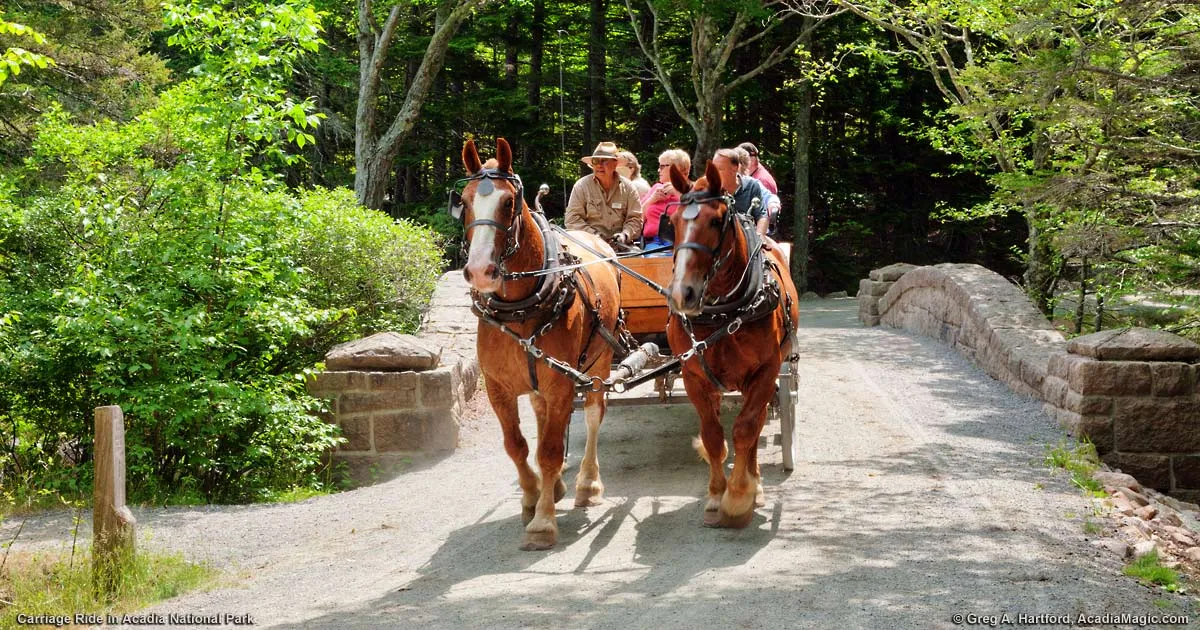
The Ultimate Guide to Horseback Riding Acadia National Park: Trails, Tours ; Expert Tips
Discover the magic of exploring Maine's crown jewel on horseback! As someone who's spent countless hours riding through Acadia's legendary carriage roads, I'll share everything you need to know about horseback riding Acadia National Park. From the historic Rockefeller carriage roads to essential safety gear, this comprehensive guide will help you plan the perfect equestrian adventure. Visit our homepage for more outdoor adventure guides.
Why Choose Horseback Riding in Acadia National Park

When I first considered horseback riding Acadia National Park, I had no idea how transformative the experience would be. Unlike any other national park I've visited, Acadia offers a unique blend of coastal wilderness and meticulously crafted carriage roads that create the perfect setting for equestrian adventures. The park's 45 miles of historic carriage roads, gifted by philanthropist John D. Rockefeller Jr., provide an unparalleled network of horse-friendly trails that wind through some of Maine's most spectacular landscapes.
What sets horseback riding Acadia National Park apart from other outdoor activities is the deep connection you form with both your horse and the natural environment. As I discovered during my multiple visits, riding these carriage roads offers a perspective that hiking simply cannot match. From horseback, you're elevated above the forest floor, giving you better views of wildlife and distant ocean vistas while covering significantly more ground than you could on foot.
The park's equestrian offerings cater to riders of all experience levels, from complete beginners to seasoned equestrians. The well-maintained gravel carriage roads provide stable footing for horses, while the gentle grades make for comfortable riding even for those new to the saddle. During my conversations with park rangers, I learned that the carriage road system was specifically designed with horses in mind, featuring carefully engineered curves and bridges that accommodate equestrian traffic safely.
Beyond the practical advantages, there's something magical about experiencing Acadia's wilderness at the steady pace of a horse. The rhythmic sound of hooves on gravel, the gentle sway of movement, and the opportunity to truly absorb the sights, sounds, and smells of the Maine wilderness create memories that last a lifetime. I've found that horseback riding Acadia National Park allows for a more contemplative and immersive experience compared to the often hurried pace of modern hiking and sightseeing.
Exploring Acadia's Historic Carriage Roads
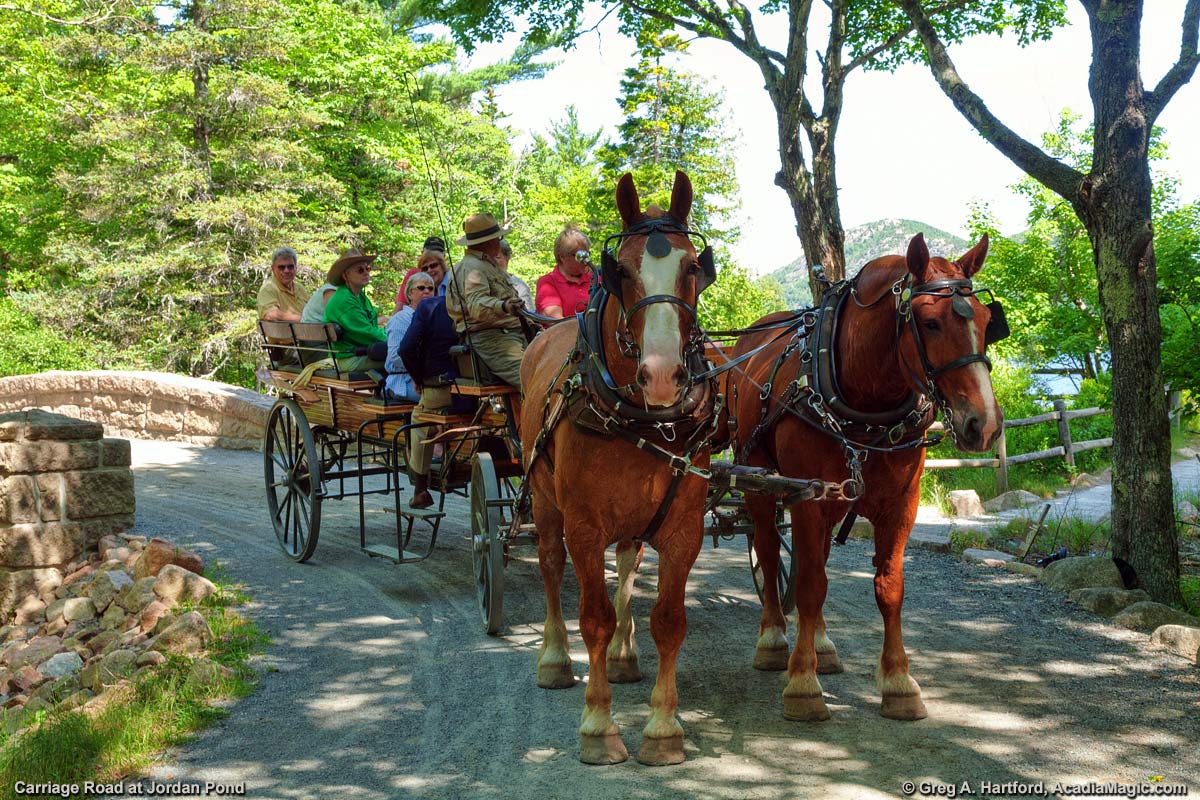
The crown jewel of horseback riding Acadia National Park is undoubtedly the extensive carriage road system. These 45 miles of meticulously crafted gravel roads represent one of America's greatest philanthropic gifts to outdoor recreation. During my research and rides, I've come to appreciate the incredible engineering and foresight that went into creating this network between 1913 and 1940.
The carriage roads are designed with a maximum grade of 8%, making them accessible for horses of all abilities while providing riders with stunning views without exhausting climbs. What impressed me most during my horseback riding Acadia National Park adventures was how the roads seamlessly integrate with the natural landscape. Rockefeller insisted that the roads follow the natural contours of the land, resulting in gentle curves that reveal new vistas around every bend.
One of the most remarkable features of the carriage road system is its 17 stone bridges, each uniquely designed to complement the surrounding landscape. During my rides, I particularly enjoyed crossing the famous Rockefeller bridges, including Duck Brook Bridge and Cobble Bridge. These architectural marvels provide perfect photo opportunities and serve as waypoints for navigation during longer rides.
Key Carriage Road Rules for Horseback Riders
- Horses are permitted on most carriage roads except Witch Hole Pond and Paradise Hill loops
- Eagle Lake loop is restricted except between junctions #7 and #8
- Always carry a carriage road map for navigation and permitted route identification
- Yield to pedestrians and cyclists when encountering them on shared roads
- Clean up after your horse in parking areas and developed spaces
The seasonal experience of horseback riding Acadia National Park varies dramatically throughout the year. I've ridden these roads in spring when wildflowers carpet the forest floor, during the peak fall foliage season when the maples and birches create a spectacular canopy of color, and even in early winter when frost decorates the evergreens. Each season offers its own unique beauty and challenges, making multiple visits worthwhile for any serious equestrian enthusiast.
Best Horseback Riding Tours and Experiences
When planning your horseback riding Acadia National Park adventure, you'll find several excellent options depending on your experience level and preferences. Based on my extensive research and personal experiences, I've identified the top tour operators and self-guided options that will give you the best value and most memorable experience in the park.
Wildwood Stables Carriage Tours
While not traditional horseback riding Acadia National Park, the carriage tours at Wildwood Stables offer an excellent introduction to the park's equestrian heritage. I've taken both the one-hour Day Mountain tour ($48 for adults) and the two-hour Rockefeller's Bridges tour ($84 for adults), and both provide exceptional value for experiencing the carriage roads from a horse-drawn perspective.
The guides at Wildwood Stables are incredibly knowledgeable about the park's history, ecology, and the Rockefeller family's contributions to Acadia. During my tours, I learned fascinating details about the construction techniques used for the carriage roads and bridges that I never would have discovered on my own. The tours operate from May through October, with departures throughout the day from their location near Jordan Pond.
Private Horseback Riding Options
For experienced riders seeking authentic horseback riding Acadia National Park experiences, bringing your own horse or arranging private rentals offers the ultimate freedom. The park allows personal horses on designated carriage roads and provides excellent facilities at Wildwood Stables for boarding and camping with horses. I've met several equestrians who travel from across New England specifically to experience this unique opportunity.
Carousel Horse Farm, located about 30 minutes from the park, offers guided trail rides for those seeking traditional horseback experiences in the greater Acadia region. While not directly within the park boundaries, their trails showcase similar Maine coastal wilderness and provide excellent preparation for those planning to bring their own horses to Acadia's carriage roads.
Reader Recommended Tours
Sarah M. from Vermont writes: "The Rockefeller's Bridges tour was absolutely magical! Our guide shared so much history about the park, and seeing those incredible stone bridges up close was worth every penny. The horses were gentle and well-trained."
Mike T. from New Hampshire says: "We brought our own horses and camped at Wildwood Stables for three days. The carriage roads are perfectly maintained, and the scenery is unmatched. Best horseback riding vacation we've ever taken!"
Lisa K. from Massachusetts notes: "Even as beginners, we felt completely safe on the carriage tour. The driver was patient with our questions, and the pace was perfect for taking photos and enjoying the views."
Essential Gear and Safety Equipment
Safety should always be your top priority when planning horseback riding Acadia National Park adventures. Through my years of riding experience and conversations with park rangers, I've compiled a comprehensive list of essential gear that will ensure your safety and comfort on the carriage roads. The variable Maine weather and unique challenges of riding in a national park setting require specific preparation and equipment.
Critical Safety Equipment
A properly fitted riding helmet is absolutely non-negotiable for horseback riding Acadia National Park. The carriage roads may seem gentle, but unexpected situations can occur, and head protection is essential. I always recommend ASTM/SEI certified helmets that meet current safety standards.
Top-Rated Riding Helmet
Troxel Very Peri Duratec Liberty Helmet - ASTM certified with excellent ventilation for Maine's variable weather.
View on AmazonPremium Option
Ovation Deluxe Schooler Riding Helmet - Superior comfort and protection for extended rides.
View on AmazonBeyond helmet protection, proper clothing is crucial for comfortable horseback riding Acadia National Park experiences. I've learned through sometimes uncomfortable experience that Maine's coastal weather can change rapidly, even during summer months. Layered clothing that can be adjusted throughout your ride is essential, especially for longer excursions on the carriage roads.
Complete Gear Checklist for Acadia Horseback Riding
Essential Safety Gear:
- ASTM/SEI certified riding helmet
- Sturdy boots with heel (no tennis shoes)
- Long pants (no shorts on horses)
- Gloves for better grip and protection
Comfort & Weather Protection:
- Moisture-wicking base layers
- Waterproof jacket (Maine weather changes fast)
- Sun hat and sunscreen
- Water bottle and energy snacks
Budget-Friendly Safety Gear
TuffRider Starter Carbon Fiber Helmet
Excellent entry-level helmet with ABS shell and SEI certification. Perfect for occasional riders exploring Acadia's carriage roads.
Check Price & ReviewsEquinavia Skylar Helmet
Lightweight design with excellent ventilation, ASTM F1163-23 certified for maximum safety and comfort.
Shop Now on AmazonMy Personal Riding Experience in Acadia
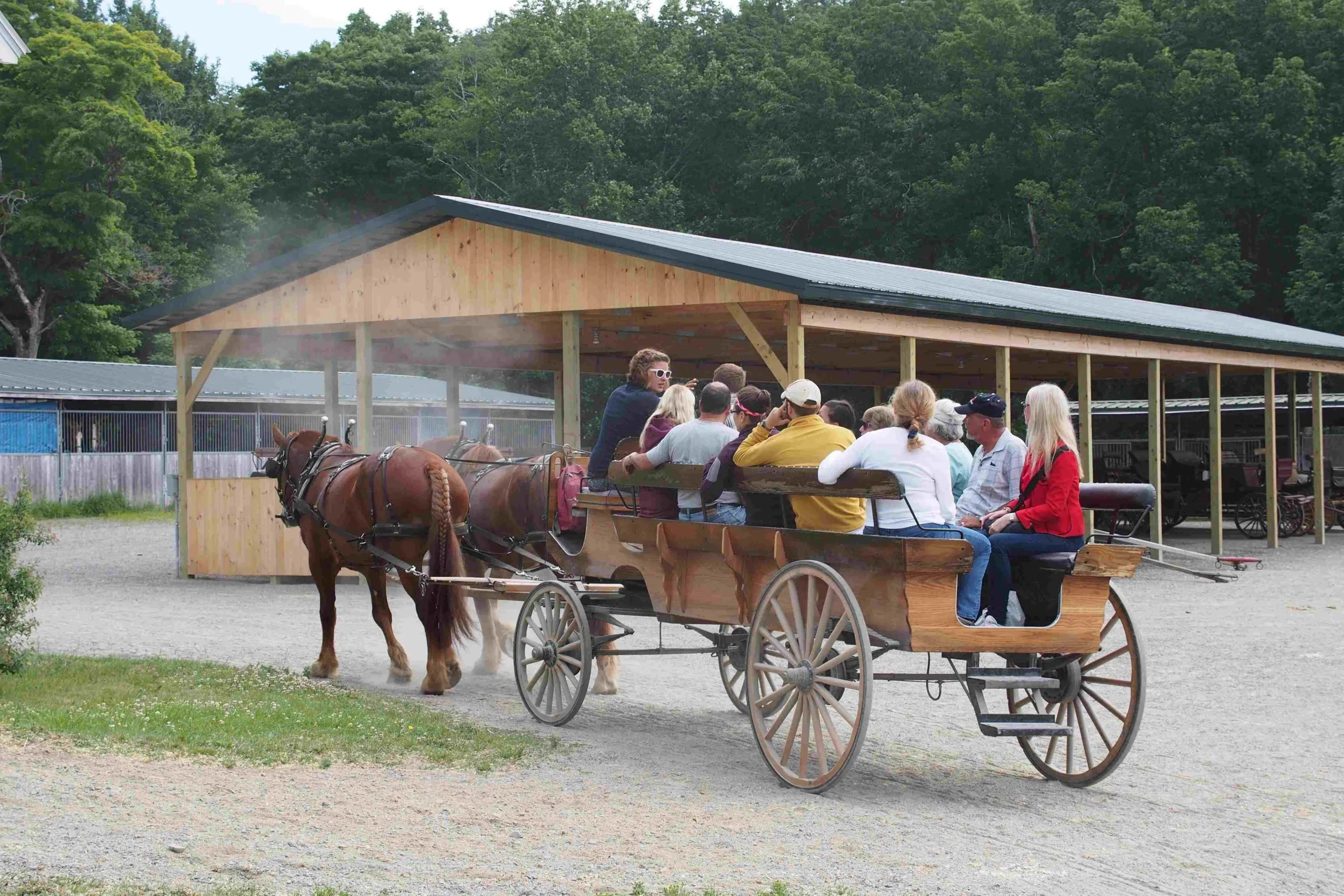
My first horseback riding Acadia National Park experience happened during a crisp October morning in 2019, and it remains one of my most cherished outdoor memories. I had arrived at Wildwood Stables just as the morning mist was lifting from Jordan Pond, creating an almost mystical atmosphere that perfectly set the stage for what would become a transformative experience with Maine's wilderness.
I chose the two-hour Rockefeller's Bridges carriage tour for my introduction to the park's equestrian offerings. Our guide, a local naturalist with over fifteen years of experience leading tours in Acadia, immediately put our small group at ease with her extensive knowledge of the park's history and ecology. As we settled into the comfortable carriage behind two magnificent Percheron draft horses named Thunder and Lightning, I realized this would be far more than just a scenic ride.
What struck me most about horseback riding Acadia National Park was the unique perspective it provided on the landscape. From the elevated position in the carriage, I could see over the roadside vegetation to spot wildlife that would be invisible to hikers on foot. During our ride, we encountered a family of white-tailed deer grazing in a small meadow, several red squirrels chattering in the oak trees, and even caught a glimpse of a great blue heron fishing in a pond visible from one of the stone bridges.
Wildlife Encounters During My Rides
Over my multiple visits for horseback riding Acadia National Park, I've been fortunate to observe incredible wildlife diversity. The quiet movement of horses seems to be less disruptive to animals than foot traffic, allowing for closer observations of natural behavior.
- Spring visits: Migrating warblers, wild turkeys with chicks, and abundant wildflowers
- Summer rides: Osprey fishing, beaver activity in ponds, and numerous butterfly species
- Fall excursions: Deer preparing for winter, spectacular foliage, and active chipmunk populations
The engineering marvel of the carriage roads became apparent as we navigated the carefully designed curves and bridges. Our guide explained how John D. Rockefeller Jr. insisted that the roads follow natural contours to minimize environmental impact while maximizing scenic beauty. This philosophy creates a riding experience where every turn reveals new vistas, from intimate forest glades to sweeping views of Frenchman Bay and the Porcupine Islands.
On subsequent visits, I've brought my own horse to experience horseback riding Acadia National Park from the saddle rather than a carriage. The park's equestrian camping facilities at Wildwood Stables provide excellent accommodations for horses, including spacious paddocks, fresh water, and quality hay. The staff's expertise in caring for visiting horses impressed me, and their knowledge of the best routes for different skill levels proved invaluable for planning daily rides.
One particularly memorable ride took me along the Around Mountain Road loop during peak fall foliage season. The combination of brilliant orange maples, golden birches, and deep green evergreens created a natural cathedral that seemed designed specifically for horseback exploration. The gentle clip-clop of hooves on gravel provided a rhythmic soundtrack that enhanced rather than disrupted the natural soundscape of bird calls and rustling leaves.
Planning Your Visit: Seasons, Permits & Practical Tips
Successful horseback riding Acadia National Park adventures require careful planning, especially given Maine's seasonal variations and the park's popularity during peak visitation periods. Through my multiple visits throughout different seasons, I've learned valuable lessons about timing, preparation, and logistics that can make the difference between a good experience and an extraordinary one.
Best Seasons for Riding
Late Spring (May-June): Mild temperatures, fewer crowds, wildflowers blooming. Ideal for photography and wildlife viewing.
Summer (July-August): Peak season with warmest weather but highest crowds. Book tours well in advance.
Fall (September-October): Spectacular foliage, comfortable temperatures, and excellent riding conditions. My personal favorite season.
Reservation Requirements
Carriage Tours: Advance reservations strongly recommended, especially for summer and fall foliage season.
Horse Camping: Reserve campsites at Wildwood Stables through the park's reservation system.
Private Horses: No permits required for day use, but follow all park regulations and restrictions.
Weather preparation is crucial for horseback riding Acadia National Park success. Maine's coastal climate can be unpredictable, with conditions changing rapidly throughout the day. I've experienced everything from morning fog that lifts to reveal brilliant sunshine, to afternoon thunderstorms that require quick shelter. Always check the marine forecast in addition to land-based weather predictions, as coastal conditions often differ significantly from inland areas.
Insider Tips from a Park Ranger
During my conversation with Ranger Patricia Chen, who has worked in Acadia for over twelve years, she shared these valuable insights for horseback riding Acadia National Park visitors:
- "Early morning rides offer the best wildlife viewing opportunities and fewer encounters with cyclists and hikers."
- "Always carry the official carriage road map - GPS devices can be unreliable in some forested areas."
- "The Jordan Pond area can be extremely busy during peak hours. Consider starting from alternate access points for a more peaceful experience."
- "Pack layers regardless of the forecast - temperatures near the water are often 10-15 degrees cooler than inland areas."
Pro tip: Ranger Chen recommends the Eagle Lake carriage road early in the morning for the most serene riding experience, with opportunities to see loons and other waterfowl before day-use crowds arrive.
Transportation and logistics require advance planning for horseback riding Acadia National Park adventures. The park's free Island Explorer shuttle system serves Wildwood Stables during peak season, making it easy to access carriage tours without dealing with parking challenges. However, if you're bringing your own horse trailer, you'll need to plan for adequate parking space, which can be limited during busy periods.
Budget considerations for horseback riding Acadia National Park vary significantly depending on your chosen experience. Carriage tours range from $48-84 per person depending on length and season, while bringing your own horse involves camping fees, feed costs, and potential boarding charges. I've found that the investment is worthwhile given the unique access to one of America's most beautiful wilderness areas, but planning ahead helps manage costs effectively.
Conclusion
Horseback riding Acadia National Park offers an unparalleled opportunity to experience one of America's crown jewel national parks from a unique and historically authentic perspective. Whether you choose a guided carriage tour, bring your own horse, or work with local outfitters, the park's 45 miles of meticulously maintained carriage roads provide access to some of the most beautiful wilderness scenery on the East Coast.
From my personal experiences riding these historic roads, I can confidently say that horseback riding Acadia National Park creates memories that last a lifetime. The combination of spectacular natural beauty, fascinating history, and the unique bond between rider and horse makes this activity special among all the recreational opportunities available in the park. The gentle pace allows for wildlife observation, photography, and contemplation that faster-paced activities simply cannot match.
As you plan your own horseback riding Acadia National Park adventure, remember to prioritize safety with proper gear, respect the park's regulations and other visitors, and take time to appreciate the incredible legacy that John D. Rockefeller Jr. and his family left for future generations. Whether you're an experienced equestrian or a complete beginner, Acadia's carriage roads offer an accessible and rewarding way to connect with Maine's coastal wilderness.