
Every ounce counts when you're carrying your life on your back. During my first backpacking trip on the Appalachian Trail, I learned this lesson the hard way. My heavy stainless steel bottle seemed like a good idea at the gear store, but after 15 miles of steep climbs, every unnecessary ounce felt like a pound.
The mathematics of hiking weight are unforgiving. For every pound you carry, your body works approximately 6-8% harder over the course of a long hike. When you multiply this effect across a multi-day trek, the difference between a 6-ounce water bottle and a 16-ounce bottle becomes significant. That 10-ounce difference might not seem like much, but it's the equivalent of carrying an extra 2.5 pounds of gear when considering the cumulative effect on your body.
Weight Comparison: Lightweight vs Traditional Bottles
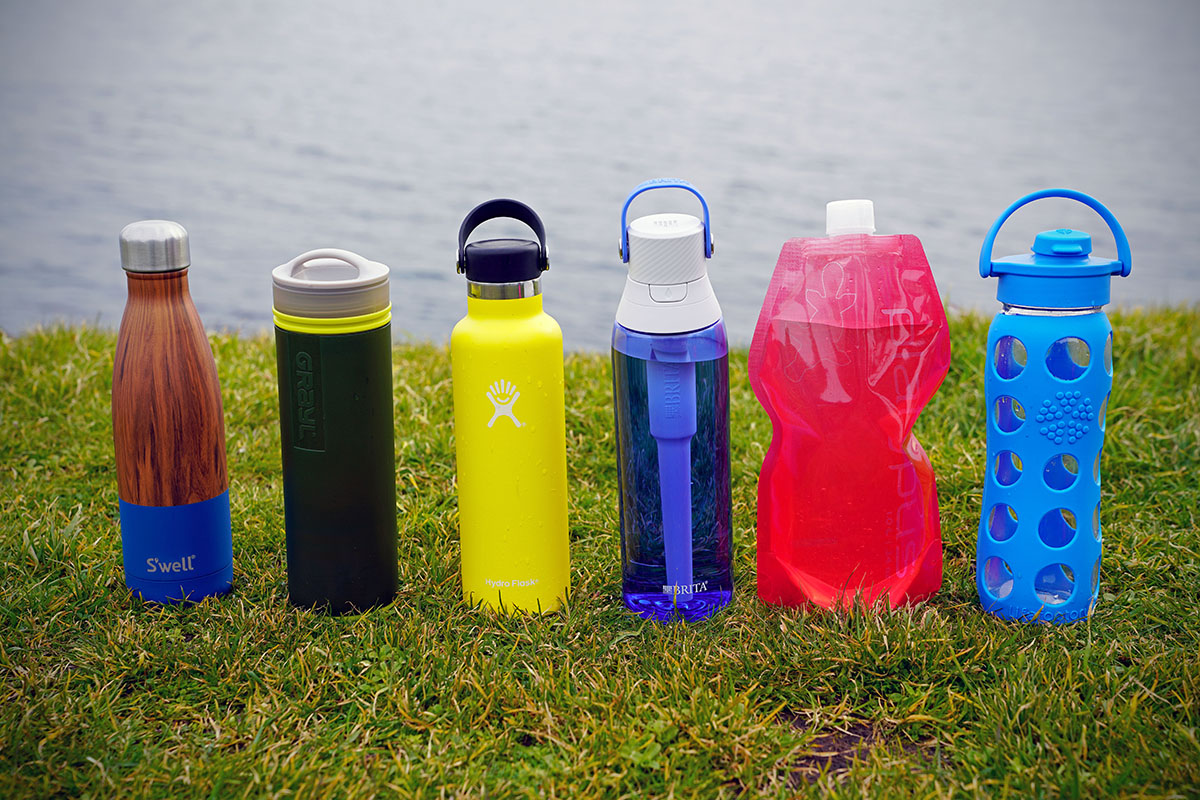
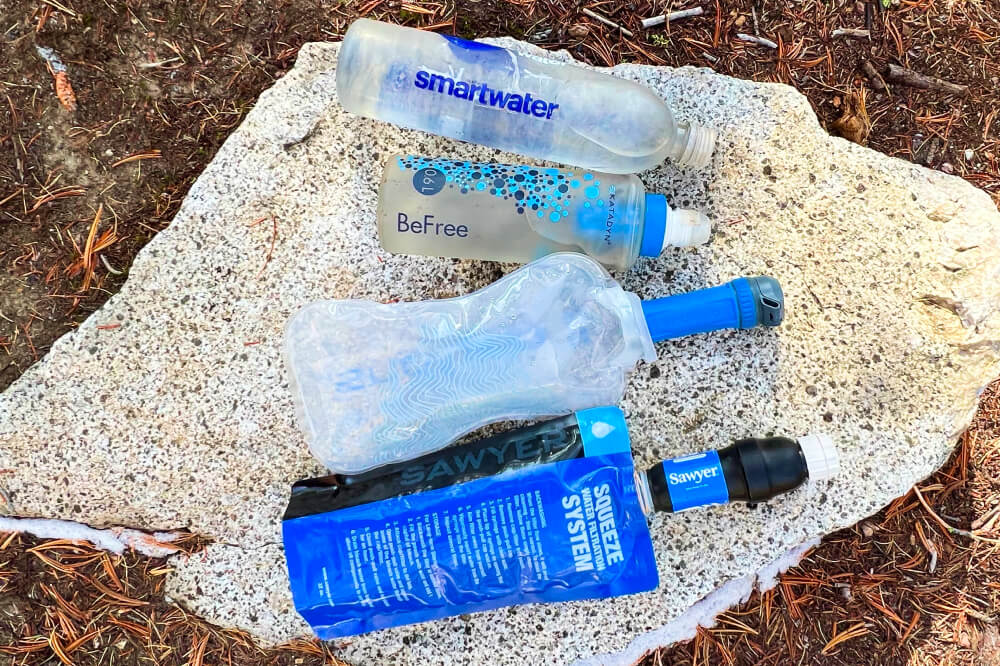
- Collapsible bottles: 1-3 ounces (nearly weightless when empty)
- Ultralight plastic bottles: 1-2 ounces
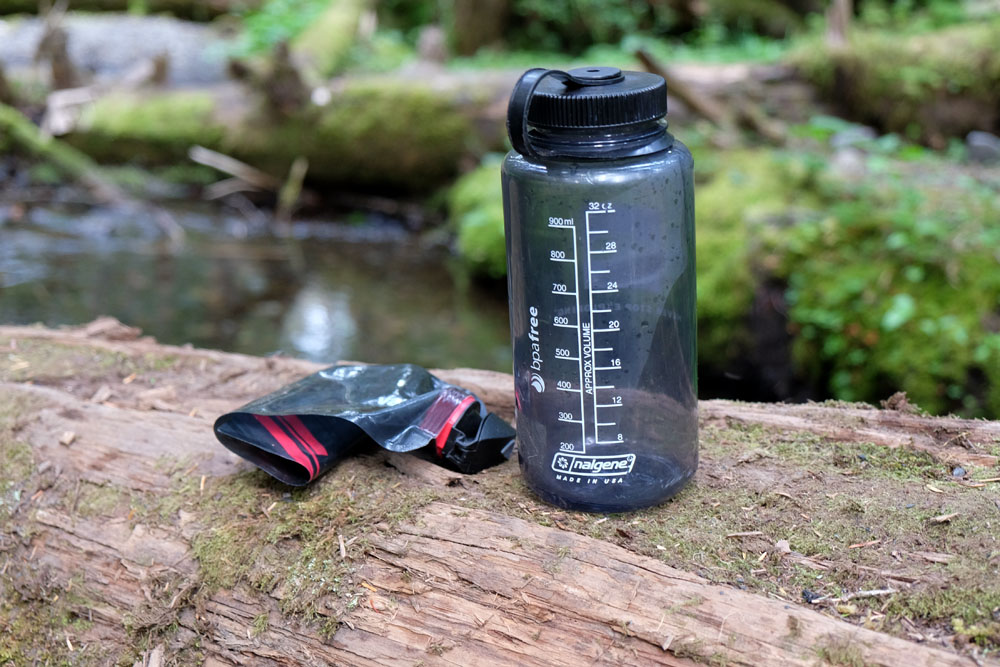
- Standard Nalgene bottles: 6-8 ounces
- Insulated steel bottles: 12-20 ounces
Beyond pure weight considerations, lightweight bottles offer practical advantages. They're easier to pack, take up less space in your pack's side pockets, and won't throw off your balance when full. I've found that lighter bottles also encourage more frequent hydration since they're less cumbersome to access and drink from during active hiking.
However, lightweight doesn't mean sacrificing functionality. Modern materials and design innovations have created bottles that are both featherweight and incredibly durable. During my thru-hike of the Colorado Trail, my primary water bottle survived countless drops, extreme temperature changes, and being stuffed into overpacked side pockets without showing any signs of wear.