
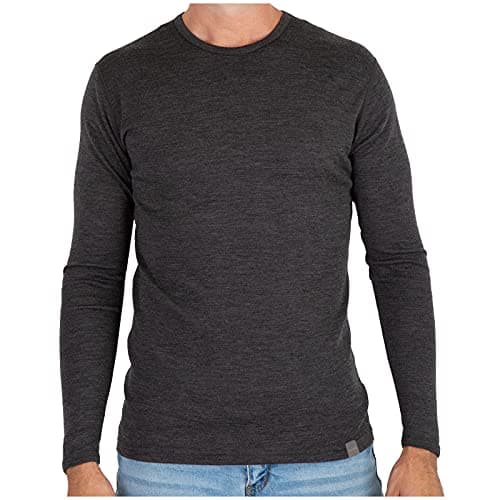
My Honest Take on the MERIWOOL Merino Base Layer After a Season in PNW Rain
We may earn from qualifying purchases.
A year after I blew out my knee and traded quick day hikes for multi-day backpacking trips, I found myself shivering through an October overnight on the Oregon Coast Trail. I had decent gear, but my base layer was cotton-blend stuff I'd grabbed on sale years ago. Lesson learned. When I finally decided to spend real money on a merino top, I picked up the MERIWOOL Men's Base Layer and put it through its paces over several months of PNW weather.
On the trail / in use
The first thing that hit me about the MERIWOOL Men's Base Layer was how soft it felt right out of the package. I'm usually skeptical of "no itch" claims, but this one actually delivered. I wore it straight through a four-day trip on the Timberline Trail with no skin drama. In actual use, the 250g/m2 weight sits in that sweet spot for Pacific Northwest shoulder seasons. It's got enough heft to hold warmth on a cold camp morning, but I've also worn it on a sunny September ridge walk where I was working hard, and it didn't leave me feeling clammy. The wicking action is real. When you're sweating up a long switchback, you can feel moisture pulling away from your skin. What I keep coming back to is the odor resistance. On a recent three-day trip, I wore this top all three days without washing it. No, really. It didn't develop that sour synthetics smell I'd normally associate with day two on any other fabric. That's the merino magic at work, and it's the main reason I reach for this shirt over my older layers now. The fit is trim but not tight. I've got broader shoulders, and the medium still works under a midlayer without pulling across my chest. The hang loop by the collar is a small touch, but useful when you're trying to dry gear at camp. Everything dries faster than you'd expect, even in humid conditions.Compared to what I'd used before
My previous base layer was a synthetic zip-neck I'd owned for about six years. It worked fine in a pinch, but once it got damp, it stayed damp. And cold. I don't miss that feeling. Switching to the MERIWOOL Merino Base Layer was like finally having a layer that could actually keep up with variable conditions. When I got caught in a rain squall on Mount Hood last November, this top stayed warm even slightly damp. That's the difference merino makes. For the price, I think this compares well to the bigger names. It's not Smartwool or Icebreaker, but it doesn't cost like them either. The construction feels solid for the money. I'd used a friend's Smartwool 150 before, and honestly, the MERIWOOL feels comparable against my skin.What I noticed first
Honestly? The softness. I'd avoided wool base layers for years because I'd had scratchy experiences as a kid. This changed my mind. The 18.5-micron fibers are fine enough that the fabric drapes naturally instead of standing stiff. The charcoal color is nice and muted, though I'll mention it does show dust and pine sap more than I'd prefer. That's more of a "me being lazy about laundry" problem than a product flaw, but worth knowing if you're hard on your gear. My one real criticism is the collar. It's a standard crew neck, but on longer days with a pack, I noticed it sitting right at my neck brace point. If you've got a sensitive neck or wear heavier packs often, this might bug you. For shorter trips or over a button-up, it's not an issue. I also want to note the care instructions. It's machine washable and dryer safe, which matters when you want gear that's actually low-maintenance. I've been through the dryer dozens of times and haven't seen any pilling or shrinkage. For anyone rebuilding their kit on a budget, this is a solid entry point into merino without going all-in on the premium brands. It does the job, and it does it without drama. If you've been on the fence about merino, this is a low-risk way to see what the fuss is about. I've been wearing it regularly for months and I'm not going back to synthetics for base layers., DaveRecent Post
Categories