

Why Acadia's Viewpoints Are Unmatched on the East Coast
Having explored national parks from the Appalachians to the Rockies, I can honestly say that the top viewpoints in Acadia National Park offer something truly unique: the rare combination of rugged coastal granite peaks rising directly from the Atlantic Ocean. Unlike inland mountain ranges, Acadia's 26 peaks provide unobstructed panoramic views that seamlessly blend forest, lakes, islands, and endless ocean horizons.
What makes these viewpoints extraordinary is their accessibility combined with dramatic elevation changes. Within a compact 47,000-acre area on Mount Desert Island, you can experience everything from gentle carriage road vistas to adrenaline-pumping cliff-edge perspectives that require iron rungs and ladders. The granite bedrock, sculpted by ancient glaciers, creates natural viewing platforms that photographers dream about.
The park's coastal location also means dynamic weather patterns that create constantly changing atmospheric conditions. I've witnessed morning fog rolling off Frenchman Bay while standing on Cadillac Mountain, watched storm clouds dramatically frame the Porcupine Islands from Gorham Mountain, and captured the ethereal glow of sunset reflecting off Jordan Pond from the North Bubble. These atmospheric phenomena, combined with the park's compact size, allow you to experience multiple world-class viewpoints in a single day.
Pro Tip: The best viewpoints in Acadia National Park are most spectacular during the "golden hours" just after sunrise and before sunset. The granite peaks literally glow pink and orange during these times, creating photo opportunities that coastal mountains elsewhere simply cannot match.
Another factor that sets Acadia apart is the park's thoughtful infrastructure. The historic carriage road system, designed by John D. Rockefeller Jr., provides gentle access to elevated viewpoints for visitors of all mobility levels. Meanwhile, the challenging hiking trails reward more adventurous explorers with intimate, less crowded vantage points that reveal the park's wild character.
Cadillac Mountain - First Light and 360-Degree Views
At 1,530 feet, Cadillac Mountain stands as the crown jewel among the top viewpoints in Acadia National Park. As the highest point on the eastern seaboard north of Brazil, it offers the most comprehensive 360-degree views in the entire park. I've made the pre-dawn journey to this summit more than twenty times, and each sunrise experience has been uniquely spectacular.
The summit is accessible both by car (with advance reservations from May through October) and via the 2.2-mile North Ridge Trail. I strongly recommend the hiking approach, not just for the physical achievement, but because the gradual elevation gain allows you to witness the landscape unfolding in layers. The trail begins in dense forest, transitions through exposed granite ledges with increasingly dramatic views, and culminates at the summit's observation areas.
From Cadillac's summit, the view encompasses Frenchman Bay dotted with the Porcupine Islands to the northeast, the park's interior mountains and lakes to the west, and on exceptionally clear days, you can see Mount Katahdin 100 miles to the northwest. The sunrise views are legendary – this is technically the first place in the United States to see the sunrise from October through March.
Important Planning Note: Cadillac Mountain sunrise requires vehicle reservations ($6) from May-October, available two days in advance at recreation.gov. Parking fills up quickly, so book exactly at midnight when reservations open. For photography, arrive 30 minutes before sunrise to set up equipment and scout compositions.
My most memorable Cadillac Mountain experience occurred during a September morning when low-hanging clouds created a dramatic inversion. Standing above the cloud layer, I watched the sun illuminate the tops of surrounding peaks while the valleys remained shrouded in mist. This phenomenon, while not predictable, occurs several times each season and creates otherworldly photographic opportunities that epitomize why these are the top viewpoints in Acadia National Park.
Bass Harbor Head Lighthouse - Iconic Coastal Drama
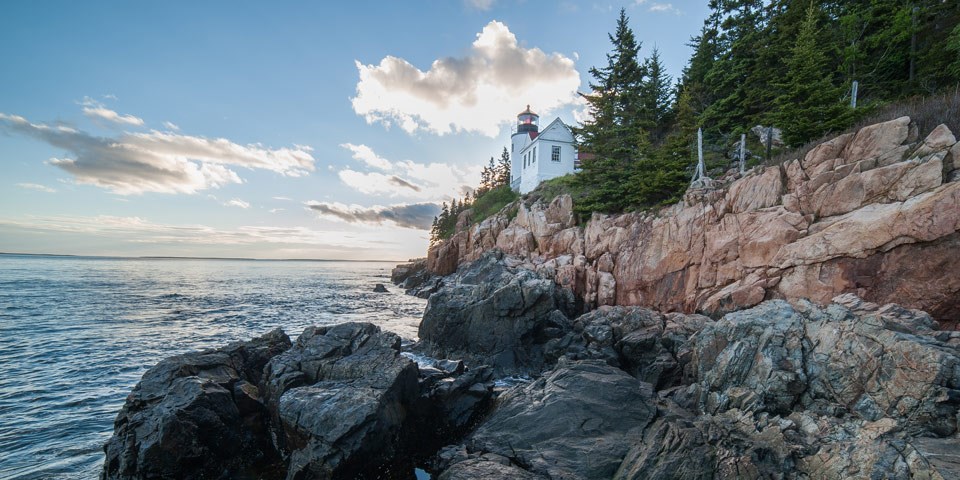
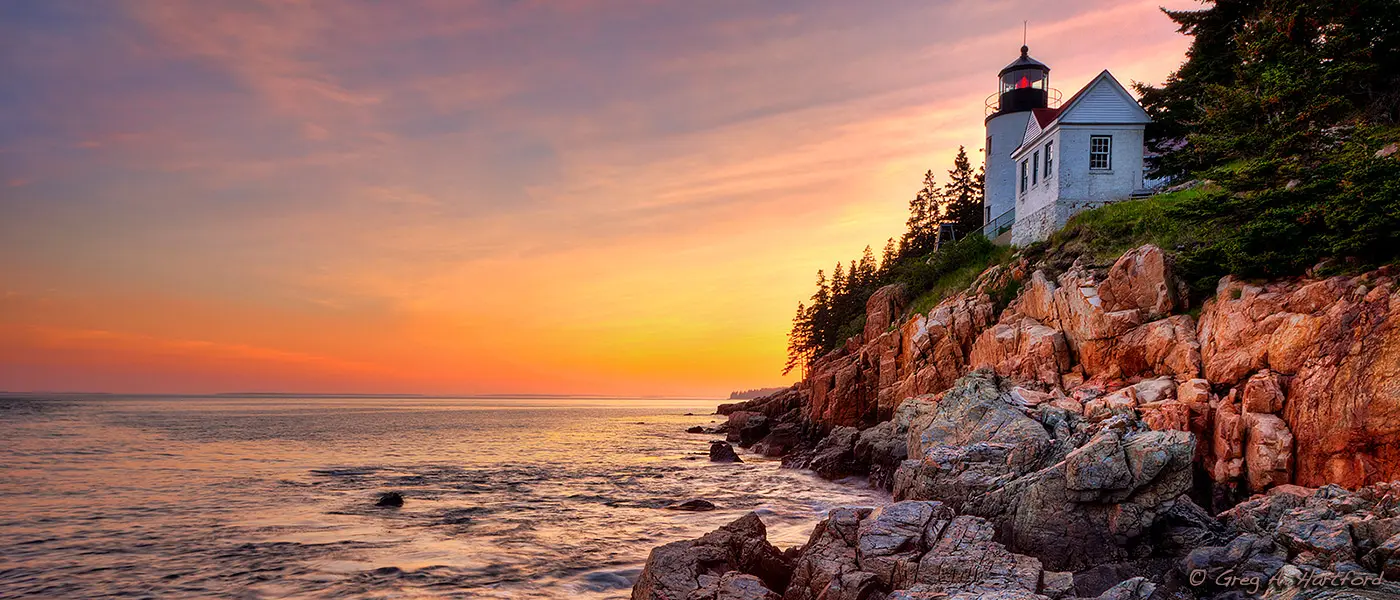
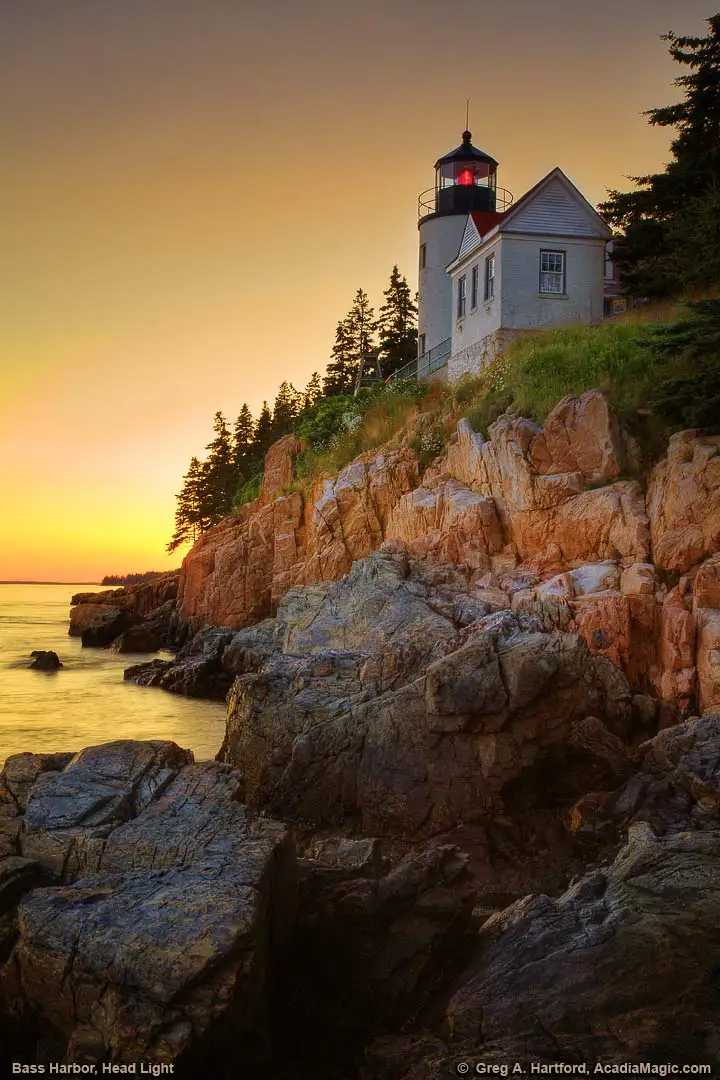
No discussion of the top viewpoints in Acadia National Park would be complete without Bass Harbor Head Lighthouse, arguably the most photographed lighthouse in Maine. Perched dramatically on pink granite cliffs on the park's "quiet side," this 1858 lighthouse offers one of the most iconic sunset viewpoints on the entire East Coast.
The classic viewpoint requires a short but somewhat treacherous scramble down wet granite rocks to reach the optimal photography position. I've made this descent dozens of times in various weather conditions, and I cannot stress enough the importance of proper footwear and extreme caution, especially when the rocks are wet. The reward, however, is a composition that perfectly captures Maine's rugged coastal character.
What makes Bass Harbor Head Lighthouse special among Acadia's viewpoints is how it frames the relationship between human history and natural beauty. The lighthouse, surrounded by wind-sculpted spruce trees and positioned against the backdrop of Blue Hill Bay, creates a sense of Maine's maritime heritage that resonates deeply with visitors. During my sunset sessions here, I've watched photographers from around the world capture this same magical scene.
The timing for Bass Harbor Head is crucial. Sunset occurs behind the lighthouse from May through September, but the surrounding trees can obstruct the view depending on the season. My favorite visits have been during late August and early September when the sun sets at the perfect angle to illuminate both the lighthouse and the surrounding granite. The golden hour light transforms the entire scene into something truly magical.
Parking at Bass Harbor Head is notoriously challenging during peak season. The small lot fills up 2-3 hours before sunset on clear evenings, and roadside parking on the narrow access road is prohibited. I recommend arriving early with a good book and making an afternoon of it, exploring the nearby Wonderland Trail or Ship Harbor Trail while waiting for the light to become optimal.
The Beehive and Precipice Trails - Adrenaline-Pumping Heights
Among the top viewpoints in Acadia National Park, the Beehive and Precipice Trails offer the most thrilling and vertically dramatic perspectives. These aren't your typical hiking trails – they're via ferrata-style adventures featuring iron rungs, narrow ledges, and exposed cliff faces that provide unparalleled views of the park's eastern coastline.
The Beehive Trail, at 1.5 miles round trip, serves as an excellent introduction to Acadia's cliff-climbing adventures. The ascent up the south face of the Beehive features multiple ladder sections and iron rungs bolted directly into the granite. The payoff includes spectacular aerial views of Sand Beach, Great Head, and the Porcupine Islands. I've guided friends up this trail numerous times, and the sense of accomplishment combined with the stunning views creates an unforgettable experience.
Safety Warning: Both trails are closed during peregrine falcon nesting season (typically mid-April through July). They require proper hiking boots, are not suitable for those with fear of heights, and should never be attempted in wet conditions. Always check current trail conditions with park rangers before attempting these climbs.
The Precipice Trail on Champlain Mountain represents the ultimate challenge among Acadia's cliff trails. This 2-mile loop features over 1,000 feet of elevation gain, much of it vertical. The trail includes narrow ledges barely wide enough for one person, multiple ladder sections, and exposed traverses that demand complete attention and confidence. The views from various points along the cliff face are absolutely breathtaking, offering unique perspectives of the coastline that simply cannot be experienced from any other vantage point.
What makes these viewpoints particularly special is their intimacy and exclusivity. While Cadillac Mountain might host hundreds of visitors during sunrise, the technical nature of the Beehive and Precipice Trails means you'll often find yourself alone or with just a few other adventurers on the cliff faces. This solitude, combined with the dramatic exposure and stunning views, creates a profound connection with Acadia's wild character that defines why these are among the top viewpoints in Acadia National Park.
My most memorable experience on these trails occurred during an early October morning on the Precipice Trail. With fall colors beginning to peak and perfect weather conditions, I found myself completely alone on the cliff faces with unobstructed views of the autumn landscape stretching to the horizon. The combination of physical challenge, natural beauty, and solitude created one of those rare outdoor experiences that reminds you why wilderness adventure is so important.
Jordan Pond and The Bubbles - Serene Mountain Reflections
Jordan Pond represents the most serene and contemplative of the top viewpoints in Acadia National Park. This glacially-formed pond, flanked by the distinctive rounded peaks known as The Bubbles, offers some of the most photographed mountain reflections in New England. The combination of still water, dramatic mountain backdrop, and accessible viewing areas makes this a must-visit destination for every Acadia visitor.
The Jordan Pond Path, a 3.3-mile loop around the entire pond, provides constantly changing perspectives of this iconic landscape. My favorite viewpoint is from the southern shore, where the classic composition includes both North and South Bubble peaks perfectly reflected in the pond's mirror-like surface. Early morning visits, typically before 8:00 AM, offer the best chance for calm water and optimal reflection photography.
The North Bubble summit, accessible via a steep but short 1-mile trail, provides an elevated perspective that many visitors miss. From this 872-foot summit, you can look down on Jordan Pond while enjoying panoramic views toward Cadillac Mountain and the eastern mountains. The famous Bubble Rock, a glacial erratic perched precariously on the edge of South Bubble, offers one of Acadia's most unique photo opportunities and represents thousands of years of geological history.
What distinguishes the Jordan Pond area among Acadia's viewpoints is its seasonal transformation. During spring, the surrounding mountains display fresh green foliage against the clear blue water. Summer brings wildflowers along the shoreline and perfect conditions for the famous Jordan Pond House popovers. Fall transforms the entire landscape into a painter's palette of reds, oranges, and yellows reflected in the pond's surface. Winter creates a completely different scene, with the frozen pond serving as a foreground for snow-covered peaks.
During one particularly memorable visit in late September, I witnessed a perfect autumn morning with absolutely still water creating mirror-perfect reflections of The Bubbles surrounded by peak fall foliage. The scene was so perfect that several other photographers and I spent nearly three hours capturing the changing light as the sun moved across the sky. This ability to spend extended time in one location, watching light and conditions evolve, exemplifies why Jordan Pond ranks among the top viewpoints in Acadia National Park.
My Personal Experience: Dawn to Dusk Photography Adventures
Over six years of photographing the top viewpoints in Acadia National Park, I've developed specific strategies and discovered hidden gems that typical guidebooks don't mention. My approach involves planning multi-day photography sessions that allow me to experience each viewpoint under different lighting conditions, weather patterns, and seasonal variations.
My typical Acadia photography day begins at 4:30 AM with a pre-dawn ascent of Cadillac Mountain. After capturing sunrise, I'll move to the eastern coast viewpoints like Otter Point or Thunder Hole to photograph the morning light on the granite cliffs. Late morning finds me at Jordan Pond, where the stable lighting is perfect for reflection photography. Afternoons are reserved for the more challenging climbs like the Beehive or Precipice Trails, and evenings conclude with sunset sessions at Bass Harbor Head Lighthouse.
Photographer's Secret: The best conditions for Acadia viewpoint photography occur during partly cloudy days with dynamic weather patterns. Completely clear skies often produce harsh lighting and bland skies, while overcast days can be too flat. The magic happens when clouds create dramatic patterns and allow dappled light to illuminate different parts of the landscape.
One of my most successful photography sessions occurred during a three-day October visit when I experienced perfect fall foliage conditions. I started each day with sunrise from different viewpoints: Cadillac Mountain on day one, Gorham Mountain on day two, and the North Bubble on day three. This approach allowed me to compare how the same atmospheric conditions affected different perspectives and compositions across the park.
The technical aspects of photographing these viewpoints have taught me valuable lessons about equipment and preparation. A sturdy tripod is absolutely essential for the early morning and late evening sessions when light levels are low. Neutral density filters help manage the extreme contrast between bright skies and darker foregrounds that's common in coastal mountain photography. Most importantly, weather protection for both photographer and equipment is crucial given Acadia's rapidly changing coastal conditions.
Beyond the technical aspects, these years of photographing Acadia's viewpoints have deepened my appreciation for the park's ecological complexity. I've watched seasonal wildlife patterns, observed how different weather systems affect the landscape, and developed a profound respect for the forces that shaped these granite peaks. This intimate knowledge has made me a better photographer and a more effective advocate for protecting these incredible natural spaces that represent the very best of what makes the top viewpoints in Acadia National Park so special.
What Visitors Are Saying
"The sunrise from Cadillac Mountain was absolutely magical – watching the first light hit Frenchman Bay and the islands was worth the 4 AM wake-up call. The 360-degree views really showcase why this is considered one of the top viewpoints in the entire park."
— Sarah M., Boston, MA
"Bass Harbor Head Lighthouse at sunset exceeded all expectations. The scramble down the rocks was a bit challenging, but the photographic opportunities and dramatic coastal scenery made it completely worthwhile."
— Mike R., Philadelphia, PA
"The Beehive Trail was an adrenaline rush like nothing else – the iron rungs and exposed cliff faces provide incredible views of Sand Beach and the coastline. Definitely one of the most memorable hiking experiences of my life."
— Jennifer L., New York, NY
Conclusion - Planning Your Acadia Viewpoint Adventure
After exploring and photographing the top viewpoints in Acadia National Park for over six years, I can confidently say that this remarkable destination offers the most diverse and spectacular mountain-to-ocean vistas on the eastern seaboard. From the accessible summit drive to Cadillac Mountain to the adrenaline-pumping cliff climbs of the Precipice Trail, Acadia provides viewpoint experiences that cater to every adventure level and interest.
Successful planning for your Acadia viewpoint adventure requires understanding the park's seasonal patterns, crowd dynamics, and logistical challenges. Visit during shoulder seasons (late September through October, or April through May) for optimal weather conditions and smaller crowds. Make vehicle reservations for Cadillac Mountain well in advance, and always have backup plans for weather-dependent activities like cliff trail hiking or lighthouse photography.
The key to maximizing your Acadia viewpoint experience lies in diversifying your approach. Don't limit yourself to the most famous destinations – explore the quiet side viewpoints like Flying Mountain or Beech Mountain for more intimate experiences. Combine easy accessibility with challenging adventures, peaceful reflection spots with thrilling cliff-edge perspectives, and sunrise destinations with sunset photography locations.
Final Recommendation: Allow at least 4-5 days to properly experience the top viewpoints in Acadia National Park. This timing allows for weather flexibility, multiple attempts at the best lighting conditions, and the opportunity to explore both popular destinations and hidden gems without feeling rushed.
Whether you're seeking dramatic photography opportunities, challenging physical adventures, or peaceful moments connecting with nature, Acadia National Park's viewpoints deliver experiences that will remain with you long after you leave. The combination of accessible beauty and wild adventure, set against the backdrop of Maine's spectacular coast, creates memories that define what makes wilderness exploration so profoundly rewarding. Plan your visit, respect the landscape, and prepare to discover why these viewpoints represent some of the finest outdoor experiences available anywhere in North America.