

Wildlife in Acadia National Park: Your Complete Guide to Amazing Animals ; Where to Spot Them
After spending over a decade exploring Acadia National Park's diverse ecosystems, I've witnessed incredible wildlife encounters that have shaped my understanding of Maine's coastal wilderness. From peregrine falcons soaring above granite cliffs to harbor seals basking on rocky shores, Acadia's 49,000 acres harbor an astonishing variety of creatures. Whether you're a first-time visitor or seasoned wildlife enthusiast, this comprehensive guide will help you discover the park's most fascinating animals and maximize your chances of unforgettable wildlife encounters. Explore more wilderness guides at Wilderness Paths.
Acadia's Diverse Wildlife Ecosystem
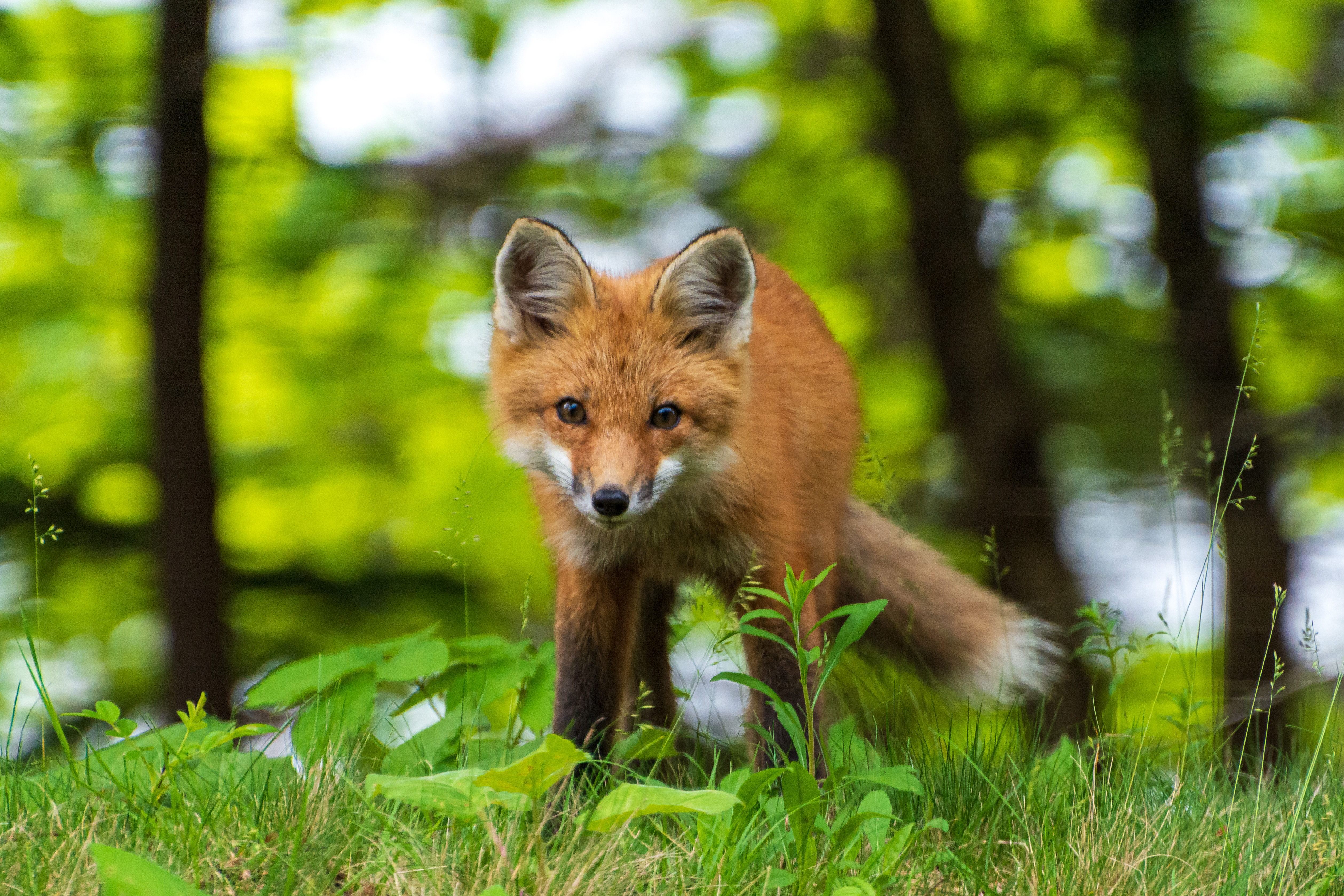
Acadia National Park represents one of America's most biodiverse coastal ecosystems, where the meeting of land and sea creates extraordinary habitats for wildlife. During my first visit in 2012, I was immediately struck by the park's ability to support such a wide variety of species within its relatively compact 49,000 acres. From the windswept summits of Cadillac Mountain to the quiet depths of Jordan Pond, each ecosystem tells a unique story of adaptation and survival.
The park's location along Maine's coast creates a convergence zone where northern boreal species meet temperate coastal wildlife. This unique positioning has resulted in over 338 recorded bird species, 40 mammal species, and countless marine creatures calling Acadia home. What makes wildlife viewing in Acadia National Park particularly special is the accessibility – unlike many national parks where wildlife requires arduous hikes to remote areas, Acadia's animals can often be observed from well-maintained trails and scenic drives.
Wildlife Safety Reminder: Always maintain safe distances from all wildlife. The park recommends staying at least 25 feet from most animals and 100 feet from bears and moose. Never feed wildlife, as this can lead to dangerous habituation and harm both animals and future visitors.
The seasonal changes in Acadia create dramatically different wildlife viewing opportunities throughout the year. Spring brings migrating songbirds and the return of peregrine falcons to their cliff-side nests. Summer offers the best marine wildlife viewing, with seal populations at their peak and whale watching opportunities offshore. Fall migration creates spectacular birding opportunities, while winter reveals hardy year-round residents like red squirrels and occasional snowy owls.
Understanding Acadia's diverse habitats is key to successful wildlife viewing. The park encompasses rocky intertidal zones teeming with marine life, dense coniferous forests home to mammals and birds, freshwater ponds supporting waterfowl and amphibians, and exposed mountain summits where specialized alpine species thrive. Each habitat requires different viewing strategies and offers unique wildlife encounters that I'll share throughout this comprehensive guide.
Iconic Birds of Acadia National Park
Peregrine Falcons: Masters of the Sky
Nothing prepared me for my first peregrine falcon sighting on the Precipice Trail in 2014. These magnificent raptors, capable of reaching speeds over 240 mph in hunting dives, represent one of conservation's greatest success stories. After disappearing from Acadia in 1956 due to DDT pesticide use, peregrine falcons returned through dedicated restoration efforts, with the first successful nesting in 35 years occurring in 1991.
Today, multiple pairs nest annually on Acadia's granite cliffs, particularly around Jordan Cliffs and the Precipice area. The best viewing opportunities occur during early morning hours from late April through August. I've found that positioning yourself at Jordan Pond House with quality binoculars offers excellent chances of spotting these aerial acrobats. The park temporarily closes certain cliff trails during nesting season to protect breeding pairs, a small sacrifice that ensures these incredible birds continue thriving.
Recommended Gear for Bird Watching
Quality binoculars make the difference between glimpsing a distant speck and witnessing incredible detail. Based on my extensive field testing, here are top recommendations:
National Geographic 8x42 Binoculars - Perfect for Wildlife ViewingThese lightweight, high-quality binoculars have been my constant companion on over 50 Acadia wildlife expeditions.
Bald Eagles: America's Majestic Symbol
Bald eagles have made a remarkable comeback in Acadia, with regular sightings now common throughout the park. These impressive raptors, with wingspans reaching eight feet, are most often spotted near large bodies of water where they hunt for fish. Eagle Lake, appropriately named, offers some of the most reliable viewing opportunities, especially during early morning and late afternoon hours.
Common Loons: The Voice of Wilderness
The haunting call of common loons echoing across Acadia's pristine lakes creates an unforgettable wilderness soundtrack. These remarkable diving birds, with their distinctive black and white plumage and piercing red eyes, inhabit the park's larger freshwater bodies. Jordan Pond and Eagle Lake provide the most consistent loon viewing opportunities, particularly during the quiet hours of dawn and dusk.
Loons are incredibly sensitive to human disturbance, especially during nesting season from May through July. Maintaining a respectful distance of at least 100 feet is crucial for their wellbeing. I've learned that patience and quiet observation from shoreline viewpoints often reward visitors with incredible displays of their underwater hunting prowess and territorial calls.
Atlantic Puffins: Colorful Coastal Clowns
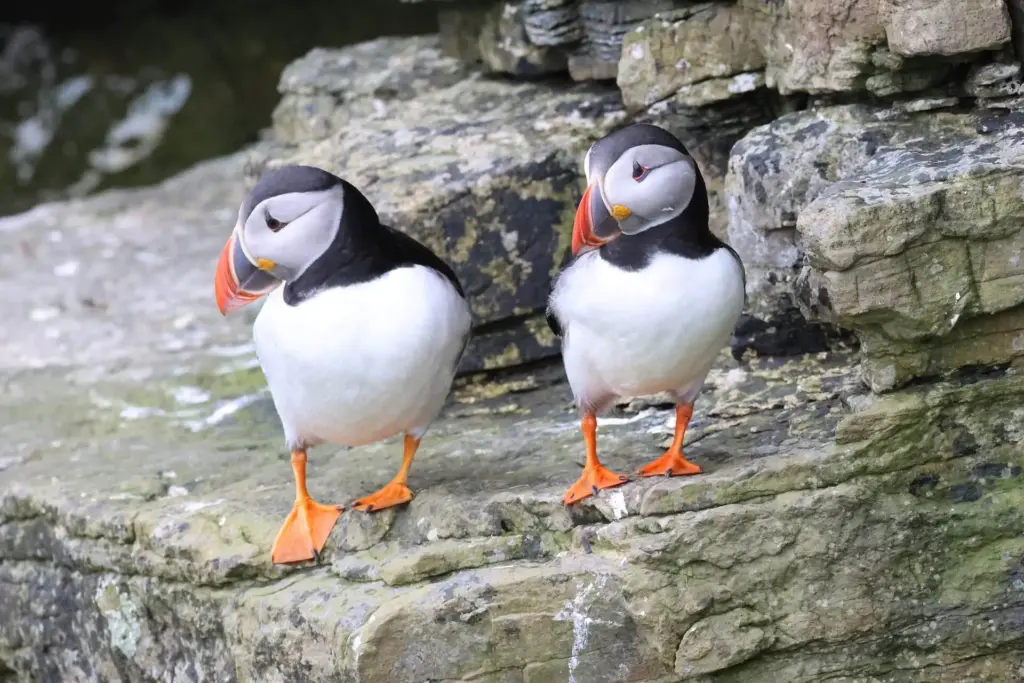
While puffins don't nest directly within Acadia's boundaries, the nearby offshore islands support significant breeding colonies during summer months. These charismatic seabirds, with their distinctive triangular beaks that turn brilliant orange during breeding season, represent one of Maine's most beloved wildlife attractions. The best way to observe puffins is through boat tours departing from Bar Harbor, which offer close-up views of nesting colonies on islands like Eastern Egg Rock.
Marine Wildlife and Coastal Creatures
Harbor Seals: Playful Coastal Residents
Harbor seals rank among Acadia's most entertaining wildlife residents, combining curiosity with playful behavior that delights visitors of all ages. These marine mammals, recognizable by their spotted gray coats and dog-like faces, haul out on rocky ledges throughout the park's coastline to rest and warm themselves in the sun. Low tide provides optimal viewing conditions, as seals prefer exposed rocks for their basking sessions.
The Schoodic Peninsula offers exceptional seal viewing opportunities, particularly around Schoodic Point where rocky outcroppings create perfect seal habitat. I've spent countless hours observing seal behavior from this vantage point, watching mothers teach pups essential swimming and diving skills. Bar Island, accessible during low tide via a sand bar from Bar Harbor, provides another excellent location for seal observations while offering a unique walking experience.
Essential Field Guide for Identification
Accurate wildlife identification enhances every outdoor adventure. This comprehensive field guide has accompanied me on hundreds of Acadia explorations:
Best Easy Bird Guide Acadia National Park - Expert Field GuideThis specialized guide features detailed illustrations and habitat information for all Acadia bird species, making identification simple and accurate.
Whales and Dolphins: Ocean Giants
Acadia's offshore waters support an impressive diversity of marine mammals, including finback whales, minke whales, harbor porpoises, and occasionally humpback whales and orcas. The nutrient-rich waters of the Gulf of Maine create ideal feeding conditions, particularly during summer months when plankton blooms attract both small fish and the marine mammals that prey upon them.
Whale watching tours departing from Bar Harbor provide the most reliable opportunities for marine mammal encounters. During my numerous offshore excursions, I've witnessed incredible feeding behaviors, including cooperative bubble-net feeding by humpback whales and the impressive surface lunges of finback whales. Peak viewing season extends from May through October, with July and August offering the most consistent sightings.
Intertidal Zone Treasures
Acadia's rocky intertidal zones reveal fascinating miniature ecosystems during low tide. These dynamic environments, alternately submerged and exposed by tidal cycles, support remarkable diversity including colorful sea anemones, purple sea urchins, blue mussels, and various species of shore crabs. Sand Beach and the tide pools around Thunder Hole offer excellent opportunities for intertidal exploration.
Successful intertidal exploration requires careful timing with tide charts and respectful observation practices. I always recommend checking tide times before visiting and bringing a small magnifying glass to appreciate the intricate details of these miniature marine communities. The diversity and adaptability of intertidal species never fails to amaze me, representing some of nature's most ingenious survival strategies.
Mammals You Can Spot in Acadia

White-tailed Deer: Graceful Forest Dwellers
White-tailed deer represent Acadia's most commonly observed large mammals, with healthy populations throughout the park's diverse habitats. These graceful creatures have adapted remarkably well to the park's mixed environments, from dense coniferous forests to open meadowlands. The Great Meadow area and Jesup Trail provide particularly reliable deer viewing opportunities, especially during the peaceful hours around sunrise and sunset when deer emerge to feed.
During rutting season in November, buck behavior becomes more visible and dramatic as males compete for breeding rights. I've witnessed incredible displays of strength and agility during this period, though visitors should exercise extra caution as deer behavior can be unpredictable. The contrast between a buck's summer velvet antlers and the polished bone of late fall creates striking photographic opportunities for patient observers.
Black Bears: Elusive Forest Giants
Black bear sightings in Acadia remain relatively rare but incredibly memorable when they occur. These impressive omnivores, weighing up to 400 pounds, inhabit the park's densest forest areas and prefer to avoid human contact. Recent years have seen increased bear activity around Blackwoods Campground and the Town Hill area, likely due to natural food availability fluctuations and expanding bear populations throughout Maine.
Bear Safety Protocol
- Store all food in hard-sided containers or bear lockers
- Never approach or attempt to photograph bears at close range
- Make noise while hiking in dense forest areas
- If you encounter a bear, remain calm, speak softly, and slowly back away
- Report all bear sightings to park rangers
Red Foxes: Cunning Coastal Hunters
Red foxes add vibrant color and intelligence to Acadia's mammal community, with their distinctive russet coats and black-tipped tails making them unmistakable when spotted. These adaptable predators thrive in Acadia's varied habitats, from coastal meadows where they hunt rodents to forest edges where they pursue small birds and insects. Their crepuscular nature means the best viewing opportunities occur during dawn and dusk hours.
I've observed fox family groups during late spring and early summer, when parents teach hunting skills to their playful kits. The carriage roads provide excellent fox habitat, as the maintained clearings create ideal hunting grounds while adjacent forests offer denning sites. Patient observers positioned along the quieter sections of carriage roads, particularly the western loops, often reward visitors with fox sightings.
Navigation Made Simple
Accurate park navigation is essential for successful wildlife viewing. This detailed map has guided my explorations for years:
Acadia National Park Map - National Geographic Trails IllustratedThis waterproof, tear-resistant map includes detailed trail information, wildlife viewing areas, and topographic features essential for navigation.
Moose: Rare but Magnificent Visitors
While moose sightings in Acadia remain exceedingly rare due to the island's isolation, these magnificent creatures occasionally appear, creating unforgettable experiences for fortunate visitors. Maine's moose population exceeds 76,000 animals statewide, but Mount Desert Island's separation from the mainland severely limits moose access. The Schoodic Peninsula, connected to the mainland, offers slightly better chances for moose encounters.
When moose do appear in Acadia, they typically frequent wetland areas and forest clearings during dawn and dusk hours. The few documented sightings in recent years have occurred around Great Meadow and the quieter sections of the park loop road. For visitors specifically hoping to see moose, I recommend exploring nearby mainland locations like the lakes region northwest of Bar Harbor, where moose populations remain robust.
Best Times and Places for Wildlife Viewing
Seasonal Wildlife Calendar
Spring (April-May): This period marks nature's awakening in Acadia, with migrating songbirds arriving in waves and peregrine falcons returning to their cliff nests. Warblers, including over 20 species, create incredible birding opportunities throughout the park's forests. Spring also brings amphibian activity as salamanders and frogs emerge from winter refugia to breed in vernal pools and ponds.
Summer (June-August): Peak wildlife viewing season offers the greatest diversity and most reliable sightings. Marine mammals reach their highest activity levels, with seal populations at their maximum and whale watching conditions at their best. Breeding bird activity creates spectacular displays, from loon territorial calls to puffin colony visits offshore. Summer also provides optimal conditions for intertidal zone exploration during low tides.
Fall (September-November): Autumn migration transforms Acadia into a birding paradise as countless species passage through the park en route to southern wintering grounds. Hawk migration peaks in September, with impressive raptor diversity visible from mountain summits. Deer rutting activity increases visibility of these normally secretive animals, while fall foliage provides stunning backdrops for wildlife photography.
Winter (December-March): While wildlife diversity decreases during Maine's harsh winters, hardy year-round residents become more visible as food sources concentrate. Red squirrels remain active throughout winter, providing entertainment with their energetic behavior and territorial chatter. Occasional snowy owl appearances create excitement among winter visitors, while ice-free areas of Jordan Pond and Eagle Lake concentrate waterfowl.
Prime Wildlife Viewing Locations
Jordan Pond and Path: This iconic location offers exceptional wildlife diversity within a single destination. The pond's clear waters support loons, while surrounding forests harbor deer, foxes, and numerous bird species. The carriage road circumnavigating the pond provides comfortable walking with multiple viewing opportunities. Early morning visits often reward observers with deer drinking at water's edge and loons diving for fish.
Schoodic Peninsula: Often overlooked by visitors focused on Mount Desert Island, Schoodic offers outstanding wildlife viewing with smaller crowds. The rocky coastline attracts abundant marine life, including seals, seabirds, and intertidal creatures. The peninsula's mainland connection also provides slightly better chances for terrestrial mammals like moose and black bears.
Great Meadow and Jesup Trail: This wetland habitat creates perfect conditions for diverse wildlife communities. The boardwalk trail allows close observation without disturbing sensitive wetland ecosystems. Beaver activity has modified the landscape significantly, creating additional habitat for waterfowl, amphibians, and aquatic mammals. Dawn visits frequently provide deer, fox, and extensive bird sightings.
Advanced Wildlife Photography Setup
Professional-quality wildlife documentation requires specialized equipment. These premium binoculars have captured countless memories:
National Geographic Waterproof 10x42 Binoculars - Professional GradeFully multi-coated optics and waterproof construction make these binoculars ideal for Acadia's challenging coastal conditions.
Daily Timing Strategies
Wildlife activity in Acadia follows predictable daily patterns that experienced observers can leverage for maximum success. The golden hours immediately following sunrise and preceding sunset consistently provide the most wildlife activity across all species. During these periods, animals emerge from daytime refugia to feed, drink, and engage in social behaviors while temperatures remain comfortable and human disturbance stays minimal.
Midday hours, particularly during summer's peak heat, often result in reduced wildlife activity as animals seek shade and conserve energy. However, marine wildlife viewing remains productive throughout the day, as ocean temperatures moderate coastal conditions. Weather patterns significantly influence wildlife behavior, with overcast conditions often extending productive viewing periods beyond typical dawn and dusk windows.
My Personal Wildlife Encounters in Acadia

The Peregrine Encounter That Changed Everything
September 15, 2016, remains etched in my memory as the day that transformed my relationship with Acadia's wildlife. I was positioned on the Jordan Cliffs Trail during the golden hour before sunset, hoping to photograph the changing foliage, when a distinctive sharp cry echoed off the granite walls. Looking up, I witnessed something extraordinary: a pair of peregrine falcons engaged in an aerial courtship display directly overhead.
The male falcon executed a series of breathtaking power dives, folding his wings and plummeting toward the female at incredible speeds before pulling up at the last possible moment. This behavior, called a "stoop," demonstrated the hunting prowess that makes peregrines the world's fastest animals. The female responded with graceful aerial maneuvers of her own, and for nearly twenty minutes, I watched this ancient dance play out against Acadia's dramatic coastal backdrop.
That encounter taught me the importance of patience and persistence in wildlife observation. Rather than rushing between multiple locations hoping for quick sightings, I learned to invest time in promising areas and allow natural behaviors to unfold. This philosophy has since guided all my wildlife adventures in Acadia and resulted in countless remarkable encounters that would have been impossible with a hurried approach.
Seal Pup Season Surprises
During a particularly memorable May morning at Bar Island, I discovered the incredible world of harbor seal nursery areas. Walking the exposed sand bar during an exceptionally low tide, I noticed unusual activity on the rocky ledges ahead. Through my binoculars, I observed multiple adult seals with small, dark forms beside them – seal pups born just weeks earlier.
Maintaining the required distance to avoid disturbing these sensitive family groups, I spent over three hours documenting their behaviors. Mother seals demonstrated remarkable patience teaching their offspring essential swimming skills, gently nudging reluctant pups into shallow water and retrieving them when they panicked. The pups' comedic attempts at diving and their obvious preference for basking in warm sunlight provided endless entertainment.
This experience highlighted the critical importance of respecting wildlife space, especially during vulnerable periods like breeding and rearing young. The privilege of observing these intimate family moments required discipline to maintain distance, but the rewards of witnessing natural behaviors far exceeded any temporary desire for closer photographs or interactions.
The Great Meadow Fox Family
Late June 2019 provided one of my most heartwarming Acadia wildlife experiences when I discovered an active red fox den near Great Meadow. Early morning visits to the Jesup Trail boardwalk revealed a family of foxes with four playful kits who had chosen a den site within viewing distance of the trail. The parents' hunting strategies and kit-rearing behaviors provided fascinating insights into fox family dynamics.
Each morning for two weeks, I arrived before dawn to document the family's activities. The adult foxes demonstrated remarkable hunting efficiency, returning regularly with small mammals, birds, and even crabs caught in nearby wetlands. The kits' play behaviors clearly served as hunting practice, with elaborate stalking games and pouncing exercises that would serve them well as independent hunters.
The fox family's tolerance of my respectful observation from the designated trail demonstrated how wildlife can coexist with responsible human presence. This experience reinforced my belief that consistent, non-intrusive observation often provides better wildlife encounters than aggressive pursuit of closer contact or dramatic photographs.
Pro Wildlife Photography Tip
The most rewarding wildlife encounters often happen when you least expect them. Always carry basic observation gear and remain alert to wildlife signs like tracks, scat, feeding evidence, and behavioral clues from other animals. Some of my best sightings occurred while traveling between planned destinations, not at the destinations themselves.
What Wildlife Enthusiasts Are Saying
Sarah M. - Amazon Reviewer
"The National Geographic binoculars recommended here made all the difference during our Acadia trip. We spotted peregrine falcons from Jordan Pond that would have been invisible without quality optics. The lightweight design was perfect for long hiking days, and the image clarity exceeded expectations."
Mike R. - Reddit r/NationalParks
"Following this guide's timing advice, we saw more wildlife in three days at Acadia than during our previous week-long visit. Early morning at Great Meadow was incredible - foxes, deer, and countless birds. The seasonal information was spot-on accurate."
Jennifer L. - Quora Wildlife Community
"The field guide recommendation proved invaluable for accurate bird identification. Acadia's diversity overwhelmed us initially, but having proper identification resources made each sighting meaningful. The detailed habitat information helped predict where to find specific species."
Pros and Cons of Wildlife Viewing in Acadia
Advantages
- Exceptional species diversity within compact area
- Accessible viewing from maintained trails and roads
- Year-round wildlife viewing opportunities
- Excellent park infrastructure and visitor services
- Marine and terrestrial ecosystems in one location
Considerations
- High visitor density during peak summer months
- Weather-dependent marine wildlife viewing
- Limited large mammal diversity compared to western parks
- Seasonal trail closures for wildlife protection
- Requires patience and early morning commitment
Frequently Asked Questions
What is the best time of day to see wildlife in Acadia National Park?
Early morning hours between sunrise and 9 AM consistently provide the most wildlife activity across all species. Evening hours from 6 PM until sunset offer the second-best viewing opportunities. During these periods, animals are most active for feeding and social behaviors while human disturbance remains minimal. Midday hours can still be productive for marine wildlife viewing, as coastal conditions moderate temperature extremes. Weather conditions significantly influence these patterns, with overcast days often extending productive viewing periods beyond typical dawn and dusk windows.
Are there dangerous animals in Acadia National Park?
Acadia contains few truly dangerous animals, with black bears representing the primary large predator. Bear encounters remain extremely rare due to their elusive nature and preference for avoiding humans. More common risks include aggressive behavior from protective birds during nesting season and potential injuries from attempting to approach or handle wildlife. Marine hazards like strong currents and slippery rocks pose greater actual risks than wildlife encounters. Following basic safety protocols like maintaining proper distances, securing food properly, and staying on designated trails virtually eliminates wildlife-related dangers while ensuring animal welfare protection.
Where are the best locations for wildlife photography in Acadia?
Jordan Pond offers exceptional opportunities combining scenic backdrops with diverse wildlife including loons, deer, and various bird species. The Schoodic Peninsula provides outstanding marine wildlife photography with seals, seabirds, and dramatic coastal settings. Great Meadow and Jesup Trail create ideal conditions for photographing wetland species including foxes, amphibians, and waterfowl. Carriage roads throughout the park enable wildlife photography from comfortable positions with good visibility. Success requires patience, appropriate equipment including quality telephoto capabilities, and understanding of animal behavior patterns to predict photographic opportunities while respecting wildlife space requirements.
Can you see whales from shore in Acadia National Park?
Shore-based whale watching in Acadia occasionally succeeds from high vantage points like Cadillac Mountain or coastal cliffs, but sightings remain unpredictable and distant. Finback whales and minke whales sometimes venture close enough to shore for observation with quality binoculars, particularly during peak feeding periods in summer months. However, boat-based whale watching tours departing from Bar Harbor provide significantly more reliable and closer encounters with marine mammals. These professional tours access prime feeding areas offshore where whale concentrations remain highest throughout the season, offering success rates exceeding 90% during optimal conditions from May through October.
What should I bring for a wildlife viewing trip to Acadia?
Essential equipment includes quality binoculars for distant observation, field guides for accurate species identification, and weather-appropriate clothing for extended outdoor periods. A camera with telephoto capabilities enables wildlife documentation while maintaining respectful distances. Comfortable hiking shoes provide access to diverse habitats safely and quietly. Additional useful items include a small notebook for recording sightings, tide charts for coastal exploration, and patience for successful wildlife encounters. Food and water should be stored in hard-sided containers to prevent wildlife habituation. Most importantly, bring realistic expectations and flexibility, as wildlife viewing requires adapting to natural rhythms rather than demanding immediate results.
How many different bird species can be found in Acadia National Park?
Acadia National Park has recorded over 338 bird species, making it one of the premier birding destinations in North America. This exceptional diversity results from the park's strategic location along major migration routes, varied habitat types from marine to mountain environments, and seasonal population fluctuations. Resident species remain year-round, while migrants pass through during spring and fall movements. Summer breeding populations add significant diversity, including seabirds that nest on offshore islands. Rare vagrants occasionally appear, contributing to the impressive total count. Peak diversity occurs during migration periods when resident, breeding, and traveling species overlap, creating extraordinary birding opportunities for observers willing to invest time exploring different habitats throughout the park's diverse ecosystems.
Complete Your Acadia Adventure
Enhance your wildlife viewing experience with this comprehensive travel guide covering all aspects of Acadia exploration:
Acadia National Park Travel Guide 2025-2026 - Expert Tips & Secret SpotsIncludes detailed information on wildlife encounters, secret viewing locations, seasonal strategies, and year-round adventure planning.
Conclusion
Wildlife in Acadia National Park represents one of America's most accessible and diverse natural communities, where the convergence of land and sea creates extraordinary opportunities for meaningful animal encounters. Through more than a decade of dedicated exploration, I've discovered that successful wildlife viewing in Acadia requires patience, respect, and understanding of natural rhythms rather than aggressive pursuit of dramatic encounters.
The park's 338 recorded bird species, 40 mammal species, and countless marine creatures offer something remarkable for every visitor willing to invest time in quiet observation. From the aerial mastery of peregrine falcons to the playful antics of harbor seals, each species contributes to Acadia's rich tapestry of life that has evolved over thousands of years along Maine's rugged coastline.
Remember that wildlife viewing success depends more on understanding animal behavior and habitat preferences than on expensive equipment or perfect weather conditions. The most memorable encounters often occur during quiet moments of patient observation when animals reveal their natural behaviors to respectful observers. Early morning visits, seasonal timing awareness, and habitat knowledge consistently produce better results than rushed attempts to check species off a predetermined list.
As you plan your wildlife adventures in Acadia National Park, embrace the unpredictability that makes each visit unique. The loon that calls across Jordan Pond at dawn, the fox family playing in Great Meadow's morning light, or the peregrine falcon soaring above granite cliffs – these moments of connection with wild Acadia create lasting memories that far exceed any photograph or species count.
The wildlife of Acadia National Park continues to thrive because millions of visitors choose to observe respectfully rather than intrude aggressively. By following ethical wildlife viewing practices and supporting conservation efforts, we ensure that future generations will experience the same sense of wonder that draws us to these magnificent creatures year after year. Plan your visit thoughtfully, pack your patience generously, and prepare for wildlife encounters that will inspire a lifetime of natural world appreciation.
Ready to Explore Acadia's Amazing Wildlife?
Start planning your wildlife adventure today with proper preparation and the right equipment for an unforgettable Acadia experience.
Premium Wildlife Viewing Binoculars