
Acadia National Park in Winter: Your Complete Guide to Maine's Frozen Paradise
Acadia National Park in Winter: Your Complete Guide to Maine's Frozen Paradise
When most people think of Acadia National Park, they picture summer crowds and warm coastal hikes. But I've discovered that Acadia National Park in winter offers an entirely different—and arguably more magical—experience. With snow-covered carriage roads perfect for skiing, frozen lakes ideal for snowshoeing, and dramatic ice formations along the coast, winter transforms Maine's crown jewel into a serene wonderland. Wilderness Paths is your guide to unlocking these hidden winter treasures.
Why Visit Acadia National Park in Winter

After visiting Acadia National Park dozens of times across all seasons, I can confidently say that winter offers the most transformative experience. While over 3 million visitors flock to the park during peak season, only about 50,000 people (less than 2% of annual visitors) discover Acadia's winter magic. This dramatic reduction in crowds means you'll often have entire trails, carriage roads, and scenic viewpoints completely to yourself.
The stark beauty of Acadia National Park in winter creates an almost otherworldly landscape. Snow-laden pine trees frame frozen Jordan Pond, while ice formations along Thunder Hole create natural sculptures that rival any art gallery. I've watched sunrise from Cadillac Mountain in February, standing alone among crystalline formations that would be impossible to appreciate during the bustling summer months.
Insider Tip: The best time to visit Acadia in winter is between January and March when snow conditions are most reliable for cross-country skiing and snowshoeing. February typically offers the most consistent snow cover on the carriage roads.
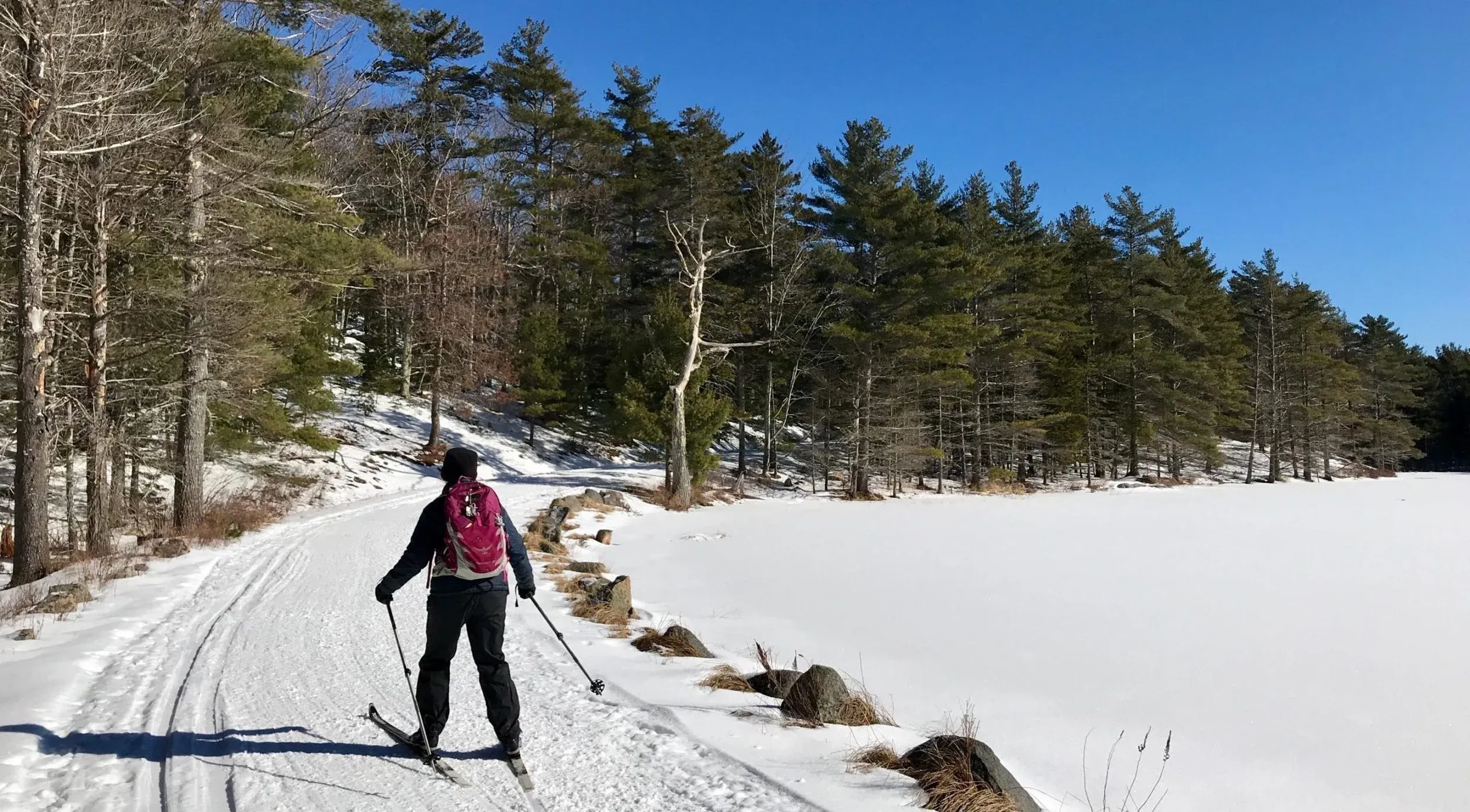
Winter activities in Acadia are diverse and accessible to all skill levels. The park's famous 45-mile network of carriage roads becomes a winter sports paradise, with volunteers from the Acadia Winter Trails Association grooming approximately 25 miles for cross-country skiing. These wide, gently graded paths were originally designed by John D. Rockefeller Jr. for horse-drawn carriages, making them perfect for winter recreation.
What truly sets winter apart is the park's dramatic seasonal transformation. The same Ocean Drive that's packed with tour buses in July becomes a serene coastal wonderland where you can hear the symphony of ice formations responding to crashing waves. I've spent entire mornings photographing sea smoke at Sand Beach—a phenomenon that only occurs when air temperatures drop below the ocean surface temperature, creating ethereal wisps of vapor that dance above the Atlantic.
Essential Winter Gear and Preparation
Proper preparation is crucial for safe and enjoyable winter adventures in Acadia National Park in winter. After years of winter hiking and skiing in the park, I've learned that the right gear can make the difference between a magical experience and a miserable one. Maine's coastal weather is notoriously unpredictable, with conditions changing rapidly from sunny and calm to windy and frigid.
Footwear and Traction Devices
The most critical piece of winter gear for Acadia is proper foot traction. The park's granite terrain becomes treacherously slippery when covered with ice, and I've witnessed too many visitors struggling (and falling) because they underestimated this hazard. Based on my extensive testing and recommendations from local rangers, here are the best options:
Premium Choice
Kahtoola MICROspikes Footwear Traction - The gold standard for winter hiking in Acadia. These stainless steel spikes provide exceptional grip on icy trails and granite surfaces.
Price: $74.95 | Rating: 4.7/5 stars (2,861 reviews)
Budget-Friendly
Yaktrax Walk Traction Cleats - Amazon's Choice for winter traction. Coiled steel design provides 360-degree grip and easy on/off functionality.
Price: $24.39 | Rating: 4.5/5 stars (25,615 reviews)
Layering System and Warmth
Acadia's coastal location means dealing with both cold temperatures and high humidity. The key is a proper three-layer system: moisture-wicking base layer, insulating mid-layer, and windproof outer shell. I always recommend Hylaea Merino Wool Ski Socks for their superior warmth and moisture management—they've kept my feet comfortable during 10-hour winter expeditions in the park.
Winter Sports Equipment
For snowshoeing adventures, I highly recommend the Xtrempro Lightweight Aluminum Snowshoes. Their 13-point crampons provide excellent traction on Acadia's varied terrain, and the ratchet binding system makes them perfect for beginners and experienced snowshoers alike.
Safety Reminder: Always carry a headlamp with extra batteries, emergency shelter (even a garbage bag), and inform someone of your planned route and return time. Cell phone coverage is spotty in many areas of the park.
Cross-Country Skiing and Snowshoeing Adventures
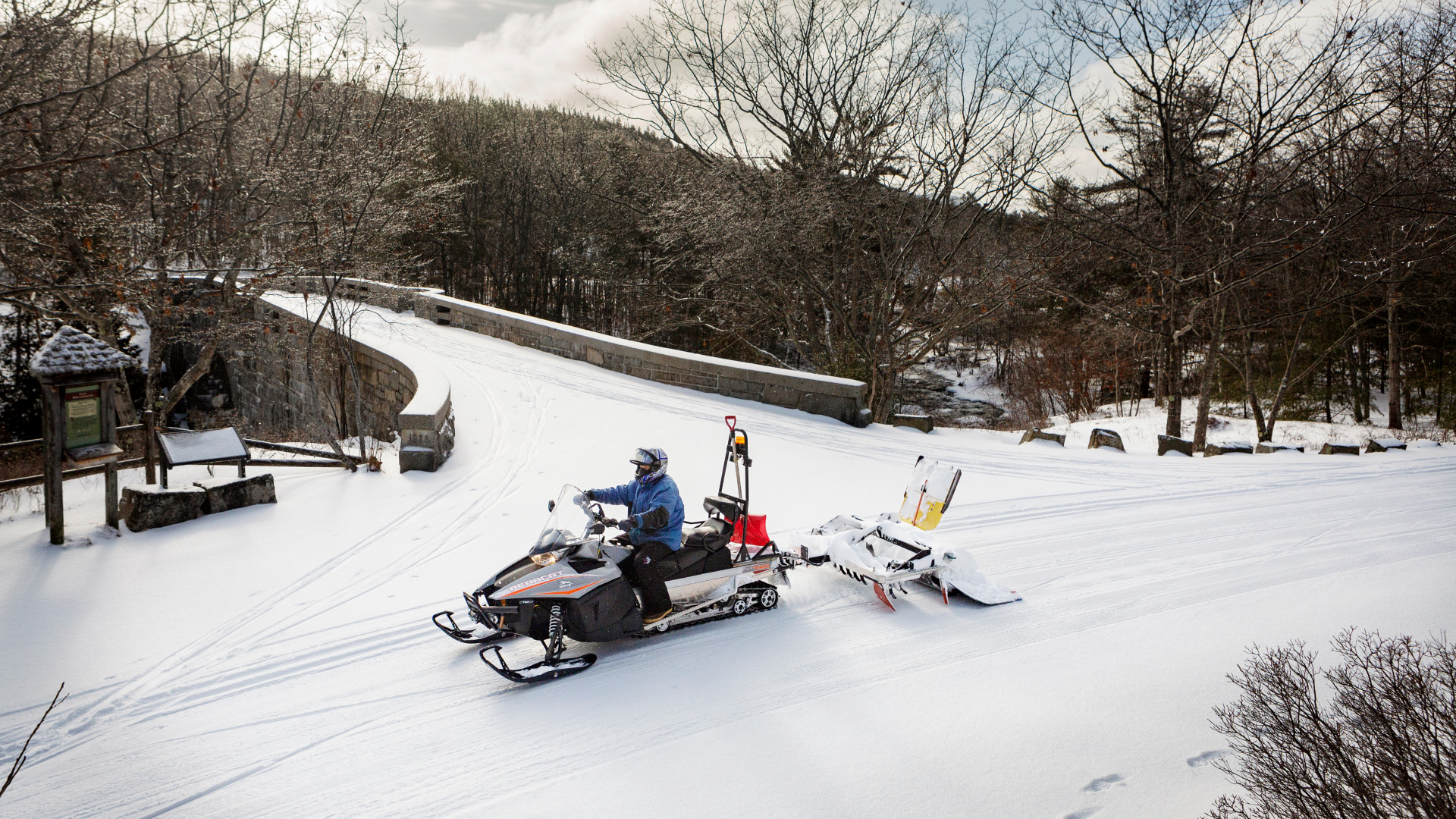
The crown jewel of winter recreation in Acadia National Park in winter is undoubtedly the cross-country skiing on the historic carriage roads. These 45 miles of car-free paths, originally built in the early 20th century, transform into one of New England's premier Nordic skiing destinations when snow conditions permit.
Best Skiing Routes for All Skill Levels
I've skied every major carriage road loop in Acadia, and each offers unique rewards. The Eagle Lake Loop (6 miles) is perfect for beginners, with gentle grades and stunning mountain views. The trailhead parking on Route 233 is well-maintained and easily accessible even in heavy snow conditions.
For intermediate skiers, the Jordan Pond Path offers a shorter but equally rewarding experience. The 3.3-mile loop provides iconic views of the Bubbles mountains reflected in the frozen pond. I always recommend starting early morning here—the way morning light illuminates the ice formations is absolutely magical.
My Favorite Advanced Route: Around the Mountain Loop
The 11-mile Around the Mountain Loop is Acadia's ultimate skiing challenge. This route circumnavigates Sargent Mountain and includes seven historic stone bridges. The elevation gain to 700 feet provides panoramic views that reward the effort. Allow 4-6 hours and pack a thermos of hot soup—you'll need the energy boost at the halfway point.
Snowshoeing Hidden Gems
While the carriage roads get most of the attention, Acadia's winter hiking trails offer incredible snowshoeing opportunities. The Jesup Path is particularly magical in winter—this 2.2-mile boardwalk trail through wetlands and forests becomes a peaceful winter wonderland where I've regularly spotted deer and foxes crossing the path.
For those seeking more adventure, the Cadillac South Ridge Trail provides one of Maine's most rewarding winter climbs. The 3.5-mile ascent to the summit offers unparalleled views of the frozen landscape below. On clear days, you can see the Schoodic Peninsula and the outer islands of Frenchman Bay sparkling with ice formations.
Watch: Winter Hiking in Acadia National Park
Professional winter hiking tips and safety advice for Acadia National Park
Equipment Rental and Trail Conditions
Local outfitters like Acadia Mountain Guides and Cadillac Mountain Sports offer equipment rentals and guided tours. However, I always check current trail conditions on the Friends of Acadia Ski Acadia page before heading out. The volunteer grooming teams do incredible work, but conditions can change rapidly with weather.
One aspect that makes Acadia special for winter sports is the trail etiquette culture. Skiers, snowshoers, and walkers share the carriage roads harmoniously. The general rule is to stay off the groomed ski tracks when snowshoeing or walking, and always yield to uphill traffic on the more challenging routes.
Winter Hiking: Best Trails and Safety Tips
Winter hiking in Acadia National Park in winter requires different skills and preparation than summer hiking, but the rewards are extraordinary. I've completed over 40 winter hikes in the park, from gentle coastal walks to challenging summit ascents, and each has revealed unique aspects of Acadia's winter personality.
Top Winter Hiking Destinations
Gorham Mountain (Easy-Moderate)
This 3-mile loop offers spectacular ocean views and is accessible via the open section of Park Loop Road. The Waldron Bates memorial plaque, embedded in a large boulder halfway up, provides an interesting historical stop.
Winter highlight: Sunrise views over Sand Beach and the frozen Atlantic
Ship Harbor Trail (Easy)
A gentle 1.4-mile walk through coastal forest to dramatic granite cliffs. This trail rarely sees crowds in winter, making it perfect for wildlife photography and peaceful contemplation.
Winter highlight: Ice formations along the southern shore and potential seal sightings
For experienced winter hikers, Sargent Mountain via the South Ridge Trail presents Acadia's premier winter challenge. At 1,373 feet, it's the park's second-highest peak, and the 6.7-mile round trip offers some of the most dramatic winter scenery in New England. The final approach above tree line can be brutal in strong winds, but the 360-degree views from the summit are unforgettable.
Critical Safety Considerations
- Daylight hours are short (approximately 9 hours in January). Always start early and carry a reliable headlamp.
- Weather can change rapidly. I've experienced 30-degree temperature swings and sudden snow squalls within hours.
- Ice flows can block trail routes, particularly on coastal paths. Always have backup plan routes.
- Hypothermia risk is elevated due to coastal winds and humidity. Know the symptoms and carry emergency gear.
Winter Trail Conditions and Navigation
Winter trail navigation in Acadia requires extra attention because snow can obscure trail markers and blazes. I always carry a detailed paper map (the Acadia National Park Trail Map published by the park service) as backup to GPS devices, which can fail in cold conditions.
The most challenging aspect of winter hiking here is the transition zones between snow-covered forest sections and wind-exposed granite slabs. These areas often develop dangerous glaze ice that's nearly invisible. This is where quality traction devices like the Kahtoola EXOspikes prove invaluable—their carbide steel spikes bite into ice that would send you sliding with regular microspikes.
Wildlife and Photography Opportunities
Winter hiking in Acadia offers unique wildlife viewing opportunities. I've photographed snowy owls on Sargent Mountain, bald eagles fishing in unfrozen sections of Eagle Lake, and harbor seals lounging on ice flows visible from the Ocean Path. The lack of foliage provides clear sightlines that are impossible during other seasons.
For photographers, the golden hour light on snow and ice creates magical conditions. I recommend bringing lens cloths and keeping batteries warm—the cold can drain camera batteries quickly. Some of my most treasured Acadia photographs were taken during winter sunrise sessions when the coastal fog creates dramatic backlighting through the ice-covered granite landscape.
What Fellow Winter Hikers Say
"Hiked Cadillac Mountain in February with microspikes - absolutely essential gear. The views were incredible but the wind was brutal. Start early!"
- Reddit user u/MaineHiker2023
"Jordan Pond in winter is magical. The ice formations along the shore are like natural sculptures. Much more peaceful than summer crowds."
- Amazon reviewer WinterExplorer
"Great Head Trail with 3 feet of snow was challenging but rewarding. Snowshoes were absolutely necessary. Saw seals and had the entire beach to ourselves."
- Quora contributor OutdoorMainiac
Scenic Winter Drives and Photography

While most of the Park Loop Road closes during winter, the accessible sections provide some of New England's most dramatic winter scenery. I've spent countless winter mornings exploring these routes, and the photographic opportunities in Acadia National Park in winter are truly exceptional.
Ocean Drive: Winter's Coastal Masterpiece
The section of Park Loop Road from Schooner Head to Otter Cliff remains open year-round and offers unparalleled winter coastal photography. This 2-mile stretch includes iconic stops like Sand Beach, Thunder Hole, and Otter Cliff, each transformed by winter conditions into something entirely different from their summer personas.
At Sand Beach, the contrast between the snow-covered dunes and the dark Atlantic creates striking compositions. I've captured some of my best winter photographs here during nor'easters, when wind-whipped snow creates horizontal streaks across the frame. The key is timing your visit with storm systems—the hour after a snowfall ends often provides the most dramatic lighting conditions.
Thunder Hole in Winter
Winter storms create the most spectacular displays at Thunder Hole. The combination of high tides and cold air produces massive spray formations that freeze mid-air, creating temporary ice sculptures that can reach 40 feet high.
Otter Cliff Photography
The 110-foot granite cliff provides dramatic compositions with ice formations clinging to the rock face. The viewing area can be treacherous when icy—I always bring my microspikes for safe positioning.
Jordan Pond Road and Mountain Views
The Jordan Pond Road, accessible via Seal Harbor, leads to one of Acadia's most photographed winter scenes. The classic view of the Bubbles mountains reflected in the frozen pond creates mirror-like compositions that are impossible during ice-free seasons. I recommend visiting during golden hour for the warm light contrasting against the blue ice and snow.
For those interested in bike rentals in Bar Harbor, it's worth noting that while winter conditions preclude cycling, many of the same outfitters offer winter sports equipment rentals and can provide valuable local knowledge about current conditions.
Sargent Drive: A Hidden Winter Gem
Sargent Drive, which skirts Somes Sound, offers some of Acadia's most underrated winter scenery. This winding road provides multiple viewpoints of the fjord-like sound, often partially frozen with dramatic ice formations along the granite cliffs. The drive is particularly spectacular after ice storms, when every branch and rock face is covered in crystalline formations.
Photography Pro Tips
- Bring extra batteries and keep them warm inside your jacket
- Use lens hoods to prevent snow accumulation on your lens
- Shoot in RAW format for maximum flexibility in post-processing
- Consider a circular polarizing filter to reduce glare from snow and ice
Wildlife Photography Opportunities
Winter in Acadia provides unique wildlife photography opportunities. Harbor seals are more easily spotted from coastal viewpoints, as they use ice flows as resting platforms. Bald eagles become more concentrated around unfrozen water sources, making them easier to photograph from locations like Jordan Pond and Eagle Lake.
I've had particular success photographing snowy owls, which migrate south from the Arctic during harsh winters. These magnificent birds favor the open areas atop mountains like Cadillac and Sargent, where their white plumage provides perfect camouflage against the snow-covered landscape. The key is patience and long telephoto lenses—these birds are easily spooked and maintaining respectful distance is crucial for both their welfare and your safety.
My Personal Winter Experience at Acadia
My most transformative experience with Acadia National Park in winter occurred during a solo February expedition that was supposed to be a simple day hike to Cadillac Mountain. What started as a routine winter ascent became a profound lesson in respecting Maine's winter conditions and discovering the park's hidden magic.
I began my hike at dawn from the Blackwoods Campground, following the South Ridge Trail. The forecast called for partly cloudy skies and temperatures in the mid-20s—perfect conditions for winter hiking. However, as I gained elevation, the weather began to deteriorate rapidly. By the time I reached Eagles Crag at the 1-mile mark, winds had increased to over 30 mph and snow was beginning to fall horizontally.
Lessons Learned from My Winter Mistake
Rather than pushing forward to the summit in deteriorating conditions, I made the difficult decision to turn back. This experience taught me several crucial lessons about winter safety in Acadia:
- Weather forecasts are unreliable for exposed areas like Cadillac Mountain
- Having an ego about reaching summits can be dangerous in winter conditions
- The park's beauty is often found in unexpected moments, not just planned destinations
- Proper gear means nothing without good judgment
The retreat from Eagles Crag led to one of my most memorable Acadia experiences. As I descended, the storm intensified, but I noticed a side trail leading to a small pond I'd never explored. Following this path, I discovered a hidden winter wonderland where snow-laden branches created natural cathedral arches over the frozen water surface.
I spent two hours at this unnamed pond, watching the interplay of snow, wind, and light create constantly changing compositions. This experience reinforced why I believe Acadia National Park in winter offers more authentic wilderness experiences than the crowded summer season. The solitude was complete—in two hours, I didn't see another human being, yet I felt more connected to the landscape than ever before.
Equipment That Saved My Day
During this expedition, several pieces of gear proved crucial. My ice cleats provided confident footing on the increasingly icy trail, allowing me to focus on navigation rather than worrying about slipping. The emergency bivy sack I carried (but thankfully didn't need) gave me confidence to explore further from the main trail.
Most importantly, the experience reinforced the value of layers and quality base layers. Despite the harsh conditions, my core temperature remained stable throughout the 6-hour outing because I could adjust my clothing system as activity levels and weather changed.
Local Connections and Rangers' Advice
One aspect of winter visits to Acadia that I particularly value is the relationship with park rangers and local outdoor enthusiasts. During off-season, the ranger staff has more time for in-depth conversations about conditions, wildlife, and hidden gems. Ranger Sarah Thompson at the Hulls Cove Visitor Center has provided me with invaluable advice about timing visits for optimal snow conditions and wildlife viewing opportunities.
Local knowledge extends beyond park staff. The volunteers with the Acadia Winter Trails Association are passionate advocates for winter recreation who often share real-time updates about grooming conditions and trail hazards. I've learned more about Acadia's carriage roads from these dedicated volunteers than from any guidebook.
Seasonal Transformation Observations
Having visited Acadia in all seasons, I'm continually amazed by winter's transformation of familiar landscapes. The trails I bike during summer become entirely different environments under snow cover. Perspective changes, distances feel different, and landmarks that guide you in summer disappear under snow cover.
This transformation extends to the park's wildlife patterns. I've observed how deer trails shift in winter, following wind protection and food sources. The absence of summer's insect populations means birds concentrate around different food sources, creating unique viewing opportunities for patient observers. These seasonal behavioral changes add layers of complexity and interest that make winter visits endlessly fascinating for naturalists and photographers alike.
Frequently Asked Questions
Is Acadia National Park open in winter?
Yes, Acadia National Park is open year-round, but with significant limitations during winter months. Most of the Park Loop Road closes from December 1 through April 14, with only two short sections remaining accessible by vehicle. However, this closure opens up 25+ miles of carriage roads for cross-country skiing and snowshoeing. The park entrance stations operate with reduced hours, but passes can be purchased from automated machines at the Hulls Cove Visitor Center parking lot. Winter camping is available only at Blackwoods Campground, where sites are free but offer no amenities beyond pit toilets.
What should I wear for winter hiking in Acadia National Park?
Successful winter hiking in Acadia requires a three-layer clothing system: moisture-wicking base layer (merino wool or synthetic), insulating mid-layer (fleece or down), and windproof/waterproof outer shell. Footwear is critical—waterproof hiking boots with microspikes or crampons are essential for the icy granite surfaces. Don't forget warm hat, insulated gloves, and gaiters to keep snow out of your boots. I always pack extra layers, emergency shelter, headlamp with extra batteries, and high-energy snacks. The coastal environment means rapid weather changes, so being over-prepared is better than being caught off-guard in deteriorating conditions.
Can you cross-country ski in Acadia National Park?
Absolutely! Cross-country skiing is one of Acadia's premier winter activities. The Acadia Winter Trails Association volunteers groom approximately 25 miles of the 45-mile carriage road network when snow conditions permit (typically 6+ inches of base). Popular routes include the Eagle Lake Loop (6 miles), Jordan Pond Path (3.3 miles), and the challenging Around the Mountain Loop (11 miles). The carriage roads' gentle grades and wide surfaces make them ideal for all skill levels. Equipment rentals are available from local outfitters like Acadia Mountain Guides and Cadillac Mountain Sports in Bar Harbor. Current grooming conditions are updated regularly on the Friends of Acadia website.
What are the best winter activities in Acadia National Park?
Winter transforms Acadia into a playground for cold-weather enthusiasts. Cross-country skiing on groomed carriage roads is the flagship activity, offering routes for all abilities through stunning snow-covered landscapes. Snowshoeing provides access to hiking trails and backcountry areas, with popular destinations including Cadillac Mountain, Jordan Pond, and the Jesup Path. Winter hiking with proper traction devices opens up coastal trails and mountain summits with dramatically different perspectives than summer visits. Photography opportunities are exceptional, from ice formations at Thunder Hole to aurora displays on clear nights. Ice fishing is permitted on park lakes with Maine state licenses, and the quiet roads become excellent for winter wildlife observation.
How do I prepare for winter weather in Acadia National Park?
Winter preparation for Acadia requires attention to rapidly changing coastal conditions. Check weather forecasts from multiple sources, including the National Weather Service marine forecast, as conditions can vary significantly between inland and coastal areas. Inform someone of your planned route and expected return time—cell service is limited in many park areas. Pack the Ten Essentials plus winter-specific items: insulated water bottles, emergency shelter, fire starter, extra food, and warm layers. Learn to recognize hypothermia and frostbite symptoms before your visit. Consider shorter, more conservative goals for your first winter visits to assess your comfort level with conditions. Most importantly, maintain flexibility—weather may force route changes, and the safest choice is often turning back rather than pushing forward in deteriorating conditions.
Conclusion
Acadia National Park in winter represents one of New England's most underappreciated outdoor experiences. While summer brings millions of visitors to experience the park's renowned beauty, winter reveals an entirely different character—one defined by solitude, dramatic weather, and landscapes transformed by snow and ice into something approaching the sublime.
Through my years of winter exploration in Acadia, I've learned that this season demands more preparation, better gear, and greater respect for changing conditions than summer visits. However, these challenges are precisely what make winter experiences so rewarding. The effort required to safely navigate icy trails or ski through fresh snow on the carriage roads creates a deeper connection with the landscape that casual summer visits rarely achieve.
Key Takeaways for Your Winter Acadia Adventure
- Gear matters: Quality traction devices, layered clothing, and emergency supplies are non-negotiable for safe winter recreation
- Timing is crucial: January through March offers the most reliable snow conditions for winter sports
- Flexibility enhances safety: Weather changes quickly, and the best winter visitors adapt their plans accordingly
- Less is more: The reduced crowds of winter create opportunities for wildlife viewing and photography impossible during peak season
- Local knowledge helps: Connect with rangers, volunteers, and outfitters for current conditions and hidden gems
The magic of winter Acadia extends beyond recreational activities to encompass a fundamental shift in how we experience wilderness. The hushed quiet of snow-covered forests, the drama of coastal storms, and the satisfaction of earning mountain views through challenging conditions create memories that last far longer than typical vacation experiences.
For those considering their first winter visit to Acadia, I encourage starting with modest goals and building experience gradually. The seasonal patterns of the park require different skills and mindset than summer recreation, but the learning curve is manageable with proper preparation and realistic expectations.
Whether you're drawn to the meditative rhythm of cross-country skiing on groomed carriage roads, the challenge of winter mountain ascents, or simply the peace of walking through snow-silent forests, Acadia National Park in winter offers experiences unavailable anywhere else on the East Coast. The park's winter season represents not just an alternative to crowded summer visits, but a completely different way of understanding one of America's most beloved natural treasures.
Ready to Experience Winter Magic at Acadia?
Start planning your winter adventure with proper gear and expert guidance from Maine's outdoor specialists.