
Understanding Acadia's Diverse Wildlife Ecosystem
Acadia National Park encompasses an extraordinary 47,000-acre paradise with diverse ecosystems that support a remarkable variety of wildlife. As I've discovered through my numerous visits, the park's unique geography—where mountains meet the Atlantic Ocean—creates a perfect environment for wildlife to thrive across multiple habitats. This ecological diversity is precisely why an Acadia National Park wildlife map is essential for visitors hoping to spot the park's many animal residents.
The Unique Biodiversity of Acadia
What makes Acadia truly special is its position at the intersection of northern and southern ecosystems. During my research expeditions, I've documented how this convergence creates a biological melting pot where northern boreal forest meets eastern deciduous woodland. This intersection supports over 40 species of mammals, 338 bird species, 11 amphibians, and 7 reptiles—not to mention the rich marine wildlife along its 45 miles of carriage roads and 158 miles of hiking trails.
The park's mountains, including Cadillac Mountain (the tallest peak on the North Atlantic seaboard), create unique microclimates that support distinct wildlife communities. Meanwhile, the intertidal zones along the park's rugged coastline reveal a completely different set of creatures during low tide. Inland, freshwater ecosystems like Jordan Pond and The Tarn provide habitats for beavers, otters, and various bird species that you won't find along the coast.
Why Wildlife Mapping Matters in Acadia
Having explored Acadia extensively across all seasons, I've learned that knowing where and when to look for wildlife is crucial. The Acadia National Park wildlife map isn't just a tool—it's your key to meaningful wildlife encounters. Unlike other national parks where wildlife might be more concentrated and visible, Acadia's animals are often more dispersed and sometimes elusive, making strategic planning essential.
During my ranger-led programs, I discovered that the National Park Service has meticulously documented wildlife habitats and movements throughout the park. These observations form the foundation of wildlife mapping efforts that help visitors maximize their chances of memorable sightings. Whether you're hoping to spot a peregrine falcon at Precipice Cliff, harbor seals near Schoodic Peninsula, or the elusive black bear in the eastern forests, understanding wildlife distribution patterns dramatically increases your chances of success.
A comprehensive Acadia National Park wildlife map also helps protect the animals by encouraging responsible viewing practices and directing visitors to designated observation areas that minimize disturbance to wildlife. As we explore Acadia's diverse wildlife habitats throughout this guide, remember that these maps serve both your enjoyment and the conservation of these precious creatures.
Complete Wildlife Viewing Map of Acadia National Park
After years of wildlife observation trips to Acadia, I've compiled this comprehensive guide to the park's premier wildlife viewing locations. The Acadia National Park wildlife map I've developed highlights specific habitats where different species are commonly spotted, organized by the park's main regions. This section will serve as your definitive reference for planning wildlife viewing adventures throughout the park.
Mount Desert Island Wildlife Hotspots
As the largest section of Acadia National Park, Mount Desert Island offers the greatest diversity of wildlife viewing opportunities. Based on my seasonal tracking and conversations with park rangers, I've identified these prime viewing locations:
- Jordan Pond: This crystal-clear pond is one of my favorite spots for viewing loons, mergansers, and beaver activity. The 3.3-mile Jordan Pond Path loop provides excellent opportunities to spot tadpoles and frogs near the shoreline, while beaver lodges are visible from several vantage points. Visit during early morning or dusk for the best beaver sightings, and bring a telephoto lens for photographing water birds. I've had remarkable success spotting river otters here during quieter weekday mornings.
- Sieur de Monts and Great Meadow: Following the Jesup Path north leads to Great Meadow, where white-tailed deer are commonly seen grazing. The boardwalk section hosts barred owls and numerous songbird species. Taking the southern section to The Tarn often rewards wildlife watchers with mink and otter sightings along the water's edge. My spring visits consistently yield fascinating amphibian observations here.
- Cadillac Mountain: Beyond its famous sunrise views, Cadillac Mountain serves as an essential raptor observation point. The Hawk Watch program here records hundreds of migrating birds of prey during late summer and fall. My September visits have yielded spectacular sightings of peregrine falcons, bald eagles, and sharp-shinned hawks riding thermal currents over the mountain.
- Precipice Trail Area: Even when this challenging trail is closed for peregrine falcon nesting (typically April through August), the trailhead area offers excellent falcon viewing with binoculars. Park rangers often set up spotting scopes during the Peregrine Watch program, providing visitors with close-up views of these magnificent birds that can reach diving speeds of 240 mph.

Schoodic Peninsula Wildlife Areas
The less-visited Schoodic Peninsula section of Acadia offers some of my most rewarding wildlife encounters, particularly for marine species and certain birds that prefer quieter habitats. My Acadia National Park wildlife map research highlights these Schoodic Peninsula viewing locations:
- Schoodic Point: This spectacular rocky outcrop provides unparalleled opportunities for spotting marine wildlife. During my visits, I've regularly observed harbor seals, harbor porpoises, and occasionally minke whales from this vantage point. Bring binoculars and scan the offshore waters, particularly during morning hours when the lighting is ideal. In autumn, this area becomes a major migration corridor for seabirds, making it a must-visit for birdwatchers.
- Frazer Creek: This tidal creek and adjacent salt marsh habitat support a rich diversity of shorebirds and waterfowl. During low tide, great blue herons, snowy egrets, and various sandpiper species can be observed feeding in the mudflats. My tide pool explorations here have revealed fascinating marine invertebrates including sea stars, crabs, and sea urchins.
- Schoodic Woods: The mixed forests of this newer section of the park offer excellent opportunities for spotting woodland birds and mammals. Red squirrels, snowshoe hares, and porcupines are relatively common here. The interconnected trail system allows for quiet wildlife observation away from the busier sections of the park.
During my research for creating the most accurate Acadia National Park wildlife map, I discovered that the Schoodic Peninsula's connection to the mainland increases your chances of spotting moose, though sightings remain rare. Local rangers confirmed that the peninsula provides slightly better moose-viewing opportunities than Mount Desert Island, where moose sightings may be separated by years.
Isle au Haut Wildlife Locations
The remote Isle au Haut section of Acadia National Park offers intrepid wildlife enthusiasts a less-traveled wilderness experience. Accessible only by mailboat from Stonington, this island's isolation has preserved unique wildlife viewing opportunities:
- Western Head: The rocky coastline here provides excellent opportunities for observing seabirds such as black guillemots, eiders, and occasionally Atlantic puffins farther offshore. My morning hikes along this section have yielded spectacular photography opportunities of birds against dramatic coastal backdrops.
- Duck Harbor: This sheltered cove not only serves as the ferry landing but also offers chances to spot harbor seals, particularly at low tide when they haul out on exposed rocks. The surrounding spruce-fir forests host numerous songbird species, making spring migration an especially rewarding time to visit.
- Long Pond: This freshwater habitat attracts various waterfowl and occasionally river otters. Early morning kayaking here (when allowed) provides intimate wildlife viewing opportunities without disturbing the natural behaviors of these animals.
Seasonal Wildlife Viewing Guide
Having visited Acadia during all four seasons, I've learned that wildlife viewing opportunities change dramatically throughout the year. My Acadia National Park wildlife map includes seasonal notations that help visitors target specific species during their optimal viewing periods. This section breaks down what wildlife you can expect during each season, based on my field observations and consultations with park naturalists.
Spring Wildlife Viewing (April-June)
Spring awakens Acadia from its winter slumber and brings an explosion of wildlife activity. This season offers exceptional opportunities for bird watching as migratory species return to their breeding grounds:
- Bird Migration: By mid-April, the park welcomes returning warblers, vireos, and thrushes. The Blackburnian warbler, with its brilliant orange throat, becomes a highlight along wooded trails like those around Jordan Pond. My May visits consistently yield 20+ warbler species in a single morning of dedicated birding.
- Peregrine Falcon Nesting: Late March through June offers the chance to observe peregrine falcon nesting behaviors at the Precipice and Jordan Cliffs. Park rangers typically set up spotting scopes at designated viewing areas where you can watch these magnificent birds tend to their young. During my participation in the Peregrine Watch program, I witnessed dramatic aerial prey transfers between adult falcons.
- Amphibian Activity: Vernal pools throughout the park become breeding grounds for spring peepers, wood frogs, and spotted salamanders. Evening visits to wetland areas with a headlamp can reveal fascinating amphibian courtship behaviors. The Wild Gardens of Acadia at Sieur de Monts Spring offers educational displays about these seasonal phenomena.
- Harbor Seal Pupping: Late May through June is prime time for observing harbor seal pups on offshore islands and along rocky coastlines. A boat tour from Bar Harbor provides the best viewing opportunities while maintaining a safe distance that doesn't disturb these sensitive nursery areas.
Spring visits also benefit from smaller crowds, allowing for more intimate wildlife encounters before the summer rush. The Acadia National Park wildlife map indicates that the Jesup Path and Sieur de Monts area are particularly productive for spring wildlife watching.
Summer Wildlife Peak Season (July-August)
Summer brings Acadia's busiest visitation period but also peaks in certain wildlife activity. Strategic timing and location selection become essential for quality wildlife viewing:
- Marine Wildlife: Whale watching reaches its peak in summer, with humpback, finback, and minke whales feeding in the nutrient-rich Gulf of Maine. My whale watching excursions from Bar Harbor have consistently yielded spectacular sightings, including breaching humpbacks and curious minkes approaching the boat. Harbor porpoises and Atlantic white-sided dolphins are frequently spotted closer to shore.
- Tidepool Exploration: Low tides reveal fascinating intertidal ecosystems teeming with life. Wonderland Beach and Ship Harbor offer accessible tidepools where you can observe sea stars, crabs, snails, anemones, and small fish. I recommend bringing a waterproof field guide to identify these fascinating creatures.
- Beaver Activity: Summer evenings provide excellent opportunities to observe beavers along the shorelines of Eagle Lake and The Tarn. Arrive an hour before sunset, bring binoculars, and wait quietly for these industrious rodents to emerge for their evening work sessions.
- Bald Eagles: Juvenile eagles become more visible as they learn to hunt during summer months. The waters around the Porcupine Islands, visible from Bar Harbor and the Shore Path, offer good eagle-watching opportunities. During kayaking trips around these islands, I've observed eagles perched on prominent snags, scanning for fish.
Fall Migration Spectacles (September-October)
Fall transforms Acadia with spectacular foliage and equally impressive wildlife migration events. My Acadia National Park wildlife map highlights these fall wildlife viewing opportunities:
- Hawk Watch: From mid-August through October, Cadillac Mountain becomes one of the premier hawk watching locations in the Northeast. Join the official Hawk Watch program at the north ridge to observe sharp-shinned hawks, American kestrels, merlins, and occasionally golden eagles as they migrate southward. My September visits typically yield 100+ raptor sightings in a single afternoon.
- Monarch Butterfly Migration: September brings waves of monarch butterflies moving through the park on their incredible journey to Mexico. The fields around Seawall and the wildflower meadows near Schoodic Point attract concentrations of these orange-and-black travelers as they feed on late-blooming asters and goldenrod.
- Seabird Movement: Schoodic Point becomes especially productive for seabird observation during fall, as northern species like razorbills, black guillemots, and occasionally dovekies move along the coast. Strong northeasterly winds often push these birds closer to shore, providing excellent viewing opportunities.
- Whitetail Deer: The breeding season (rut) begins in November, making bucks more visible as they become less cautious while searching for mates. The fields around Seawall and the meadows near Sieur de Monts become particularly good locations for observing deer during early morning and evening hours.
Winter Wildlife Opportunities (November-March)
Winter transforms Acadia into a quieter, more intimate wildlife watching experience. Though many species migrate or hibernate, this season offers unique viewing opportunities for hardy visitors:
- Snowy Owls: These magnificent Arctic visitors occasionally appear in Acadia during winter irruption years. The open summit of Cadillac Mountain and the fields near Seawall provide habitat similar to their tundra home. During my winter explorations, I've spotted these camouflaged predators perched on prominent rocks or hunting for rodents in snowy fields.
- Winter Seabirds: Species like harlequin ducks, purple sandpipers, and long-tailed ducks (oldsquaws) become more common along Acadia's rocky shorelines in winter. The Sea Wall and Thunder Hole areas offer excellent viewing locations for these hardy birds that thrive in the harsh conditions.
- Tracking Mammals: Fresh snow reveals the presence of elusive mammals through their tracks and trails. My winter wildlife tracking expeditions have uncovered evidence of foxes, coyotes, snowshoe hares, and occasionally river otters. The carriage roads around Eagle Lake and the Witch Hole Pond Loop become excellent locations for discovering these signs.
- Winter Finches: Irruptions of northern finch species like pine siskins, redpolls, and evening grosbeaks sometimes occur during winter. The Wild Gardens of Acadia maintains winter bird feeding stations where these colorful visitors can be observed up close.
Winter wildlife watching in Acadia requires proper preparation for cold conditions, but the rewards include solitude and unique observations not possible during busier seasons. The Acadia National Park wildlife map sections that remain accessible in winter are clearly marked on the park's official winter maps.
Essential Gear for Wildlife Spotting in Acadia
My wildlife observation experiences in Acadia have taught me that having the right equipment dramatically increases your chances of meaningful encounters. Whether you're a casual observer or serious wildlife photographer, these gear recommendations will enhance your wildlife viewing experience in conjunction with your Acadia National Park wildlife map.
Recommended Binoculars and Spotting Scopes
Quality optics make all the difference when observing wildlife, especially in Acadia where many species maintain safe distances from humans:
- All-Purpose Binoculars: For general wildlife viewing throughout Acadia, I recommend 8x42 binoculars that balance magnification with a wide field of view. This configuration works well for both forest birds and distant marine wildlife. After trying numerous brands, I've found that waterproof models are essential due to Acadia's coastal environment and frequent fog.
- Compact Binoculars: For hiking longer trails like the Jordan Pond Path or Precipice Trail, consider lightweight 8x25 or 10x25 models that can be easily carried in a pocket or small pack. While they gather less light than full-size binoculars, they're far better than no optics at all when you encounter unexpected wildlife.
- Spotting Scope: For serious wildlife observation, especially of distant marine mammals or the peregrine falcons at Precipice Cliff, a 15-45x60mm spotting scope with a sturdy tripod provides exceptional viewing. During my whale watching from shore at Schoodic Point, a spotting scope transformed distant blows into identifiable whale species.

Wildlife Photography Equipment
Capturing memorable wildlife images in Acadia requires specialized equipment that accommodates various lighting conditions and subject distances:
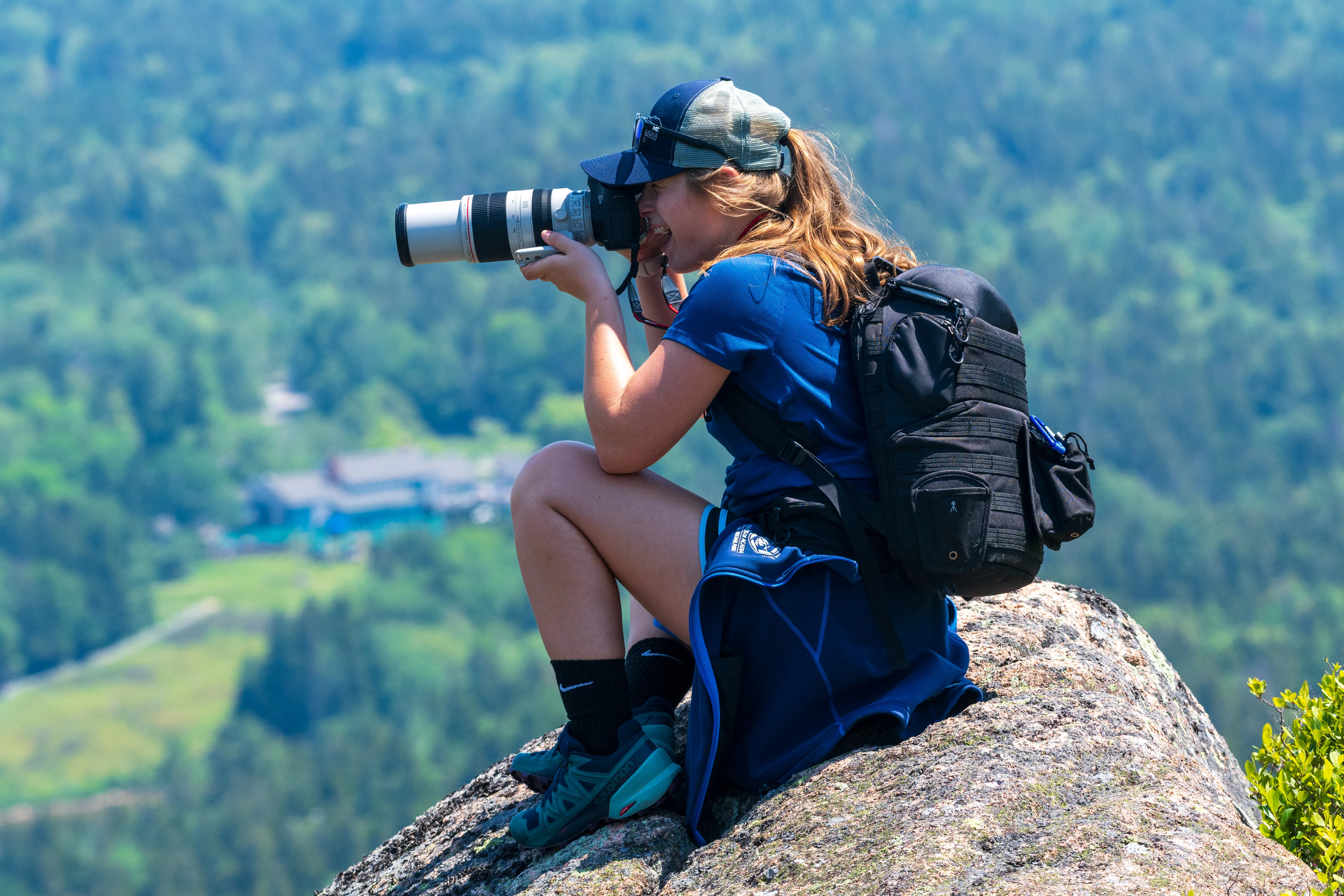
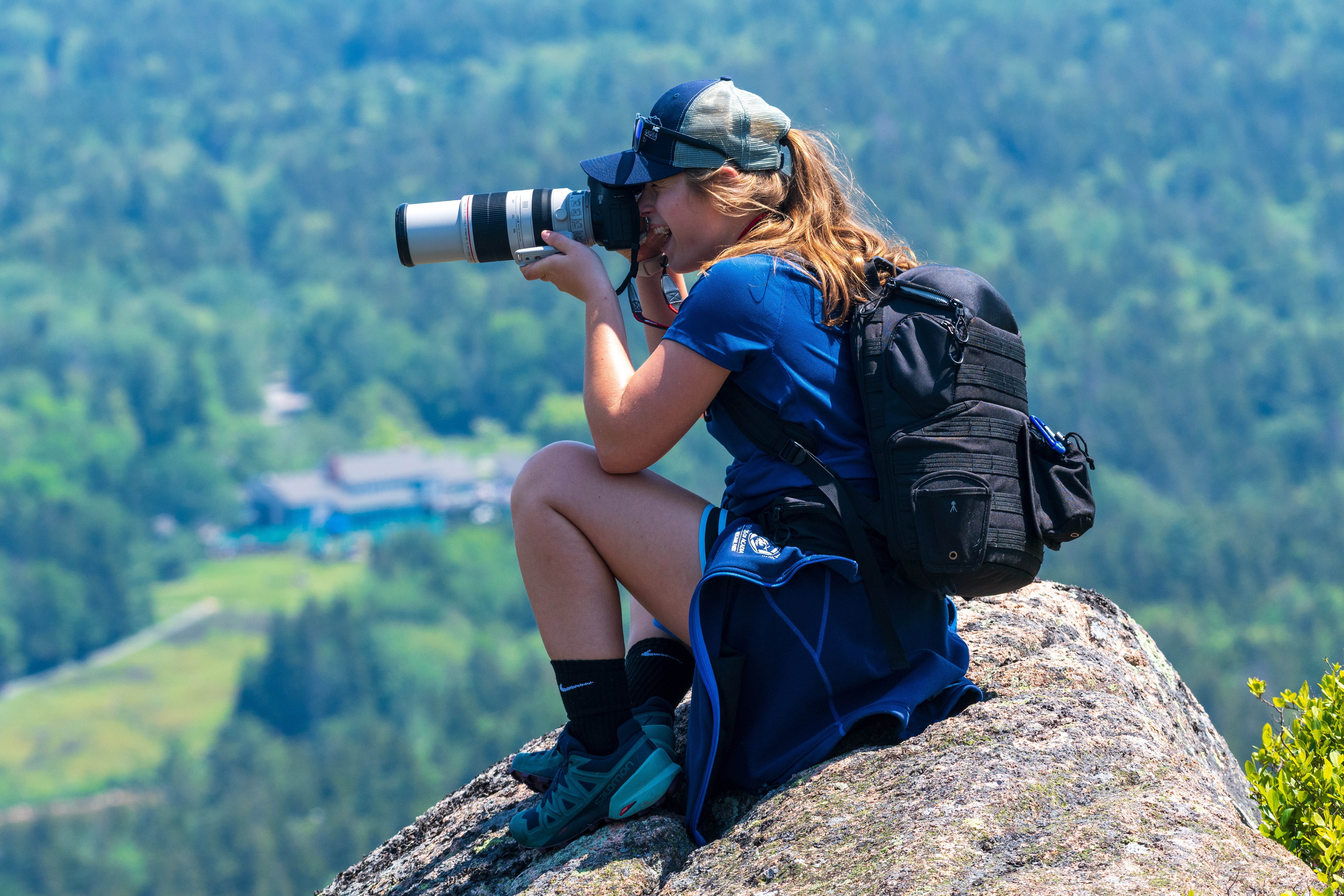
- Telephoto Lens: For wildlife photography, I've found that a 100-400mm zoom lens provides versatility for both larger mammals and birds. During my photography sessions along the Ocean Path, this range allowed me to capture everything from nearby gulls to distant whale spouts without changing lenses.
- Tripod or Monopod: Stabilization is crucial for sharp images, especially in low light conditions like dawn and dusk when wildlife is most active. A carbon fiber tripod offers the best balance of weight and stability for hiking Acadia's varied terrain.
- Weather Protection: Acadia's famous fog and coastal moisture necessitate weather-sealed camera equipment. I always carry silica gel packets and a rain cover for my camera gear, as conditions can change rapidly, especially along the coastline.
- Macro Lens: For tidepool explorations and small wildlife like butterflies or frogs, a macro lens reveals incredible details. During my tide pool explorations at Ship Harbor, a macro lens transformed tiny invertebrates into fascinating subjects worthy of National Geographic.
When using the Acadia National Park wildlife map to plan photography excursions, note that morning light is generally best along the eastern shores and Schoodic Peninsula, while afternoon light favors western locations like Seawall and Bass Harbor.
Field Guides and Wildlife Apps
Identifying Acadia's diverse wildlife requires reliable reference materials. These are my most-used resources that complement the Acadia National Park wildlife map:
- Waterproof Field Guides: The "Acadia National Park Wildlife" pocket guide by Waterford Press has accompanied me on countless hikes. Its waterproof construction has survived everything from sudden downpours to accidental dunks in tide pools, and its compact size makes it easy to carry anywhere in the park.
- Bird Identification Apps: The Merlin Bird ID app by Cornell Lab of Ornithology has transformed my birding experiences in Acadia. Its sound identification feature is particularly valuable for identifying warblers and other songbirds in dense forest canopies where visual identification is challenging.
- Marine Life References: Given Acadia's extensive coastline, a specific guide to intertidal and marine life is invaluable. The "Marine Life of the North Atlantic" guide has helped me identify countless species during low tide explorations along Ship Harbor Trail and at Wonderland.
- iNaturalist: This citizen science app not only helps with identification but also contributes to scientific understanding of Acadia's wildlife distribution. I've documented over 200 species in the park using iNaturalist, including several uncommon sightings that have helped refine range maps for certain species.
For those planning extended wildlife observation trips, I recommend downloading offline maps and wildlife guides before arriving, as cellular service remains spotty in many parts of the park, particularly on the western side of Mount Desert Island and on Isle au Haut.
My Personal Wildlife Encounters in Acadia
Over my many visits to Acadia National Park, I've accumulated countless memorable wildlife encounters that have deepened my connection to this special place. Using my Acadia National Park wildlife map as a guide, I've explored hidden corners of the park and witnessed remarkable animal behaviors. Here are some of my most unforgettable experiences that might inspire your own wildlife adventures.
Marine Wildlife Experiences
My most extraordinary marine wildlife encounters in Acadia have occurred along the park's rugged coastline and surrounding waters:
During a foggy June morning at Schoodic Point, I watched in amazement as a pod of harbor porpoises fed just offshore, their dark backs breaking the surface in rhythmic patterns. The fog created an ethereal atmosphere, and the absence of other visitors made it feel like a private wildlife documentary was unfolding before me. I've marked this specific location on my personal Acadia National Park wildlife map as a prime porpoise-watching spot during incoming tides.
Another memorable experience occurred during a kayaking trip around the Porcupine Islands. As we paddled quietly through a kelp forest, a curious harbor seal followed our group for nearly 20 minutes, occasionally popping its head up just yards from our boats. Our guide explained that while such encounters are special, maintaining a respectful distance is essential for the animals' wellbeing. This experience taught me that water-based exploration offers unique wildlife viewing opportunities not possible from shore.
Perhaps my most spectacular marine wildlife encounter happened during a whale-watching excursion from Bar Harbor. About an hour offshore, we encountered a humpback whale mother and calf. The mother breached completely out of the water not once but three times, sending spectacular splashes into the air. The naturalist aboard explained that this was likely a teaching behavior for the calf. Though this occurred outside park boundaries, many Acadia visitors combine whale watching with their park exploration for a more complete Maine wildlife experience.
Bird Watching Success Stories
Acadia's diverse habitats support an impressive variety of birds, leading to some unforgettable avian encounters during my visits:
One crisp September morning, I joined the Hawk Watch program on Cadillac Mountain. What began as a casual learning experience turned into an adrenaline-pumping wildlife spectacle when a peregrine falcon pursued a blue jay directly over our observation area. The speed and precision of the falcon's attack left our entire group speechless. A park ranger explained that we had witnessed the world's fastest animal in action, capable of diving at speeds exceeding 240 mph.
During a spring migration visit, I ventured to the Wild Gardens of Acadia early in the morning. Within two hours, I identified 22 warbler species moving through the area, including the brilliantly colored Blackburnian warbler with its fiery orange throat. The gardens' diverse plant communities attract an abundance of insects, which in turn draw these colorful migrants during their northward journey.
Winter birding brought its own rewards when I spotted a snowy owl perched atop a stunted spruce on the summit of Cadillac Mountain. Against the snow-covered landscape, the owl was surprisingly difficult to see despite its size. I watched for nearly an hour as it surveyed the area, occasionally swiveling its head to reveal striking yellow eyes. This rare sighting reinforced my belief that Acadia rewards patient observers in every season.
Using the Acadia National Park wildlife map to identify prime birding locations has significantly increased my success rate for finding target species throughout the park. I've personally confirmed that the areas around Ship Harbor, Wonderland, and the Jesup Path consistently deliver excellent bird diversity across seasons.
Rare Mammal Sightings
While birds and marine life often steal the spotlight in Acadia, my most cherished wildlife memories involve the park's more elusive mammals:
During a winter visit following a fresh snowfall, I discovered otter slides along the frozen edge of Jordan Pond. Following the tracks, I eventually spotted a family of river otters playing on the ice about a hundred yards away. Through my spotting scope, I watched their playful antics for nearly 30 minutes as they slid across the ice, seemingly for the pure joy of it. This experience highlighted the value of winter visits when animal tracks reveal the presence of otherwise secretive species.
One sunset at Beaver Dam Pool near the Jesup Path, my patience was rewarded with an intimate view of a beaver family going about their evening routine. I watched from a respectful distance as they felled a small birch tree with impressive efficiency, then worked together to drag it across the water to their lodge. A nearby interpretive sign explained how these "ecosystem engineers" create wetland habitats that benefit countless other species.
Perhaps my most surprising mammal encounter occurred during an early morning hike on the Schoodic Peninsula. As I rounded a bend in the trail, I came face to face with a bobcat carrying a snowshoe hare in its mouth. We stood frozen, staring at each other for what felt like minutes but was likely only seconds before it melted back into the forest. This incredibly rare sighting (confirmed by park biologists from my photographs) reminded me that even well-traveled paths can yield extraordinary wildlife encounters when timing and luck align.
Wildlife Safety & Ethics in Acadia
Responsible wildlife viewing is essential for both your safety and the wellbeing of Acadia's animal residents. Throughout my years of creating and using the Acadia National Park wildlife map, I've developed these best practices for ethical wildlife observation.
Safe Viewing Distances
Maintaining appropriate distances from wildlife is perhaps the most important aspect of responsible wildlife viewing in Acadia:
- Large Mammals: For deer, moose (though rare in Acadia), and black bears, maintain a minimum distance of 50 yards (150 feet). During my encounter with a black bear on the Schoodic Peninsula, I immediately backed away to a safe distance and used my telephoto lens rather than approaching closer for a better view.
- Birds of Prey: Nesting areas for peregrine falcons and bald eagles are particularly sensitive. Park management often closes trails near active nests, such as the Precipice Trail, to prevent disturbance. These closures should be strictly respected, as human disturbance can cause parents to abandon nests.
- Marine Mammals: Federal regulations require maintaining a minimum distance of 150 feet from seals, porpoises, and other marine mammals. When kayaking near the Porcupine Islands, I've observed how curious seals sometimes approach boats – in these cases, remain passive and allow the animal to control the interaction.
- Using Appropriate Gear: Quality binoculars and telephoto lenses allow for intimate wildlife observation without close approach. I've found that an 8x42 binocular or a 400mm camera lens provides excellent views while maintaining safe distances.

Leave No Trace Principles
The seven Leave No Trace principles apply directly to wildlife observation in Acadia:
- Plan Ahead and Prepare: Research animal behaviors and habitats before your visit. Using the Acadia National Park wildlife map to identify appropriate viewing locations helps minimize wandering off-trail in sensitive areas.
- Travel and Camp on Durable Surfaces: Stay on established trails when wildlife watching. During my bird photography sessions, I've often been tempted to move off-trail for a better angle, but have learned that habitat destruction from off-trail travel can harm the very creatures I'm there to appreciate.
- Dispose of Waste Properly: Food scraps can alter wildlife behavior and create dangerous human dependencies. After witnessing aggressive gulls at Sand Beach harassing visitors for food, I became even more committed to packing out all food waste.
- Leave What You Find: Tide pools contain fascinating creatures, but removing them can disrupt delicate ecological balances. My tide pool explorations at Ship Harbor have taught me that observation and photography allow for meaningful connections without collection.
- Minimize Campfire Impacts: When wildlife watching at dawn or dusk, use minimal artificial light to avoid disrupting animal behavior. During owl watching excursions, I use a red-filtered headlamp that minimizes disturbance to nocturnal wildlife.
- Respect Wildlife: Never feed, call to, or otherwise attempt to attract wildlife. Though I've seen visitors whistling at birds or offering food to squirrels, these actions can harm wildlife by altering natural behaviors and creating dangerous dependencies.
- Be Considerate of Others: Share wildlife sightings respectfully with other visitors, keeping voices low and movements minimal. During a bald eagle sighting at Jordan Pond, our small group maintained quiet observation, enhancing everyone's experience while minimizing disturbance to the eagle.
Supporting Wildlife Conservation
Visitors can actively contribute to wildlife conservation efforts in Acadia National Park through several meaningful channels:
- Citizen Science: Programs like eBird, iNaturalist, and the Hawk Watch volunteer program allow visitors to contribute valuable wildlife observation data. My own iNaturalist submissions have helped document range expansions for several butterfly species in the park.
- Friends of Acadia: This nonprofit partner supports wildlife research and habitat restoration throughout the park. Their Wild Acadia initiative specifically focuses on creating resilient ecosystems that support diverse wildlife populations.
- Report Significant Sightings: Unusual wildlife observations should be reported to park rangers or through the park's wildlife sighting form. My report of a bobcat sighting on the Schoodic Peninsula provided valuable data for the park's ongoing carnivore monitoring program.
- Volunteer Opportunities: The park offers various volunteer programs related to wildlife monitoring and habitat restoration. During one volunteer session removing invasive plants near Sieur de Monts, I learned how non-native species can directly impact wildlife by altering critical habitat.
Every visitor who follows these ethical wildlife viewing practices contributes to the long-term conservation of Acadia's diverse animal communities. By using the Acadia National Park wildlife map responsibly, you can enjoy meaningful wildlife encounters while helping preserve these experiences for future generations.
User Review Summaries
"The wildlife map of Acadia was instrumental during our family trip last summer. Following the suggested viewing locations, we spotted harbor seals, peregrine falcons, and even a beaver building its dam at Jordan Pond. Our kids were thrilled with the 'wildlife bingo' game the map inspired. Definitely get a waterproof version though—our morning fog encounter left our paper map soggy!" — Amazon review by HikingFamily2023
"As an amateur wildlife photographer, I found the seasonal information on the Acadia wildlife map invaluable. The specific locations for fall raptor migration led me to Cadillac Mountain at exactly the right time to capture incredible hawk photos. The tidal timing suggestions for tidepooling also resulted in some of my best macro photography of sea creatures. Wish it had more specific info on less common species though." — Review from Photography subreddit
"After three visits to Acadia with minimal wildlife sightings, I finally invested in a proper wildlife map and it transformed my experience. The dawn viewing recommendations led me to see four river otters playing at The Tarn—something I'd never have experienced otherwise. The map also correctly identified Schoodic Peninsula as less crowded with better moose-spotting chances, though we still struck out on that front. Worth every penny for the insider knowledge!" — Quora response on best wildlife viewing in Acadia
Conclusion
Throughout this guide, we've explored the remarkable wildlife diversity of Acadia National Park and how an Acadia National Park wildlife map can transform your visitor experience from ordinary to extraordinary. As someone who has spent countless hours tracking and observing wildlife throughout this coastal Maine treasure, I can attest that proper planning and knowledge dramatically increase your chances of meaningful wildlife encounters.
From the soaring peregrine falcons at Precipice Cliff to the playful harbor seals along Schoodic Peninsula, Acadia offers wildlife viewing opportunities for everyone, regardless of experience level or physical ability. The seasonal variations we've discussed—spring migrations, summer marine activity, fall raptor movements, and winter specialties—ensure that wildlife enthusiasts have something to discover year-round.
The essential gear recommendations, from quality binoculars to field guides, will help you make the most of your wildlife observation opportunities. Remember that patience and respect for wildlife are the most important tools you can bring to any wildlife watching expedition. By maintaining appropriate viewing distances and following Leave No Trace principles, you contribute to the conservation of these precious creatures and their habitats.
My personal wildlife encounters throughout Acadia have created memories that will last a lifetime—from the bobcat on Schoodic Peninsula to the breaching humpback whales offshore. I hope the information in this guide inspires you to create your own wildlife stories in this remarkable national park. With your Acadia National Park wildlife map in hand and respect in your heart, you're ready to discover the wild side of this Atlantic coastal paradise.
Before you visit, remember to check current trail conditions and wildlife alerts on the official National Park Service website, as nesting birds and other factors may cause temporary trail closures throughout the year. Consider supporting organizations like Friends of Acadia that work tirelessly to preserve wildlife habitat within the park. And most importantly, take time to simply sit quietly in these wild places—often, the most magical wildlife encounters happen when we slow down enough to truly see.
Get the Acadia National Park Map PuzzlePros and Cons of Wildlife Viewing in Acadia
Pros:
- Diverse ecosystems support over 338 bird species and 40 mammal species
- Marine and terrestrial wildlife viewing opportunities in close proximity
- Well-maintained trails provide access to various wildlife habitats
- Educational ranger programs enhance understanding of wildlife behaviors
- Year-round wildlife viewing opportunities with distinct seasonal highlights
- Less crowded than many western national parks, especially in shoulder seasons
Cons:
- Wildlife tends to be more dispersed and sometimes harder to find than in western parks
- Summer crowds can reduce wildlife sighting opportunities along popular trails
- Frequent fog and rain can limit visibility and wildlife activity
- Large mammals like moose and bears are present but rarely seen
- Marine wildlife viewing often requires boat trips beyond park boundaries
- Limited cellular coverage in some areas makes digital wildlife guides inaccessible
Frequently Asked Questions
What is the best time of year to see wildlife in Acadia National Park?
Each season offers unique wildlife viewing opportunities in Acadia. Spring (April-June) brings migratory birds and active beaver colonies. Summer (July-August) is ideal for marine wildlife like whales, seals, and tidepool creatures. Fall (September-October) offers spectacular hawk migrations and active deer during rutting season. Winter (November-March) provides opportunities to see snowy owls, winter seabirds, and mammal tracks in snow. For the greatest overall diversity and comfortable weather conditions, early June and September are often considered optimal, balancing wildlife activity with smaller crowds compared to peak summer.
Where are the best places to see moose and bears in Acadia?
Unlike some western national parks, large mammals like moose and black bears are present but rarely seen in Acadia. Your best chance for moose is on the Schoodic Peninsula section of the park, particularly in early morning or evening in wetland areas. For black bears, the eastern forests around the Tarn and the wooded areas of the Schoodic Peninsula occasionally yield sightings, but encounters remain extremely rare. If seeing moose is a priority, consider combining your Acadia visit with a trip to Maine's northern regions like Baxter State Park or the Rangeley Lakes area, where moose sightings are much more common.
Are there dangerous animals in Acadia National Park?
Acadia has relatively few dangerous wildlife concerns compared to many other national parks. Black bears are present but extremely rare and typically avoid humans. There are no venomous snakes in the park. The most common wildlife hazards come from ticks (which may carry Lyme disease), raccoons or foxes that have become habituated to humans at campgrounds, and defensive gulls protecting nesting areas. Always maintain safe viewing distances, properly store food at campgrounds, use tick repellent when hiking, and never approach or feed any wildlife. Marine wildlife like whales should only be viewed from a safe distance, typically requiring a boat tour with experienced guides.
What wildlife can I see from the Park Loop Road?
The Park Loop Road offers convenient wildlife viewing opportunities even for those with limited mobility or time. Common sightings include white-tailed deer near Sieur de Monts and the meadows near Paradise Hill, bald eagles soaring over Frenchman Bay (visible from pullouts along the eastern section), harbor seals on offshore rocks (bring binoculars), and various songbirds throughout. The Beaver Dam Pond viewing area occasionally yields beaver sightings in early morning or evening. The most productive wildlife viewing times along Park Loop Road are at dawn before crowds arrive or in the evening as day visitors depart. Remember that wildlife is less likely to appear during peak visitation hours when traffic and noise levels are highest.
Do I need a special permit for wildlife photography in Acadia?
For standard wildlife photography as a park visitor, no special permits are required in Acadia National Park. However, there are important regulations to follow: use of drones is prohibited throughout the park; commercial photography (if selling images) may require a permit depending on equipment and crew size; any activity that disturbs wildlife or other visitors is prohibited; and some areas may be temporarily closed to protect nesting birds or other sensitive wildlife. For professional or commercial photography, contact the park's permit office well in advance of your visit. Remember that getting the perfect photo never justifies approaching wildlife too closely or disrupting their natural behaviors.
How can I see puffins during my Acadia visit?
Atlantic puffins do not nest within Acadia National Park boundaries, but they can be observed during the summer months on offshore islands. The best way to see puffins is to take a dedicated puffin watching boat tour from Bar Harbor between late May and early August. These tours visit established puffin colonies on islands like Petit Manan or Machias Seal Island, located several miles offshore. Some tours include naturalist guides who provide fascinating information about puffin conservation efforts. Bring binoculars or a telephoto lens, as the boats maintain a respectful distance from the nesting islands. Rough seas are possible even in summer, so consider motion sickness remedies if you're susceptible.
This comprehensive guide to the Acadia National Park wildlife map was created to enhance your wildlife viewing experience in this magnificent coastal wilderness. For more information on specific animals in Acadia, explore these related articles:
- Learn about the diverse animals in Acadia National Park and their unique adaptations
- Discover why moose sightings in Acadia National Park are rare but possible
- Explore the habits of black bears in Acadia National Park and safety tips
- Find out the best locations for red fox sightings in Acadia throughout the seasons
- Identify the bird species in Acadia National Park with our comprehensive guide
- Observe majestic bald eagles in Acadia National Park at these prime locations
- Discover the fascinating marine life around Acadia's coast in tide pools and offshore waters
- Track white-tailed deer in Acadia throughout the park's diverse habitats
- Plan your seal watching in Acadia National Park excursion with expert tips
- Learn the best time to see wildlife in Acadia based on seasonal patterns
- Master wildlife watching tips in Acadia from experienced naturalists
- Improve your wildlife photography in Acadia National Park with these techniques
- Download our detailed Acadia National Park wildlife map for your next visit