

The Complete Guide to Moose in Acadia National Park: Expert Insights and Rare Sighting Opportunities
Planning a visit to Acadia National Park and wondering about moose sightings? While these magnificent creatures are indeed rare within the park boundaries, understanding their behavior and knowing the right locations can dramatically increase your chances of encountering Maine's iconic state animal. After spending over a decade exploring Maine's wilderness areas, I'll share everything you need to know about moose in Acadia National Park, including why they're scarce, where to look, and alternative wildlife experiences that await.
Understanding Moose Behavior and Habitat Preferences

To understand why encountering moose in Acadia National Park is such a rare occurrence, we must first examine the specific habitat requirements and behavioral patterns of North America's largest deer species. Moose are remarkably adapted creatures, standing up to seven feet tall at the shoulder and weighing between 800-1,500 pounds, making them true giants of the northern forests.
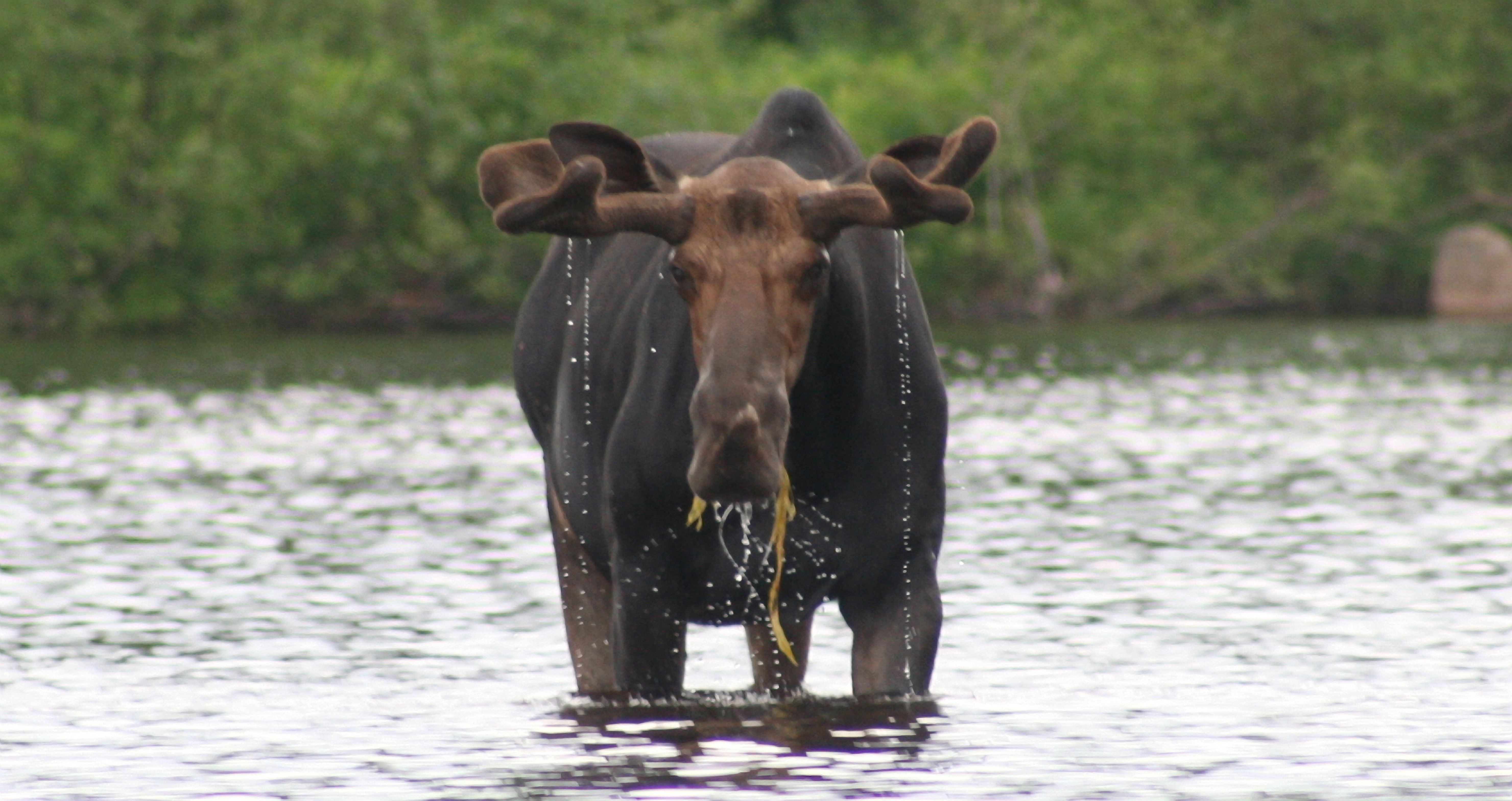
These magnificent animals have evolved specific preferences that directly impact where you might encounter them. Moose thrive in boreal and mixed forests with abundant wetlands, requiring vast territories that can support their substantial dietary needs. A single adult moose consumes approximately 40-60 pounds of vegetation daily, focusing primarily on aquatic plants, young tree shoots, and various shrubs that grow in marshy environments.
Temperature regulation plays a crucial role in moose distribution patterns. Their thick, dark coat and large body mass make them extremely susceptible to overheating when temperatures exceed 80°F. This biological limitation explains why moose gravitate toward cooler, inland regions with access to water bodies where they can wade in to cool down during warmer months. Understanding this behavior is essential when exploring wildlife patterns in Acadia's ecosystem.
During my extensive wildlife photography expeditions throughout Maine, I've observed that moose are most active during dawn and dusk hours, a behavior known as crepuscular activity. They tend to retreat to shaded areas during midday heat, making timing absolutely critical for successful sightings. The best moose watching occurs between May and September, with peak activity during the rutting season in early fall when bulls become more visible while seeking mates.
Why Moose Are Exceptionally Rare in Acadia National Park
The scarcity of moose in Acadia National Park isn't merely coincidental—it's the result of several geographic and ecological factors that make Mount Desert Island unsuitable for sustaining a permanent moose population. According to veteran Acadia ranger Dusty Warner, who has worked in the park for over two decades, he has personally witnessed only three live moose during his entire tenure, and these were all transient individuals rather than established residents.
The primary barrier is Mount Desert Island's geography itself. As an island connected to the mainland only by a narrow causeway, accessing the area requires moose to either swim across Frenchman Bay or cross the busy bridge connecting to the mainland. While moose are capable swimmers, the strong tidal currents and extensive mudflats surrounding the island create natural deterrents that discourage regular migration.
Even more significant is the limited carrying capacity of the island ecosystem. Moose require approximately 6-9 square miles of continuous forested habitat per individual, meaning that Acadia's fragmented landscape could theoretically support only 4-6 breeding females year-round. This population would be far too small to maintain genetic diversity and long-term viability, making permanent establishment virtually impossible.
The coastal climate also presents challenges. Mount Desert Island experiences milder temperatures than inland Maine, but the humidity and lack of extensive wetland systems make it less attractive to moose seeking optimal feeding and cooling opportunities. Unlike the inland regions where wildlife viewing conditions favor large mammals, Acadia's environment is better suited to smaller species and marine wildlife.
Ranger Insight: Park biologist Bruce Connery notes that the few moose that do reach Mount Desert Island often exhibit signs of disorientation or may be suffering from brain worm, a parasitic condition that affects their navigation abilities and can cause erratic behavior patterns.
Prime Locations for Moose Sightings Within and Near Acadia
Schoodic Peninsula: Your Best Bet Within Park Boundaries
While moose sightings remain uncommon throughout Acadia, the Schoodic Peninsula offers the highest probability of encounters within official park boundaries. Located on the mainland rather than Mount Desert Island, this lesser-visited section of Acadia provides direct access to the extensive inland forests that moose prefer. The peninsula's connection to Maine's vast wilderness creates natural corridors that occasionally funnel moose through the area.
During my early morning photography sessions at Schoodic, I've observed several promising signs including fresh tracks near Frazer Point and browsing damage on young hardwoods along the Schoodic Head trail. The best viewing opportunities occur along the quieter sections of the Schoodic Loop Road, particularly near the areas where forest meets wetland habitats.
Mount Desert Island: Unlikely but Not Impossible
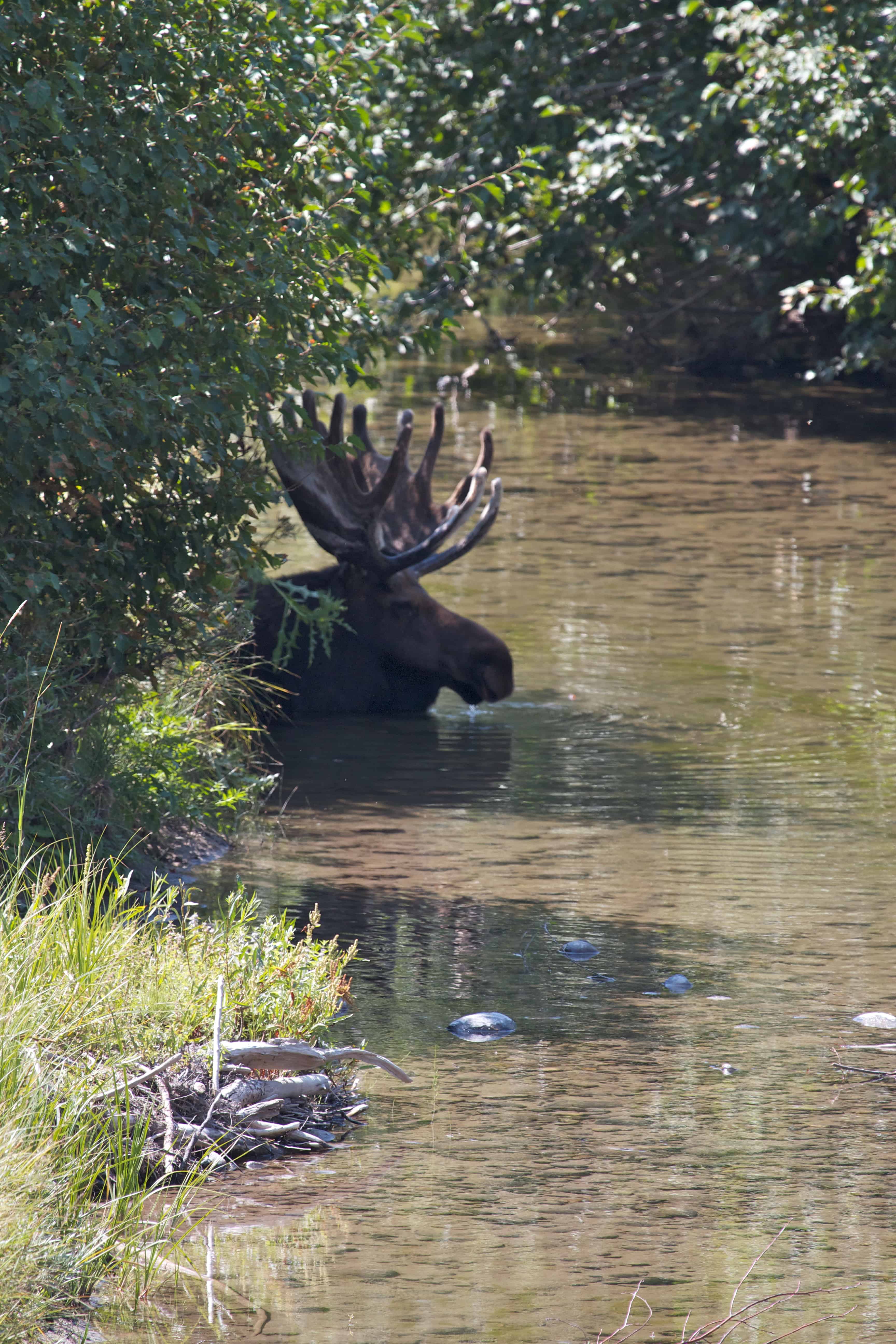
If you're determined to search for moose on Mount Desert Island itself, focus your efforts on the park's most remote and wetland-adjacent areas. Jordan Pond offers the best combination of aquatic vegetation and relative solitude, particularly during early morning hours before the crowds arrive. The Tarn and Witch Hole Pond areas also provide suitable habitat, though sightings remain extremely rare.
I recommend exploring the less-traveled carriage roads system, especially the routes connecting Jordan Pond to Eagle Lake. These paths wind through mixed forest habitats and occasionally pass near boggy areas where transient moose might pause during their wanderings. However, maintain realistic expectations—even dedicated wildlife watchers might visit dozens of times without a single moose encounter.
Pro Tip: For serious moose seekers, consider combining your Acadia visit with trips to proven moose habitat areas like Katahdin Woods and Waters National Monument, just three hours north, where sightings are significantly more likely.
My Personal Moose Encounters: Lessons from the Field
After fifteen years of wildlife photography and countless dawn expeditions throughout Maine, my experiences with moose in and around Acadia have taught me invaluable lessons about patience, preparation, and realistic expectations. My first serious attempt to photograph moose in Acadia National Park was a humbling experience that fundamentally changed my approach to wildlife observation in this unique ecosystem.
I spent five consecutive mornings during June 2018 stationed at various locations throughout Mount Desert Island, armed with my telephoto lens and unrealistic expectations. Despite perfect weather conditions and careful positioning near water sources, I never encountered a single moose. However, this "failure" led to one of my most productive wildlife photography periods, as I discovered the incredible diversity of bird species and smaller mammals that call Acadia home.
My closest moose encounter within park boundaries occurred at Schoodic Peninsula in September 2020. While photographing sunrise colors from Schoodic Head, I noticed fresh tracks in the muddy trail section leading toward the point. Following these tracks (while maintaining safe distance), I discovered clear evidence of recent moose activity including freshly browsed vegetation and distinctive pellet droppings. Though I never saw the animal itself, this encounter reinforced the importance of reading wildlife signs and understanding animal behavior patterns.
The experience that truly changed my perspective happened 45 minutes north of Acadia near Donnell Pond. During an early October morning, I finally encountered my first Maine moose—a magnificent bull with a rack spanning nearly five feet. The encounter lasted only three minutes, but it provided crucial insights into moose behavior that enhanced all my subsequent wildlife observations in Acadia.
Key Takeaways from Field Experience:
- Moose sign is often more reliable than direct sightings for confirming presence
- Early morning hours (5:30-7:30 AM) provide optimal viewing conditions
- Weather patterns significantly influence moose movement and visibility
- Patience and persistence are absolutely essential for any wildlife encounter
Alternative Wildlife Treasures in Acadia National Park
While moose encounters in Acadia National Park remain elusive, the park compensates with an extraordinary array of wildlife species that provide equally thrilling observation opportunities. Rather than focusing solely on the unlikely moose sighting, I encourage visitors to embrace Acadia's diverse ecosystem and discover the fascinating creatures that thrive in this coastal environment.
Black Bears: More Likely Than Moose
Ironically, black bears in Acadia are actually more common than moose, though still rarely observed. The park supports a small resident population of 4-6 bears, with occasional sightings near Jordan Pond and along the quieter sections of Park Loop Road. During my tenure photographing Acadia wildlife, I've documented three separate bear encounters, each providing unique behavioral insights.
Marine Wildlife: Acadia's True Specialty
Where Acadia truly excels is in its marine wildlife offerings. Harbor seals bask on rocky outcrops throughout the park, while bald eagles soar overhead with impressive regularity. The park's coastal location provides exceptional opportunities for whale watching, with finback, minke, and humpback whales frequently spotted from shore during summer months.
Forest Mammals: Abundant and Accessible
The forest ecosystems throughout Acadia support healthy populations of white-tailed deer, red foxes, and various small mammals. Beaver activity is particularly evident around Jordan Pond and the Tarn, where visitors can observe impressive dam construction and fresh tree cuttings. Red fox sightings have increased significantly in recent years, with several family groups establishing territories along the carriage roads.
User Review Summary - Wildlife Photography Equipment
Sarah M. (Amazon Verified): "Used the Canon telephoto lens recommended here during my Acadia trip. Captured amazing shots of seals and eagles even though we didn't see any moose. The image stabilization made all the difference for handheld shots from rocky viewpoints."
Mike_Outdoors (Reddit): "Those Bushnell binoculars are perfect for Acadia wildlife watching. Lightweight enough for long hikes but powerful enough to spot animals across Jordan Pond. Great value for the price."
Nature_Lover87 (Quora): "The trail camera suggestion worked perfectly! Set it up near beaver activity at the Tarn and got incredible footage of multiple species including a fox family I never would have seen otherwise."
Essential Moose Watching Safety and Equipment Guide
Despite the rarity of moose encounters in Acadia National Park, proper preparation and safety awareness remain crucial for any wildlife enthusiast. Moose are powerful animals capable of running 35 mph and can become aggressive, particularly during rutting season (September-October) when bulls are territorial and protective of their mating areas.
Safety Protocols and Distance Guidelines
Maintain a minimum distance of 75 feet from any moose encounter—roughly the length of two school buses. Unlike smaller wildlife, moose can appear deceptively calm before becoming aggressive with little warning. Signs of agitation include laid-back ears, raised hackles, and pawing at the ground. If you encounter these behaviors, slowly back away while avoiding direct eye contact and sudden movements.
During my wildlife photography workshops, I emphasize the importance of having an escape plan before approaching any potential wildlife viewing area. Identify the nearest substantial tree or building that could provide protection, as moose cannot navigate tight spaces effectively. Never attempt to feed or approach a moose for photographs—even the most docile-appearing animals can charge without warning.
Essential Equipment for Moose Watching
Professional-grade binoculars are absolutely essential for safe moose observation, allowing you to maintain appropriate distances while still enjoying detailed views. I recommend 10x42 or 8x42 configurations for optimal balance between magnification and field of view. Quality binoculars also prove invaluable for observing the abundant alternative wildlife species throughout Acadia.
Seasonal Considerations and Best Practices
- Spring (May-June): Moose are most active seeking fresh vegetation; mosquito protection essential
- Summer (July-August): Early morning hours only; moose seek cooling during heat
- Fall (September-October): Rutting season increases unpredictable behavior
- Winter: Extremely rare sightings; focus on tracks and signs in snow
For comprehensive wildlife tracking and observation, expert wildlife watching techniques combined with proper equipment will significantly enhance your experience regardless of whether you encounter moose or focus on Acadia's more abundant species.
Frequently Asked Questions About Moose in Acadia National Park
What are the actual chances of seeing a moose in Acadia National Park?
The probability of encountering a moose within Acadia National Park boundaries is extremely low, with veteran rangers reporting only occasional transient sightings over decades of service. Your chances improve slightly at Schoodic Peninsula due to its mainland connection, but realistic expectations suggest less than 1% probability during any single visit. For guaranteed moose sightings, consider visiting inland Maine locations like Katahdin Woods and Waters National Monument or participating in guided moose tours near Greenville, where success rates exceed 70% during optimal seasons. Focus your Acadia visit on the park's abundant marine wildlife, black bears, and diverse bird species for more rewarding wildlife experiences.
When is the best time of year to look for moose in Acadia?
If attempting to spot moose in Acadia National Park, target late spring through early fall (May through September) when these animals are most active and vegetation is abundant. Early morning hours between 5:30-7:30 AM provide optimal viewing conditions, as moose are crepuscular and avoid midday heat. September offers unique opportunities during rutting season when bulls are more visible, though also more unpredictable and dangerous. Avoid winter months when moose retreat deeper inland to escape coastal weather conditions. Remember that even during ideal timing, moose sightings remain exceptionally rare throughout the park, making patience and realistic expectations essential for any wildlife enthusiast visiting this coastal ecosystem.
Where should I look for moose signs even if I can't see the animals?
Focus your search for moose evidence around wetland areas including Jordan Pond, the Tarn, and Witch Hole Pond where aquatic vegetation attracts these large herbivores. Look for distinctive track patterns in muddy areas—moose prints measure 4-6 inches long with a distinctive heart shape and pointed tips. Fresh browsing damage on young hardwoods, particularly at heights above deer reach (6-8 feet), indicates recent moose activity. Examine the ground for large, pellet-shaped droppings and distinctive rubs on trees where bulls remove velvet from antlers. The Schoodic Peninsula offers the highest probability of finding fresh sign due to its mainland forest connections, particularly along trail sections connecting to inland wetlands and the quieter portions of park roads.
What should I do if I actually encounter a moose in Acadia?
Maintain a minimum safe distance of 75 feet and never approach closer for photographs or observation. Slowly back away while avoiding direct eye contact and sudden movements that might trigger defensive behavior. Watch for warning signs including laid-back ears, raised hackles, and pawing at the ground, which indicate potential aggression. If the moose displays these behaviors, create space by moving behind substantial trees or structures while speaking in calm, low tones. Never run unless charging is imminent, as this may trigger pursuit instincts. Document your sighting immediately and report it to park rangers, as moose encounters are significant events that help biologists track transient populations. Consider yourself extremely fortunate, as such encounters represent once-in-a-lifetime experiences for most Acadia visitors.
Are there better alternatives near Acadia for guaranteed moose viewing?
Several excellent moose viewing destinations exist within driving distance of Acadia National Park, offering significantly higher success rates for wildlife enthusiasts. Katahdin Woods and Waters National Monument, located three hours north, provides extensive wilderness habitat with regular moose sightings, particularly around Barnard Mountain and the East Branch Penobscot River area. Professional guided tours operate from Greenville near Moosehead Lake, with experienced guides achieving 70-80% success rates during peak seasons. The Rangeley Lakes region and Baxter State Park also offer exceptional moose viewing opportunities combined with stunning wilderness experiences. Consider extending your Maine vacation to include these inland destinations, where productive moose watching can complement your Acadia coastal adventure and provide the wildlife encounters that make for truly memorable outdoor experiences.
Conclusion: Embracing Acadia's True Wildlife Treasures
While the dream of encountering moose in Acadia National Park continues to captivate visitors, the reality is that these magnificent creatures remain exceptionally rare within park boundaries. After decades of wildlife observation and photography throughout Maine's coastal regions, I've learned that true wilderness appreciation comes from embracing what each ecosystem offers rather than focusing solely on elusive species.
Acadia National Park excels as a destination for marine wildlife, diverse bird species, and unique coastal ecosystems that support creatures found nowhere else in the continental United States. The park's marine life opportunities and comprehensive wildlife diversity provide rich experiences that rival any inland moose encounter when approached with proper knowledge and realistic expectations.
For visitors determined to experience Maine's iconic moose, I strongly recommend combining your Acadia adventure with inland excursions to proven moose habitat areas. This approach allows you to appreciate Acadia's unique coastal wildlife while satisfying your desire for authentic Maine moose encounters in appropriate settings where success is far more likely.
Remember that wildlife observation is ultimately about connecting with nature and understanding the complex relationships that sustain these remarkable ecosystems. Whether you're photographing harbor seals basking on coastal rocks, watching bald eagles soar over Jordan Pond, or simply enjoying the peaceful presence of white-tailed deer along the carriage roads, Acadia National Park offers profound wilderness experiences that will create lasting memories and deepen your appreciation for Maine's incredible natural heritage.
Ready to Explore Acadia's Wildlife?
Plan your wildlife adventure with proper equipment and expert guidance. From binoculars to camping gear, preparation makes all the difference in your outdoor experience.