
Acadia National Park stands as one of America's premier birding destinations, home to an incredible 338+ documented bird species. From the iconic Bald Eagle soaring over Jordan Pond to the elusive Atlantic Puffin nesting on offshore islands, this Maine coastal paradise offers unparalleled opportunities for both novice and expert birders. Having spent countless hours exploring Acadia's diverse habitats over the past decade, I've witnessed firsthand why Roger Tory Peterson called Mount Desert Island the "warbler capital of the United States." Discover the ultimate guide to wilderness birding adventures in this magnificent national park.
Seasonal Birding Guide in Acadia National Park
Understanding the seasonal patterns of bird species in Acadia National Park is crucial for maximizing your birding success. Each season brings unique opportunities and challenges, with different species becoming active at various times throughout the year.
Spring Migration Magic (April - May)
Spring represents the most exciting time for birding enthusiasts in Acadia. As winter's grip loosens, the park transforms into a vibrant stopover point for migrating species. During my early May visits, I've consistently recorded over 80 species in a single day, with warblers being the undisputed stars of the show.
The famous warbler migration typically peaks in mid-May, when over 20 species of these colorful songbirds flood the park's forests. Black-throated Blue Warblers, American Redstarts, and Yellow-rumped Warblers become incredibly active during dawn hours. I've found that the best warbler viewing occurs between 6:00 AM and 9:00 AM, when these energetic birds are actively foraging after their nighttime migration.
Pro Tip: During spring migration, focus on forest edges and areas with mixed vegetation. Warblers prefer the transition zones between different habitat types, making trails like the Great Head Loop and Jordan Pond Path particularly productive.
Summer Breeding Season (June - August)
Summer in Acadia offers consistent birding opportunities with established breeding territories and active nesting behaviors. This season is ideal for observing territorial displays, courtship rituals, and family groups with fledglings. The Bald Eagles in Acadia are particularly active during this period, with multiple nesting pairs raising young throughout the park.
Coastal species dominate the summer birding scene. Great Cormorants, Common Eiders, and various gull species are easily observed along the rocky shorelines. The famous Peregrine Falcon nesting site at the Precipice Trail becomes a major attraction, with park rangers hosting "Peregrine Watch" programs that allow visitors to observe these magnificent raptors through high-powered spotting scopes.
Fall Migration Spectacle (September - October)
Fall migration in Acadia presents a completely different birding experience compared to spring. While the diversity may be slightly lower, the sheer numbers of migrating birds can be breathtaking. Hawk watching from Cadillac Mountain during September and October has provided some of my most memorable birding experiences in the park.
The annual Hawk Watch program on Cadillac Mountain documents thousands of migrating raptors each fall. Sharp-shinned Hawks, Broad-winged Hawks, and various falcon species funnel through this coastal corridor in impressive numbers. On peak migration days, I've witnessed over 500 hawks passing the summit in just a few hours.
Winter Birding Challenges (November - March)
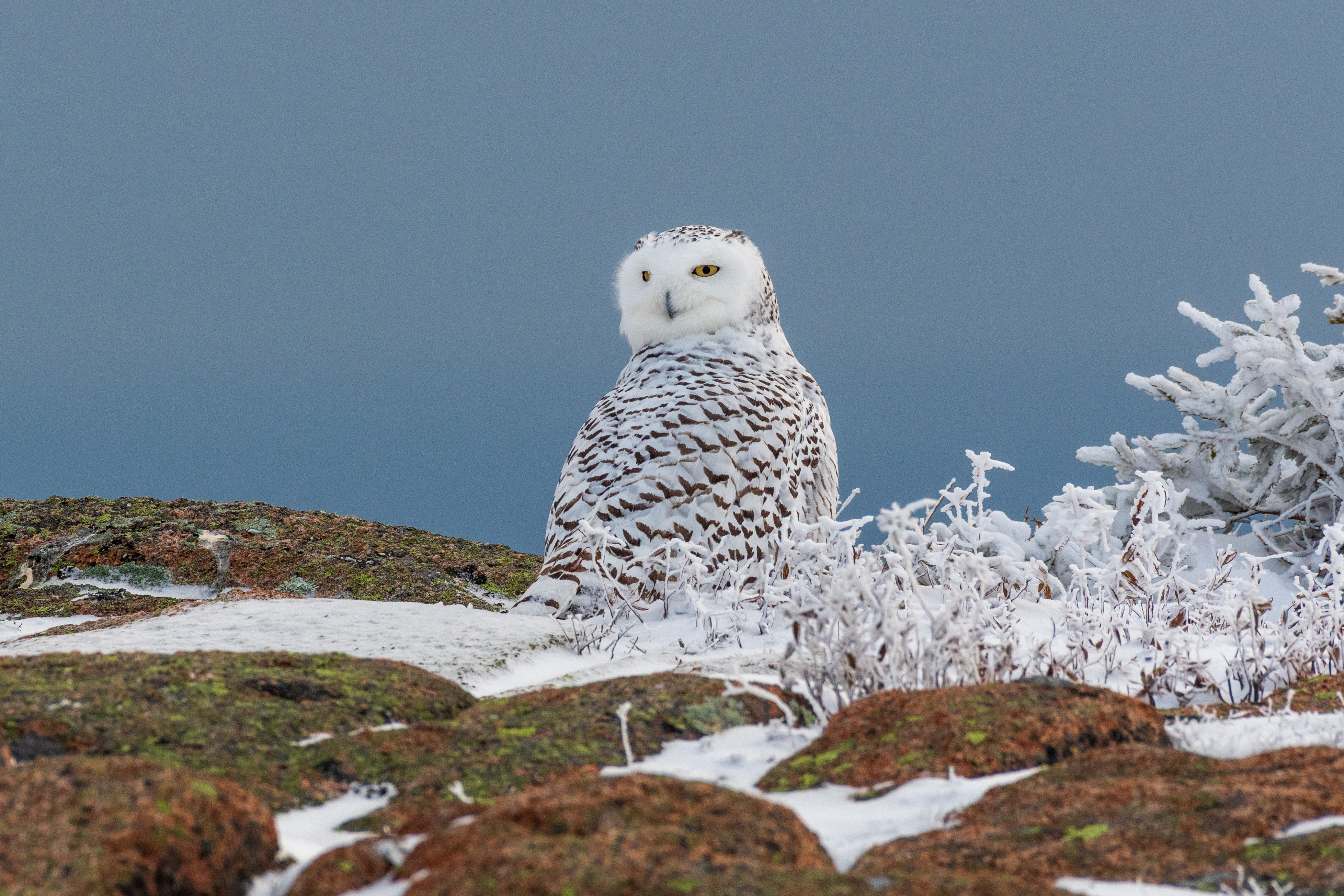
Winter birding in Acadia requires preparation and patience, but rewards dedicated enthusiasts with unique species and behaviors. Northern specialties like Snow Buntings, Common Redpolls, and occasionally Snowy Owls visit the park during harsh winters. The ice-free waters around the coast attract various waterfowl species, including Long-tailed Ducks, Bufflehead, and Common Goldeneye.
My winter birding strategy focuses on the Schoodic Peninsula, where the exposed coastline provides excellent opportunities for observing winter seabirds and waterfowl. The relatively mild microclimate along the shore keeps some areas ice-free, concentrating bird activity in predictable locations.
Prime Birding Locations Throughout Acadia
Acadia National Park's diverse ecosystems create distinct birding microhabitats, each supporting different species communities. Understanding these habitat preferences allows birders to target specific species more effectively and maximize their viewing opportunities.
Cadillac Mountain: The Ultimate Vantage Point
Cadillac Mountain, standing as the highest point on the East Coast, serves as both a premier birding location and a crucial migration corridor. The summit road provides easy access to subalpine habitats that support unique bird communities rarely found elsewhere in the park.
During my regular visits to Cadillac Mountain, I've documented over 120 species, with the area being particularly renowned for its hawk migration spectacle. The exposed summit creates ideal thermals for soaring raptors, while the surrounding spruce-fir forests harbor northern specialties like Boreal Chickadees and Golden-crowned Kinglets. The annual Hawk Watch program has recorded an impressive variety of raptors, including rare species like Golden Eagles and Gyrfalcons during exceptional migration years.
Insider Tip: Visit Cadillac Mountain before sunrise during peak migration periods. The early morning thermals create optimal conditions for hawk movement, and you'll often have the summit to yourself for the first few hours after dawn.
Jordan Pond and Eagle Lake: Freshwater Havens
The pristine freshwater bodies within Acadia support entirely different bird communities compared to the coastal areas. Jordan Pond, with its crystal-clear waters and surrounding coniferous forests, consistently ranks among my favorite birding destinations in the park.
Common Loons nest annually on Jordan Pond, providing visitors with intimate views of these magnificent waterbirds throughout the breeding season. The surrounding Jordan Pond Path offers excellent opportunities for observing forest species, while the open water attracts various waterfowl during migration periods. I've recorded Hooded Mergansers, Ring-necked Ducks, and occasionally rare visitors like Pied-billed Grebes during spring and fall migration.
Eagle Lake lives up to its name, supporting multiple Bald Eagle territories. The carriage roads surrounding the lake provide excellent vantage points for observing these majestic raptors, particularly during early morning and late afternoon feeding periods.
Ship Harbor and Coastal Trails: Shorebird Paradise
The rugged Maine coastline provides exceptional opportunities for observing shorebirds, seabirds, and marine-adapted species. Ship Harbor Trail, a easy 1.3-mile loop, concentrates an incredible diversity of coastal species in a relatively small area.
During low tide, the exposed mudflats and tide pools attract numerous shorebird species. I've consistently observed Spotted Sandpipers, Least Sandpipers, and Ruddy Turnstones working the shoreline for invertebrates. The rocky intertidal zones support specialized species like Purple Sandpipers during winter months, while the surrounding spruce forests harbor typical boreal forest species.
Great Head and Ocean Path: Coastal Forest Edge
The Great Head Loop Trail combines coastal and forest habitats, creating edge environments that support exceptional bird diversity. This location has become one of my most reliable spots for observing both forest and coastal species during a single birding session.
The trail's varied elevation and habitat diversity attract an impressive array of species. Forest sections support typical woodland birds like Black-capped Chickadees, Red-breasted Nuthatches, and various warbler species, while the coastal portions provide opportunities for observing seabirds and raptors. During migration periods, I've recorded over 60 species along this single trail.
Major Bird Categories in Acadia National Park
Acadia's 338+ documented bird species span numerous taxonomic families, each adapted to specific ecological niches within the park's diverse habitats. Understanding these major groups helps birders develop targeted strategies for locating and identifying different species.
Songbirds and Forest Species
Songbirds represent the largest and most diverse group within Acadia's avian community. Over 20 warbler species breed within the park, earning Mount Desert Island its reputation as the "warbler capital" of North America. These small, often brightly colored birds occupy various forest layers, from canopy-dwelling species like Bay-breasted Warblers to ground-foraging Ovenbirds.
The park's mixed forests support an incredible diversity of resident and migratory songbirds. During peak migration periods, I've observed mixed-species foraging flocks containing 10-15 different warbler species moving through the forest canopy. Black-throated Blue Warblers, American Redstarts, and Magnolia Warblers are among the most commonly encountered species, while rarities like Cape May Warblers and Blackburnian Warblers reward patient observers.
Year-round residents include hardy species adapted to Maine's challenging winters. Black-capped Chickadees, Red-breasted Nuthatches, and White-breasted Nuthatches maintain active territories throughout the year, providing consistent birding opportunities even during the quieter winter months. These species often form mixed-species foraging flocks that also attract other woodland birds like Golden-crowned Kinglets and Brown Creepers.
Raptors and Birds of Prey
Acadia's diverse raptor community includes both resident species and impressive migrants that utilize the coastal corridors during seasonal movements. The park's combination of forest, coastal, and open habitats supports a wide variety of predatory birds, each adapted to different hunting strategies and prey preferences.
Bald Eagles represent the park's most iconic raptor species, with multiple breeding pairs establishing territories around the major lakes and coastal areas. These magnificent birds have made a remarkable recovery in Acadia, and I now regularly observe them fishing in Jordan Pond, Eagle Lake, and along the coastline. Their impressive nests, some reaching 6 feet in diameter, can be spotted in large white pines and other mature trees throughout the park.
The famous Peregrine Falcon population nests on the vertical cliff faces, particularly around the Precipice Trail area. These spectacular hunters have been successfully reintroduced to Acadia after near-extinction due to DDT poisoning. During the breeding season, visitors can observe these aerial acrobats through spotting scopes provided by park rangers, witnessing their incredible hunting prowess and complex social behaviors.
Safety Note: The Precipice Trail is closed during Peregrine Falcon nesting season (typically April through August) to protect these sensitive raptors. However, the Peregrine Watch program provides excellent viewing opportunities from the parking area.
Shorebirds and Coastal Species
Acadia's extensive coastline supports an impressive diversity of shorebirds, seabirds, and other marine-adapted species. The rocky intertidal zones, sandy beaches, and mudflats each attract different shorebird communities, while the offshore waters and islands provide nesting and feeding opportunities for various seabirds.
Shorebird diversity peaks during migration periods, when species from Arctic breeding grounds stop to refuel along Maine's coast. Spotted Sandpipers maintain breeding territories along freshwater and coastal areas throughout the summer, while species like Least Sandpipers, Semipalmated Sandpipers, and Ruddy Turnstones appear in impressive numbers during spring and fall migration.
The specialized rocky shore environment supports unique species adapted to this challenging habitat. Purple Sandpipers spend the winter months working the wave-splashed rocks for marine invertebrates, while Great Cormorants nest on offshore islands and regularly fish in the park's coastal waters. Black Guillemots, with their distinctive red feet and white wing patches, nest in rocky crevices and provide year-round birding opportunities along the coastline.
Waterfowl and Aquatic Birds
The combination of freshwater lakes, coastal bays, and offshore waters creates diverse aquatic habitats supporting numerous waterfowl species throughout the year. These environments range from the pristine mountain lakes to the dynamic tidal zones, each supporting distinct bird communities.
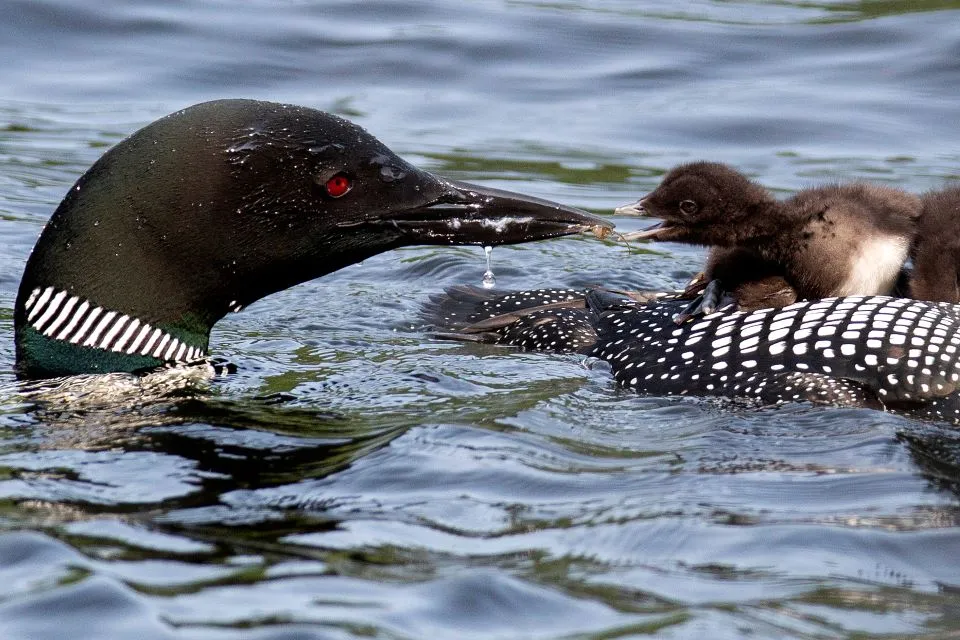
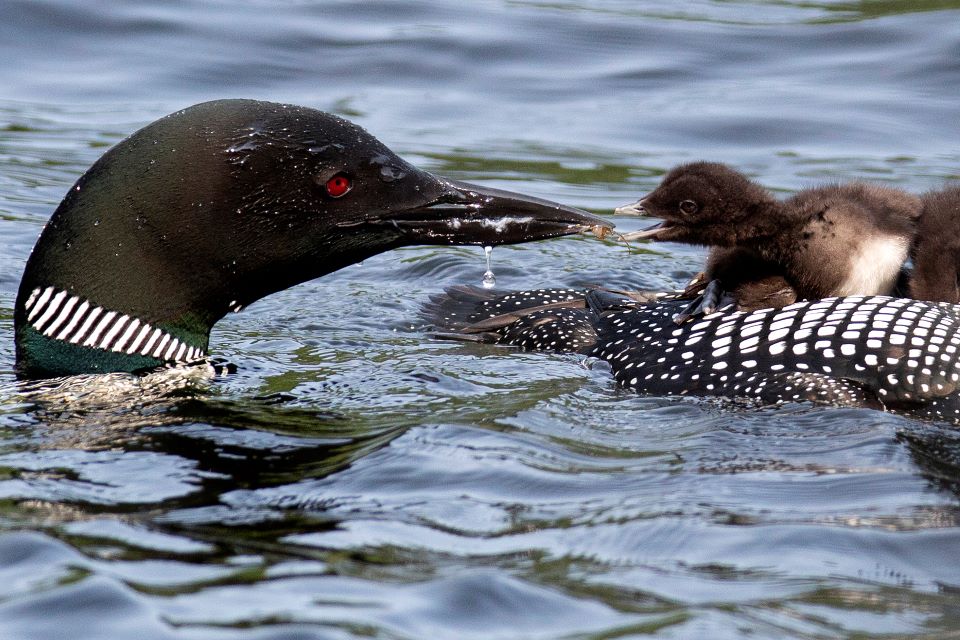
Common Loons represent one of Acadia's most beloved species, with their haunting calls echoing across Jordan Pond and Eagle Lake throughout the summer months. These magnificent diving birds demonstrate remarkable parental care, often carrying their striped chicks on their backs during the early weeks of life. I've spent countless hours observing loon families, witnessing their fishing behaviors and complex social interactions.
The coastal waters support an impressive diversity of sea ducks and other marine waterfowl. Common Eiders nest on offshore islands and regularly raft in large flocks along the coastline. During winter months, the ice-free coastal waters concentrate various northern waterfowl species, including Long-tailed Ducks, Bufflehead, and Common Goldeneye. These hardy species have adapted to Maine's harsh winter conditions and provide excellent birding opportunities during the quieter months.
Essential Equipment for Birding in Acadia
Successful birding in Acadia requires appropriate equipment to handle the park's diverse environments and challenging conditions. From dense forests to exposed coastal areas, different habitats demand specific gear considerations for optimal birding experiences.
Binoculars: Your Most Important Tool
Quality binoculars represent the single most important investment for any serious birder visiting Acadia. The park's varied viewing conditions, from close forest encounters to distant coastal observations, require versatile optics that perform well in different lighting conditions.
For Acadia's diverse environments, I recommend 8x42 or 10x42 binoculars as the optimal balance between magnification and field of view. The 42mm objective lens provides excellent light-gathering capability for early morning and late evening birding sessions, while the moderate magnification allows for steady handheld viewing.
Top Binocular Recommendation
The Nikon Prostaff P7 10x42 offers exceptional value for Acadia birding, with excellent optical quality and weather resistance perfect for coastal conditions.
Spotting Scopes for Distant Observations
A quality spotting scope becomes invaluable for observing distant waterfowl, shorebirds, and raptors in Acadia's expansive coastal environments. The ability to clearly identify species at distances exceeding binocular range significantly enhances your birding success, particularly when observing birds on offshore rocks or distant mudflats.
Spotting Scope Pick
The Celestron Regal M2 65ED provides outstanding optical performance in a compact package, ideal for Acadia's varied terrain and weather conditions.
Photography Equipment
Bird photography in Acadia presents unique opportunities and challenges, from intimate forest encounters to dramatic coastal scenes. The park's diverse lighting conditions and active wildlife require versatile camera equipment capable of adapting to rapidly changing situations.
A telephoto lens in the 400-600mm range provides the reach necessary for most bird photography situations in Acadia. However, don't overlook the value of shorter lenses for capturing birds in their environmental context, particularly in the park's scenic coastal and mountain settings.
Camera Lens Recommendation
The Canon RF 100-500mm f/4.5-7.1L IS USM offers exceptional versatility for Acadia bird photography, with excellent image stabilization for handheld shooting.
Field Guides and Reference Materials
A comprehensive field guide remains essential for successful birding in Acadia, particularly when encountering the park's impressive warbler diversity during migration periods. Digital apps supplement traditional guides but cannot replace the value of a quality printed reference in the field.
Essential Field Guide
The Sibley Guide to Birds, 2nd Edition provides comprehensive coverage of all species found in Acadia, with detailed illustrations and range maps.
Clothing and Weather Protection
Acadia's coastal climate can change rapidly, requiring layered clothing systems that adapt to varying conditions throughout the day. Early morning birding sessions often begin in cool, foggy conditions that may clear to warm, sunny weather by midday.
Waterproof outerwear becomes essential for serious birding in Acadia, where coastal fog and sudden precipitation are common. A quality rain jacket and waterproof pants allow continued birding in conditions that would otherwise cut short your outdoor activities.
Weather Protection
The Patagonia Torrentshell 3L Jacket offers reliable waterproof protection while remaining breathable during active birding sessions in Acadia's changeable weather.
My Personal Experience: A Decade of Birding in Acadia
Over the past ten years, I've logged more than 300 birding hours in Acadia National Park, documenting over 280 species across all seasons and weather conditions. Each visit has deepened my appreciation for this remarkable ecosystem and refined my understanding of the complex relationships between habitat, seasons, and bird behavior.
Most Memorable Encounters
My most unforgettable birding moment in Acadia occurred during a foggy May morning on the Ocean Path. As the mist began to lift around 7:30 AM, I witnessed an incredible warbler fallout that concentrated dozens of migrating birds in the coastal spruce trees. Within a single 100-yard stretch of trail, I documented 18 warbler species, including rare sightings of Cape May and Bay-breasted Warblers.
The experience taught me the importance of patience and persistence in birding. What initially appeared to be a poor birding day due to heavy fog transformed into one of my most productive sessions as conditions improved. This taught me never to abandon birding plans based solely on initial weather conditions, as Acadia's coastal climate can change dramatically within hours.
Lessons Learned
- Early morning hours (5:30-8:30 AM) consistently produce the best birding results
- Weather patterns significantly influence bird activity and migration timing
- Mixed-habitat edges consistently support the highest species diversity
- Local ranger knowledge provides invaluable insights into current bird activity
- Patience and persistence often reward birders with unexpected sightings
Photography Insights
Bird photography in Acadia has taught me the critical importance of understanding animal behavior and habitat preferences. Rather than chasing individual birds, I've learned to position myself in productive locations and allow the birds to come to me. This approach has resulted in more natural behaviors and better photographic opportunities.
The park's diverse lighting conditions require constant adaptation of camera settings and techniques. The dense forest canopy creates challenging low-light situations, while the bright coastal reflections can cause exposure difficulties. I've found that shooting in manual mode with spot metering provides the most consistent results across Acadia's varied environments.
User Reviews and Community Insights
The birding community around Acadia consistently shares positive experiences and valuable insights through various platforms. Here are three representative reviews from fellow birders:
"Acadia exceeded all my expectations for warbler diversity. The Ship Harbor Trail alone produced 15 species during my May visit. The ranger-led programs provided invaluable local knowledge that significantly enhanced my birding success." - Sarah M., eBird contributor
"The hawk migration from Cadillac Mountain is absolutely spectacular. I counted over 400 Broad-winged Hawks in a single September afternoon. The combination of scenic beauty and incredible birding makes this my favorite fall destination." - Mike T., Reddit r/birding
"Winter birding in Acadia offers unique opportunities for northern specialties. The Schoodic Peninsula provided excellent views of Long-tailed Ducks and Purple Sandpipers that are difficult to find elsewhere. Dress warmly and be prepared for amazing experiences." - Jennifer L., Quora birding community
Pros and Cons: A Balanced Perspective
Advantages
- Exceptional species diversity (338+ documented species)
- Well-maintained trails and facilities
- Excellent ranger-led programs
- Diverse habitats within compact area
- Outstanding migration corridor location
- Year-round birding opportunities
Challenges
- Crowded conditions during peak summer months
- Rapidly changing coastal weather conditions
- Limited parking at popular birding locations
- Some trails closed during nesting seasons
- Dense fog can limit visibility
- Higher costs for nearby accommodations
Frequently Asked Questions
What is the best time of year to see the most bird species in Acadia National Park?
May represents the optimal time for observing the greatest diversity of bird species in Acadia National Park. During peak spring migration, typically occurring between May 10-25, birders can expect to encounter 100+ species in a single day. This period combines resident breeding species with dozens of migrating warblers, vireos, and other songbirds. The weather is generally mild, daylight hours are extended, and bird activity peaks during early morning hours. However, each season offers unique birding opportunities, with summer providing consistent breeding behaviors, fall offering spectacular hawk migration, and winter attracting northern specialties like Snow Buntings and Snowy Owls.
Do I need special equipment or permits for birdwatching in Acadia?
No special permits are required for birdwatching in Acadia National Park, though a standard park entrance fee applies. Quality binoculars (8x42 or 10x42) represent the most important equipment investment, while waterproof clothing becomes essential due to the park's changeable coastal weather. A spotting scope proves valuable for observing distant waterfowl and shorebirds, particularly from coastal vantage points. Field guides, either printed or digital apps, help with species identification, especially during warbler migration when multiple similar species may be present simultaneously. Consider bringing layers of clothing, as early morning birding sessions can be significantly cooler than afternoon temperatures, particularly during spring and fall migration periods.
Where are the best locations for beginners to start birdwatching in Acadia?
Beginning birders should start with the Jordan Pond Path and Ship Harbor Trail, both offering excellent species diversity with minimal hiking difficulty and clear viewing opportunities. Jordan Pond provides reliable observations of Common Loons, various waterfowl, and forest songbirds along an easy, well-maintained path. Ship Harbor combines coastal and forest habitats within a short 1.3-mile loop, virtually guaranteeing multiple species encounters. The visitor center area also offers productive birding with less challenging terrain and nearby facilities. These locations provide opportunities to practice using binoculars, learn common species identification, and develop field observation skills before tackling more demanding birding locations like Cadillac Mountain or the Great Head Loop.
Can I see Atlantic Puffins from Acadia National Park?
Atlantic Puffins cannot be reliably observed from Acadia's mainland areas, as they nest exclusively on offshore islands like Eastern Egg Rock and Machias Seal Island, located 15-30 miles from the park. However, several boat tour operators based in Bar Harbor offer specialized puffin and whale watching excursions during the summer breeding season (June through August). These tours provide excellent opportunities to observe puffins, along with other seabirds like Razorbills, Common Murres, and Black Guillemots in their natural offshore habitat. The boat trips typically last 4-6 hours and require advance reservations, especially during peak summer months. Some tours also visit seal colonies and may encounter whales, creating comprehensive marine wildlife experiences that complement land-based birding in Acadia.
Are there photography restrictions for birds in Acadia National Park?
Acadia National Park allows bird photography throughout most areas without special permits, though photographers must maintain respectful distances from all wildlife and avoid disturbing nesting birds. The Precipice Trail area remains closed during Peregrine Falcon breeding season (typically April through August) to protect these sensitive raptors from disturbance. Drone usage requires special permits and has significant restrictions near wildlife areas. Flash photography should be avoided, particularly around nesting birds or during dawn and dusk when it can disrupt natural behaviors. Professional photography for commercial purposes may require additional permits. Always follow Leave No Trace principles, stay on designated trails, and prioritize wildlife welfare over photographic opportunities. The park's wildlife photography guidelines provide comprehensive information for responsible nature photography practices.
Is winter birdwatching worth visiting Acadia National Park?
Winter birding in Acadia offers unique rewards for dedicated enthusiasts, though it requires proper preparation and realistic expectations. The park's ice-free coastal waters concentrate northern waterfowl species like Long-tailed Ducks, Bufflehead, and Common Goldeneye, while occasional Arctic visitors like Snowy Owls and Snow Buntings provide exciting rare bird opportunities. Resident species like Black-capped Chickadees, White-breasted Nuthatches, and various woodpecker species remain active throughout winter, often forming mixed-species foraging flocks that are easier to locate and observe. However, weather conditions can be challenging, with temperatures often below freezing and occasional severe storms limiting access to some areas. The optimal timing for winter visits typically occurs during calm, sunny periods following storm systems when bird activity increases significantly.

Conclusion
Acadia National Park truly deserves its reputation as one of North America's premier birding destinations. With 338+ documented species spanning diverse habitats from mountain summits to rocky coastlines, the park offers unparalleled opportunities for birders of all experience levels. The combination of resident breeding species, spectacular migration events, and occasional rare visitors creates a dynamic birding environment that rewards repeated visits throughout the year.
My decade of birding experience in Acadia has taught me that success requires patience, preparation, and respect for the natural environment. The park's varied ecosystems support distinct bird communities, each requiring different approaches and timing for optimal observations. From the famous warbler migration that earned Mount Desert Island its "warbler capital" designation to the impressive hawk flights over Cadillac Mountain, Acadia provides consistently memorable birding experiences.
The park's accessibility and well-maintained infrastructure make it an ideal destination for introducing newcomers to birding while still challenging experienced enthusiasts with its incredible species diversity. Whether you're seeking your first Common Loon encounter on Jordan Pond or hoping to add rare Arctic visitors to your life list, Acadia National Park delivers exceptional birding opportunities in one of America's most scenic settings.
I encourage all birding enthusiasts to experience Acadia's remarkable avian diversity firsthand. Plan your visit during peak migration periods for maximum species diversity, or explore the unique opportunities that each season provides. Remember to respect wildlife, follow park regulations, and contribute to citizen science projects like eBird to help document the park's continuing importance for bird conservation.
For comprehensive information about other wildlife viewing opportunities in Acadia, explore our guides to marine life, moose viewing, and wildlife watching strategies. Each resource provides detailed insights to enhance your overall Acadia experience beyond birding alone.
Ready to Start Your Acadia Birding Adventure?
Join thousands of birders who have discovered the magic of Acadia's incredible avian diversity. Every visit reveals new discoveries and unforgettable wildlife encounters.
Plan Your Visit Today