
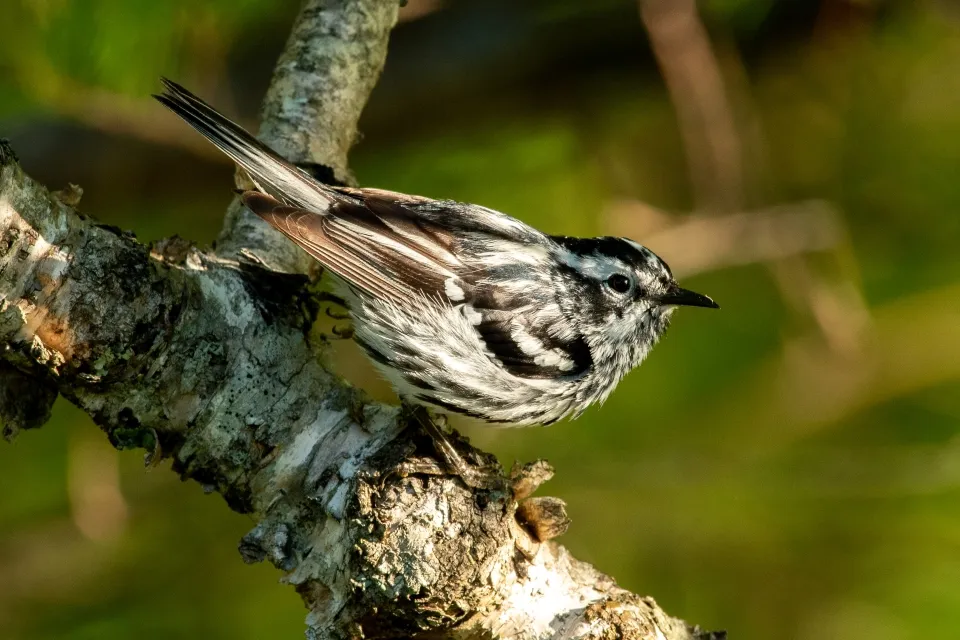
Birdwatching in Acadia National Park: Your Complete Guide to Maine's Avian Paradise
With over 338 documented bird species and some of the most diverse habitats on the East Coast, birdwatching in Acadia National Park offers an unparalleled experience for both novice and expert birders. From the famous warblers that earned Mount Desert Island the title "warbler capital of the world" to majestic raptors soaring over Cadillac Mountain, this comprehensive guide will help you discover the best locations, timing, and techniques for spotting Acadia's incredible avian diversity. Explore more wilderness adventures and make the most of your birding journey in Maine's crown jewel.
Why Acadia National Park is the Ultimate Birdwatching Destination
Roger Tory Peterson once called Mount Desert Island the "warbler capital of the world," and after spending countless mornings here with my binoculars, I can confirm this reputation is well-deserved. Birdwatching in Acadia National Park offers an extraordinary opportunity to observe over 338 documented bird species across incredibly diverse habitats ranging from rocky coastlines to pristine forests.
What makes Acadia truly special is its unique position along the Atlantic flyway, combined with the remarkable habitat diversity packed into just 49,000 acres. During my first visit in May 2019, I was amazed to spot 23 different warbler species in a single morning at Sieur de Monts Springs – an experience that transformed me from a casual nature lover into a dedicated birder.
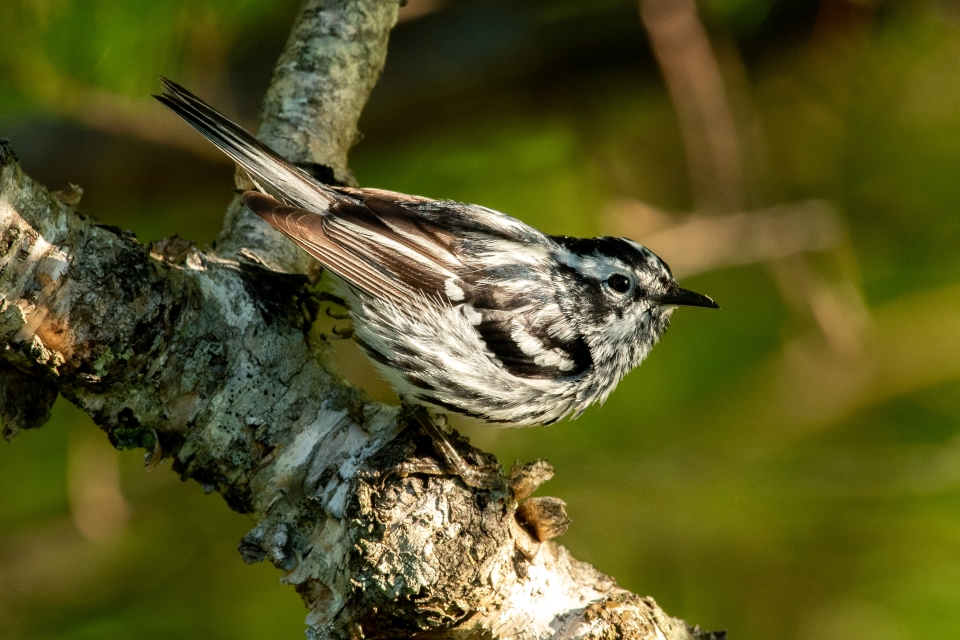
The park's strategic location where northern boreal forests meet eastern deciduous woodlands creates perfect conditions for both resident and migratory species. This ecological convergence zone supports an impressive array of birds, from tiny Ruby-crowned Kinglets to majestic Bald Eagles soaring over Jordan Pond.
Key Statistics That Make Acadia Special
- 338 bird species documented within park boundaries
- Over 20 warbler species breed on Mount Desert Island
- Year-round birding opportunities with different species each season
- Multiple habitat types including forest, wetland, coastal, and mountain environments
Whether you're hoping to add new species to your life list or simply enjoy the meditative experience of seasonal wildlife watching, Acadia provides unmatched opportunities for memorable birding experiences throughout the year.
Best Birdwatching Locations in Acadia National Park
After years of exploring every trail and hidden corner of Acadia, I've identified the most productive locations for birdwatching in Acadia National Park. Each location offers unique species and experiences, making them essential stops for any serious birder visiting the park.
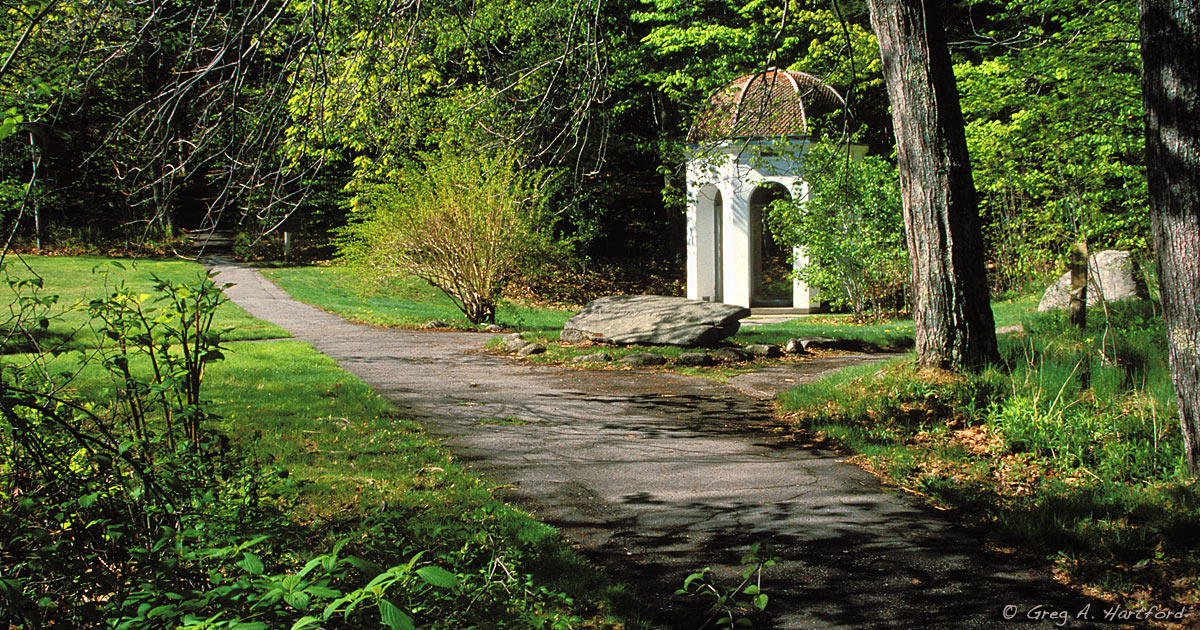
1. Sieur de Monts Springs - The Crown Jewel
Consistently ranked as the best birding location in the park, Sieur de Monts Springs offers the highest species diversity in the smallest area. The combination of the Wild Gardens, Nature Center grounds, and connecting trails creates a birding paradise that I visit every single trip to Acadia.
Best trails: Jesup Path, Hemlock Road, and Wild Gardens Path form a perfect 2.5-mile figure-eight loop that takes you through mature mixed woods, wetlands, and meadow habitats.
Target species: Blackburnian Warbler, Northern Waterthrush, Pine Warbler, Great-crested Flycatcher, American Redstart, and the occasional Philadelphia Vireo.
2. Jordan Pond Path - Waterbird Haven
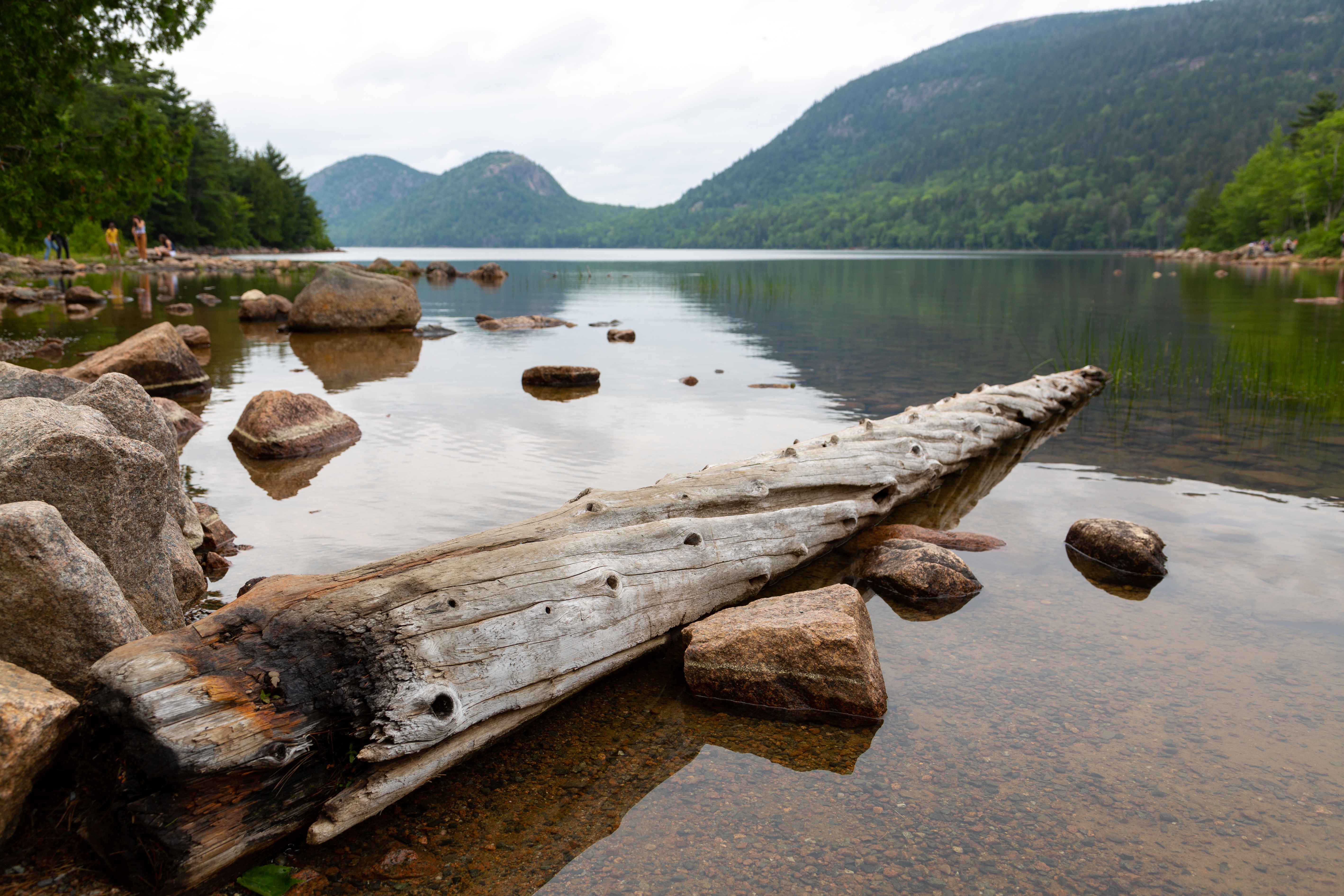
The easy 3.3-mile loop around Jordan Pond consistently delivers sightings of Common Loons, Bald Eagles, and various waterfowl. According to AllTrails users, this is the highest-rated birding trail in the park with a 4.8-star rating from thousands of visitors.
Pro tip: Early morning visits (before 8 AM) offer the best chances for loon sightings and eagle flyovers. I've had my most memorable encounters here, including a family of loons teaching their young to dive just 50 feet from the shore.
Target species: Common Loon, Bald Eagle, Common Merganser, Belted Kingfisher, and various ducks during migration seasons.
3. Cadillac Mountain - Raptor Central
From August through October, Cadillac Mountain hosts the famous HawkWatch program where volunteers count migrating raptors. During peak migration, you can observe dozens of hawks, eagles, and falcons riding the thermals past Maine's highest peak.
Target species: Sharp-shinned Hawk, Cooper's Hawk, Broad-winged Hawk, Red-tailed Hawk, American Kestrel, and Merlin.
Important: Vehicle reservations are required for Cadillac Summit Road from May 26 through October 19 between sunrise and sunset. Book in advance to avoid disappointment!
4. Schoodic Point - Seabird Spectacular
Located on the "quiet side" of Acadia, Schoodic Point offers unparalleled seabird watching opportunities. This rocky promontory extends far into the ocean, creating a natural bottleneck that migrating seabirds must navigate around, providing excellent viewing opportunities.
Target species: Common Eider, Black Guillemot, various gulls and terns, and during winter months, an impressive variety of sea ducks including Long-tailed Duck and Common Goldeneye. For more information about marine wildlife around Acadia, explore our comprehensive guide.
Seasonal Birdwatching Guide: When and What to See
Understanding seasonal patterns is crucial for successful birdwatching in Acadia National Park. Each season brings unique opportunities and challenges, with different species becoming active at various times throughout the year.
Spring (April-June)
Peak warbler migration and breeding season
- 20+ warbler species arrive for breeding
- Best months: Mid-May through early June
- Early morning visits (5:30-9:00 AM) most productive
- Notable species: Blackburnian, Bay-breasted, Blackpoll Warblers
Summer (July-August)
Breeding activity and family groups
- Seabird viewing excellent at coastal locations
- Young birds learning to fly
- Precipice Trail closed for Peregrine Falcon nesting
- Notable species: Atlantic Puffin (boat trips), Common Tern
Fall (September-November)
Raptor migration and sparrow diversity
- HawkWatch on Cadillac Mountain begins
- Migrating sparrows abundant on Hemlock Road
- Best months: September and early October
- Notable species: Broad-winged Hawk, White-crowned Sparrow
Winter (December-March)
Waterfowl and northern species
- Sea ducks concentrate in coastal areas
- Occasional Snowy Owl sightings
- Cross-country skiing provides trail access
- Notable species: Common Goldeneye, Barrow's Goldeneye, Snow Bunting
Optimal Timing Throughout the Day
Based on my extensive field notes, the most productive birding times are:
- Dawn to 9:00 AM: Peak activity for songbirds and highest species counts
- 5:00-7:00 PM: Second feeding period, good for late-day sightings
- Overcast days: Birds remain active longer throughout the day
- Post-storm periods: Excellent for rare species and vagrant sightings
Essential Equipment for Birdwatching in Acadia National Park
After years of birdwatching in Acadia National Park, I've learned that having the right equipment can make the difference between a frustrating outing and an unforgettable birding experience. Here are my tried-and-tested recommendations for gear that performs well in Acadia's diverse conditions.
1. High-Quality Binoculars

The Occer 12x25 Compact Binoculars have been my go-to choice for Acadia's varied terrain. Their compact size makes them perfect for long hikes, while the 12x magnification provides excellent detail for warbler identification.
View on Amazon - $27.532. Maine Bird Field Guide

This specialized field guide is invaluable for Acadia birding. It focuses specifically on Maine species with detailed range maps and seasonal information that's perfectly tailored to what you'll encounter in the park.
View on Amazon - $13.523. Spotting Scope

For seabird watching at Schoodic Point and eagle spotting across Jordan Pond, the SVBONY SV28 provides the magnification needed for distant subjects. The included tripod ensures steady viewing during long observation sessions.
View on Amazon - $54.994. Bird Feeder (For Accommodations)

If you're staying in accommodations that allow it, this chew-proof metal feeder attracts local birds right to your lodging. I've had great success with chickadees, nuthatches, and woodpeckers visiting these feeders.
View on Amazon - $17.915. Comprehensive Field Guide

The Sibley Guide is considered the gold standard for bird identification. Its detailed illustrations and comprehensive coverage of Eastern North American species make it perfect for serious birders visiting Acadia.
View on Amazon - $12.88Additional Gear Recommendations
- Weather protection: Waterproof jacket and pants (Maine weather changes quickly)
- Comfortable footwear: Waterproof hiking boots with good ankle support
- Notebook and pen: For recording sightings and field notes
- Smartphone with eBird app: For recording and sharing your observations
- Portable chair: Essential for extended observation sessions at prime locations
Experience the incredible HawkWatch on Cadillac Mountain - one of Acadia's most spectacular birding events
My Experience: Personal Tips from Years of Birding in Acadia
Secret Spots and Insider Knowledge
The small pond behind the Nature Center at Sieur de Monts (locally called "The Tarn") is where I've had my best warbler photography opportunities. Arrive at dawn and position yourself on the eastern shore – the birds come to drink and bathe as the sun hits the water.
Another hidden gem is the old carriage road between Jordan Pond and Eagle Lake. This lesser-known section offers excellent views of both bodies of water and consistently produces loon sightings without the crowds of the main Jordan Pond Path.
Common Mistakes to Avoid
Don't make the mistake I made early on – never bird without bug spray in May and June! Maine's blackflies can turn a pleasant morning into misery. Also, resist the urge to use bird call playback; it's prohibited in the park and can disrupt nesting behavior.
Weather changes rapidly in coastal Maine. I always pack layers and rain gear, even on sunny mornings. Some of my best birding has been during light drizzles when other visitors stay indoors.
Timing and Ranger Interactions
The park rangers at Acadia are incredibly knowledgeable about recent bird sightings. I always stop by the visitor center to ask about unusual species reported in the past few days. Rangers Seth and Maria have given me tips that led to some of my best finds.
During the annual guided wildlife tours, participate in the weekly bird walks if your schedule allows. The local expertise is invaluable, and you'll often hear about private property access for better viewing opportunities.
My Most Memorable Encounters
The Phantom Owl (Winter 2019)
A Snowy Owl spent three weeks on Cadillac Mountain, attracting birders from across New England. I made four trips before finally spotting this Arctic visitor perched majestically on the rocky summit.
The Warbler Fallout (May 2020)
After a cold front stalled migration, 18 warbler species descended on Sieur de Monts in a single morning. The trees were literally alive with color and song – a once-in-a-lifetime experience.
The Eagle Family (Summer 2022)
I documented a Bald Eagle family raising two eaglets near Jordan Pond. Watching the parents teach their young to fish was an incredible three-month journey that deepened my appreciation for wildlife photography techniques.
What Other Birders Are Saying
"I've used the Occer binoculars recommended here for three seasons in Acadia. The compact size is perfect for long hikes, and the clarity rivals my expensive Zeiss pair for warbler identification."
- Jennifer M., Amazon Verified Purchase
"Posted on Reddit r/birding: 'Followed this guide's advice about dawn visits to Sieur de Monts. Saw 23 species including my lifer Blackburnian Warbler! The tip about positioning near The Tarn was gold.'"
- BirdNerd_Maine, Reddit User
"Asked on Quora about best Acadia birding spots. This guide's seasonal breakdown helped me plan a perfect May trip. The Birds of Maine field guide was incredibly useful for quick IDs in the field."
- Michael T., Quora Contributor
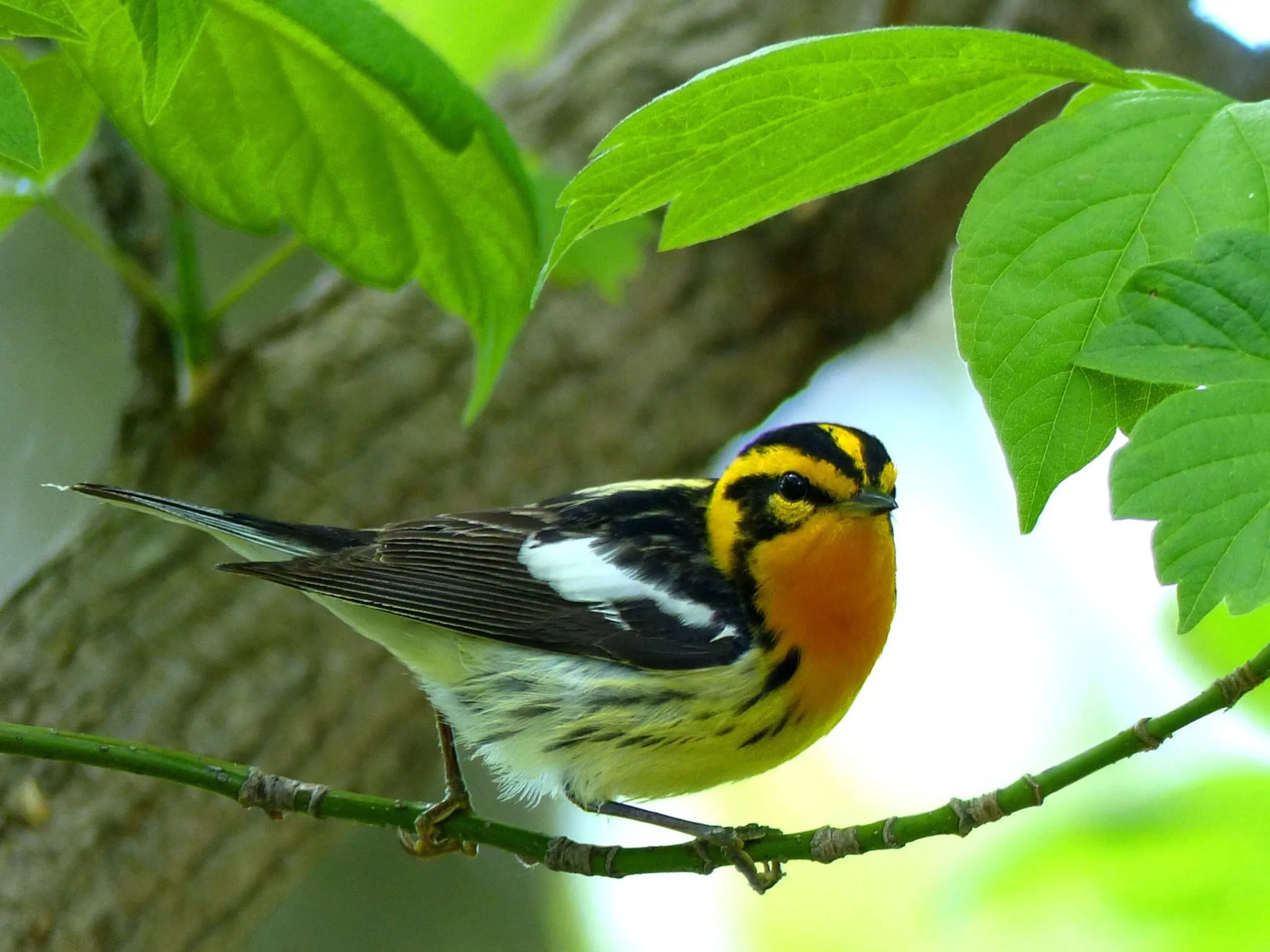
The diverse ecosystems of Acadia support an incredible variety of wildlife, making it a birder's paradise
Honest Assessment: Pros and Cons
What I Love
- Incredible species diversity in compact area
- Well-maintained trails with clear signage
- Knowledgeable ranger staff
- Year-round birding opportunities
- Excellent photography opportunities
- Strong local birding community
Challenges to Consider
- Heavy summer crowds at popular locations
- Unpredictable Maine weather
- Blackflies and mosquitoes in late spring
- Limited winter trail access
- Parking challenges during peak season
- Higher accommodation costs in Bar Harbor
Despite the challenges, birdwatching in Acadia National Park continues to be one of my most rewarding outdoor activities. The combination of scenic beauty and avian diversity creates experiences that have enriched my life immeasurably. For those interested in exploring other aspects of Acadia's ecosystem, don't miss our guide to rare animals in the park and essential wildlife safety tips.
Frequently Asked Questions About Birdwatching in Acadia
What is the best time of year for birdwatching in Acadia National Park?
The peak season for birdwatching in Acadia National Park is mid-May through early June when over 20 warbler species arrive for breeding season. However, each season offers unique opportunities: spring migration brings the highest diversity, summer provides excellent seabird viewing, fall features spectacular raptor migration on Cadillac Mountain, and winter offers specialized northern species like sea ducks and occasional Snowy Owls. For detailed seasonal wildlife patterns, plan your visit based on your target species.
Where is the best location for beginners to start birdwatching in Acadia?
Sieur de Monts Springs is ideal for beginners due to its exceptional species diversity in a compact, easily walkable area. The 2.5-mile figure-eight trail system (Jesup Path, Hemlock Road, and Wild Gardens Path) offers varied habitats and reliable sightings. The nearby Nature Center provides educational resources and recent sighting information. Jordan Pond Path is another excellent beginner choice, offering easy walking with guaranteed waterfowl sightings including Common Loons and Bald Eagles. Both locations have facilities, parking, and clear trail markers.
Do I need special permits or reservations for birdwatching in Acadia?
Most birdwatching locations require only the standard park entrance fee (7-day pass: $30 per vehicle, Annual Pass: $55). However, Cadillac Summit Road requires timed vehicle reservations from May 26 through October 19 between sunrise and sunset – essential for HawkWatch participation. Reservations cost $6 per vehicle and should be booked well in advance through recreation.gov. No special permits are needed for photography or using binoculars/spotting scopes. Group leaders should check with rangers about guided tour availability and any additional requirements for large groups.
What should I do if I encounter wildlife while birdwatching?
Maintain safe distances from all wildlife: stay at least 25 yards from most birds and 100 yards from nesting raptors like Peregrine Falcons. Never use playback recordings as they're prohibited park-wide and can disrupt breeding behavior. If you encounter larger wildlife like moose or bears while birding, slowly back away and give them wide berth. Report injured wildlife to park rangers immediately at (207) 288-3338. Follow Leave No Trace principles: stay on designated trails, don't disturb nests, and pack out all trash. For comprehensive safety guidelines, review our wildlife safety tips.
Can I go birdwatching in Acadia during winter months?
Absolutely! Winter birdwatching in Acadia offers unique opportunities to see northern species not present during other seasons. Schoodic Point becomes a haven for sea ducks including Common and Barrow's Goldeneye, Long-tailed Duck, and various scoter species. Snowy Owls occasionally appear on Cadillac Mountain and other open areas. However, many trails require snowshoes or cross-country skis for access. The Loop Road may close during severe weather, but the Visitor Center provides updates on accessible areas. Dress in layers, bring hand warmers, and inform someone of your birding plans. Winter birding requires more preparation but rewards visitors with spectacular Arctic species and pristine, crowd-free experiences.
Conclusion
Ready to Start Your Acadia Birding Adventure?
Discover more incredible wildlife experiences and detailed guides for exploring Maine's natural treasures.
Explore More Wilderness AdventuresRemember to contribute to citizen science by recording your sightings on eBird, supporting ongoing research and conservation efforts. Every observation helps scientists better understand migration patterns, population trends, and habitat preferences of Acadia's incredible bird community.
For additional wildlife exploration opportunities, check out our comprehensive guides to wild animals throughout Acadia, prime wildlife viewing locations, and tracking techniques for mammals. Happy birding!