

Acadia National Park offers extraordinary wildlife photography opportunities, from majestic bald eagles soaring over granite peaks to playful harbor seals along the rugged coastline. As an avid wildlife photographer who's spent countless hours exploring Acadia's diverse habitats, I'm excited to share my comprehensive guide to help you capture unforgettable images of the park's remarkable wildlife. Whether you're tracking peregrine falcons at the Precipice or photographing common loons on Jordan Pond, this guide will enhance your wildlife photography adventure in one of America's most beautiful national parks. Visit Wilderness Paths for more outdoor photography inspiration.
Understanding Acadia's Wildlife Diversity
Acadia National Park may not boast the large megafauna found in western parks like Yellowstone, but it offers an impressive diversity of wildlife species across its varied ecosystems. From dense spruce-fir forests to rocky coastlines, freshwater ponds to open meadows, each habitat supports a unique collection of animals waiting to be photographed.

Mammals of Acadia
While black bears and moose are rarely seen on Mount Desert Island, Acadia offers excellent opportunities to photograph smaller mammals. White-tailed deer are relatively common, especially at dawn and dusk in areas like Great Meadow and Sieur de Monts. Patient photographers might capture red and gray squirrels, snowshoe hares, red foxes, or even river otters along the coastline. During my visits, I've had memorable encounters with deer and foxes near Schooner Head Road and Bass Harbor Marsh.
Birds of Acadia
Acadia is a premier birding destination with over 330 recorded species. Birdwatching in Acadia National Park offers incredible photographic opportunities year-round. Spring and summer bring warblers, thrushes, and other songbirds to the forests, while peregrine falcons nest on the Precipice cliff. Common loons with their haunting calls can be photographed on Jordan Pond and Echo Lake. Winter presents opportunities for photographing sea ducks like eiders, harlequin ducks, and occasional snowy owls on the mountaintops. Bald eagles and ospreys are spotted year-round, often soaring along the coastline in search of fish.
Marine Life
The cold waters surrounding Acadia harbor seals, harbor porpoises, and occasionally whales further offshore. Tide pools along the rocky shores reveal fascinating smaller creatures like sea stars, anemones, and crabs. For the dedicated wildlife photographer, marine life around Acadia National Park provides endless subjects. While not in the park itself, boat trips to nearby islands offer opportunities to photograph Atlantic puffins and other seabirds during the breeding season.
Understanding the diversity and behavior of Acadia's wildlife is the first step to successful photography. Learning where and when to find different species will dramatically increase your chances of capturing memorable images. Park rangers at visitor centers can provide updated information on recent wildlife sightings, and the Schoodic Institute offers valuable research on local animal populations and behaviors.
Best Locations for Wildlife Photography in Acadia
Knowing where to position yourself is half the battle in wildlife photography. Based on my experiences and insights from local rangers, here are the top locations in Acadia National Park for wildlife photography, organized by habitat type.

Freshwater Habitats
Echo Lake: This is prime territory for photographing common loons, particularly during breeding season in early summer. The Park Service maintains a nesting platform visible from Echo Lake Beach, and the resident loons are relatively accustomed to human presence. I've captured incredible images of loon parents carrying chicks on their backs in July.
Jordan Pond: The clear waters and mountain backdrop make this an excellent location for waterfowl photography. Early mornings offer the best light and calmest water. Look for common mergansers, ring-necked ducks, and occasionally river otters along the shoreline.
Witch Hole Pond: This peaceful pond along the carriage roads is excellent for beaver photography. Set up before dawn or just before sunset for the best chance of capturing these industrious mammals at work. The carriage road provides a stable platform for your tripod, and the surrounding vegetation offers natural blinds.
Forest and Meadow Habitats
Sieur de Monts and Great Meadow: This area sits at the junction of three different habitat types, creating a biodiversity hotspot. The mature forest is home to barred owls, woodpeckers, and various warblers, while Great Meadow offers opportunities for photographing white-tailed deer, foxes, and hunting raptors. The boardwalk through the Wild Gardens of Acadia provides stable footing for your tripod while photographing songbirds.
Jesup Path: This boardwalk through a swampy birch forest is excellent for bird photography, especially during spring migration. The elevated path allows for eye-level shots of warblers and thrushes in the surrounding trees. Best wildlife viewing spots in Acadia often include this hidden gem.
Wonderland and Ship Harbor Trails: The mixed forest and coastal habitat at these less-visited southern trails offer excellent bird photography opportunities. Northern parula, black-throated green warblers, and various sparrows frequent the area. The trails are flat and easily accessible with photography equipment.
Coastal Areas
Seawall and Bass Harbor Marsh: These areas on the "quiet side" of the island offer diverse wildlife photography opportunities. The marsh is excellent for herons, egrets, and occasionally river otters, while the coastline provides chances to photograph shorebirds and seals on offshore ledges. The light here is particularly beautiful at sunset.
Ocean Path: The stretch between Sand Beach and Otter Point provides excellent vantage points for photographing seabirds. Scan the ocean for eiders, guillemots, cormorants, and occasionally eagles or ospreys fishing offshore. The high cliffs also offer a chance to photograph peregrine falcons during nesting season.
Schoodic Peninsula: This less-visited section of Acadia offers similar wildlife to Mount Desert Island but with fewer visitors to disturb your subjects. The point is excellent for sea duck photography in winter, and the forested trails harbor numerous songbird species. Rare animals in Acadia National Park sometimes make appearances here due to the relatively undisturbed habitat.
For those interested in puffin photography, while not within the park boundaries, nearby boat trips from ports like Bar Harbor can take you to islands where Atlantic puffins nest from late spring through summer. These excursions require advance planning but offer extraordinary opportunities to photograph these charismatic seabirds.
Essential Equipment for Wildlife Photography in Acadia
Wildlife photography demands specialized equipment to capture distant, often fast-moving subjects in variable lighting conditions. Here's what I recommend bringing to Acadia National Park, based on my experience photographing the park's wildlife over multiple visits.
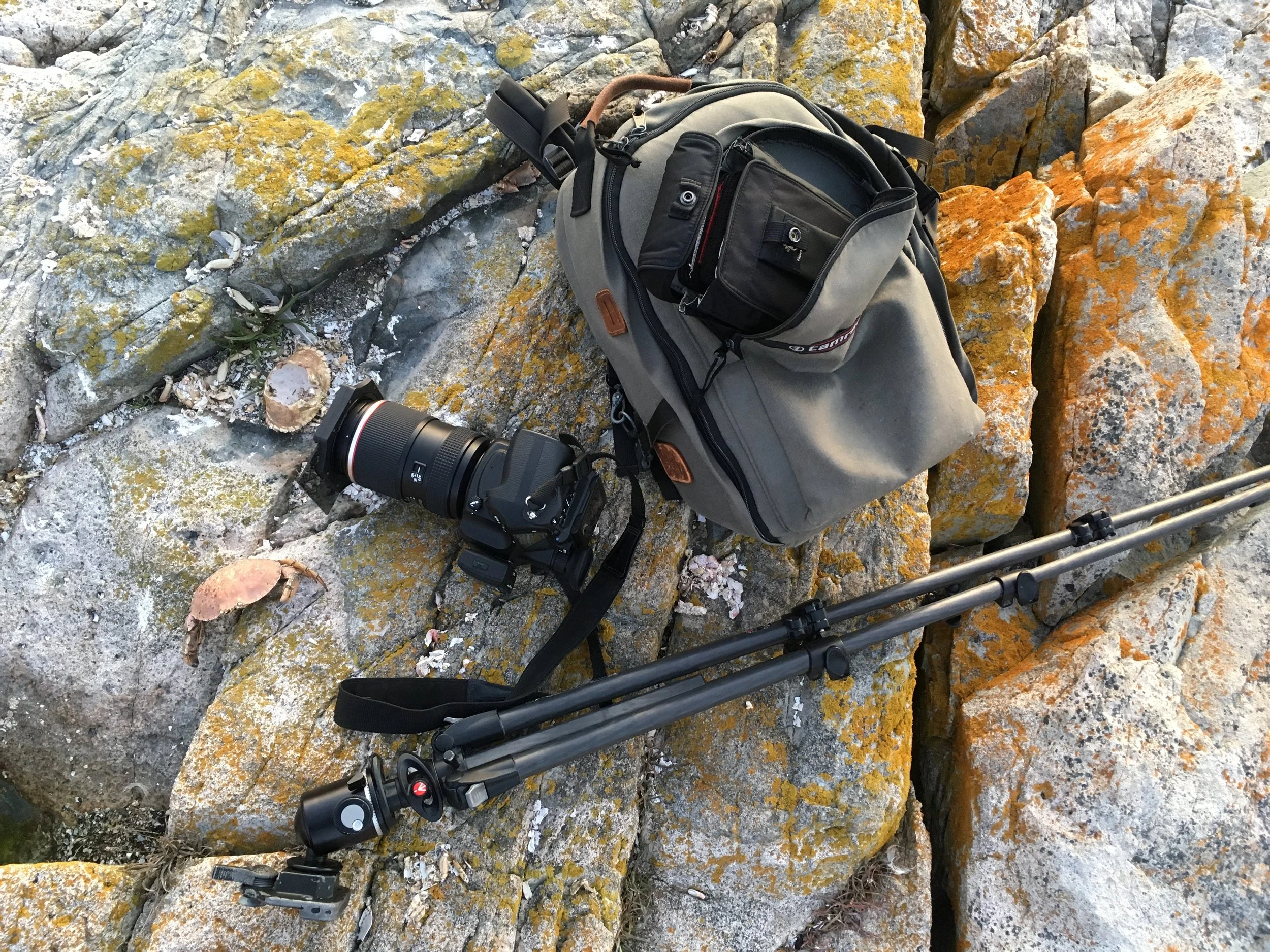
Cameras for Wildlife Photography
A camera with good autofocus capabilities and high-ISO performance is essential for wildlife photography in Acadia's often challenging light conditions. Whether you're tracking fast-moving warblers through dense forest or photographing harbor seals in low light, these features will significantly improve your success rate.
Recommended Wildlife Photography Cameras
- Canon EOS 5D Mark IV - Excellent all-around performer with outstanding image quality and reliable autofocus
- Sony Alpha a7 III - Mirrorless option with superb low-light capability and eye-detection autofocus
- Nikon Z6 - Outstanding low-light performance and silent shooting mode for sensitive wildlife
- Olympus OM-D E-M1 Mark III - Compact system with excellent stabilization for handheld telephoto work
Lenses for Wildlife Photography in Acadia
Your lens selection will have the most significant impact on your wildlife photography success. The varied wildlife in Acadia demands different focal lengths depending on your subject.
Essential Wildlife Photography Lenses
- Sigma 150-600mm f/5-6.3 Contemporary - Versatile telephoto zoom with excellent reach for birds and distant mammals
- Sony FE 100-400mm f/4.5-5.6 GM - Lighter alternative with outstanding sharpness for birding
- Tamron 18-400mm f/3.5-6.3 - All-in-one solution for APS-C cameras, perfect for hiking the carriage roads
- Nikon 70-200mm f/2.8E FL ED - Excellent for larger wildlife in lower light conditions
For wild animals in Acadia National Park like deer and foxes, a 70-200mm lens often provides sufficient reach, while birds typically require 400mm or longer. Consider a teleconverter to extend your focal length for particularly distant subjects.
Support Equipment
Given the weight of telephoto lenses and the patience required for wildlife photography, proper support equipment is essential. A stable tripod with a smooth head will significantly improve your image quality and shooting experience.
Recommended Support Equipment
- Benro Mammoth Carbon Fiber Tripod with WH15 Wildlife Head - Stable support with smooth panning for tracking moving wildlife
- Manfrotto Befree Advanced Travel Tripod - Lightweight option for hiking Acadia's trails
- Movo GH700 Gimbal Tripod Head - Perfect for balancing heavy telephoto lenses during extended wildlife observation
Additional Accessories
Beyond your camera, lenses, and support equipment, several accessories can improve your wildlife photography experience in Acadia:
- Weather protection: Rain covers for your camera and lens are essential in Acadia's changeable coastal climate
- Extra batteries: Cold weather and long shooting sessions drain batteries quickly
- Polarizing filter: Helpful for reducing glare when photographing in tide pools or around water
- Binoculars: Essential for spotting distant wildlife before setting up your camera
- Field guides: Help identify species and understand behavior patterns
- Camouflage clothing: Earth tones help you blend into the environment
- Comfortable backpack: For carrying gear along Acadia's trails and carriage roads
Remember that the best camera is the one you have with you. While professional gear can enhance your results, even a bridge camera with a good zoom can capture memorable wildlife images in Acadia if you understand the fundamentals of wildlife photography.
Seasonal Guide to Wildlife Photography in Acadia
Seasons for wildlife watching in Acadia dramatically affect what species you'll encounter and how you'll need to approach photography. Each season in Acadia National Park offers unique wildlife photography opportunities, challenges, and rewards.

Spring (April-May)
Spring transforms Acadia from winter dormancy to vibrant life, creating excellent wildlife photography opportunities:
- Bird migration: Warblers and other migratory birds return, offering chances to photograph species that won't be present later in summer
- Nesting activity: Peregrine falcons return to nest on the Precipice cliffs, providing dramatic photography opportunities (observe from designated viewing areas only)
- Fewer crowds: The park is less crowded, allowing for more peaceful wildlife photography sessions
- Challenges: Variable weather requires preparation for cold, rain, and occasional warm days
Focus on Jesup Path, Sieur de Monts, and carriage roads for spring migrants. The morning chorus of songbirds peaks in May, offering excellent audio recording opportunities alongside your photography.
Summer (June-August)
Summer is Acadia's busiest season but also offers numerous wildlife photography opportunities:
- Breeding birds: Common loons with chicks on Echo Lake and Jordan Pond (July is ideal)
- Fawns: White-tailed deer with spotted fawns are more visible, especially at dawn and dusk
- Marine life: Harbor seals with pups rest on coastal ledges, best viewed from respectful distances by boat
- Atlantic puffins: Not in the park but accessible via boat tours from nearby harbors (June-August)
- Challenges: Crowds can disturb wildlife; photographing at dawn and in less-visited areas of the park improves your chances
In summer, I recommend focusing on early morning photography sessions before the crowds arrive. The "quiet side" of Mount Desert Island offers more peaceful wildlife opportunities than the busier eastern side.
Fall (September-November)
Autumn combines beautiful foliage with active wildlife preparing for winter:
- Rutting deer: Male deer with impressive antlers become more visible during the rut
- Fall migration: Birds pass through on their southern journey, creating diverse photography opportunities
- Hawk watching: Cadillac Mountain provides opportunities to photograph migrating raptors
- Fewer crowds: After Labor Day, the park becomes much quieter, especially mid-week
- Challenges: Shorter days mean less photography time; weather can change quickly
Fall offers beautiful backdrop colors for wildlife photography. The combination of golden light, colorful foliage, and active wildlife makes this my favorite season for photography in Acadia.
Winter (December-March)
Winter creates a completely different Acadia, with unique wildlife photography opportunities:
- Sea ducks: Harlequin ducks, eiders, and other sea birds congregate along the coast
- Potential for snowy owls: These arctic visitors occasionally appear on mountaintops and Schoodic Point
- Red foxes: More visible against the snow, especially around dawn and dusk
- Solitude: The park is nearly empty, allowing for undisturbed wildlife photography
- Challenges: Cold temperatures affect battery life; many park roads are closed; proper winter gear is essential
Winter wildlife photography in Acadia requires proper preparation but rewards with unique opportunities and beautiful light. The low angle of winter sun creates gorgeous golden illumination throughout the day.
Pro Tip: Planning Your Visit
For the best wildlife photography experience, I recommend visiting Acadia during the "shoulder seasons" of late May to early June or September after Labor Day. These periods combine reasonable wildlife activity with fewer visitors, creating ideal conditions for photography.
Photography Techniques for Acadia Wildlife
Successfully photographing wildlife in Acadia requires more than just the right equipment—it demands specific techniques tailored to the park's unique conditions and wildlife behavior.
Mastering Light in Acadia
Acadia's coastal location creates distinctive lighting conditions that influence wildlife photography:
- Golden hours: The first and last hours of daylight offer warm, directional light that beautifully illuminates wildlife
- Coastal fog: Common in summer mornings, fog creates atmospheric wildlife images with soft, diffused light
- Forest shadows: Acadia's dense forests create challenging dappled light; overcast days often provide better conditions for photographing forest wildlife
- Backlighting: Early morning light along Ocean Path can create dramatic silhouettes of seabirds
I've found that Acadia's early morning light is particularly magical for wildlife photography. The combination of mist rising from ponds and golden light filtering through trees creates ethereal conditions for photographing deer, loons, and other crepuscular species.
Camera Settings for Wildlife
Optimal camera settings for Acadia's wildlife vary by situation, but these guidelines will help you capture sharp, well-exposed images:
- Shutter speed: For stationary wildlife like deer, 1/250s may be sufficient; for birds in flight, aim for 1/1000s or faster
- Aperture: f/5.6-f/8 typically provides a good balance between depth of field and light gathering
- ISO: Use Auto ISO with a minimum shutter speed setting appropriate for your subject; modern cameras handle ISO 1600-3200 well
- Focus: Back-button focus provides flexibility for tracking moving wildlife; use continuous focus (AF-C) for active subjects
- Exposure compensation: Be ready to dial in +1 to +2 stops for dark wildlife against bright sky or -1 stop for light-colored animals
In the challenging light of Acadia's forests, I often use exposure bracketing when photographing stationary subjects like owls or woodpeckers. This ensures I capture at least one properly exposed image even in contrasty light.
Camera Setting Quick Reference
| Wildlife Type | Shutter Speed | Aperture | Focus Mode |
|---|---|---|---|
| Stationary mammals (deer, fox) | 1/250s - 1/500s | f/5.6 - f/8 | Single point AF |
| Perched birds | 1/500s - 1/1000s | f/5.6 - f/8 | Single point AF |
| Birds in flight | 1/1600s - 1/3200s | f/5.6 - f/8 | Continuous AF tracking |
| Marine wildlife | 1/1000s - 1/2000s | f/8 | Continuous AF tracking |
Field Techniques for Wildlife
Beyond technical camera settings, these field techniques will improve your wildlife photography in Acadia:
- Patience: Wildlife photography requires time; pick promising locations and wait quietly
- Eye level perspective: Whenever possible, photograph from the animal's eye level for more intimate images
- Background awareness: Position yourself to capture clean backgrounds that don't distract from your subject
- Behavior anticipation: Learn to recognize pre-flight behaviors in birds or hunting behaviors in predators
- Field craft: Move slowly, wear neutral colors, and minimize noise when approaching wildlife
- Ethics: Always prioritize the animal's welfare over getting the shot; maintain appropriate distances
When photographing shy species like foxes or otters, I often find a promising location and set up my gear before dawn, then wait quietly. Animals are more likely to appear if you're already in position rather than moving around searching for them. Acadia National Park wildlife safety tips should always be followed when positioning yourself for photography.
Composition Techniques
Strong composition transforms a simple wildlife sighting into a compelling photograph:
- Environmental portraits: Include elements of Acadia's distinctive landscape to tell a more complete story
- Rule of thirds: Position your subject at intersection points for balanced compositions
- Leading lines: Use Acadia's shorelines or fallen trees to lead the viewer's eye to your wildlife subject
- Space for movement: Leave room in the frame in the direction an animal is facing or moving
- Storytelling: Capture behavior that reveals something about the animal's life in Acadia
Some of my most successful wildlife images from Acadia incorporate the park's iconic features—a deer with fall foliage reflected in Jordan Pond, a bald eagle soaring with Cadillac Mountain in the background, or harbor seals hauled out with Bass Harbor Lighthouse visible in the distance.
My Experience: Stories from the Field
Over my years photographing wildlife in Acadia National Park, I've collected unforgettable experiences and valuable lessons. These personal stories illustrate the joys and challenges of wildlife photography in this remarkable place.
Loon Family on Echo Lake
One of my most memorable Acadia wildlife encounters occurred during a misty July morning on Echo Lake. I arrived before sunrise and set up my tripod and 500mm lens at the north end of the lake, where a pair of common loons had been nesting. As the first light filtered through the mist, I spotted the male loon gliding across the water with two tiny chicks riding on his back.
For the next three hours, I photographed the family as they fished, preened, and taught their young to navigate the world. The soft morning light created perfect conditions, and the loons seemed unbothered by my presence from a respectful distance. This experience taught me the value of researching wildlife behavior—knowing the loons' nesting patterns and chick-rearing schedule allowed me to be in exactly the right place at the perfect time.
Ranger Jack, who monitored the loon population, later told me that particular pair had successfully raised chicks on Echo Lake for five consecutive years, a testament to the protected habitat Acadia provides.
Peregrine Falcon Drama at the Precipice
Another unforgettable experience came while photographing the peregrine falcons that nest on the Precipice cliff. After the trail closed for falcon nesting season, I joined a guided ranger program with my 600mm lens and 1.4x teleconverter. We had positioned ourselves at the designated viewing area when suddenly the male falcon streaked past us at incredible speed, pursuing a pigeon.
The aerial chase that followed tested every bit of my autofocus skills and reaction time. Though many of my images were blurry, I managed to capture one frame of the falcon with its wings tucked in a dive, reaching speeds that can exceed 200 mph. The ranger later explained that we had witnessed a hunting technique called stooping, where peregrines use gravity to achieve their remarkable speed.
This experience taught me the importance of being ready for unexpected action and the value of understanding wildlife behavior before attempting to photograph it. I've returned to photograph these magnificent birds every year since, always with a deeper appreciation for their remarkable aerial abilities.
Winter Fox on Schoodic Peninsula
During a January visit to the quieter Schoodic Peninsula section of Acadia, I experienced the rewards of persistence in challenging conditions. The temperature was well below freezing, and few visitors braved the wind-swept peninsula. After several hours of searching without success, I was preparing to leave when I spotted a red fox trotting across a snow-covered field.
Setting up quickly, I followed the fox through my viewfinder as it hunted for mice beneath the snow. Suddenly, it paused, cocked its head, and executed a perfect "mouse pounce"—leaping high into the air and diving headfirst into the snow. I captured the entire sequence, culminating with the fox emerging triumphantly with its prey.
Despite the cold that had numbed my fingers and drained my camera batteries, this encounter reminded me why wildlife photographers endure discomfort and disappointment. Those magical moments when wild animals reveal their natural behaviors more than compensate for the challenges.
Lessons Learned and User Experiences
Through my experiences and conversations with fellow wildlife photographers in Acadia, I've collected valuable insights:
"After three visits to Acadia with my Sony A7 IV and 200-600mm lens, I've found the carriage roads provide the most stable shooting platform for bird photography. The crushed gravel surface allows for silent approach, and the elevation often puts you at eye level with birds in the surrounding trees." — Sarah T., Amazon review for Sony 200-600mm lens
"I spent a week photographing wildlife in Acadia using the Sigma 150-600mm Contemporary. The weight was manageable on long hikes, and the weather sealing handled a sudden downpour at Jordan Pond beautifully. The autofocus was fast enough for the osprey fishing at Seal Harbor." — Michael R., Reddit r/acadianationalpark
"Don't underestimate the value of a good blind or camouflage in Acadia. I set up a portable photography blind at the edge of Witch Hole Pond before dawn and was rewarded with intimate beaver behavior that would have been impossible to capture otherwise." — Elise K., Quora wildlife photography forum
These experiences remind me that wildlife photography in Acadia isn't just about equipment or technical skills—it's about patience, respect for the animals, and a willingness to embrace the unpredictable nature of wildlife encounters.
Wildlife Photography Ethics and Safety
Responsible wildlife photography ensures both your safety and the wellbeing of Acadia's animals. Following ethical practices helps preserve the park's wildlife for future generations of photographers and visitors.
Ethical Wildlife Photography
Putting the animal's welfare first should always be your priority when photographing wildlife in Acadia:
- Maintain proper distance: Use telephoto lenses rather than approaching too closely
- Recognize stress signals: If an animal changes its behavior due to your presence, you're too close
- Never bait wildlife: Feeding animals to attract them for photography is harmful and illegal in national parks
- Respect closures: Areas like the Precipice Trail close during peregrine falcon nesting season for a reason
- Leave no trace: Avoid damaging vegetation or disturbing habitat while positioning for photographs
- Be honest: Don't misrepresent captive animals as wild or use heavy manipulation in post-processing
Always remember that a successful wildlife photographer prioritizes the animal's wellbeing over getting the perfect shot. Animals to avoid in Acadia National Park include those showing signs of illness or aggression, as well as mothers with young.
Safety Considerations
Wildlife photography in Acadia presents several safety considerations:
- Weather awareness: Coastal weather can change rapidly; be prepared with appropriate gear
- Tide knowledge: When photographing along the coast, always be aware of tide schedules
- Communication: Cell service is limited in parts of Acadia; let someone know your planned location
- Wildlife respect: While rare, encounters with foxes or raccoons require caution, particularly if animals show unusual behavior
- Proper footwear: Many wildlife photography locations involve slippery rocks or uneven terrain
I always carry a small first aid kit, extra layers, and emergency supplies when photographing in remote areas of the park. The weather can change dramatically, especially along the coast, and being prepared ensures you can focus on photography safely.
Park Service Guidelines
The National Park Service recommends maintaining the following minimum distances from wildlife in Acadia:
- 25 yards (23 meters) from most wildlife
- 50 yards (46 meters) from nesting birds
- 100 yards (91 meters) from active raptor nests
- 150 feet (46 meters) from seal haul-out areas
Following these guidelines not only protects the wildlife but also ensures you stay safe and avoid potential fines. Remember that using drones in Acadia National Park is prohibited, so all wildlife photography must be conducted from the ground or from authorized watercraft outside the park boundaries.
Frequently Asked Questions
Where can I see moose in Acadia National Park?
Moose are extremely rare on Mount Desert Island, with years often passing between confirmed sightings. For better opportunities to photograph moose, head north to Katahdin Woods and Waters National Monument or Maine's state parks like Baxter State Park. The Schoodic Peninsula section of Acadia provides slightly better chances for moose sightings than Mount Desert Island due to its connection to the mainland, but sightings remain uncommon. Focus instead on Acadia's abundant deer, foxes, and bird life for more reliable photography opportunities.
What is the best time of day for wildlife photography in Acadia?
Early morning, from 30 minutes before sunrise until about two hours after, provides the best combination of wildlife activity and light quality in Acadia. Many animals, including deer, foxes, and songbirds, are most active during this period. The warm, directional morning light enhances wildlife photographs, and fewer visitors are in the park to disturb animals. Late afternoon and early evening offer a second window of opportunity as animals become active again. Midday is typically the least productive time for wildlife photography, though shorebirds and marine wildlife may remain active throughout the day.
Do I need special permits for wildlife photography in Acadia?
Recreational wildlife photography in Acadia National Park requires no special permits beyond the standard park entrance fee. However, commercial photography and filming may require permits depending on the equipment used and the intended use of the images. If you plan to use a tripod in high-traffic areas, be mindful of other visitors and avoid blocking trails or viewpoints. Some sensitive wildlife areas, such as the Precipice Trail during peregrine falcon nesting season, are closed to all visitors regardless of their purpose. Always check with park rangers at visitor centers for the most current information on closures and wildlife photography guidelines.
What lens should I bring for wildlife photography in Acadia?
For wildlife photography in Acadia National Park, a telephoto lens with a focal length of at least 300mm is essential, with 400-600mm being ideal for birds and smaller mammals. A zoom lens like a 100-400mm or 150-600mm offers versatility for various wildlife scenarios. Consider bringing a teleconverter (1.4x or 2x) to extend your reach if needed. For environmental wildlife portraits that include Acadia's beautiful landscapes, a 70-200mm lens works well. Don't forget a standard zoom (24-70mm) for unexpected close encounters with deer or other habituated wildlife. If weight is a concern while hiking, prioritize the longest telephoto lens your budget allows, as distance is typically the biggest challenge in wildlife photography.
How can I photograph puffins near Acadia National Park?
Atlantic puffins don't nest within Acadia National Park's boundaries, but they can be photographed on nearby islands during the breeding season (late May through August). Book a specialized puffin boat tour from Bar Harbor, Northeast Harbor, or other nearby ports. The best tours for photographers provide adequate time at the colonies and position the boat for optimal light angles. Bring your longest lens (at least 400mm), as you'll still be photographing from some distance. A fast shutter speed (1/1000s or faster) is essential for sharp images of these quick-moving birds. Consider image stabilization technology (in-lens or in-camera) to counteract boat movement. Tours to Machias Seal Island offer the closest puffin encounters but require advance reservations, sometimes months ahead during peak season.
Conclusion
Acadia National Park offers extraordinary opportunities for wildlife photography, from the dramatic coastline where peregrine falcons soar to the peaceful ponds where loons raise their young. While the park may not feature the large mammals of western parks, its diverse ecosystems support a remarkable variety of wildlife that rewards patient, prepared photographers.
Through my years exploring and photographing Acadia National Park wildlife photography subjects, I've learned that success comes from understanding both the technical aspects of wildlife photography and the natural history of your subjects. Knowing when and where to position yourself, which equipment to bring, and how to approach wildlife ethically makes all the difference between returning with mediocre snapshots and creating compelling wildlife images.
Remember that wildlife photography in Acadia requires patience and flexibility. Some days, you might wait hours without capturing a single significant image. Other days might deliver extraordinary encounters that leave you with memory cards full of remarkable photographs. Embrace this unpredictability as part of the experience, and you'll find yourself not just taking better wildlife photographs but developing a deeper connection to Acadia's natural world.
Whether you're photographing a harbor seal basking on a coastal ledge, a barred owl hunting along the Jesup Path, or the simple beauty of a yellow warbler amid spring blossoms, Acadia offers endless inspiration for wildlife photographers. By following the techniques, locations, and ethical guidelines shared in this guide, you'll be well-prepared to capture the essence of Acadia's wildlife while respecting and preserving the park for future generations of photographers and wildlife enthusiasts.
I hope this guide enhances your wildlife photography experience in Acadia National Park. Take your time, tread lightly, and keep your camera ready—you never know when an unforgettable wildlife moment might unfold before your lens in this remarkable corner of Maine.
About the Author
I'm a wildlife photographer with over 15 years of experience photographing in national parks across North America. My work has been featured in National Geographic, Outdoor Photographer, and National Wildlife Magazine. I've been visiting Acadia National Park annually since 2008, documenting its diverse wildlife through changing seasons. When not behind the camera, I lead photography workshops and advocate for wildlife conservation. Connect with me through Wilderness Paths to join upcoming wildlife photography tours in Acadia.