
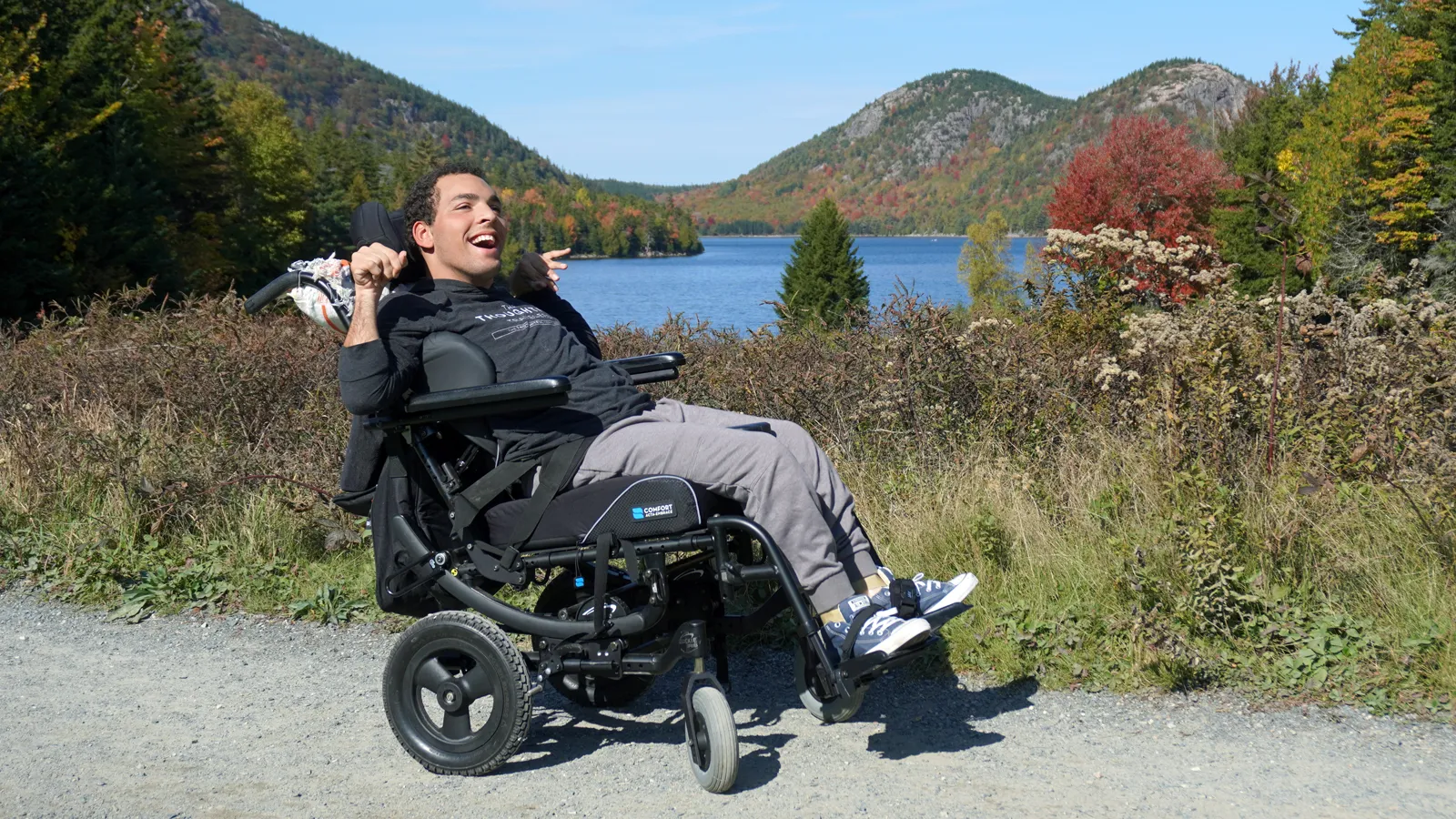
Complete Guide to Acadia Visitor Center Accessibility Info: Your Ultimate Resource for Wheelchair-Friendly Access
Understanding Acadia Visitor Center Accessibility Features
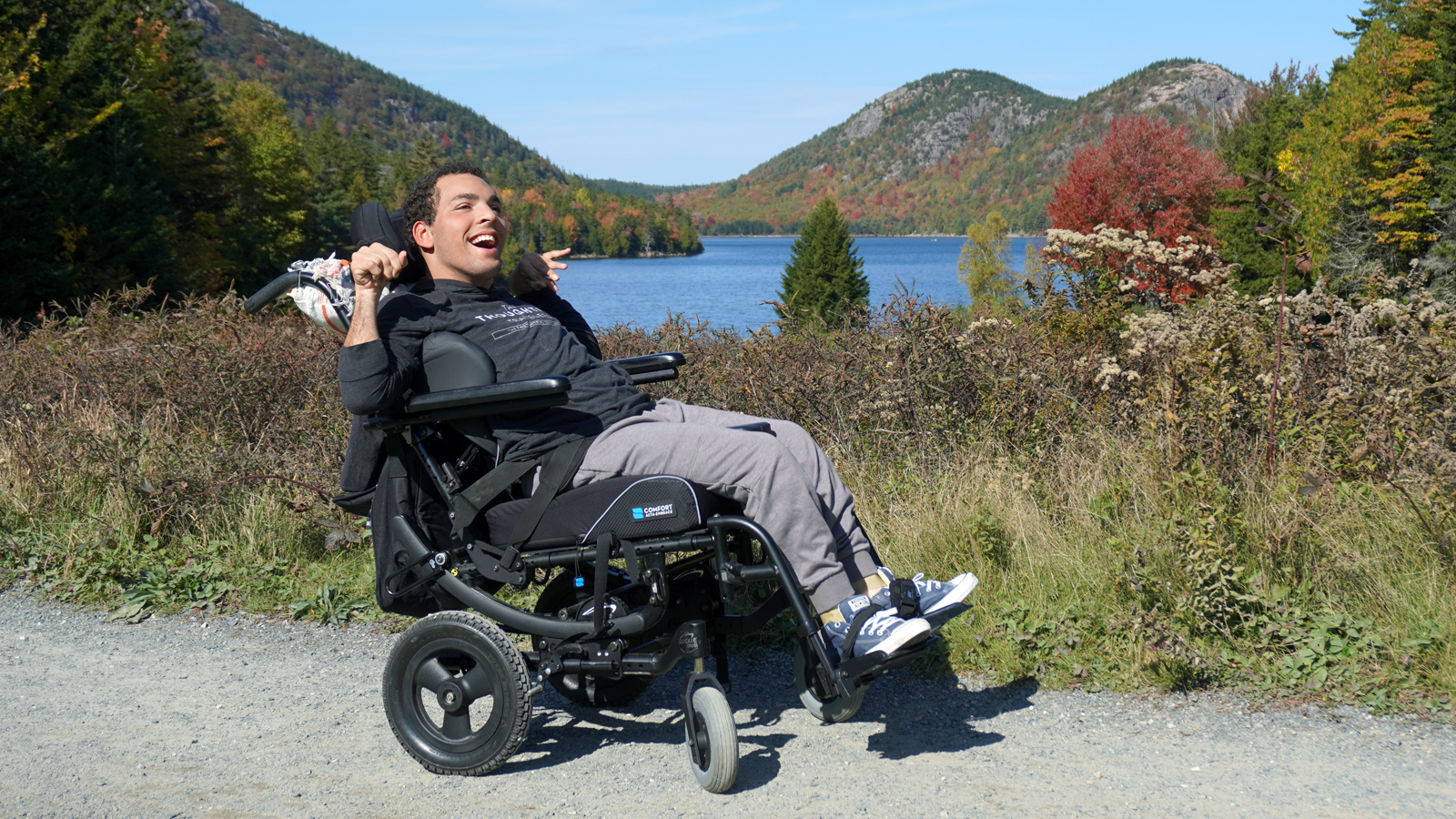
When planning your visit to Acadia National Park, understanding the comprehensive Acadia visitor center accessibility info is crucial for ensuring a smooth and enjoyable experience. The Hulls Cove Visitor Center serves as the primary gateway to the park, and its accessibility features have been carefully designed to accommodate visitors with various mobility needs.
Hulls Cove Visitor Center Accessibility Features
The visitor center offers dual accessibility options to ensure all guests can access park information and services. The main facility features a separate accessible entrance located at the rear of the building, complete with elevator access to the upper level where you'll find the park store, information desk, and educational exhibits. This design addresses the elevation challenges of the original 1966 construction while providing full access to all visitor services.
For visitors who prefer quick access to essential information, the Information Pavilion in the main parking lot provides wheelchair-accessible parking spaces and ground-level access to park maps, Island Explorer shuttle schedules, and after-hours information. This dual-access system ensures that regardless of your mobility needs, you can obtain the Acadia visitor center accessibility info necessary for planning your park experience.
Essential Accessibility Equipment for Your Visit
Having the right accessibility equipment can significantly enhance your Acadia experience. Here are some highly recommended items:
- Vive Health Waterproof Wheelchair Bag - Perfect for storing essentials during your park visit
- Silver Spring Folding Wheelchair Ramp Plus - Portable ramp for easier access to various areas
My Personal Experience Visiting Acadia's Accessible Facilities
First-Hand Account: Navigating the Visitor Center
During my recent visit to Acadia National Park in October 2023, I had the opportunity to thoroughly explore the accessibility features of the Hulls Cove Visitor Center. As someone who uses a power wheelchair, I was particularly interested in evaluating how well the facility accommodates visitors with mobility challenges and whether the Acadia visitor center accessibility info accurately reflects the on-ground reality.
Upon arrival, I followed the clearly marked signs directing visitors to the accessible entrance. The separate rear parking area provided convenient access, though I recommend arriving early during peak season as the accessible parking spaces can fill quickly. The elevator, while compact, easily accommodated my power wheelchair and provided smooth access to the main level.
What impressed me most was the thoughtful design of the exhibits and information desk. The park rangers were exceptionally knowledgeable about accessibility options throughout the park, providing detailed information about accessible trails, facilities, and seasonal considerations that aren't always readily available online.
Lessons Learned and Practical Insights
One valuable lesson I learned was the importance of checking visitor center hours before your visit, especially during shoulder seasons when hours may be reduced. I also discovered that the accessible restrooms are spacious and well-maintained, featuring adult changing tables and emergency call systems – details that aren't always highlighted in standard accessibility information.
The ranger I spoke with, Sarah, shared insider tips about the best times to visit for optimal accessibility conditions and recommended specific trails based on my mobility equipment. This personalized guidance proved invaluable and highlighted the importance of speaking directly with park staff when gathering Acadia visitor center accessibility info.
Essential Travel Gear for Accessible Adventures
All Terrain Rollator Walker & Transport Chair Combo - Perfect for varied terrain in national parksEssential Accessibility Services and Accommodations
Acadia National Park offers an impressive array of accessibility services that extend far beyond basic compliance requirements. Understanding these comprehensive accommodations is essential when gathering Acadia visitor center accessibility info for your trip planning.
Mobility and Transportation Services
- Island Explorer Buses: All buses are wheelchair accessible with lift systems
- Special Pickup Service: Available within 3/4 mile of regular routes (call 207-667-5797)
- Accessible Parking: Designated spaces at all major facilities and trailheads
- Vehicle Reservations: Priority access system for popular destinations
Vision and Hearing Accommodations
- Braille Materials: Park brochures and guides available in Braille format
- Audio Description Tours: Available for park artwork and wayside exhibits
- Assistive Listening Devices: For all ranger programs and presentations
- Sign Language Services: Available with 10-day advance notice
Specialized Equipment and Unique Experiences
One of the most exciting developments in Acadia visitor center accessibility info is the introduction of specialized equipment and unique experiences designed specifically for visitors with disabilities. The park now offers a wheelchair-accessible carriage experience through Wildwood Stables, made possible by the Diana Davis Spencer Foundation. This custom-built carriage features a rear ramp and can accommodate most wheelchair types while providing space for additional passengers.
Additionally, Echo Lake Beach features an accessible chair with large inflatable tires, allowing visitors to enjoy the sandy beach environment. These innovative solutions demonstrate Acadia's commitment to providing meaningful outdoor experiences for all visitors, regardless of mobility limitations.
Practical Tips for Planning Your Accessible Visit
Successfully navigating Acadia National Park with accessibility needs requires careful planning and insider knowledge. These practical tips, gathered through personal experience and ranger consultations, will help you make the most of your visit while avoiding common pitfalls.
Pre-Visit Planning Essentials
Before arriving at the park, ensure you have your Interagency Access Pass, which provides free lifetime admission to all national parks for permanent residents with disabilities. You can obtain this pass online or at the visitor center information desk with proper identification.
Contact the park at least 10 days in advance if you need accommodations for ranger programs, sign language interpretation, or other specialized services. This advance notice ensures staff can properly prepare and provide the highest quality experience. When planning your itinerary, consider that accessible parking can be limited during peak season, so early arrival is recommended.
User Review: Sarah M. (Wheelchair User)
Visited: September 2023
"The accessibility information provided by the rangers was incredibly detailed and accurate. They helped me plan a three-day itinerary that maximized my park experience while considering my mobility needs. The Island Explorer bus system was a game-changer!"
User Review: Michael R. (Vision Impaired)
Visited: July 2023
"The Braille materials and audio description tours made my visit incredibly meaningful. I particularly appreciated the detailed descriptions of the carriage roads and the audio-guided wayside exhibits. Acadia truly considers all accessibility needs."
Navigation and Transportation Tips
The Island Explorer bus system is your best friend for accessible transportation within the park. All buses are equipped with wheelchair lifts and connect major accessible destinations. Download the myStop Mobile app for real-time bus tracking and schedule information. Remember that while regular buses are accessible, the Bicycle Express vans are not wheelchair accessible.
When driving within the park, be aware that some popular destinations like Cadillac Mountain require vehicle reservations during peak season. These reservations don't guarantee parking spaces, so arrive early or use alternative transportation when possible.
Recommended Mobility Equipment
Portable Wheelchair Ramp - Aluminum Foldable - Essential for navigating uneven terrainSeasonal Accessibility Considerations and Best Times to Visit
Understanding seasonal variations is crucial when planning your accessible visit to Acadia National Park. Each season presents unique opportunities and challenges that significantly impact the Acadia visitor center accessibility info and available services.
Spring & Summer (May-August)
Best For: Full accessibility services, warm weather, extended daylight hours
- • All visitor centers open
- • Island Explorer buses operating
- • Accessible beach chair available
- • All ranger programs active
- • Carriage rides available
Fall (September-November)
Best For: Beautiful foliage, fewer crowds, comfortable temperatures
- • Reduced visitor center hours
- • Limited bus schedules
- • Excellent photography conditions
- • Moderate accessibility services
- • Trail conditions optimal
Winter (December-April)
Best For: Peaceful atmosphere, winter activities, unique perspectives
- • Thompson Island info center only
- • No Island Explorer service
- • Limited trail accessibility
- • Snow/ice considerations
- • Reduced services overall
Personal Seasonal Insights
Having visited Acadia during multiple seasons, I've found that late spring through early fall offers the most comprehensive accessibility options. During my October visit, the fall foliage provided stunning photographic opportunities, though I noticed some seasonal service reductions that affected transportation options.
Summer visits require more advance planning due to increased crowds and limited accessible parking. However, this season offers the full range of accessibility services, including the beach accessibility equipment and expanded ranger programming. Winter visits can be magical but require careful consideration of reduced services and weather-related accessibility challenges.
User Review: Patricia L. (Uses Walker)
Visited: Multiple seasons, 2022-2023
"I've visited Acadia in both summer and fall. Summer definitely offers more accessibility services, but fall visits are less crowded and equally beautiful. The key is adjusting expectations based on seasonal service levels and planning accordingly."
Stay Prepared for All Weather Conditions
Wheelchair Weather Protection Cover - Essential for unpredictable Maine weatherFrequently Asked Questions About Acadia Accessibility
Is the Hulls Cove Visitor Center fully wheelchair accessible?
Yes, the Hulls Cove Visitor Center provides full wheelchair accessibility through a separate rear entrance with elevator access to all levels. The facility includes accessible parking, restrooms, and all visitor services. While the main entrance has stairs, the accessible entrance ensures equal access to all areas including the park store, information desk, and exhibits. Staff are knowledgeable about directing visitors to the accessible entrance and providing assistance when needed.
How do I obtain accessibility accommodations for ranger programs?
To request accessibility accommodations for ranger programs, contact the park at least 10 days in advance via email or phone. Available accommodations include sign language interpretation, assistive listening devices, live audio description, and seating arrangements for mobility equipment. The park provides these services free of charge and works with visitors to ensure meaningful participation in all programs. Early notification helps ensure proper preparation and availability of specialized equipment or interpreters.
Are there accessible trails suitable for wheelchairs in Acadia?
Acadia offers several wheelchair-accessible trails including the Jesup Path and Hemlock Loop (1.5 miles total), portions of the Ocean Path, and extensive carriage road system totaling 45 miles. The carriage roads provide the best accessibility with hard-packed surfaces and gentle grades, though some sections may have loose gravel or washouts. The park also offers specialized mobility devices for certain areas, including an accessible beach chair at Echo Lake. Rangers can provide detailed accessibility information based on current trail conditions and specific mobility equipment.
What transportation options are available for visitors with disabilities?
The Island Explorer bus system provides free, wheelchair-accessible transportation throughout the park from late June through early October. All buses are equipped with wheelchair lifts and can accommodate most mobility equipment. For locations not served by regular routes, the park offers special pickup service within three-quarters of a mile of bus stops by calling 207-667-5797. Additionally, visitors can use personal vehicles with accessible parking available at all major destinations, though some popular areas like Cadillac Mountain require advance reservations during peak season.
What accessibility resources are available for visitors with visual or hearing impairments?
Acadia provides comprehensive accessibility resources for visitors with sensory impairments including Braille translations of park brochures and guides available at multiple locations throughout the park. Audio description tours are available for park artwork and wayside exhibits, accessible through the UniDescription app or downloadable MP3 files. Assistive listening devices are provided for all ranger programs, and sign language interpretation is available with advance notice. The park also offers tactile maps and detailed verbal descriptions of visual elements during guided programs to ensure inclusive experiences for all visitors.
Conclusion
Acadia National Park stands as a shining example of accessibility in America's national park system, offering comprehensive services and thoughtful accommodations that ensure meaningful outdoor experiences for visitors of all abilities. The extensive Acadia visitor center accessibility info available through this guide demonstrates the park's commitment to inclusive recreation and barrier-free access to Maine's natural wonders.
Your Accessible Adventure Awaits
From the fully accessible Hulls Cove Visitor Center with its elevator access and knowledgeable staff, to the innovative wheelchair-accessible carriage rides and comprehensive trail system, Acadia offers unparalleled opportunities for accessible outdoor recreation. The park's commitment extends beyond basic compliance to create truly inclusive experiences that allow all visitors to connect with the natural beauty of coastal Maine.
Whether you're planning to explore the 45 miles of accessible carriage roads, enjoy the specialized beach accessibility equipment at Echo Lake, or participate in ranger programs with full accommodation support, Acadia provides the foundation for unforgettable accessible adventures. The park's ongoing improvements, including plans for enhanced visitor center accessibility and continued infrastructure upgrades, demonstrate a forward-thinking approach to universal design.
Essential Resources for Your Visit
As you plan your accessible adventure to Acadia, remember to utilize the comprehensive resources available through the visitor center and park staff. The rangers' expertise in accessibility planning, combined with the park's innovative equipment and services, creates opportunities for experiences that might seem impossible in other outdoor settings.
Consider booking accommodations in nearby Bar Harbor for extended visits, and don't forget to obtain your Interagency Access Pass for free lifetime admission to all national parks. With proper planning and the comprehensive Acadia visitor center accessibility info provided in this guide, your visit to this remarkable Maine destination will exceed expectations and create lasting memories of accessible outdoor adventure.
Start Planning Your Accessible Acadia Adventure Today!
Explore more accessible national park destinations and essential travel gear:
Complete Accessibility Travel Kit for National ParksDisclaimer: Accessibility conditions may change due to weather, maintenance, or other factors. Always verify current conditions with park staff before your visit. This guide is based on personal experiences and publicly available information as of 2024.