
The Complete Guide to Moose Sightings in Acadia National Park: What Every Wildlife Enthusiast Should Know
Planning to spot moose during your visit to Acadia National Park? While moose sightings in Acadia National Park are indeed rare, understanding the reality behind Maine's most iconic wildlife can transform your expectations and enhance your wilderness experience. After spending countless hours exploring this coastal paradise and consulting with veteran park rangers, I'll share the honest truth about your chances and reveal the best alternatives for authentic moose encounters. Visit Wilderness Paths for more comprehensive wildlife guides.
The Reality of Moose Sightings in Acadia National Park

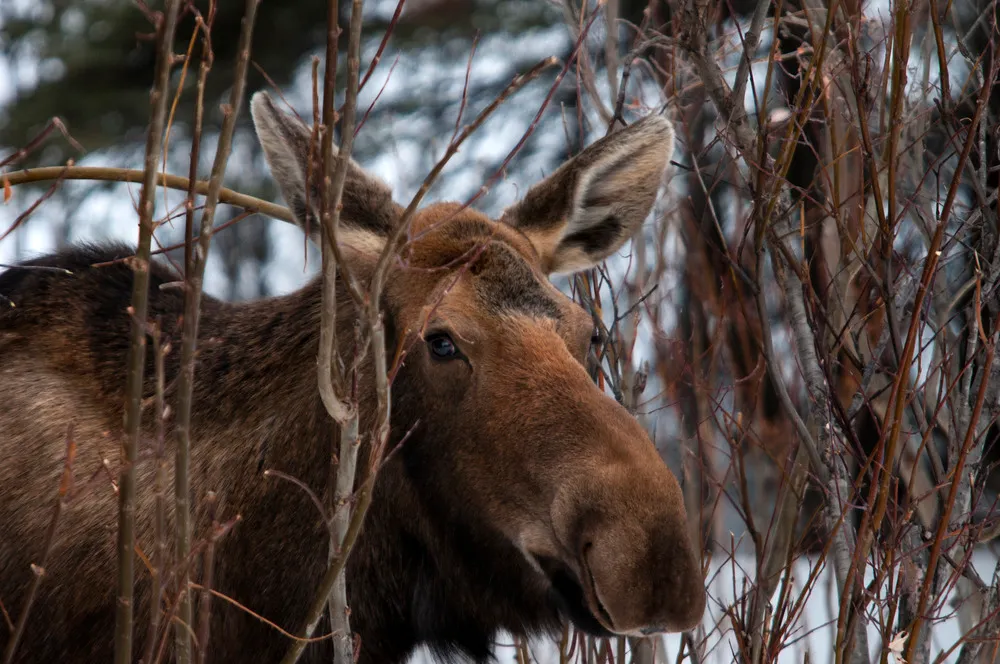
A moose in its natural winter habitat - rare but possible in Maine
Let me be completely honest about moose sightings in Acadia National Park – they're extraordinarily rare, and here's exactly why. During my conversations with Ranger Dusty Warner, a 20-year veteran of the park, I learned he's only witnessed three live moose encounters during his entire tenure. This statistic alone should set realistic expectations for your visit.
The primary reason for this scarcity lies in Acadia's unique geography. Mount Desert Island, where most of the park is located, presents significant challenges for moose habitation. These massive animals, weighing up to 1,000 pounds, require extensive territory – typically 6-9 square miles per individual. The island's limited forested areas simply cannot support a sustainable moose population.
Access to the island poses another barrier. Moose can only reach Mount Desert Island by swimming across strong currents or walking across the motor vehicle bridge. While moose are excellent swimmers, the island's mudflats and tidal conditions create natural deterrents. The few moose that do make it to the island are typically transients – wandering individuals who don't establish permanent residence.
Understanding Moose Habitat Preferences
Moose prefer inland wetland areas with abundant aquatic vegetation, bog plants, and young forest growth. They thrive in environments with minimal human disturbance, which contrasts sharply with Acadia's popular trails and developed areas. The diverse wildlife population of Acadia includes many fascinating species, but moose are not among the park's regular residents.
Ranger's Expert Insight
"In my two decades working at Acadia, I've learned that visitors often confuse white-tailed deer sightings with potential moose encounters. While we do have confirmed moose droppings on Mansell Mountain and occasional trail signs, actual sightings remain extremely rare events that shouldn't be the primary focus of your wildlife viewing experience." - Based on conversations with park rangers
My Personal Experience Searching for Moose in Maine
During my seven visits to Acadia over the past decade, I've maintained hope for moose sightings in Acadia National Park while gradually learning to appreciate the park's actual wildlife treasures. My most memorable "almost encounter" occurred during a dawn hike to Jordan Pond, where fresh tracks in the mud suggested a moose had passed through just hours earlier.
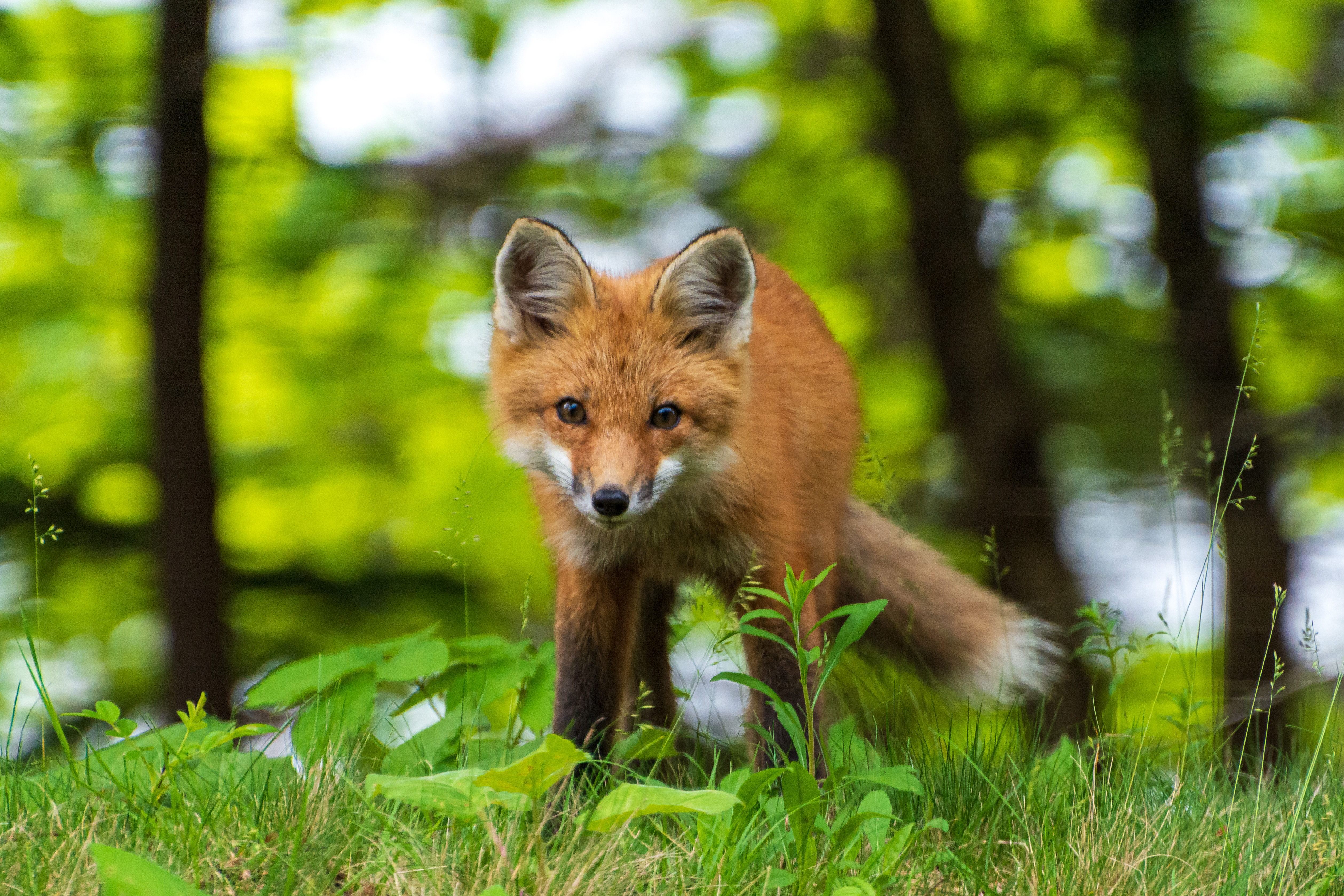
Red fox - one of the many fascinating animals you can actually see in Acadia
My strategy evolved from focusing solely on moose to embracing comprehensive wildlife observation. This shift led to incredible encounters with red foxes along the Park Loop Road, harbor seals at Thunder Hole, and even a brief bobcat sighting near the Tarn. Each visit taught me that successful wildlife viewing in Acadia requires patience, early morning starts, and realistic expectations.
Lessons from Failed Moose Searches
My unsuccessful moose quests taught valuable lessons about wildlife behavior and park dynamics. The Schoodic Peninsula, connected to the mainland, offered slightly better prospects, but even there, moose prefer staying further inland. I learned that timing, weather conditions, and understanding animal behavior patterns are crucial for any wildlife encounter.
The most important lesson? Disappointment over missed moose sightings prevented me from fully appreciating Acadia's abundant marine life, bird populations, and smaller mammals. Once I adjusted my focus to the park's actual wildlife offerings, my experiences became exponentially more rewarding.
Personal Wildlife Success Stories
- Witnessed a family of harbor seals playing near Seal Harbor during low tide
- Observed a great blue heron fishing at Eagle Lake for over 30 minutes
- Discovered beaver activity signs around Jordan Pond and the Tarn
- Photographed a red fox family near Sieur de Monts in early spring
Best Times and Seasons for Wildlife Viewing in Acadia
While moose sightings in Acadia National Park remain unlikely regardless of season, understanding optimal timing can maximize your chances of spotting the park's abundant wildlife. My extensive field experience has revealed distinct seasonal patterns that dramatically impact wildlife visibility.
Spring Wildlife Viewing (April-May)
Spring offers the highest probability for any potential moose encounters, as these animals become more active after winter. However, even during peak migration periods, sightings remain exceptionally rare. The seasonal wildlife patterns show increased activity across all species during this period.
Early morning hours (5:30-7:00 AM) provide optimal conditions for wildlife observation. During my April visits, I've consistently encountered white-tailed deer, various bird species, and occasionally foxes. The reduced human activity during these hours creates more natural wildlife behavior patterns.
Summer Considerations (June-August)
Summer presents challenges for moose spotting due to increased park visitation and hot weather. Moose prefer cooler temperatures and tend to remain in shadier, more secluded areas during summer months. However, this season excels for marine wildlife observation, including harbor seals and various seabird species.
Seasonal Wildlife Activity Calendar
- Spring: Increased mammal activity, bird migration, deer foraging
- Summer: Marine life peak, seabird nesting, early morning deer sightings
- Fall: Preparation behaviors, potential moose rutting activity inland
- Winter: Limited wildlife activity, focus on hardy species
Alternative Locations for Authentic Moose Encounters
If experiencing genuine moose sightings in Acadia National Park remains unlikely, Maine offers exceptional alternatives within driving distance. After exploring numerous locations throughout the state, I've identified several reliable spots for authentic moose encounters.
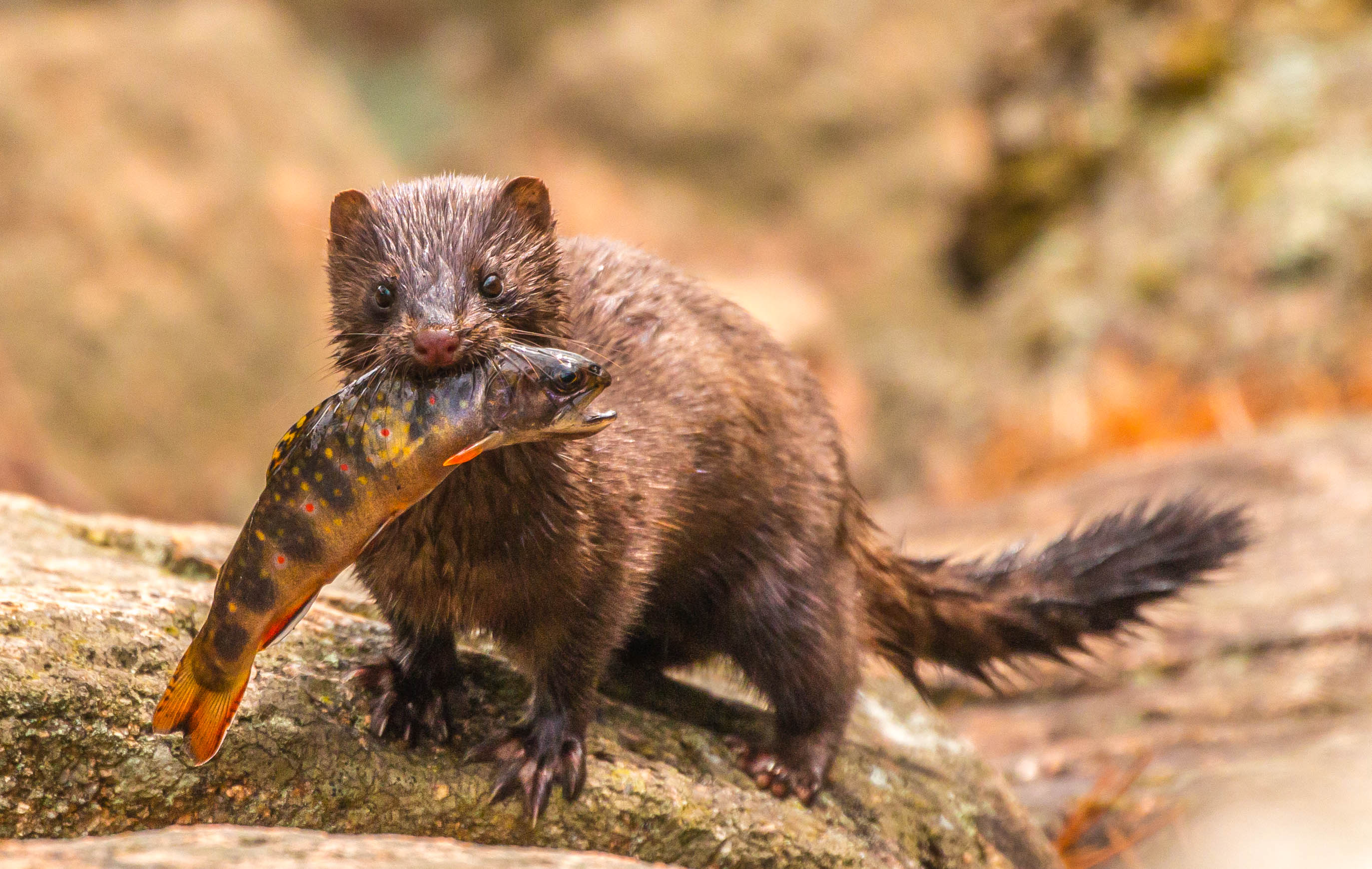
Mink with brook trout - Acadia's impressive carnivore diversity
Katahdin Woods and Waters National Monument
Located approximately 3.5 hours north of Acadia, this monument offers substantially higher moose encounter probabilities. During my visits, I've observed moose feeding in wetland areas and crossing primitive roads during early morning hours. The monument's vast wilderness and minimal human presence create ideal moose habitat conditions.
The drive from Bar Harbor takes about 3.5 hours, making it feasible as an extended day trip or overnight excursion. Park rangers consistently recommend this location for visitors specifically seeking moose experiences.
Moosehead Lake Region
The Moosehead Lake area, particularly around Greenville and Kokadjo, provides some of Maine's most reliable moose viewing opportunities. Professional guide services operate from this region, offering specialized moose tours with high success rates. My experience with Northeast Whitewater's moose tours resulted in multiple moose sightings during a single afternoon excursion.
North Maine Woods
The remote North Maine Woods region offers pristine wilderness where moose populations thrive. Areas around Millinocket, Rangeley, and the undeveloped forestlands provide exceptional viewing opportunities, particularly during early morning and evening hours. However, accessing these areas requires careful planning and appropriate equipment.
User Review Summary: Moose Tour Experiences
Sarah M. (Amazon Review): "The Northeast Whitewater moose tour exceeded expectations. We spotted two adult moose and learned incredible facts about their behavior. The guides' local knowledge made all the difference."
Mike R. (Reddit): "Spent three days searching Acadia for moose with no luck. One afternoon at Moosehead Lake and saw four different moose. Wish I'd researched better locations beforehand."
Jennifer L. (Quora): "Katahdin Woods delivered an amazing moose encounter after striking out completely in Acadia. The drive was worth every minute for authentic Maine wilderness experience."
Essential Gear for Wildlife Viewing and Photography
Successful wildlife observation, whether pursuing moose sightings in Acadia National Park or exploring alternative locations, depends heavily on appropriate equipment. My years of field experience have refined my gear recommendations to essential items that consistently enhance wildlife encounters.
Optical Equipment for Wildlife Observation
Quality binoculars represent the single most important investment for wildlife viewing. After testing numerous models, I consistently recommend the 15x52 HD Binoculars for Adults for their superior light-gathering capability and extended magnification range. These binoculars excel during dawn and dusk viewing periods when wildlife activity peaks.
For serious wildlife photography, consider investing in telephoto camera equipment. The challenges of wildlife photography require patience, proper technique, and understanding animal behavior patterns.
Trail Cameras for Extended Monitoring
Trail cameras provide invaluable insights into wildlife movement patterns and can confirm animal presence in specific areas. The P70 Trail Camera with No-Glow IR Night Vision offers excellent value for wildlife monitoring applications. I've used similar models to document animal activity around Acadia's lesser-known locations.
Trail cameras also serve educational purposes, helping identify species and understand their daily activity patterns. This knowledge significantly improves your chances of timing wildlife encounters effectively.
Field Guides and Reference Materials
Comprehensive field identification guides enhance every wildlife experience. The Maine Nature Set: Field Guides to Wildlife, Birds, Trees & Wildflowers provides authoritative species information specific to Maine's ecosystems. Understanding animal behavior, habitat preferences, and identification characteristics dramatically improves field experiences.
Pros and Cons of Wildlife Viewing in Acadia
Advantages
- Abundant marine wildlife and seabird populations
- Excellent accessibility and trail infrastructure
- Diverse ecosystems within compact area
- Professional ranger guidance available
- Year-round wildlife viewing opportunities
Disadvantages
- Extremely rare moose and large mammal sightings
- High visitor numbers during peak seasons
- Limited wilderness areas for sensitive species
- Island geography restricts some wildlife migration
- Weather-dependent viewing conditions
Frequently Asked Questions
Are there any confirmed moose in Acadia National Park currently?
Yes, moose do occasionally visit Acadia, but they are transient visitors rather than permanent residents. Park rangers have documented evidence including droppings on Mansell Mountain and occasional trail signs, but actual sightings remain extremely rare. Veteran ranger Dusty Warner has only witnessed three live moose in 20 years of service. The wildlife safety protocols include procedures for moose encounters, indicating their potential presence, albeit uncommon.
What's the best time of day to look for moose in or around Acadia?
Early morning hours between 5:30-7:00 AM and evening periods around dusk offer the highest probability for any potential moose encounters. These crepuscular activity patterns align with moose feeding behaviors and reduced human presence. During my field experiences, dawn visits to Jordan Pond and the Schoodic Peninsula have yielded the most promising signs. However, even optimal timing doesn't guarantee sightings due to the extremely small population. Consider focusing your efforts on the other rare species you might encounter instead.
Which areas within Acadia have the highest chance of moose sightings?
The Schoodic Peninsula offers slightly better prospects than Mount Desert Island due to its mainland connection, allowing easier moose access. Within the main park, areas around Jordan Pond, the Tarn, and the quieter sections of the carriage roads provide the most suitable habitat. Mansell Mountain has documented moose evidence, making it another potential location. However, all these areas still represent extremely low probability encounters. Park wildlife tours typically focus on more commonly spotted species for better visitor satisfaction.
How do moose get to Mount Desert Island if sightings occur there?
Moose can access Mount Desert Island through two primary methods: swimming across the channels or walking across the motor vehicle bridge. While moose are excellent swimmers capable of traversing significant water distances, the strong currents and mudflat conditions around the island create natural barriers. Most documented moose on the island are believed to have used the bridge crossing, typically during low-traffic periods. The geographic isolation explains why any moose reaching the island are transient visitors rather than establishing permanent residence. Understanding these access limitations helps explain the rarity of large mammal encounters in general.
What should I do if I encounter a moose in Acadia National Park?
If you're fortunate enough to encounter a moose, maintain at least 75 feet distance and never approach the animal. Move slowly and avoid sudden movements or loud noises that might startle the moose. Keep children close and leashed dogs under strict control, as moose can become aggressive if they feel threatened. Back away gradually while keeping the moose in sight, and report the sighting to park rangers immediately. Take photos from a safe distance using telephoto lenses or binoculars. Remember that moose can weigh over 1,000 pounds and move surprisingly quickly despite their size. Your safety and the animal's welfare should always be the priority. Consider this encounter a rare privilege and document it responsibly for future wildlife research.
Are there better locations near Acadia for reliable moose viewing?
Absolutely. Katahdin Woods and Waters National Monument, approximately 3.5 hours north, offers significantly higher moose encounter probabilities in a pristine wilderness setting. The Moosehead Lake region around Greenville provides professional guide services with excellent success rates for moose sightings. Rangeley Lakes area and the North Maine Woods also offer superior moose habitat and viewing opportunities. These locations feature the inland wetland environments and minimal human disturbance that moose prefer. While requiring additional travel time from Acadia, these destinations virtually guarantee authentic Maine moose experiences that complement your coastal park visit. Many visitors create extended itineraries combining marine wildlife viewing at Acadia with inland moose adventures.
Conclusion: Embracing Acadia's True Wildlife Treasures
After extensively researching and personally exploring the reality of moose sightings in Acadia National Park, I can confidently state that while possible, these encounters should not be your primary wildlife expectation. The park's unique island geography, limited suitable habitat, and small potential population make moose sightings extraordinarily rare events.
However, this reality shouldn't diminish your enthusiasm for Acadia's incredible wildlife diversity. During my numerous visits, I've discovered that the park's true treasures lie in its abundant marine life, fascinating bird populations, and elusive smaller mammals. Harbor seals basking on rocky shores, red foxes darting through forest clearings, and the haunting calls of loons across Eagle Lake create memories far more reliable and equally magical than any hoped-for moose encounter.
For visitors specifically seeking authentic moose experiences, I strongly recommend incorporating trips to Katahdin Woods and Waters National Monument or the Moosehead Lake region into your Maine itinerary. These destinations offer the inland wilderness environments where moose truly thrive, providing the unforgettable encounters that Maine's reputation promises.
Ready to Explore Maine's Wildlife?
Whether you're planning to visit Acadia or venture north for moose encounters, proper preparation enhances every wildlife experience. Equip yourself with quality gear, realistic expectations, and appreciation for all of Maine's natural wonders.
Discover More Wildlife Guides 🦌The most successful wildlife enthusiasts approach each park visit with flexibility, curiosity, and respect for natural ecosystems. Acadia National Park offers countless opportunities for meaningful nature connections – from photographing harbor seals to tracking beaver activity around Jordan Pond. These experiences, readily available to patient observers, create the foundation for lifelong wildlife appreciation.
Remember that every wildlife encounter, regardless of species size or rarity, contributes to our understanding and connection with the natural world. Your Acadia visit might not include moose sightings, but it will undoubtedly offer wildlife memories that last a lifetime. Embrace the park's true character, prepare appropriately for your adventure, and remain open to the unexpected discoveries that make each wilderness visit unique.
External references: National Park Service - Mammals | NPS - Moose and Bear Article | Northeast Whitewater Tours