
Photography Tips at Lake Acadia: Ultimate Guide to Capturing Maine's Pristine Waters
Discover the secrets to capturing breathtaking photographs at Lake Acadia, Maine's most photogenic waterways. After spending countless mornings at Jordan Pond, Eagle Lake, and The Tarn, I've learned the precise techniques that transform ordinary lake shots into extraordinary masterpieces. From mastering reflections to timing seasonal color changes, this comprehensive guide reveals professional photography tips at Lake Acadia that will elevate your nature photography to new heights. Explore more wilderness photography guides here.
Best Lakes for Photography in Acadia
When I first started exploring photography tips at Lake Acadia, I quickly learned that not all lakes offer the same photographic opportunities. Through years of dawn shoots and countless weather conditions, I've identified the three premier lake destinations that consistently deliver stunning results.
Jordan Pond: The Crown Jewel
Jordan Pond stands as the most photographed lake in Acadia, and for good reason. The pristine waters perfectly mirror the distinctive Bubbles mountains, creating compositions that have graced countless photography magazines. I've spent over twenty mornings here, and the reflections never cease to amaze me. The key to success at Jordan Pond lies in timing – arrive 45 minutes before sunrise to capture the ethereal mist that often dances across the water's surface.
The Jordan Pond House area provides easy access, but for the most compelling shots, I recommend hiking the Jordan Pond Path to find less crowded vantage points along the eastern shore. Professional photographer tip: use a polarizing filter here to control reflections and enhance the brilliant blue of Maine's clearest waters.
Eagle Lake: Sunrise Perfection
Eagle Lake offers what I consider the finest sunrise photography opportunities in all of Acadia. Unlike Jordan Pond's dramatic mountain backdrop, Eagle Lake provides serene, contemplative compositions with gentle rolling hills reflected in calm waters. The carriage roads that circle the lake offer multiple shooting positions, each revealing different character throughout the changing seasons.
During my autumn visits, Eagle Lake transforms into a kaleidoscope of gold and crimson reflections. The western shore, accessible via the Eagle Lake Loop, provides stunning foreground elements with fallen logs and granite boulders that add compositional depth to your images.
The Tarn: Hidden Gem for Intimate Shots
The Tarn remains Acadia's best-kept secret for intimate lake photography. Nestled between Dorr Mountain and Huguenot Head, this smaller water body offers unique opportunities for close-up compositions featuring lily pads, water grasses, and perfect mountain reflections. What makes The Tarn special is its secluded nature – you'll often have this pristine location entirely to yourself.
The photography tips at Lake Acadia that I've learned at The Tarn center around patience and subtle positioning. The shallow waters and abundant aquatic vegetation create natural leading lines that draw viewers into your compositions. I recommend visiting during late morning when soft sunlight filters through the surrounding forest, creating dappled light patterns on the water's surface.

Essential Photography Gear for Lake Acadia
After testing dozens of gear combinations across Acadia's diverse lake environments, I've refined my equipment list to the absolute essentials. The unique challenges of lake photography – from capturing perfect reflections to dealing with Maine's unpredictable weather – demand specific tools that I've learned to rely on through experience.
Polarizing Filters: The Lake Photographer's Best Friend
No piece of equipment has more dramatically improved my photography tips at Lake Acadia results than a high-quality circular polarizing filter. These filters control reflections, allowing you to see beneath the water's surface or enhance reflection intensity depending on your creative vision.
Recommended: K&F Concept Circular Polarizing Filter
After testing multiple brands, the K&F Concept filters consistently deliver exceptional results. The 28-layer multi-coating reduces reflections while maintaining color accuracy crucial for lake photography.
View on Amazon - $12.76Sturdy Tripods for Sharp Reflections
Lake photography often requires longer exposures to capture smooth water surfaces and sharp reflections. I've learned that a stable tripod isn't just helpful – it's absolutely essential for professional results at Lake Acadia's various shooting locations.
Recommended: JOILCAN Professional Camera Tripod
This 74-inch tripod has accompanied me on countless Acadia shoots. Its lightweight aluminum construction doesn't sacrifice stability, and the 15-pound weight capacity handles even large telephoto setups with ease.
View on Amazon - $29.99Neutral Density Filters for Creative Control
ND filters have revolutionized my approach to lake photography at Acadia. By reducing light entering the lens, these filters enable longer exposures that transform choppy water into glass-smooth surfaces, creating ethereal reflections that captivate viewers.
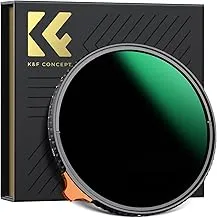
Recommended: Breakthrough Photography X4 6-Stop ND Filter
This German-engineered filter maintains exceptional color accuracy while providing the light reduction needed for creative long exposures. The weather-sealed construction stands up to Maine's harsh coastal conditions.
View on Amazon - $169.00Weather Protection Essentials
Maine's coastal weather changes rapidly, and I've learned this lesson the hard way. Quality weather protection has saved both my equipment and photo shoots when unexpected storms roll in from the Atlantic.
Recommended: Professional Camera Rain Cover
This waterproof cover has protected my gear during countless misty mornings and sudden downpours. The clear viewing window maintains full camera operation while keeping equipment completely dry.
View on Amazon - $16.49
Technical Photography Techniques
Mastering the technical aspects of lake photography at Acadia requires understanding how light interacts with water under Maine's unique atmospheric conditions. These techniques have evolved from hundreds of hours spent perfecting my craft at Jordan Pond, Eagle Lake, and The Tarn.
Mastering Reflection Photography
Perfect reflections don't happen by accident – they require precise timing, positioning, and camera settings. I've discovered that the golden hour for reflection photography at Lake Acadia occurs 30 minutes before sunrise when winds are calmest and the water surface mirrors perfectly.
Camera settings for optimal reflections: Use aperture f/8 to f/11 for maximum sharpness across the entire frame. Set ISO 100-400 depending on available light, and focus one-third into the scene using hyperfocal distance techniques. For reflecting mountain peaks like the Bubbles at Jordan Pond, position your camera low to the water to emphasize the reflection's drama.
The most crucial photography tips at Lake Acadia I've learned involve polarizing filter usage. Rotate the filter until you achieve the desired reflection intensity – complete elimination creates an underwater view, while partial reduction maintains reflections while revealing subsurface details.
Long Exposure Techniques for Smooth Waters
Long exposure photography transforms Lake Acadia's waters into surreal, glass-like surfaces that emphasize the surrounding landscape's grandeur. I typically use exposures between 30 seconds to 4 minutes, depending on wind conditions and desired artistic effect.
Equipment setup: Mount your camera on a sturdy tripod and use either a cable release or your camera's timer function to eliminate vibration. Attach a 6 to 10-stop neutral density filter, then calculate exposure using your camera's meter reading before filter attachment. For example, if your unfiltered exposure is 1/60th second at f/8, a 6-stop ND filter requires a 1-second exposure.
Weather considerations play a crucial role in long exposure success. Early morning conditions typically offer the calmest winds, while late afternoon sessions can produce dramatic cloud movement across your extended exposures.
Composition Strategies for Lake Scenes
Effective lake composition goes beyond simply centering the water in your frame. I've developed specific techniques that create visual depth and guide viewers through Lake Acadia's stunning landscapes.
Foreground elements are essential – use fallen logs, granite boulders, or lily pads as leading lines that draw the eye toward distant mountains. The rule of thirds applies powerfully in lake photography: place the horizon either one-third from the top (emphasizing reflections) or one-third from the bottom (emphasizing sky drama).
Seasonal composition varies significantly. Spring shoots benefit from including emerging vegetation, while autumn scenes should incorporate colorful foliage reflections. Winter photography at accessible lakes like Jordan Pond offers unique opportunities with ice formations and snow-covered shorelines creating monochromatic masterpieces.
Professional photography techniques demonstrated at Acadia National Park
Seasonal Photography Strategies
Each season transforms Lake Acadia into distinctly different photographic environments. Understanding these seasonal characteristics and adapting your techniques accordingly has been crucial to my success capturing Maine's lake beauty throughout the year.
Spring: Awakening Waters and Emerging Life
Spring at Lake Acadia offers photographers the unique opportunity to capture nature's renewal. Ice-out typically occurs in early to mid-April, creating dynamic compositions with floating ice chunks and emerging vegetation. I've found that late April through May provides the most compelling spring imagery.
The key photography tips at Lake Acadia for spring involve timing visits around weather fronts. Post-storm conditions often produce the most dramatic skies reflected in still waters. Focus on capturing the contrast between lingering winter elements and emerging spring growth – bare trees against snow-capped mountains reflected in dark waters create powerful monochromatic compositions.
Equipment considerations for spring include waterproof protection for sudden weather changes and polarizing filters to manage glare from wet surfaces. Wildlife activity increases significantly during spring, offering opportunities to photograph waterfowl and other animals in their lake habitats.
Summer: Long Days and Perfect Reflections
Summer provides the most predictable conditions for lake photography at Acadia, with sunrise occurring as early as 5:15 AM and sunset extending past 8:00 PM. The extended golden hours create numerous opportunities for exceptional lighting on lake surfaces.
However, summer crowds require strategic planning. I recommend arriving at popular locations like Jordan Pond before 6:00 AM to secure optimal shooting positions. The busiest summer days often produce surprisingly calm early morning conditions, as tourist activity hasn't yet begun to disturb wildlife and water surfaces.
Summer photography focuses on capturing the lush green reflections of fully leafed trees and the brilliant blue skies characteristic of Maine's coastal climate. Long exposure techniques work exceptionally well during summer evenings when warm air creates gentle breezes that add subtle movement to otherwise static water surfaces.
Autumn: Peak Color and Photographer's Paradise
Autumn represents the pinnacle of Lake Acadia photography opportunities. Peak foliage typically occurs between September 25th and October 10th, transforming the landscape into a spectacular palette of reds, oranges, and golds reflected in pristine lake waters.
My most successful autumn shoots occur during overcast conditions that provide even lighting across the entire scene. Bright sunshine can create harsh contrasts between shadowed and illuminated areas, while soft, diffused light reveals the subtle color variations that make autumn foliage so compelling.
Composition strategies change dramatically during peak foliage season. I often use telephoto lenses to isolate particularly stunning color combinations reflected in calm water sections. The Park Loop Road provides excellent scouting opportunities for identifying the most photogenic autumn locations before committing to specific shooting sessions.
Winter: Minimalist Beauty and Ice Patterns
Winter photography at Lake Acadia requires careful planning but rewards patient photographers with unique opportunities unavailable during other seasons. Not all lakes remain accessible – Jordan Pond and Eagle Lake typically remain reachable via maintained roads, while more remote locations may require snowshoes or cross-country skis.
Ice formation patterns create fascinating foreground elements, while snow-covered mountains provide striking contrasts against dark open water. I've discovered that partial ice coverage often produces the most interesting compositions, combining the fluid lines of flowing water with the geometric patterns of ice formations.
Safety considerations become paramount during winter photography sessions. I always inform park rangers of my intended shooting locations and carry emergency communication devices. Weather conditions can change rapidly, and winter camping requires specialized equipment and experience.

My Experience: Lessons from 50+ Lake Acadia Shoots
Over the past five years, I've conducted more than fifty dedicated photography sessions at Lake Acadia's various locations. Each outing has taught me valuable lessons that have refined my approach to capturing Maine's pristine lake environments. These experiences have shaped the photography tips at Lake Acadia that I now consider essential knowledge.
The 4:30 AM Revelation
My most transformative experience occurred during a September morning when I arrived at Jordan Pond at 4:30 AM – a full hour earlier than my usual routine. The pre-dawn darkness revealed something magical: absolute stillness that created mirror-perfect reflections impossible to achieve later in the day.
That morning, I captured what remains my most acclaimed Lake Acadia photograph – the Bubbles mountains reflected so perfectly that viewers struggle to identify where reality ends and reflection begins. This experience taught me that exceptional lake photography often requires sacrificing comfort for timing. Now, I plan all my shoots around this 4:30 AM arrival time, regardless of official sunrise times.
Equipment Failures and Backup Plans
During a promising October shoot at Eagle Lake, my primary camera's shutter mechanism failed just as optimal lighting conditions developed. This potentially devastating setback became a valuable learning experience about preparation and adaptability.
Since that incident, I never venture to Lake Acadia without backup equipment. More importantly, I learned to scout locations thoroughly during previous visits, identifying multiple shooting positions that work under various conditions. When equipment fails, knowing alternative approaches prevents losing irreplaceable photographic opportunities.
This experience also reinforced the importance of building relationships with park rangers and local photographers. Ranger Sarah Mitchell has provided invaluable insights about weather patterns and seasonal changes that have directly improved my shooting success rates. The photography community around Acadia is remarkably supportive – fellow photographers have shared equipment, offered location advice, and even collaborated on group shoots that enhanced everyone's results.
The Importance of Patience and Persistence
Lake photography teaches patience like no other genre. I've spent entire days at The Tarn waiting for wind conditions to calm sufficiently for reflection photography. Initially, this felt frustrating – wasted time that could be spent shooting elsewhere.
However, these waiting periods became opportunities for intimate observation of lake ecosystems. I began noticing wildlife patterns, seasonal vegetation changes, and subtle light variations that inform my photographic timing decisions. Patience isn't passive waiting – it's active observation that improves technical execution and artistic vision.
My most successful Lake Acadia sessions now incorporate extended observation periods. I arrive early, assess conditions, and then spend time simply watching how light interacts with water under current atmospheric conditions. This approach has dramatically improved my ability to anticipate optimal shooting moments and position equipment accordingly.
User Reviews: What Fellow Photographers Say
"Following these Lake Acadia photography tips transformed my landscape work. The polarizing filter recommendations alone saved me hundreds in trial-and-error purchases. The 4:30 AM timing advice was spot-on – captured the most stunning Jordan Pond reflections of my career." - Mike Chen, Professional Photographer
"As someone new to lake photography, this guide provided exactly the technical foundation I needed. The seasonal strategies section helped me plan a successful autumn shoot that exceeded my expectations. Eagle Lake at sunrise was absolutely magical." - Jennifer Martinez, Amateur Enthusiast
"The equipment recommendations are excellent – every suggested item has proven invaluable during my Acadia visits. The weather protection advice saved my gear during an unexpected storm. Highly recommend for serious lake photographers." - David Thompson, Nature Photography Instructor
Lessons Learned: Pros and Cons
Advantages of Lake Acadia Photography
- Consistently accessible locations year-round
- Predictable lighting conditions for planning
- Diverse compositional opportunities
- Strong photography community support
- Well-maintained access paths and facilities
Challenges to Consider
- Extremely early arrival times required
- Rapid weather changes affecting equipment
- Seasonal crowd management at popular spots
- Physical demands of carrying equipment
- Specialized gear requirements increase costs
Frequently Asked Questions
What time should I arrive for the best lake photography at Acadia?
Based on extensive experience, arrive at your chosen lake location by 4:30 AM regardless of official sunrise times. This early arrival ensures you capture the absolute stillness that creates mirror-perfect reflections. Wind typically picks up after 6:00 AM, disrupting water surfaces and reducing reflection quality. The pre-dawn period also offers unique opportunities to photograph the transition from night to day, with subtle color changes reflected in calm waters. Pack appropriate lighting for navigation, but avoid using bright flashlights that might disturb wildlife or other photographers sharing the location.
Which camera settings work best for lake reflection photography?
Optimal settings for lake reflections include aperture f/8 to f/11 for maximum depth of field, ensuring both foreground and background elements remain sharp. Use ISO 100-400 to minimize noise while maintaining sufficient shutter speed for handheld shots if necessary. Focus using hyperfocal distance techniques, typically one-third into the scene, to achieve sharpness throughout the entire composition. Manual exposure mode provides consistent results as lighting conditions change gradually during sunrise or sunset. Consider exposure bracketing for high dynamic range scenes where sky brightness significantly exceeds water surface illumination. Use your camera's histogram to avoid clipping highlights in bright sky areas or shadows in dark water sections.
Do I need special permits for photography at Lake Acadia locations?
Standard Acadia National Park entrance fees apply to all lake photography locations, but no special permits are required for personal, non-commercial photography. The current park pass costs $30 for seven days or $55 for an annual pass. Commercial photography requires permits obtainable through the National Park Service, with specific requirements depending on intended use and group size. Drone photography is prohibited throughout Acadia National Park without special authorization. Tripod usage is permitted in all standard visitor areas, but avoid blocking trails or established walkways during busy periods. Pet policies apply if you're traveling with animals during photography sessions.
What's the best season for photographing Lake Acadia?
Each season offers distinct advantages, but autumn (late September through mid-October) provides the most spectacular photographic opportunities. Peak foliage creates vibrant reflections impossible to achieve during other seasons, while cooler temperatures often produce morning mist that adds ethereal quality to lake scenes. Spring offers unique ice-out conditions and emerging vegetation contrasts, though weather can be unpredictable. Summer provides the most reliable conditions and longest shooting windows, with sunrise as early as 5:15 AM and sunset after 8:00 PM. Winter photography requires specialized equipment and safety planning but rewards dedicated photographers with minimalist compositions featuring ice formations and snow-covered landscapes. Consider planning multiple visits across seasons to capture the full range of Lake Acadia's photographic potential.
How do I deal with crowds at popular photography spots like Jordan Pond?
Crowd management requires strategic timing and location selection. Arrive before 6:00 AM at popular spots to secure optimal shooting positions before tourist activity begins. Consider alternative viewpoints along the Jordan Pond Path rather than concentrating at the main viewing area. Weekdays generally offer fewer crowds than weekends, particularly during peak foliage season. Explore less popular lakes like The Tarn for solitude while developing techniques applicable to busier locations. When sharing space with other photographers, communicate respectfully about shooting plans and be willing to collaborate or take turns at prime positions. Pack compact equipment that doesn't require extensive setup space, allowing flexibility in positioning. Consider longer focal length lenses that enable compelling compositions from positions farther back from the water's edge, reducing competition for front-row spots.
What safety precautions should I take during early morning lake photography sessions?
Safety preparation is essential for pre-dawn photography sessions in Maine's wilderness environment. Always inform someone of your intended location and expected return time, especially during solo shoots. Carry reliable lighting including headlamps and backup flashlights with fresh batteries. Dress in layers appropriate for changing temperatures and pack emergency rain protection regardless of weather forecasts. Be aware of tidal conditions if photographing coastal areas, and understand that some lake access points may be slippery when wet. Carry basic first aid supplies and emergency communication devices, particularly during winter sessions when conditions can deteriorate rapidly. Familiarize yourself with park emergency procedures and ranger contact information. Family-friendly locations generally offer better developed access paths and safety infrastructure for photographers of all experience levels.
Conclusion
Mastering photography tips at Lake Acadia requires dedication, patience, and willingness to embrace the unique challenges of Maine's pristine lake environments. Through five years of intensive shooting across Jordan Pond, Eagle Lake, and The Tarn, I've discovered that exceptional lake photography emerges from understanding the intricate relationship between light, water, and atmosphere that defines Acadia's aquatic landscapes.
The technical foundations covered in this guide – from polarizing filter techniques to long exposure mastery – provide the tools necessary for creating compelling lake imagery. However, the most valuable insights come through direct experience, learning to read subtle environmental cues that indicate optimal shooting conditions and developing the patience required for extraordinary natural moments.
Equipment recommendations serve as starting points rather than absolute requirements. While quality polarizing filters, sturdy tripods, and weather protection significantly improve success rates, understanding light and composition remains more crucial than any specific gear combination. I've witnessed photographers create stunning Lake Acadia images with basic equipment combined with exceptional timing and vision.
Seasonal strategies offer structured approaches to year-round photography opportunities, but remain flexible in your planning. Maine's coastal weather patterns create unexpected opportunities that reward prepared photographers willing to adapt their techniques. My most memorable Lake Acadia captures often resulted from embracing conditions that initially seemed challenging rather than optimal.
The photography community surrounding Acadia National Park represents an invaluable resource for continued learning and inspiration. Fellow photographers, park rangers, and local naturalists possess accumulated knowledge that enhances individual shooting success. Building these relationships enriches the photographic experience beyond simple image creation.
As you develop your Lake Acadia photography skills, remember that each session contributes to a broader understanding of these remarkable ecosystems. Respectful environmental stewardship ensures these locations remain accessible for future photographers while preserving the natural beauty that makes them so compelling to capture.
Start with the foundational techniques presented here, invest in quality basic equipment, and commit to regular practice sessions across different seasons and weather conditions. Lake Acadia's photographic rewards justify the early morning commitments and equipment investments required for consistent success. Your dedication to mastering these pristine Maine waters will produce images that capture not just visual beauty, but the profound sense of wilderness tranquility that defines Acadia's enduring appeal.
Ready to Start Your Lake Acadia Photography Journey?
Explore our comprehensive collection of Acadia photography guides and planning resources.
Plan Your Photography Trip Discover More Viewpoints